
The Most Remote Lake In Arizona Is Also The Quietest
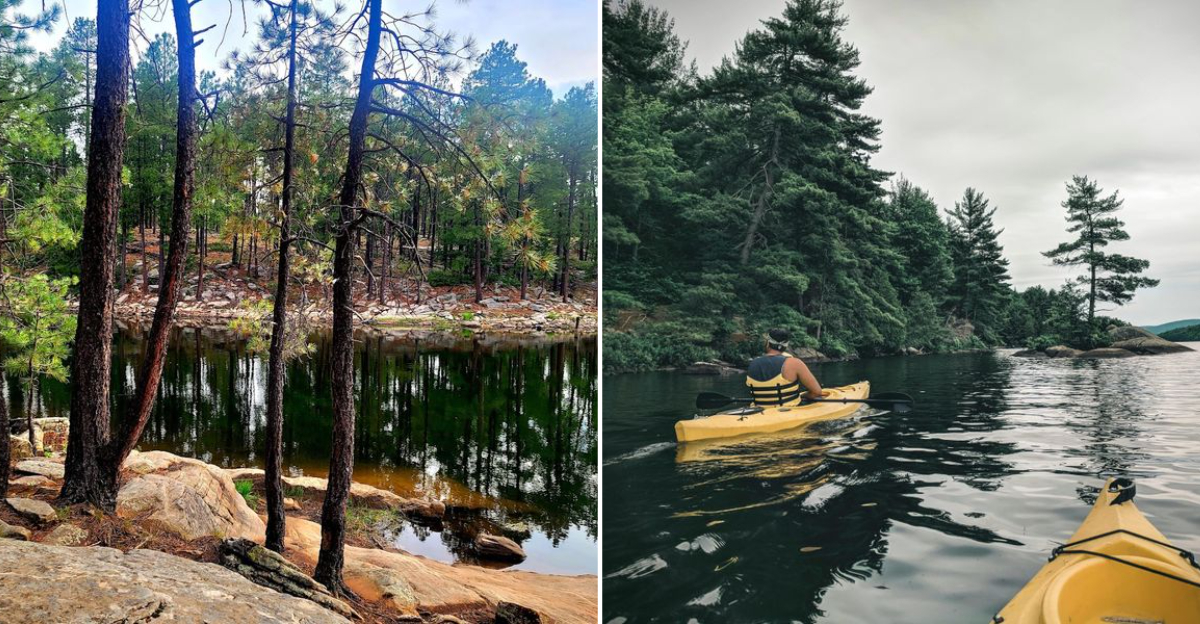
There is a specific kind of panic that sets in when you realize you haven’t heard another human voice in three days, and your only conversational partner is a very suspicious raccoon. I brought this upon myself by seeking out Knoll Lake, the most remote lake in Arizona and the reigning champion of aggressive tranquility. Getting here requires a vehicle with decent clearance and a soul willing to navigate dirt roads that seem designed by a sadistic cartographer.
But the reward? Utter, beautiful, mildly terrifying silence. In a state famous for baking tourists like prehistoric cookies, this hidden gem sits cool and quiet beneath a thick blanket of evergreens.
I came here looking for peace and quiet, and I found so much of it that I’m half-convinced I’ve slipped into an alternate dimension. Just remember to pack bug spray and your sanity, you’re going to need both.
The Road Less Traveled
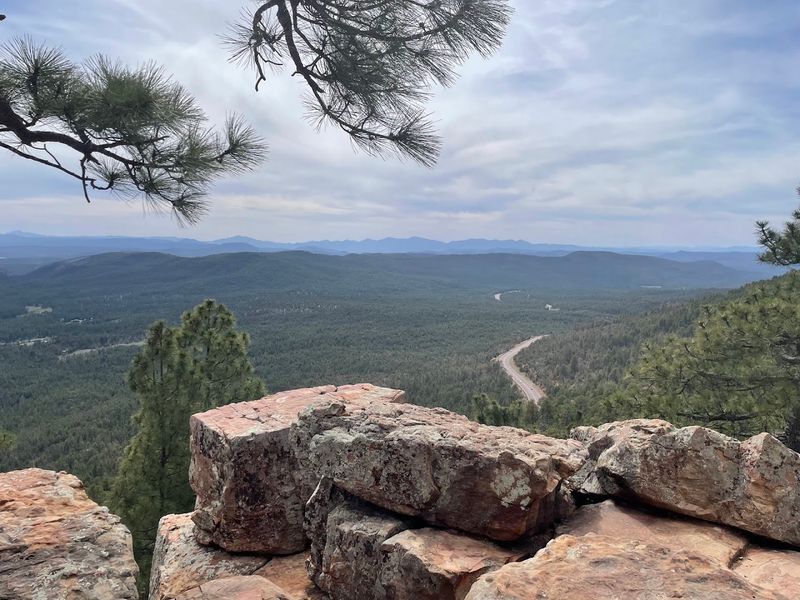
Most people have never heard of Knoll Lake, and the drive there helps explain why.
Located roughly 40 miles northeast of Payson and about 80 miles southeast of Flagstaff within Coconino National Forest, the final stretch to the lake runs along Forest Road 95 and Forest Road 295, both unpaved, winding, and occasionally bumpy.
A high-clearance vehicle is strongly recommended, especially after rain when the gravel turns muddy and soft. The roads can feel relentless at times, but every mile you cover is a mile fewer people are willing to drive, which means more peace and quiet waiting for you at the end.
Winter access is often impossible due to snow and seasonal road closures, so late spring through early fall is the practical window for visiting. Before heading out, check current road conditions with the Coconino National Forest office.
Pack food, water, and anything else you might need, because there are no stores, no gas stations, and absolutely no cell service once you leave the main highway.
A Lake Named For Its Own Island
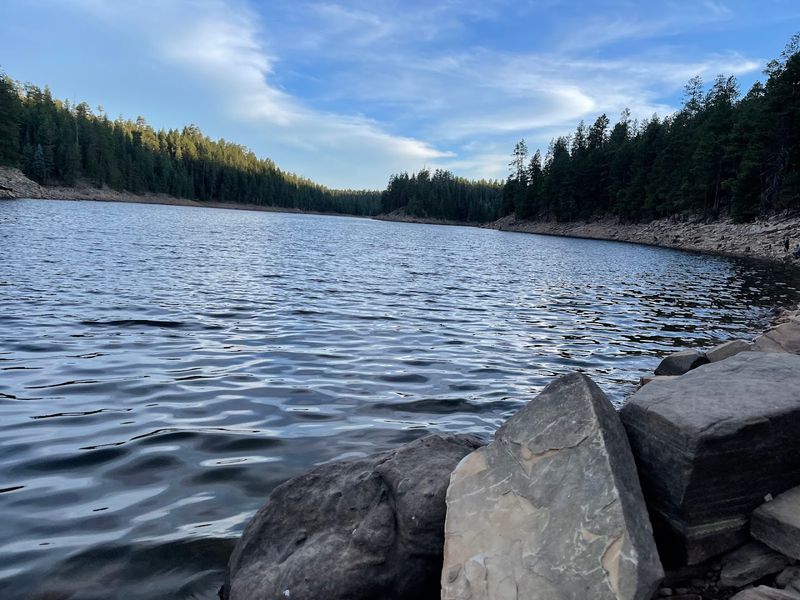
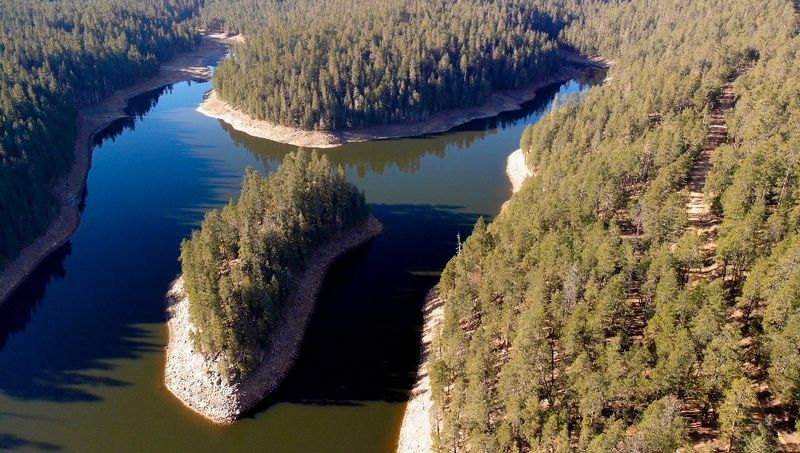
There is something wonderfully self-referential about Knoll Lake. The lake takes its name from the prominent rocky, tree-covered knoll, or small hill, that rises right out of the water near its center.
That island is visible from nearly every spot along the shoreline, giving the lake a distinctive personality that most mountain lakes simply do not have.
Covering 75 acres and reaching depths of around 50 feet, Knoll Lake holds a surprising amount of water for a high-elevation Arizona lake. Its GPS coordinates place it at approximately N34 degrees 25 minutes, W111 degrees 5 minutes, sitting at an elevation between 6,880 and 7,400 feet above sea level.
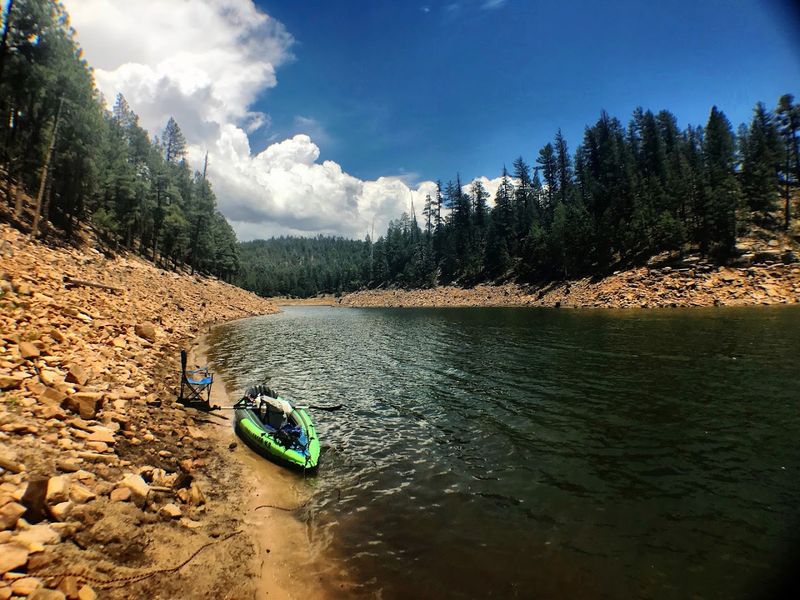
The central island is best appreciated from a kayak or canoe, where you can paddle close and take in the unusual sight of trees growing from a rocky mound surrounded by calm, clear water.
It is the kind of quirky natural feature that sticks in your memory long after the trip is over, and one that makes the lake immediately recognizable in photographs.
Water So Clear You Will Question Everything
Some lakes look clean from a distance but disappoint up close. Knoll Lake is not one of those lakes.
Visitors consistently report that the water here is among the clearest and cleanest in all of Arizona, a claim that becomes easy to believe the moment you peer over the side of a kayak and watch the bottom come into sharp focus several feet below.
The high elevation, the surrounding forest, and the limited human traffic all contribute to keeping the water in excellent condition. Because gas-powered boat motors are prohibited, there are no fuel spills, no exhaust fumes, and no choppy wakes churning up sediment from the lakebed.
On a calm morning, the surface of the lake acts like a mirror, reflecting the pine-covered ridgeline and the open sky above with almost photographic accuracy.
If you bring a paddleboard, the experience of standing on that glassy surface with crystal-clear water beneath you and complete silence all around feels genuinely surreal. Pack your camera and leave plenty of storage space on your memory card.
Fishing The High Country
Fishing at Knoll Lake is the kind of experience that reminds you why people fell in love with the sport in the first place.
The Arizona Game and Fish Department regularly stocks the lake with rainbow trout, and brown trout and brook trout also swim these waters, giving anglers a solid variety to target depending on the season and technique.
The calm, clear water means you can sometimes spot fish holding near structure or cruising along the shallows before you even cast. Early mornings and late afternoons tend to produce the best action, particularly near the rocky island at the center of the lake, where trout like to gather around submerged features.
Because only electric motors are allowed, the lake stays quiet enough that you can actually hear the line cutting through the water on a good cast.
No roaring engines, no crowded docks, just you, your rod, and the occasional splash of a rising trout breaking the surface. Bring a valid Arizona fishing license and check current regulations before your trip.
Paddling Around The Silence
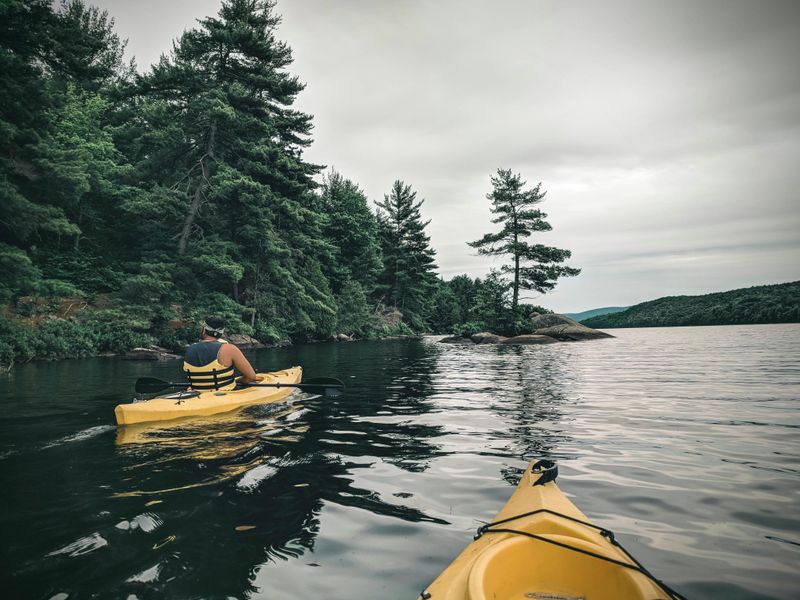
If fishing is not your thing, Knoll Lake still has plenty to offer on the water. Kayaking, canoeing, and paddleboarding are all popular here, and the calm surface makes the lake ideal for anyone from beginners to more experienced paddlers.
A boat ramp is available near the campground, making it easy to launch without dragging your vessel through the brush. Paddling out to the central island is a must-do activity. You can circle it slowly, peer into the crevices of the rocky shoreline, and watch small birds moving through the trees overhead.
The island feels like a miniature world unto itself, and reaching it under your own power adds a satisfying sense of exploration to the trip.
Small fishing boats with electric motors are also welcome, so if you prefer a little assistance getting around the 75-acre surface, that option is available too.
The key rule to remember is that gas-powered engines are not permitted, which is ultimately what keeps the lake so peaceful. The quiet hum of an electric motor barely disturbs the pine-scented air surrounding you.
Camping Under A Sky Full Of Stars
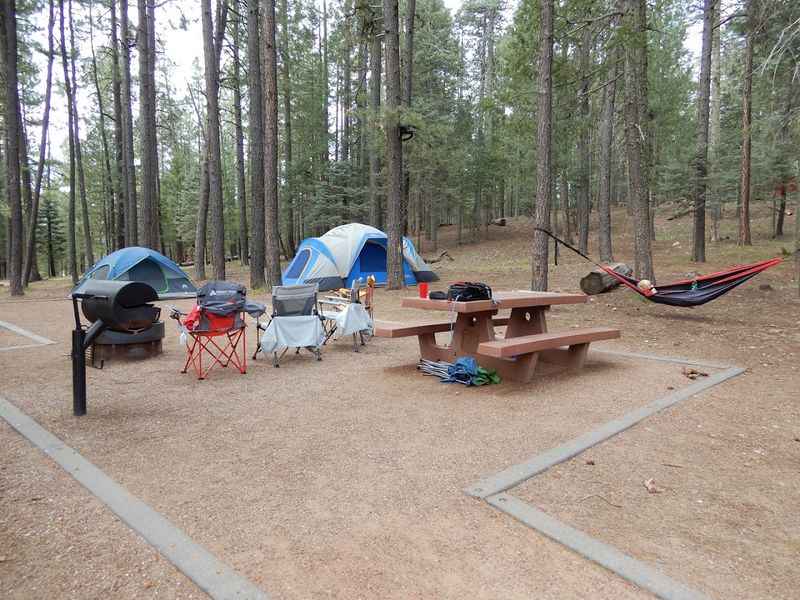
Knoll Lake Campground sits within easy walking distance of the water, which means you can wake up, unzip your tent, and be at the lake’s edge in minutes.
The campground offers 30 single sites and 3 double sites, each equipped with a picnic table, fire ring, and cooking grill. Potable water and vault toilets are available on-site, covering the basics without turning the experience into a hotel stay.
Sites are first-come, first-served, so arriving early, especially on summer weekends, gives you the best chance of securing a good spot. If the campground is full, dispersed camping is allowed along Forest Road 295, giving you even more flexibility and even more solitude.
The real showstopper at night is the sky. With no cell towers, no streetlights, and no nearby towns to wash out the darkness, the stars above Knoll Lake are extraordinary. The Milky Way stretches across the sky in a way that feels almost theatrical.
Bring a blanket, lie back on a flat rock near the shoreline, and let the universe do its thing. Bears are active in the area, so store all food properly.
Wildlife Encounters Along The Mogollon Rim
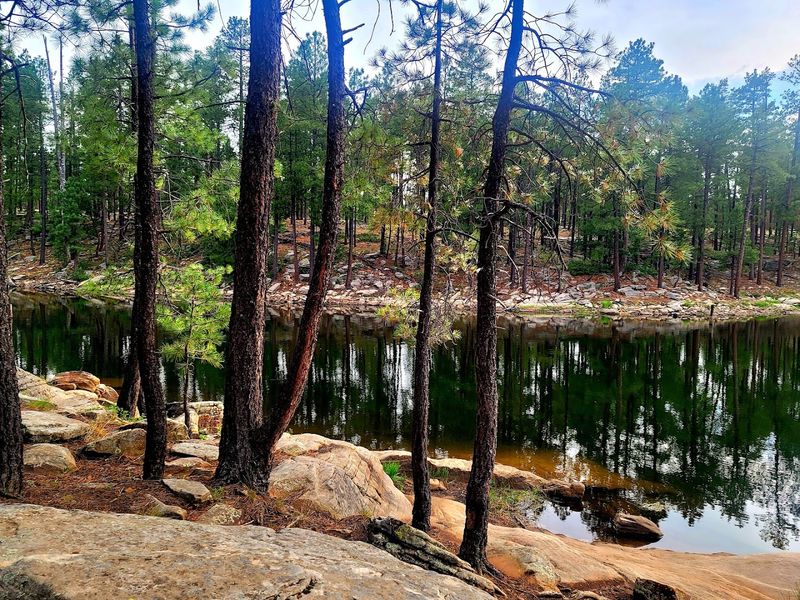
One of the quieter rewards of visiting Knoll Lake is the wildlife. Because the area sees far fewer visitors than more accessible lakes in Arizona, the animals here seem less skittish and more willing to go about their business without much fuss.
Elk and deer are frequently spotted near the treeline, particularly during the golden hours around dawn and dusk. Wild turkeys are a surprisingly common sight, often wandering through the campground with an air of complete ownership.
Bald eagles have also been spotted soaring above the lake, scanning the water with the kind of focus that makes you stop whatever you are doing and just watch.
The Mogollon Rim ecosystem supports a rich variety of wildlife, and spending a few quiet mornings near the water with a pair of binoculars can turn into an unexpectedly rewarding experience. The key is patience and quietness, two things that Knoll Lake practically teaches you the moment you arrive.
Keep dogs leashed within campground areas to avoid disturbing the animals and to keep your pet safe from larger wildlife.
When To Go And What To Bring
Timing your visit to Knoll Lake makes a real difference in the quality of your experience. Late spring brings melting snow and fresh green growth, while summer offers warm days and cool nights at nearly 7,000 feet.
Early fall is widely considered the best season, with cooler temperatures, noticeably fewer visitors, and patches of golden foliage that make the forest look like it has been painted.
Winter access is generally not possible due to snow and road closures on the forest roads leading to the lake, so plan accordingly. Always check with the Coconino National Forest office for current road conditions and any active fire restrictions before your trip.
Packing smart is non-negotiable. Bring more water than you think you need, along with all your food, sunscreen, insect repellent, and a first-aid kit.
Cell service is completely absent in this area, so a paper map or downloaded offline maps are essential for navigation. A high-clearance vehicle handles the gravel roads far more comfortably than a standard sedan, and that comfort adds up over miles of winding forest road.