
10 Highest Rated Waterfalls In Illinois That Are Always Worth Every Step
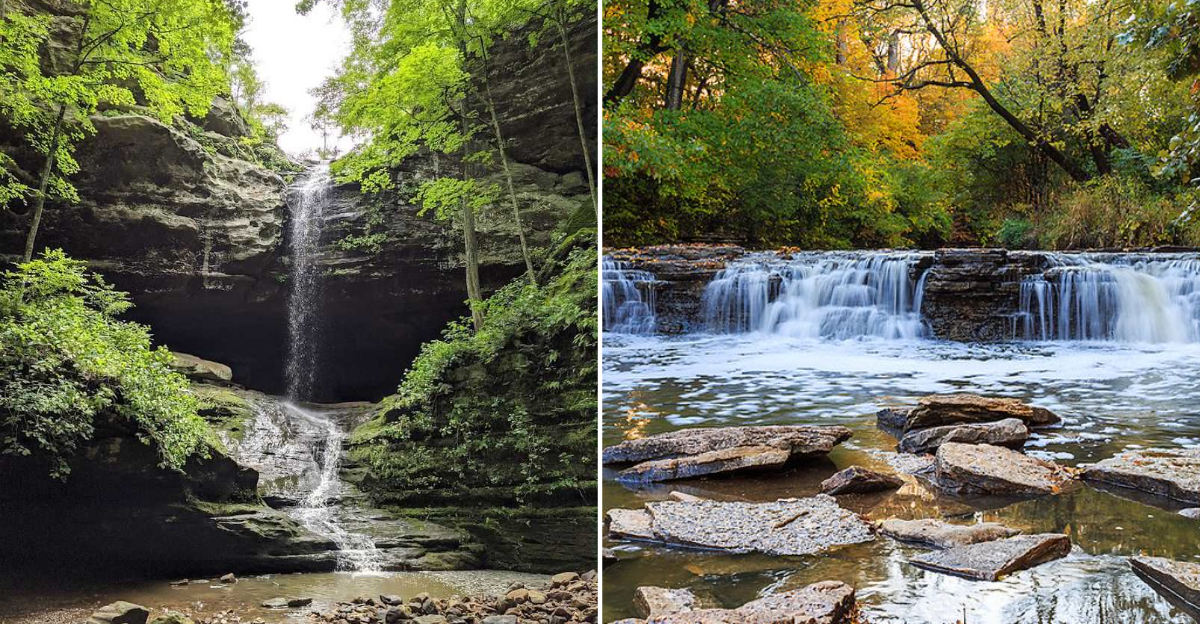
Illinois is not usually the first state that comes to mind when waterfalls enter the conversation, and that is exactly what makes these spots so surprising. After a good rain, quiet canyons suddenly fill with rushing water, and familiar trails can look completely different.
Winter brings another kind of drama, with frozen cascades clinging to tall sandstone walls. Many of these waterfalls are seasonal, so timing plays a big role in what you will see.
A dry visit may reveal little more than a wet rock face, while spring rain can turn the same place into a powerful curtain of water. Pack sturdy shoes, check recent conditions, and be ready for muddy paths.
This side of Illinois feels far removed from the flat landscape many travelers expect.
1. Burden Falls
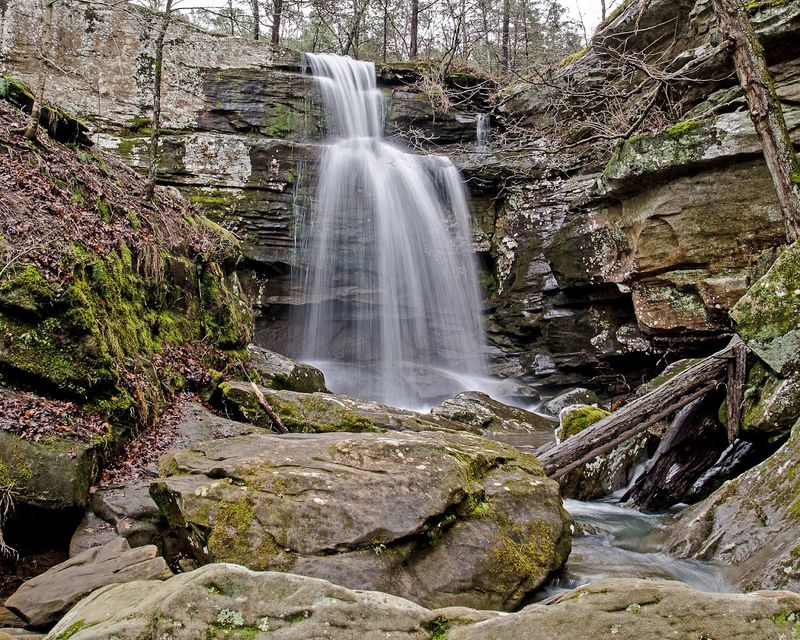
Few waterfalls in Illinois hit quite like Burden Falls, and the moment you round the last bend of the trail and hear that rushing sound, you will understand exactly why it tops so many hikers’ lists.
Located in Shawnee National Forest in Pope County, Burden Falls drops about 20 feet over its main sandstone ledge before continuing through a longer series of cascades below.
The trail to reach it is relatively short at about one mile round trip, making it accessible for most fitness levels. After heavy rain, the falls transform into a thundering curtain of white water that fills the entire canyon with mist.
Even in drier months, the layered rock formations and the surrounding old-growth forest make the hike feel completely worthwhile.
Spring and early summer are the best seasons to visit if you want maximum water flow. Bring waterproof boots because the creek crossing near the base can get slippery.
This spot is genuinely one of the most rewarding natural surprises the state has to offer.
2. Jackson Falls

There is something almost theatrical about Jackson Falls.
The waterfall spills down a tall, curved rock amphitheater near the small community of Ozark in Shawnee National Forest, and the acoustics of the canyon walls make the sound of falling water feel like a full surround-sound experience. It is one of the most visually dramatic waterfalls in all of Illinois.
The hike in follows a well-maintained trail through hardwood forest and takes roughly 30 to 45 minutes at a casual pace. What makes Jackson Falls stand out beyond its size is the surrounding geology.
The sandstone bluffs are layered with fascinating colors, from deep rust to pale cream, and the walls are often streaked with mineral deposits that catch the afternoon light beautifully.
Rock climbers also love this area, as the nearby bluffs offer challenging routes for experienced climbers. If you visit in late spring, wildflowers line the trail in bursts of purple and yellow.
Families with older kids tend to enjoy this one most, since the terrain near the base requires a bit of careful footing. Plan to stay longer than you think you will need.
3. Big Rocky Hollow Waterfall
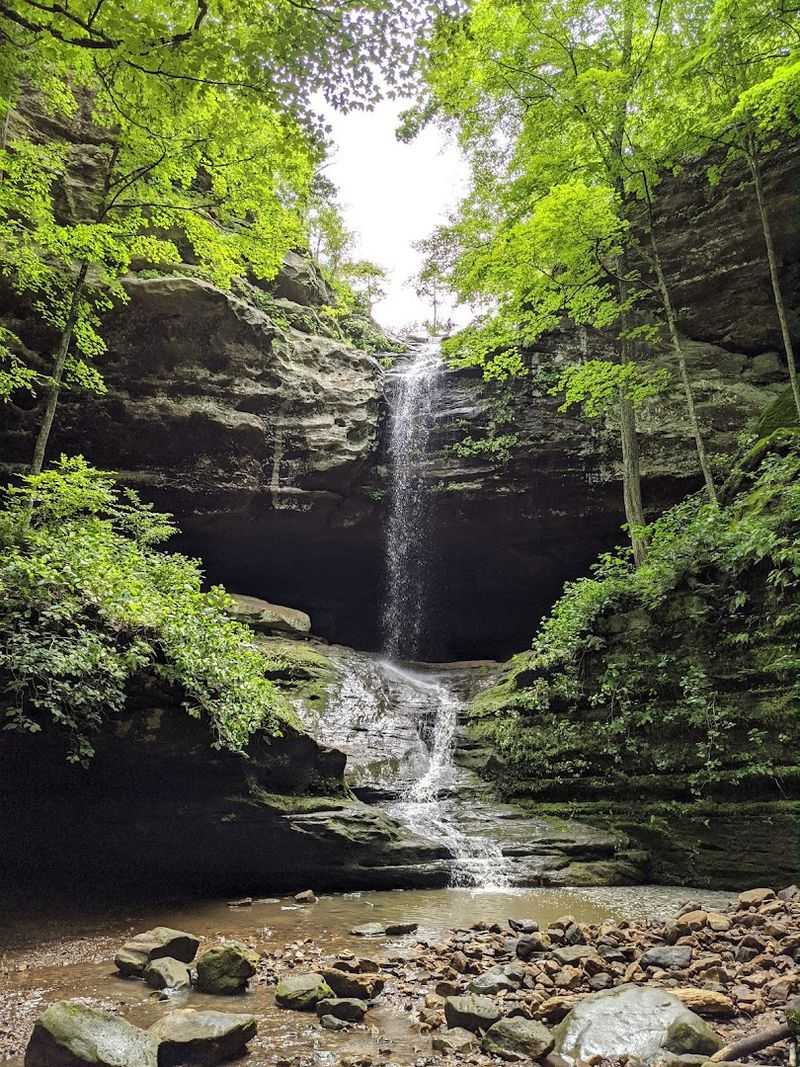
Ferne Clyffe State Park near Goreville holds a quiet kind of magic, and the Big Rocky Hollow Waterfall is the crown jewel of the entire park.
The park’s roughly 100-foot intermittent waterfall drops from a high sandstone overhang into a dark, mossy hollow below. Even on a warm day, the hollow stays noticeably cool thanks to the shade of the surrounding canyon walls.
The trail to reach it is part of the park’s loop system and can be combined with other scenic viewpoints for a longer hike. The path winds through dense forest before opening up to the hollow, and the reveal feels genuinely rewarding every single time.
After periods of heavy rainfall, the waterfall becomes a proper roaring cascade, while in dry summer months it mellows into a delicate ribbon of water tracing the rock face.
Ferne Clyffe also has a campground nearby, so an overnight stay is very doable if you want to explore multiple trails. Birdwatchers will appreciate the variety of woodland species in the park year-round.
Bring a camera with a wide-angle lens because the full height of the falls is hard to capture in a single standard shot.
4. St. Louis Canyon Waterfall
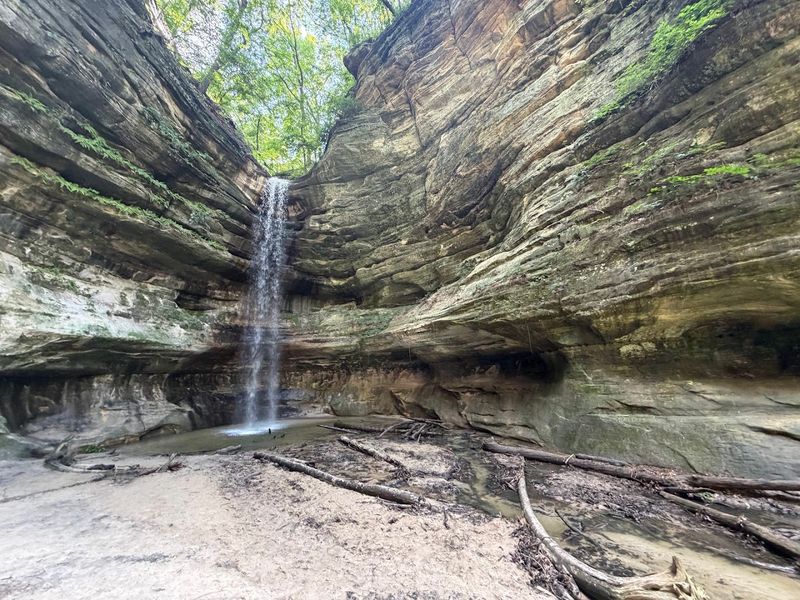
Ask any regular visitor to Starved Rock State Park which canyon waterfall they keep coming back to, and St. Louis Canyon will almost always be in the top answer.
Located in the park near Oglesby in north-central Illinois, this waterfall plunges from a narrow slot in the sandstone into a deep, cathedral-like canyon that feels completely separate from the rest of the world.
The walls tower above you on both sides, and the cool air inside the canyon is a welcome relief on a hot summer day.
The trail from the main visitor center is well-marked and moderately easy, making it a favorite for families and casual hikers alike. In winter, the falls often freeze into a dramatic column of ice that draws photographers from across the Midwest.
The contrast of the white ice against the warm ochre sandstone walls is something you genuinely cannot unsee once you have experienced it.
Starved Rock itself has a rich history tied to the Illinois, Ottawa, and Potawatomi peoples, and interpretive signs along the trails add educational context to the natural scenery.
Arrive early on weekends because parking fills up fast, especially in fall when the canyon foliage turns brilliant shades of orange and red.
5. Wildcat Canyon Waterfall
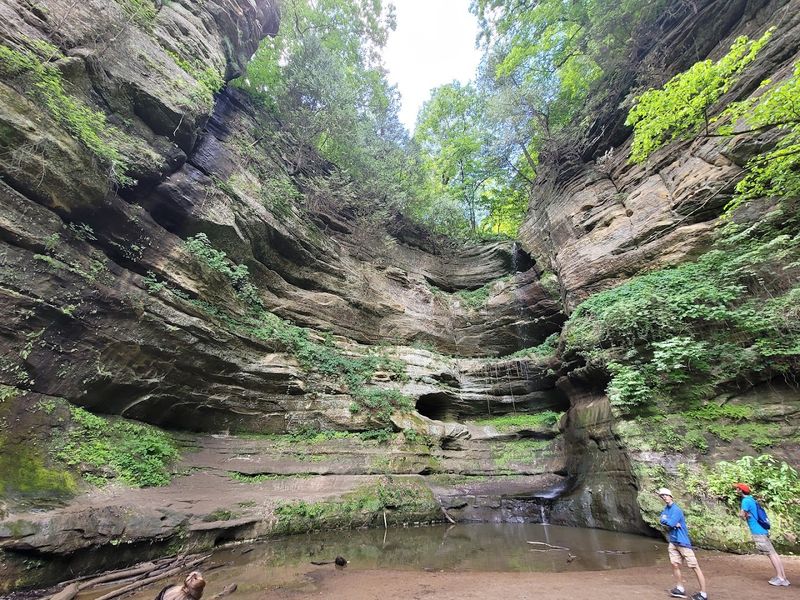
Wildcat Canyon has a name that already promises adventure, and the waterfall tucked inside this rugged gorge at Starved Rock State Park near Oglesby, Illinois, absolutely delivers on that promise.
The canyon runs deep into the park’s interior, and reaching the falls requires a bit more hiking than some of the other Starved Rock canyons, which honestly just makes the payoff feel sweeter.
The waterfall here is seasonal and flows most reliably in spring and after significant rainfall. When it is running strong, the water fans out across a wide sandstone ledge before dropping into the canyon floor in a satisfying curtain of white foam.
The canyon walls above are draped in ferns and mosses that thrive in the constant humidity near the falls. Wildlife sightings are common along this trail.
White-tailed deer, wild turkeys, and various hawk species are frequently spotted by patient hikers.
The canyon also connects to other trails in the park, so you can easily build a half-day loop that takes in multiple waterfalls in a single outing. Wear sturdy shoes with ankle support because some sections of the trail involve uneven rock surfaces that can be slick after rain.
6. French Canyon Waterfall
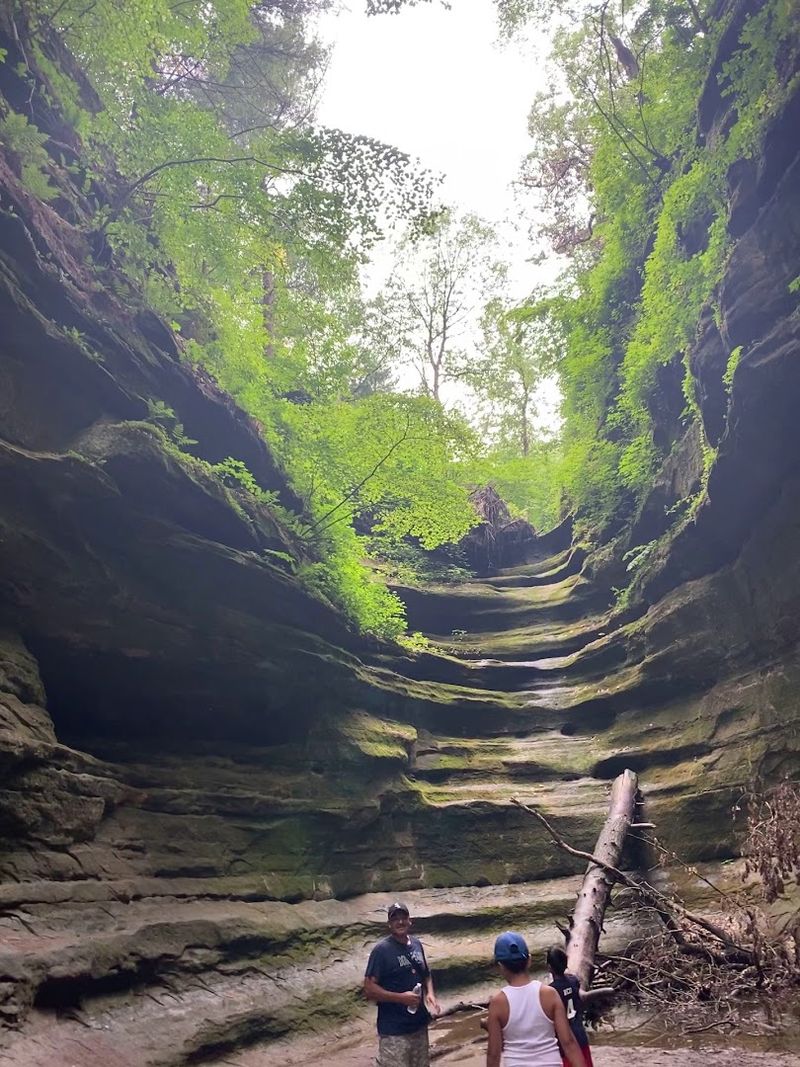
French Canyon at Starved Rock State Park near Oglesby, Illinois, is one of those places that makes you feel like you have stepped into a completely different landscape.
The canyon is relatively narrow, and the waterfall at its head drops down a smooth, curved wall of sandstone that has been carved by thousands of years of flowing water. The result is a perfectly shaped natural bowl that amplifies both the sound and the visual drama of the falls.
What makes French Canyon particularly special is how green it stays throughout the warmer months. The walls are blanketed in liverworts, mosses, and ferns that thrive in the cool, moist microclimate the canyon creates.
Even on a bright sunny day, the light inside the canyon has a soft, filtered quality that makes every photograph look like it was taken during golden hour.
This is one of the more accessible canyons in the park, with a fairly short and level trail from the main path. It is a wonderful choice for first-time visitors to Starved Rock who want a taste of the canyon experience without committing to a long hike.
Go in late April or May for peak water flow and the most vibrant green walls you will ever see.
7. Rocky Glen Waterfall
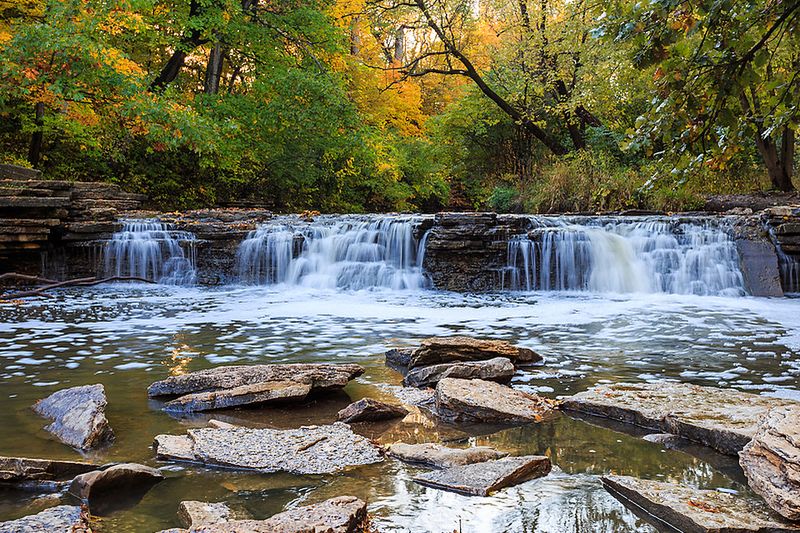
Given that Waterfall Glen Forest Preserve in Darien, Illinois, literally has the word waterfall in its name, you might arrive with sky-high expectations. The Rocky Glen Waterfall is not a towering cascade, but what it lacks in raw height it more than makes up for in charm and accessibility.
This small human-made cascade, constructed by the Civilian Conservation Corps, sits in a wooded ravine along Rocky Glen Trail.
The preserve itself covers over 2,500 acres in DuPage County and offers a 9.5-mile trail that circles the Argonne National Laboratory campus.
The waterfall sits near the southwestern section of the loop and rewards hikers who take the time to explore the side trail leading down into the glen. The rocky streambed and the layered limestone ledges give the scene a timeless, almost storybook quality.
This is a fantastic option for Chicago-area residents looking for a quick nature fix without a long drive. The preserve is open year-round and the waterfall takes on a completely different personality in each season.
In winter, ice formations cling to the rocks in intricate patterns, while spring brings a lush canopy of wildflowers along the banks of the stream.
8. Rocky Bluff Waterfalls
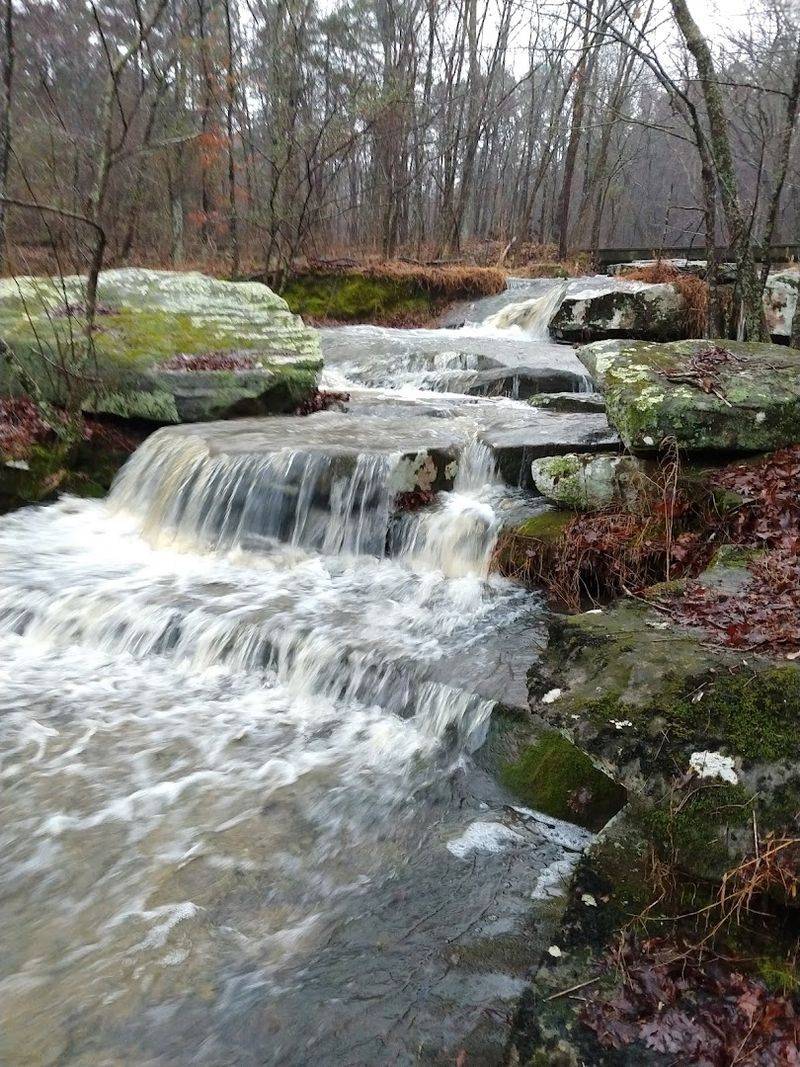
Crab Orchard National Wildlife Refuge near Makanda in southern Illinois is most famous for its lakes, bald eagles, and Canada geese, but the Rocky Bluff Waterfalls offer a quieter, lesser-known reward for hikers willing to explore beyond the shoreline.
The falls here cascade over rocky bluffs in a series of small drops that create a gentle, layered sound rather than a single dramatic roar.
The setting is genuinely wild in the best possible sense. Because this is a national wildlife refuge, the surrounding forest is dense and largely undisturbed, and the trails see far fewer visitors than the more famous spots on this list.
That solitude makes every visit feel a bit like your own private discovery. Wildlife sightings along the trail are common, and the refuge supports hundreds of bird species, so bringing binoculars can add another layer to the visit.
The falls are most impressive in late winter and early spring when snowmelt swells the streams. Summer visits are more about the peaceful forest atmosphere and the chance to spot turtles and herons along the waterways.
This is a perfect destination for nature lovers who want their waterfall experience paired with genuine wilderness rather than a crowded park trail.
9. Rock Creek Waterfall
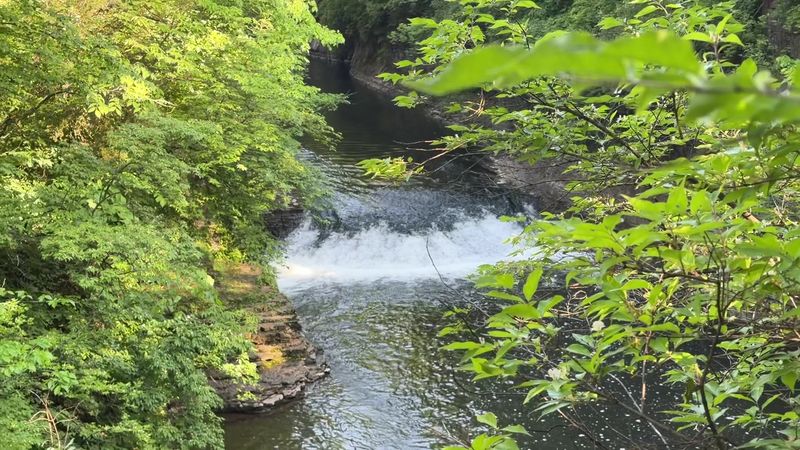
Rock Creek Waterfall at Kankakee River State Park near Bourbonnais offers a completely different kind of waterfall experience compared to the towering canyon drops of southern Illinois.
Here, the water spreads out wide over flat limestone ledges in a broad, shallow cascade that almost invites you to wade in and stand right in the middle of it. The horizontal drama of this waterfall is its defining characteristic, and it photographs beautifully from the bank above.
Kankakee River State Park is one of the most popular outdoor destinations in northeastern Illinois, and for good reason. The park covers over 4,000 acres and includes miles of trails, equestrian paths, and river access points.
Rock Creek itself flows into the Kankakee River nearby, and the confluence area is a favorite spot for kayakers and canoeists.
The waterfall is easy to reach from the main parking area and requires only a short walk along a well-maintained path. Families with young children particularly enjoy this spot because the shallow water near the falls is safe to explore.
Visit in spring for the strongest flow or in October when the surrounding maple and oak trees paint the park in vivid shades of amber, gold, and crimson.
10. Dixon Springs Waterfall
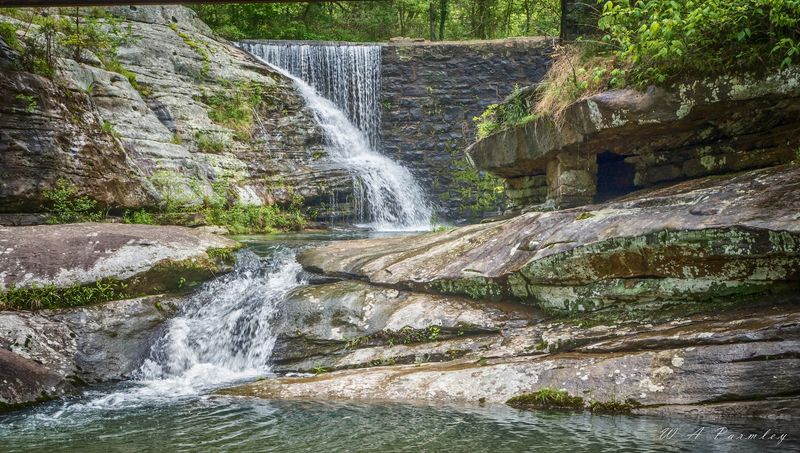
Dixon Springs State Park near Golconda in southern Illinois is the kind of place that feels like it belongs in a different state entirely.
The park sits in a narrow valley carved by ancient geological forces, and the waterfall here flows through a maze of massive sandstone boulders and towering bluffs that give the landscape a primal, almost prehistoric atmosphere.
The water weaves between the rocks in a series of small cascades rather than one single dramatic drop.
The park has a fascinating human history as well.
Dixon Springs became a popular resort destination where visitors came to experience mineral springs once believed to have therapeutic properties.
Walking the trails today, you can still sense that old sense of retreat and escape from everyday life. The natural swimming pool fed by the springs has been a beloved local feature for generations.
The waterfall area is best visited in spring when water levels are high and the surrounding woodland is bursting with new growth. The trail system is compact and easy to navigate, making it a great half-day destination.
Pair your visit with a stop at nearby Garden of the Gods Wilderness Area for a full day of southern Illinois scenery that will genuinely stay with you long after you drive home.