
This Illinois City Was Just Named One Of America’s Happiest Places
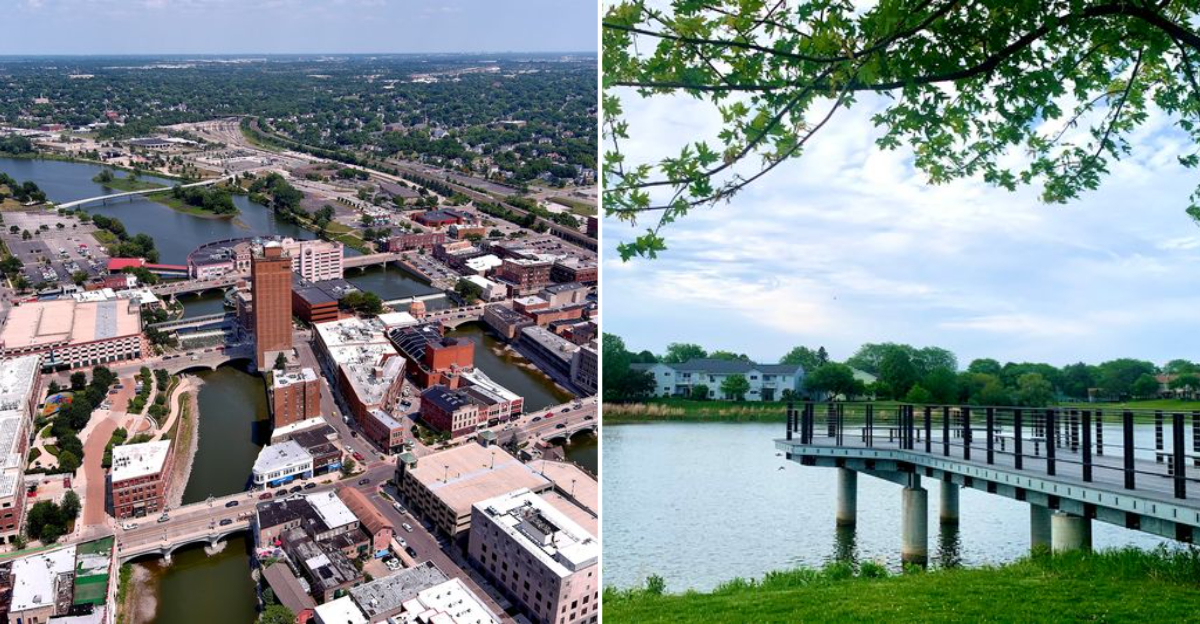
A city along the Fox River has landed on a list of America’s happiest places, and honestly, the recognition does not feel all that surprising.
Nearly 181,000 people call this corner of northeastern Illinois home, giving it the energy of a major city without the constant rush that often comes with one.
The riverfront gives residents room to slow down, while theaters and community events keep life interesting throughout the year. Local restaurants reflect the city’s cultural mix, and neighborhood connections still seem to matter here.
The national ranking may be new, but the qualities behind it have been taking shape for a long time.
Aurora Sits Right On The Fox River
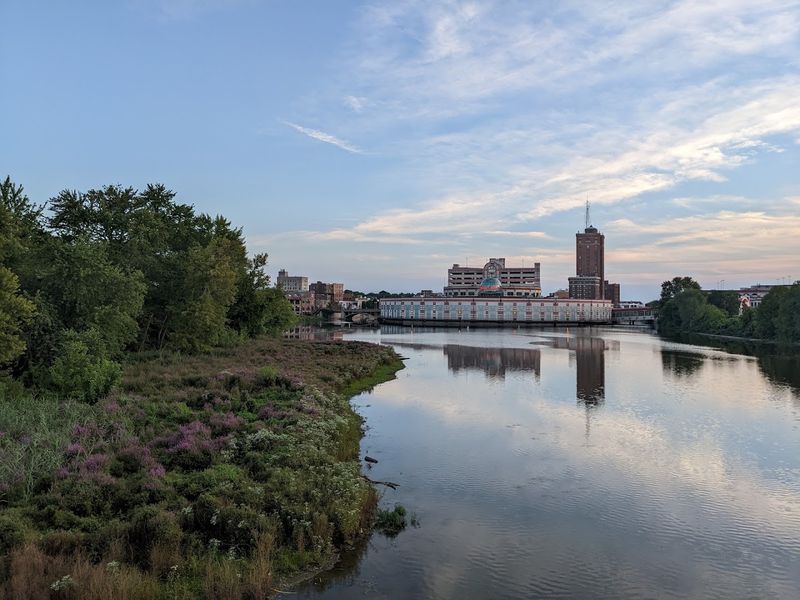
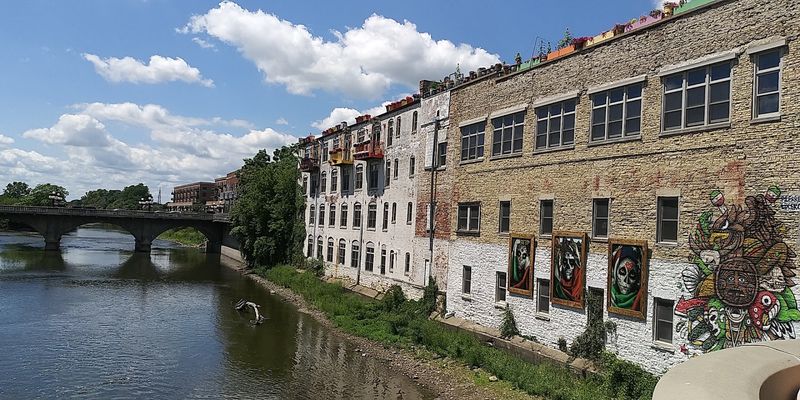
Water has a way of making places feel alive, and Aurora knows this better than most. The Fox River runs right through the heart of the city, giving residents and visitors a natural backdrop that shifts beautifully with every season.
In summer, cyclists and walkers use the riverside paths while paddlers can explore sections of the Fox River.
The riverfront trail system connects several parks and open spaces, making it easy to spend an entire afternoon outdoors without ever feeling rushed.
Families bring picnic blankets, kids splash near the water’s edge, and older adults take their morning walks along well-maintained paths that hug the shoreline.
What makes the Fox River especially meaningful to Aurora is that it shaped the city’s entire layout. Early settlers built their homes and businesses close to the water, and that original energy has never really faded.
Today, riverfront destinations such as RiverEdge Park host seasonal concerts, festivals, and community gatherings. The river is not just scenery here; it is part of daily life.
Second Largest City In Illinois
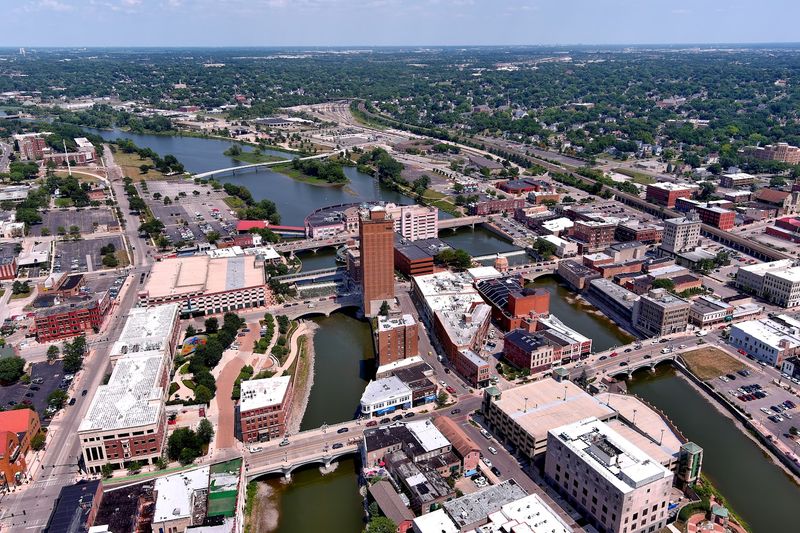
Most people think of Chicago the moment someone mentions Illinois, and that makes complete sense. But Aurora holds a title that often surprises first-time visitors: it is the second-most populous city in the entire state, with a population of 180,542 recorded at the last census.
That is a city with real weight behind it.
Being this size means Aurora has the kind of infrastructure and variety you would expect from a major urban center, but without the overwhelming pace that can sometimes make big-city living feel exhausting.
There are solid schools, well-funded parks, multiple hospital systems, and a public transit connection to Chicago through the Metra commuter rail line.
Aurora also ranks as the 144th-most populous city in the entire United States, which puts it in a genuinely impressive category nationwide. And here is a fun detail that many residents love sharing: Aurora is the most populous city in Illinois that is not a county seat.
It sits across parts of Kane, DuPage, Kendall, and Will counties, which is a geographical quirk that gives the city a uniquely broad identity. Size, it turns out, really does come with some interesting stories.
A Rich And Layered History
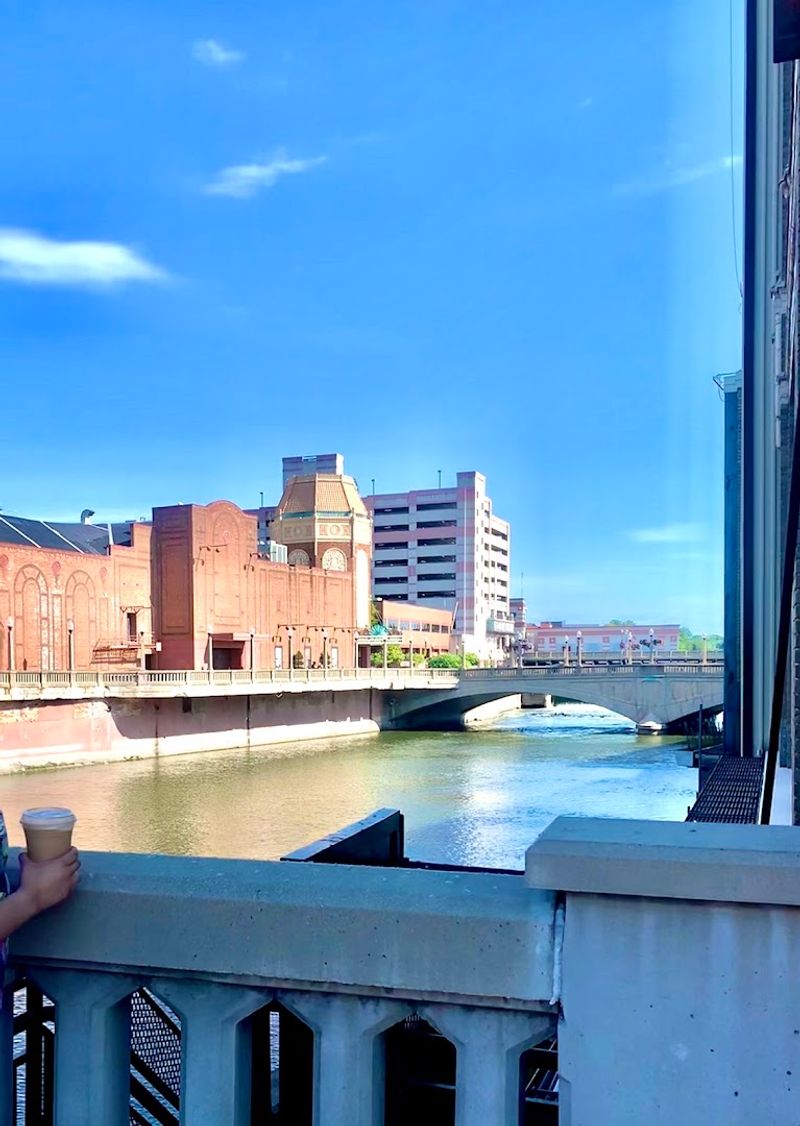
Aurora earned the nickname “City of Lights” long before LED bulbs were even a concept. In 1881, Aurora became one of the first cities in the United States to install an all-electric street-lighting system powered by a central station.
That forward-thinking energy set a tone for the city that has carried through generations. The city was officially incorporated in 1857, though settlers began arriving along the Fox River in the 1830s.
The railroad industry played a massive role in Aurora’s growth throughout the 19th century, with the Chicago, Burlington and Quincy Railroad establishing significant operations here.
That industrial backbone gave Aurora a working-class pride that still shows up in how the community approaches hard work and civic involvement.
Historic neighborhoods throughout the city feature architecture from multiple eras, including Victorian-era homes, early 20th century bungalows, and mid-century commercial buildings that have been lovingly preserved or thoughtfully renovated.
Walking through certain streets feels like flipping through a visual timeline of American urban development. History here is not locked behind museum glass; it is built into the sidewalks, the storefronts, and the neighborhoods where people still live and raise their families every single day.
Thriving Arts And Culture Scene
For a city that gets overshadowed by its famous neighbor to the northeast, Aurora punches well above its weight when it comes to arts and culture. The Paramount Theatre, located at 23 E.
Galena Blvd, Aurora, IL 60505, is one of the crown jewels of the city’s cultural life.
Built in 1931, this stunning venue hosts Broadway-style productions, concerts, and special events throughout the year.
The Paramount seats over 1,800 people and has undergone careful restoration work to preserve its original Art Deco interior.
Seeing a show here feels genuinely special because the building itself adds to the experience in a way that modern venues often cannot replicate. The attention to architectural detail is remarkable at every turn.
Beyond the Paramount, Aurora supports a lively network of galleries, community theater groups, and public art installations.
The Aurora Arts District has become a growing hub for local artists, with studios and exhibition spaces that welcome curious visitors on a regular basis.
The city also invests in public murals that reflect its diverse cultural heritage, turning ordinary walls into vivid storytelling canvases. For anyone who believes that a city’s happiness is tied to its creative energy, Aurora makes a very convincing case.
Incredible Diversity That Shapes The City’s Identity
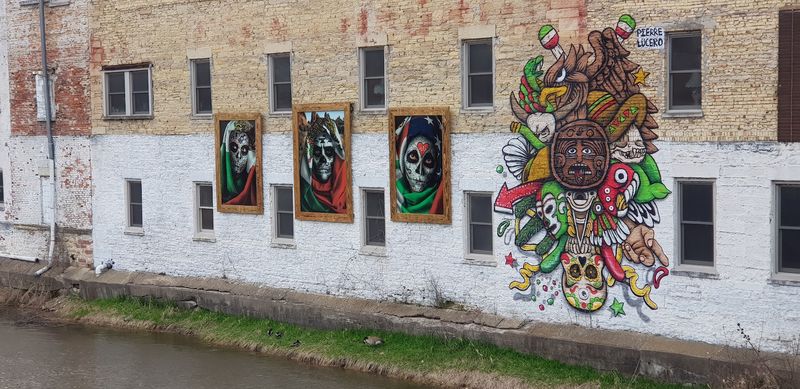
Aurora is one of the most ethnically and culturally diverse cities in the entire state of Illinois, and that diversity is not just a statistic on a demographic chart.
It shows up in the food, the festivals, the languages spoken on street corners, and the businesses that line commercial corridors throughout the city.
The Latino community represents a significant and deeply rooted part of Aurora’s population, bringing with it a rich tradition of food, music, entrepreneurship, and family-centered values.
Authentic Mexican restaurants, bakeries, and grocery stores can be found throughout the city, offering flavors that draw visitors from across the Chicago metropolitan area. Indian, Polish, and Southeast Asian communities also contribute meaningfully to Aurora’s cultural fabric.
This mix of backgrounds creates a kind of everyday cultural richness that residents often describe as one of the best parts of living here. Community festivals throughout the year celebrate different heritages, giving everyone a chance to share their traditions and learn from their neighbors.
Aurora’s schools reflect the city’s diverse population, giving students regular opportunities to learn alongside classmates from different backgrounds. Aurora’s diversity is not something that happened by accident; it is something the city has chosen to embrace and build upon with genuine intention.
Outdoor Recreation That Goes Beyond The Basics
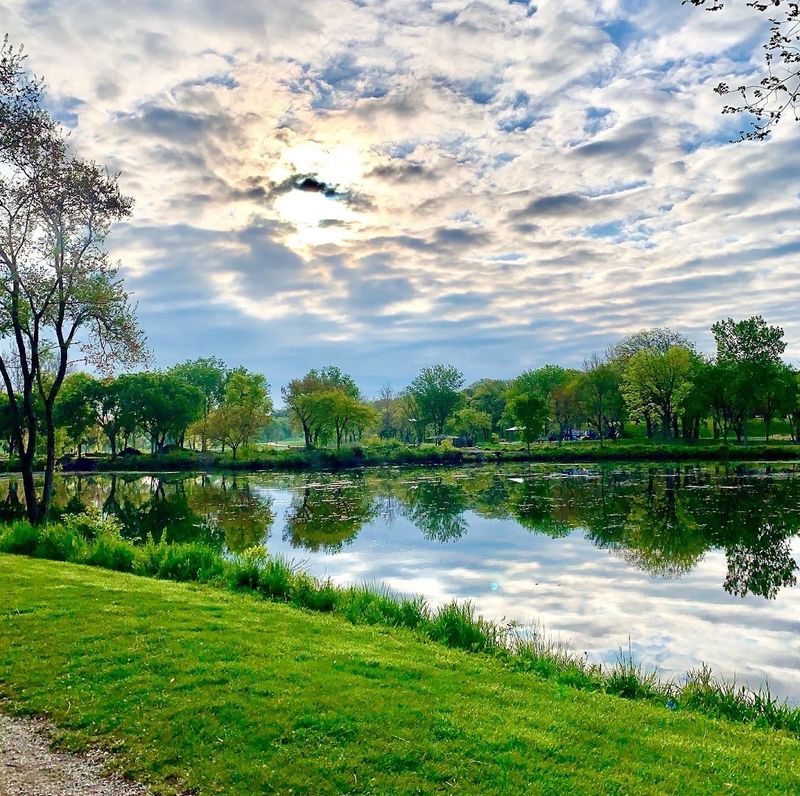
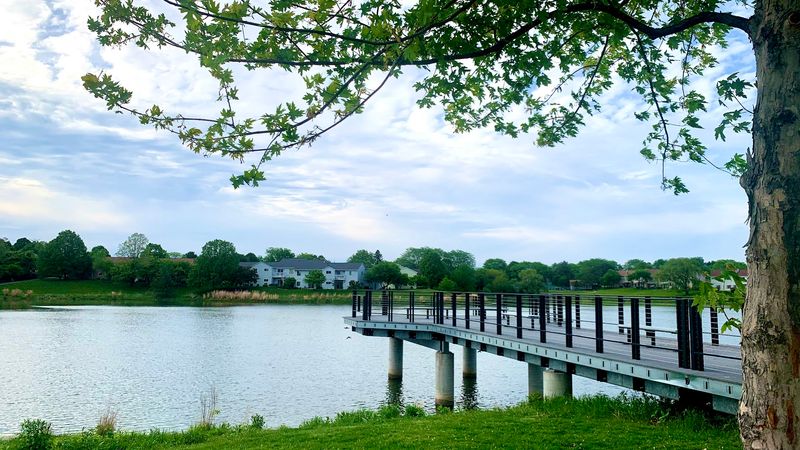
Phillips Park is the kind of place that makes you wonder why you ever pay for entertainment. Spanning over 300 acres in Aurora, this beloved green space includes a free zoo, a golf course, a lagoon, picnic shelters, and miles of walking and cycling trails.
It is the sort of all-in-one outdoor destination that keeps families coming back weekend after weekend. The Phillips Park Zoo is free to visit and houses a collection of native Illinois wildlife along with other species, making it a genuinely accessible educational experience for families of all income levels.
Nearby, the Fox Valley Park District manages dozens of additional parks, sports facilities, nature centers, and recreational programs that serve the broader community year-round.
Waubonsee Community College also contributes to the outdoor experience by maintaining beautifully landscaped grounds open to the public. The campus provides access to a two-mile nature trail and serves as a trailhead for the Virgil L. Gilman Trail.
Whether someone wants a quiet morning run, a family bike ride, or a full afternoon of outdoor adventure, Aurora has enough green space and recreational infrastructure to make it happen without driving very far at all.
Strong Economic Foundation And Job Market
Happiness research consistently points to economic stability as one of the strongest predictors of community wellbeing, and Aurora has built a surprisingly solid financial foundation for a city its size.
Major employers across healthcare, manufacturing, education, retail, and technology keep the local job market active and relatively diverse, which cushions the city against the kind of economic shocks that can devastate single-industry towns.
Rush Copley Medical Center is one of the area’s major healthcare institutions and a significant local employer. Caterpillar, Hollywood Casino Aurora, and Dreyer Medical Clinic also rank among the city’s notable employers, representing a broad cross-section of industries.
Aurora’s location within the Chicago metropolitan area means residents have access to one of the largest job markets in the country without necessarily paying Chicago-level housing costs.
The median home price in Aurora tends to be considerably more affordable than in many comparable suburban cities closer to downtown Chicago.
That combination of access and affordability creates a financial breathing room that makes everyday life feel a little less stressful. When people are not constantly stretched thin financially, happiness tends to follow in ways both large and small.
Community Spirit That Makes Happiness Feel Real
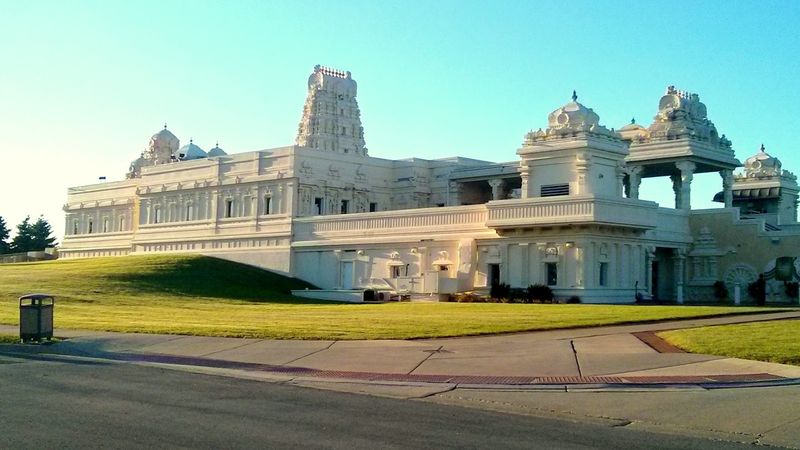
Numbers and rankings can tell part of a story, but the real reason Aurora keeps showing up on happiness lists has more to do with how people treat each other than any single amenity or statistic.
The city has a long tradition of neighborhood associations, volunteer organizations, and community-driven initiatives that keep civic life feeling personal and engaged rather than distant and bureaucratic.
Annual events like the Aurora Farmers Market, the Riverwalk Summer Series, and various neighborhood block parties create consistent opportunities for people to gather, connect, and invest in shared experiences.
These are not just events on a calendar; they are the kinds of repeated interactions that build the social trust researchers say is essential to genuine community happiness.
Aurora’s city government has also made deliberate investments in community programming, youth sports leagues, senior services, and public safety initiatives that reflect a commitment to the wellbeing of all residents, not just certain neighborhoods.
The result is a city where people tend to feel seen and supported, which matters enormously when measuring quality of life. Aurora’s 2026 happiness ranking reflects a combination of economic conditions, public amenities, recreation, and community life.