
11 Maine Beaches And Coves To Watch For Jellyfish This Summer
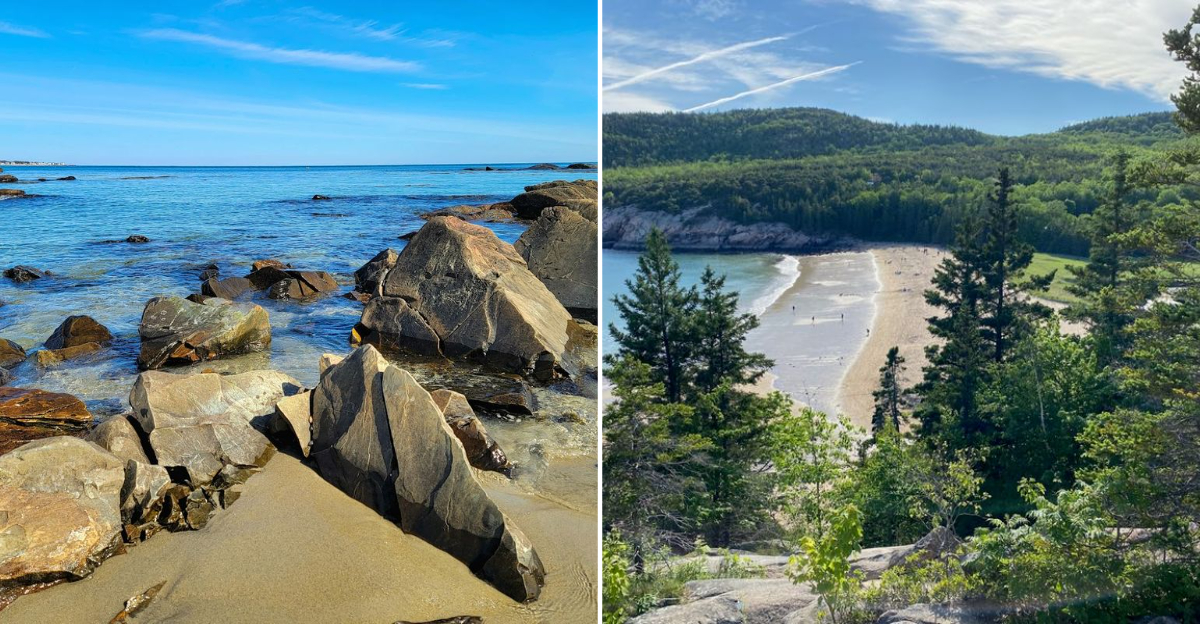
A jellyfish is probably not the beach companion you expect to meet, but Maine’s coastal waters can bring them surprisingly close to shore during summer. Moon jellies and lion’s mane jellyfish both appear along the coast, though sightings can change quickly with the tide and weather.
Calm coves may give them more time to linger, while rougher water can carry them elsewhere just as fast. That means even a familiar swimming spot can look a little different on your next visit.
Before stepping into the water, take a moment to scan the surface for pale bells or trailing tentacles. This guide highlights some beaches where swimmers should stay aware, use a little extra caution, and enjoy the coast without letting an unexpected jellyfish ruin the day.
Short Sands Beach, York
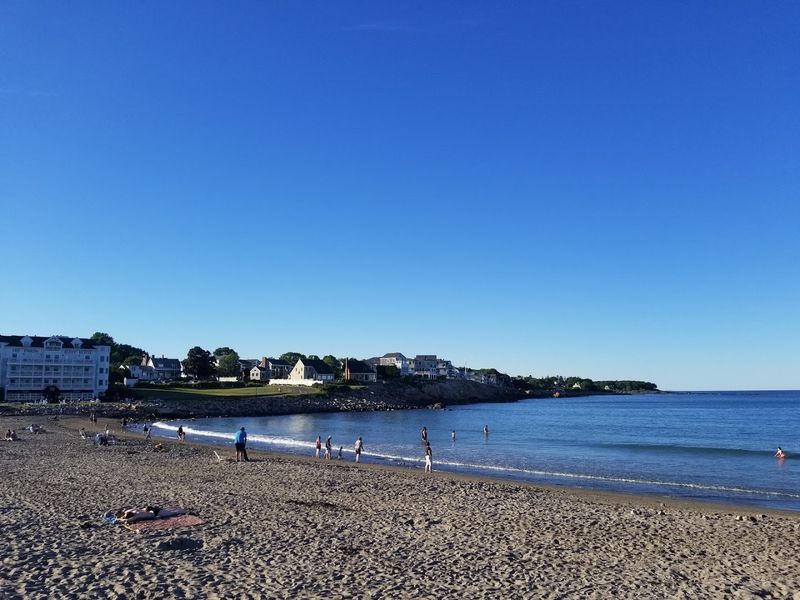
York’s Short Sands Beach has a reputation for being one of the most charming small beaches on the southern Maine coast, but its calm, sheltered bay is exactly the kind of place jellyfish love to drift into during summer months.
The enclosed shape of the cove slows water circulation, which means jellyfish that float in with the tide tend to linger longer than they would on an open beach.
Moon jellies are the most frequent visitors here, and while their sting is mild, it can still cause irritation on sensitive skin. Families with young children should scan the water carefully before letting kids splash around, especially on warm, calm mornings when jellyfish tend to cluster near the surface.
Short Sands is located right in the heart of York Beach village, with easy parking, restrooms, and nearby food options. The beach is small but lively, making it a great day-trip destination.
Checking local tide charts and jellyfish reports before your visit is a smart habit that will save you a lot of discomfort.
Ogunquit Beach, Ogunquit
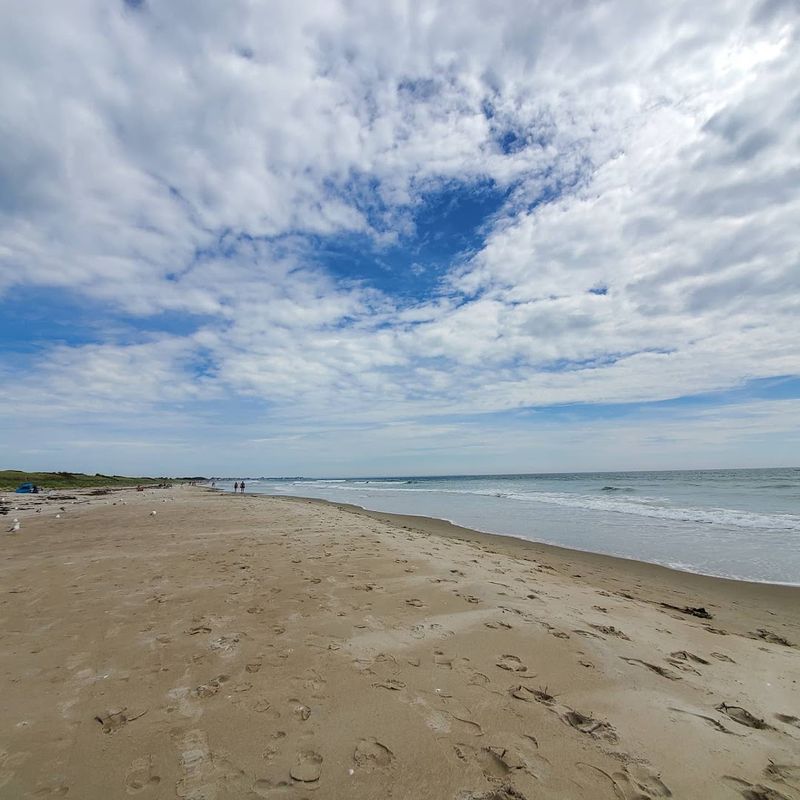
Stretching for nearly three miles, Ogunquit Beach is one of the longest and most visited beaches in all of Maine. Its wide tidal flats and warm shallow pools create a perfect resting spot for jellyfish carried in by the current.
Lion’s mane jellyfish, which can grow impressively large and deliver a more noticeable sting, have been spotted here during peak summer weeks.
The beach sits between the Atlantic Ocean and the Ogunquit River, forming a long barrier strip that traps warmer, calmer water on the river side.
That river-side section is especially prone to jellyfish gatherings because the water moves more slowly and heats up faster in the sun. Many families prefer swimming on the ocean side where wave action keeps jellyfish more dispersed.
Lifeguards are on duty during the summer season and are a great resource for real-time jellyfish updates. Arriving early not only gets you a good spot but also gives you time to check conditions before the beach gets crowded.
Wells Beach, Wells
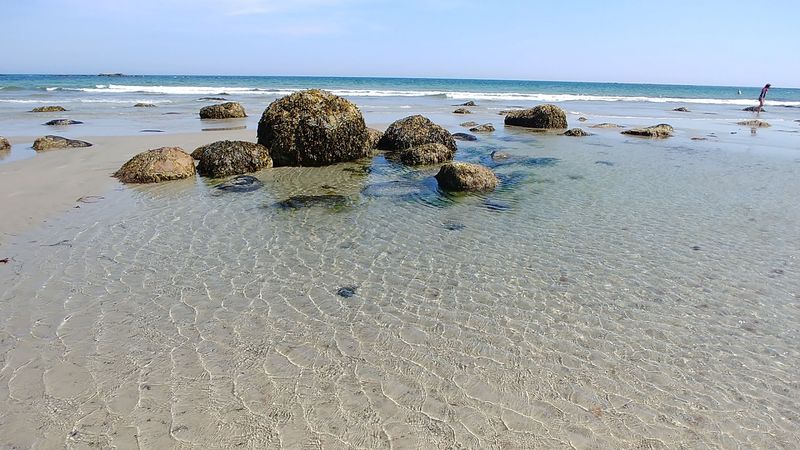
Wells Beach tends to fly under the radar compared to its flashier neighbors, but regulars know it as a laid-back, family-friendly stretch of coast with some genuinely spectacular scenery.
It also happens to sit in a section of the Maine coast where jellyfish sightings pick up noticeably in July and August, particularly after periods of calm weather and light winds.
The beach faces southeast, which means it catches a lot of the tidal flow coming up from the Gulf of Maine. That tidal movement regularly deposits moon jellies and occasionally compass jellyfish along the shoreline.
Lion’s mane jellyfish have long trailing tentacles and can deliver a more painful sting than moon jellies.
Wells Beach is located along Atlantic Avenue in Wells, and has a solid local infrastructure including parking lots, public restrooms, and a few casual eateries nearby. If you spot a jellyfish in the water, it is best to give it a wide berth and alert other swimmers nearby.
The beach community here is friendly and locals are usually happy to share tips on current water conditions.
Fortunes Rocks Beach, Biddeford
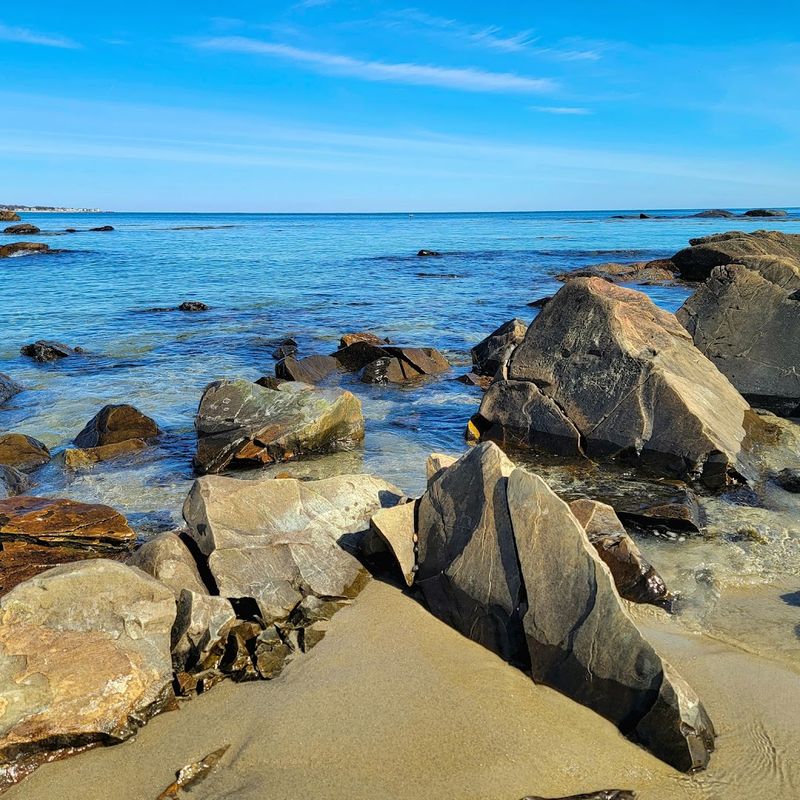
Fortunes Rocks Beach has a quieter, more residential feel compared to the busier tourist beaches to the south, and that lower foot traffic makes jellyfish encounters feel a little more surprising when they happen.
The beach is tucked into a gently curving section of the Biddeford coast, and its relatively calm inshore waters make it attractive to drifting jellyfish during the summer season.
One interesting thing about Fortunes Rocks is its proximity to the Saco River estuary. River mouths and estuaries create a mix of fresh and salt water that some jellyfish species find appealing, particularly during warmer months when water temperatures rise.
Moon jellies are the most commonly reported species here, but larger lion’s mane individuals have been spotted in late summer.
Lifeguards are stationed at Fortunes Rocks Beach seasonally when tides permit beach access, but swimmers should still check current conditions before entering the water.
Wearing water shoes can offer a small layer of protection when wading through shallow areas where jellyfish sometimes rest on the sandy bottom.
Old Orchard Beach
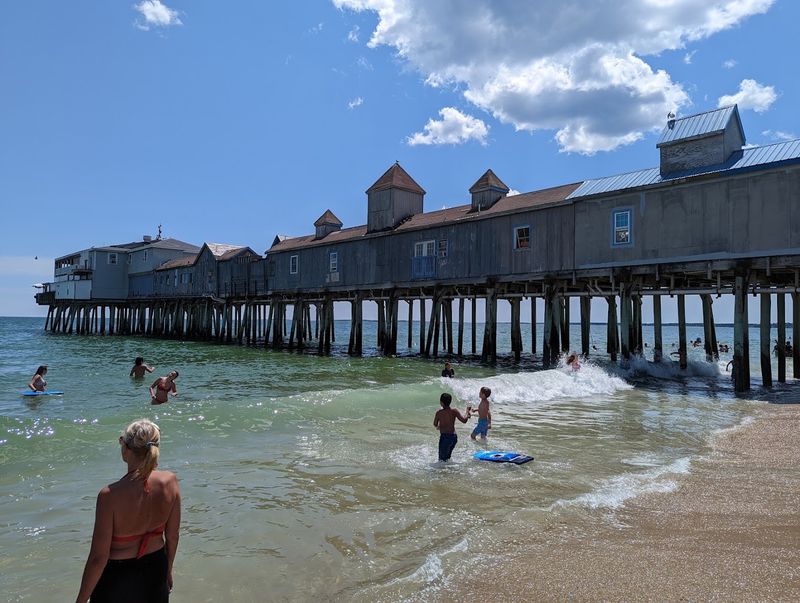
Old Orchard Beach is probably the most famous beach in Maine, known for its long sandy stretch, lively boardwalk, and the iconic pier jutting out into the Atlantic.
But every summer, amid all the fun, jellyfish make their presence known in the waters just off the shore. The beach’s wide, gently sloping bottom and warm inshore temperatures are part of what makes this area so popular with both swimmers and jellyfish alike.
Moon jellies are the most common species spotted here, and lifeguards at Old Orchard Beach are experienced at keeping an eye on jellyfish concentrations.
On days when large numbers are reported, flags or verbal warnings are used to keep swimmers informed. It is always worth asking the lifeguard station about conditions before heading into the water.
The town itself has a festive summer atmosphere with arcades, food vendors, and live entertainment nearby. Even on a jellyfish-heavy day, the beach offers plenty of ways to enjoy yourself without getting in the water, from building sandcastles to watching the waves roll in from the safety of the shore.
Pine Point Beach, Scarborough
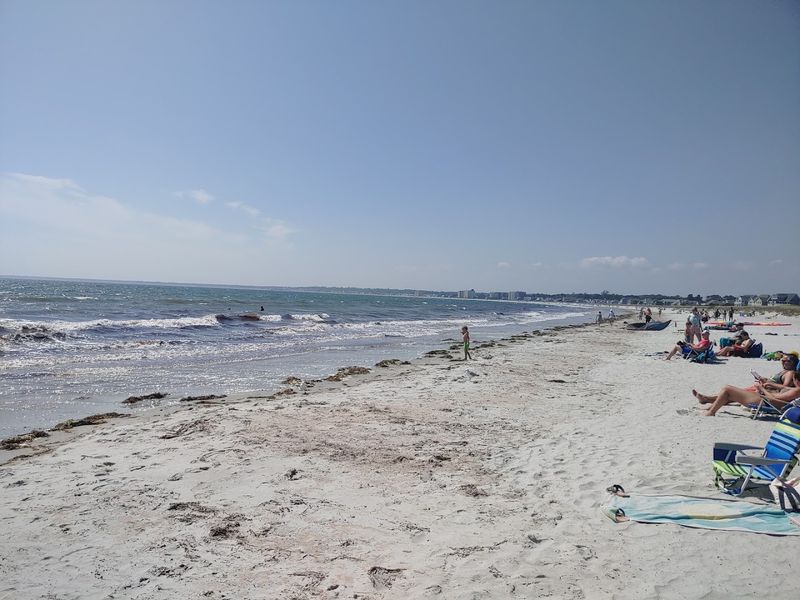
Pine Point Beach sits at the northern end of a long barrier beach system in Scarborough, and its position near the mouth of the Scarborough River gives it a unique water chemistry that jellyfish seem to appreciate.
The mixing of river water and ocean water near the inlet creates a nutrient-rich environment that supports the small organisms jellyfish feed on, drawing them closer to shore with some regularity.
Beachgoers at Pine Point have reported moon jelly sightings throughout the summer, with the highest concentrations typically appearing in the calmer water near the river inlet rather than on the main ocean-facing beach.
Families who prefer to keep a safe distance from jellyfish often set up on the southern end of the beach where wave action is stronger and jellyfish are less likely to linger.
The surrounding area has a charming, low-key coastal character with local seafood shacks and small shops. Rinsing off immediately after swimming is a good precaution, as jellyfish tentacle fragments in the water can sometimes cause skin irritation even without a direct sting.
Kettle Cove Beach, Cape Elizabeth
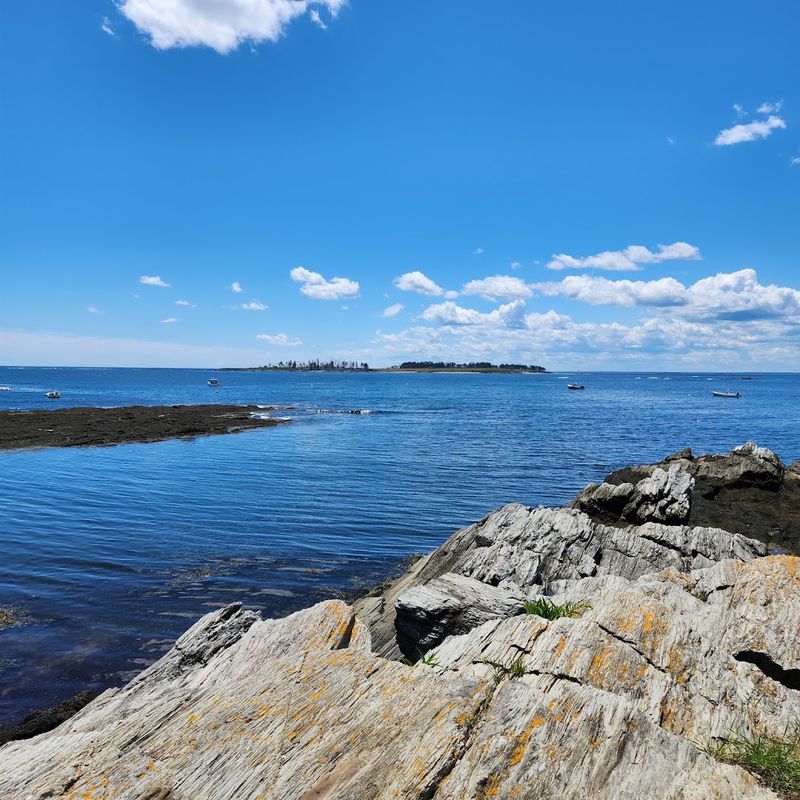
Kettle Cove is one of those places that feels like a well-kept secret, tucked into the rocky coastline of Cape Elizabeth just south of Portland.
The cove’s sheltered shape and relatively calm water make it a favorite for kayakers and snorkelers, but that same sheltered character also means jellyfish that drift in have a harder time drifting back out. Sightings here are common enough that regular visitors know to do a quick visual scan before swimming.
The water at Kettle Cove tends to be clearer than at many other Maine beaches, which is actually helpful when it comes to spotting jellyfish before you accidentally brush against one.
Moon jellies are translucent and can be tricky to see in murky water, but in Kettle Cove’s clearer conditions, they are often visible from the surface before you enter the water.
Kettle Cove State Park sits on Kettle Cove Road in Cape Elizabeth beside Crescent Beach State Park. Parking is available and a small fee may apply during peak season.
The surrounding headlands and coastal forest make this one of the most visually stunning spots on this list, and even a jellyfish-heavy day here feels more like a nature encounter than an inconvenience.
Popham Beach State Park, Phippsburg
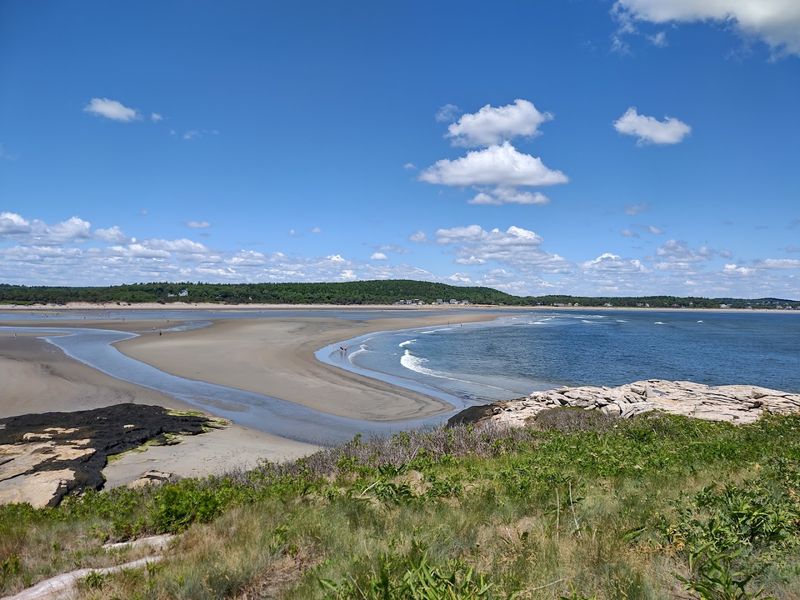
Popham Beach State Park is widely considered one of the finest beaches in Maine, and its dramatic setting at the mouth of the Kennebec River adds to its appeal.
That river mouth is also a key reason why jellyfish activity here deserves attention. The convergence of river current and open ocean creates swirling water patterns that can concentrate jellyfish along certain sections of the beach, particularly near the river outlet on the western end.
The park covers a substantial stretch of barrier beach with sand bars, tidal pools, and sweeping views of nearby Fox and Seguin Islands.
Lion’s mane jellyfish, which are more common in cooler northern Maine waters, have been spotted at Popham Beach during summer, especially in the deeper channels near the river mouth.
Their long trailing tentacles can cause stings even after the jellyfish itself has washed ashore. An entrance fee is charged during peak season, and the park can reach capacity on busy summer weekends.
Arriving before 10 a.m. on weekends is strongly recommended.
The park has restrooms, picnic areas, and interpretive signage that makes it a great educational stop for curious young visitors.
Pemaquid Beach Park, New Harbor
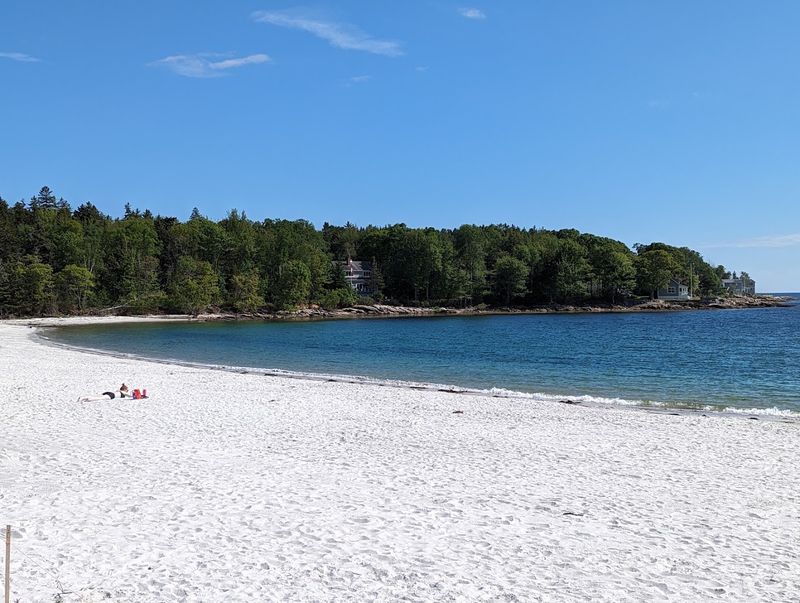
Pemaquid Beach Park is a crescent-shaped beauty on the Pemaquid Peninsula, and its relatively isolated location in New Harbor means the water here stays on the cooler side even in midsummer.
That cooler water is one reason lion’s mane jellyfish, which prefer colder temperatures, are occasionally spotted at Pemaquid when they are less common at warmer southern Maine beaches. It is a fascinating quirk of this particular stretch of coastline.
The beach is backed by a grassy picnic area and flanked by dramatic rocky outcroppings that frame the view in a way that feels almost cinematic.
Swimmers who stick to the center of the beach generally encounter fewer jellyfish than those wading near the rocky edges, where calmer water allows jellyfish to rest undisturbed. Checking the clarity of the water from the rocks before entering is a smart habit at Pemaquid.
Pemaquid Beach Park is located at Snowball Hill Road in New Harbor, Maine 04554, and a small day-use fee is collected during the summer season.
The nearby Pemaquid Point Lighthouse is one of the most photographed landmarks in Maine and is worth a short side trip. Combining a beach visit with a lighthouse stop makes for a full and rewarding day on the midcoast.
Lincolnville Beach, Lincolnville
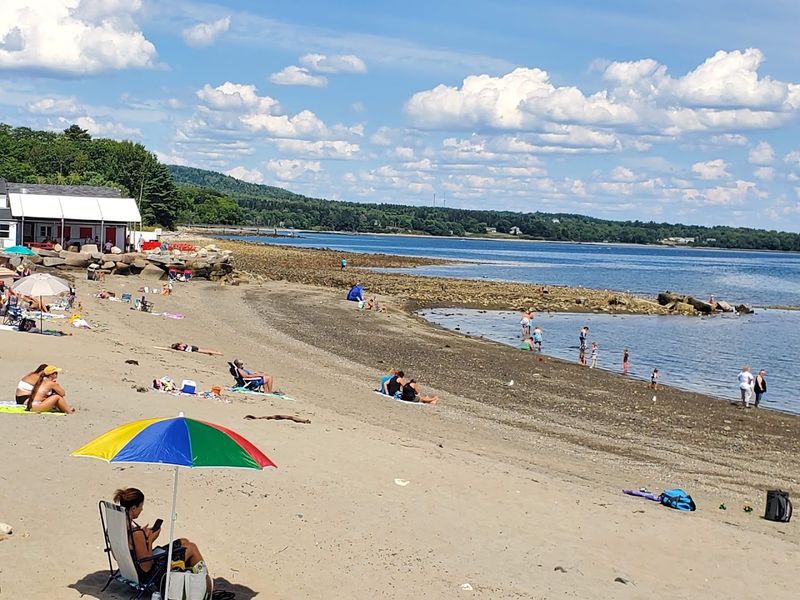
Lincolnville Beach sits right on the western shore of Penobscot Bay, and the bay’s deeper, colder waters bring a different set of jellyfish species to this stretch of coast than what you find at the sandy beaches further south.
Lion’s mane jellyfish are a genuine consideration here, especially in July and August when they ride the bay’s tidal currents toward shore. Their rusty-orange bell and long trailing tentacles make them visually striking but best admired from a distance.
The beach itself is compact and sits directly alongside Route 1, with the Islesboro ferry terminal just steps away. That ferry traffic keeps the water near the dock somewhat stirred up, which can actually push jellyfish toward the calmer section of beach to the north.
Swimmers and waders should pay attention to the water conditions near the ferry lane and give that area some extra clearance.
Lincolnville Beach is located at 928 Atlantic Highway. The surrounding village has a genuine midcoast Maine character, with a small selection of local restaurants and shops.
The views across Penobscot Bay toward Islesboro and the Camden Hills are spectacular from the shoreline, making this a deeply rewarding spot even if you decide to keep your feet on dry sand.
Sand Beach, Bar Harbor
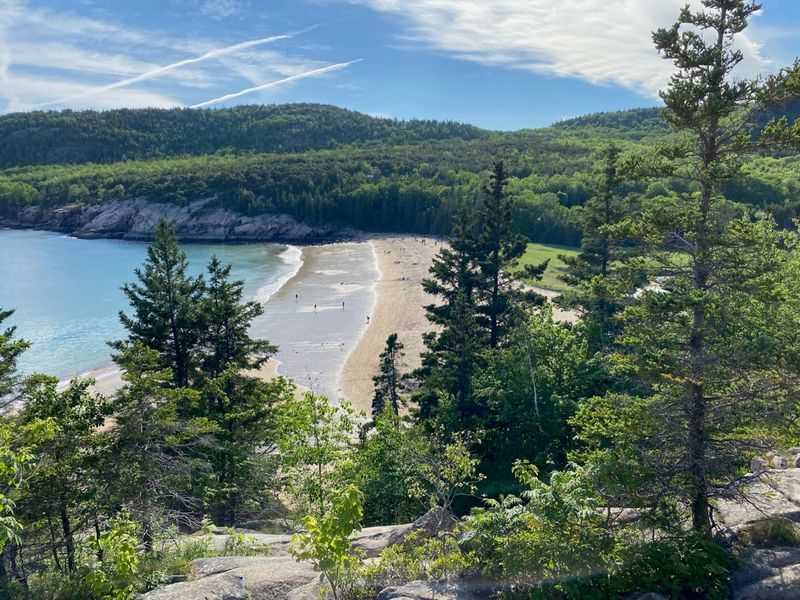
Sand Beach inside Acadia National Park is one of the most dramatic and unique beaches in the entire northeastern United States. Set between two granite headlands in Acadia National Park, the beach is known for cold water that generally ranges between 50 and 60 degrees Fahrenheit during summer.
That cold water is prime territory for lion’s mane jellyfish, which thrive in cooler North Atlantic conditions and are spotted here with regularity during July and August.
Because Sand Beach is within a national park, the environment feels wilder and less managed than at state or town beaches. There are no vendors or boardwalks, just the raw beauty of the Maine coast at its most dramatic.
Lifeguards are not stationed at Sand Beach, so visitors must assess water conditions and marine hazards themselves.
Sand Beach is accessible via the Park Loop Road in Bar Harbor, ME 04609, and an Acadia National Park entrance fee is required. Parking fills up early on summer mornings, so arriving before 9 a.m. is strongly advised.
The beach is also part of the Ocean Path walking trail, so even if the water feels too cold or too jellyfish-populated for swimming, a walk along the rocky shore offers stunning views that are absolutely worth the trip.