
This Maine Blueberry Farm Is A Summer Destination You Will Want On Your 2026 Bucket List
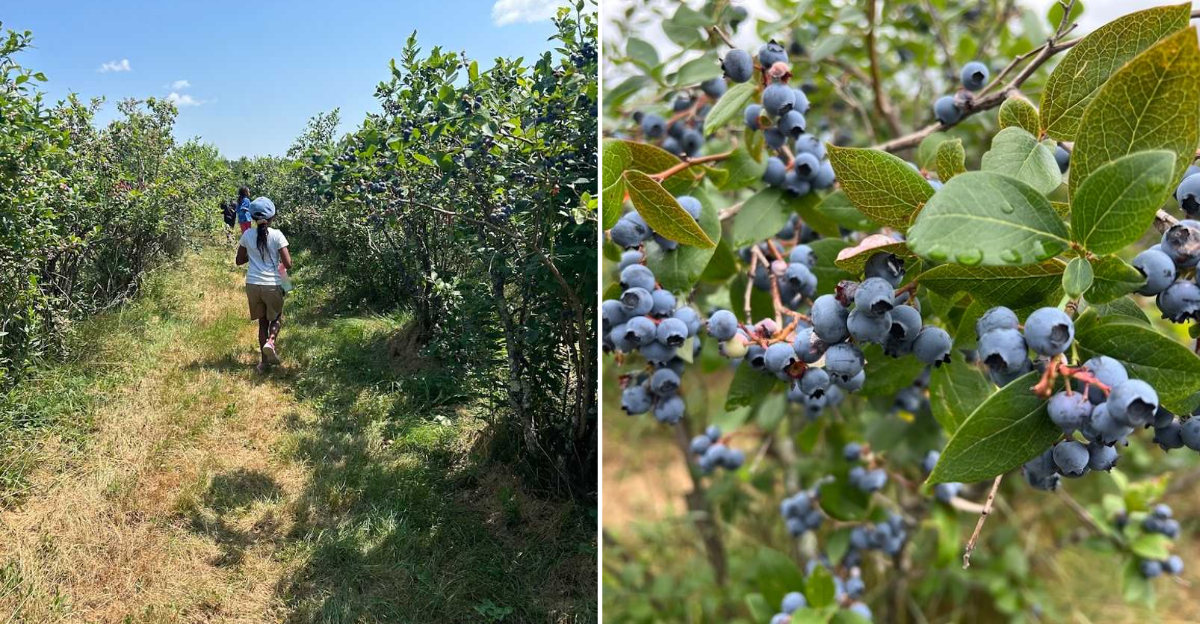
You know a summer outing is going well when your fingertips turn purple before noon. In rural Maine, blueberry picking feels less like an activity on a schedule and more like permission to slow down for a while.
You wander between the bushes, choose the ripest berries, and somehow end up filling your container faster than expected.
The whole experience is refreshingly simple. No loud attractions. No packed itinerary.
Just warm sunshine, quiet fields, and berries picked straight by hand. Comfortable shoes help, and bringing water is a smart move, but the day does not require much planning.
That easy pace is a big part of the charm. By the time you leave, you have a container full of fruit and the feeling that you spent your afternoon exactly the right way.
It is relaxed, hands-on, and far more memorable than it sounds.
A Farm With Real Roots In Rural Maine
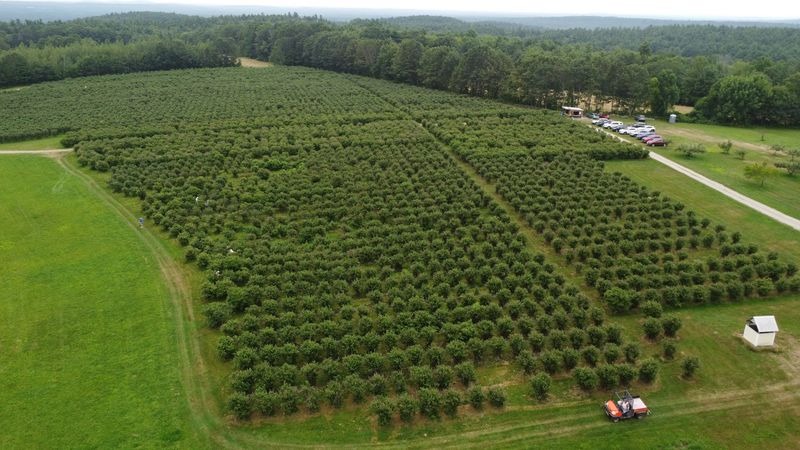
Some places earn their reputation quietly, over decades, and Blueberry Hill Farm in Acton, Maine is exactly that kind of place.
Situated at 231 Blueberry Hill Farm Rd, this working farm sits in York County, a region known for its pine-covered hills and clean country air. The farm does not shout for attention with flashy signage or theme-park energy.
What it offers instead is something far more grounding: a connection to the land and the slower rhythm of agricultural life. Maine has a long and proud history with wild blueberries, and farms like this one are part of that living tradition.
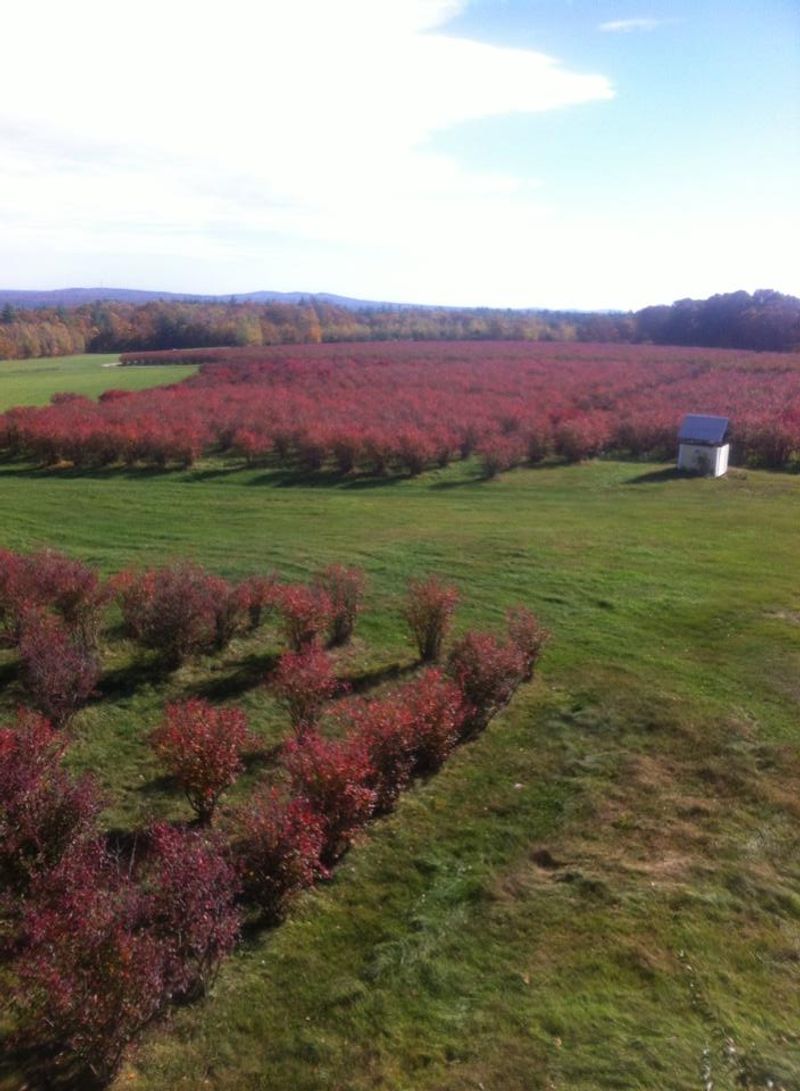
The farm grows cultivated highbush blueberries on roughly 10 acres of land.
Walking the property, you get a real sense of how much care goes into maintaining healthy berry fields season after season.
The land feels tended but not overdone, purposeful but never sterile. For anyone curious about where their food actually comes from, this farm offers a rare and refreshing kind of transparency that you just cannot get from a grocery store shelf.
The Pick-Your-Own Experience
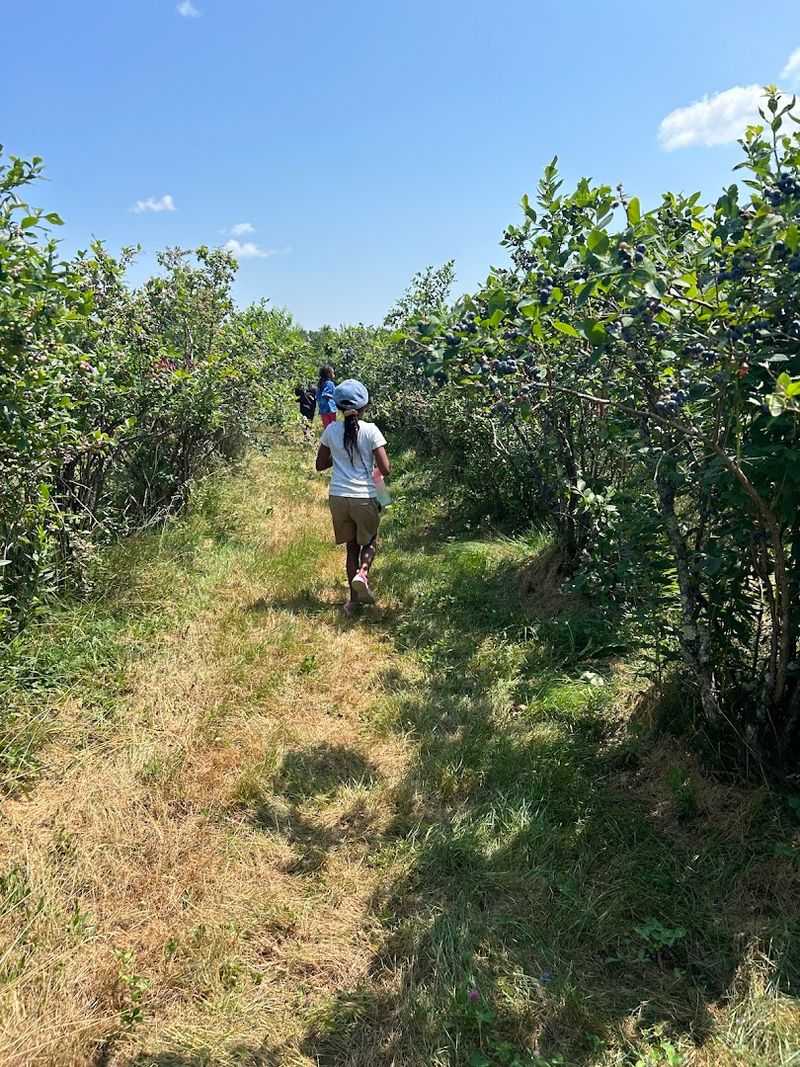
There is something undeniably satisfying about harvesting your own food, and the pick-your-own experience at Blueberry Hill Farm taps into that feeling perfectly.
Visitors are handed traditional blueberry rakes, the kind with long metal tines that scoop berries off the low-growing bushes in one sweeping motion. It looks easy, but there is a small learning curve that makes the whole thing feel like a genuine skill.
Kids absolutely take to it, turning the rows into a friendly competition over who can fill their bucket fastest. Adults tend to slow down and get absorbed in the meditative quality of the work.
The fields stretch out wide and open, giving everyone plenty of space without the crowded, elbow-to-elbow feeling you sometimes get at more popular pick-your-own farms.
By the end of an hour, most visitors have collected far more berries than they planned to, which is really the best possible problem to have.
The freshness of berries picked straight from the bush is genuinely different from anything you buy pre-packaged. That burst of sweet-tart flavor on your first handful is the kind of small moment that sticks with you long after the summer ends.
What Makes These Berries Special
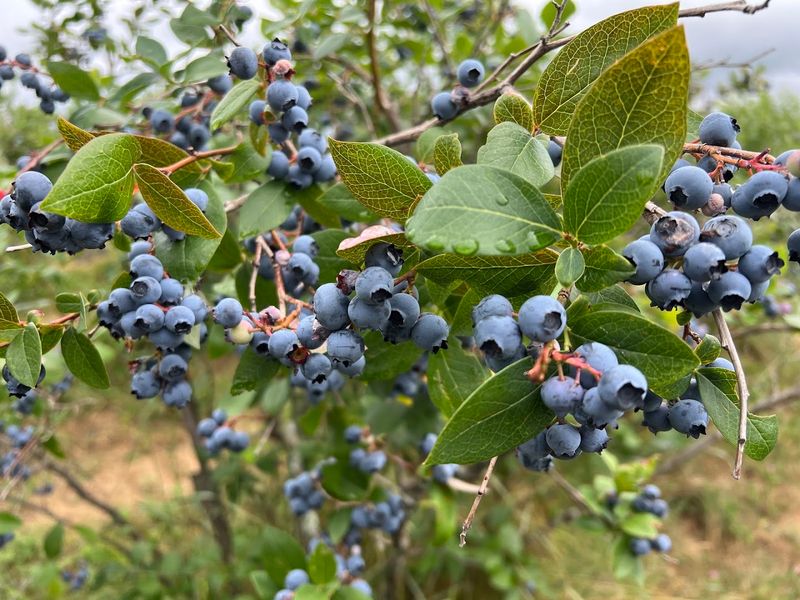
Not all blueberries are created equal, and Maine’s wild lowbush variety stands in a category of its own. Unlike the large, plump highbush blueberries common in grocery stores, lowbush blueberries grow close to the ground and stay small, typically no bigger than a pea.
That small size concentrates their flavor in a way that makes them noticeably more intense and complex.
Maine produces the majority of wild blueberries in the entire United States, and the state’s unique combination of cool temperatures, acidic granite-based soil, and seasonal weather patterns creates ideal growing conditions.
The berries at Blueberry Hill Farm benefit from all of those natural advantages, which is why they taste the way they do.
Lowbush blueberries are also packed with antioxidants, often at higher levels than their larger cultivated cousins. So beyond the flavor, there is a real nutritional payoff to eating them.
Whether you plan to freeze your haul for smoothies, bake them into muffins, or eat them straight from the bucket on the drive home, knowing what makes these berries special adds a whole new layer of appreciation to the picking experience.
Rural Maine At Its Best
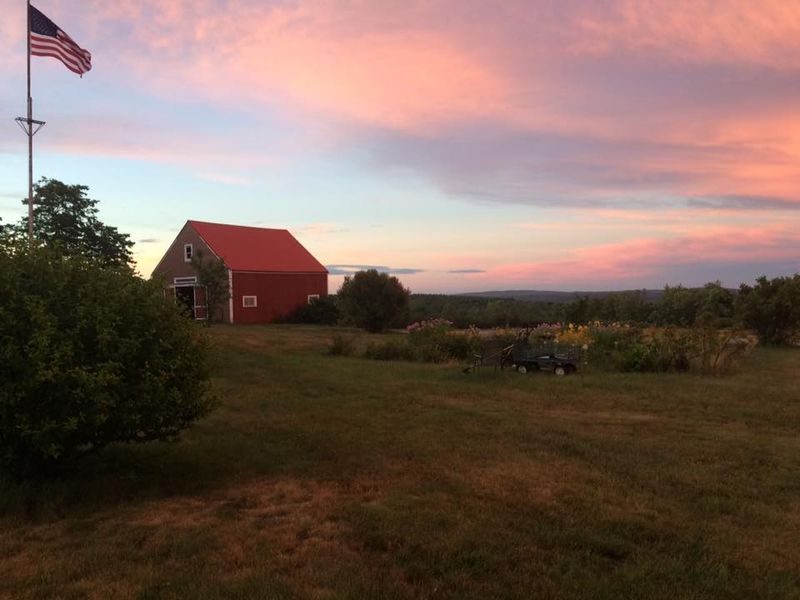
Acton, Maine is the kind of town that does not try too hard. Located in York County in the southwestern corner of the state, it sits comfortably between the busier coastal towns and the deeper wilderness of central Maine.
The drive in sets the mood immediately, with narrow roads winding through dense stands of pine and birch before opening up into the farm’s sunny fields.
The town itself has a population of just a few thousand people, which means the area around the farm feels genuinely quiet and unhurried. There are no chain restaurants or big-box stores crowding the view.
What you get instead is a landscape that still looks the way rural New England has looked for a very long time.
For visitors coming from busier cities or coastal tourist spots, that quietness is part of the appeal. Acton sits close enough to the Maine-New Hampshire border to make it accessible from a wide range of starting points, yet far enough off the main tourist corridors to feel like a real discovery.
The farm at 231 Blueberry Hill Farm Rd slots perfectly into that setting, feeling like it belongs there in the most natural way possible.
When The Berries Are Ready
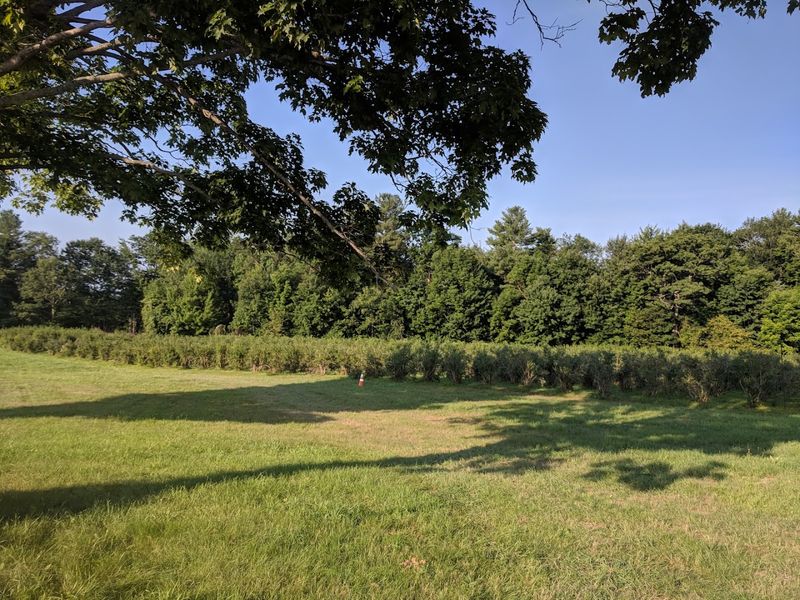
Maine’s blueberry season is famously short, typically running from late July through mid-August, with peak ripeness often landing in the first two weeks of August. Arriving too early means sparse pickings, and showing up too late means the best berries are long gone.
Calling ahead or checking the farm’s availability before making the drive is always a smart move. Weather plays a huge role in how the season unfolds each year, with a warm dry July generally producing an earlier and more abundant harvest.
Overcast or rainy summers can push the peak back by a week or two.
Morning visits tend to be cooler and more comfortable, especially on hot August days when the sun is high and the fields offer little shade. Bringing a hat, sunscreen, and plenty of water makes the experience far more enjoyable than going unprepared.
A Better Day In The Fields
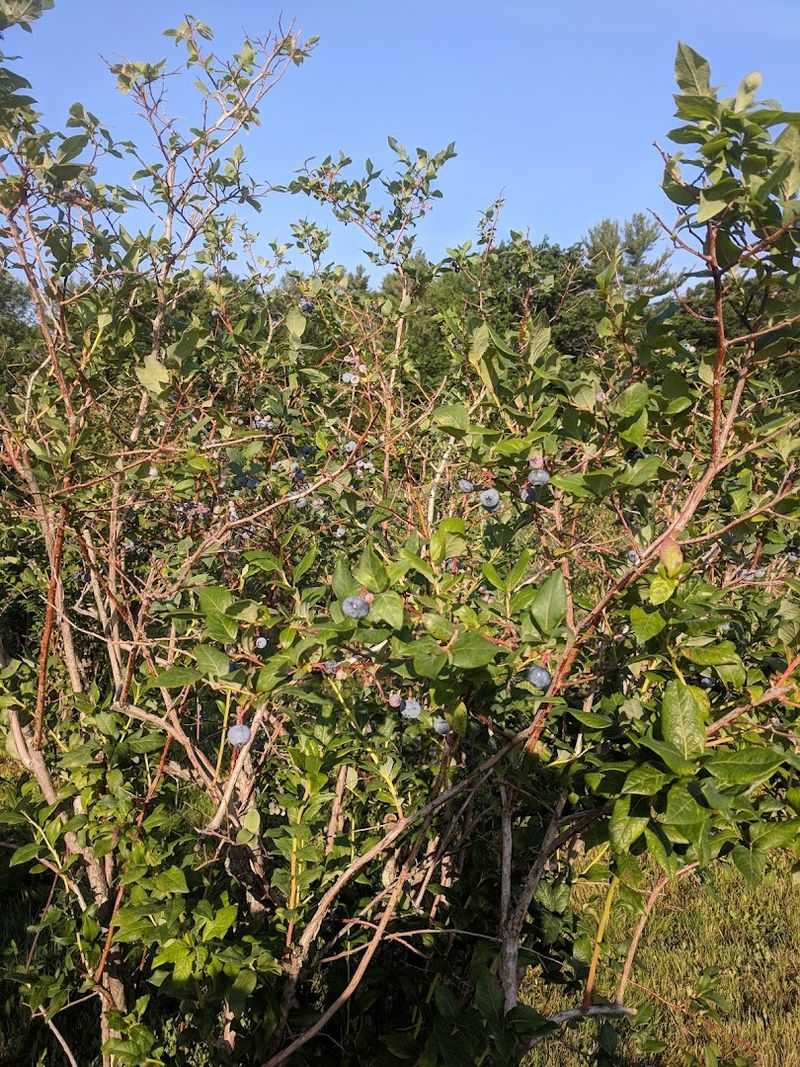
Showing up prepared turns a good farm visit into a great one. Comfortable, closed-toe shoes are a must since the fields can be uneven and the ground is often rocky underfoot.
Light, breathable clothing works best for the summer heat, and long sleeves are not a bad idea if you are sensitive to sun exposure during a long picking session.
Bringing your own containers is a practical move that many visitors overlook. While the farm provides buckets for picking, having your own cooler or reusable bags ready in the car means your berries stay fresh on the drive home.
Fresh-picked blueberries are delicate and can bruise easily, so handling them gently and keeping them cool after picking extends their shelf life significantly.
Snacks and water are worth packing since the farm setting does not come with a food court or convenience store around the corner.
A simple picnic lunch enjoyed in the fresh air with your freshly picked berries nearby is one of those effortless pleasures that costs almost nothing but feels wonderfully indulgent. Going in with a relaxed mindset and no hard time limit makes the whole outing feel like the summer afternoon it is meant to be.
Farm-Fresh Blueberries
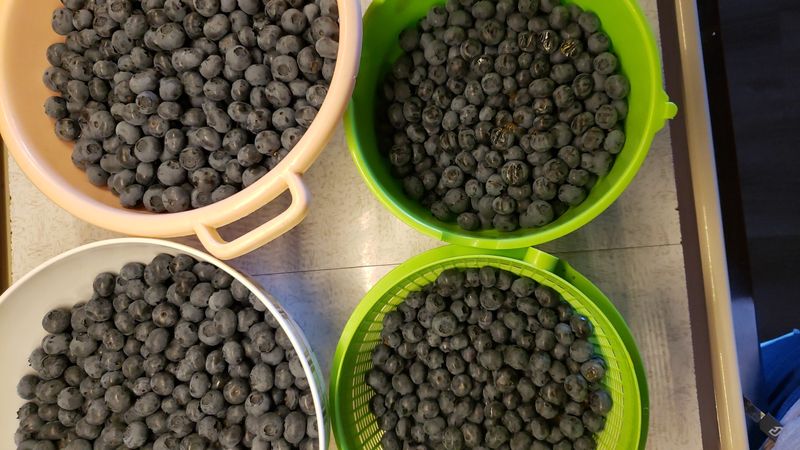
Coming home from Blueberry Hill Farm with several pounds of fresh berries is one of the more delightful problems a summer day can produce.
The question of what to do with them all is genuinely fun to think through. Classic blueberry muffins are the obvious first move, and made with berries this fresh, they taste noticeably better than any version made with store-bought fruit.
Blueberry jam is another popular option and surprisingly straightforward to make even for beginners. A simple recipe with just berries, sugar, and lemon juice can produce jars that last through fall and into winter, turning your one summer farm visit into something you are still enjoying months later.
Freezing a portion of your haul is also a smart strategy since Maine lowbush blueberries freeze exceptionally well and retain much of their flavor and nutrition.
For something a little more creative, blueberry pancakes, blueberry vinaigrette, or a simple blueberry crumble all make excellent use of a fresh harvest.
The farm-to-table concept gets talked about a lot, but experiencing it firsthand by picking your own ingredients and cooking with them that same evening is a genuinely satisfying way to close out a summer day.
Your Next Maine Summer Stop
Planning a summer trip around a blueberry farm might sound modest compared to a beach resort or a national park, but there is a real case to be made for exactly this kind of experience.
Blueberry Hill Farm in Acton, Maine offers something increasingly rare: a straightforward, sensory, outdoor activity that does not require booking months in advance, spending a fortune, or navigating crowds.
The farm connects visitors to a genuine piece of Maine’s agricultural identity in a hands-on way that feels meaningful rather than performative.
You are not watching someone else do something interesting; you are doing it yourself, in a beautiful setting, at your own pace. That kind of active participation is what turns a day trip into a memory worth keeping.
For families, solo travelers, and anyone looking to build a summer itinerary around real experiences rather than just attractions, this farm checks every box.
The 2026 summer season will arrive faster than expected, and spots like Blueberry Hill Farm fill up during peak weeks. Marking your calendar now, planning the drive, and committing to one perfect August morning in those fields is a small decision that tends to pay off in a surprisingly big way.