
11 Fascinating Missouri Attractions That Most Visitors Completely Overlook
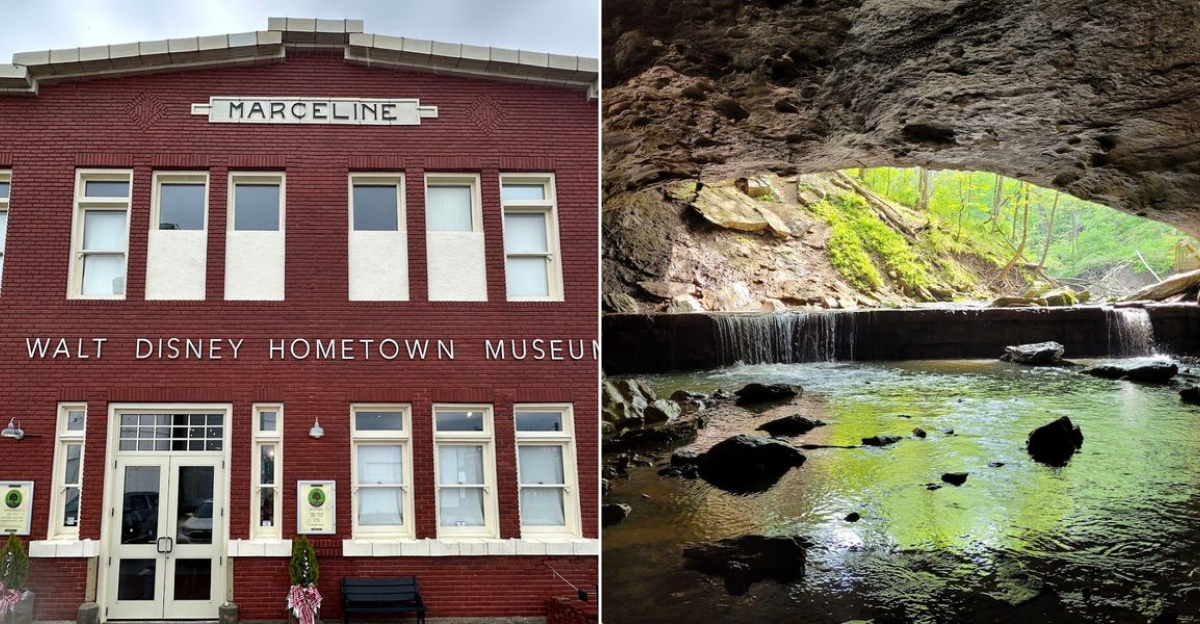
The biggest attractions aren’t always the ones worth remembering. Sometimes, the best experiences are the ones hiding in plain sight.
Missouri is home to fascinating places that rarely make the front page of travel guides, yet they’re filled with stories, surprises, and unforgettable moments.
You might find yourself stepping into the early world of a legendary dreamer, admiring tiny works of art that demand a closer look, or venturing beneath the surface to explore breathtaking natural wonders.
Every stop offers something a little different, proving there’s far more to Missouri than its most famous landmarks.
These overlooked attractions are well worth adding to your itinerary.
1. Glore Psychiatric Museum
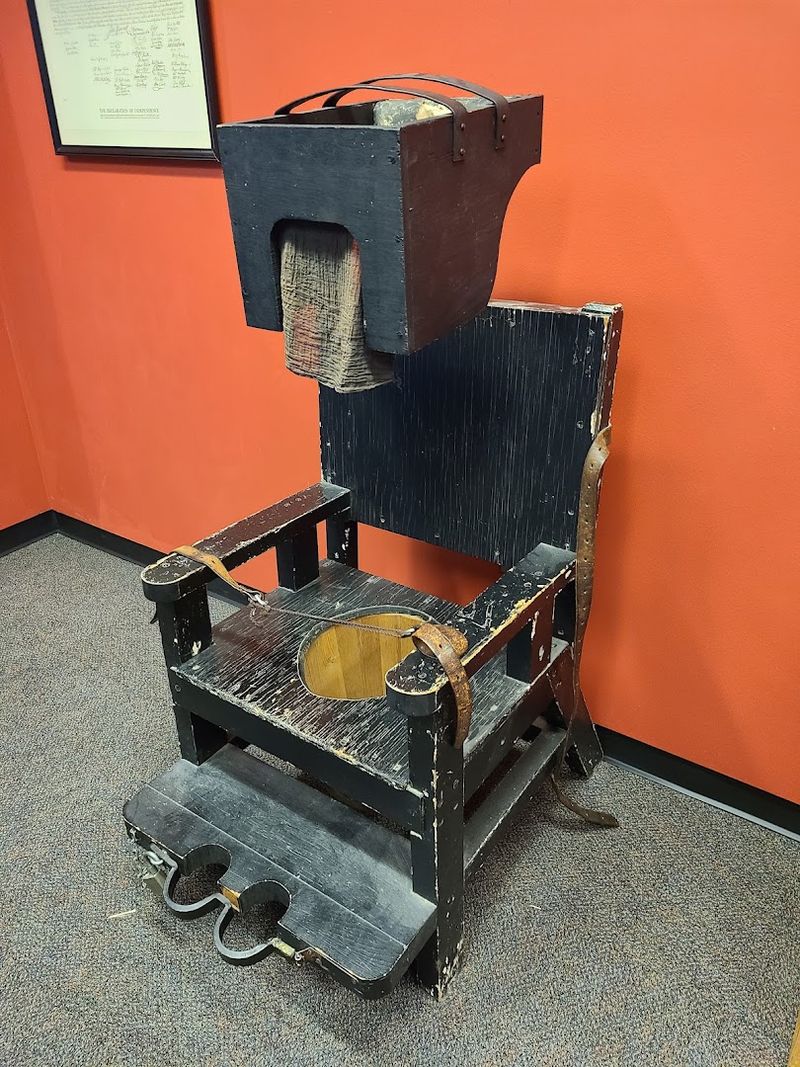
Nobody expects a museum about mental health history to be one of the most fascinating places in Missouri, but here we are.
The Glore Psychiatric Museum, located at 3406 Frederick Avenue, St. Joseph, MO 64506, tells a 130-year story of how society understood and treated mental illness. It is humbling, eye-opening, and genuinely unforgettable.
The collection began in the 1960s, built by a dedicated hospital employee named George Glore, who wanted to reduce stigma around psychiatric care.
Full-size replicas of 16th, 17th, and 18th-century treatment devices fill the exhibit halls. One of the most jaw-dropping displays features 1,446 items removed from a single patient’s stomach back in 1929.
A replica of the Tranquilizer Chair, designed by Benjamin Rush, a signer of the Declaration of Independence, is a true conversation starter.
Patient artwork displayed throughout the museum adds a deeply personal, emotional layer to everything. Recognized as one of the fifty most unusual museums in the entire country, this place earns that title without breaking a sweat.
2. Missouri Mines State Historic Site
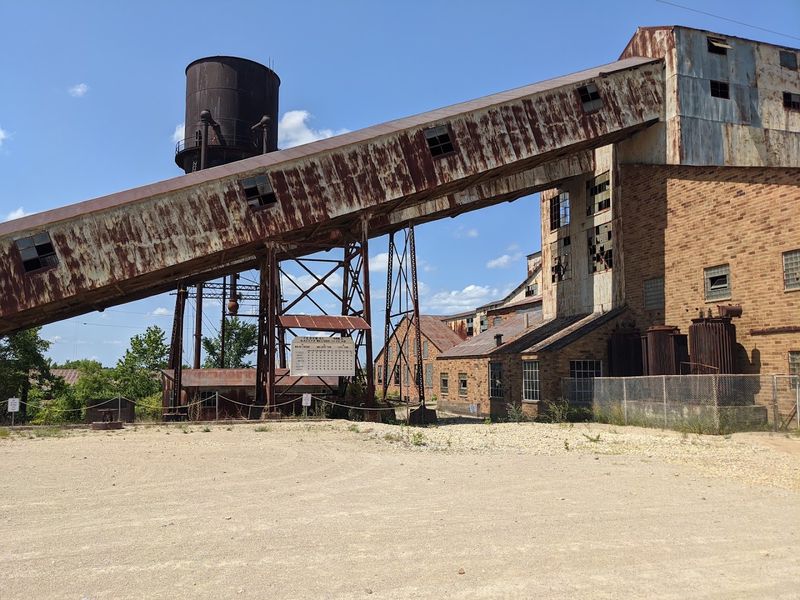
If you have ever wondered what powered an entire nation’s industrial backbone, Park Hills has your answer buried in iron and ore dust.
The Missouri Mines State Historic Site, at 4000 State Highway 32, Park Hills, MO 63601, preserves the heart of what was once called the Old Lead Belt. Federal Mill No. 3, built between 1906 and 1907, once processed nearly 80 percent of the country’s mined lead.
After the ore ran dry, the mill closed in 1972. But rather than fade into forgotten history, it transformed into something remarkable.
The old powerhouse now holds an incredible collection of restored underground mining equipment, including the famous St. Joe Shovel, a specialized crawling loader that looks like it belongs in a science fiction film.
The mineral collection inside is genuinely spectacular. Fluorescent minerals glow under ultraviolet light in ways that make your jaw drop a little.
Walking the grounds, you encounter 17 original structures that tell the story of a bustling industrial era. This site is a portal to a chapter of American history that shaped an entire region.
3. Bonne Terre Mine
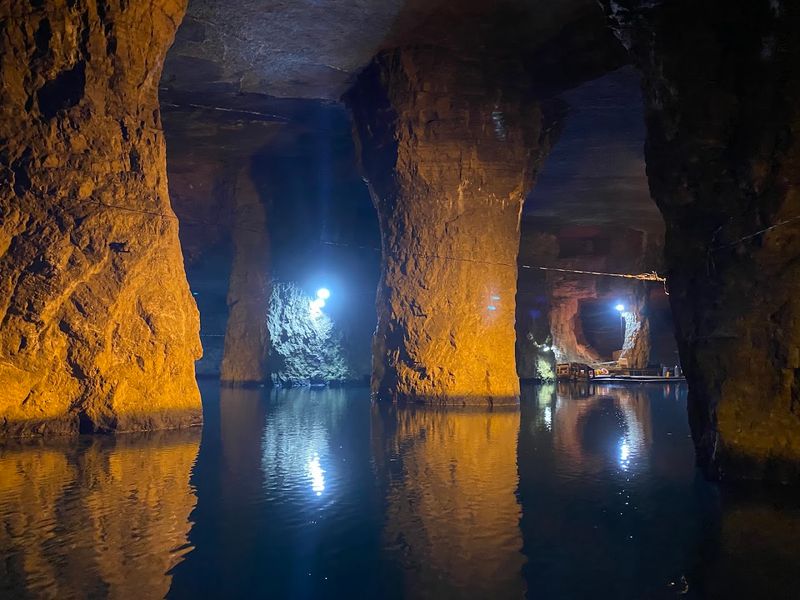
Picture a billion gallons of crystal-clear water sitting silently beneath the earth, lit up like a sports arena, with old ore carts resting on the bottom.
That is Bonne Terre Mine, tucked away at 185 Park Avenue, Bonne Terre, MO 63628, and it is unlike anything else on the planet. Founded in 1860, this former lead mine was once the largest producer of lead ore in the world.
When operations ceased in the early 1960s, the pumps shut off and groundwater gradually filled the lower three levels. What emerged over time was a subterranean lake of extraordinary clarity, often exceeding 100 feet of visibility.
Stadium lighting illuminates submerged mining artifacts, including ore carts and railway tracks, giving it an almost otherworldly atmosphere.
Beyond scuba trails, the site has offered guided walking tours on upper levels and boat tours across the immense underground lake.
Always check current operating status before making the trip, as the site has faced intermittent closures. When it is open, Bonne Terre Mine delivers an experience that genuinely has no comparison anywhere else in the United States.
4. Walt Disney Hometown Museum
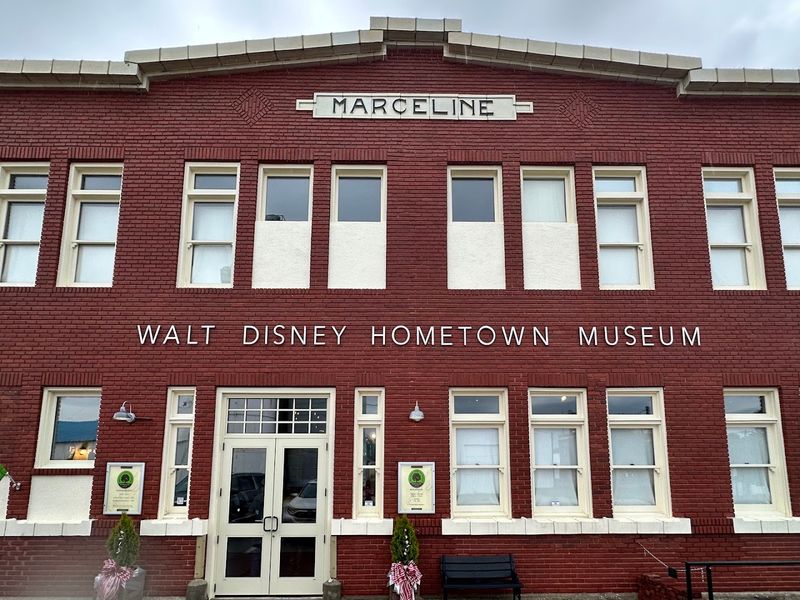
Long before Disneyland existed, there was a small Missouri town that quietly shaped the imagination of the man who built it.
The Walt Disney Hometown Museum sits at 120 E Santa Fe Avenue, Marceline, MO 64658, inside the beautifully restored Santa Fe Railway Depot. Walt himself once said that more important things happened to him in Marceline than anywhere else in his life.
The museum opened in 2001 to celebrate Walt’s 100th birthday, and it holds over 4,000 artifacts, many donated by his sister Ruth.
Personal family letters, original photographs, Walt’s wooden school desk, and vintage Mickey Mouse dolls fill the space with genuine warmth. The museum also holds the only surviving pieces of Disneyland’s original Midget Autopia ride ever operated outside a Disney park.
Nearby, a replica of the Disney family barn invites visitors to leave their own messages on the walls. That interactive touch turns the visit from passive sightseeing into something personal.
Marceline is a tiny town with a massive legacy, and this museum captures exactly why Walt Disney never stopped calling it home.
5. Patee House Museum
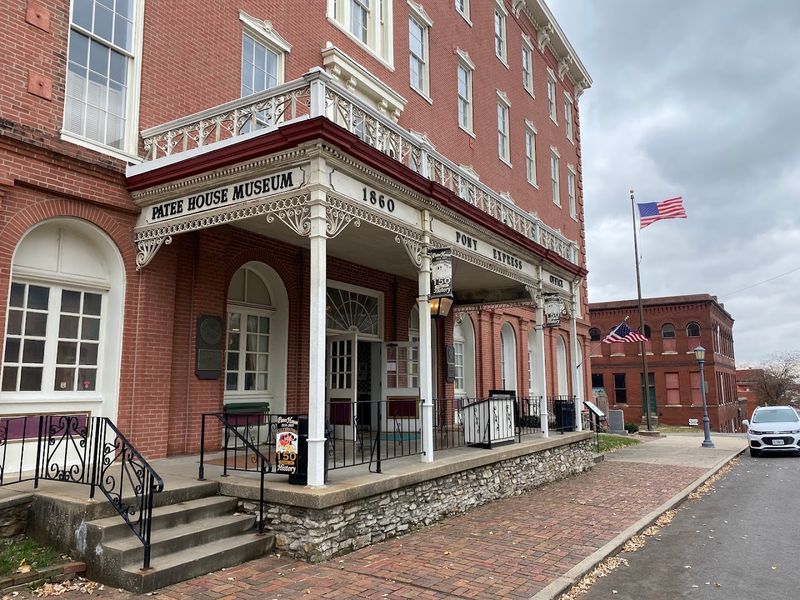
Some buildings hold so much history they practically hum with it. The Patee House Museum at 1202 Penn Street, St. Joseph, MO 64503, is exactly that kind of place.
Built in 1858 as a luxurious 140-room hotel, it was once considered the finest establishment west of the Mississippi River.
In 1860, this grand building served as the eastern headquarters for the Pony Express, with riders preparing for legendary westward journeys right inside these walls.
The museum’s recreated Streets of Old St. Joseph lets you wander through an 1860s-era scene complete with authentic storefronts. An original 1860 locomotive and railway mail car sit ready to be climbed and explored.
The building also holds a chapter connected to Jesse James, whose family sought refuge here in 1882 following the infamous events just a block away. History layers upon history in this National Historic Landmark.
Grab a sarsaparilla in the Buffalo Saloon, admire a working carousel with unique animal carvings, and let the sheer weight of American frontier storytelling sink in. This museum earns every moment of your attention.
6. Dillard Mill State Historic Site
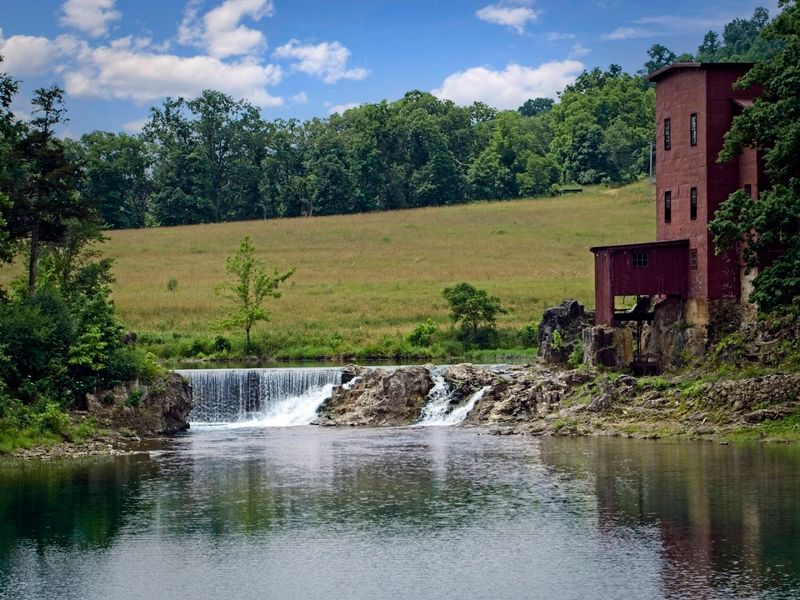
Tucked deep into the Ozark hills, Dillard Mill looks like it stepped straight out of a painting. The Dillard Mill State Historic Site at 142 Dillard Mill Road, Davisville, MO 65456, is one of the best-preserved grist mills in the entire state of Missouri.
Built around 1908, it operated for decades grinding grain for surrounding communities before falling quiet.
The mill sits beside Huzzah Creek, and the combination of rushing water, old stone, and dense forest creates an atmosphere that feels genuinely timeless.
Inside, original milling equipment remains intact, giving visitors a real sense of how grain became flour in a pre-industrial Ozark landscape. The turbine-powered machinery is still functional and impressive to witness up close.
Surrounding trails wind through beautiful hardwood forest along the creek, making this site as rewarding for hikers as it is for history enthusiasts.
The whole experience moves at a slower, more intentional pace than most tourist attractions. Dillard Mill is the kind of place where you arrive planning to spend an hour and somehow lose an entire afternoon without any regrets whatsoever.
7. National Museum Of Toys And Miniatures
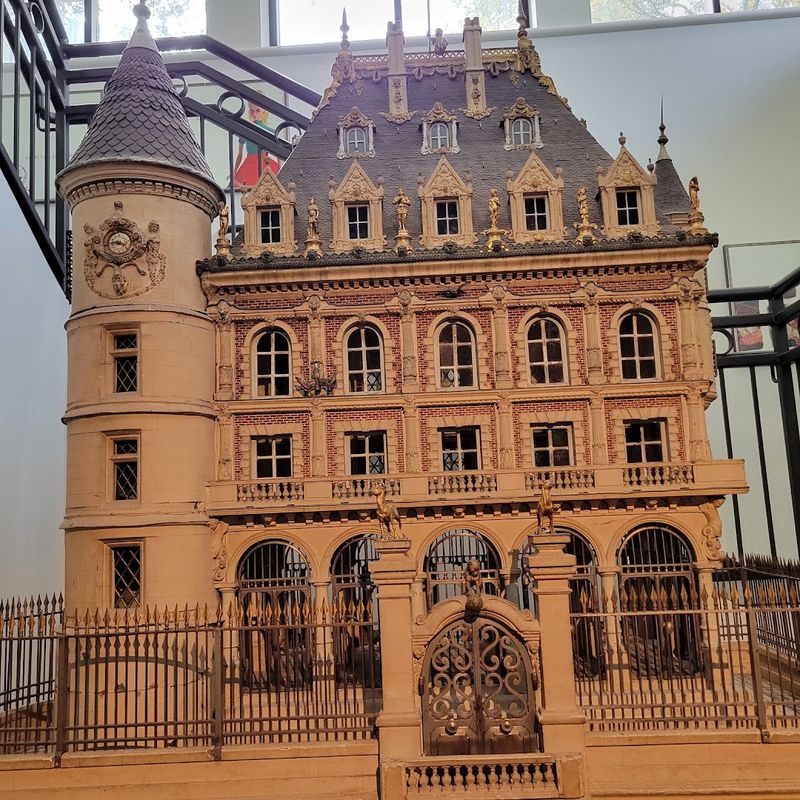
Somewhere between childhood nostalgia and jaw-dropping craftsmanship lives the National Museum of Toys and Miniatures.
Housed in the historic Tureman Mansion at 5235 Oak Street, Kansas City, MO 64112, this place is genuinely one of a kind. It opened in 1982, born from the passionate collecting efforts of two lifelong friends with extraordinary taste.
Over 33,000 square feet of exhibit space holds more than 100,000 objects.
The miniature collection alone is a marvel of human precision, featuring room settings, architectural works, and fully functioning tools crafted by master artists. These are not toy-store miniatures; they are works of art that require a magnifying glass to fully appreciate.
The antique toy collection spans centuries, from a circa 1750 English wooden doll named Georgiana to vintage tin toys, trains, and soldiers.
A two-story rotating toy-tisserie and a nine-foot tall zoetrope add playful interactive moments throughout the visit. This museum somehow manages to feel both deeply sophisticated and wildly fun at the same time, which is a very difficult balance to pull off.
8. Museum Of Art And Archaeology
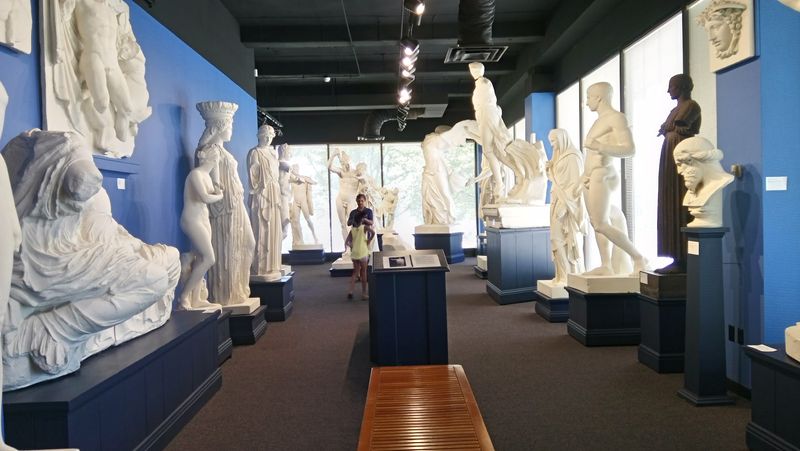
Free admission and 16,000 objects spanning six continents and thousands of years of human creativity sounds almost too good to be true.
The Museum of Art and Archaeology at 520 S 9th Street, Ellis Library, Columbia, MO 65211, is exactly that generous. It officially reopened in its new home within Ellis Library on May 3, 2024, after a thoughtful renovation period.
The collection is particularly strong in Greek, Roman, and Near Eastern works, with impressive plaster casts of classical sculptures anchoring the permanent galleries.
Tracing back to a Study Collection established in 1892, this museum has been quietly building one of the Midwest’s most underappreciated cultural treasures for well over a century.
One quirky highlight is Missouri’s only Art-o-mat, a repurposed cigarette vending machine that now dispenses original mini-artworks for just five dollars.
That single detail captures everything wonderful about this museum: it is serious about art but never takes itself too seriously. Whether you are a seasoned art lover or someone who just wandered in curious, you will leave richer for it in every sense.
9. Rock Bridge Memorial State Park
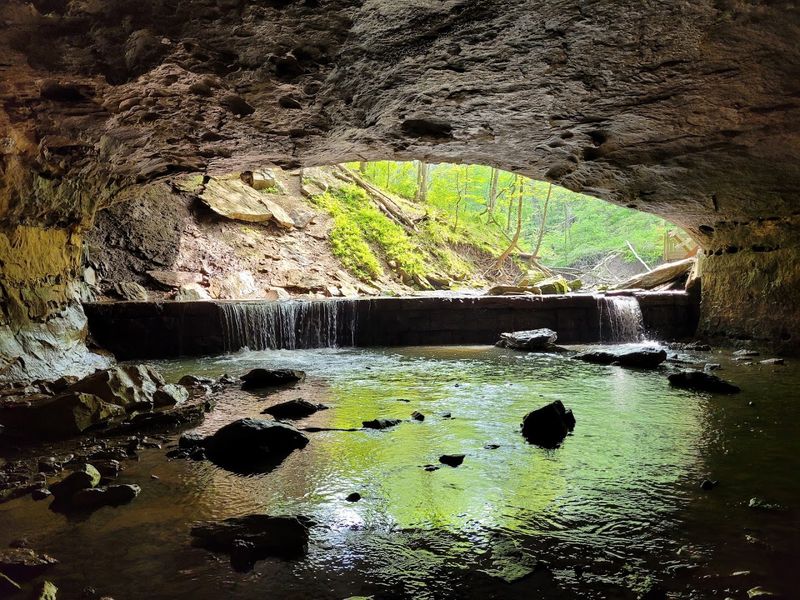
Just south of Columbia, the earth pulls off something spectacular. Rock Bridge Memorial State Park at 5901 S Highway 163, Columbia, MO 65203, is a full-on geological wonderland featuring caves, sinkholes, and a genuine natural rock bridge carved by time and water.
Designated a state park in 1967, it offers one of the most dramatic natural landscapes in central Missouri.
The star attraction is the Devil’s Icebox, a vast cave system with an underground stream and a double sinkhole that exhales refreshingly cool air year-round.
Connor’s Cave nearby is accessible for visitors wanting to explore its illuminated opening sections. Over 27 miles of trails wind through restored grasslands and dense forest, welcoming hikers, cyclists, and horseback riders alike.
Here is a fun fact that tends to stop people mid-sentence: the caves here are home to the pink planarian, a rare flatworm species found nowhere else on earth.
That tiny creature makes this park scientifically significant beyond its obvious scenic beauty. Rock Bridge is the kind of outdoor escape where every trail turn reveals something that earns a genuine wow out loud.
10. Onondaga Cave State Park
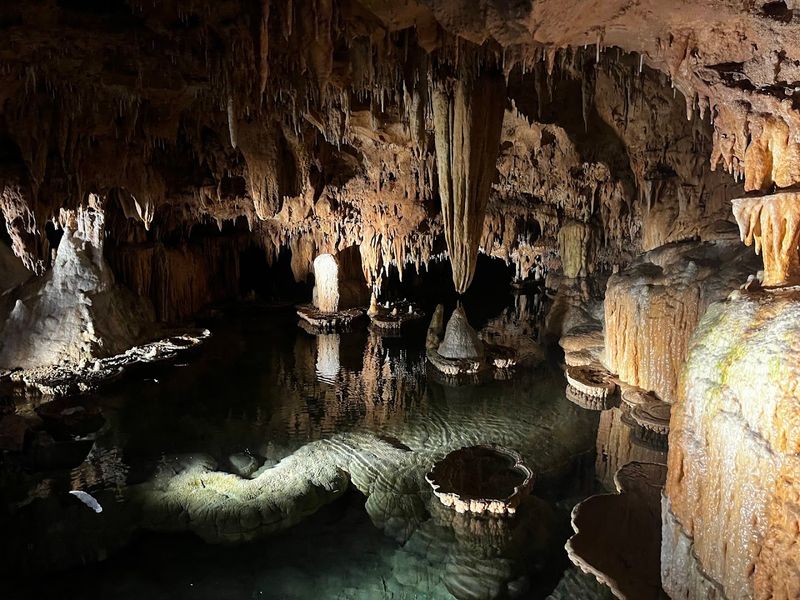
Walking into Onondaga Cave feels like stepping into a cathedral built entirely by water and time.
Located at 7556 Highway H, Leasburg, MO 65535, this cave earned National Natural Landmark status in 1980, and it absolutely deserves it. First discovered in 1886, it gained international attention when it was showcased at the 1904 St. Louis World’s Fair.
Guided tours cover about a mile of paved, well-lit passages over roughly 75 minutes. The formations inside are extraordinary: towering stalagmites, delicate stalactites, shimmering flowstones, and intricate rimstone dams line the route at every turn.
The cave holds a steady temperature of 57 to 58 degrees Fahrenheit, making it a genuinely refreshing retreat regardless of the season.
Above ground, the park offers tours of Cathedral Cave and more than six miles of hiking trails along the scenic Meramec River.
Camping, fishing, and picnicking round out the experience beautifully. Vilander Bluff Natural Area crowns the visit with panoramic views and ancient red cedar trees.
Onondaga Cave is the rare attraction that delivers on every promise its reputation makes.
11. Mastodon State Historic Site
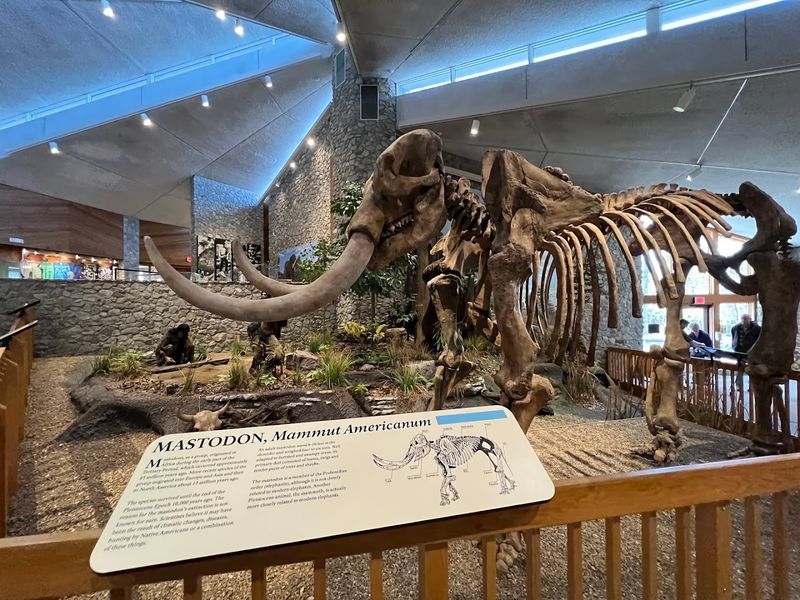
Thousands of years ago, massive creatures roamed the land where suburban Missouri now sits quietly. Mastodon State Historic Site at 1050 Charles J.
Becker Drive, Imperial, MO 63052, protects the Kimmswick Bone Bed, a site of extraordinary scientific importance.
This is where researchers found the first conclusive proof that ancient humans and mastodons coexisted in eastern North America.
Bones were first uncovered here in the early 1800s, drawing global scientific curiosity almost immediately. The landmark discovery came in 1979, when a Clovis spear point was found directly alongside mastodon bones.
That single find reshaped the entire scientific understanding of early human migration and behavior on this continent.
Inside the museum, an interpretive video and displays of ancient artifacts, fossils, and a full-size mastodon skeleton replica bring the Ice Age to vivid life.
Walking trails lead to the original bone bed where those groundbreaking discoveries were made. Picnic areas, a playground, and a wildflower garden make this a genuinely complete outing.
Missouri has been hiding a world-class prehistoric site in plain sight, and most people have absolutely no idea it is there.