
The Scenic Train Ride Through South Carolina That’ll Make All Your Stress Melt Away
Modern life has a way of convincing us that every journey should be as fast as possible. The most memorable ones usually prove the exact opposite.
There is something almost therapeutic about the steady rhythm of steel wheels rolling across old railroad tracks. The countryside drifts past a little more slowly, conversations become easier, and for a while, checking the time no longer feels important.
It is the kind of experience that reminds you there is no prize for rushing through every moment.
Some of South Carolina’s most relaxing adventures begin the instant the train leaves the station.
While beaches and historic towns often steal the spotlight, South Carolina is also home to scenic rail journeys that encourage travelers to slow down and simply enjoy the ride. Every mile offers peaceful landscapes, timeless charm, and a welcome break from the constant pace of everyday life.
The best views are sometimes the ones you are never in a hurry to reach. If you’re looking for an outing that feels equal parts nostalgic, relaxing, and unforgettable, this charming train ride deserves a place on your travel list.
Volunteer Passion Powers Every Journey
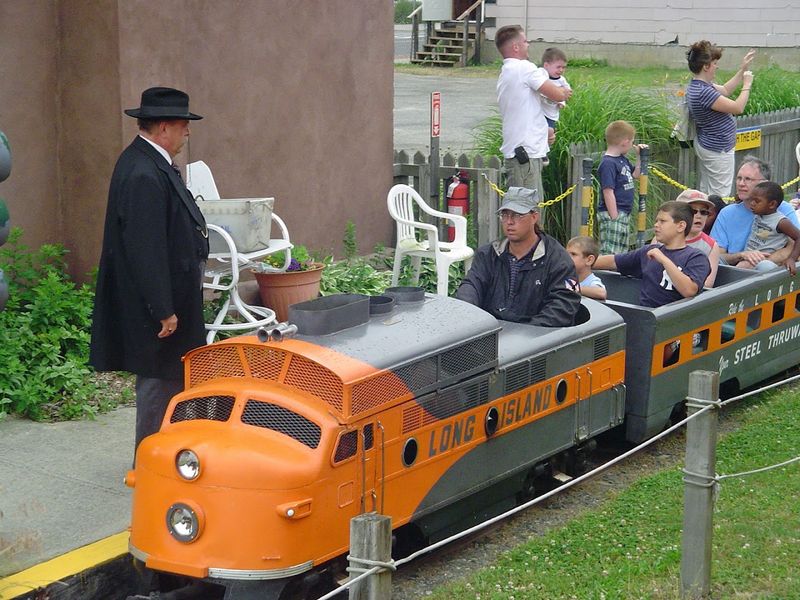
Walking through the museum grounds, I noticed something unusual right away. Every single person wearing a name tag had this sparkle in their eye when they talked about trains, and it turned out none of them were getting paid a dime.
These volunteers travel from all over just to share their railroad knowledge, restore old cars, and make sure every guest feels welcome. One gentleman told me he drives two hours each way on Saturdays because he loves seeing kids’ faces light up during the rides.
Their enthusiasm is contagious in the best possible way. They don’t just recite facts; they tell stories about the golden age of rail travel, point out deer along the tracks, and answer every question with genuine excitement.
I’ve been to plenty of tourist attractions where staff members look like they’d rather be anywhere else, but here it’s the opposite. The volunteers’ dedication transforms a simple museum visit into something that feels personal and special, like you’re being welcomed into their favorite hobby rather than just buying a ticket.
Six-Mile-Per-Hour Therapy Session
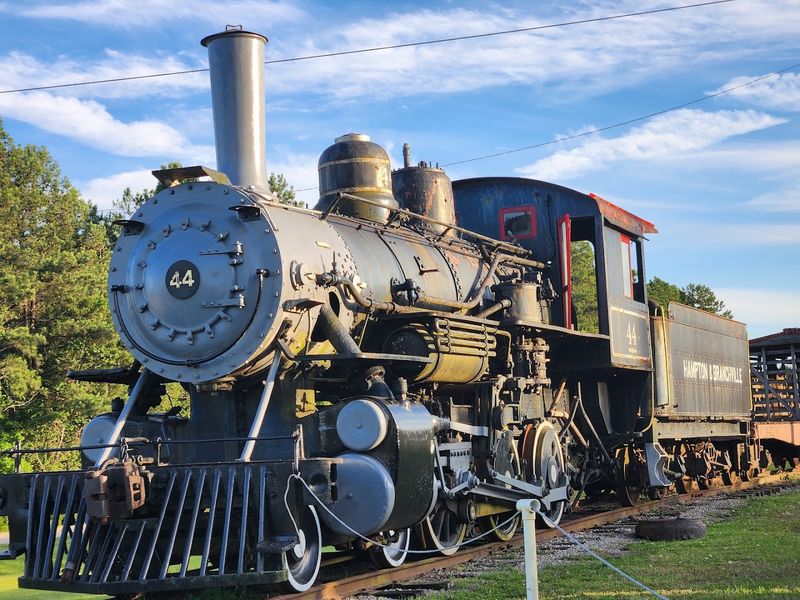
I’ll admit I laughed when the conductor announced our top speed would be six miles per hour. That’s slower than most people jog, and my first thought was that we’d barely be moving at all.
Turns out, that glacial pace is exactly what makes the ride so therapeutic. In a world where everything rushes past at highway speed, this train forces you to slow down whether you like it or not.
You actually see things at six miles per hour. Individual wildflowers nodding in the breeze, a turtle sunning itself near the tracks, the way afternoon light filters through pine branches overhead.
My mind, which usually runs at about ninety miles per hour with a to-do list longer than the train itself, finally had permission to just coast. No emails to check, no deadlines to meet, just the steady rhythm of wheels on rails and scenery drifting past like a living painting.
By the time we returned to the station, I felt like I’d had a massage for my brain. That slow speed turned out to be the whole point.
Walk Through Time in Historic Rail Cars
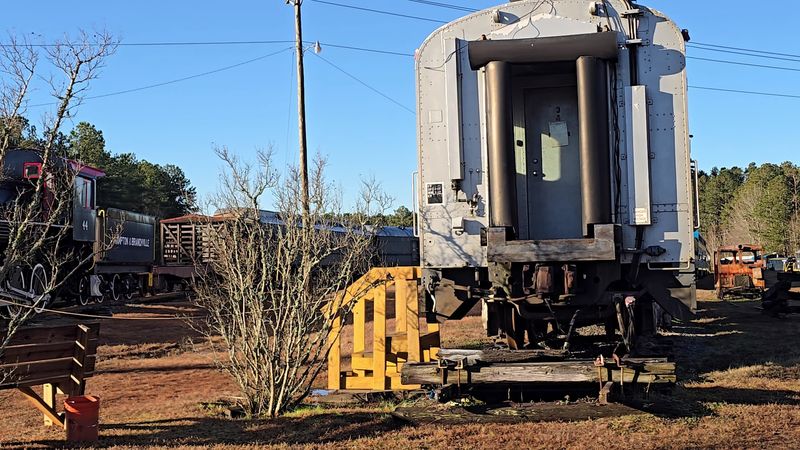
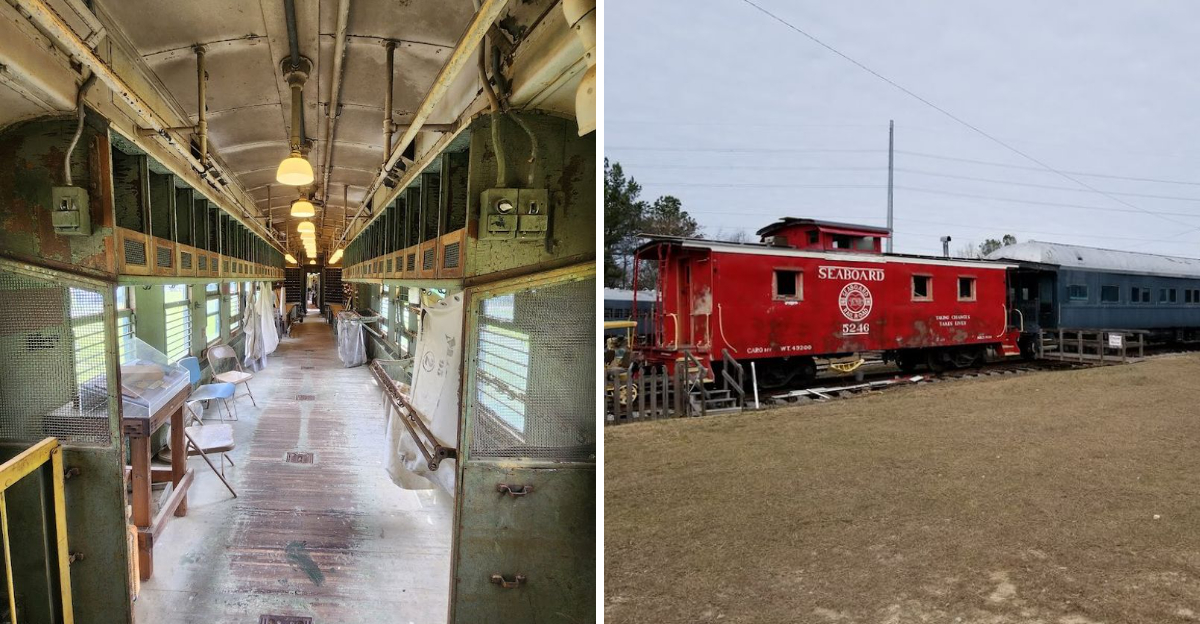
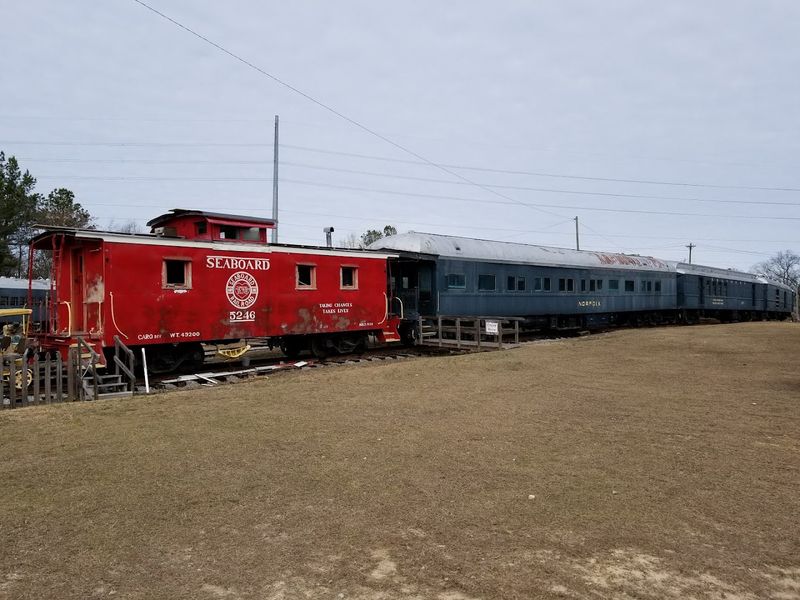
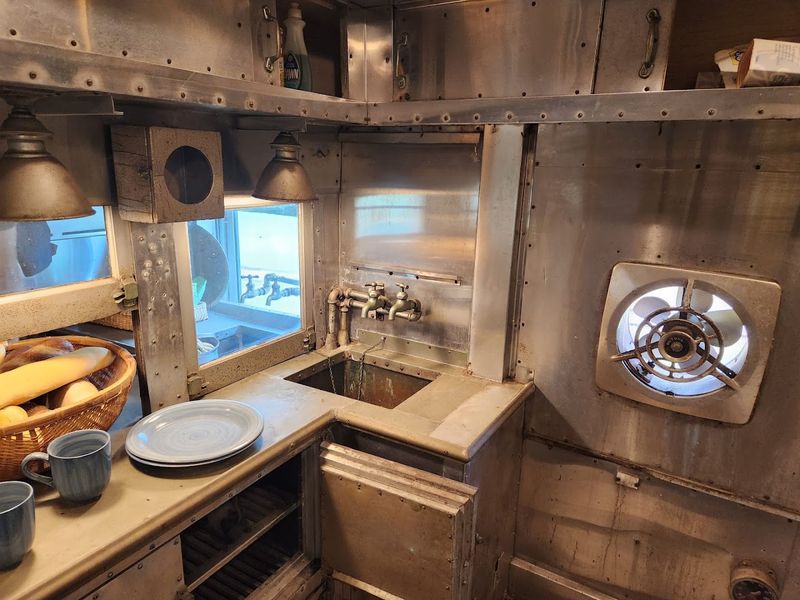
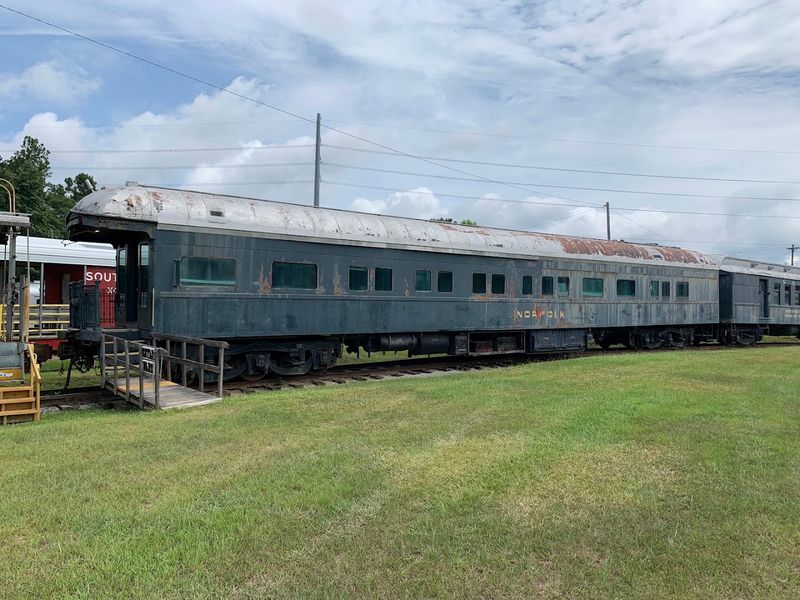
Before the ride even starts, you can wander through a collection of vintage rail cars that feel like stepping into a time machine. I spent nearly an hour exploring a Pullman car that still had its original dining area, sleeping compartments, and lounge sections intact.
Running my hand along the polished wood paneling and peeking into the tiny sleeping berths, I tried to imagine what it was like when people dressed up for train travel and spent days crossing the country in these cars. The craftsmanship is stunning, especially when you consider these cars are decades old and maintained entirely by volunteers.
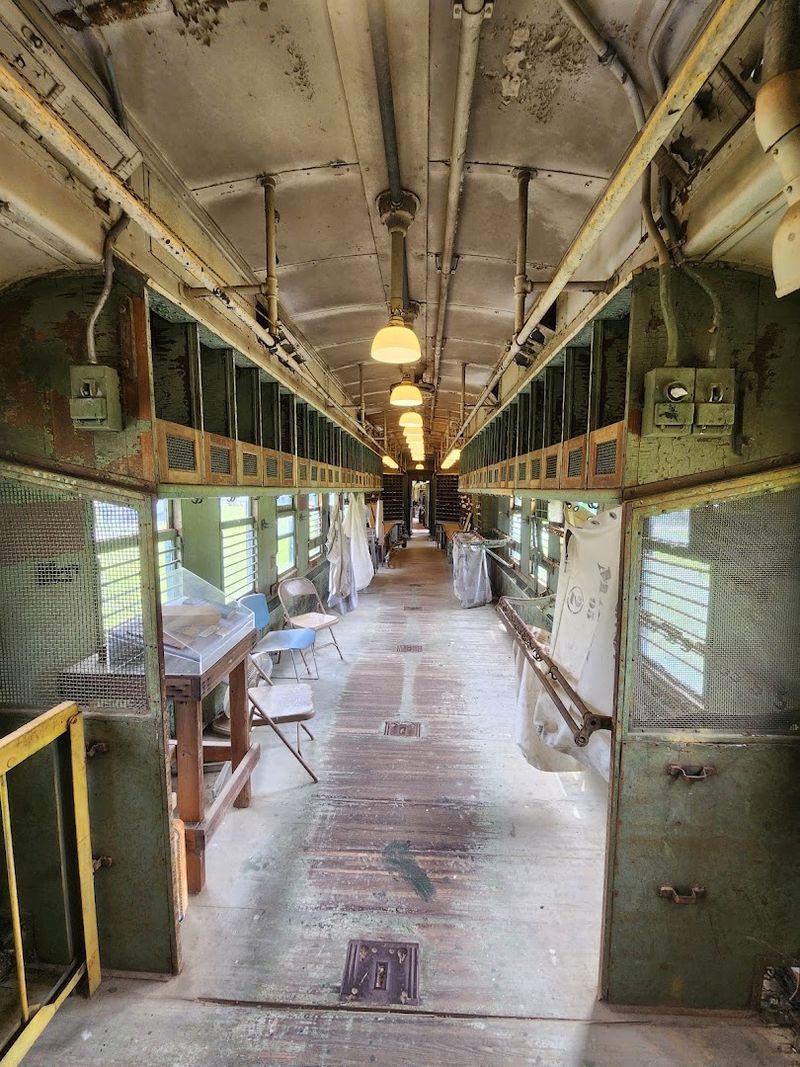
There’s also a former mail train you can walk through, which fascinated me because I’d never thought about how letters used to travel by rail. The sorting equipment is still there, and volunteers explained how postal workers would sort mail while the train was moving.
What struck me most was how these cars aren’t roped off behind glass. You can touch them, sit in the seats, and really experience what rail travel used to feel like, which makes history feel immediate rather than distant.
Wildlife Encounters Along the Private Track
About halfway through my first ride, the train slowed even more than usual and the conductor pointed to our left. A family of deer was crossing the tracks about fifty yards ahead, completely unbothered by our presence.
Because the museum operates on its own private track donated specifically for this purpose, the route winds through relatively undisturbed countryside where wildlife feels comfortable. I’ve seen deer on multiple visits, plus rabbits, various birds, and once a fox that trotted alongside us for a few seconds before disappearing into the underbrush.
The open-air car option, which I highly recommend, puts you right in the middle of this natural setting without windows blocking your view or muffling the sounds. You hear birdsong, smell the pine trees, and feel the breeze on your face while watching for critters.
Kids absolutely lose their minds when animals appear, and honestly, so do adults. There’s something magical about spotting a deer or turtle from a moving train that feels different from seeing them on a hiking trail.
Maybe it’s the unexpectedness, or maybe it’s just another reason to slow down and pay attention to the world rolling past.
Seasonal Events That Feel Like Childhood Dreams
I thought the regular Saturday rides were charming, but then I discovered the museum hosts seasonal events that take the experience to a whole different level. The Santa’s Twilight Express, Pumpkin Patch excursions, and Easter Eggstravaganza events turn the train into something straight out of a storybook.
During the Christmas ride, Santa boards the train and visits with every single child, while volunteers serve hot chocolate and cookies. The whole experience lasts longer than regular rides, giving families plenty of time to soak in the holiday magic without feeling rushed.
The Pumpkin Patch event includes a ride to a special area set up with inflatables, face painting, balloon animals, games, a maze, and food trucks. Kids get about an hour to play before boarding the train back to the museum, making it a full afternoon adventure.
What impressed me most was how affordable these events remain despite all the extras included. The volunteers clearly put tremendous effort into creating memorable experiences without pricing out families, and parents consistently mention how much their children talk about these rides for weeks afterward.
Railroad Artifacts That Tell Forgotten Stories
Tucked inside the museum buildings, I found glass cases filled with artifacts that made me realize how much railroad history I’d never thought about. Handwritten log books caught my attention first, with entries in careful cursive documenting daily operations from decades ago.
Reading those logs felt oddly intimate, like peeking into someone’s diary. You could see which trains ran late, what cargo they carried, even notes about weather conditions that affected operations.
One volunteer told me these books are incredibly rare because most were simply thrown away when railroads updated their record-keeping systems.
The museum also displays vintage tickets, timetables, tools, uniforms, and photographs that piece together the story of rail travel in South Carolina. Piedmont airline memorabilia shares space with steam engine parts and diesel locomotive components, creating a timeline of transportation evolution.
I’m not typically someone who spends much time reading museum placards, but I found myself genuinely curious about these objects. Maybe it’s because the volunteers are so knowledgeable and enthusiastic that their passion rubs off, or maybe it’s just satisfying to learn about something so fundamental to American history that we’ve largely forgotten.
Free Museum Access With Optional Paid Rides
Here’s something I didn’t expect in an era where everything seems to charge admission. You can visit The South Carolina Railroad Museum, walk through the vintage train cars, explore the buildings, and browse the gift shop without paying a single penny.
The museum operates on donations and ticket sales for the actual train rides, but they don’t require an entrance fee just to look around. This means families on tight budgets can still give their kids a cool experience, or curious travelers passing through can stop for a quick visit without committing to a full ticketed event.
When you do buy tickets for a ride, the prices remain remarkably reasonable compared to other tourist attractions. Multiple reviewers mentioned being pleasantly surprised by how affordable the experience was, especially considering the quality and length of the rides.
I appreciate this approach because it removes barriers while still supporting the museum’s operations. You’re not pressured to spend money, but after seeing the care volunteers put into maintaining everything, most people happily purchase tickets or make donations because they want to help preserve this special place for future visitors.
Three Riding Options For Every Preference
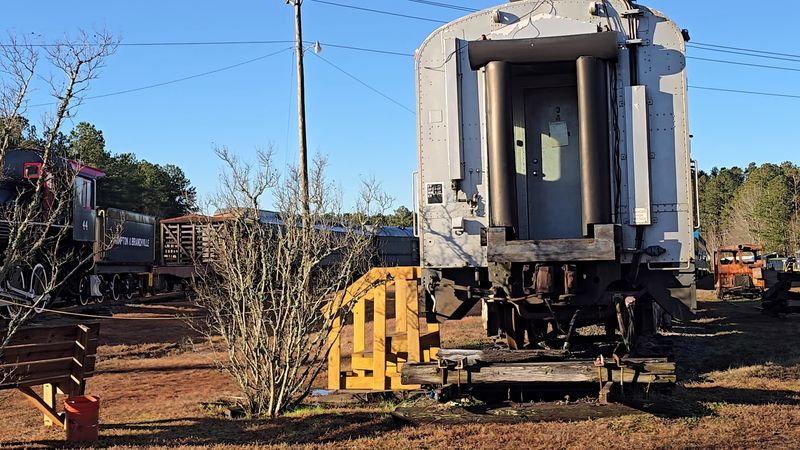
Choosing where to sit on the train turned out to be more interesting than I expected. The museum offers three distinct riding experiences: the enclosed passenger car, the open-air car, and occasionally the engine compartment with the conductor.
I started with the enclosed passenger car because I assumed it would be more comfortable, but on my second visit I tried the open-air option and immediately understood why so many reviewers recommended it. Being outside puts you directly in the environment rather than viewing it through windows, and the breeze keeps you cool even on warm days.
The open-air car also tends to have more interactive volunteers who share information about the passing scenery, local history, and railroad operations. Their enthusiastic banter and knowledge turn the ride into an educational experience that never feels like a boring lecture.
Some lucky guests get to ride in the engine compartment, which one reviewer described as incredibly exciting because you see exactly how the train operates. Each option has its advantages, and if you visit multiple times like I have, trying different cars keeps the experience fresh and interesting.
Magic T-Shirts That Change Color in Sunlight
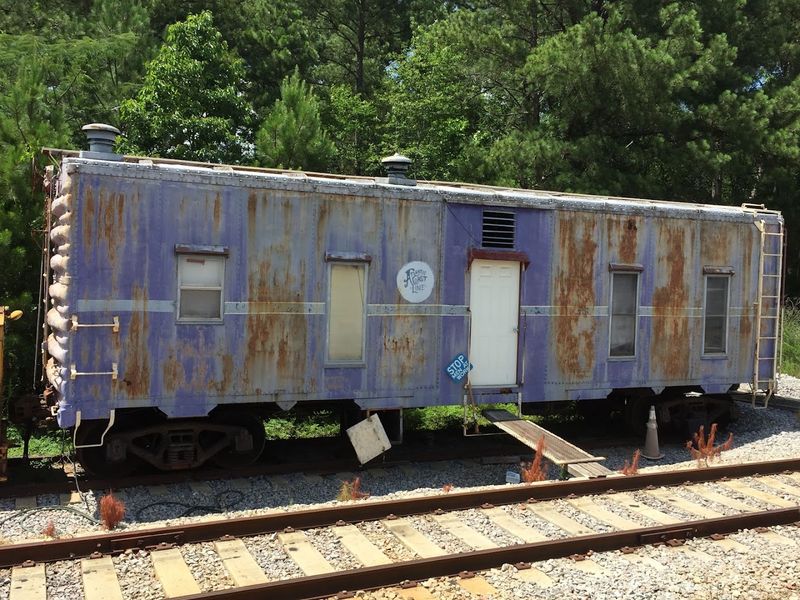
I almost skipped the gift shop on my first visit, but I’m so glad I didn’t because that’s where I discovered the most unexpectedly delightful souvenir I’ve ever bought. The museum sells t-shirts that change color when exposed to sunlight, and I’m not talking about a subtle shift.
These shirts transform dramatically when you step outside, revealing hidden designs or completely different colors. Multiple reviewers specifically mentioned buying these “magic t-shirts” because they’re such unique souvenirs that you can’t find anywhere else.
I bought one featuring a train design, and I’ve gotten more comments and questions about that shirt than any other piece of clothing I own. Kids especially go wild for them, and they make perfect gifts for the young train enthusiasts in your life.
The gift shop also carries frozen Cheerwine, which hits the spot on hot summer days, along with train-related books, toys, and memorabilia. It’s not a huge selection, but everything feels carefully chosen rather than just generic tourist junk, and the prices are reasonable enough that you don’t feel gouged for wanting a memento of your visit.
Accessible, Family-Friendly Design That Welcomes Everyone
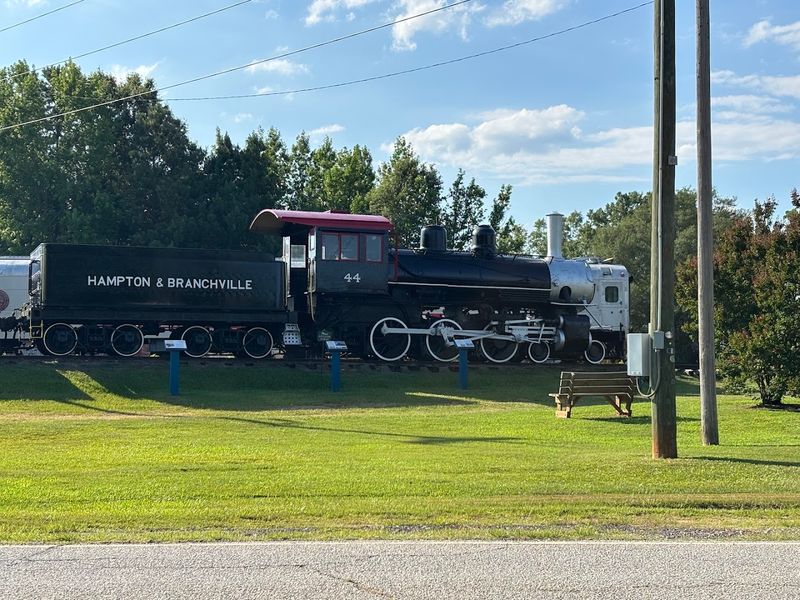
As someone who has traveled with small children, I know how stressful supposedly “family-friendly” attractions can be when they lack basic amenities. The South Carolina Railroad Museum actually delivers on being accessible and welcoming to families with various needs.
Parents consistently praise the clean bathrooms equipped with changing tables, which sounds basic but makes a huge difference when you’re managing a baby or toddler. The grounds have plenty of space for families to spread out, and the staff accommodates special needs without making you feel like you’re asking for special treatment.
One reviewer mentioned choosing the enclosed coach car due to autism-related sensory needs and a newborn, and the staff made it work perfectly. They were even allowed to bring food onto the train from a festival, which eliminated the stress of managing meal times with little ones.
The museum’s Thursday, Friday, and Saturday operating hours from 10 AM to 4 PM align well with family schedules, though I wish they were open Sundays too. Still, the volunteers clearly understand that making the experience stress-free for parents means everyone enjoys themselves more, and that thoughtfulness shows in every detail.