
This 2.3-Mile Hike In Pennsylvania Leads You To A Swinging Suspension Bridge Hidden In The Woods
A short hike gets a lot more exciting when the payoff moves under your feet.
This Pennsylvania trail has the kind of woodland surprise that turns an easy outing into a small adventure, with a swinging suspension bridge waiting like the scene everyone will talk about afterward.
It is the perfect distance for people who want fresh air without committing their entire day to sore legs and questionable decisions.
The fun is in the buildup: a walk through the trees, a little anticipation, and then that first careful step onto the bridge.
Suddenly, a simple hike has a pulse. I would tell myself I was going for a peaceful walk, but the second that bridge started to sway, I know the whole trip would turn into a story.
The Trail Is 2.3 Miles Of Pure Forest Adventure
Not every hike needs to be an all-day epic to leave a lasting impression.
The main trail leading to the suspension bridge at Cook Forest State Park clocks in at around 2.3 miles, making it approachable for hikers of most fitness levels.
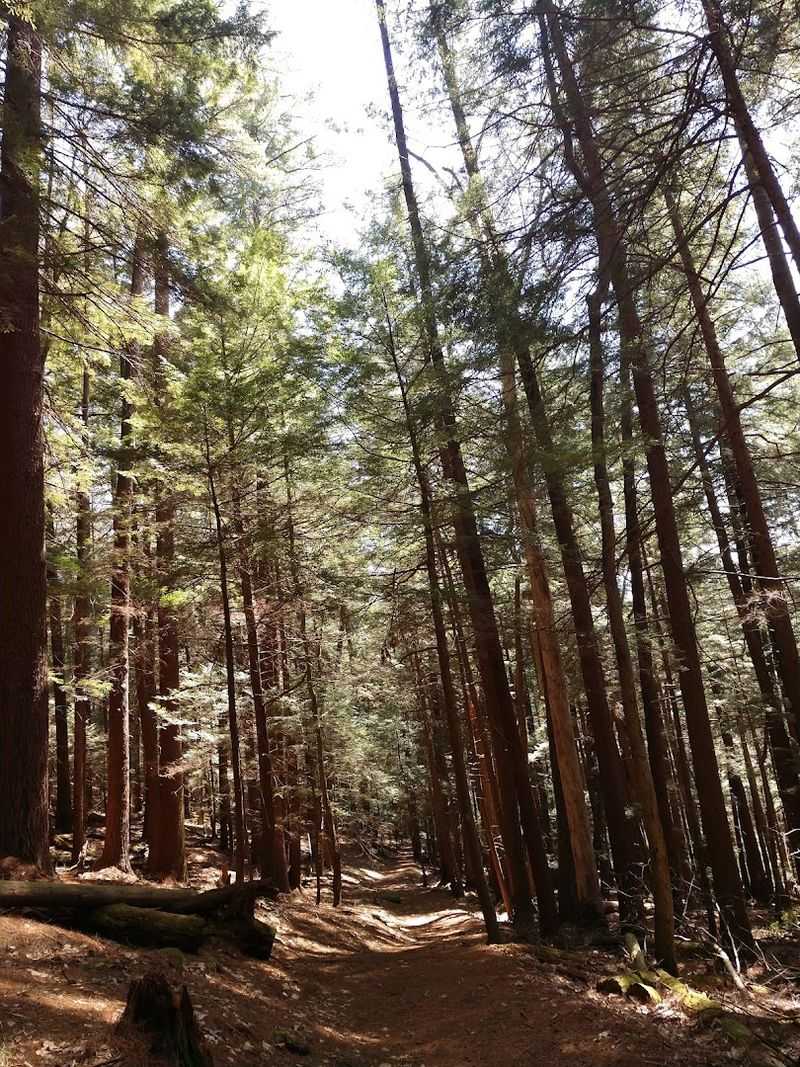
The path winds through one of the most impressive old-growth forests in the eastern United States.
Ancient hemlocks and white pines tower overhead, creating a canopy so thick that even on bright days, the trail feels cool and shaded.
The terrain includes some rocky sections, tree roots, and gentle elevation changes that keep things interesting without being overwhelming. Sturdy shoes make a real difference here.
The trail rewards patience, offering quiet beauty at nearly every turn before delivering hikers to the surprisingly dramatic reward waiting at the end.
A Swinging Bridge Hidden Deep In The Woods
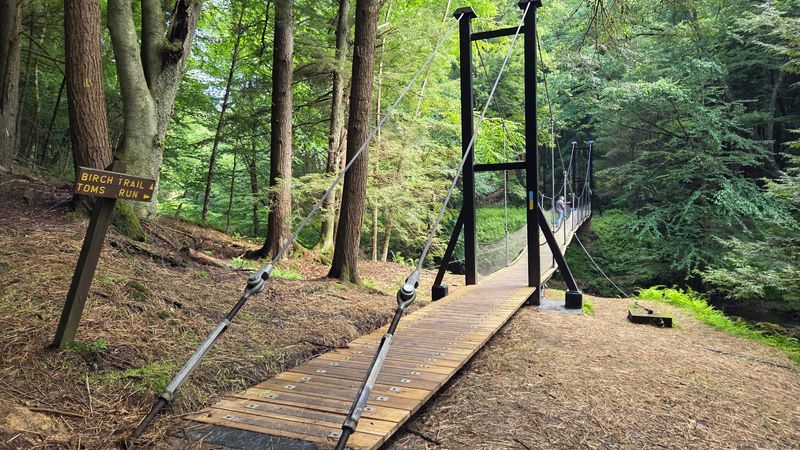
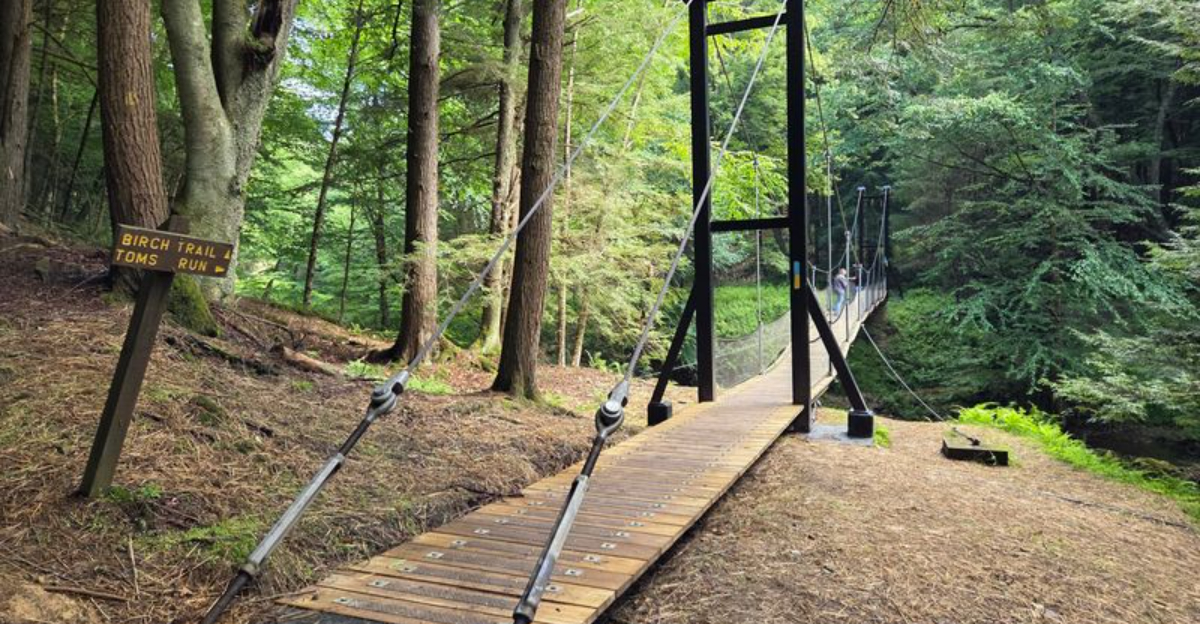
Few trail rewards feel as unexpected as a swinging bridge appearing through the trees.
At Cook Forest State Park in Cooksburg, Pennsylvania, the bridge links Birch Trail and Tom’s Run Trail rather than ending the route.
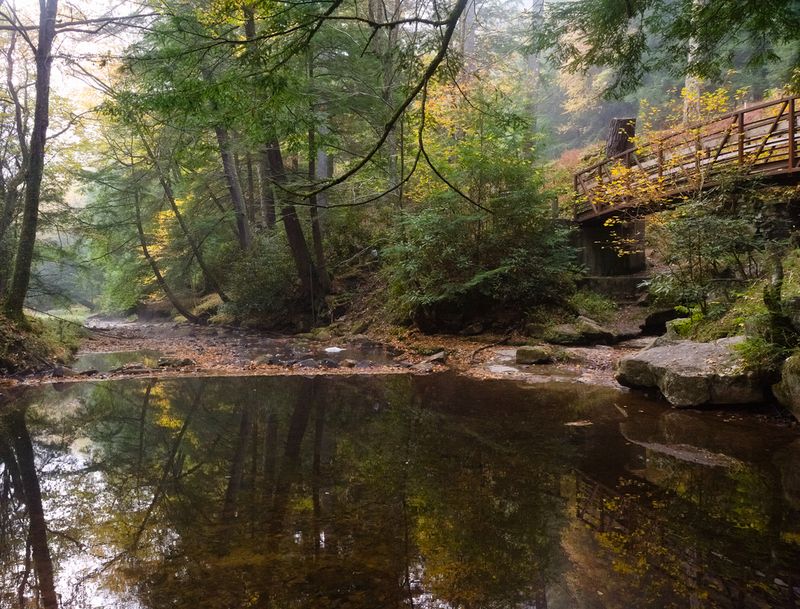
The bridge crosses Tom’s Run and may sway slightly underfoot as you cross. It is the kind of structure that makes you slow down, hold the railings, and pay close attention to where you are standing.
For kids, it is pure excitement. For adults, it brings out a little of that childhood thrill too.
The surrounding forest frames the bridge in a way that makes it feel like a scene from a storybook.
Many hikers stop here for photos, snacks, and a moment to simply listen to the water below. It is a small but genuinely memorable feature that makes this particular trail stand out from others in Pennsylvania.
Old-Growth Trees That Have Stood For Centuries
Standing beneath a 300-year-old white pine puts things in perspective fast.
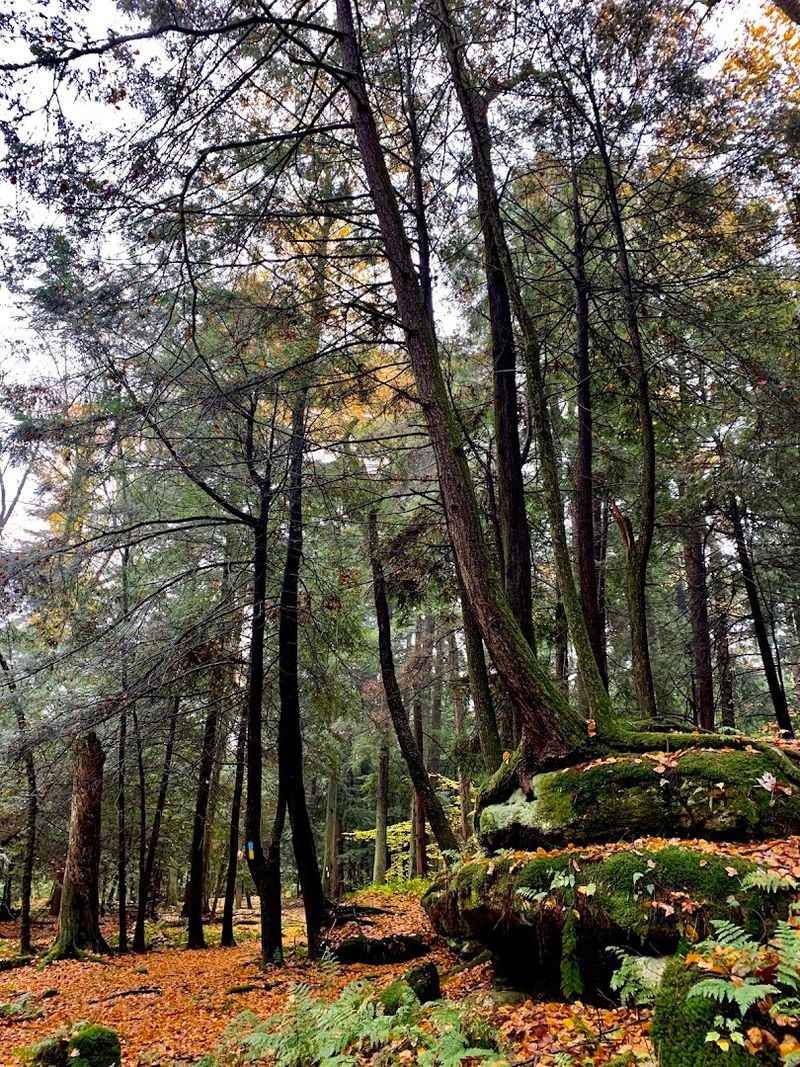
Cook Forest State Park protects one of the last remaining old-growth forests in the eastern United States, and the trees here are genuinely staggering in size.
The Cathedral area of the park is named for the way its towering pines create a cathedral-like atmosphere overhead.
Some of these trees reach heights of over 180 feet, making them among the tallest trees in Pennsylvania. Walking among them feels different from hiking through a typical second-growth forest.
The air smells richer, the light filters differently, and the scale of everything around you shifts. These trees were already old when the country was founded.
Pennsylvania takes its old-growth forests seriously, and Cook Forest is the crown jewel of that effort. The park has been designated a National Natural Landmark specifically because of these extraordinary trees.
The Park Covers A Massive 8,500 Acres
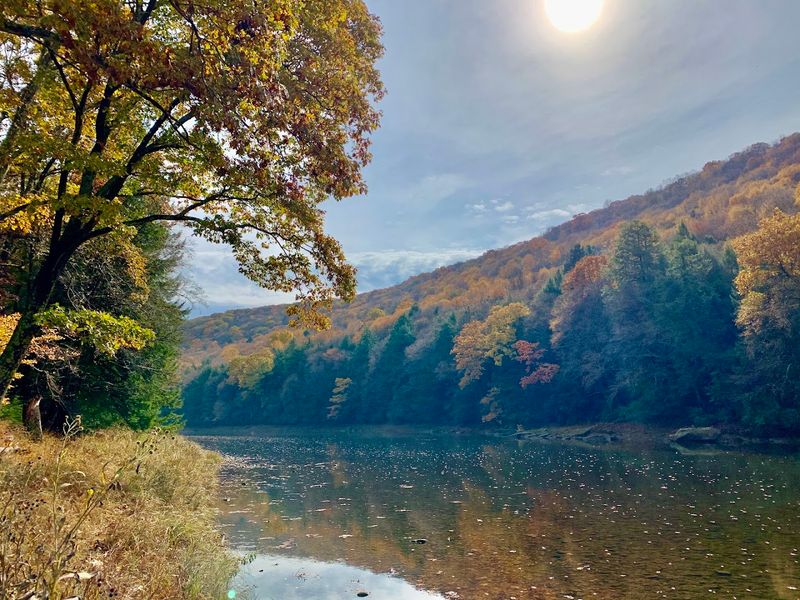
Cook Forest State Park is not a small neighborhood green space. Spread across 8,500 acres in Clarion County, Pennsylvania, it is a genuinely large wilderness area with room to roam in almost any direction.
Those acres include dense forest, river corridors, meadows, and rugged ridgelines. A scenic stretch of the Clarion River flows through the park, adding paddling, tubing, fishing, and other recreation beyond hiking.
With more than 47 miles of hiking trails inside the park, visitors could spend several days exploring without retracing a single step.
Trail difficulty ranges from easy walks to more challenging ridge climbs, so there is something for many experience levels.
The sheer size of the park also means that even on busy weekends, it is possible to find a quiet stretch of trail.
Pennsylvania’s state park system manages the land carefully, keeping it wild while keeping it accessible for everyone.
Tom’s Run Adds A Creek To The Experience
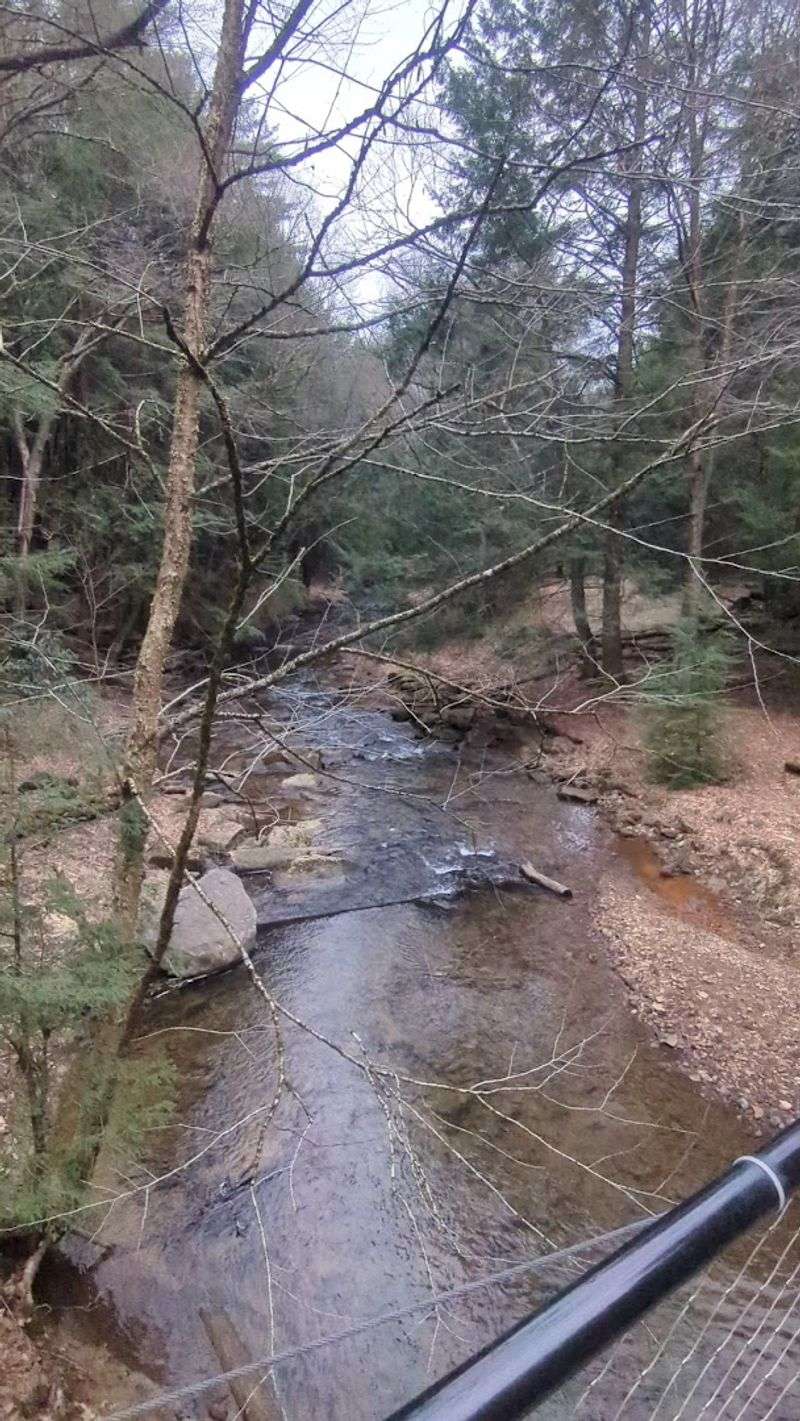
One of the quiet highlights of a hike through Cook Forest is crossing paths with Tom’s Run, a clear creek that winds through the park’s interior.
It is the kind of stream that encourages visitors to pause and enjoy the surroundings for a few minutes.
Families may enjoy stopping near Tom’s Run, but water depth, current, temperature, and footing can change quickly.
Children need close supervision, and the creek should not be described as reliably safe for wading.
Tom’s Run also feeds into the broader trail network, and several paths cross it at different points throughout the park. Depending on recent rainfall, the water level changes, giving each visit a slightly different feel.
The sound of running water following you along the trail adds a layer of calm to the whole experience. Pennsylvania has no shortage of beautiful creeks, but Tom’s Run earns its place among the most charming.
The Cook Fire Tower Offers Panoramic Views
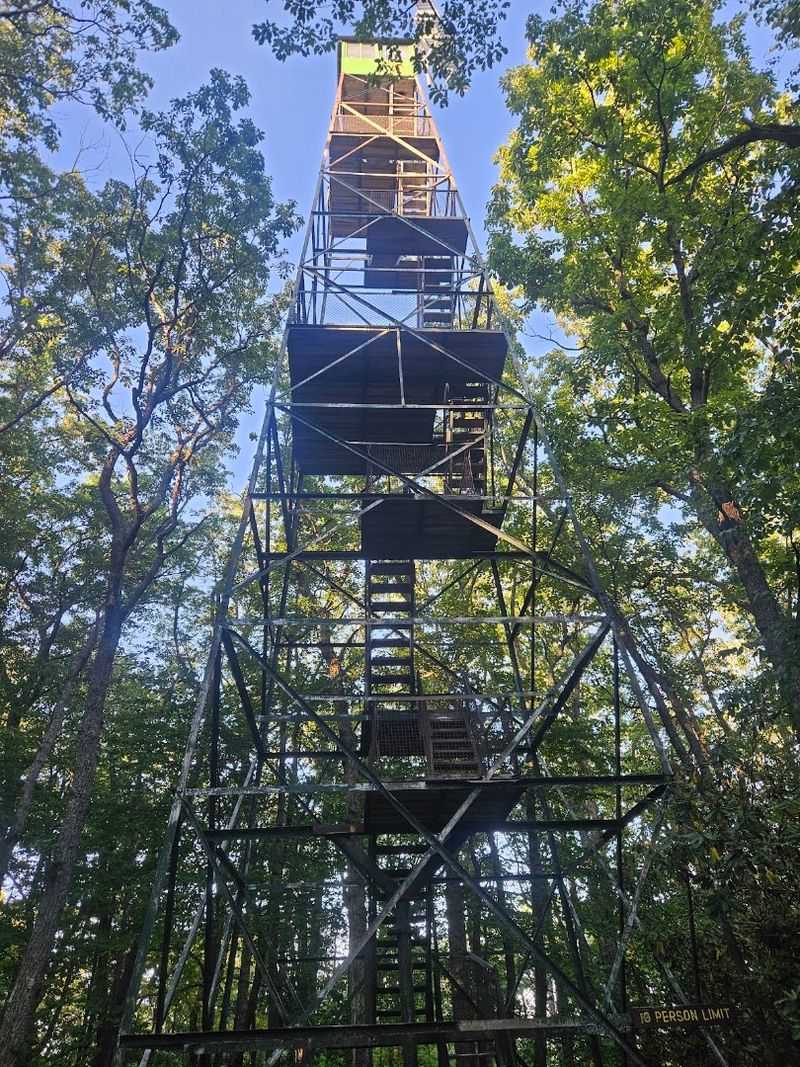
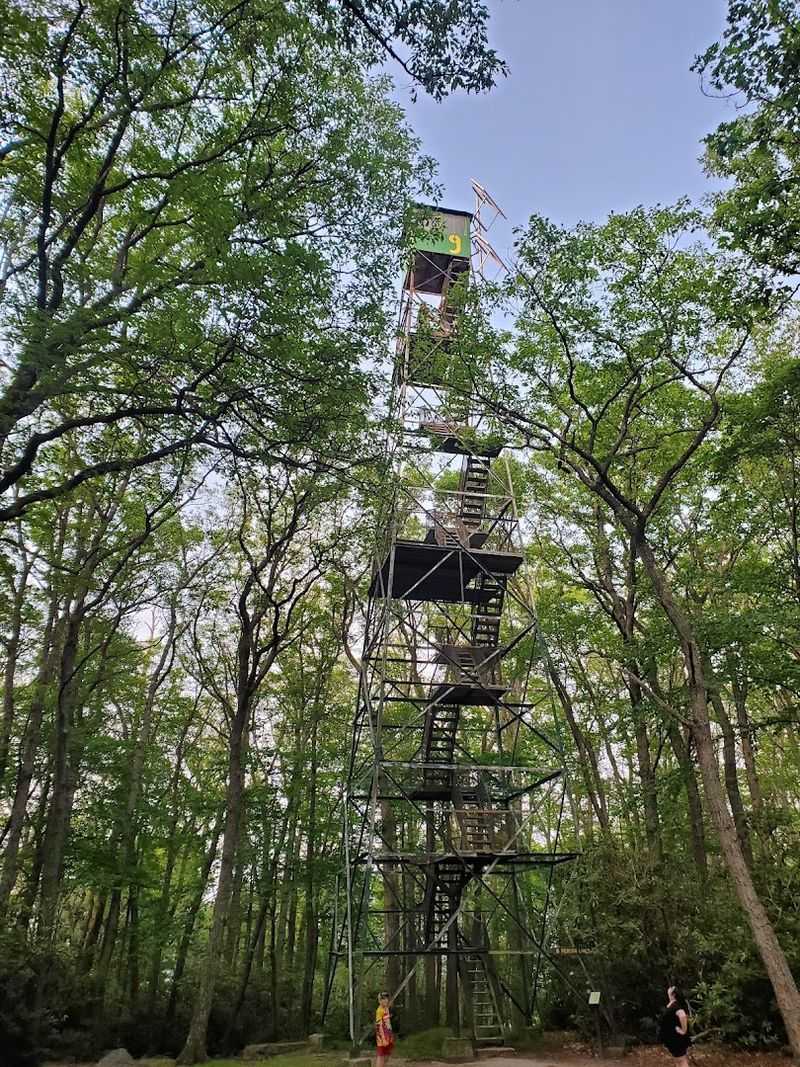
About 1.5 miles from Route 36 along Fire Tower Road stands Historic Fire Tower Number 9, a climbable lookout that rewards the effort with sweeping views across the forest canopy.
It is one of those bonus attractions that turns a good trip into a great one.
The tower is historic and still fully accessible to the public. Climbing to the top puts you above the treeline, offering a perspective on just how vast and unbroken the forest really is.
On clear days, the view stretches for miles in every direction. Seneca Point is another nearby overlook worth visiting, perched at the edge of a ridge above the Clarion River.
Between the two viewpoints, hikers get a full picture of what makes this corner of Pennsylvania so visually striking.
Visitors should not assume restroom facilities are available beside the fire tower. Check the current park map and facility information before planning a long family outing there.
Camping And Cabins Make It Easy To Stay Longer
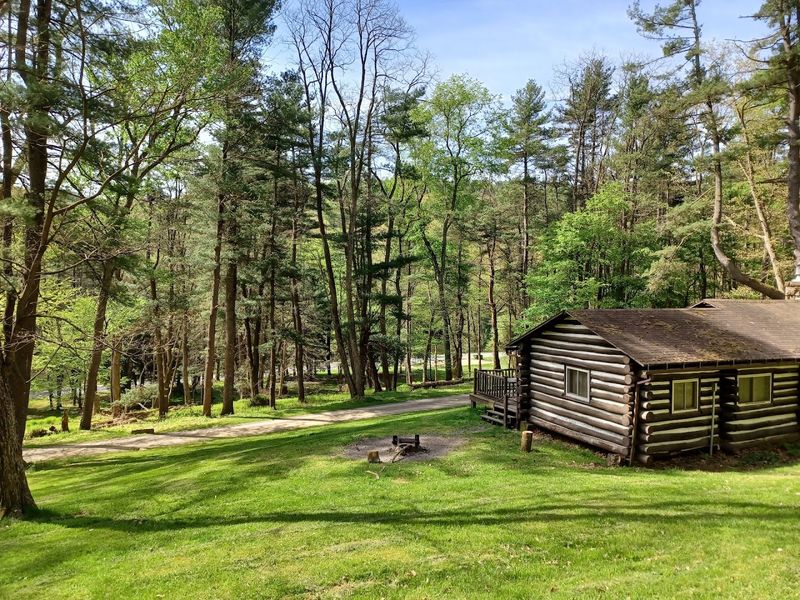
One day at Cook Forest State Park is rarely enough. Fortunately, the park offers a solid range of overnight options that make it easy to settle in and slow down.
The Ridge Campground accommodates both tent campers and RV travelers, with sites spaced far enough apart to feel private.
Cabin rentals are also available through the park, ranging from basic shelters to more comfortable units with heat, a stove, and bunk beds.
The Indian Cabins sit along Tom’s Run behind the park office. Rustic cabins include beds, heat, a refrigerator, and a stove, but guests must bring their own bedding, cookware, and personal tableware.
Staff at Cook Forest are known for being genuinely helpful and going out of their way to assist guests.
Pennsylvania state park employees tend to take pride in their parks, and Cook Forest is a clear example of that dedication showing up in everyday interactions.
Wildlife Sightings Are Part Of The Experience
Cook Forest is not just a place to look at trees. The park’s diverse habitat supports a wide range of wildlife, and patient hikers are often rewarded with unexpected sightings along the trail.
Eagles have been spotted hunting along the Clarion River corridor, and osprey are sometimes seen diving for fish in the shallower stretches of water.
Deer are a common sight, especially in the early morning hours when the forest is still quiet.
Smaller creatures are equally entertaining. Salamanders hide under streamside rocks near Tom’s Run, and a variety of songbirds fill the canopy with sound throughout spring and summer.
The park’s old-growth sections provide habitat for species that need large, undisturbed forest to thrive.
Pennsylvania’s wildlife management efforts help maintain healthy populations across the park. Bringing a pair of binoculars along on any hike here is a genuinely good idea, not just an optional extra.
The Park Office Is The Best Starting Point
Before hitting any trail, contacting the Cook Forest State Park Office at 100 Route 36, Cooksburg, PA 16217 can be a smart first move.
Staff can provide maps, current trail conditions, current facility information, reservation guidance, and event details.
The park office follows specific hours rather than a guaranteed daily 8 AM to 4 PM schedule.
The park itself is open every day from sunrise to sunset, while overnight areas and other facilities operate during separate seasons and hours that visitors should confirm before arriving.
The swinging bridge is reached through the Forest Cathedral trail network, linking Birch Trail and Tom’s Run Trail.
Visitors should use the official park map to choose the parking area and trailhead before starting their hike.
Spring And Fall Are The Best Seasons To Visit
Cook Forest State Park earns its beauty in every season, but spring and fall stand out as the most rewarding times to make the trip. Each brings something genuinely different to the experience.
Spring visits in April and May mean fewer crowds, wildflowers popping up along the trail edges, and the sound of rushing water from creeks swollen with snowmelt.
The forest comes alive quickly after winter, and the old-growth trees take on a fresh, vibrant energy. Fall transforms the park into a completely different place.
The surrounding hillsides shift through gold, orange, and red as the season progresses, framing the ancient pines in a backdrop that feels almost theatrical.
Summer is busier but still enjoyable, with river activities and longer daylight hours adding to the options.
Pennsylvania’s four-season climate means Cook Forest never really has a bad time to visit, just different reasons to come back again.