
Locals Say This Once-Peaceful Arkansas River Town Is Now Overrun By Tourists
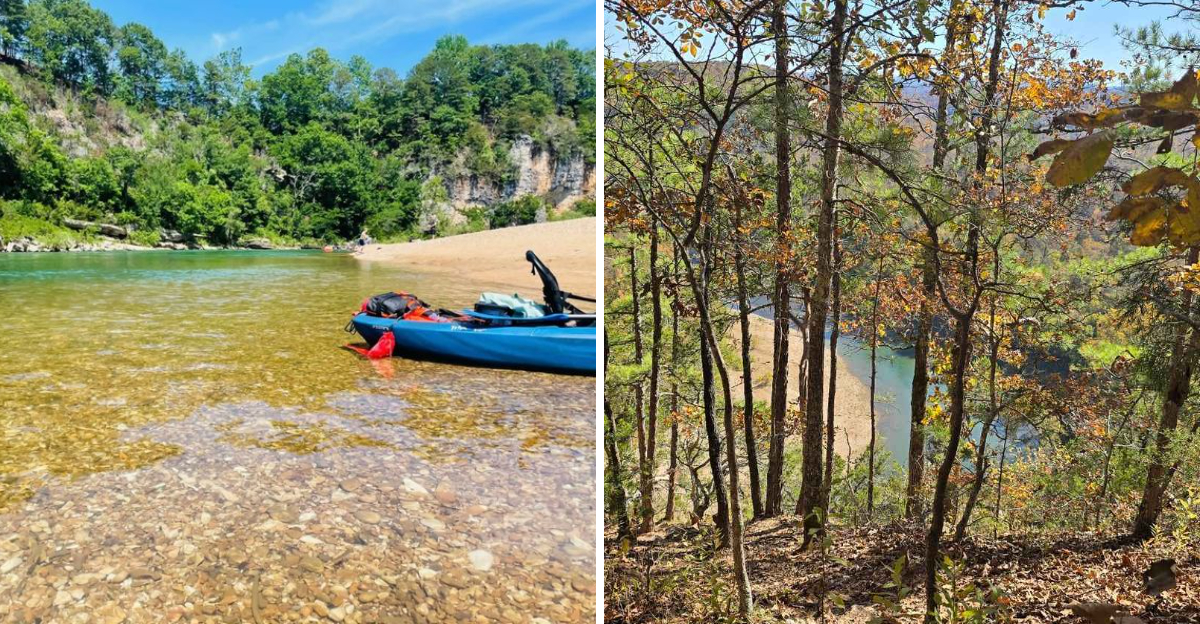
A town this small should feel impossible to crowd. Then summer reaches this bend of the Buffalo National River, and the pace changes fast.
Vehicles line the access road. Cabins book early.
The gravel bar fills with paddlers and families seeking a cool place beside the water. It is easy to understand the pull.
Towering bluffs frame the valley, while an old general store recalls the railroad era. After sunset, dark skies make the setting feel more remote.
Arkansas has outdoor destinations, but few create such a sharp contrast between quiet surroundings and growing popularity. That contrast shapes every visit.
The town still feels peaceful on a morning, yet busy weekends reveal how travel buzz can transform a place. Locals value the beauty around them, but sharing it comes with a cost.
The question is no longer why people arrive. It is how much attention this community can comfortably handle.
A Tiny River Town Beneath The Bluffs
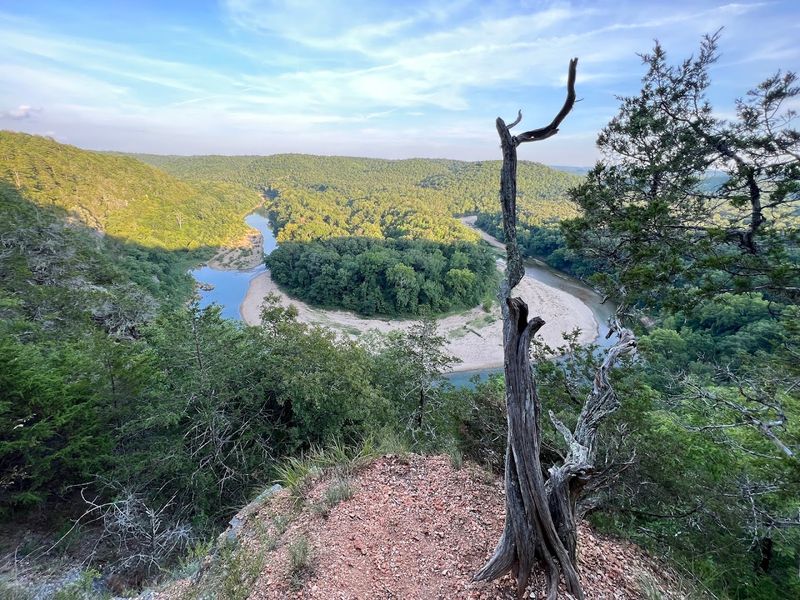
Most towns in the Ozarks measure themselves in county fairs and church pews, but this one seems to measure time through quiet mornings and slow-moving river days.
Massive limestone bluffs rise on either side of the river valley, creating a natural bowl that cradles the settlement in cool, shaded air nearly year-round.
That geography is no accident of charm; it earns the town its unofficial title of “The Coolest Town in Arkansas,” a nickname widely used by local tourism groups and community tourism materials.
The bluffs also act as a visual boundary, giving the whole place a sense of being held apart from the wider world, which is exactly what drew people here in the first place.
Visitors often stop mid-step when they first see the scale of those rock walls rising above the treetops.
Even busy afternoons can feel small beneath the scale of the valley.
All of this quiet drama unfolds in Gilbert, Arkansas, a river community found along the Buffalo National River in Searcy County, where the landscape still shapes the pace of daily life.
Quiet Streets Leading Toward The Buffalo
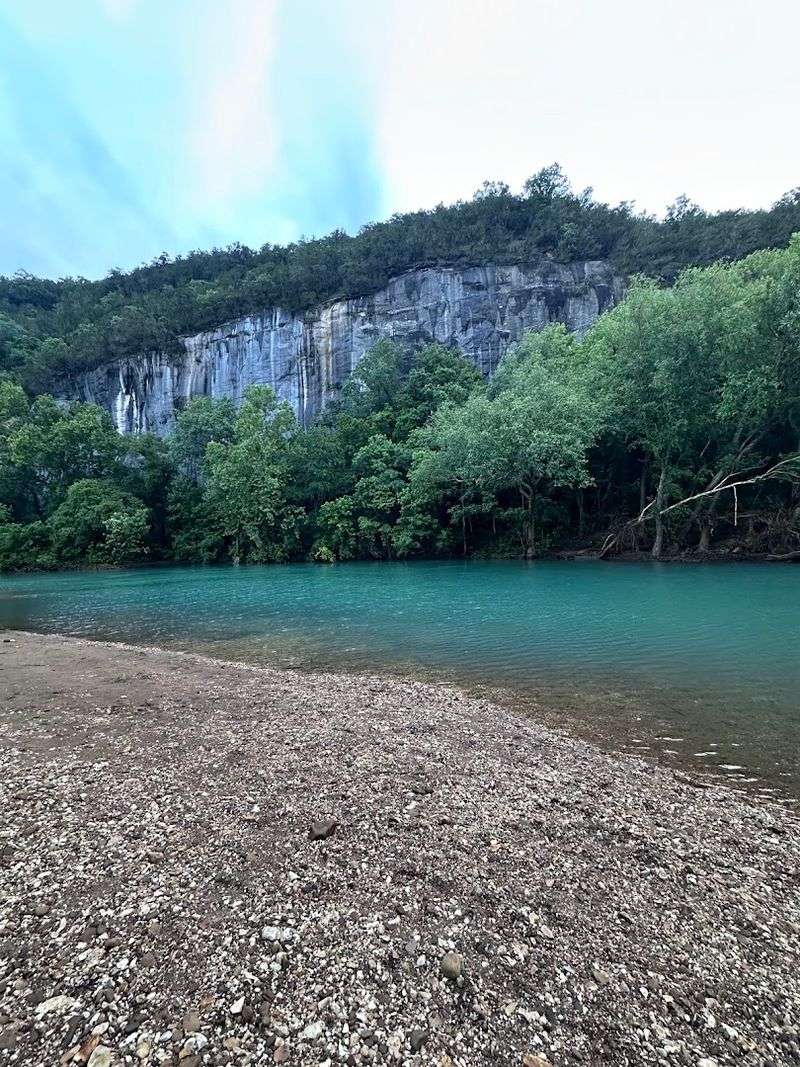
Not many towns can say their main road ends at a river, but that is precisely the setup here, and it sets the mood for everything else.
The streets are genuinely quiet, partly because the town made a deliberate choice to protect that quiet by becoming Arkansas’s first Dark Sky Lighting Compliant City within the Buffalo National River’s International Dark Sky Park.
Outdoor lighting was adjusted to meet dark-sky standards that reduce glare and light pollution, which means the nights stay inky dark and the stars look almost theatrical.
That same commitment to low interference keeps the atmosphere calm, even as visitor numbers climb seasonally.
Walking toward the Buffalo National River from the center of town takes only a few minutes, and the road simply runs out at a wide gravel bar where the water takes over.
I noticed how the transition from pavement to gravel felt almost ceremonial, like the town was formally handing you off to the river.
Longtime residents say the streets used to feel even more hushed before travel blogs and social media turned this quiet corridor into a well-marked destination.
Historic Storefronts Near The Riverbank
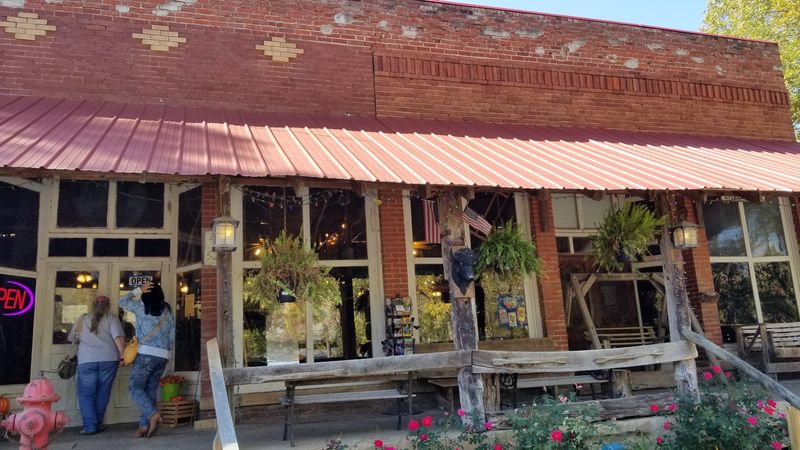
A general store established in 1901 deserves more than a passing glance.
The Gilbert General Store, historically listed as Mays General Store, anchors the community with the kind of stubborn permanence that most modern businesses can only envy.
Listed on the National Register of Historic Places, it continues to stock supplies, licenses, and souvenirs for everyone who passes through, which these days is quite a crowd.
Right beside it, Ben’s Place adds a layer of social energy with food and live music, particularly during the warmer months when the river draws its biggest audiences.
These two storefronts together function as the town’s living room, the place where strangers become temporary neighbors over a shared curiosity about what lies just a short walk downriver.
Locals note, with some affection and some frustration, that the general store now serves far more out-of-towners than regulars on a busy summer weekend.
The store remains a rare surviving example of an early twentieth-century general store in the Ozark Mountains, which makes its continued operation feel quietly remarkable to this day.
Forest Views Beyond The Old Rail Grade
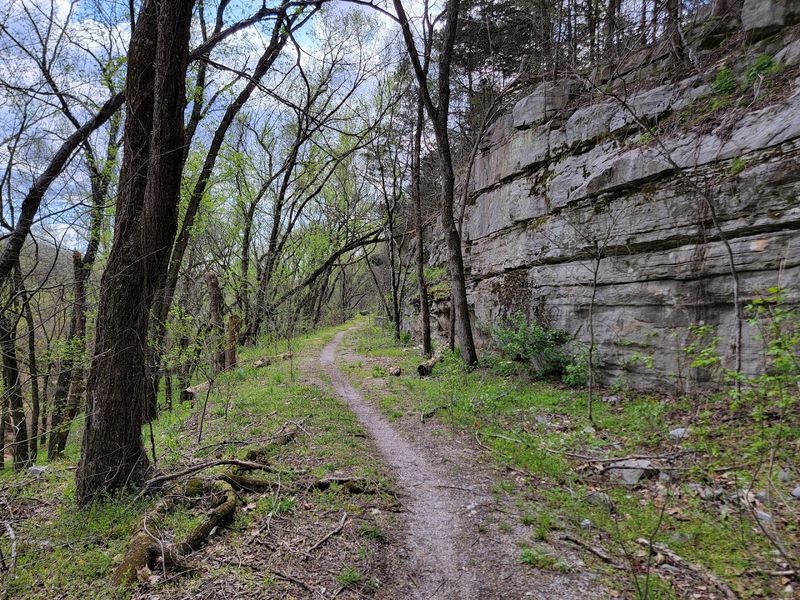
History has a way of leaving its bones behind, and the Old Railroad Trail near this river town is proof of that idea.
The path follows the former route of the Missouri and North Arkansas Railroad, a line that stopped running in 1946 and had its tracks pulled up not long after.
Concrete pylons still stand at intervals through the forest, silent markers that hint at the industrial ambition that once moved through this quiet valley.
The trail itself stays mostly flat and well-shaded, making it accessible even for visitors who are not seasoned hikers.
Through the trees, the Buffalo River appears in glimpses and longer views depending on the season, with winter and early spring offering the clearest sightlines when the leaves have thinned.
I found myself pausing at one of the old pylons, trying to picture freight cars rolling through what is now a corridor of moss and birdsong.
The contrast between the industrial past and the current forested calm gives this trail a mood that is harder to find on more polished nature paths.
Gravel Shores Along The River Access
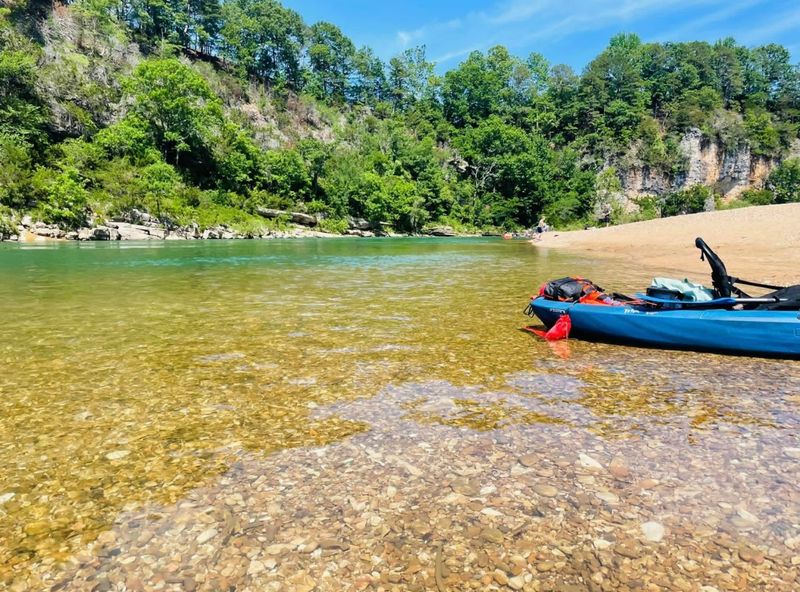
River access does not get much more straightforward than this: drive in, park, and the water is right there waiting for you.
The Gilbert Access point sits at the end of Frost Street, where a large gravel bar stretches along the Buffalo National River and serves as a launching pad for paddlers, swimmers, and anglers alike.
A gravel parking area sits directly on the riverbank, so the distance between your car and the current is measured in footsteps rather than hiking time.
Primitive camping is permitted on the gravel bars downstream of the access road, which means some visitors essentially sleep beside the river with nothing but open sky overhead.
The road onto the bar can get rough and sandy after rain, so checking conditions before heading in is a practical move that saves a lot of reversing.
Upstream parking is generally the cleaner option for day use, while downstream is where the overnight crowd tends to settle in.
On a busy June weekend, those gravel shores can feel less like a hidden access point and more like a popular public beach.
Cabins Hidden Beneath Tall Ozark Trees
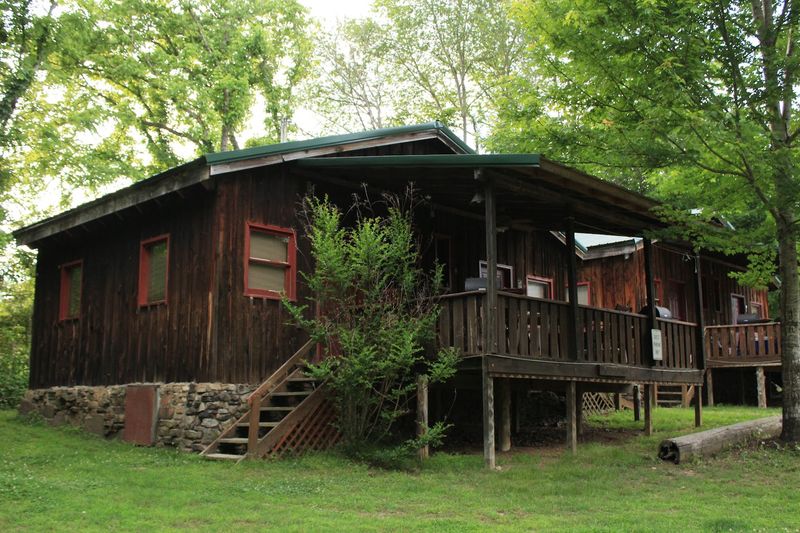
Sleeping under a canopy of Ozark hardwoods, with river sounds drifting in through the window screen, is the kind of rest that a regular hotel simply cannot replicate.
Cabin rentals around the Gilbert area range from genuinely rustic retreats to more comfortable setups with modern kitchens and covered porches, giving visitors a range of options based on how roughing it they want to be.
Several properties sit within easy walking distance of the river access point, which means guests can trade the cabin porch for a gravel bar in under ten minutes.
Some accommodations feature what are described as tree loft designs, elevated sleeping spaces that put guests literally among the branches just a few miles from the river.
The tree cover provides natural insulation from summer heat, which pairs well with the valley’s already cooler baseline temperatures.
I noticed that the cabins tucked deepest into the woods tend to book up earliest, suggesting that true seclusion is still the most coveted thing a visitor can find here.
For a town of 26 people, the lodging options are surprisingly varied and thoughtfully placed within the landscape.
Summer Crowds Gathering Near The Water
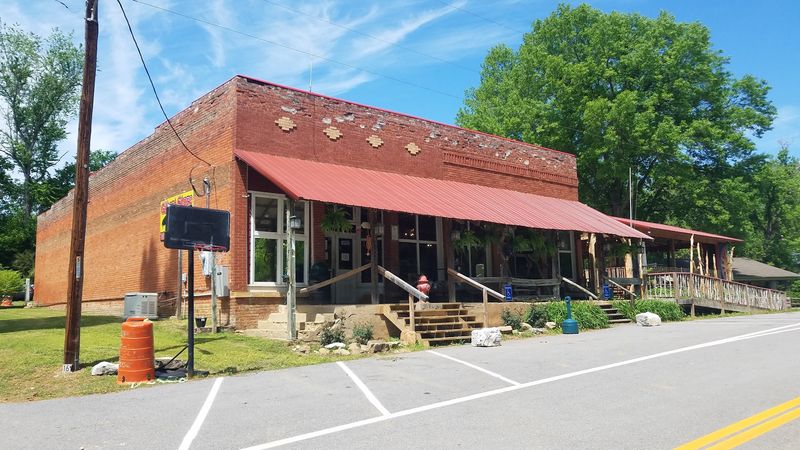
June is the month when Gilbert stops feeling like a secret and starts feeling like a destination, and the difference is hard to miss.
May through July marks the peak travel window, with June pulling the heaviest traffic as families and outdoor enthusiasts arrive for the Buffalo National River’s warm-season offerings.
Fishing, swimming, and floating draw the biggest groups, with Buffalo Camping and Canoeing operating right out of the Gilbert General Store to supply canoes, kayaks, and rafts along with shuttle services for multi-day river runs.
The middle section of the Buffalo River stays floatable through most of the year, which helps extend the season beyond summer and keeps interest levels high even into fall.
Locals who once had the gravel bars largely to themselves on a Tuesday morning now find those same spots occupied by rotating groups of visitors who discovered the place through travel content online.
The town earned recognition as a top Arkansas outdoor adventure community, a label that brought pride and foot traffic in equal measure.
Managing that growth while keeping the river experience genuine remains the central tension for everyone who lives here full time.
Golden Light Falling Over The River Valley
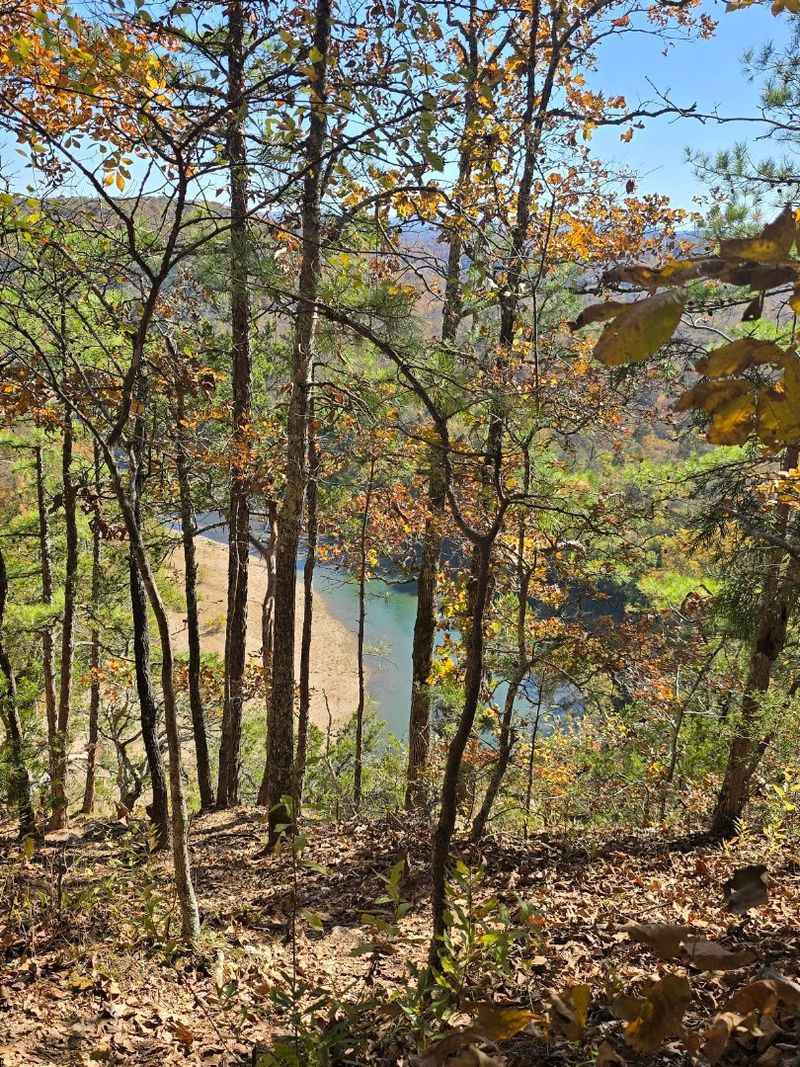
At the end of a long day on the water, the light in this valley does something that catches even seasoned travelers off guard.
Golden hour here is not just a photographer’s cliche; it is a full environmental event, with sunlight filtering through the bluffs and landing on the river surface in shifting patterns that change by the minute.
The town’s status as a Dark Sky compliant community means that as the golden hour fades, the transition into true darkness is unusually complete, with stars appearing well before most people expect them.
The Old Railroad Trail offers particularly striking views during the cooler months, when the thinned tree cover opens up long sightlines across the river as afternoon light stretches low across the valley floor.
Scenic overlooks in the surrounding hills give a broader perspective on the whole landscape, framing the river, the bluffs, and the tiny cluster of buildings below in a single sweeping view.
I sat at one of those overlooks long enough to watch the color shift from gold to copper to deep purple, and I understood immediately why people keep coming back.
This is the kind of evening light that makes a place feel larger than its population of 26 would ever suggest.