
13 Ohio Living History Adventures Made For Curious Summer Travelers
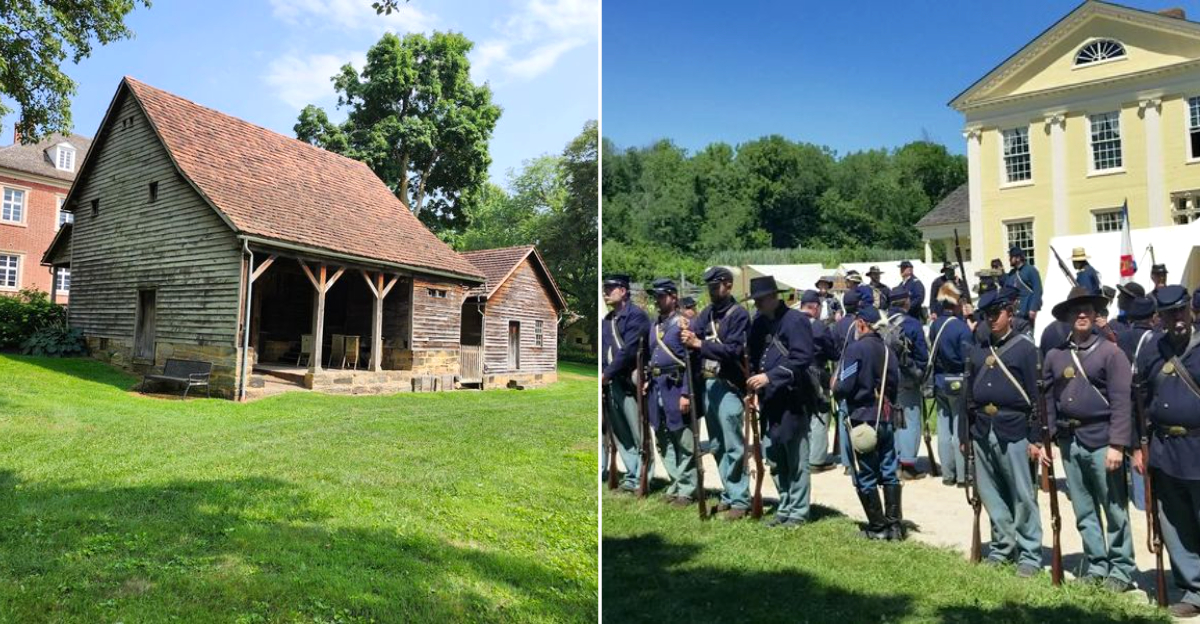
History gets a lot more interesting when someone is actually doing it in front of you.
A blacksmith raises a hammer. A canal boat starts moving.
A garden, a cabin, or an old schoolhouse suddenly feels less like an exhibit and more like a place where life used to happen.
That is the charm of living history.
Ohio has plenty of places where the past feels active, messy, practical, and surprisingly fun.
Summer makes them even better, with open buildings, outdoor demonstrations, and guides who know how to turn old stories into something you can almost step inside.
1. Sauder Village, Archbold
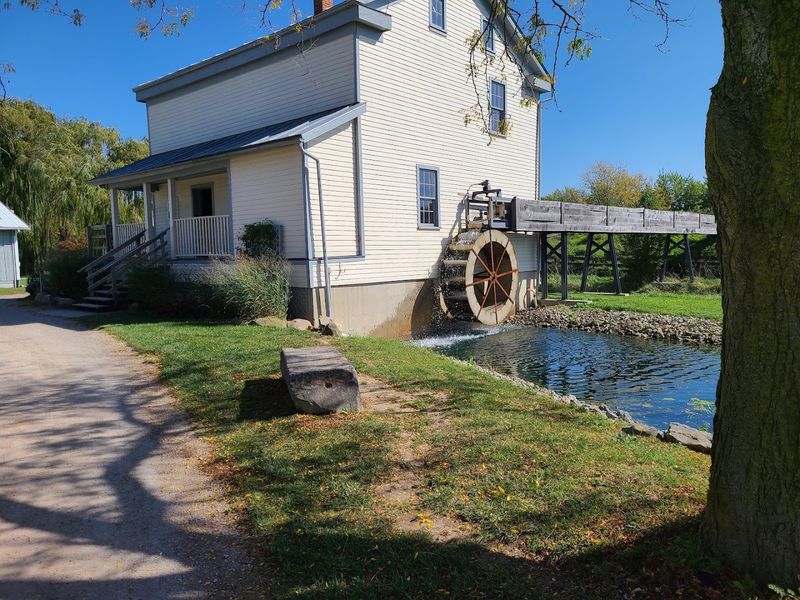
Surrounded by the flat farmlands of northwest Ohio, Sauder Village in Archbold is one of the state’s largest and most immersive living history museums.
The village explores rural life from 1803 through the 1920s, with dozens of historic, relocated, reconstructed, and interpreted buildings and attractions spread across a beautifully maintained landscape.
You can watch craftspeople demonstrate skills such as tinsmithing, pottery, glassblowing, blacksmithing, weaving, and woodworking, although the exact demonstrations vary by day and season.
The historic sawmill is part of the village but normally operates only during selected special events, so check the current schedule if seeing it in action is important to your visit.
The adjacent campground and on-site hotel make Sauder Village a natural choice for an overnight stay, turning a day trip into a full weekend escape.
Summer brings outdoor festivals, craft demonstrations, and hands-on activities that keep visitors of different ages engaged throughout the day.
The village also has a restaurant serving hearty, home-style meals that fit the historic setting perfectly. Bring your appetite and your curiosity, because both will get a serious workout here.
2. Hale Farm & Village, Bath
Step back into the 1850s the moment you walk through the gates of Hale Farm and Village, nestled in the rolling hills of Bath, Ohio, inside Cuyahoga Valley National Park.
The farm is a working living history museum where costumed interpreters churn butter, spin wool, and fire up the glassblowing furnace right before your eyes.
Kids especially love watching molten glass transform into beautiful shapes, and the smell of fresh bread baking in the wood-fired oven is practically impossible to resist.
The grounds include more than 30 historic structures, including farmhouses, barns, and craft shops that were relocated here from across northeastern Ohio.
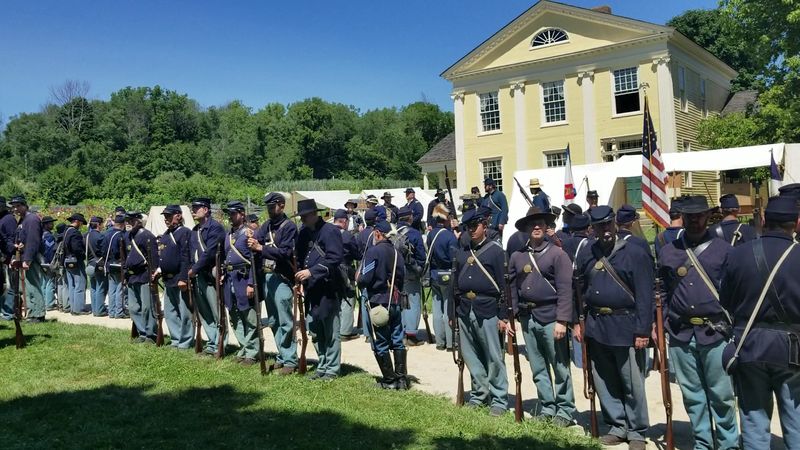
Summer programming is particularly rich, with special weekend events covering everything from Civil War history to traditional pottery techniques.
Plan to spend at least half a day here so you can wander without rushing. Comfortable walking shoes are a must, since the grounds are expansive and the paths are uneven in the most charming, historically accurate way possible.
3. Historic Roscoe Village, Coshocton
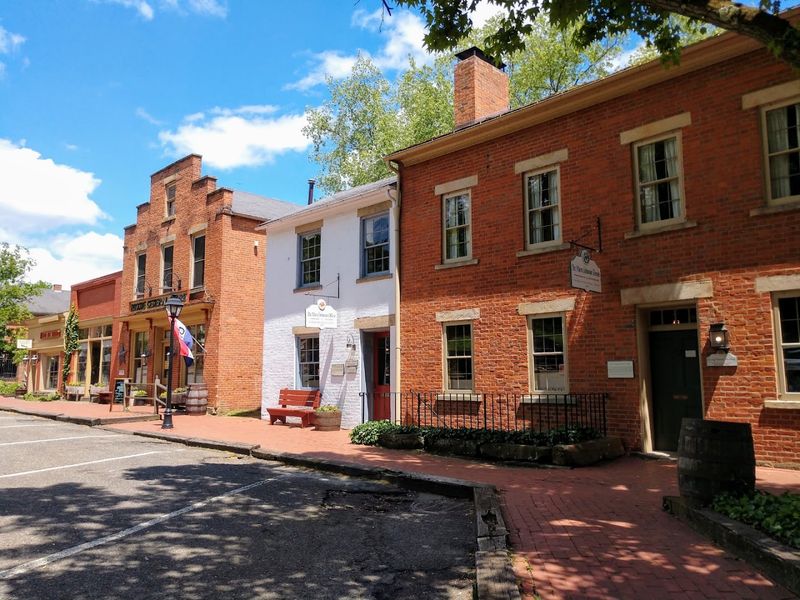
Canal fever swept Ohio during the 1820s, and Historic Roscoe Village in Coshocton is one of the best places to explore that transformative period today.
This beautifully restored canal town stands along the former Ohio and Erie Canal route and brings the 1830s to life through museum exhibits, historic buildings, shops, and demonstrations offered in selected locations.
A horse-drawn canal boat ride is available seasonally at nearby Coshocton Lake Park rather than directly along the village’s main street.
The Monticello III normally offers scheduled afternoon rides on selected days during the warmer months. Its operating schedule, weather conditions, and ticket availability should be checked separately before visiting.
Within Roscoe Village, visitors may encounter demonstrations such as weaving, printing, or other traditional skills, although the participating buildings and crafts can change by date.
The village also hosts seasonal events and heritage programming that draw visitors from across the region.
Dining options range from casual to sit-down, and the local shops carry gifts and handmade goods that make for meaningful souvenirs. Roscoe Village is the kind of place that rewards slow, unhurried exploration.
4. Historic Schoenbrunn Village, New Philadelphia
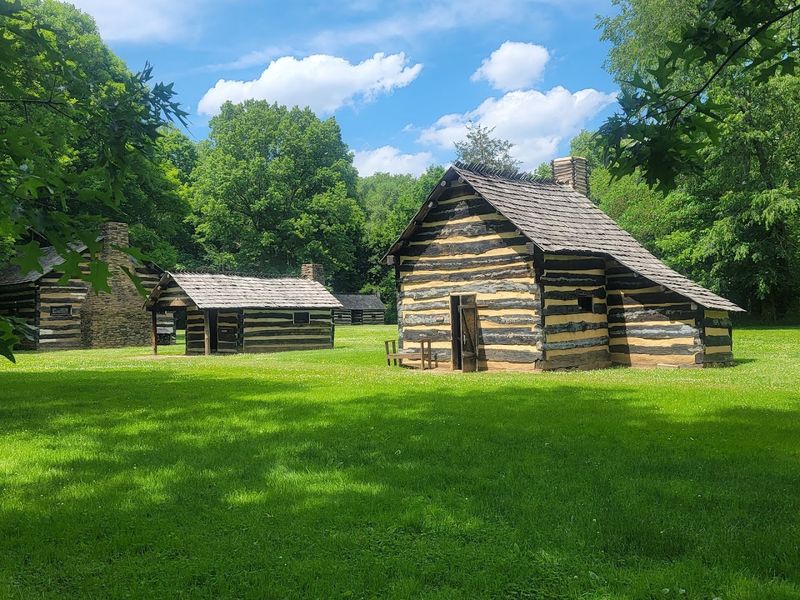
Founded in 1772 by Moravian missionaries and Christian Lenape people, Schoenbrunn Village near New Philadelphia is recognized as Ohio’s first Christian settlement.
The reconstructed log buildings, including a church, school, and homes, stand quietly in a meadow that gives visitors a vivid sense of the community that once existed here.
Exhibits and interpretive materials explain how Moravian missionaries and Lenape residents built the settlement, established a school, and created one of Ohio’s earliest written civil codes.
Guided interpretation is offered during selected tours and events rather than guaranteed throughout every ordinary visit. Special guided tours are scheduled on the first Sunday of each month from June through October 2026.
The adjacent museum holds artifacts and information that help fill in the historical picture with greater depth and context.
Summer evenings also bring performances of Trumpet in the Land at the nearby Schoenbrunn Amphitheatre, where the outdoor drama presents a theatrical version of the region’s history.
The site is operated in cooperation with the Ohio History Connection, and visitors should check current admission, tour, and event schedules before making the drive.
5. Historic Zoar Village, Zoar
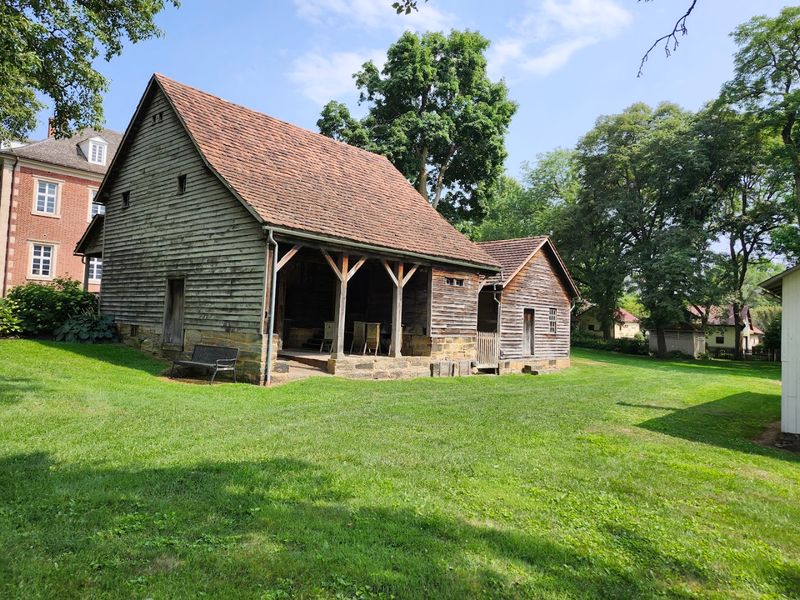
Imagine a group of German religious separatists sailing across the Atlantic in 1817, settling in the Ohio wilderness, and building a thriving communal society that lasted for 80 years.
That is exactly the story of Zoar Village, and the well-preserved buildings and gardens in this Tuscarawas County town tell it beautifully.
The village is a National Historic Landmark, and several of its original structures are open for tours led by knowledgeable costumed interpreters who bring the Zoarite lifestyle to vivid life.
The central garden, modeled after the New Jerusalem described in the Book of Revelation, is a highlight in summer when the flowers are in full bloom and the paths are shaded by mature trees.
You can tour the Number One House, where the community’s leader once lived, and explore the bakery, the store, and the tin shop.
The village hosts seasonal events and craft demonstrations throughout the summer months, making it an ideal destination for history lovers who also appreciate beautiful scenery and peaceful surroundings.
6. Fort Meigs, Perrysburg
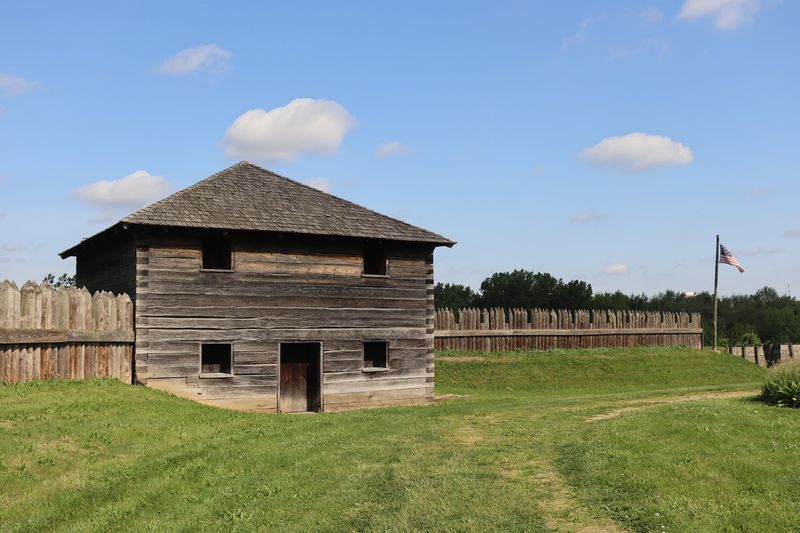
Fort Meigs is not your average roadside historical marker. Built in 1813 during the War of 1812, this massive fortification in Perrysburg, Ohio, is now the largest reconstructed wooden fort in North America.
The sheer scale of the place hits you immediately, with towering log walls, seven blockhouses, and cannon placements that make it easy to imagine the fierce battles that took place here.
Living history weekends throughout the summer bring the fort to life with military reenactors, artillery demonstrations, and period camps that fill the grounds with authentic sights and sounds.
The on-site museum is well-organized and packed with artifacts, maps, and exhibits that explain the War of 1812 in clear, engaging terms that work for visitors of all ages.
Fort Meigs sits along the Maumee River, so the surrounding landscape adds natural beauty to the historical drama.
Summer is the prime time to visit, when the full schedule of events runs and the outdoor spaces are at their most accessible and enjoyable for families.
7. Johnston Farm & Indian Agency, Piqua
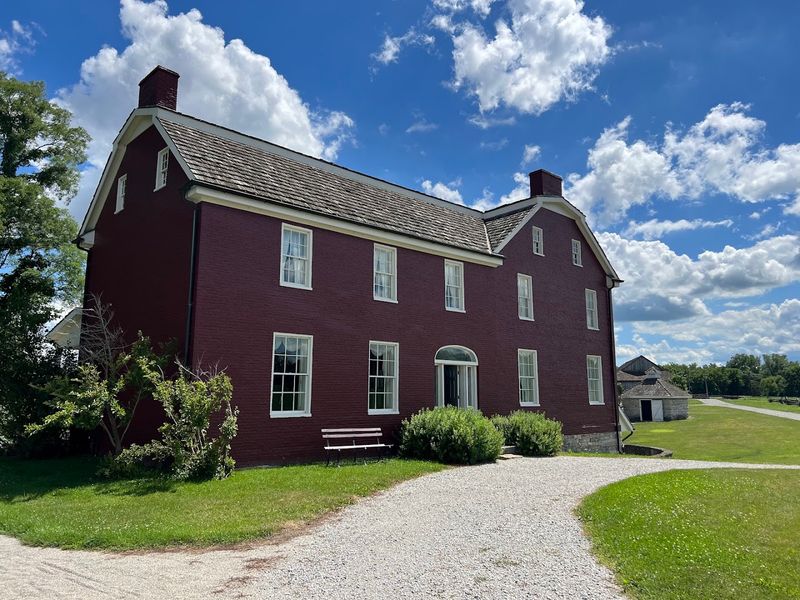
History stacks up in layers at Johnston Farm and Indian Agency in Piqua, Ohio, where a single site covers Indigenous history, frontier diplomacy, agriculture, and canal-era life.
The farm belonged to John Johnston, a federal Indian agent who worked with the Shawnee and other Native nations during a turbulent period in American history.
Visitors can tour the original 1815 farmhouse, which also served as Ohio’s federal Indian Agency, and explore a modern museum building designed to recall the blockhouse appearance of historic Fort Piqua.
A replica 70-foot canal boat offers scheduled rides along a restored section of the Miami and Erie Canal.
The boat normally departs at designated afternoon times and operates only when weather, water, staffing, and other conditions allow, so checking the current schedule before arriving is important.
Summer programming includes tours, special events, demonstrations, and educational activities that make the history feel personal rather than abstract.
The site operates in partnership with the Ohio History Connection. Plan for at least two to three hours if you want to see the farmhouse, museum, grounds, and canal boat without rushing.
8. Carillon Historical Park, Dayton
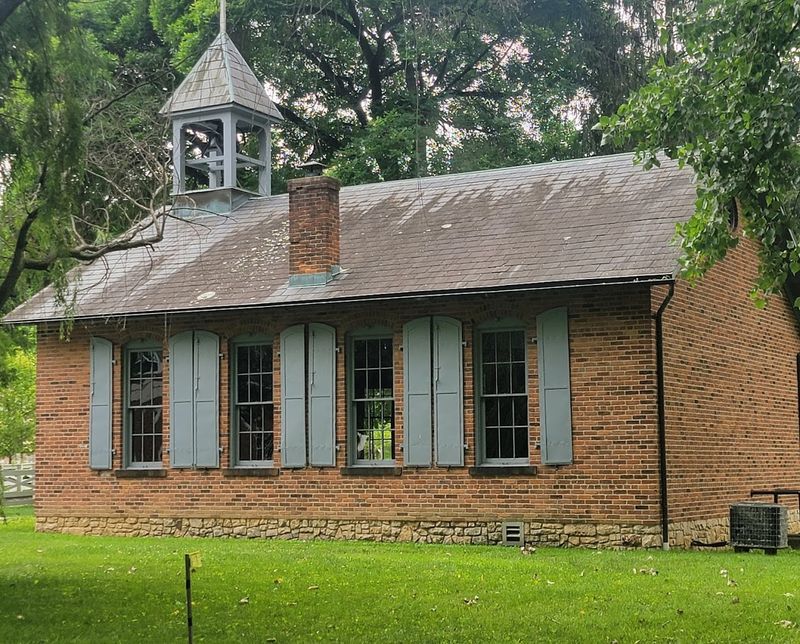
Dayton, Ohio, has always punched above its weight in the history department, and Carillon Historical Park is where that legacy gets the grand showcase it deserves.
Spread across 65 beautifully landscaped acres, the park is home to more than 30 exhibit buildings and structures tracing the story of the Miami Valley from the early 1800s through the 20th century.
The Wright Brothers Aviation Center is a standout attraction, housing the original 1905 Wright Flyer III, recognized as the world’s first practical airplane and the only airplane designated as a National Historic Landmark.
Beyond aviation, visitors can explore transportation exhibits, a covered bridge, an operating printing shop, and a gristmill display whose machinery can still be demonstrated.
Summer is ideal for visiting because the outdoor spaces are fully accessible and scheduled events bring additional programs and demonstrations to the grounds.
The park’s carillon tower rings at scheduled times, adding a musical backdrop to the visit. Pack a picnic or use the designated dining areas and make a full afternoon of it.
9. Heritage Village Museum, Sharonville
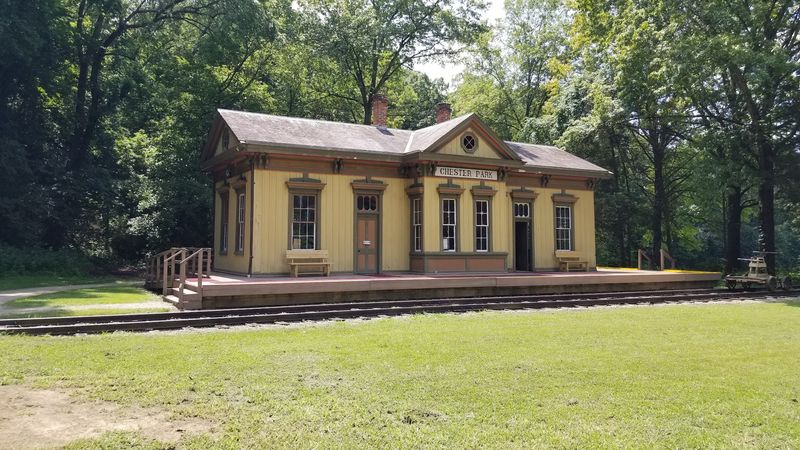
Just north of Cincinnati in Sharonville, Heritage Village Museum offers a quieter and more intimate historical experience inside Sharon Woods.
The museum brings together 13 principal buildings, including 11 relocated historic structures and two replicas, on a peaceful site that visitors explore through tours and scheduled programs.
The collection includes homes, a one-room schoolhouse, a general store, a church, a train station, and the Gatch Barn, which displays agricultural equipment and other artifacts connected to rural life.
Costumed interpreters appear during selected tours, educational programs, and special events, sharing stories about everyday life in southwestern Ohio.
Family programs, workshops, seasonal celebrations, and historical demonstrations are offered throughout the year, although the exact calendar changes from season to season.
The museum is owned and operated by Historic Southwest Ohio, Inc., an independent nonprofit organization rather than Cincinnati Museum Center.
Admission is generally affordable, but Sharon Woods may require a Great Parks vehicle permit for parking. Check both museum hours and park-access information before visiting.
10. Historic Lyme Village, Bellevue
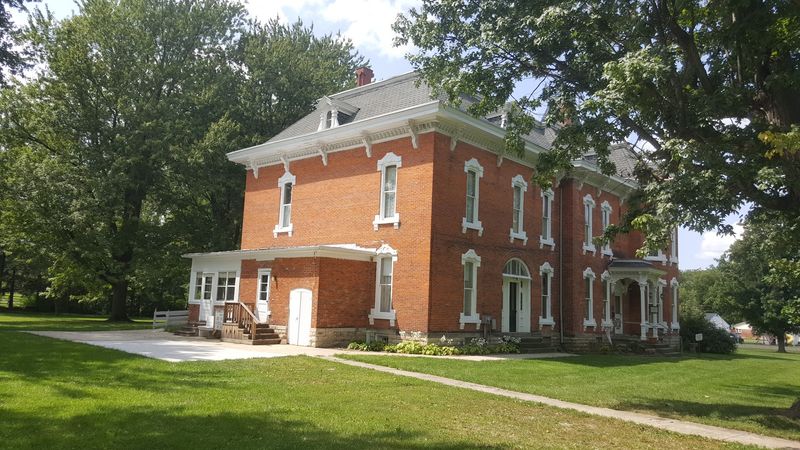
Hidden in plain sight just outside Bellevue in north-central Ohio, Historic Lyme Village is a lovingly preserved collection of 19th-century buildings that rewards visitors who make the effort to seek it out.
The village centers on the John Wright Mansion, an elaborate Second Empire Victorian home constructed from 1880 through 1882.
Surrounding the mansion are approximately 14 additional historic structures, including a post office, a general store, a schoolhouse, a log church, a blacksmith shop, and other buildings relocated from the surrounding region.
Guided tours are the primary way to experience the building interiors, and the guides share stories about the structures, collections, and families connected to the area.
Summer events add extra activity to the site. The 2026 calendar includes Civil War Days in July, with camps, demonstrations, and historical interpretation.
The village sits in a peaceful rural setting, making it a pleasant place to slow down, explore the grounds, and learn about several generations of north-central Ohio history.
11. Slate Run Living Historical Farm, Canal Winchester
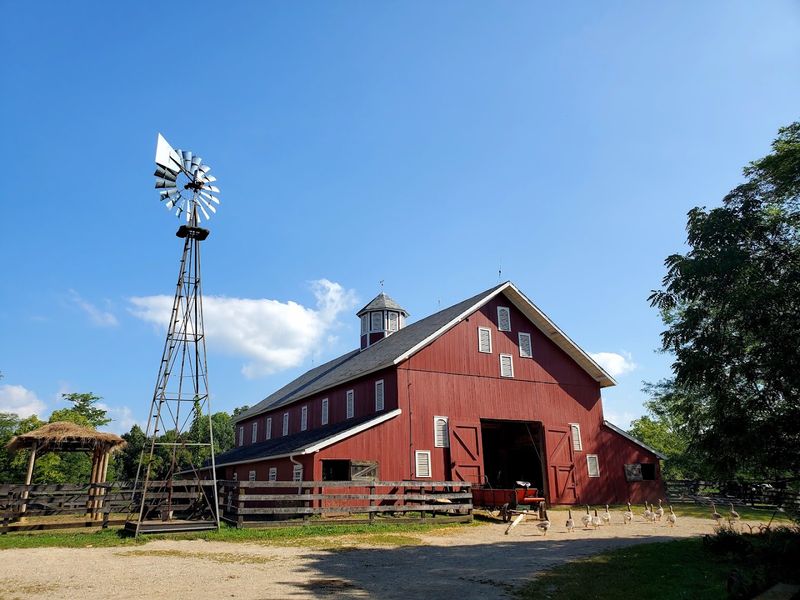
A rooster crows, a draft horse waits patiently by the fence, and somewhere nearby a farmer in period clothing is already halfway through the morning chores. Welcome to Slate Run Living Historical Farm in Canal Winchester, Ohio.
This Metro Parks site recreates an 1880s working farm with remarkable authenticity, using heritage breed animals, heirloom crops, and period-appropriate tools to show exactly how farm families lived and worked before mechanized agriculture changed everything.
Unlike some living history sites, Slate Run feels genuinely functional rather than performative. The crops are actually planted, tended, and harvested, and the animals are cared for daily by staff who know traditional farming techniques inside and out.
Summer is the sweet spot for a visit, when the garden is lush, the fields are green, and the farm is operating at full activity.
Admission to the farm is free, which makes it an exceptional value for families looking for a meaningful and educational outing.
The surrounding Slate Run Metro Park adds hiking trails and natural beauty that round out a full day in the countryside beautifully.
12. Fort Recovery State Museum & Monument, Fort Recovery
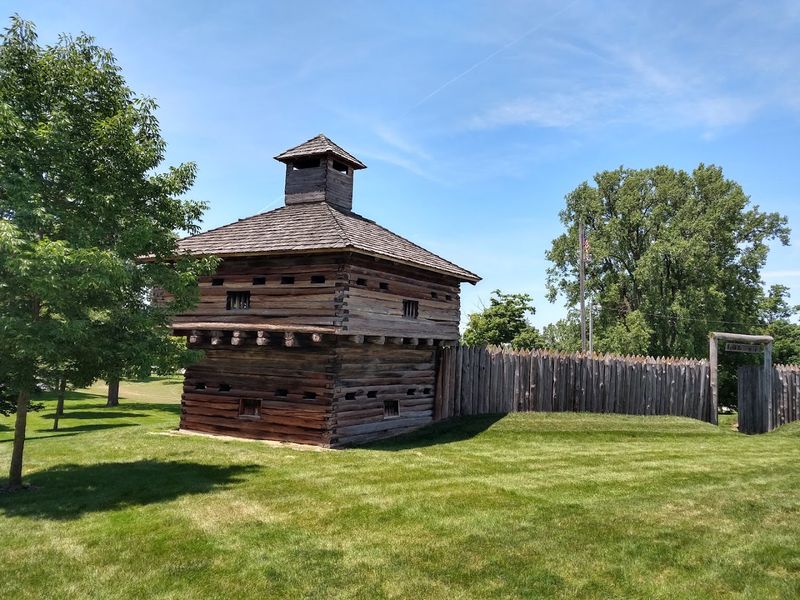
Few places in Ohio carry as much historical weight as Fort Recovery, a small Mercer County community located on the site of two major conflicts in early American history.
In 1791, a United States force commanded by General Arthur St. Clair suffered a devastating defeat against a confederation of Native American forces on this ground.
General Anthony Wayne later ordered Fort Recovery built on the site in 1793, and the fort withstood another major attack in 1794 during the Northwest Indian War.
The Fort Recovery State Museum presents these events through artifacts, exhibits, models, and interpretation that includes both United States and Native perspectives.
Two reconstructed blockhouses connected by a stockade represent part of the later fort, while the Fort Recovery Monument stands nearby as another major feature of the historic landscape.
The experience is centered more on the museum, battlefield, reconstructed fort elements, and guided interpretation than on continuous daily reenactment.
Summer offers comfortable conditions for exploring the outdoor grounds and following the battlefield tour through the surrounding community.
13. Caesar’s Creek Pioneer Village, Waynesville
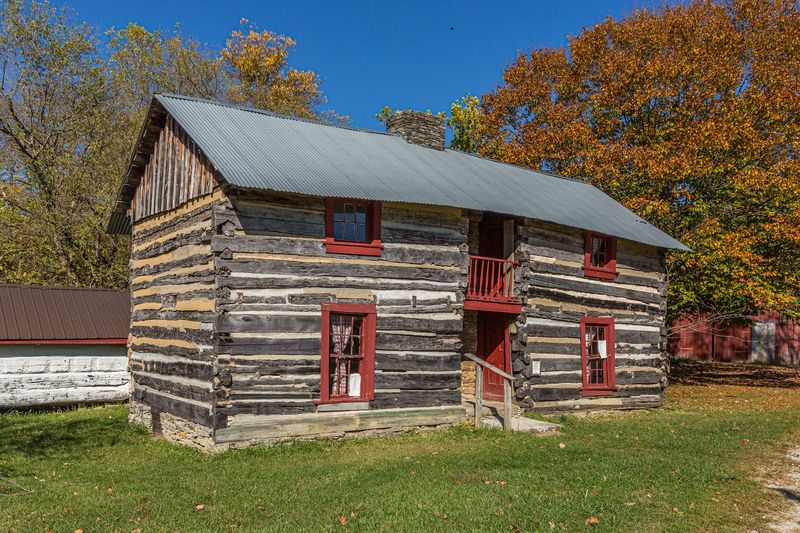
Volunteer-powered and deeply committed to preservation, Caesar’s Creek Pioneer Village near Waynesville is the kind of place that shows how much local effort can accomplish.
The nonprofit village is operated by volunteers who have spent years relocating, restoring, and caring for historic structures from the surrounding region.
More than 20 buildings stand on the grounds, including cabins, a schoolhouse, a blacksmith shop, barns, a meetinghouse, and other structures representing pioneer life in southwestern Ohio.
The building interiors normally open during scheduled events, when reenactors and demonstrators may present skills such as blacksmithing, spinning, weaving, cooking, and other historic activities.
Outside event dates, the buildings generally remain locked, although visitors may walk around the exterior grounds from dawn to dusk.
The village’s published event information can change and does not currently provide a complete dependable 2026 schedule, so contact the organization before traveling specifically for demonstrations or interior access.
Admission policies vary by event and may involve a set charge or requested donation. Nearby Caesar Creek State Park offers trails, lake recreation, and other outdoor activities that can be combined with a village visit.