
This Hidden Illinois Aviation Museum Makes You Feel Like You Walked Into A Movie
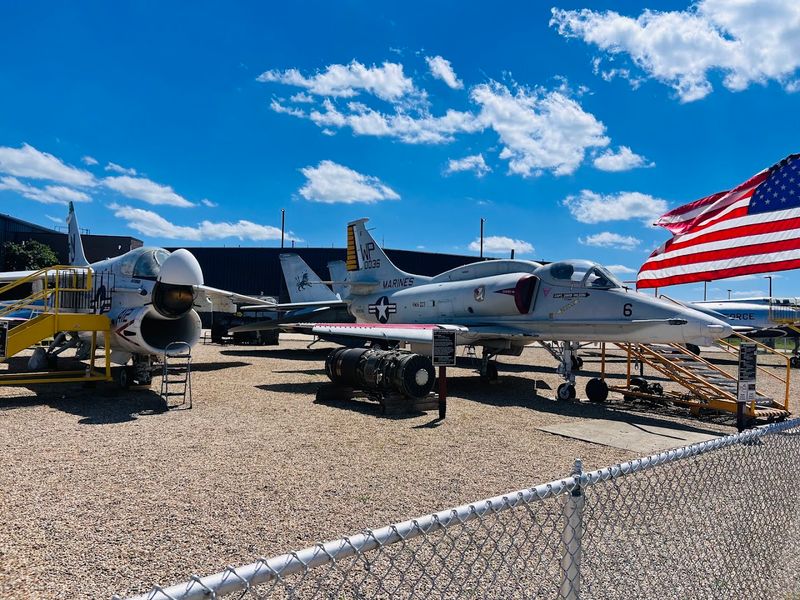
A lot of great Illinois day trips hide in plain sight, and Prairie Aviation Museum is one of them. Sitting in Bloomington, this small museum gives you a close look at real aircraft, aviation history, and the kind of details that make people stop and stare. It matters because it offers a memorable outing without big crowds or big costs. If you have ever wanted to stand near a jet and feel a little movie magic, this place makes that easy.
Bloomington aviation landmark
Right away, Prairie Aviation Museum feels like the kind of stop many Illinois drivers mean to visit someday and then keep passing by. It sits at 2929 E Empire St in Bloomington, where a modest-looking museum opens into a much bigger experience once you step closer. With a 4.7-star rating from 146 Google reviews, it has clearly made an impression on people who took the time to pull over and see what was waiting.
Rather than acting like a giant institution, the museum comes across as approachable and local. Visitors repeatedly describe it as small, but they also say it delivers far more history and enjoyment than its size suggests. That contrast is a big part of the appeal for families, couples, and day-trippers who want something memorable without making the day feel overplanned.
Prairie Aviation Museum is, at heart, a place to get close to aviation history in a way that feels direct and personal. Reviewers mention real jets, helicopters, indoor displays, and a layout that lets you move at your own pace. For anyone wondering whether a simple Bloomington stop can still feel exciting, this museum makes a strong case before you even get through the door.
A small museum with outsized payoff
Plenty of places promise a lot and give you a quick lap around a room. Prairie Aviation Museum seems to work in the opposite direction. More than one visitor says it looks small at first, yet once inside and outside, the amount of information, equipment, and storytelling makes the experience feel fuller than expected.
That under-the-radar quality is a real part of its charm. One longtime reviewer described the building as not much larger than a local fast food spot, but also packed with aviation history. Others call it a fun little museum, a gem, and a place that exceeds expectations. Those reactions suggest that the museum’s strength is not scale.
It is curation, care, and the chance to stand close to objects that once flew in serious moments of history.
For Illinois readers looking for a low-fuss outing, that matters. You are not signing up for an all-day marathon or a giant-ticket attraction. You are getting something more manageable, more personal, and easier to fit into a weekend drive. The museum seems built for people who enjoy discovering that a humble stop can still turn into the most talked-about part of the day.
Outdoor aircraft walk-through
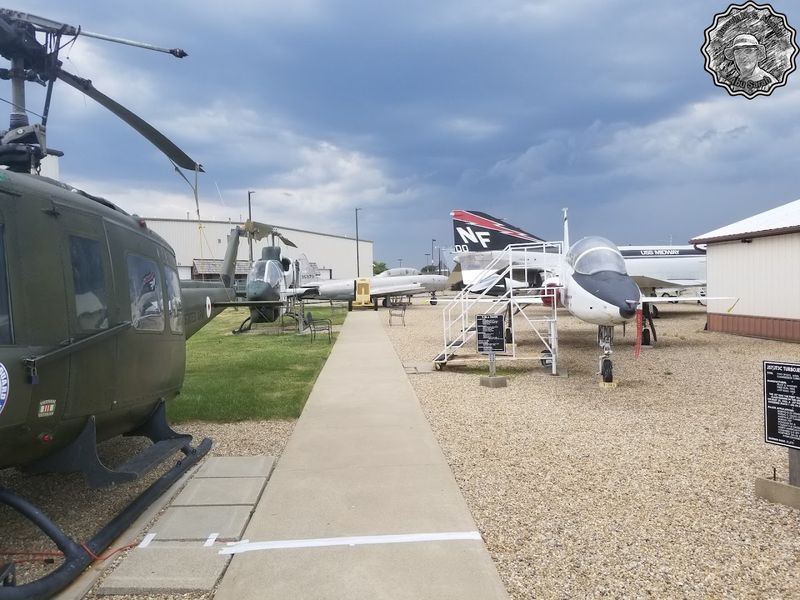
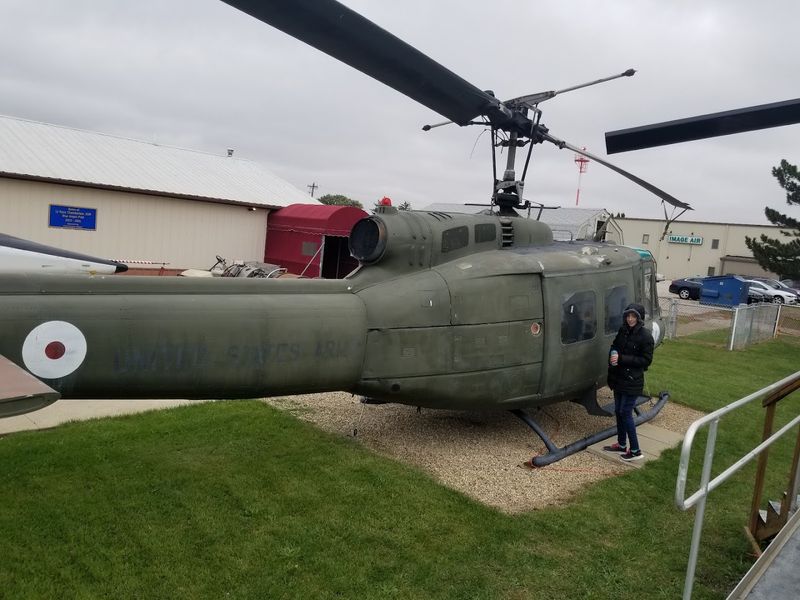
Step outside, and the museum shifts from informational to cinematic. Reviewers often focus on the outdoor aircraft first because seeing real jets and helicopters up close has a different kind of power than reading about them on a wall. Even people who only drove up and walked past the planes say the experience was still very cool.
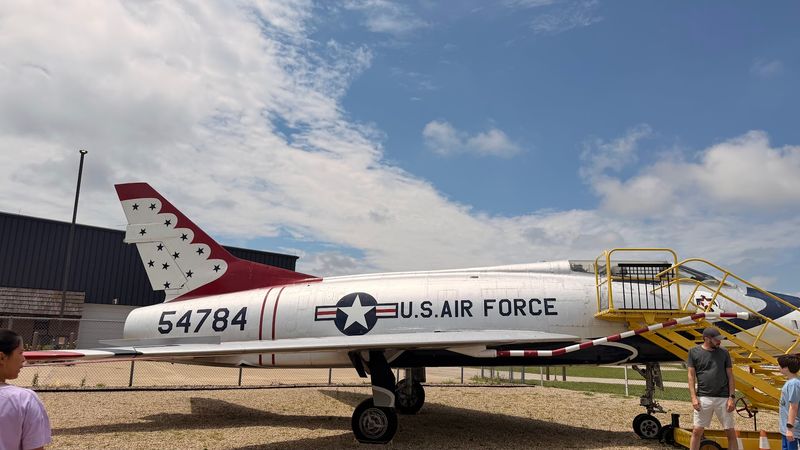
Several visitors mention an outdoor walk-through that takes you around the aircraft on display. The setup appears easy to follow, and the close range is what makes it memorable. Instead of staring across a rope line from far away, you get the shape, scale, and presence of these machines right in front of you. One review even notes steps up to various cockpits, which adds another layer of interest for people who want more than a quick glance.
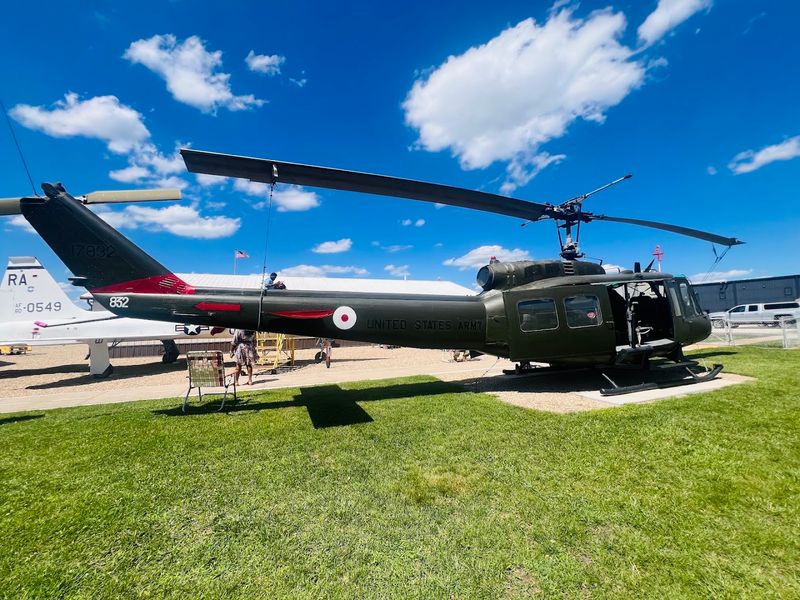
That outdoor section seems to be the part that turns casual curiosity into real excitement. A helicopter like the UH-1H Huey stands out in reviews, and the lineup as a whole gives visitors a chance to compare different aircraft styles in one visit. For families with airplane-loving kids, or adults who still have that same fascination, walking among permanently grounded aircraft appears to be the museum’s big visual payoff.
The F-14 Tomcat centerpiece

Few aircraft have instant movie energy quite like an F-14 Tomcat, and Prairie Aviation Museum has one that visitors clearly remember. Reviewers call the F-14 the crown jewel, and one recent visitor made a special day trip just to see that aircraft in person. That kind of destination-specific enthusiasm says a lot about how important the Tomcat is to the museum’s identity.
The Google review data points to a Northrop Grumman F-14 Tomcat, specifically an F-14D identified as “205” with BuNo 161163 from the VF-213 “Black Lions” Squadron, which served aboard the USS Theodore Roosevelt. Even for readers who are not deep into military aviation, that level of detail hints at how meaningful the display can be for enthusiasts. For those who do know the plane, it sounds like the kind of exhibit that earns a detour.
What really lifts the experience, though, is how close and personal it seems to feel on site. Visitors mention sitting near the aircraft, taking in its history, and talking with knowledgeable volunteers about it at length. So when the article title says the museum can make you feel like you walked into a movie, the F-14 is the clearest reason why. It has that unmistakable silhouette, and Prairie Aviation Museum lets you appreciate it without a huge-city crowd.
Combat history in plain sight
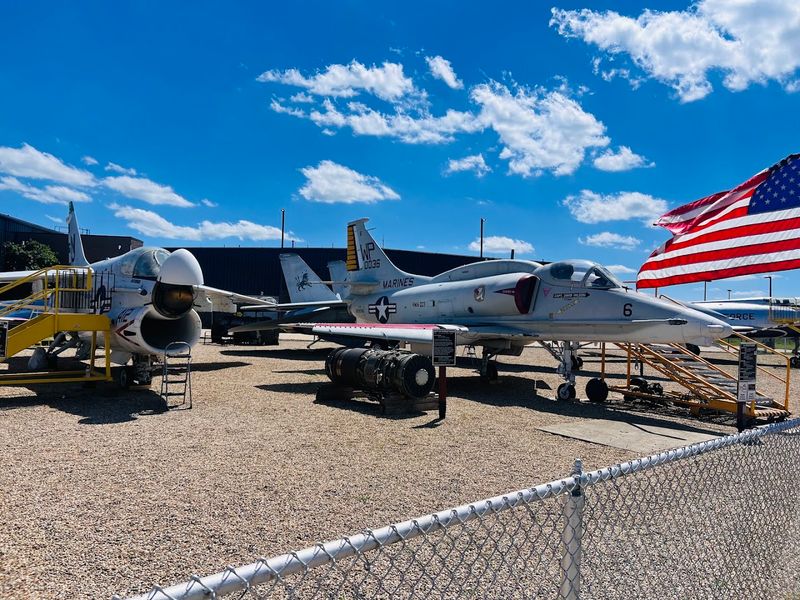
Not every museum puts history right out in the open where you can walk around it. Here, some of the most striking stories seem attached to the aircraft themselves. Reviewers mention seeing an F-4 Phantom II and speak with real excitement about the wartime details connected to it, including preserved markings that still carry the memory of combat service.
One review highlights the actual F-4 Phantom associated with a fight against multiple MiGs and notes that its two kill markings remain on the plane. That kind of detail gives the museum more than visual appeal. It turns a display into a story you can stand beside. Instead of history feeling distant or abstract, visitors get an object with a past that can be pointed to, discussed, and remembered.
Other reviewers refer more generally to wartime memorabilia and history-rich exhibits found throughout the museum. Taken together, that suggests Prairie Aviation Museum does not only rely on aircraft size or cool shapes. It also leans into the narratives behind the machines. For adults who like military history and for older kids ready to ask bigger questions, that makes the visit feel fuller.
You are not simply looking at retired hardware. You are meeting pieces of aviation history that still carry visible traces of where they have been.
Cockpit-close excitement
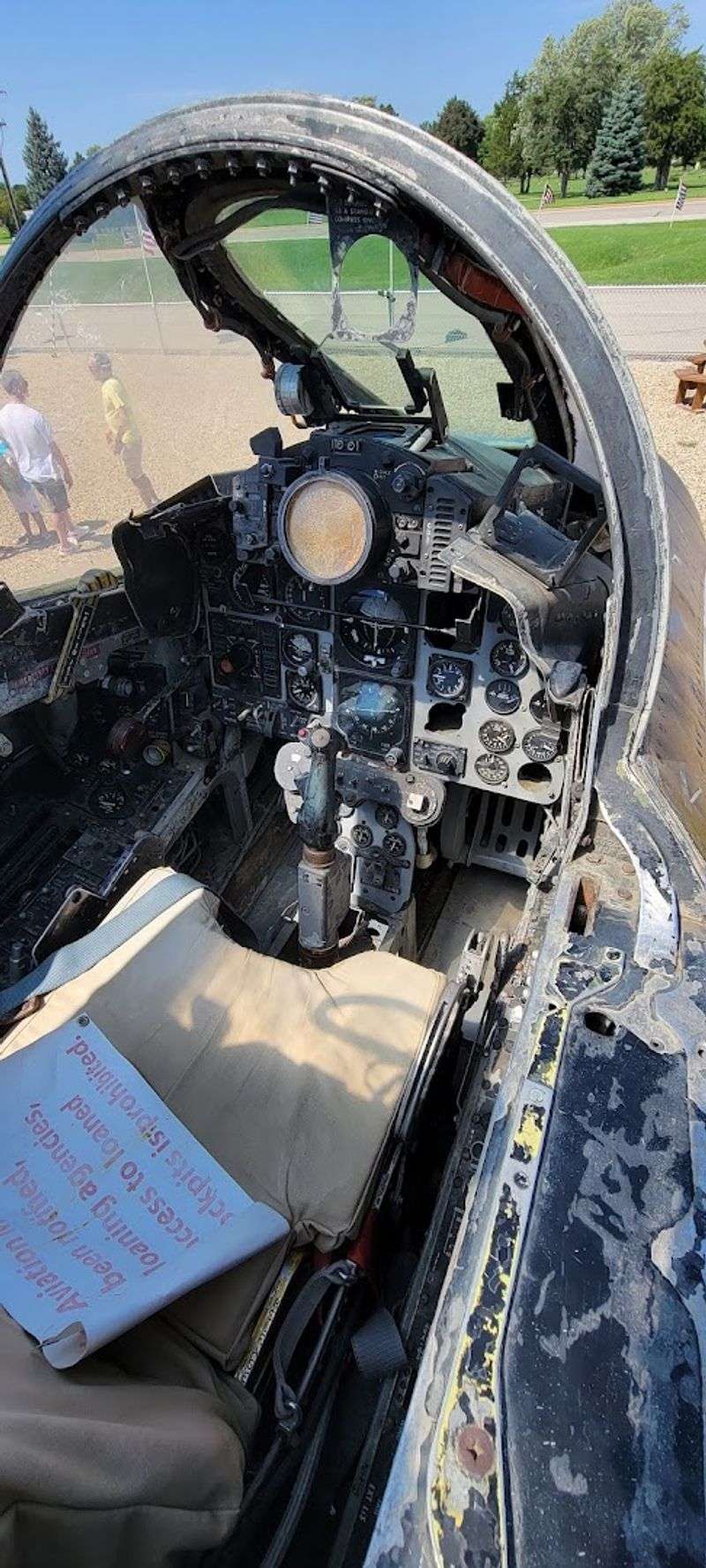
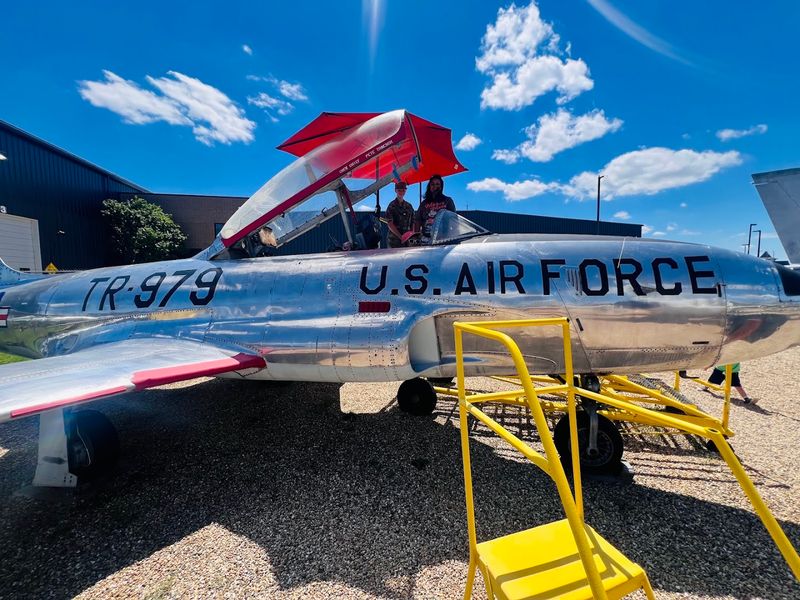
Here is where the museum starts to feel extra memorable for kids and grown-ups alike. Many reviews talk about being able to look into cockpits, walk up steps to get a better view, and during special open cockpit days, even sit inside certain aircraft. That level of closeness is a big deal, especially for a museum that keeps things casual and approachable.
Open cockpit day comes up often in visitor feedback, and the response is enthusiastic. Parents say their children loved sitting in the planes, and one family reported that kids from ages 2 through 17 all had an amazing time. Another visitor said simply sitting in the cockpit was very cool, which captures the basic appeal well. There is something hard to outgrow about seeing the controls up close and imagining what flight once felt like.
Even outside those special events, the museum appears to offer more hands-on interest than many people expect. Reviewers mention ladders or steps up to aircraft and a chance to peer into spaces that usually feel off-limits. For a day trip, that practical kind of excitement matters. It is not flashy in the expensive theme-park sense.
It is better than that for many visitors because it feels real, grounded, and unexpectedly personal.
Indoor displays packed with detail
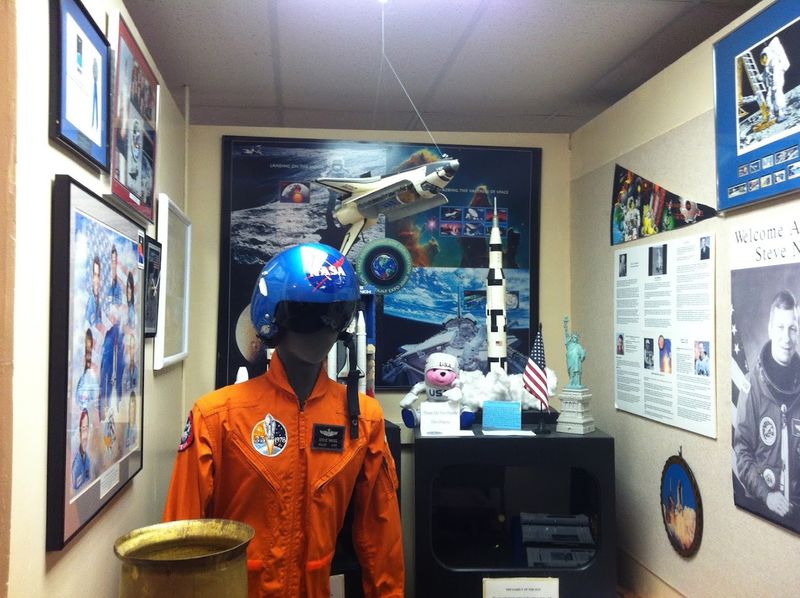
After the outdoor wow factor, the indoor museum keeps the visit going with a different kind of reward. Reviewers describe the interior as full of books, binders, plaques, props, displays, and model planes, along with sections that cover broader aviation history. One person specifically mentioned a NASA area, which adds another layer beyond military aircraft alone.
That matters because Prairie Aviation Museum is not only about taking cool photos beside jets. It also offers a quieter, more thoughtful side for visitors who like to read, compare, and linger over details. Several reviews say the indoor portion is interesting, informative, clean, and close to just as cool as the aircraft outside. In a small museum, that kind of reaction is a strong sign that the displays are doing real work.
Families can use the space in different ways depending on the ages in the group. Younger kids may be most excited about the planes they can see through the windows or outside on the grounds, while older children and adults may enjoy the memorabilia and printed history more deeply. Either way, the indoor exhibits seem to add context rather than feeling like filler. They help explain why the aircraft matter, which is exactly what turns a quick stop into a satisfying museum visit.
Volunteer storytelling that lifts the visit
Sometimes the difference between a decent museum and a memorable one is a person who loves the subject enough to make it come alive. Prairie Aviation Museum seems to have that advantage in a big way. Reviews repeatedly praise volunteers and staff for being friendly, knowledgeable, and eager to answer questions without making the experience feel stiff or formal.
One homeschool group described receiving a personalized tour of the aircraft for elementary-aged children. Another visitor spent what felt like an hour talking with a volunteer about the F-14 and its history. On open cockpit days, reviewers say pilots and other volunteers shared stories of flying and combat that made the outing even richer. That kind of first-hand explanation can give even a small museum unusual depth.
The human side also appears to make the place more comfortable for casual visitors. If you are not an aviation expert, a welcoming receptionist or an enthusiastic guide can turn uncertainty into interest very quickly. Several people say the staff clearly love what they do, and that passion seems to rub off on guests. For Illinois families choosing between a generic activity and something with real personality, that warmth may be one of the museum’s best values.
A relaxed fit for families and day-trippers

Weekend outings do not always need a huge schedule to feel successful. Prairie Aviation Museum sounds especially well suited to people who want a visit that is interesting but not overwhelming. Reviews call it great for the whole family, fun for ages 1 to 100, and a solid place to spend an hour or two with kids.
Another plus is the pace. One reviewer plainly noted that the museum is self-guided, which many visitors appreciate on a casual day trip. That means you can move faster if younger children are eager to get outside, or slow down if someone in your group wants to read every panel and study each aircraft. The atmosphere comes across as local, welcoming, and low-pressure rather than crowded or overly structured.
For couples, that can mean an easy afternoon stop with good conversation built in. For families, it can mean a practical outing where children get visual excitement and adults get enough history to feel the drive was worthwhile. Several people mention going back after a first visit, which is a good sign that the museum feels inviting rather than one-and-done. In a state full of easy drives and simple detours, this is the kind of place that makes a relaxed day feel unexpectedly rich.
Straightforward visiting logistics

Planning a stop here is refreshingly simple because the museum keeps a tight schedule. According to the Google Maps data provided, Prairie Aviation Museum is open Saturday and Sunday from 11 AM to 3 PM. It is closed Monday through Friday, which makes it a true weekend destination rather than a place for a quick weekday drop-in.
The address is 2929 E Empire St, Bloomington, IL 61704, and that clear Bloomington location helps if you are building the museum into a broader day around town. Reviewers also mention that it is easy to notice from the road, which is helpful for first-time visitors. If you want to call ahead or confirm details, the listed phone number is +1 309-663-7632, and the website provided is prairieaviationmuseum.org.
Admission is one area where a little caution makes sense. Several reviews mention a $5 entry fee, and one older review specifically recalled $5 per adult, but current pricing should be verified with the museum directly or on its website. One especially interesting note from a recent review says you may be able to drive up and walk past the jets without paying admission, though that comment describes one visitor’s experience rather than a formal policy. For practical Illinois day-trippers, the overall impression is still clear: planning is easy, and the cost appears modest.
An outing that feels bigger than the budget
Value is the real reason a place like this sticks with people. Prairie Aviation Museum does not seem to impress visitors because it is huge or flashy. It wins them over because it offers close-up aircraft, strong stories, friendly people, and a surprisingly full experience in a compact setting.
Review after review circles back to the same basic idea in different words. The museum is small, but fascinating. The fee is little, but feels worth it. The stop looks modest, but the payoff is much larger once you start walking among the planes and hearing the stories attached to them.
For Illinois readers deciding whether something is worth the drive, that pattern matters more than polished marketing language ever could.
So the soft verdict is easy to give. If your perfect day trip includes a hidden local find, manageable planning, and the thrill of seeing real aircraft up close, Prairie Aviation Museum earns a place on the list. It suits families, aviation fans, curious kids, and adults who still get a charge out of machines that once flew with purpose. Best of all, it offers that satisfying feeling of discovering a place that does not look loud from the outside, yet leaves you with plenty to talk about on the ride home.