
Detroit’s Old Fire Department HQ Is Now A Fancy Michigan Restaurant Downtown
I walked past the tall red doors on Larned Street a dozen times before I realized what was hiding behind them. The building served as Detroit’s fire department headquarters for over eighty years. Fire trucks used to roar out of this exact space.
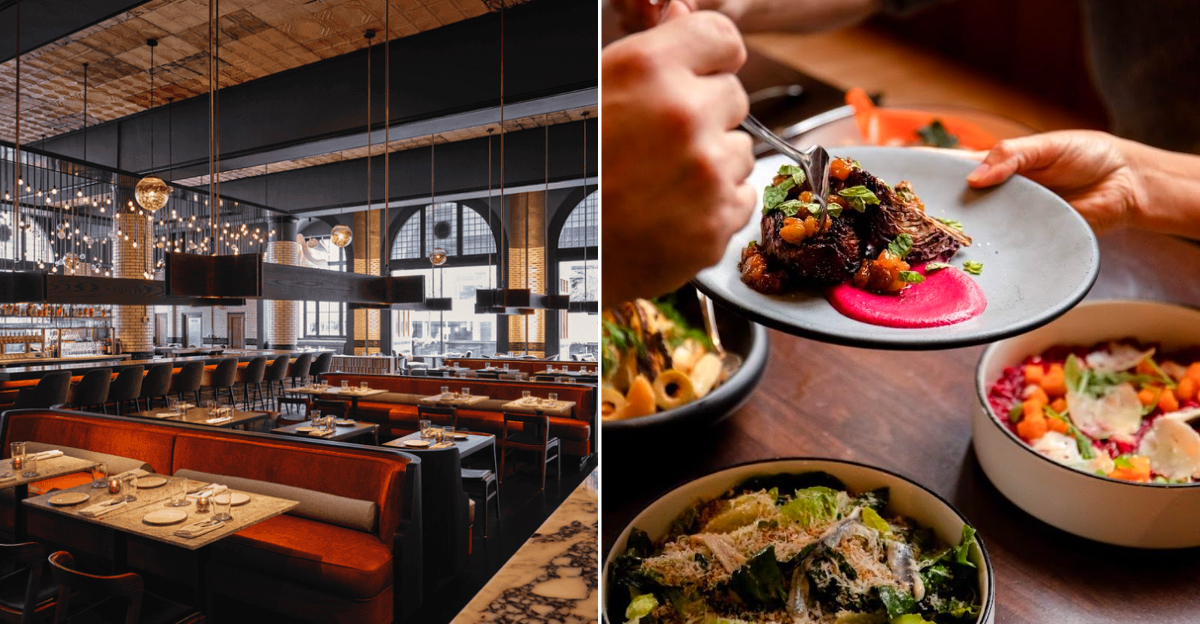
Now the apparatus room where they parked is one of the most talked-about restaurants in the city. I sat at a leather booth beneath a light fixture designed to look like smoke drifting toward the ceiling.
Old newspaper clippings about the fire department sat on the table next to the menu.
The kitchen sources trout from Eagle Creek, mushrooms from Stoney Creek, and honey from local hives. My smoked whitefish dip arrived first and disappeared in minutes.
The Michigan Heritage pork with farro followed. Multiple awards hang on the walls. None of them felt like hype after the meal I had.
Detroit’s old fire department headquarters turned into a fancy restaurant downtown proves that some buildings were always meant to bring people together.
Book Ahead On Busy Downtown Days
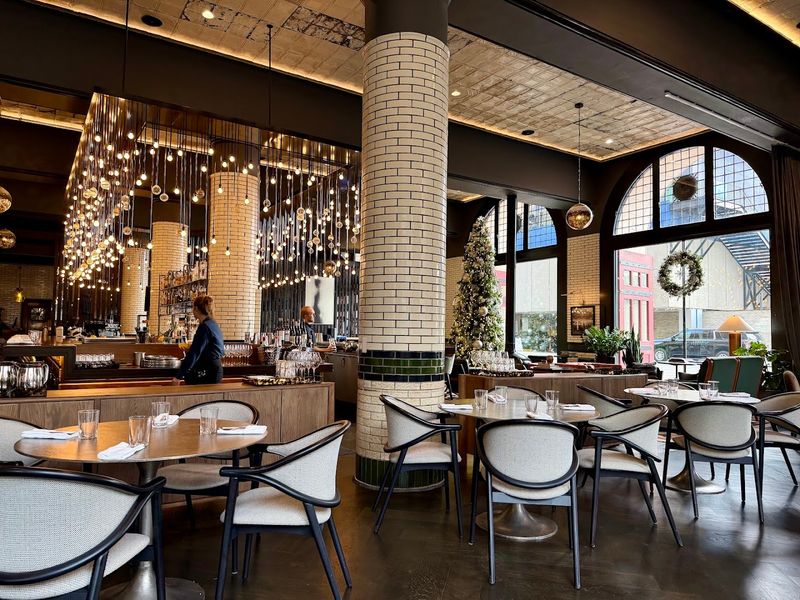
Timing changes everything here, especially because Huntington Place sits right across the street. On convention days the dining room can fill with travelers, business dinners, and locals who already know the building is a beauty.
A reservation is the safest move for lunch or dinner if you want less waiting and a better shot at the table style you prefer.
Walk-ins can still work, but flexibility helps. Early meals feel calmer, and a midafternoon stop can be easier if you only want a burger or a few small plates.
If your schedule is fixed, call ahead or book online, then show up a little early so you are not rushing past one of the most interesting rooms in downtown Detroit just to make your seating time.
That extra planning buys a smoother visit and often a more relaxed first impression.
The Fire Engines Left, But The Doors Still Welcome Crowds
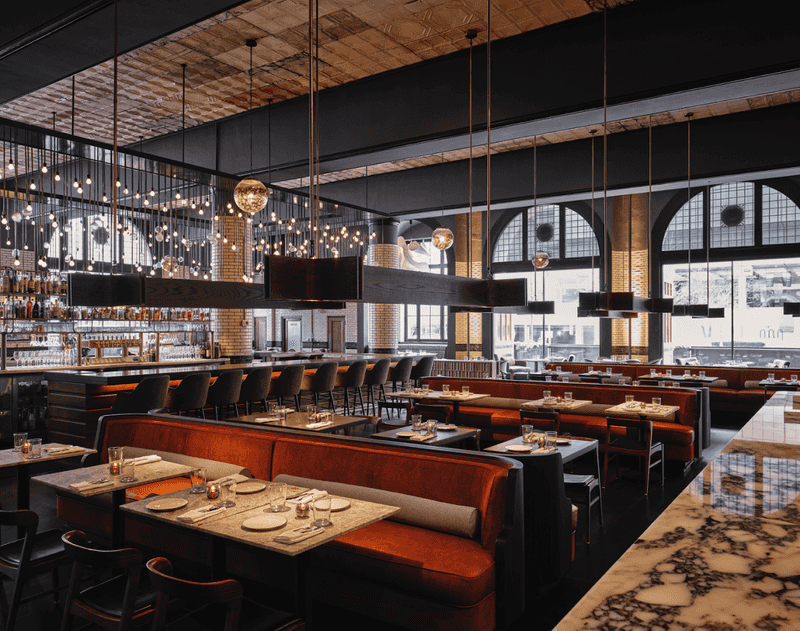
The Apparatus Room is inside Detroit Foundation Hotel at 250 West Larned Street in downtown Detroit, Michigan, directly across from Huntington Place.
Approach from Jefferson Avenue, Congress Street, or the Lodge Freeway and continue toward the Larned Street side of the former fire department headquarters.
The final approach enters Detroit’s busy convention and financial district, where pedestrians, hotel traffic, and events at Huntington Place can slow the surrounding blocks.
Look for the historic limestone firehouse rather than a separate restaurant storefront; The Apparatus Room occupies the hotel’s first floor where the fire engines once stood.
Valet parking is available at the hotel, while paid garages, public lots, and legal street spaces can be found nearby. Enter through the Detroit Foundation Hotel doors on West Larned Street, then continue into the first-floor restaurant.
Study The Design Like Part Of The Meal
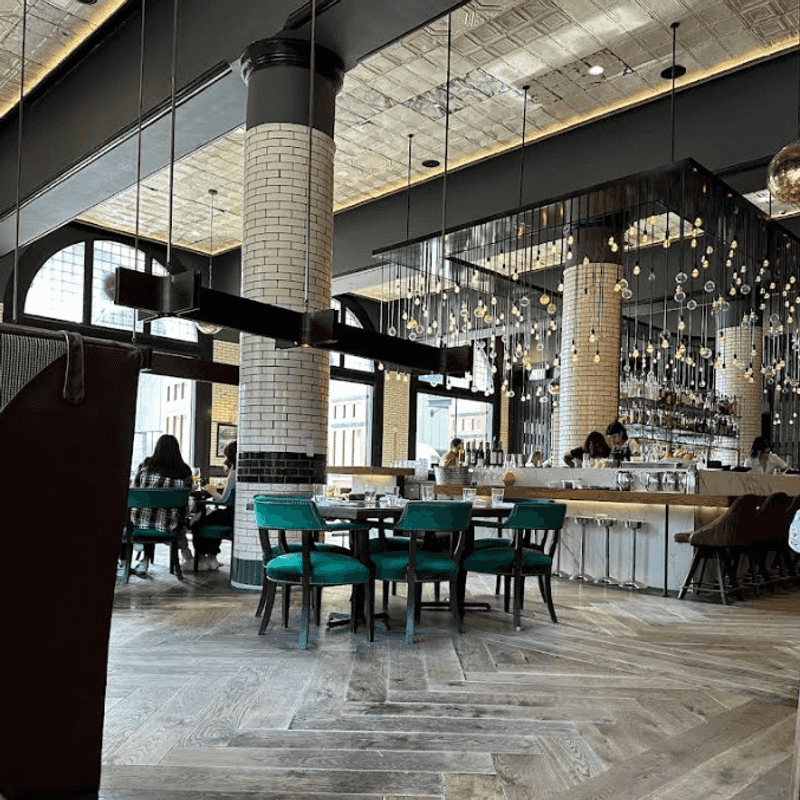
Some restaurants ask for your attention with noise. This one earns it by letting old materials and smart design do the heavy lifting.
Soaring ceilings, dramatic hanging lights, refurbished red fire doors, and an antique brass rail system make the room feel grand without turning stiff.
Leather banquettes even echo vintage car seats, which is a sly touch that fits Detroit beautifully. Above the bar, a sculpture of glass-blown balloons honors firefighters who lost their lives in service.
Take a slow lap with your eyes before your food arrives, because the design tells you exactly what kind of place this is, proud of its past, serious about comfort, and much more personal than a standard hotel dining room.
In the city, especially after dark, lights glow softly.
Try It In The Morning Too
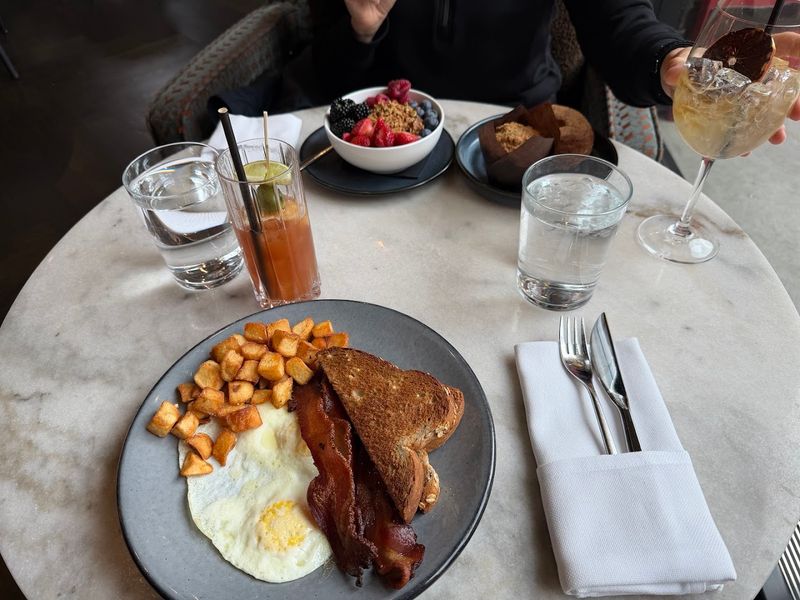
Morning is an underrated time to visit The Apparatus Room. Because the restaurant serves an all-day menu, it is not only a special-occasion dinner stop but a place you can ease into with breakfast, brunch, or coffee and pastries.
That flexibility makes it useful for downtown meetings, weekend starts, or a quiet reset before a busy day near the riverfront.
The breakfast side of the menu keeps the room from feeling precious. An omelet with 20-month Comte cheese sounds refined, yet it still fits the warm, practical mood of an old headquarters turned gathering place.
I also like that a daytime visit lets you study the architecture in brighter light, when the glazed surfaces and tall windows show off a different personality than the softer, moodier dinner hours.
That contrast alone is a fine excuse for coming back twice someday soon.
Pay Attention To The Michigan Sourcing
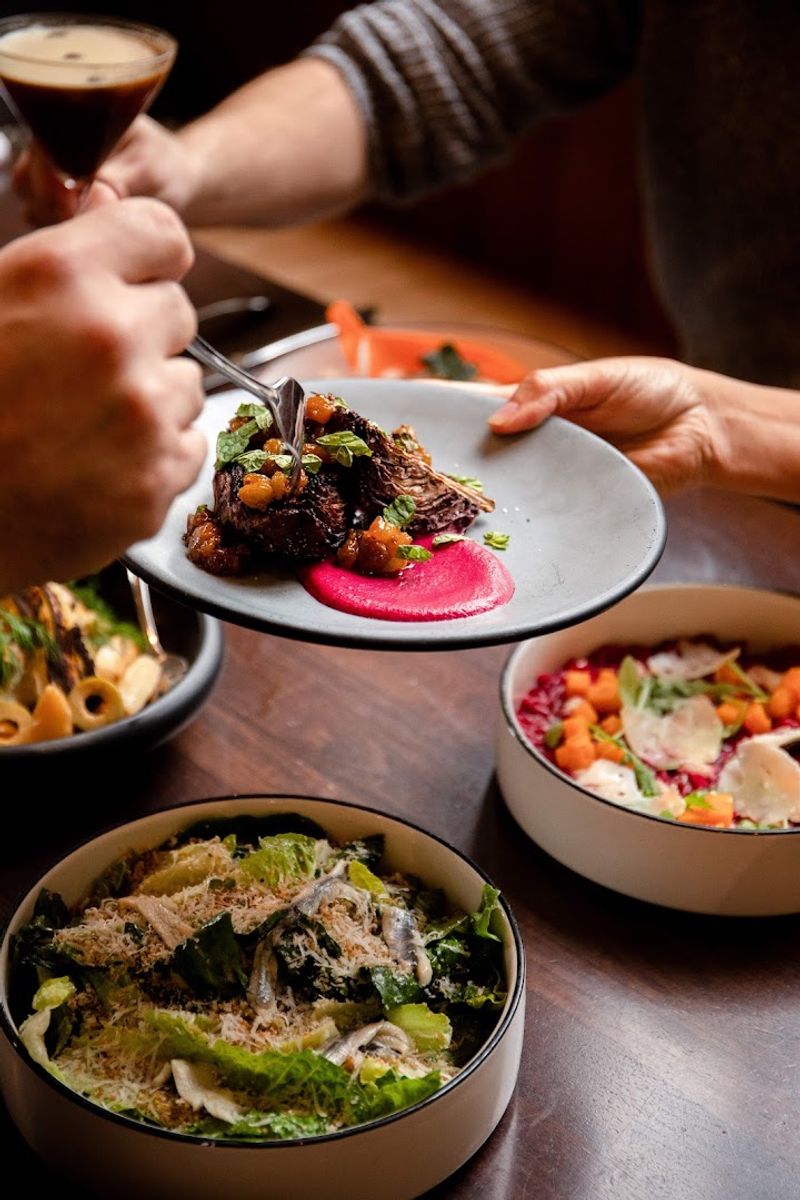
One reason the food tastes grounded is that the kitchen leans hard into Michigan and Midwest sourcing. Executive Chef Rece Hogerheide is a Michigander, and that local point of view shows up in partnerships with farms such as Fisheye Farms and Featherstone Garden.
The menu changes with the season, so ingredients often feel like they belong to the place instead of arriving from nowhere.
Behind the scenes, the team also works with butchery, fermentation, and community-minded waste practices. That may sound technical, but on the table it translates into sharper flavors and food with a sense of purpose.
When I eat somewhere inside a historic civic building, I want the restaurant to act like a good neighbor too, and The Apparatus Room gives off that feeling in a way that seems real rather than polished for show. To visiting guests daily.
Start With A Small Plate That Shows Range
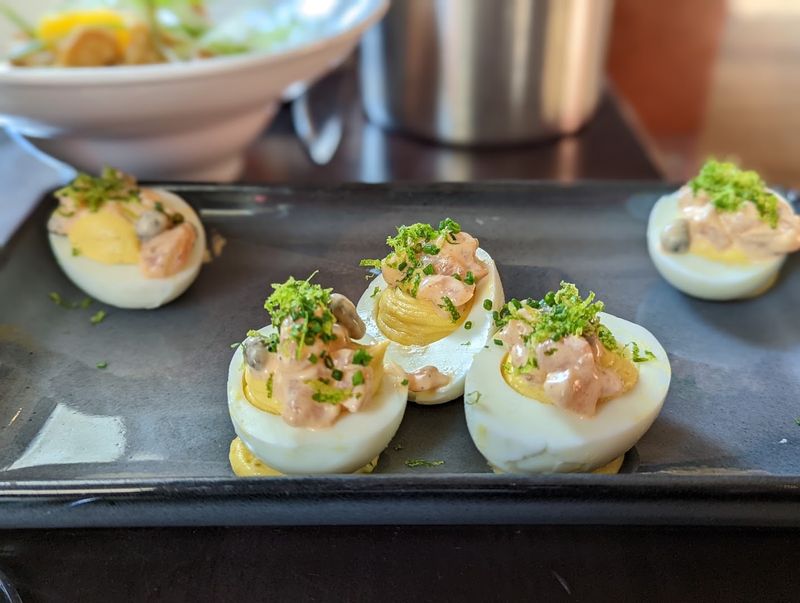
If you want a smart place to start, go for one of the small plates that shows both comfort and technique. The smoked whitefish dip is a natural Detroit-region pick, served with sourdough points, crackers, and dilly beans.
Crispy cauliflower, tossed with sweet and spicy gochujang sauce, lime crema, and pickled red onion, lands with a brighter, punchier energy.
Those dishes work especially well when you are still deciding how hungry you are. The whitefish feels rooted in Great Lakes food traditions, while the cauliflower proves the kitchen is not stuck in nostalgia.
Sharing one or two plates at the start gives you a better read on the menu’s range, and it keeps the meal from becoming too heavy before larger dishes like chicken, pasta, or steak show up at the table. With enough room left for dessert later on.
Read The Pasta Section Carefully
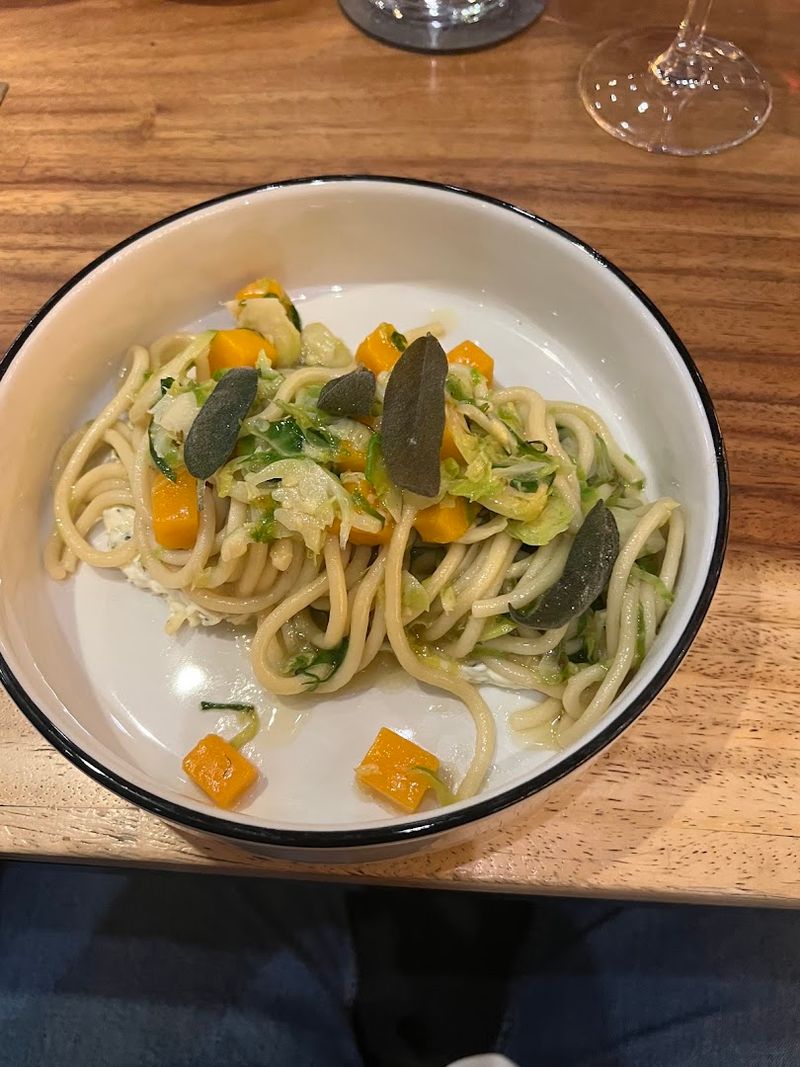
The menu gets especially interesting once you notice how many directions the main courses can go. Potato gnocchi comes dressed with garlic scape pesto, ricotta, and aged white cheddar Mornay, which sounds rich because it is, but the dish still feels thoughtful rather than clumsy.
Squid ink chitarra brings rock shrimp, mussels, lobster, uni butter, and chili crisp together in a way that reads coastal, bold, and a little theatrical.
For something more classic, there is heritage half chicken, halibut, and Michigan heritage pork with farro. That range matters when you are dining with people who never want the same thing.
My tip is simple: read the pasta section carefully even if you arrived expecting meat, because some of the most distinctive cooking seems to happen there.
At this address, especially when the kitchen leans into texture and sauce work.
Use The Raw Bar For Balance

Not every old firehouse turns out to be a good place for chilled seafood, which is part of the fun here. The raw bar brings in West Coast and East Coast oysters, daily crudo, red swimming crab, and chilled lobster.
That lineup adds a fresh, bright counterpoint to all the brick, brass, and weighty history surrounding the room.
If you love contrast, this is one of the best examples on the menu. Cold, clean flavors make the dining room feel less heavy than its dramatic architecture might suggest at first glance.
I would order from the raw bar when the table needs a lighter beginning, or when you want a meal that feels celebratory without sliding into the most filling entrees right away.
It gives the whole experience a nice sense of balance, which this stylish room handles well daily.
Save Room For A Serious Dessert Finish
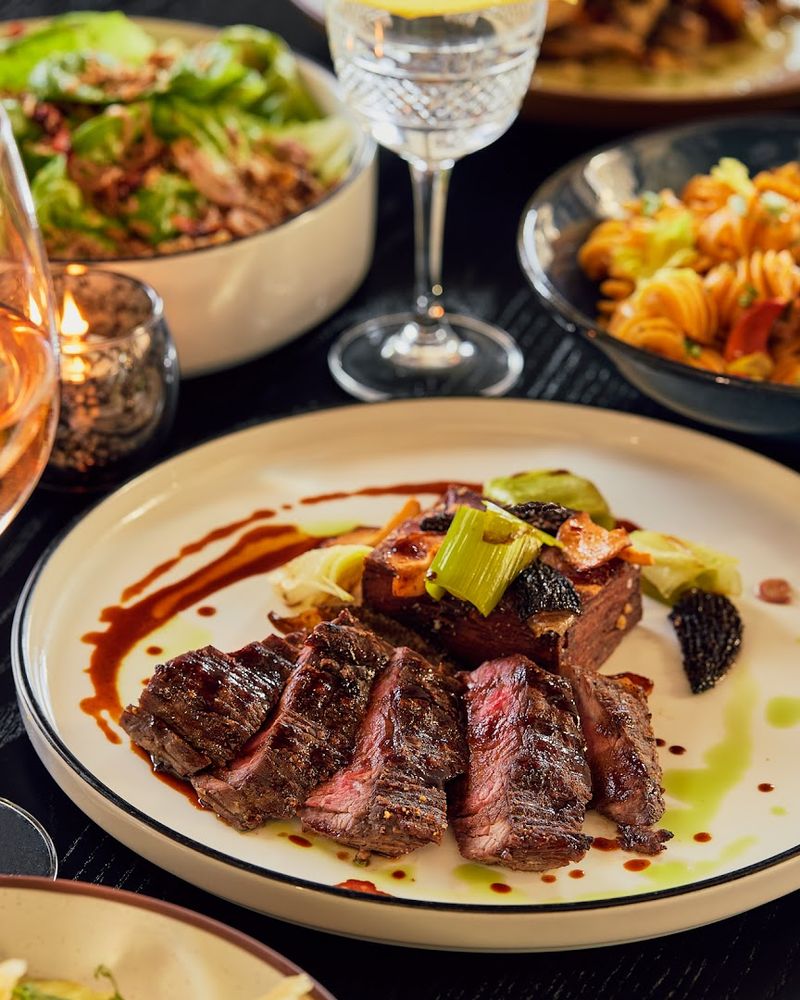
Dessert here does not feel like an afterthought tacked onto a serious dining room.
The options often include mille-feuille, chocolate torte, sorbet, squash mousse, brown butter cake, and a dessert called Drift Away with coconut banana ice cream, cashew crumble, a mini sesame bar, pineapple, and raspberry lime coulis.
Even the names suggest a kitchen that likes precision but still knows how to play.
After richer mains, a lighter finish can be the better move, while the cake or torte suits a colder Detroit evening. I remember the menu reading almost like a neat little puzzle, with textures layered in several directions at once.
Save room if you can, because dessert is where the restaurant’s polished side loosens up and shows a bit of charm, color, and surprise. Without tipping into sweetness for sweetness’s sake, which I always appreciate there.
Pick The Patio When You Want A Softer Landing
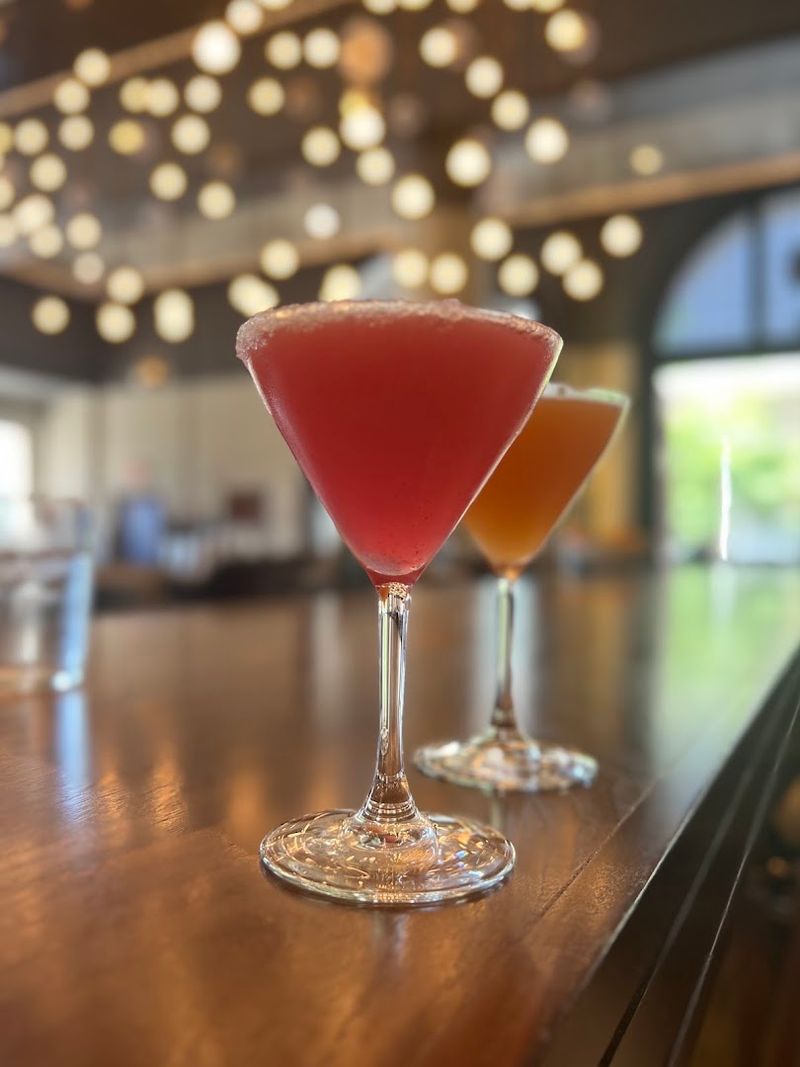
On a good weather day, the patio changes the mood in the nicest way. You still get the downtown location and the easy reach of the hotel, but the experience softens around the edges once you are outside.
For anyone who finds grand interiors a little formal at first, the patio can be a gentler introduction to the restaurant.
It is also useful when you want a meal that feels connected to the street instead of sealed off from it. With Huntington Place nearby and the riverfront area within reach, outdoor seating makes sense for visitors building a walking day around downtown Detroit.
Start outside if you want something more casual, then head indoors afterward to look around the old headquarters, which lets you enjoy both sides of the place in one visit. And still catch its history indoors later.
Lean Into Its Gathering Place Energy
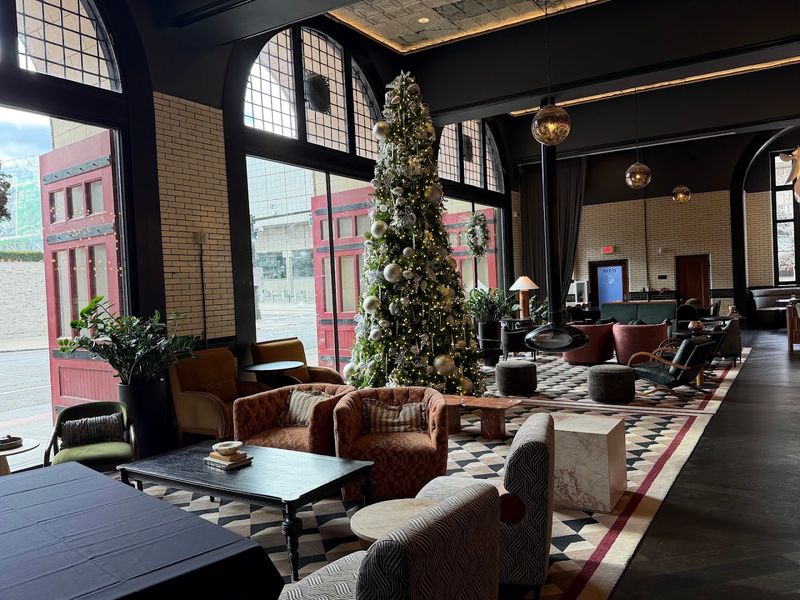
Sometimes the best move is to lean into the restaurant’s social side instead of treating it as a hushed special-event room.
The Apparatus Room is designed as a gathering place, and that shows in the open energy of the dining room and in the Chef’s Table, which offers a communal experience and occasional culinary residencies.
If you are meeting friends, coworkers, or out-of-town family, the space actually helps the conversation along.
That matters more than people admit. Big historic rooms can feel cold, yet this one balances scale with warmth, partly through lighting and partly through the way seats and sightlines pull people together.
Ask about seating options when you book, especially for a small group that wants some buzz without getting swallowed by the room. The right table turns a good meal into a memorable downtown occasion for everyone.