
This Hidden Underwater Canyon Near Boynton Beach Is One Of Florida’s Best Kept Secrets
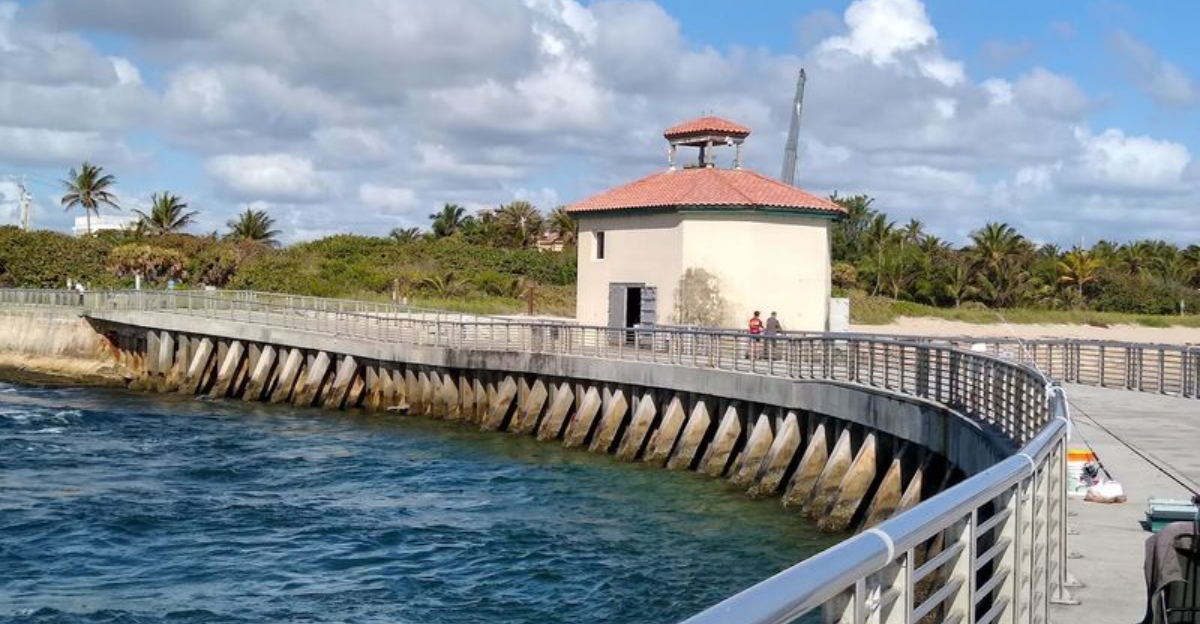
Most beaches in Florida invite you to look across the water.
This one gives you a reason to look down.
Just a few hundred yards from shore, the ocean floor suddenly drops into a dramatic underwater canyon filled with marine life, shifting currents, and scenery most visitors never realize is there.
No long boat ride. No journey into the middle of nowhere.
The secret is hiding almost directly beneath the waves.
Ever stood on a beach without realizing an entire underwater world was waiting just offshore?
While people relax on the sand and cars pass nearby, divers explore a landscape that feels far more remote than it actually is. That contrast is what makes this place so unusual.
Above the surface, it looks like another beautiful stretch of Florida coastline. Below it, the Atlantic tells a completely different story.
Florida has plenty of ocean views worth stopping for. Very few come with a hidden canyon just beyond the beach.
The Boynton Beach Inlet Is Closer To The Gulf Stream Than Almost Any Other Point In Florida
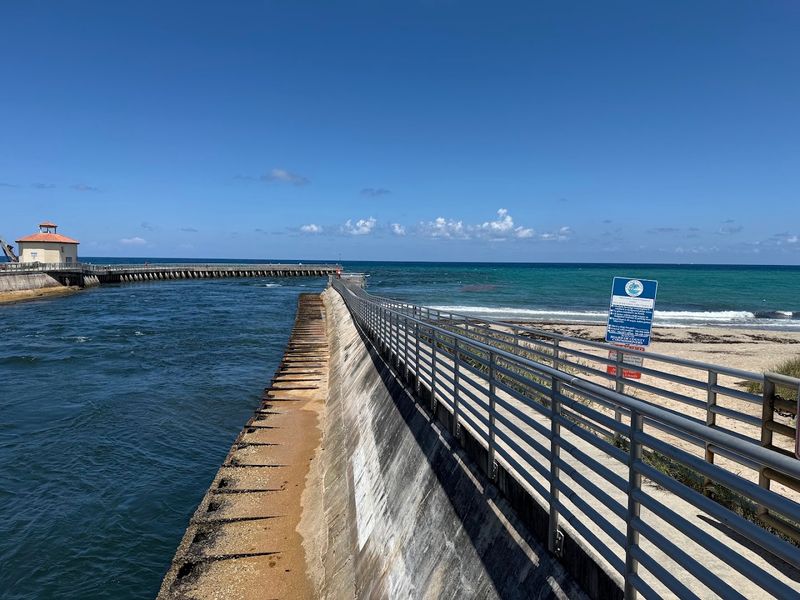
Most people think you need a long boat ride to reach the powerful Gulf Stream current, but at Boynton Beach Inlet, the Gulf Stream runs remarkably close to shore. The proximity creates a natural phenomenon that draws warm, nutrient-rich water right to the edge of the beach.
This makes the area one of the most biologically rich coastal spots in Florida.
Standing at the inlet and looking east, you are just about a mile away from where the Gulf Stream flows northward at speeds reaching four miles per hour. That fast-moving river within the ocean acts like a conveyor belt, delivering tropical fish, sea turtles, and even pelagic creatures from far south.
Anglers, divers, and snorkelers have known about this for decades.
The location at 6990 North Ocean Boulevard puts visitors right at the edge of this underwater highway. You can feel the energy of the place just standing on the rocks, watching the water churn and swirl with surprising force.
Few coastal spots in the state offer this kind of raw, accessible connection to one of the ocean’s most powerful natural systems.
An Underwater Canyon Drops Dramatically Just Offshore From The Inlet
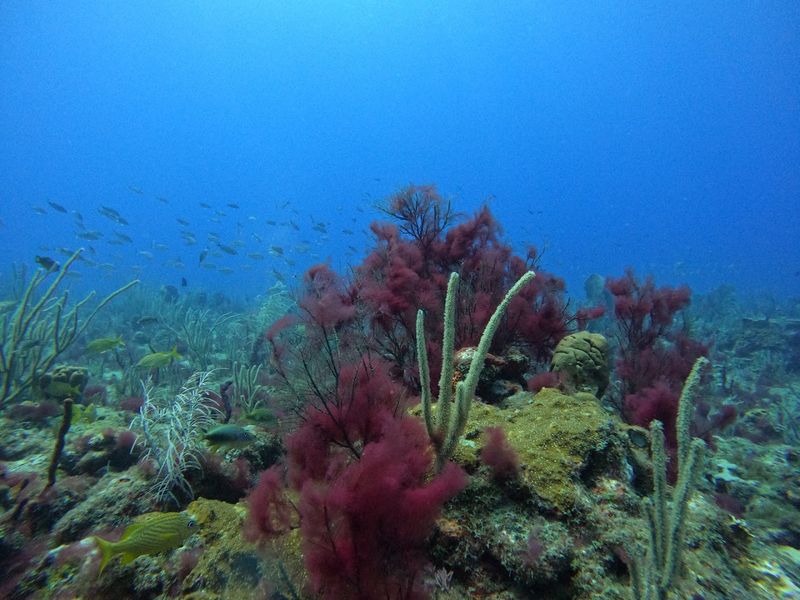
Roughly 200 yards from the Boynton Beach Inlet, the ocean floor takes a sudden plunge into a deep underwater canyon. Known locally as the Boynton Ledge, this canyon-like formation drops from about 60 feet down to depths exceeding 100 feet in some sections.
That kind of dramatic depth change so close to shore is genuinely rare along the Atlantic coast.
The steep walls of the ledge are covered in hard and soft corals, sponges, and sea fans that have taken root over many years. These structures create a layered habitat where different species live at different depths, stacking ecosystems on top of each other like floors in a building.
Nurse sharks often rest along the sandy bottom, while schools of snapper and grouper cruise the upper sections.
For divers, this canyon offers an experience that rivals much more famous dive destinations without requiring a lengthy boat journey. The visibility frequently reaches 60 to 80 feet on calm days, giving a clear view of the canyon walls in stunning detail.
It is the kind of underwater scenery that makes first-time visitors stop mid-dive and just hover in quiet amazement at what lies hidden so close to a busy Florida road.
The Inlet Has Been A Lifeline For Boaters Navigating South Florida Waters For Over A Century
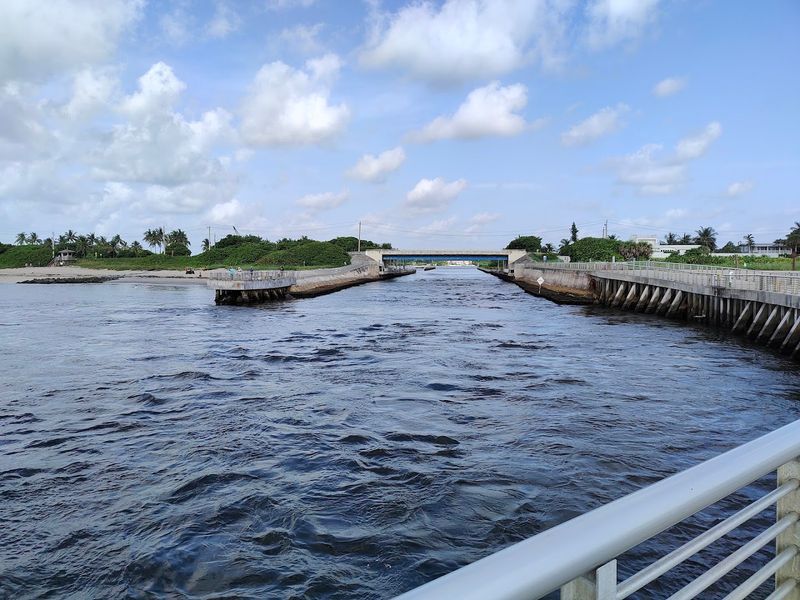
Long before the area became a popular diving and fishing destination, the Boynton Beach Inlet served a critical practical purpose for the communities along South Florida’s coast. Fishermen and small commercial vessels depended on inlets like this one to move safely between the calmer Intracoastal Waterway and the open Atlantic.
The inlet essentially acted as a door between two very different worlds of water.
The current inlet was stabilized with jetties in the mid-20th century to prevent it from shifting or closing, a common problem with natural tidal inlets along sandy coastlines. Before those jetties were built, the channel would migrate north or south depending on storms and seasonal sand movement.
Fixing the inlet in place transformed it into a reliable passage that boaters could count on year-round.
Today, the inlet handles a constant flow of recreational boats, fishing charters, and dive vessels heading out to the reef and ledge systems offshore. Watching the parade of boats pass through on a busy weekend morning is a spectacle in itself.
The mix of sleek sport fishers, weathered dive boats, and small skiffs tells the story of a waterway that has always been central to life on this stretch of the Florida coast.
World-Class Fishing Draws Anglers From Across The Country To This Spot
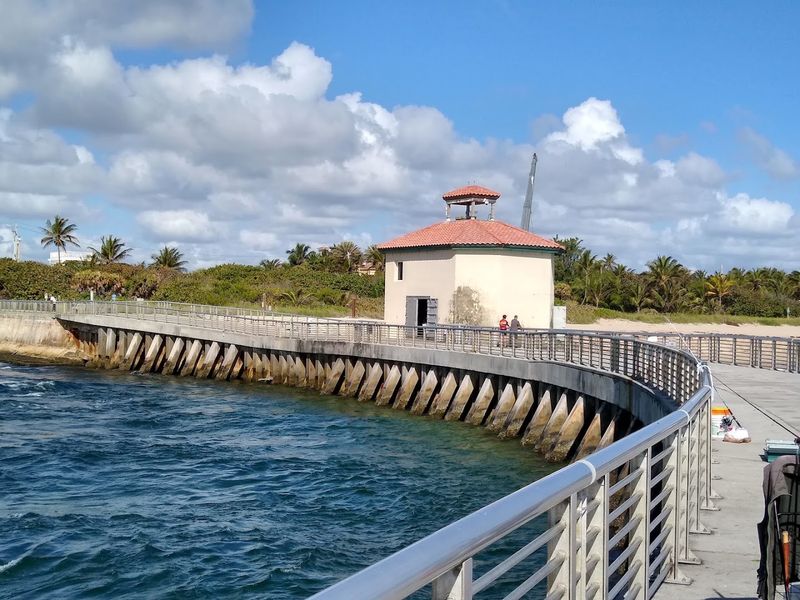
Ask any serious saltwater angler in South Florida where they go when they want results, and Boynton Beach Inlet will come up more times than almost any other spot. The combination of deep water, strong tidal flow, and Gulf Stream proximity creates feeding conditions that attract an impressive variety of fish species throughout the year.
Snook, tarpon, cobia, and kingfish are just a few of the regulars that move through this channel.
The jetty rocks on both sides of the inlet are popular perches for shore-based fishermen who cast into the rushing current during tidal changes. Timing matters here, because the strongest bites often happen when the tide is moving fast and baitfish get swept through the channel in disorganized schools.
Predators stack up on the edges of the current waiting for exactly that moment.
Offshore, the fishing gets even more impressive once you clear the inlet and reach the reef and ledge systems a short distance out. Mahi-mahi, wahoo, and sailfish are all realistic targets during certain seasons.
Charter captains who work out of nearby marinas have built their reputations on the consistent action that starts right here at the inlet, making this stretch of coast a genuinely respected fishing destination.
Sea Turtles Use The Waters Near The Inlet As A Regular Feeding And Nesting Corridor
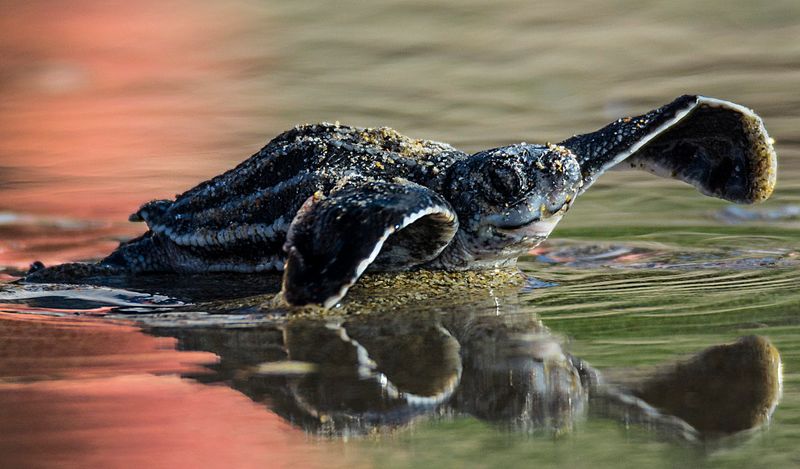
The warm, food-rich waters near Boynton Beach Inlet are not just popular with human visitors. Several species of sea turtles, including loggerheads, greens, and leatherbacks, regularly travel through and feed in the nearshore waters around the inlet.
The reefs and ledges offshore provide sponges, jellyfish, and other food sources that keep these ancient mariners coming back season after season.
Loggerhead sea turtles are the most frequently spotted species, and they are a protected presence along this stretch of coast. During nesting season, which runs from May through October, female loggerheads come ashore on nearby beaches at night to lay their eggs.
The inlet area sits within a stretch of Palm Beach County coastline that supports one of the highest densities of sea turtle nesting activity in the United States.
Snorkelers and divers who explore the ledge and reef areas near the inlet regularly encounter turtles resting on the bottom or grazing on sponges. Seeing one glide past at close range is one of those experiences that stays with you long after you have dried off and driven home.
Conservation efforts in the area help ensure these encounters remain possible for future generations of ocean lovers.
The Tidal Current Through The Inlet Creates A Unique And Powerful Underwater Environment
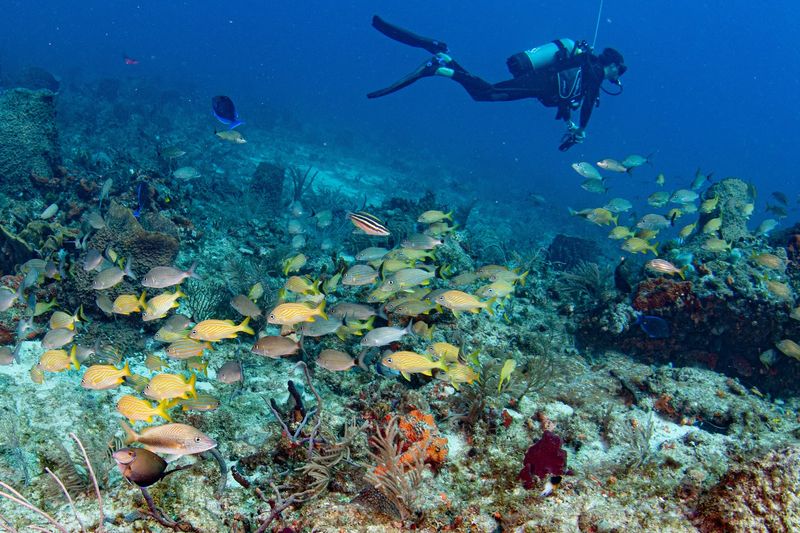
Tidal inlets are not calm, gentle places, and Boynton Beach Inlet makes no apologies for that. When the tide is running hard, the current through the channel can reach several knots, turning the water into a rushing, turbulent flow that challenges even experienced swimmers and divers.
That same energy, however, is exactly what makes the ecosystem here so productive and diverse.
The strong current constantly flushes the channel with fresh, oxygenated water from both the ocean and the Intracoastal Waterway. Nutrients get stirred up and transported, feeding filter feeders, baitfish, and the larger predators that follow them.
The inlet essentially functions as a giant feeding funnel, concentrating marine life in a relatively small area with remarkable efficiency.
For divers who know how to work with tidal currents rather than against them, the inlet and its nearby ledge offer drift diving experiences that cover ground quickly and reveal a constant stream of new scenery. Timing a dive to coincide with a mild incoming tide puts you in the flow of warm, clear Atlantic water moving toward the canyon walls.
Few drift dives in South Florida feel as dynamic or as rewarding as a well-timed run at the Boynton Ledge.
The Jetty Rocks Shelter A Surprising Array Of Marine Life Visible Without Ever Getting Wet
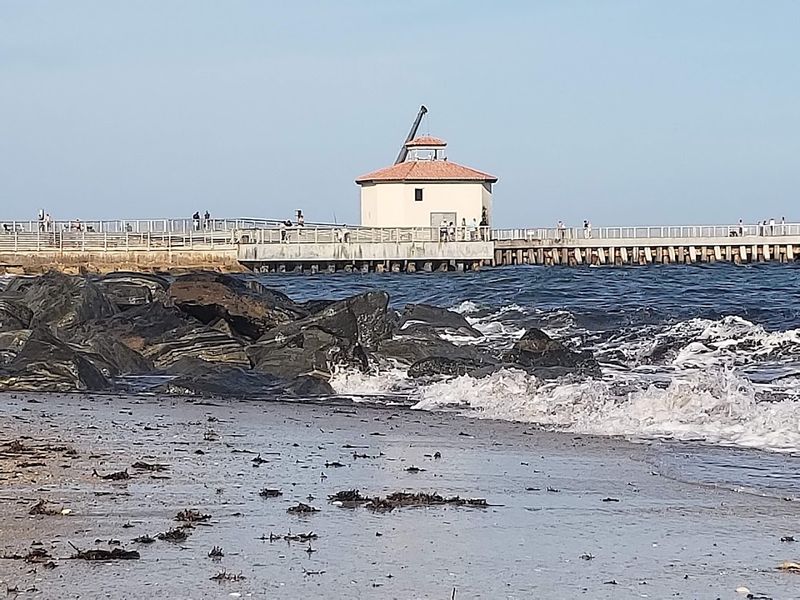
Not everyone who visits Boynton Beach Inlet comes to fish or scuba dive, and the jetty rocks reward curious observers with their own kind of underwater theater. The concrete and rock structures on both sides of the inlet are encrusted with barnacles, mussels, and algae, creating a mini-reef habitat that supports an impressive community of small creatures.
You do not need a mask and fins to appreciate what is happening just below the surface here.
At low tide, small tidal pools form along the base of the rocks, trapping crabs, small fish, sea urchins, and the occasional juvenile octopus. Kids and adults alike tend to spend far longer peering into these pools than they originally planned.
The variety of life packed into such a small space is a reminder that the ocean does not start and stop at the edge of the reef.
Pelicans, herons, and ospreys work the jetty rocks with professional focus, diving and wading for the same small fish that attract human anglers. Watching a brown pelican fold its wings and plunge into the current is one of those simple, free spectacles that Florida delivers without fanfare.
The jetty at Boynton Beach Inlet is a living exhibit that requires no ticket and no reservation.
Snorkeling The Nearshore Reef Reveals A Colorful World Just Minutes From The Beach
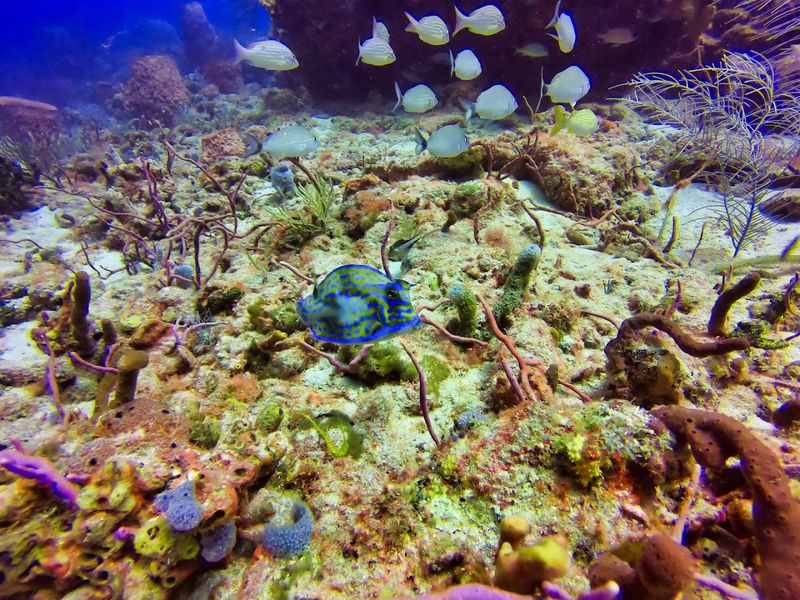
You do not need to be a certified diver or own expensive equipment to experience the underwater world near Boynton Beach Inlet. The nearshore reef that runs parallel to the coast sits in relatively shallow water, making it accessible to snorkelers with basic skills and a decent mask.
On a calm day with good visibility, the reef feels like swimming through a living painting.
Parrotfish, angelfish, blue tang, and sergeant majors are among the most commonly spotted residents, darting around brain corals and sea fans in the kind of organized chaos that only a healthy reef can produce. Spiny lobsters tuck themselves under ledges during the day, and moray eels peer out from crevices with their characteristic unblinking stare.
The biodiversity packed into this reef system is genuinely impressive for a spot so close to a developed shoreline.
Calm summer mornings offer the best snorkeling conditions, with lighter winds and reduced boat traffic in the early hours. Renting gear from nearby shops and arranging a short boat ride to the reef puts the experience within reach for most visitors.
First-timers often surface with wide eyes and a strong desire to come back with a proper scuba certification, because what they see on the reef makes them hungry for more.
The Inlet Area Offers Some Of The Best Sunset Views On The Entire Palm Beach County Coast
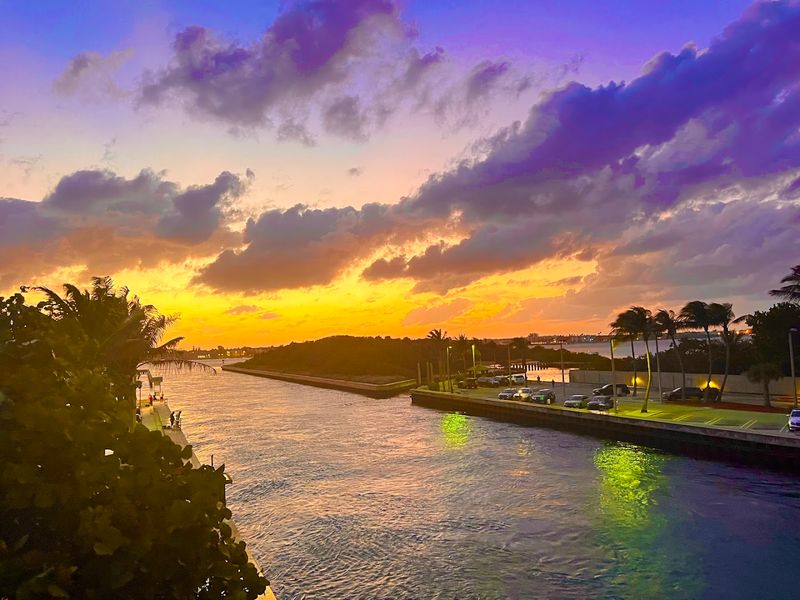
Sunsets along the Florida coast are something of a competitive sport, with towns up and down the coastline claiming the best views. Boynton Beach Inlet has a genuinely strong case, and the combination of open water, elevated jetty rocks, and the movement of boats and birds creates a scene that feels more alive than a typical beach sunset.
The colors tend to be richer here because of the moisture and salt haze hanging over the open Atlantic.
The west-facing view from the inlet looks back over the Intracoastal Waterway toward the mainland, where the sky turns shades of orange, pink, and deep purple as the sun drops behind the palm-lined shore. Fishing boats returning from a day offshore pass through the channel in silhouette, adding a sense of movement and story to the scene.
It is the kind of ending to a day that makes you feel genuinely lucky to be standing in that exact spot.
Arriving about 30 minutes before sunset gives you time to find a good perch on the jetty rocks and settle in without rushing. Bringing a light jacket is smart, since the breeze off the water picks up as the temperature drops in the evening.
The inlet at dusk has a peaceful, unhurried quality that feels like a reward for everyone who took the time to seek it out.
Local Dive Charters Make The Underwater Canyon Accessible Even For Beginners
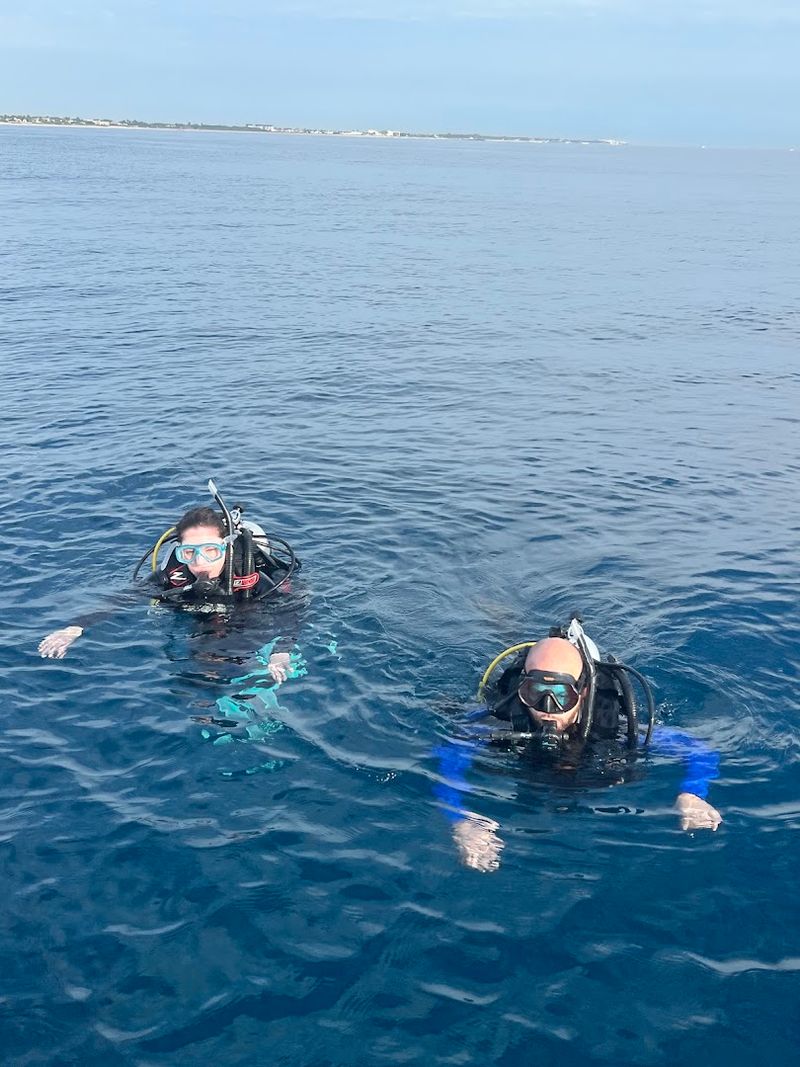
One of the most practical things about the Boynton Beach Inlet as a diving destination is how well-served it is by local operators who know these waters inside and out. Several dive charter companies run daily trips out of the inlet, offering guided dives on the ledge and reef systems to both certified divers and beginners doing their first open-water experience.
The short boat ride from the dock to the dive site, often less than 15 minutes, means more time underwater and less time getting there.
Charter captains who work this area have logged hundreds of dives on the Boynton Ledge and know exactly where to find the nurse sharks, the sea turtles, and the resident goliath grouper that patrol certain sections of the canyon wall. That local knowledge transforms a good dive into a great one, because you are not just exploring randomly but following someone who reads this reef like a familiar book.
Beginners can take advantage of introductory dive programs that pair them with an instructor for a supervised descent along the shallower sections of the reef. The calm conditions on most mornings and the manageable depths make this an ideal training ground.
By the time a first-timer surfaces after a guided dive near Boynton Beach Inlet, the underwater world has usually gone from intimidating to irresistible.