
This Enormous Colorado Lake Has 100 Miles Of Shoreline And Towering Peaks Rising Beside It
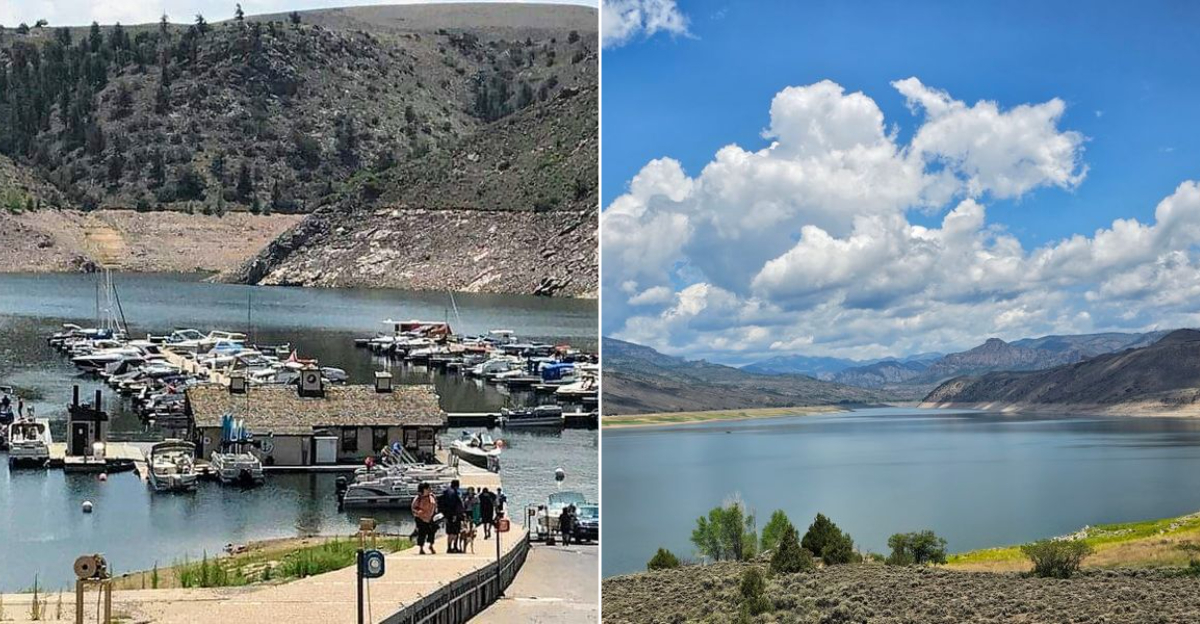
Some landscapes do more than impress you; they interrupt the conversation entirely.
In the high country of western Colorado, this vast reservoir stretches for miles beneath canyon walls, distant peaks, and water that shifts from deep blue to green as the light changes.
Its scale is part of the surprise: roughly 22 miles long, nearly 96 miles of shoreline, and sitting more than 7,500 feet above sea level. Yet the numbers only hint at the experience.
Anglers find quiet coves, campers wake to crisp mountain air, and road-trippers keep spotting reasons to pull over again.
One moment feels expansive and wild, the next calm enough to make you forget your phone exists.
Bring fishing gear, a tent, or simply a full tank of gas. Among Colorado’s most striking outdoor escapes, this is the kind of scenery that turns a planned stop into the highlight of the entire trip without warning.
Colorado’s Largest Lake and What That Actually Means
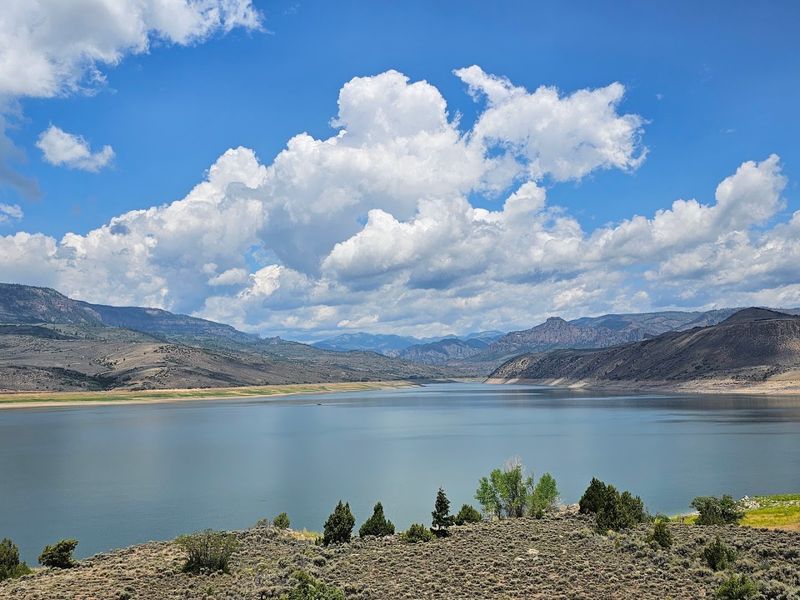
Most lakes in Colorado are beautiful. This spot is in a different category entirely.
Formed by damming the Gunnison River, it spans roughly 22 miles and holds more water than any other lake in the state, sitting at an elevation of 7,519 feet inside the Curecanti National Recreation Area between the towns of Gunnison and Montrose.
The sheer scale of it catches people off guard. You round a bend on Highway 50 and suddenly the canyon opens up to reveal this enormous stretch of blue-green water flanked by towering canyon walls and distant peaks.
It is genuinely hard to process at first.
Quick Tip: There is no entrance fee to access this place, which puts it ahead of many comparable destinations in the region. Budget your savings for gear, snacks, and an extra night of camping.
Best For: First-time visitors who want a high-impact Colorado experience without a complicated logistics plan. The reservoir is accessible directly from Highway 50, making it a surprisingly easy stop on a cross-state drive.
Fishing the Reservoir: Kokanee Salmon and Trophy Trout
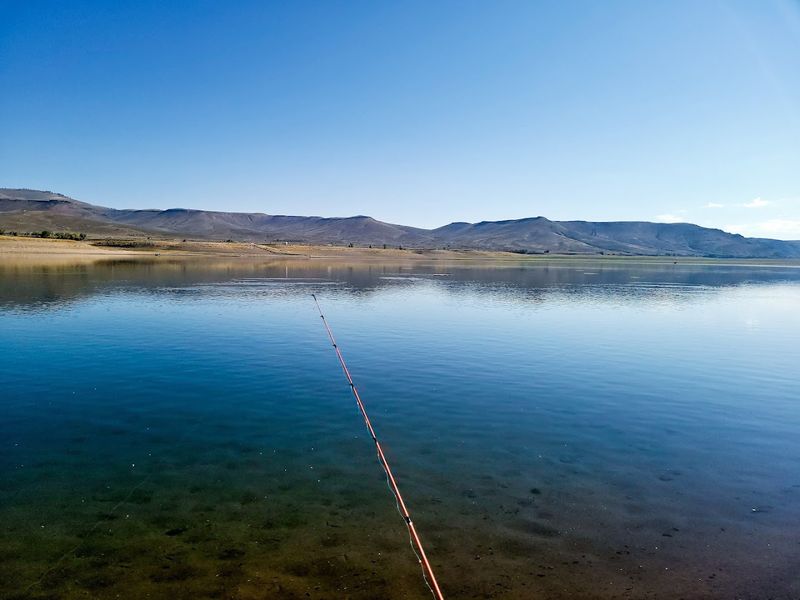
Fishing at Blue Mesa Reservoir has a reputation that travels well beyond Colorado’s borders. The reservoir is stocked with millions of fish each year and is widely recognized as one of the top Kokanee Salmon fisheries in the entire United States.
Anglers also pull out impressive rainbow and lake trout, and the record catch on record measured over three feet long.
That said, fishing here rewards patience. Some visitors spend a morning without a single bite, then find a productive spot and can barely keep up with the action.
Kids who fish here tend to come away with permanently inflated expectations about what fishing is normally like.
Insider Tip: The stretch of water just before the reservoir flows back under the bridge and becomes the Gunnison River again is a consistently productive fishing location. Local visitors return to this spot season after season for good reason.
Who This Is For: Serious anglers, casual weekend fishers, and families with kids who want a real shot at catching something memorable rather than staring at a motionless bobber for three hours.
Boating, Kayaking, and Getting Out on the Water
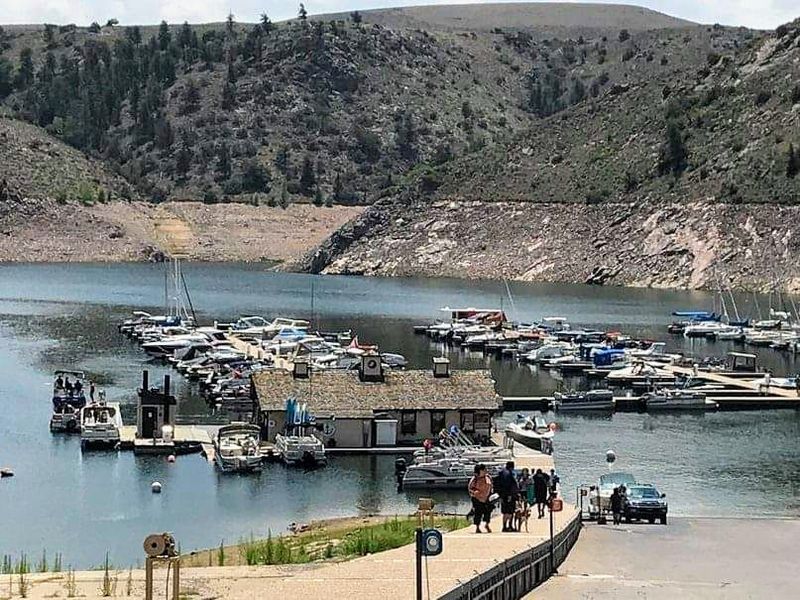
Boating is one of the main reasons people make the trip to Blue Mesa Reservoir, and it is easy to understand why once you see those canyon arms stretching away from the main body of water. The reservoir has multiple boat launches spaced a few miles apart, so getting on the water does not require a long haul from a single crowded ramp.
Kayakers have a genuinely spectacular playground here. The reservoir’s arms lead into narrow canyon passages that feel almost secretive, the kind of quiet corners that reward people willing to paddle a bit further than the next group.
Elk Creek Marina serves as the main hub for boating activity and has facilities to support a full day on the water.
Pro Tip: If you were hoping to rent kayaks or paddleboards directly at the marina and find them booked, there is a rental shop in Gunnison near the Loves gas station that visitors have used as a reliable backup option.
Best Strategy: Book any rentals or guided boat tours well in advance, especially for summer weekends. This place fills up faster than most people expect, and showing up without a reservation can limit your options significantly.
Camping at the Reservoir: What to Expect
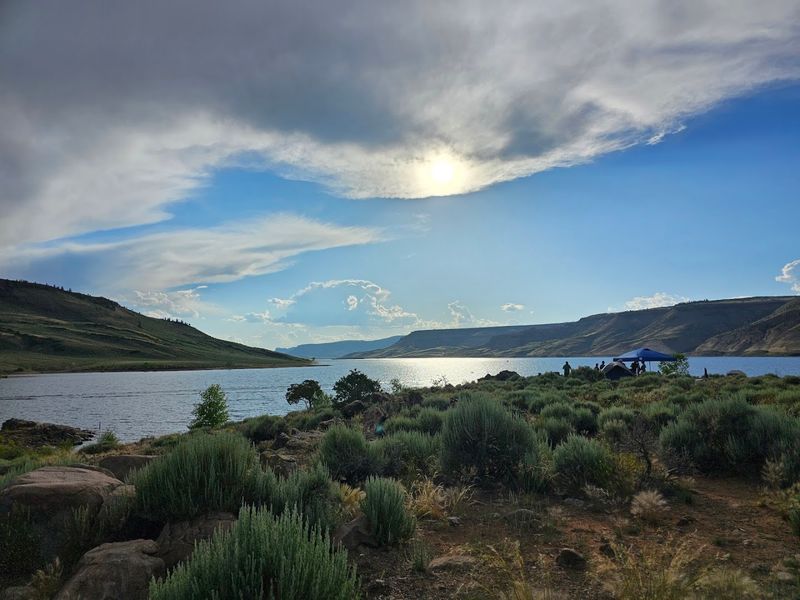
Camping at Blue Mesa Reservoir is the kind of experience that turns a one-night trip into a multi-day stay without much convincing required. The Curecanti National Recreation Area manages several campgrounds around the reservoir, including the popular Elk Creek area, which sits close to the marina and park facilities.
Both tent and RV sites are available.
One thing visitors consistently note is the sheer number of open spots to choose from, which gives the camping experience a less crowded feel than you might expect from Colorado’s largest lake. The elevation keeps temperatures cooler than the lower valleys, which is a genuine relief during peak summer months.
Planning Advice: Book your campsite well in advance if you are visiting in July, August, or September. Those are the busiest months at the reservoir, and the most desirable spots disappear quickly.
Arriving without a reservation during peak season is a gamble that rarely pays off.
Who This Is Not For: Visitors expecting resort-level amenities or manicured facilities. Blue Mesa camping is comfortable and well-maintained, but the appeal is the natural setting, not the creature comforts.
Pack accordingly and bring everything you need.
The Scenic Drive Along Highway 50: Pull-Offs and Peak Views
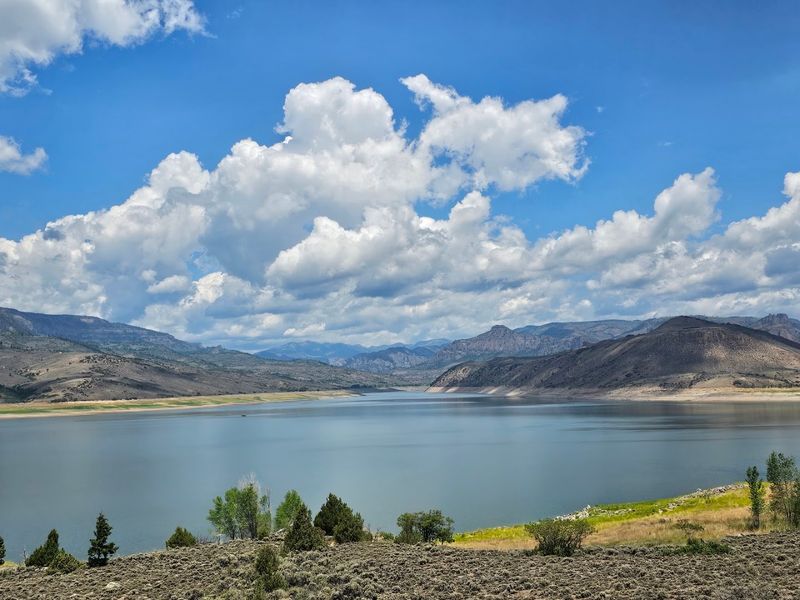
Not every great experience at Blue Mesa Reservoir requires a boat, a fishing rod, or a tent. Highway 50 runs directly alongside the reservoir for a significant stretch, and the pull-offs along the route are genuinely worth stopping at, not just for a quick glance but for a real look around.
The canyon walls, the water color, and the mountain backdrop combine into something that photographs well from almost any angle.
This is the kind of scenic drive that justifies keeping a camera or phone within easy reach. Multiple pull-off areas provide safe spots to park, stretch, and take in views that shift depending on the light and time of day.
Morning light and late afternoon both produce dramatically different looks over the water.
Quick Tip: Construction along Highway 50 near the reservoir has been completed, so the drive is cleaner and more enjoyable than it was during earlier years. No more navigating around work zones while also trying to watch the view.
Best For: Road-trippers, couples on a scenic drive, and families who want a high-reward stop that requires zero gear and maybe fifteen minutes of their time, though most people end up staying longer than they planned.
Wildlife, Hiking, and the Pine Creek Trail
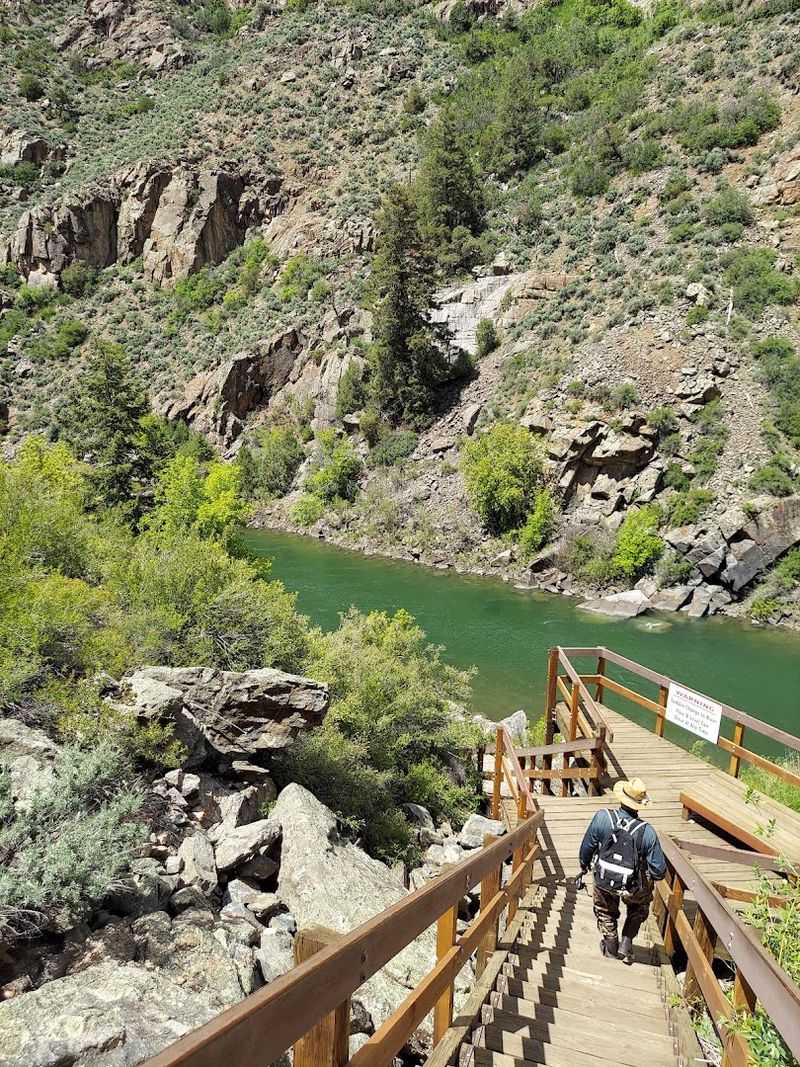
Blue Mesa Reservoir sits within a landscape that supports a wide variety of wildlife, and spotting animals here is a realistic part of any visit rather than a lucky bonus. Elk, deer, and numerous bird species are regular sights around the reservoir and surrounding terrain.
The area also connects to trails that reward hikers with views that most people never see from the highway.
The Pine Creek Trail is consistently mentioned by visitors as one of the most impressive hikes in the area. It is described as manageable in difficulty while delivering dramatic scenery from start to finish, the kind of trail that earns the word gorgeous without overselling it.
The trail is well-maintained and accessible for hikers who are reasonably fit.
Mid-Article Check-In: If the fishing, boating, and camping sections have you planning a trip, the hiking and wildlife side of Blue Mesa is what turns a weekend visit into a full week that still feels too short.
Insider Tip: Combine a morning hike on Pine Creek Trail with an afternoon on the water for a full day that covers the best of what this area offers. The trail is best tackled earlier in the day before afternoon heat builds at the canyon level.
Why Blue Mesa Reservoir Deserves a Spot on Your Colorado List
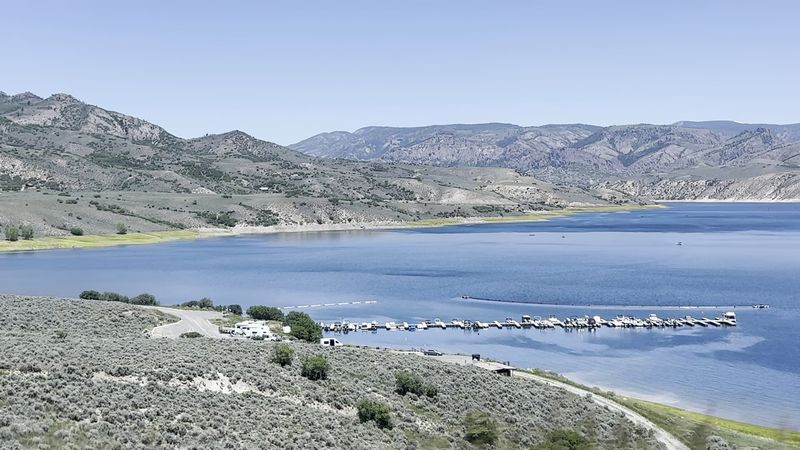
Blue Mesa Reservoir has a way of showing up on people’s radar late, often mentioned as an afterthought after someone has already visited several better-known Colorado destinations. That is genuinely puzzling once you see it in person.
Colorado’s largest lake, managed by the National Park Service, free to enter, loaded with fishing, boating, camping, and hiking, and framed by canyon walls and mountain peaks on all sides.
Visitors who come once tend to come back. The combination of scale, scenery, and recreational variety is difficult to match in a single location, and the relative lack of crowds compared to more famous Colorado spots makes the experience feel like something you discovered rather than something you followed a crowd to find.
Quick Verdict: Blue Mesa Reservoir is one of those places that performs better in person than it does in any description or photo. The photos are impressive.
The real thing is noticeably better.
Final Planning Advice: Book early, bring gear for multiple activities, and plan for at least two nights if you want to move through everything the reservoir offers at a pace that feels enjoyable rather than rushed. One day here is a preview.
Two or three is the actual trip.