
One North Carolina Bridge Is Your Shortcut To A Hidden Coastal Paradise
Every state has that one place locals quietly hope stays off everyone else’s radar. Could North Carolina’s best-kept secret be hiding just beyond an ordinary-looking bridge?
It certainly doesn’t announce itself with flashy attractions or crowded boardwalks.
Instead, reaching it feels like discovering a destination that somehow slipped through the cracks of every travel guide.
The farther you leave the mainland behind, the closer you get to a stretch of coastline where nature steals the show, the pace slows to a whisper, and unforgettable views come standard. Crossing the bridge is simply the beginning.
The real reward is waiting on the other side.
A remarkable place that proves some of North Carolina’s most memorable experiences are still wonderfully under the radar.
The Museum That Feels Like Coming Home
Walking into the Core Sound Waterfowl Museum feels less like entering a building and more like stepping into a warm, well-loved story.
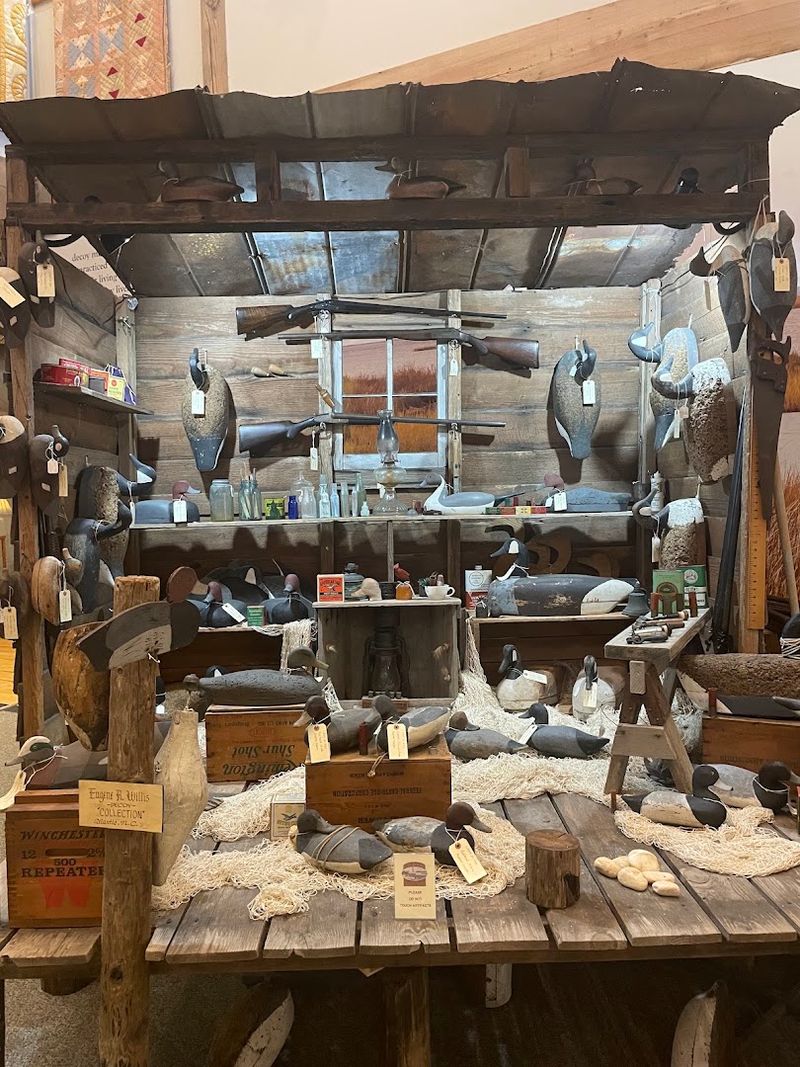
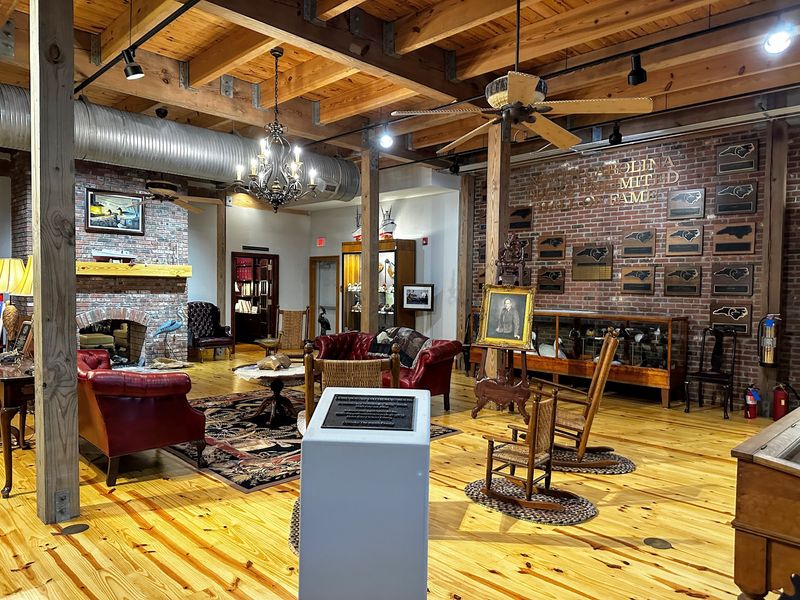
The main room is set up like a classic coastal lodge, immediately wrapping you in a sense of place that is genuinely rare. Hundreds of hand-carved wooden decoys line the walls, each one a quiet masterpiece with its own personality.
The museum is dedicated to preserving the heritage and evolving traditions of the Core Sound Down East communities. Its mission goes beyond display cases and labels, it actively educates visitors about the history, craftsmanship, and natural environment that shaped this island.
You can feel that commitment in every carefully curated corner of the building.
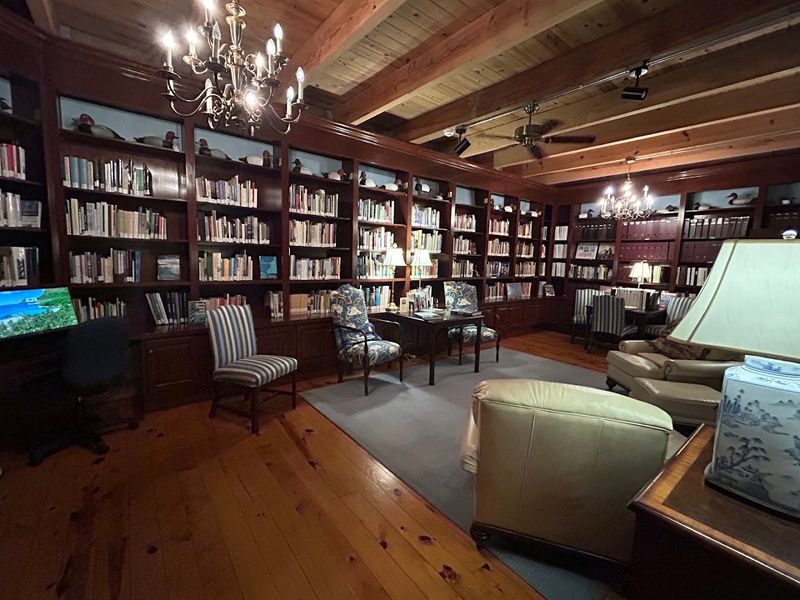
There is also a beautifully stocked library with a cozy seating area, perfect for settling in and flipping through books about waterfowl, local history, and coastal life.
The space feels intentional, thoughtful, and deeply human. A small cafe adds to the welcoming atmosphere, making it easy to linger far longer than you originally planned.
This museum does not just tell a story, it pulls you into one.
Location And First Impressions
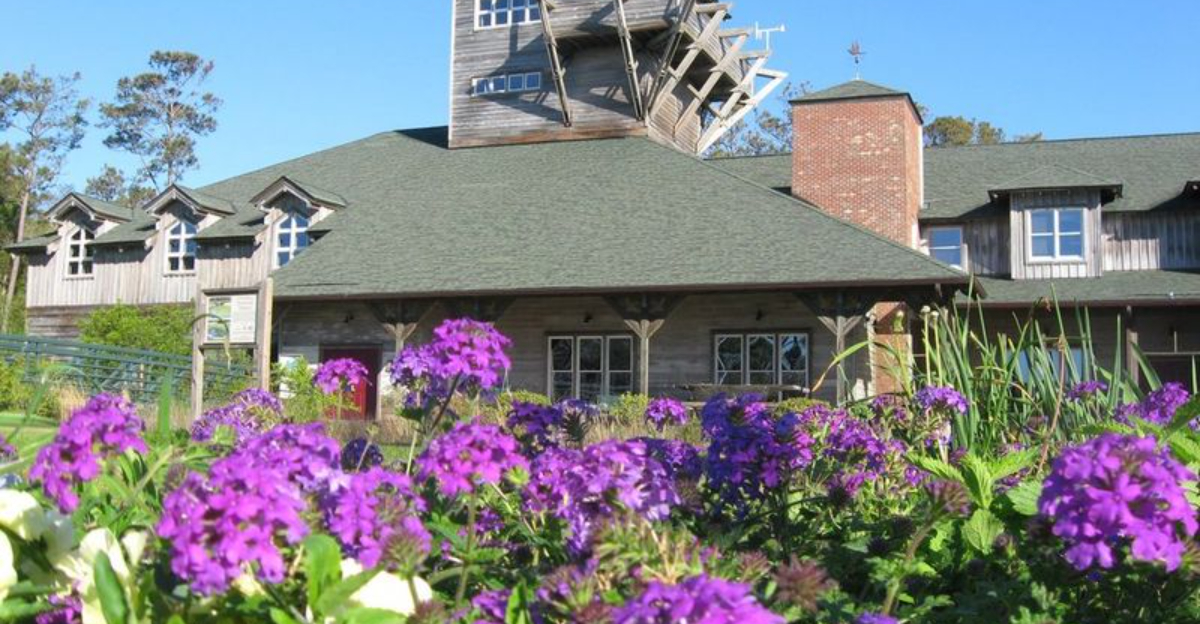
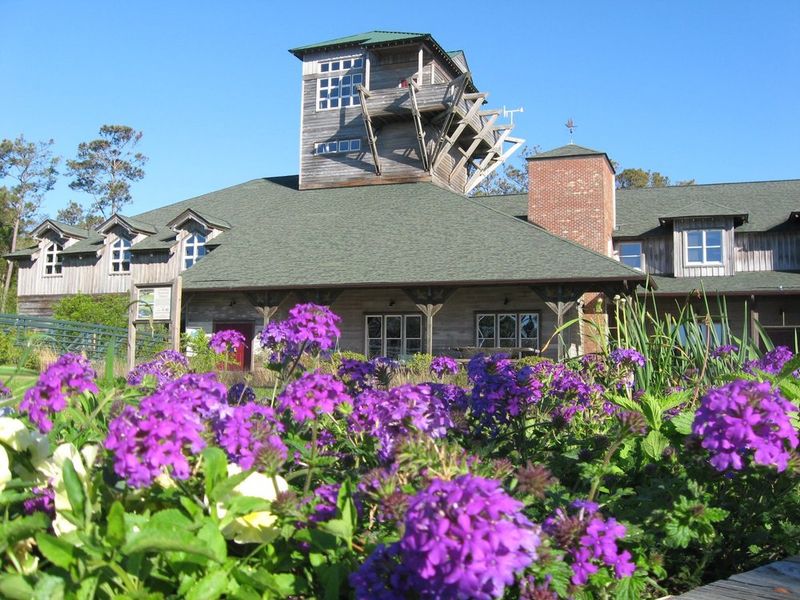
Situated at 1785 Island Road, Harkers Island, NC 28531, the Core Sound Waterfowl Museum and Heritage Center is impossible to miss once you cross that bridge onto the island.
The building itself is striking, a large, beautifully designed structure that hints at the richness waiting inside. It also anchors the southern route of the nationally recognized Outer Banks National Scenic Byway, which tells you something about its cultural significance.
Pulling up to the museum, the grounds feel well-kept and inviting. The building’s architectural design draws from coastal traditions, blending naturally into the island’s landscape without feeling out of place.
Right next door sits the Cape Lookout National Seashore Visitor Center, making this stretch of Island Road a must-stop destination for anyone exploring the area.
The museum is open Monday through Saturday from 10 AM to 5 PM, and Sundays from 2 to 5 PM. Admission is free, which makes it one of the most generous cultural offerings on the entire Crystal Coast.
You can reach them at 252-728-1500 or visit coresound.com to plan your trip. First impressions here are consistently strong, and the experience only gets better once you step through the door.
Climbing To The Top For That View
Nobody warns you about the view from the top of this museum, and honestly, that is part of what makes it so spectacular.
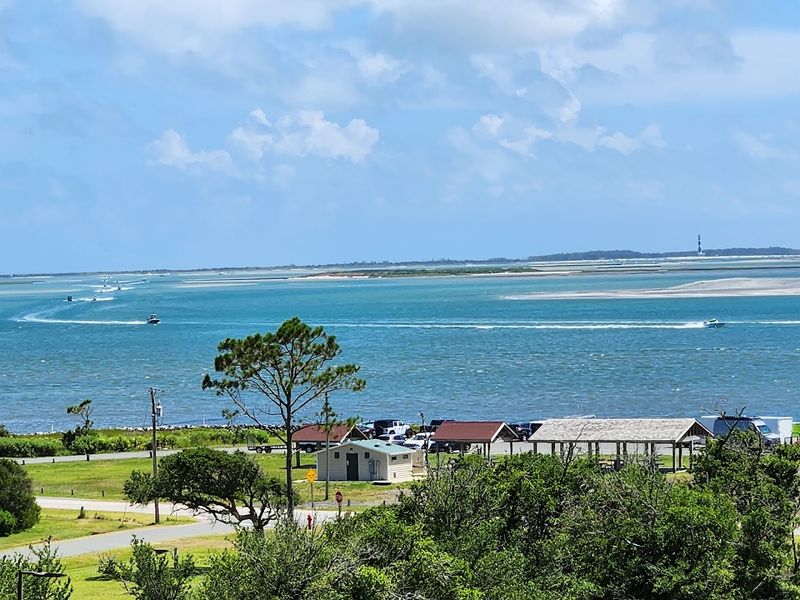
Climb up to the observation tower, sometimes called the Widow’s Perch, and the entire coastal world opens up before you. Core Sound, Back Sound, and the iconic Cape Lookout Lighthouse all come into frame at once, like a painting you cannot believe is real.
The tower sits roughly five stories above the ground, giving you a vantage point that is genuinely breathtaking.
On a clear day, the lighthouse’s distinctive diamond pattern is visible across the shimmering water, a sight that tends to stop people mid-sentence. Photographers especially love this spot, and it is easy to understand why.
Beyond the lighthouse, you can spot the sprawling marshlands, the Willow Pond below, and the vast expanse of the surrounding barrier islands.
The view shifts beautifully depending on the time of day, with golden afternoon light transforming the sound into something almost magical.
Climbing those stairs is absolutely worth every step, and the moment you reach the top, you will immediately understand why people keep coming back to Harkers Island again and again.
Nature’s Own Welcome Mat
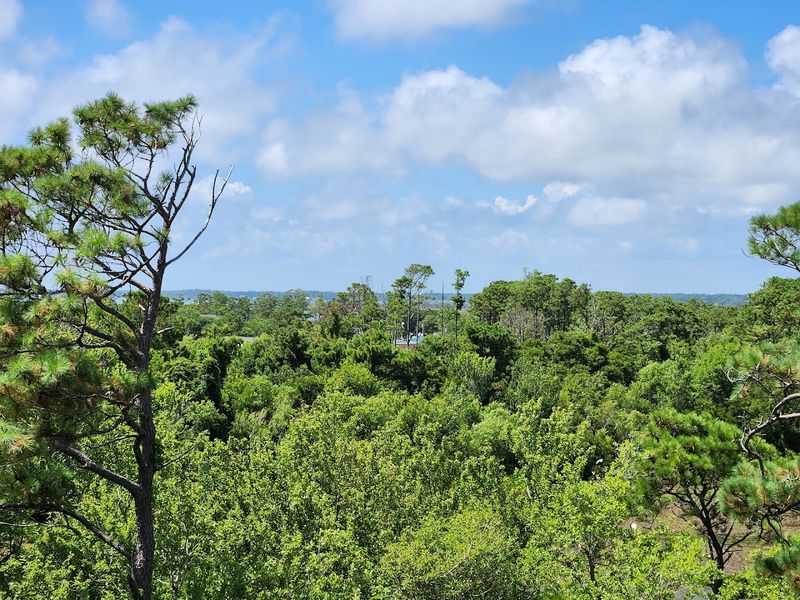
Right outside the museum doors, the Willow Pond Trail invites you to slow down and pay attention to the natural world.
This peaceful path winds through a maritime forest and a vibrant salt marsh, offering a completely different kind of discovery than the exhibits inside. It is the kind of walk that resets your mind without you even realizing it is happening.
The trail is a favorite among wildlife photographers and birdwatchers who visit the area. Waterfowl gather near the pond in impressive numbers, giving you front-row access to the very birds that inspired the museum’s entire collection.
Herons, egrets, and various shorebirds move through the marsh with casual elegance, completely unbothered by your presence.
The combination of the indoor museum experience and this outdoor trail creates a visit that engages all your senses. You go from marveling at hand-carved decoys to watching real birds glide across open water, and somehow the two experiences make each other richer.
The trail is short enough to feel accessible but detailed enough to feel rewarding. Spending time here is a genuine reminder that Harkers Island is not just a place you visit; it is a place you actually feel.
When Wood Becomes Wildlife
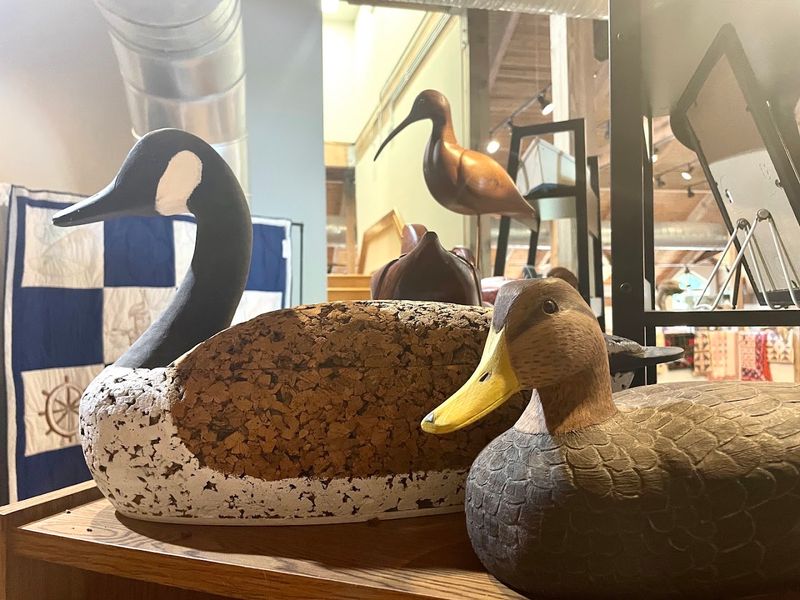
There is something almost meditative about watching a block of wood transform into a lifelike duck. At the Core Sound Waterfowl Museum, decoy carving is not just an exhibit, it is a living tradition that visitors can witness and even participate in through hands-on demonstrations.
This craft has been passed down through generations of Down East families, each carver adding their own signature touch.
The museum’s Decoys of Core Sound exhibition showcases an extraordinary range of styles, from historical working decoys used on the water to contemporary carvings celebrated as fine art.
The variety is stunning, revealing how this single tradition has evolved while staying rooted in the island’s identity. Some pieces are so detailed and lifelike that you do a double-take.
Historically, these decoys were functional tools, carefully crafted to attract waterfowl during hunting season.
Today, many are displayed in private collections and galleries across the country, recognized as genuine American folk art. Watching a carver work is a lesson in patience, precision, and pride.
The museum makes sure this tradition is not just remembered but actively practiced, ensuring that future generations will always know where it came from and why it matters so much.
Thirteen Towns, One Shared Soul
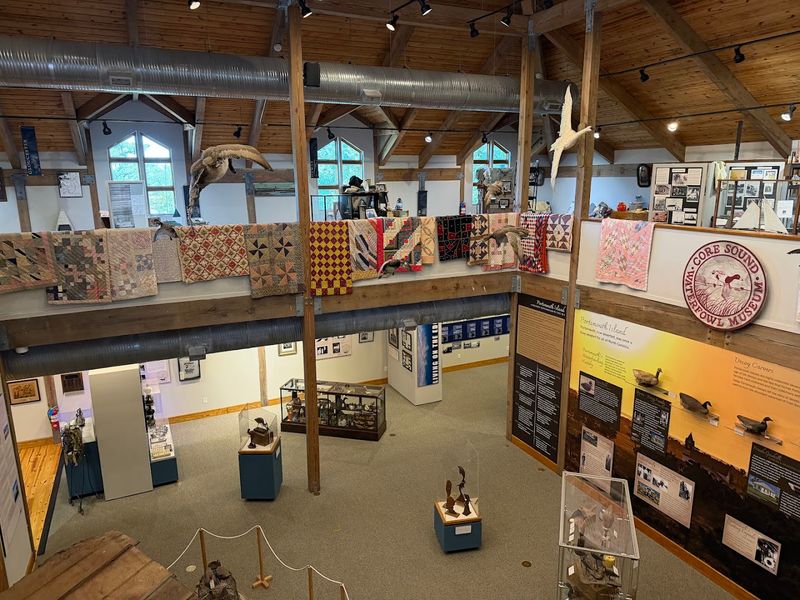
Head upstairs to the second floor of the museum and you will find one of its most emotionally resonant exhibits.
Each of the thirteen Down East communities of Carteret County has its own dedicated display, filled with photographs, family artifacts, handwritten documents, and personal scrapbooks that visitors are actually encouraged to handle. That tactile connection to history is surprisingly powerful.
The exhibit feels less like a traditional museum display and more like visiting a neighbor’s attic, in the best possible way. You get a sense of individual families, their daily rhythms, their celebrations, and their resilience through storms and change.
The communities represented here include places like Smyrna, Davis, Atlantic, and Stacy, each with a distinct identity woven into the larger Down East tapestry.
What makes this floor particularly special is how it honors ordinary people rather than grand historical figures. The stories here belong to fishermen, quilters, boatbuilders, and teachers whose lives shaped the character of this coastline.
Flipping through a donated family scrapbook or reading a handwritten letter from decades past creates a connection that no textbook ever could. This is history that breathes, and the museum guards it with genuine care and community love.
The Honest Side Of Island Life
Harkers Island does not shy away from the harder chapters of its story, and neither does the museum. One of the most sobering and fascinating sections of the Core Sound Waterfowl Museum focuses on hurricane history along the Crystal Coast, documenting every major storm since 1933.
Maps, photographs, and timelines trace the impact of these storms on the surrounding communities with remarkable detail.
Adjacent to the hurricane displays, an environmental exhibit explores the ongoing changes caused by rising seas and warming waters.
This is not presented in a fear-inducing way but rather as honest, educational storytelling about a coastline that is constantly evolving. The island’s low-lying geography makes these topics deeply relevant to the people who call it home.
Understanding this side of Harkers Island actually deepens your appreciation for the community’s resilience.
People here have rebuilt, adapted, and persisted through extraordinary challenges, and that spirit is woven into everything the museum represents. Seeing the historical photographs of storm damage alongside vibrant images of community recovery is genuinely moving.
It gives the whole visit a layer of depth that lingers with you long after you have crossed that bridge back to the mainland.
The Festival That Brings It All Together
Every year during the first weekend of December, Harkers Island transforms into a celebration that captures everything special about Down East culture.
The Core Sound Waterfowl Weekend and Decoy Festival is a beloved annual tradition that draws visitors and community members together in a genuinely joyful way. It is the kind of event that makes you wish you had known about it years earlier.
Live decoy carving demonstrations fill the grounds, with artisans working in real time as curious visitors gather around to watch and ask questions.
Traditional music adds a festive energy that is impossible not to feel, and the atmosphere is warm, welcoming, and completely unpretentious. The holiday season kicks off here in a way that no shopping mall could ever replicate.
The festival’s culinary highlight is the legendary Core Sound Chow Down, where local cooks prepare generational recipes featuring seafood chowders, shrimp, clam chowder, and cornbread that taste like they carry decades of tradition in every bite.
Photography competitions and speaker series round out the weekend’s programming. If you only visit Harkers Island, North Carolina once, timing your trip around this festival would be a genuinely brilliant decision.
Are you already adding it to your calendar?