
America’s Oldest Plantation House Is Tucked Away In South Carolina And It’s Absolutely Fascinating
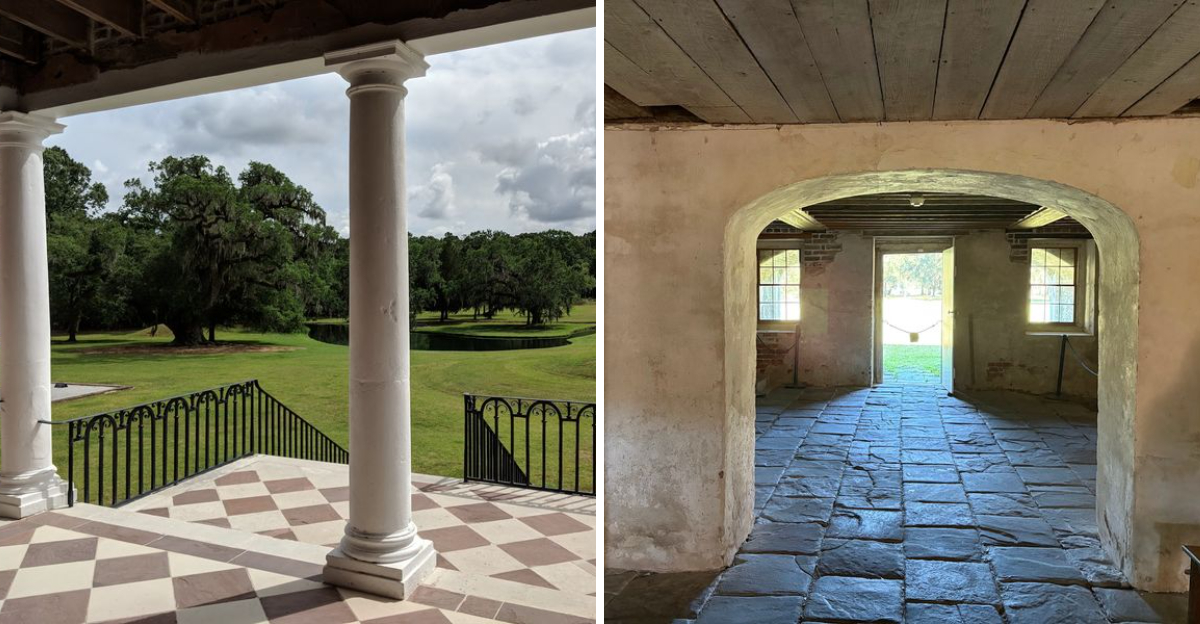
Some historic homes in South Carolina have been polished until the past feels almost new.
This one refuses to pretend.
Its walls remain weathered. Original details show their age.
Every room carries nearly three centuries of history without being restored into a cleaner, easier version of what once happened there.
Built in 1738, the Palladian-style house has survived wars, hurricanes, and generations of change along the Ashley River.
But survival is only part of its story.
The property also preserves the difficult history of the enslaved people whose labor sustained the plantation, making a visit both architecturally remarkable and deeply sobering.
Ever stood inside a building that witnessed America before it became a nation?
This is not a decorative glimpse into colonial life. It is a rare, honest encounter with beauty, endurance, inequality, and memory existing beneath the same roof.
Few places in South Carolina make the distance between past and present feel quite this small.
It Is The Oldest Preserved Plantation House In America
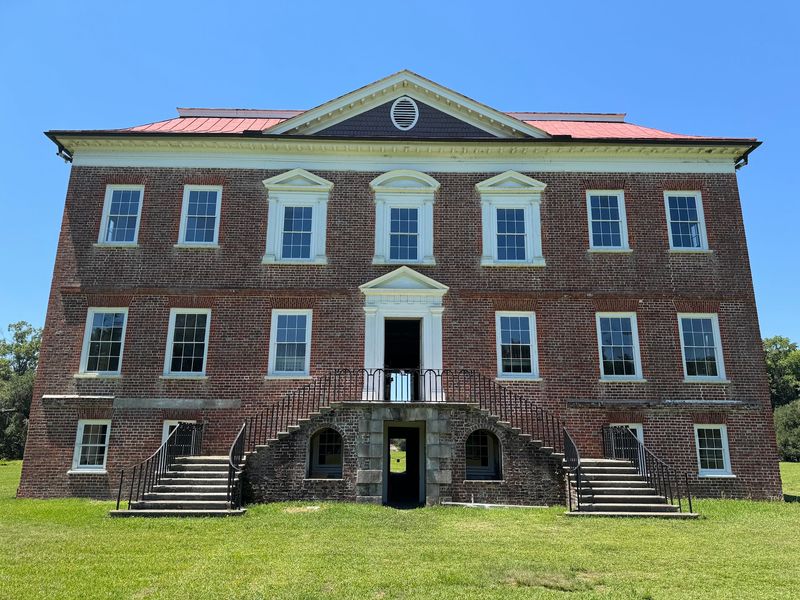
Few buildings in America carry the kind of unbroken history that Drayton Hall does, and that fact alone is worth the drive out to Ashley River Road.
Founded in 1738 by John Drayton, this plantation house holds the title of the oldest preserved plantation house in the United States that remains open to the public.
What makes that title especially meaningful is the word “preserved” rather than “restored.” The house has never been gutted, renovated, or refurnished to look like a museum replica of itself.
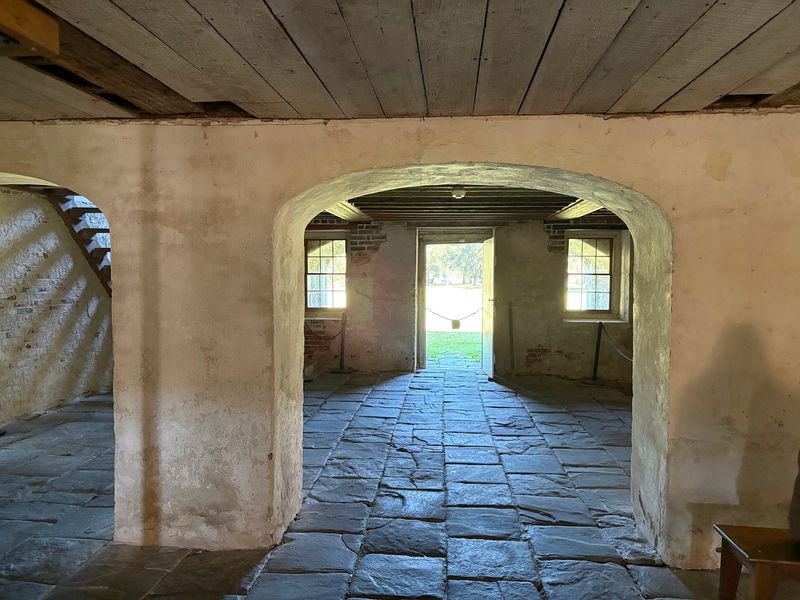
Instead, it stands exactly as time and careful stewardship have left it, with original plasterwork, original woodwork, and original architectural details still intact after nearly three hundred years.
Visitors who walk through the front door are not stepping into a recreation of history but into actual history itself.
Knowing that this building survived the American Revolution, the Civil War, and countless storms without being demolished or dramatically altered makes every creaking floorboard feel like a conversation with the past.
The Architecture Is Purely Palladian And Breathtakingly Detailed
Walking up to Drayton Hall for the first time, I found myself stopping mid-stride just to take in the symmetry of the facade, because it is genuinely stunning in a way that photographs cannot fully capture.
The house is recognized as the earliest fully executed Palladian-style structure in America, drawing its design inspiration from the classical architectural principles made famous by Italian architect Andrea Palladio.
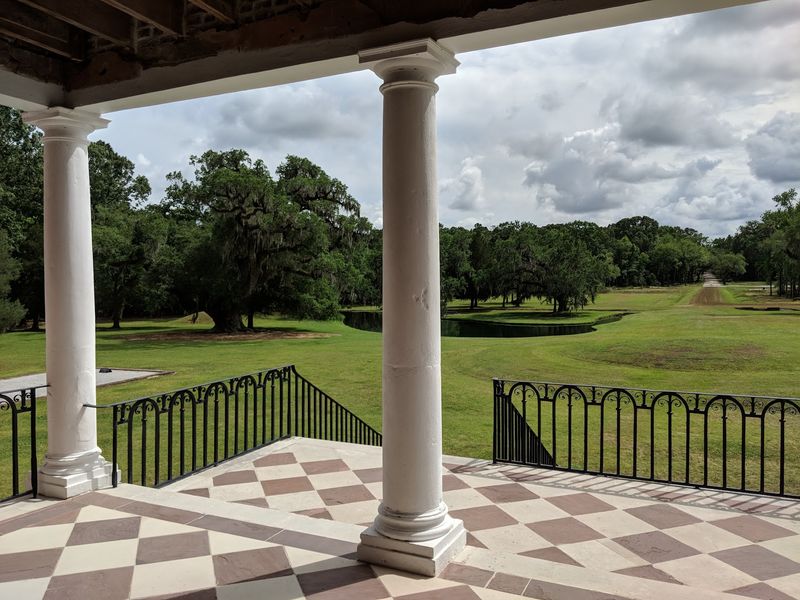
The two-story portico with its grand double staircase gives the building a commanding presence that feels both formal and surprisingly human in scale.
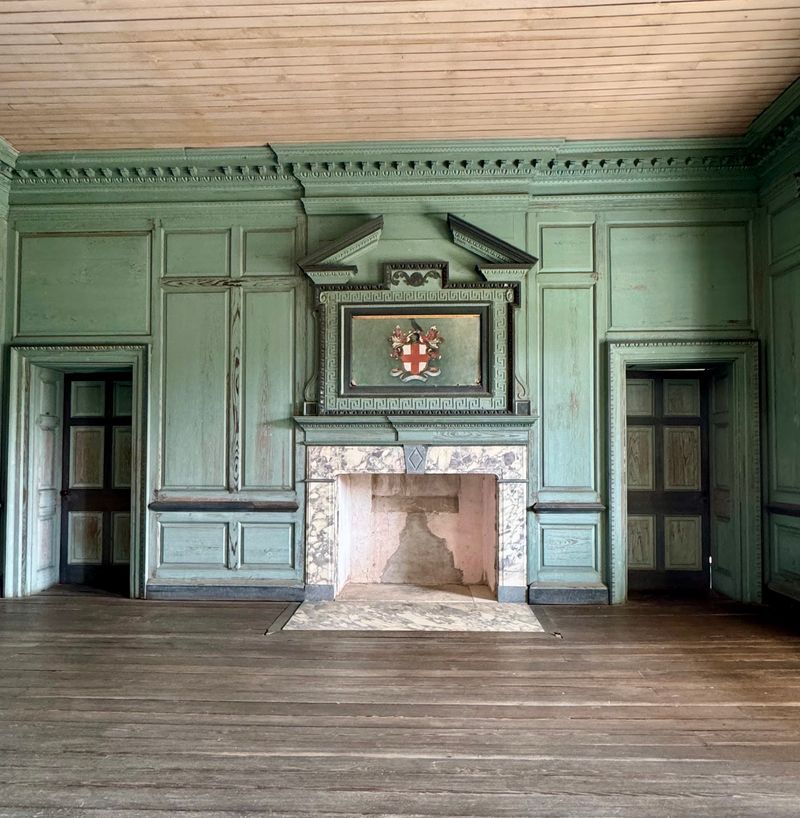
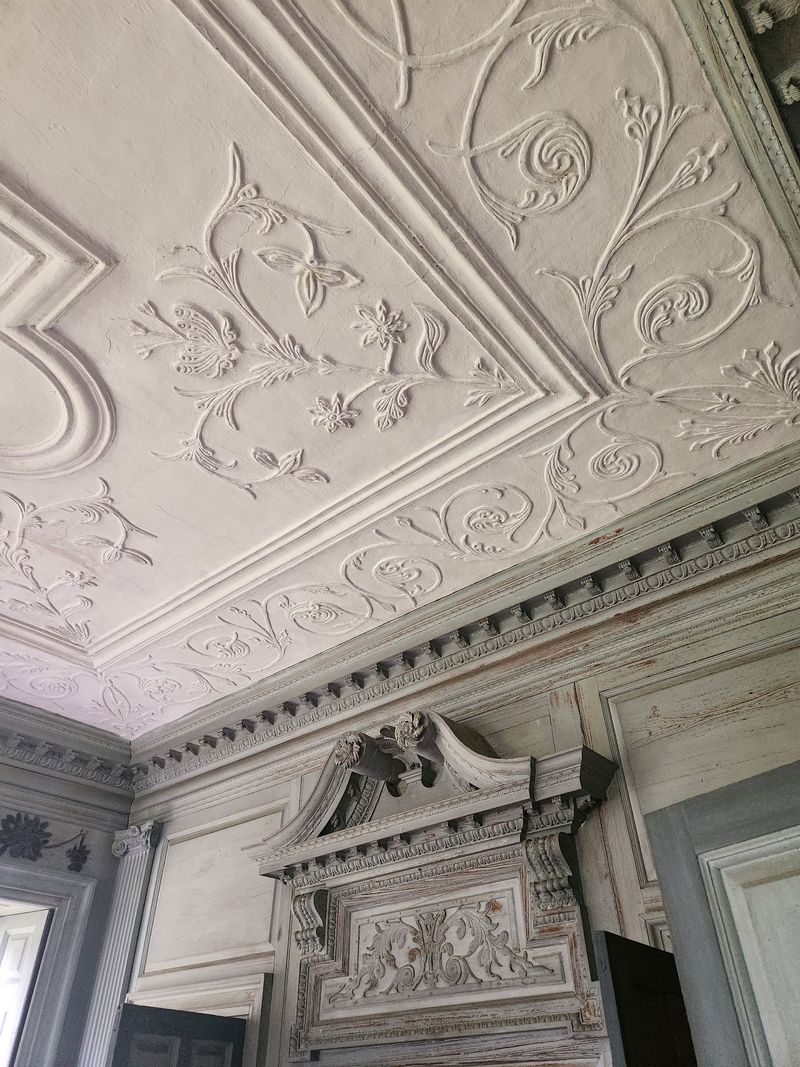
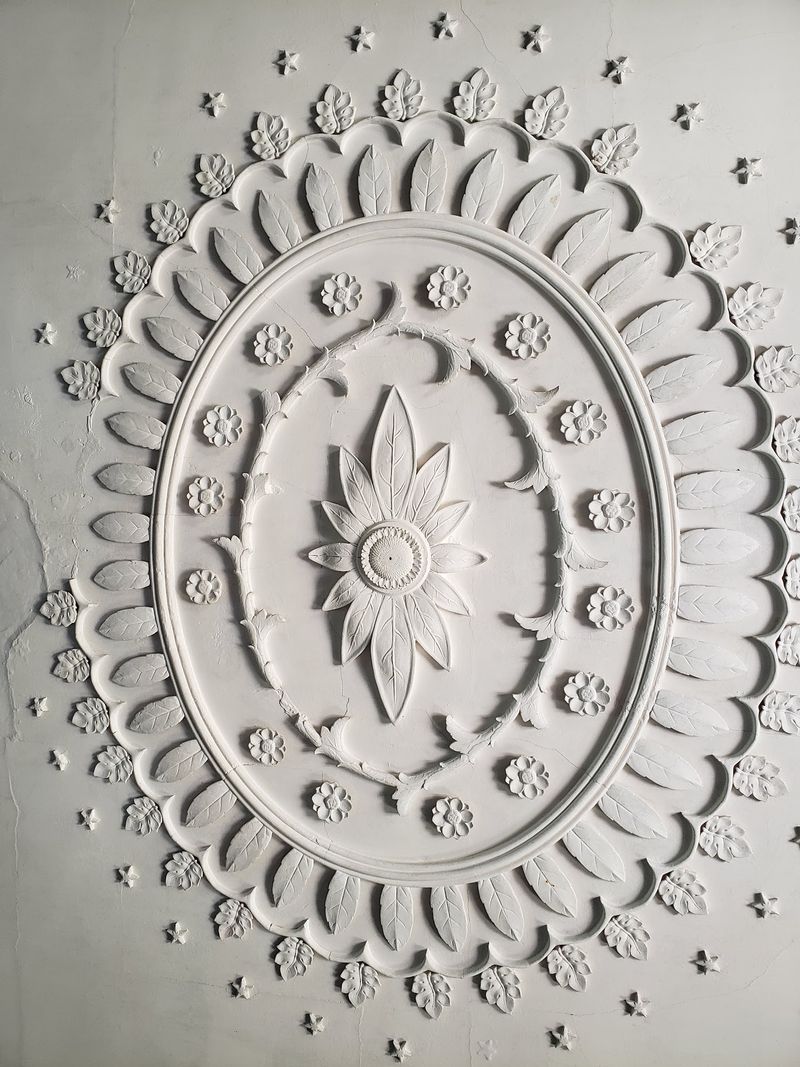
Inside, the craftsmanship reaches another level entirely, with hand-carved plasterwork ceilings, intricate wooden moldings, and finely detailed doorways that were all produced by skilled artisans working in the mid-eighteenth century.
Tour guides point out specific ceiling panels where the original paint layers are still visible beneath centuries of dust and age.
For anyone who appreciates architecture, standing inside Drayton Hall is a little like holding a first-edition book that has never been reprinted.
The House Has Never Been Restored, Only Preserved
Most historic houses visitors tour across the country have been lovingly restored, meaning walls have been repainted, floors have been refinished, and period furniture has been moved in to create a sense of what life once looked like.
Drayton Hall operates on a completely different philosophy, one that I found genuinely refreshing and a little humbling when I first understood it.
The National Trust for Historic Preservation, which has managed the property since 1974, made a deliberate decision to preserve the house in its current state rather than restore it to any particular historical moment.
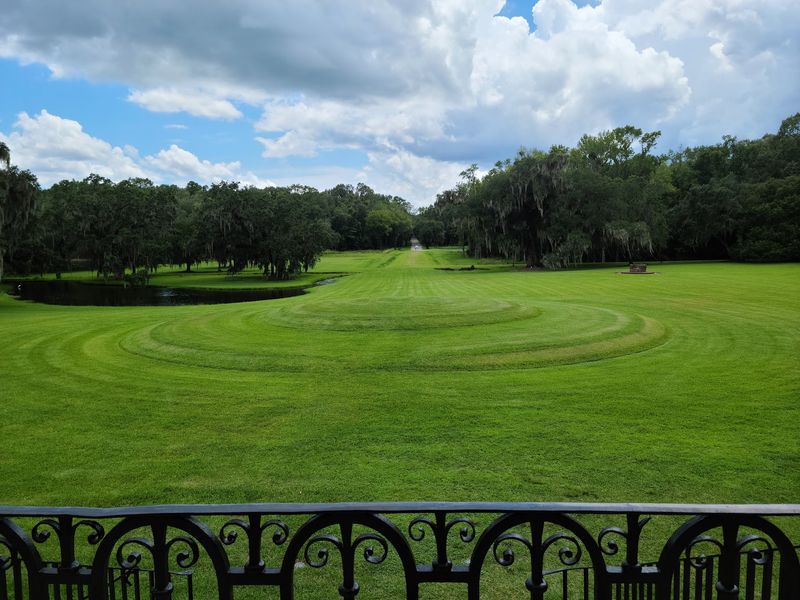
That means the rooms are empty, the walls show their age honestly, and the plaster carries the marks of time without apology.
Archaeologists and conservators continue working on the property to this day, carefully studying what remains rather than covering it up with new materials.
Two archaeologists are actually on staff full time, uncovering artifacts that add new layers of understanding to what life looked like on this land across multiple generations.
John Drayton Built It As A Statement Of Wealth And Power
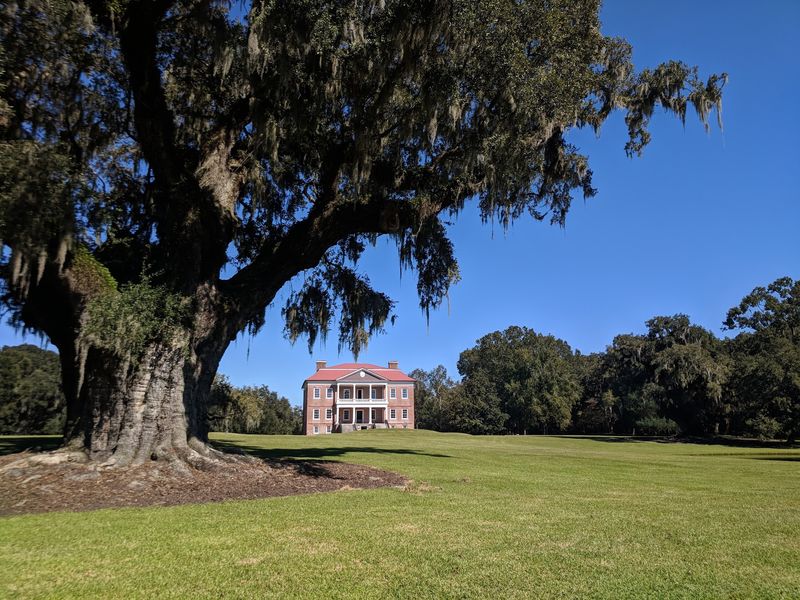
John Drayton was not a man who did things quietly, and the house he built along the Ashley River in 1738 was designed to announce that fact to everyone who passed by on the water.
He was a member of the South Carolina colonial elite, and Drayton Hall was constructed as both a family home and a bold declaration of social standing during a period when rice and indigo plantations were generating enormous fortunes in the region.
The property originally stretched across thousands of acres, supporting an economy built almost entirely on the forced labor of enslaved African Americans.
John Drayton’s personal diary entries, which are preserved in a binder inside the house during tours, offer a striking and sometimes unsettling window into the daily rhythms of plantation life as he recorded them.
Visitors can read his own words about the people he enslaved, the crops being harvested, and the social visits he hosted in rooms that still look much as they did when he wrote those entries.
The African American Cemetery On The Grounds Tells A Crucial Story
One of the most quietly powerful parts of a visit to Drayton Hall is not the mansion itself but the African American cemetery located on the property grounds.
Hundreds of enslaved people and their descendants are buried there, and the site serves as a direct and honest reminder that the grandeur of the house was built entirely on their labor and their lives.
The cemetery is still an active burial ground, with descendants of those enslaved at Drayton Hall continuing to inter family members there to this day, which gives the site a living connection to the past that is rare and deeply moving.
Tour guides at Drayton Hall do not sidestep this history, and the guided tours make a genuine effort to incorporate the perspectives and contributions of the people who were enslaved on the property.
Walking through that section of the grounds, surrounded by ancient live oaks and the sound of the nearby river, I felt the full weight of the history this land carries.
The Grounds Run All The Way To The Ashley River
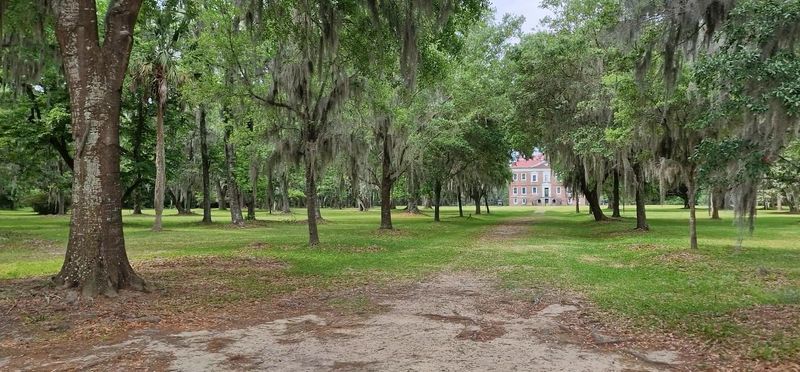
Beyond the mansion itself, the grounds at Drayton Hall stretch out in a way that feels surprisingly peaceful for a place carrying so much complicated history.
Ancient live oak trees draped in Spanish moss line the pathways toward the Ashley River, creating the kind of scenery that makes you want to slow down and simply look around for a while.
The property reaches the river’s edge, where a gentle breeze comes off the water on most days, making the outdoor portion of the visit especially pleasant during the spring and early fall months.
An audio tour is available for self-guided exploration of the grounds, with stops at key locations including the river overlook, the cemetery, and the areas where ongoing archaeological excavations are taking place.
Visitors have also reported spotting alligators on the property, particularly near the water, which adds an unexpected and very South Carolina kind of excitement to an afternoon walk.
Wearing comfortable shoes and bringing water and sunscreen before heading out to explore the grounds is strongly recommended.
Guided Tours Bring The History To Life In A Remarkable Way
Booking the guided tour ticket rather than a self-guided option is something nearly every visitor review agrees on, and after my own experience there, I completely understand why.
The guided tour takes visitors through all three floors of the mansion, with knowledgeable guides who cover both the architectural details and the full human history of the property without glossing over the harder parts.
Tour groups are small enough that you can actually ask questions and get real answers, and the guides move at a comfortable pace that allows time to genuinely absorb what you are looking at.
One guide I spoke with pointed out specific details in the plasterwork that I never would have noticed on my own, explaining how certain decorative choices signaled the family’s wealth and cultural aspirations to guests during the colonial period.
The tour typically runs between one and one and a half hours, making it a satisfying and substantive experience rather than a quick walk-through.
Tours run Wednesday through Monday from 9 AM to 4:30 PM, and the property is closed on Tuesdays.
An Active Archaeological Excavation Is Happening Right On The Property
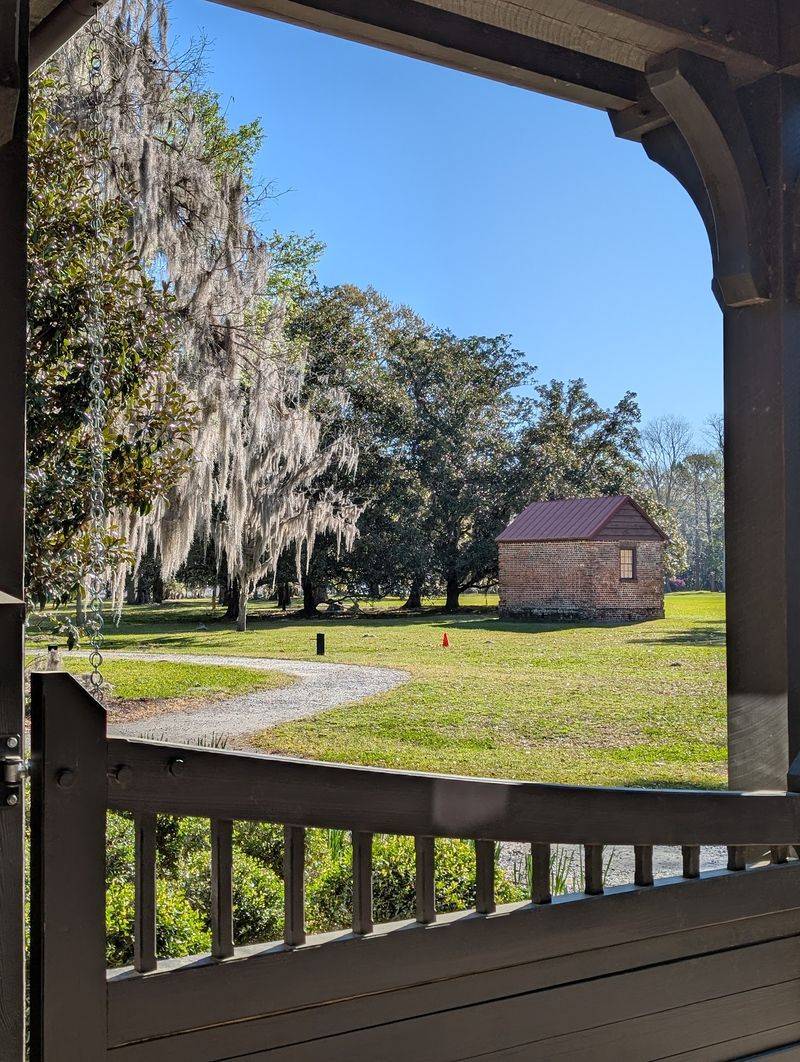
One of the most unexpected and genuinely exciting parts of visiting Drayton Hall is the active archaeological dig happening right on the property, visible to visitors during their time on the grounds.
Two full-time archaeologists work at Drayton Hall, and their ongoing excavations continue to turn up artifacts that reshape the understanding of who lived and worked on this land over the past three centuries.
Recovered items have included ceramics, tools, and personal objects that belonged to enslaved people, helping researchers piece together a more complete picture of daily life beyond what the plantation records document.
Visitors can observe the excavation area and learn about the finds, which adds a layer of real-time discovery to the experience that most historic sites simply cannot offer.
One reviewer did note that wasps tend to gather near the excavation area, so visitors with allergies should come prepared with appropriate medication just in case.
Watching history literally being uncovered from the soil is the kind of thing that sticks with you long after you have driven away from Ashley River Road.
The Property Survived The Civil War Without Being Destroyed
The fact that Drayton Hall is still standing today is not something that can be taken for granted, especially given what happened to most plantation houses in South Carolina during and after the Civil War.
When Union forces moved through the region, the vast majority of plantation houses in the area were burned, looted, or left to collapse, yet Drayton Hall survived largely intact.
One widely shared account suggests the house was spared because a family member claimed it was being used as a smallpox hospital, which reportedly discouraged soldiers from entering and destroying it.
Whether that story is fully accurate or partly legend, the result is the same: a building that has now stood for nearly three hundred years without being demolished or dramatically altered by conflict.
The house also survived a period of significant neglect that lasted roughly one hundred years after the first two generations of the Drayton family passed away, which makes its current state of preservation even more remarkable.
Practical Tips For Planning Your Visit To Drayton Hall
Planning ahead makes a real difference when visiting Drayton Hall, and a few practical details can turn a good trip into a great one.
Admission is $32 for adults, $18 for visitors ages 7 to 15, and free for children 6 and under, with a $3 discount available when booking online through the official website at draytonhall.org.
The property is open Wednesday through Monday from 9 AM to 4:30 PM and is closed on Tuesdays, so checking the schedule before making the drive is worth the extra minute.
Groupon occasionally offers discounted tickets, which some visitors have used to bring the cost down significantly, so checking that option ahead of time is a smart move.
The unpaved driveway and parking area can be rough with potholes, particularly after wet weather, so arriving with that expectation helps avoid frustration.
Calling ahead at +1 843-769-2600 is a good way to ask about special events, community days when admission is free, and any local pricing programs that might apply to your visit.