
This Simple South Carolina Trail Map Quietly Shows Some Of The Worst Tick Hotspots In The State
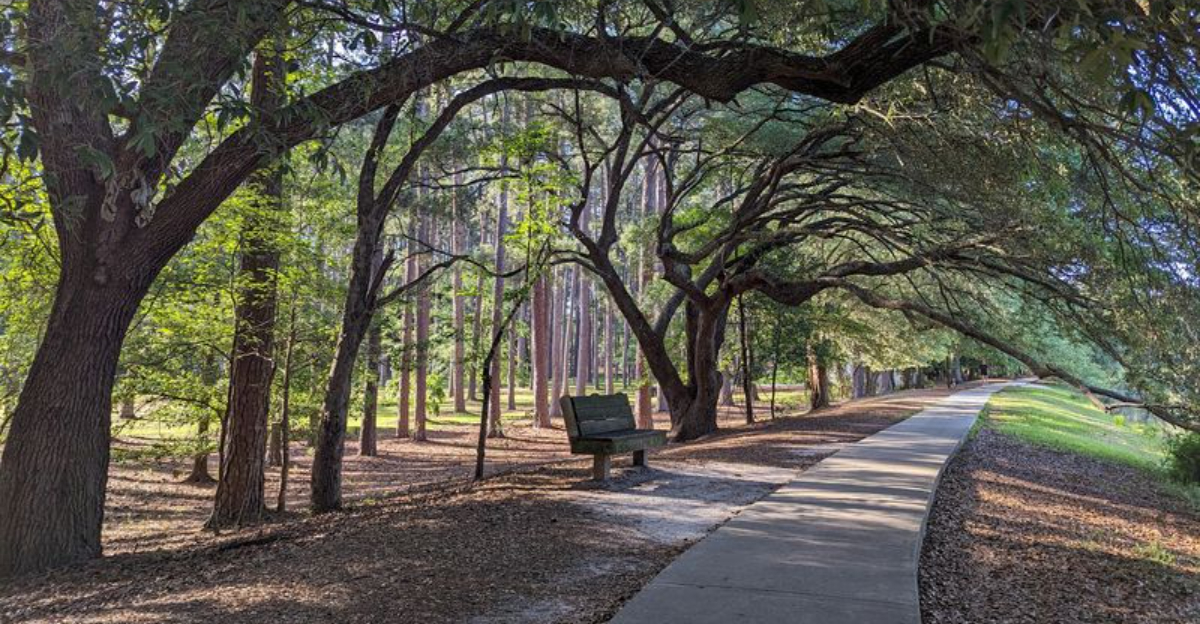
In South Carolina, the prettiest hiking trails sometimes come with passengers nobody invited. The trees offer shade, the grasses sway peacefully, and everything feels calm enough for a postcard.
Meanwhile, ticks are treating the same landscape like an all-inclusive resort.
That contrast is easy to miss.
A simple trail map can reveal much more than directions and mileage. Wooded edges, tall grass, narrow paths, and damp shaded areas create ideal hiding places for these tiny hitchhikers.
Most visitors walk straight past the warning signs, focused on scenery, exercise, or remembering which turn leads back to the parking lot.
The goal is not to make anyone afraid of the outdoors. It is to make every hike smarter.
With the right clothing, repellent, route planning, and post-hike checks, you can enjoy the forest without bringing part of it home on your ankle. These ten facts explain why this beautiful South Carolina trail system ranks among the state’s worst tick hotspots.
The Dense Canopy Creates A Tick Paradise
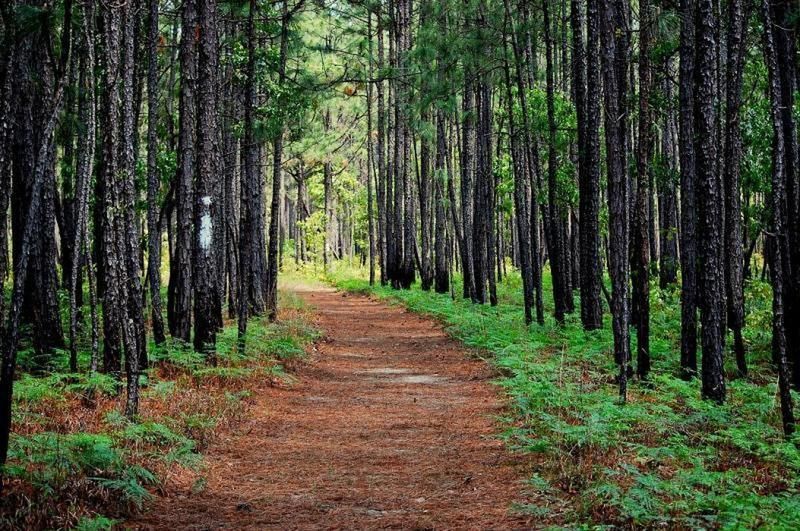
Walking beneath the thick tree canopy at Harbison State Forest feels like stepping into a cool green tunnel, but that shade is doing more than keeping you comfortable on a hot South Carolina afternoon.
Ticks absolutely thrive in humid, shaded environments, and the dense canopy covering most of the 18 miles of trails here creates near-perfect conditions for them to survive year-round.
Unlike open sunny fields where ticks dry out quickly, the covered woodland floor at Harbison stays moist and cool even in summer.
Black-legged ticks, also called deer ticks, are especially common in these conditions and are known carriers of Lyme disease.
Hikers and trail runners who frequent Harbison have noted in reviews that bug repellent is a smart addition to any pack before heading out.
The trail map of Harbison essentially outlines a corridor of shaded woodland that doubles as prime tick territory, which is something every visitor should keep in the back of their mind before stepping onto the path.
Leaf Litter Along Trail Edges Is A Known Tick Hideout
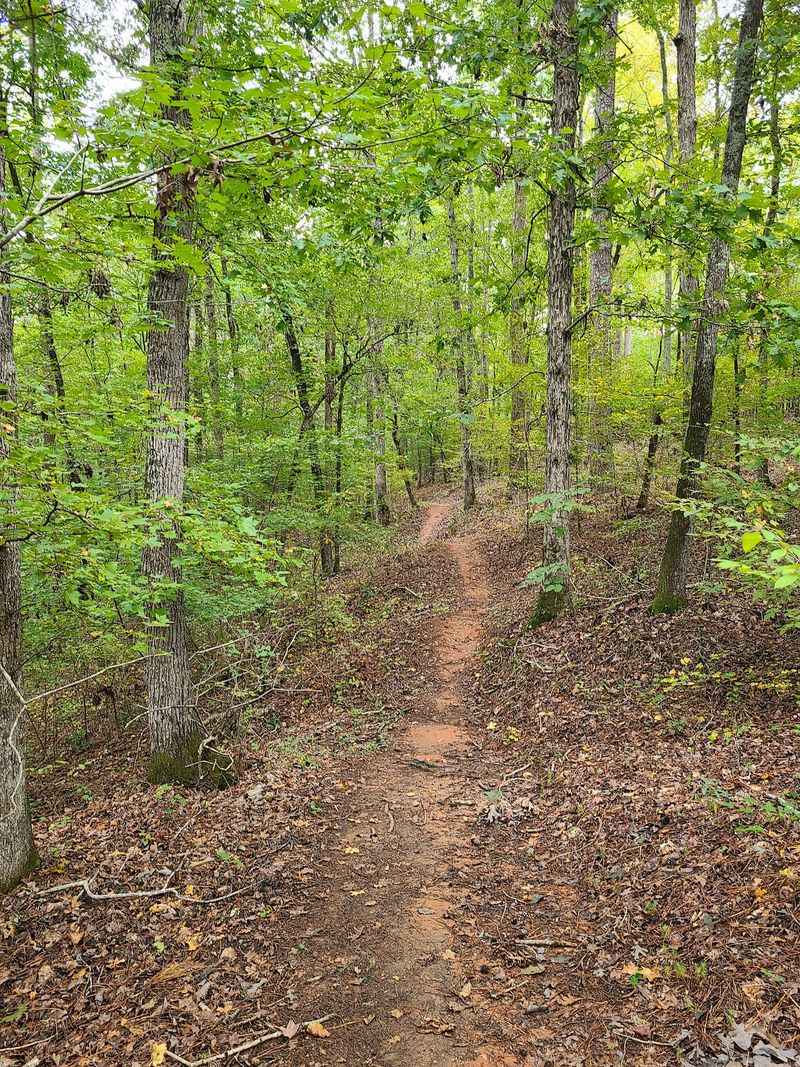
There is something satisfying about the crunch of fallen leaves underfoot on a trail, but that same leaf litter is one of the most well-documented hiding spots for ticks in the entire southeastern United States.
At Harbison State Forest, located at 5600 Broad River Rd, Columbia, SC 29212, the trail edges are lined with thick layers of decomposing leaves, bark, and organic debris.
Ticks do not jump or fly, so they rely on a behavior called questing, where they cling to vegetation and wait for a warm-blooded host to brush past them.
The leaf litter along Harbison trails gives ticks an ideal launching pad, keeping them moist and hidden while they wait.
Staying strictly in the center of the trail, as several long-time visitors recommend, dramatically reduces your chances of picking one up.
That simple habit of walking the middle of the path rather than brushing against the edges could be the most effective tick prevention strategy you use all day.
The Broad River Corridor Adds Extra Moisture To The Mix
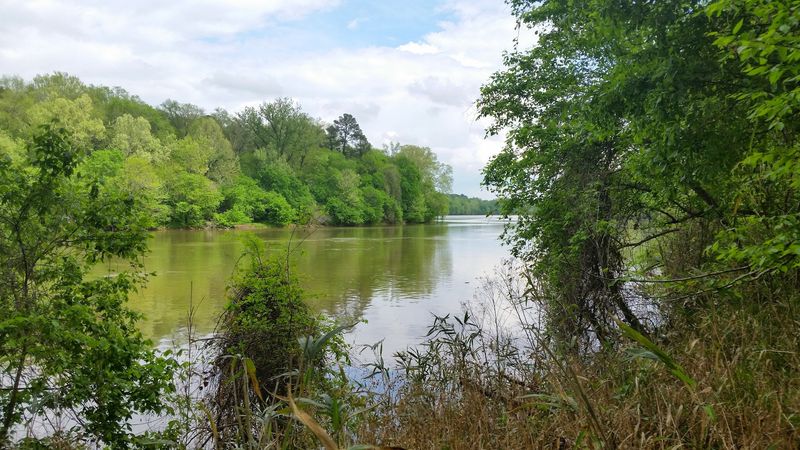
Few things attract ticks more reliably than moisture, and the Broad River running along the edge of Harbison State Forest keeps the surrounding soil and vegetation consistently damp.
Riverside trails and canoe landing areas at Harbison sit in low-lying zones where humidity stays elevated throughout the warmer months, creating a microclimate that ticks find very hospitable.
Reviewers who have hiked toward the river sections, including the rocky outcroppings near Spiderwoman Loop, often mention that the vegetation gets thicker and the trail conditions change noticeably.
Thicker vegetation means more opportunities for ticks to position themselves at the height of a passing hiker’s legs or arms.
Wearing long socks and tucking pants into them might feel a little old-fashioned, but near the river sections of Harbison it is genuinely one of the best physical barriers you can use.
The river is gorgeous and absolutely worth visiting, but going prepared with repellent and protective clothing makes the whole experience far more enjoyable.
Warm South Carolina Summers Keep Tick Season Running Long
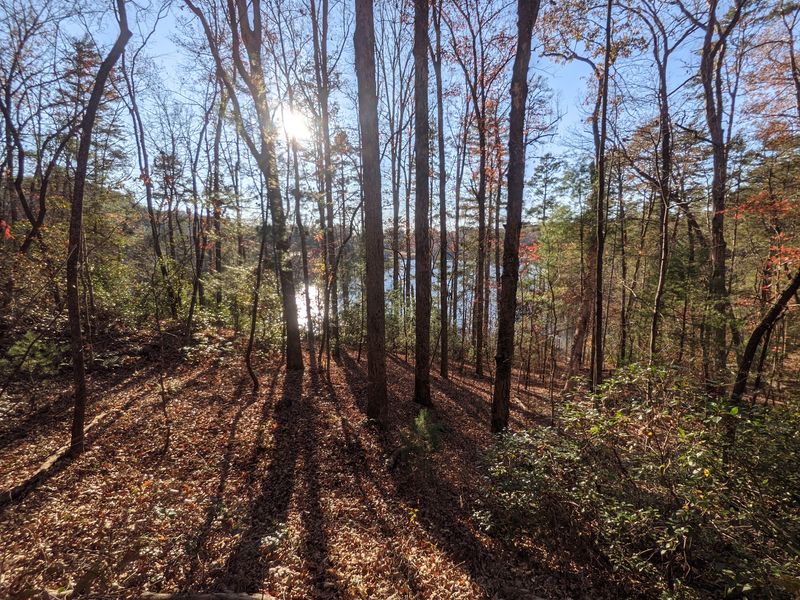
South Carolina does not get the long, freezing winters that kill off tick populations in northern states, and that fact has real consequences for outdoor visitors at Harbison State Forest.
Tick season in South Carolina can run from early spring all the way through late fall, and in mild winters some species remain active even in December and January.
The Lone Star tick, which is extremely common in the Midlands region of South Carolina, is aggressive and active across a very wide temperature range compared to other species.
Visitors who head to Harbison for summer hikes, trail runs, or mountain biking sessions are often in peak tick season without fully realizing it.
One long-time Harbison regular mentioned in a review that DEET spray and staying on the trail are their two non-negotiable habits during warmer months.
Treating clothing with permethrin before a visit is another layer of protection that public health experts recommend specifically for high-activity forest environments like Harbison.
High Grass Near Picnic Areas Presents A Sneaky Risk
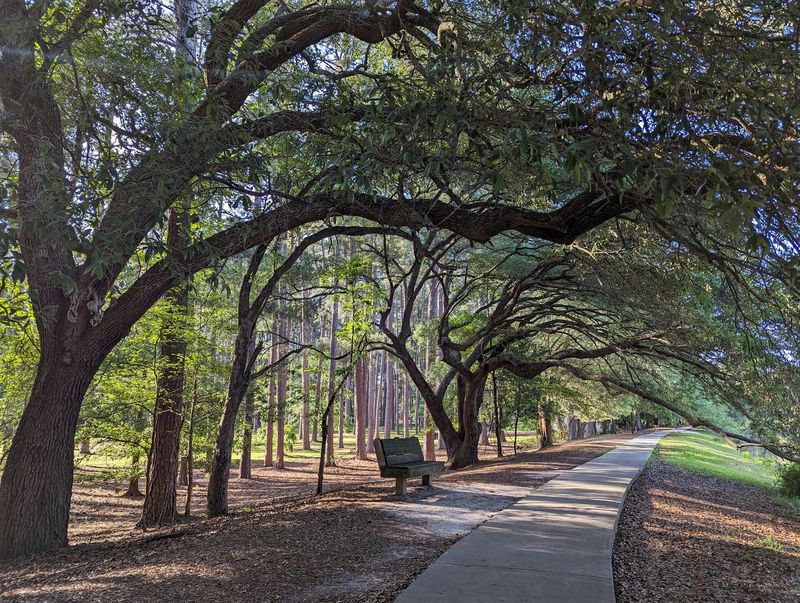
Most people think about ticks when they are deep in the woods, but the picnic shelters and open grassy areas at Harbison State Forest carry their own quiet risk that often goes overlooked.
Ticks do not limit themselves to remote trail sections, and the transition zones between mowed grass and taller surrounding vegetation are actually among the most tick-dense areas in any forest park.
Families who spread out a blanket near the picnic areas at Harbison should check the surrounding grass height and consider placing their blanket away from the edge where lawn meets woodland.
Children who wander off to explore nearby shrubs or tall plants are especially vulnerable since they are closer to the ground and less likely to notice a tick crawling on them.
Doing a thorough tick check immediately after leaving the picnic area, focusing on the back of knees, behind ears, and the scalp, is a fast and practical habit to build.
A few minutes of checking saves a lot of worry later in the week.
Multi-Use Trails Mean More Ground-Level Contact Points
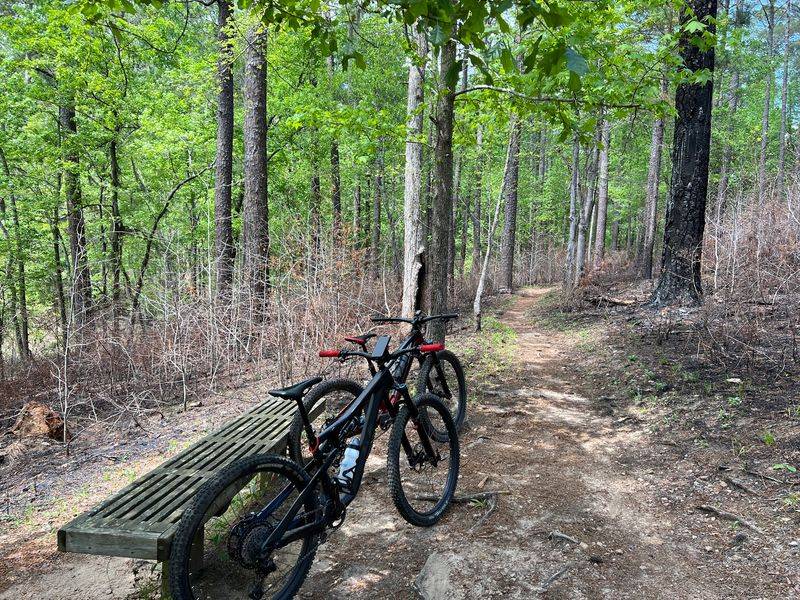
Harbison State Forest is famous for its multi-use trail system, where hikers, trail runners, and mountain bikers all share the same narrow single-track paths through the forest.
That shared use creates a situation where vegetation along trail edges gets disturbed frequently, which actually increases the likelihood of ticks being dislodged onto clothing or skin as people brush past plants.
Mountain bikers moving quickly through the forest can knock ticks loose from branches and tall grass, sending them airborne for a brief moment before they land on a passing hiker or runner.
The trail system at Harbison is genuinely well-maintained, as dozens of reviewers confirm, but even well-kept trails in a dense South Carolina forest carry inherent tick exposure risks.
Wearing light-colored clothing is one of the smartest moves you can make on any Harbison trail, since ticks show up far more visibly on white or tan fabric than on dark colors.
Spotting a tick on your shirt during a trail break is always better than finding one attached hours after you get home.
Deer Populations In The Forest Drive Tick Numbers Up
Deer are one of the primary hosts for adult black-legged ticks, and where deer populations are healthy and active, tick numbers tend to follow right along.
Harbison State Forest sits within a large green corridor in the Columbia metro area, and the protected woodland provides ideal cover and food sources for white-tailed deer throughout the year.
Several Harbison visitors have mentioned spotting deer during their hikes, which is a wonderful wildlife experience but also a useful reminder that the forest supports a robust deer population.
Adult female ticks feed on deer to complete their reproductive cycle, and after feeding they drop off into the leaf litter to lay thousands of eggs, replenishing the local tick population season after season.
This cycle plays out continuously in forests like Harbison where deer move freely through the same corridors that hikers use.
Understanding that connection between deer sightings and tick density helps visitors make smarter decisions about where they stop to rest and how carefully they check themselves after a trail visit.
Spider Web Trails Hint At The Forest’s Biological Activity
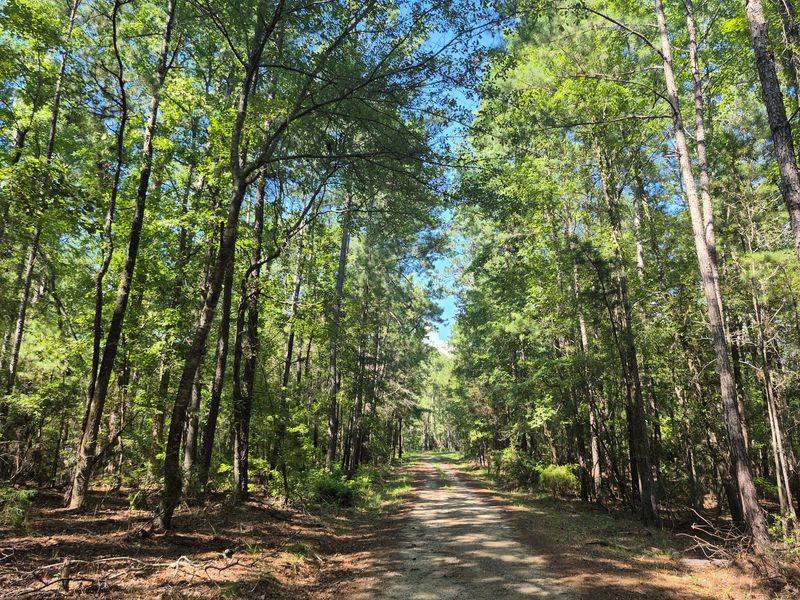
One long-time Harbison visitor famously described carrying a hiking pole like a sword to clear spider webs from the trail during warmer months, and that vivid image tells you a lot about how biologically active this forest really is.
Spider webs appearing frequently across trail paths are a signal that the ecosystem at Harbison is rich with insect and arthropod life, which includes tick populations that thrive in the same conditions.
The Spiderwoman Loop trail, one of the more popular and moderately challenging routes at Harbison, gets its name from the sheer density of spider activity in that section of the forest.
Biologically dense forest zones tend to support higher tick populations because the leaf litter, moisture, and wildlife activity all converge in one area.
Checking your clothing and skin at trail junctions rather than waiting until you return to the parking lot gives you a chance to catch any hitchhikers before they find a good spot to attach.
Staying alert and doing mid-hike checks turns tick awareness into a simple, manageable habit rather than a source of anxiety.
The Firebreak Trail Runs Through Prime Tick Habitat Zones
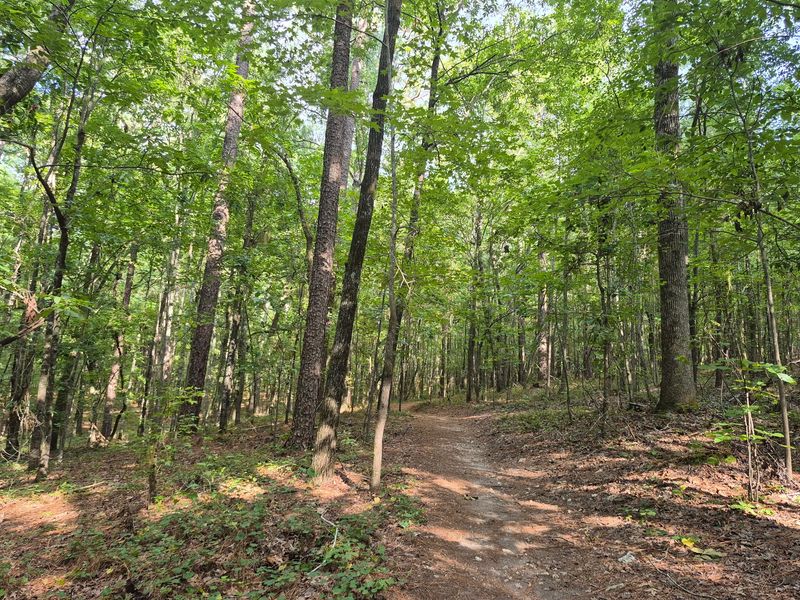
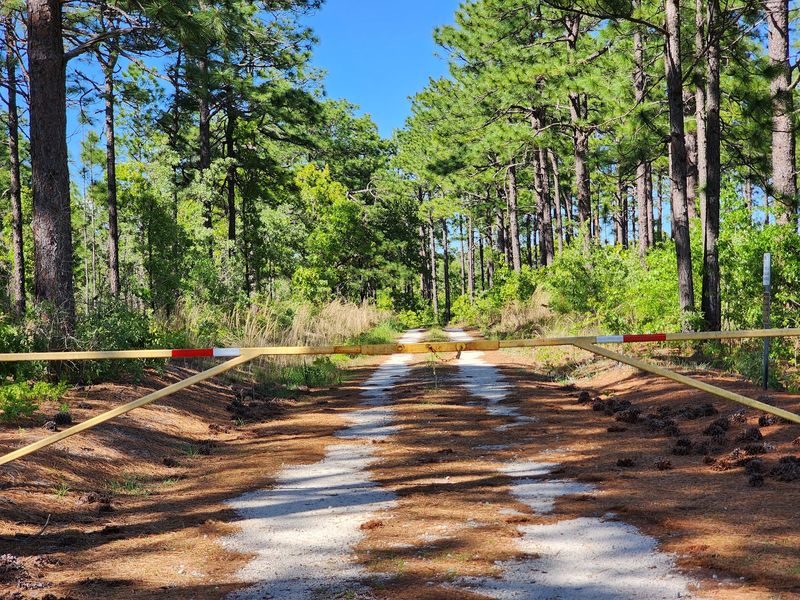
The Firebreak Trail is often recommended to first-time visitors at Harbison because it is mostly flat, well-shaded, and not too technically demanding, making it a great starting point for beginners.
What those trail recommendations sometimes leave out is that the firebreak corridor itself runs directly through some of the most tick-friendly habitat in the entire forest, with dense vegetation pressing in on both sides of the path.
Firebreak trails are intentionally cleared to prevent fire spread, which means the edges where cleared ground meets thick forest create exactly the kind of transition zone that ticks prefer for questing.
Transition zones between open ground and dense vegetation are consistently identified by tick researchers as the highest-risk areas in any woodland environment.
Visitors who walk the Firebreak Trail and stay strictly in the center of the path reduce their exposure significantly, but the trail is wide enough that it is easy to drift toward the edges without thinking about it.
Keeping that awareness front of mind on the Firebreak Trail turns a relaxing walk into a smart and safe one.
Post-Hike Tick Checks Are Non-Negotiable At Harbison
Every single piece of advice from experienced Harbison visitors, public health professionals, and outdoor recreation experts points to the same conclusion: what you do after the hike matters just as much as what you do during it.
Ticks can crawl on your body for several hours before finding a spot to attach, which means a thorough check immediately after leaving the trail can interrupt that process before any harm is done.
The parking lot at Harbison, accessible from 5600 Broad River Rd, Columbia, SC 29212, is the perfect place to do a quick clothing inspection before getting into your car.
Running clothes through a dryer on high heat for at least ten minutes after a forest visit kills any ticks that survived the ride home, which is a step many people skip but should not.
Showering within two hours of returning from a forested area is another recommendation from the Centers for Disease Control and Prevention for reducing tick-borne illness risk.
Harbison is a genuinely beautiful and rewarding place to spend time outdoors, and a solid post-hike routine keeps it that way for every visit you make.