
Pennsylvania’s Oldest Small Town Has Not Changed In Decades
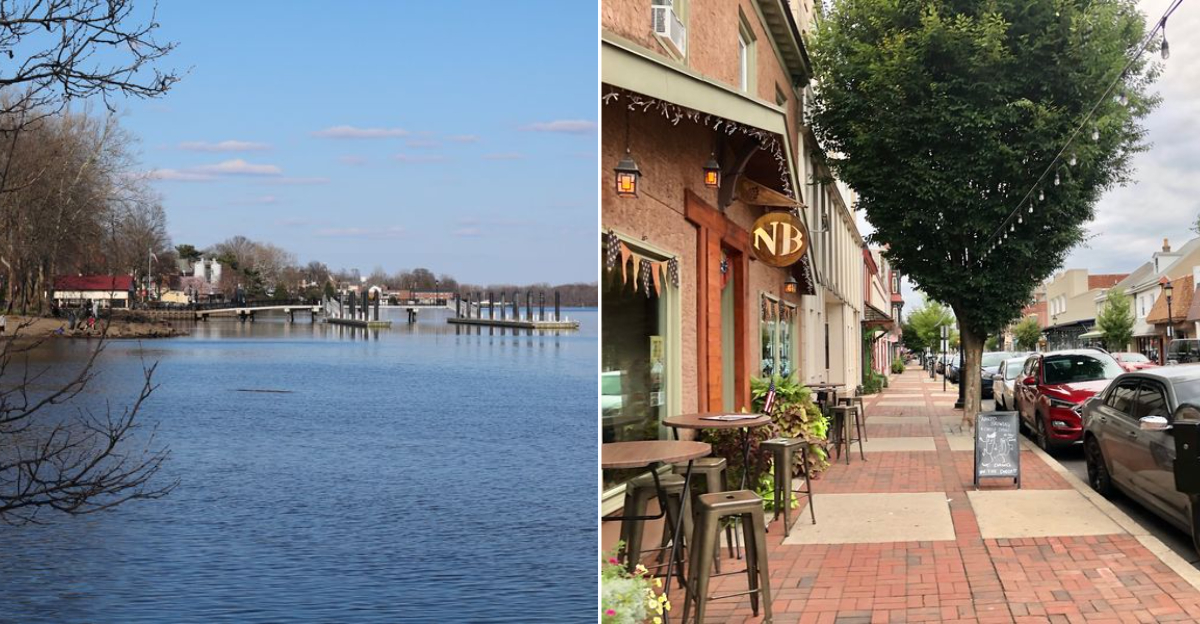
Some small towns do not need reinvention to stay interesting.
Pennsylvania has places where the past still feels close, not polished into a theme, but simply left to breathe in the streets, storefronts, and everyday rhythm.
That kind of steadiness is rare now. While other towns chase constant change, an old borough that still feels familiar after decades can be its own kind of attraction.
It gives visitors the feeling of stepping into a slower chapter without losing the pulse of real life. The charm is not loud. It is in the details that refuse to rush.
A walk through a town like this can make the present feel a little less frantic, and by the time the visit ends, the modern world usually feels like the thing that moved too fast.
Bristol Borough Was Founded In The Late 1600s
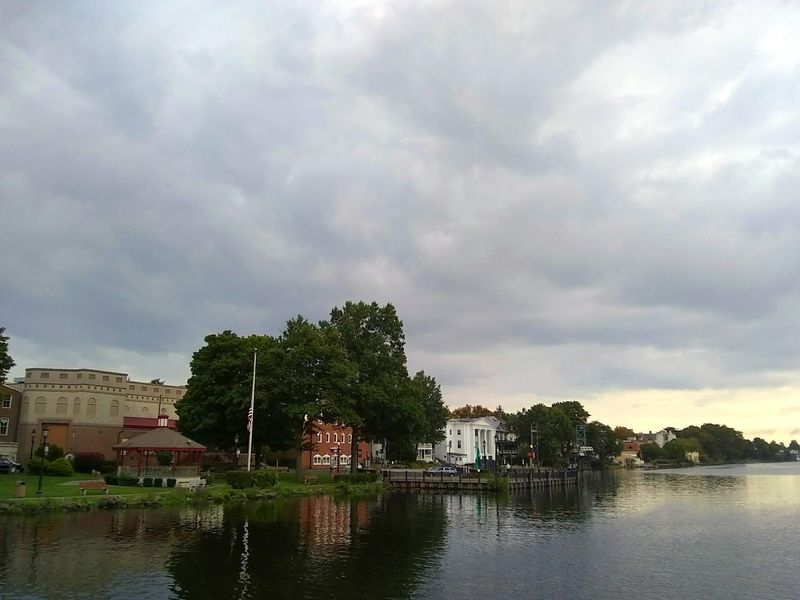
Few towns in Pennsylvania carry a founding story as old as Bristol Borough’s.
Settled in 1681, it was formally laid out as a market town in 1697 and incorporated as a borough in 1720, making it one of the oldest borough communities in the entire state.
That kind of longevity is not just a number on a plaque. It means the streets, the lot lines, and even some surviving buildings predate the United States itself.
Early residents promoted Bristol as a possible capital for Pennsylvania, although Philadelphia ultimately became the provincial capital.
Walking through the borough today, that early ambition still shows in the scale and placement of its historic structures.
The past is not hidden behind every renovation here. It remains clearly visible on the surface today, quietly proud of every year the community has survived.
The Delaware River Has Always Defined This Town
Long before roads connected Pennsylvania’s towns, rivers did the work.
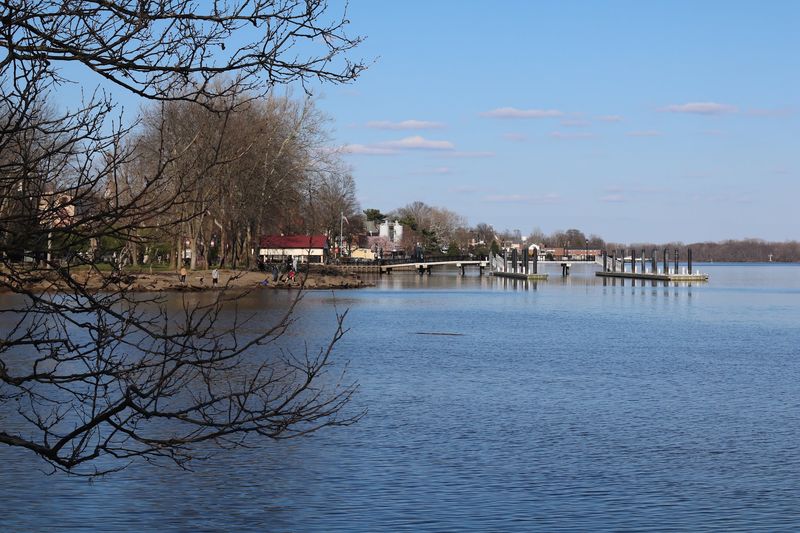
Bristol Borough sits directly along the Delaware River, and that waterfront location shaped everything about how the community grew, traded, and survived through the centuries.
The river brought merchants, ferries, and shipbuilders to Bristol’s shores during the colonial period.
At one point, Bristol was a busy port town, exporting goods and welcoming travelers crossing between Pennsylvania and New Jersey.
Today the waterfront has a quieter energy, but it still draws people who want to sit near the water and feel the town’s old rhythm.
The riverfront park area gives a clear view across to New Jersey, and on a calm day, the reflection of the tree line on the water looks almost unchanged from what early settlers would have seen.
The river has always been Bristol’s most honest mirror.
Historic Architecture Lines Nearly Every Street
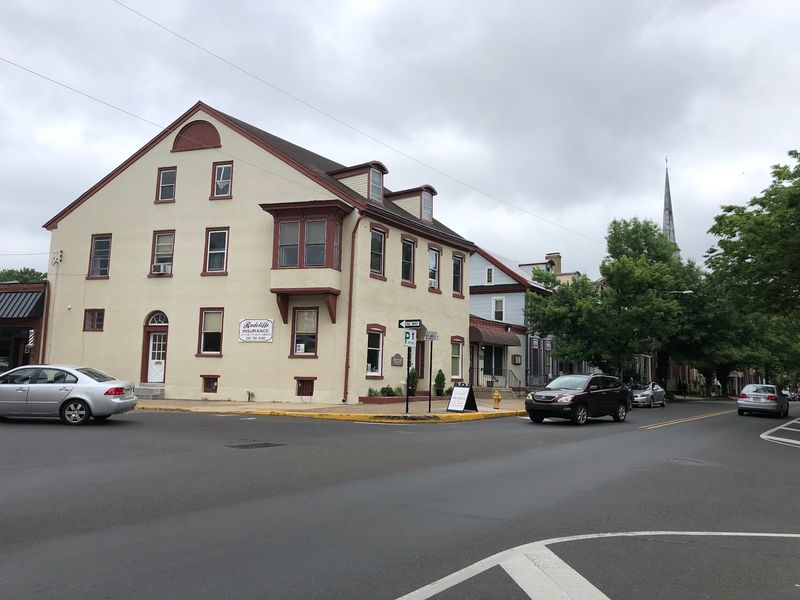
One of the first things you notice in Bristol Borough is how much historic architecture remains.
Federal, Victorian, Colonial Revival, and vernacular buildings stand along streets within four National Register historic districts, with examples dating from the 18th through the 20th centuries.
Bristol has experienced demolition, industrial decline, restoration, redevelopment, and new construction, so it is misleading to suggest that the borough escaped change altogether.
Its preservation story is instead about retaining substantial historic fabric while adapting buildings for current use. Many structures stayed, aged, and became part of the everyday landscape.
The detail work on these properties is worth slowing down to appreciate. Decorative cornices, traditional window proportions, brickwork, stone, slate, and other materials remain visible across the districts.
It is a streetscape shaped by genuine history, continued investment, and deliberate preservation rather than one frozen unchanged for tourism.
250 Pond Street Sits At The Heart Of Civic Life
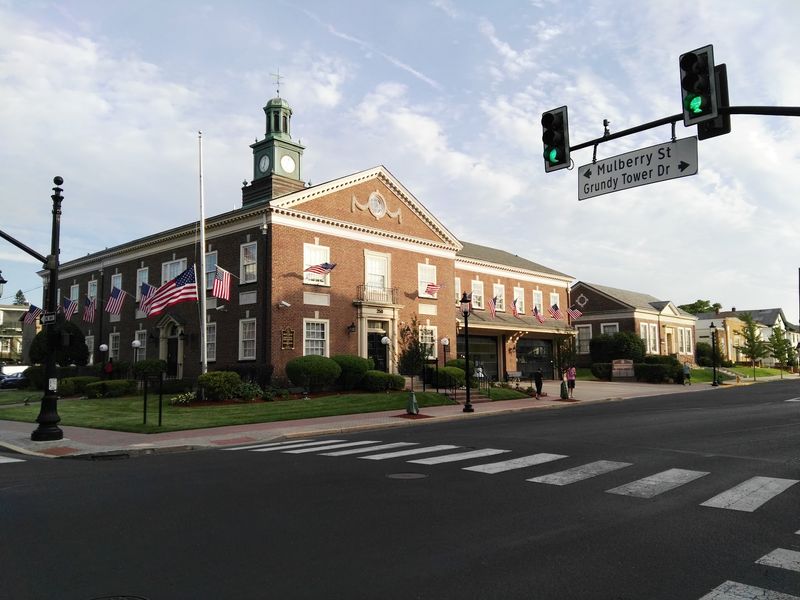
The address 250 Pond Street places you right in the middle of Bristol Borough’s civic fabric.
Pond Street itself is one of those roads that connects the residential character of the neighborhood with the town’s broader sense of community identity.
Bristol Borough’s municipal functions are organized around this area, and the surrounding blocks reflect the kind of small-town infrastructure that has remained largely consistent for generations.
There are no towering office buildings here, no corporate campuses, just the steady presence of a community managing itself on a human scale.
That sense of proportion is part of what makes Bristol feel different from larger Pennsylvania municipalities.
Everything is reachable on foot, decisions feel local, and the civic presence on Pond Street reinforces the idea that this borough still operates the way small Pennsylvania towns were originally designed to operate. Functional, familiar, and unhurried.
The Canal History Here Runs Surprisingly Deep
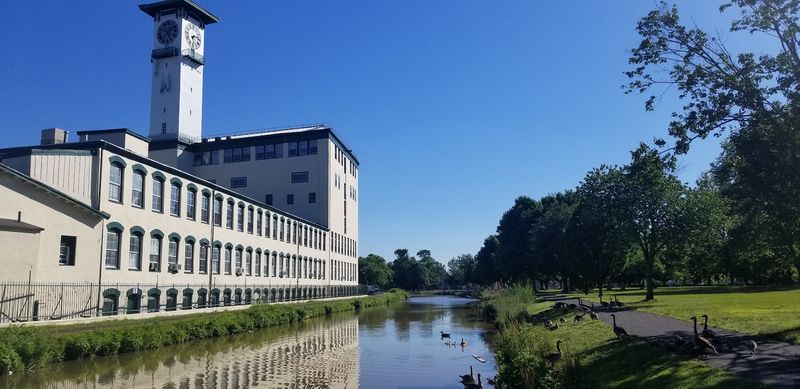
Bristol Borough sits at the southern end of the Delaware Canal, a National Historic Landmark extending nearly 60 miles through Pennsylvania.
Built between 1827 and 1832, the canal carried anthracite coal from Easton toward markets in Philadelphia and beyond.
During nearly a century of commercial operation, mule-drawn boats moved slowly along the towpath, and Bristol’s historic Lock 1, basin, and tidal lock connected the canal directly with the Delaware River.
That made the borough an important transfer point for coal and other goods moving through eastern Pennsylvania.
The canal survives today as a state park, but the former Bristol basin and lock structures were filled or removed after commercial operations ended in 1931.
Interpretive markers near Bristol Marsh and Waterfront Park identify the historic terminus and help visitors picture the noise and movement that once defined this now-peaceful corridor.
History has a way of staying loud in quiet places.
The Town’s Grid Layout Has Barely Changed Since The 1700s
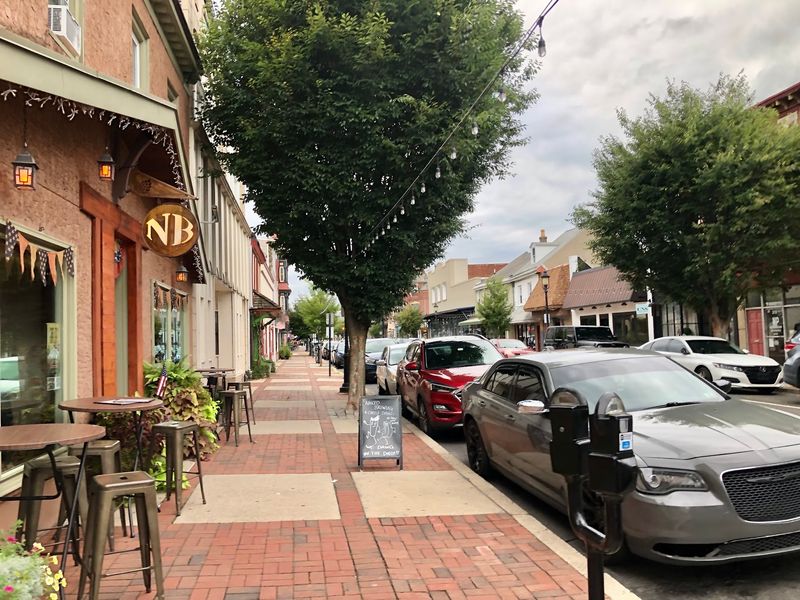
Urban planners rarely get credit for their patience, but the person who laid out Bristol Borough’s streets in the late 17th century clearly thought ahead.
The grid pattern established during the town’s earliest years remains almost entirely intact today, which is genuinely rare for a Pennsylvania community of this age.
Most colonial-era towns in the region saw their original layouts disrupted by highway construction, industrial expansion, or postwar development.
Bristol avoided much of that disruption, and the result is a street plan that still reflects the scale of pedestrian life rather than car traffic.
Walking the grid today, you get a sense of how a town was meant to work before the automobile changed everything.
Blocks are short, corners are frequent, and the whole layout encourages slowing down. It is the kind of urban design that modern planners are now trying to recreate, and Bristol has had it for over three hundred years.
Local Legends And Folklore Keep The Past Alive
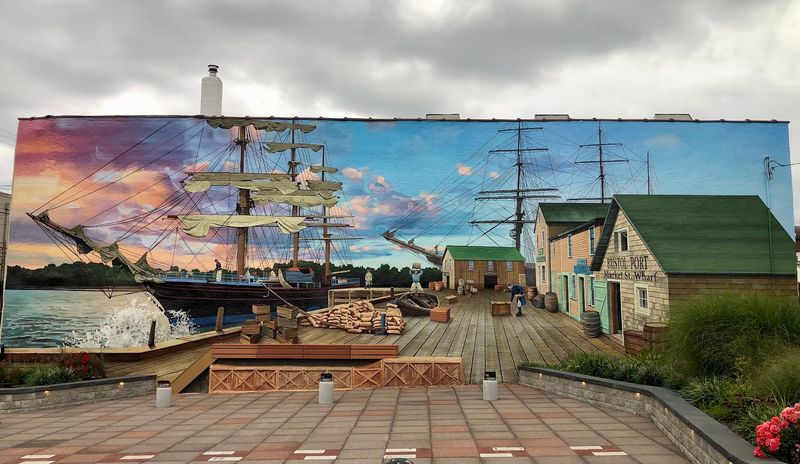
Every old town collects stories, and Bristol Borough has gathered more than its share over three centuries.
Local lore includes tales of Revolutionary War activity, colonial-era tavern life, and the kind of passed-down neighborhood stories that never quite make it into official history books.
One persistent piece of Bristol folklore involves the town’s role as a stopping point for travelers crossing the Delaware.
The ferry crossing here predates the famous crossing associated with George Washington, and Bristol’s own connection to that period of Pennsylvania history is well documented in local historical society records.
These stories matter because they give residents and curious visitors a way to connect personally with the past.
History taught through a good story lands differently than history taught through a textbook.
Bristol Borough seems to understand that, and the community has worked to keep those narratives circulating through local events and preservation efforts.
The Neighborhood Scale Has Stayed Remarkably Human
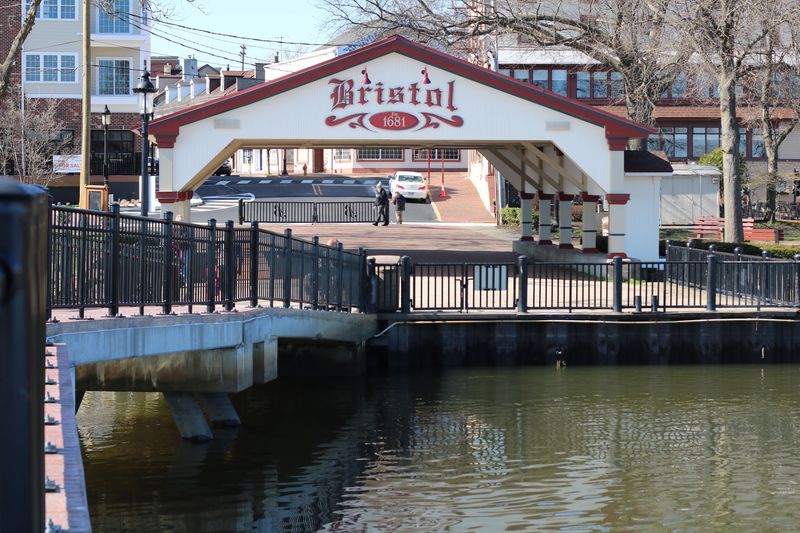
There is something almost stubborn about the way Bristol Borough has resisted oversized development.
While neighboring communities in Pennsylvania grew outward with strip malls and subdivisions, Bristol stayed compact.
The result is a borough that still feels scaled to people rather than cars. The residential streets near Pond Street are lined with attached row homes and modest single-family houses that reflect decades of working-class Pennsylvania life.
Front porches face the sidewalk, yards are small, and neighbors are close enough to actually know each other. That social geography matters more than people often realize.
In an era when small towns across the country are struggling to maintain a sense of identity, Bristol Borough’s density works in its favor.
Everything is nearby, the community is concentrated, and the physical layout encourages the kind of casual daily interaction that builds real neighborhood character over time. Compact can be a strength.
Bristol Has A Long Relationship With American Industry
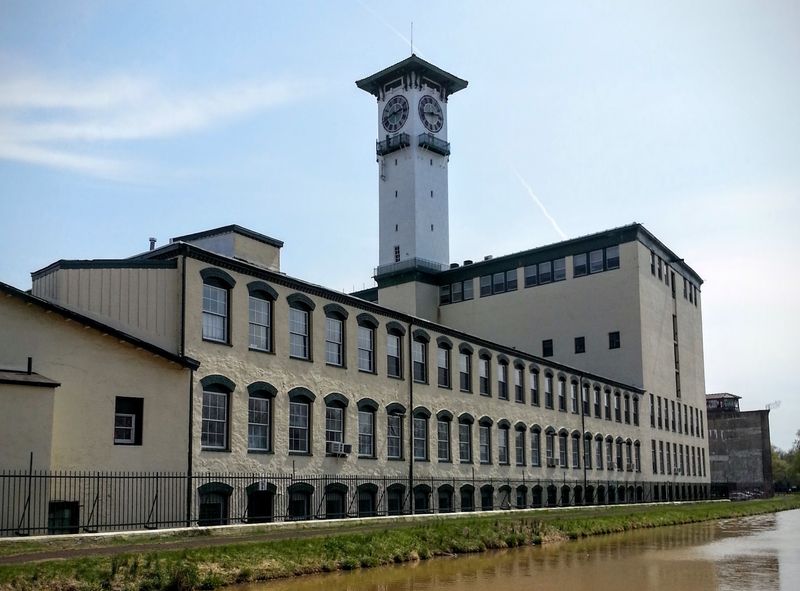
Before Pennsylvania became known for its universities and medical systems, it was an industrial powerhouse, and Bristol Borough played a real role in that story.
The town’s riverfront position made it attractive to manufacturers throughout the 18th and 19th centuries, and several significant industries operated here over the decades.
Shipbuilding was an early industry, taking advantage of the deep river access.
Later, rubber manufacturing became a major employer in Bristol, with plants that brought hundreds of workers into the borough and shaped its social character for generations.
The Grundy family, prominent in Bristol’s industrial history, left a lasting mark on the town’s institutions and civic infrastructure.
That industrial legacy is still visible in the form of old mill buildings, repurposed warehouses, and the general layout of the waterfront district.
Pennsylvania’s industrial past is often overlooked in favor of its colonial story, but Bristol Borough holds both threads at once, and neither one pulls harder than the other.
Preservation Efforts Have Kept the Character Intact
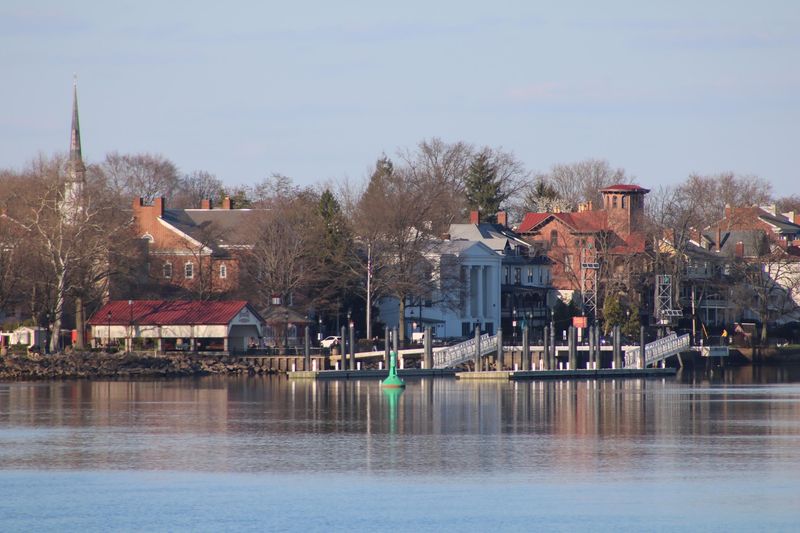
Not every old town in Pennsylvania has managed to retain so much of its historic character.
Bristol Borough has, in large part because of preservation work by local organizations, historical societies, property owners, residents, and municipal officials.
Bristol has four historic districts listed on the National Register of Historic Places. That designation recognizes their significance, but National Register listing alone does not prevent a private owner from altering or demolishing property.
Local oversight comes through the borough’s Historical Architectural Review Board and preservation ordinance.
Preservation is not just about keeping old buildings standing. It is about maintaining the visual and cultural continuity that gives a place its identity.
Within the regulated districts, proposed exterior alterations, additions, new construction, demolition, and signs are reviewed, with Borough Council issuing Certificates of Appropriateness.
This process allows the past and present to coexist while still accommodating necessary repairs, thoughtful investment, and change. That balance requires continuing local work.