
This Six-Acre Washington Nursery Preserves Japanese Pines Planted Generations Ago
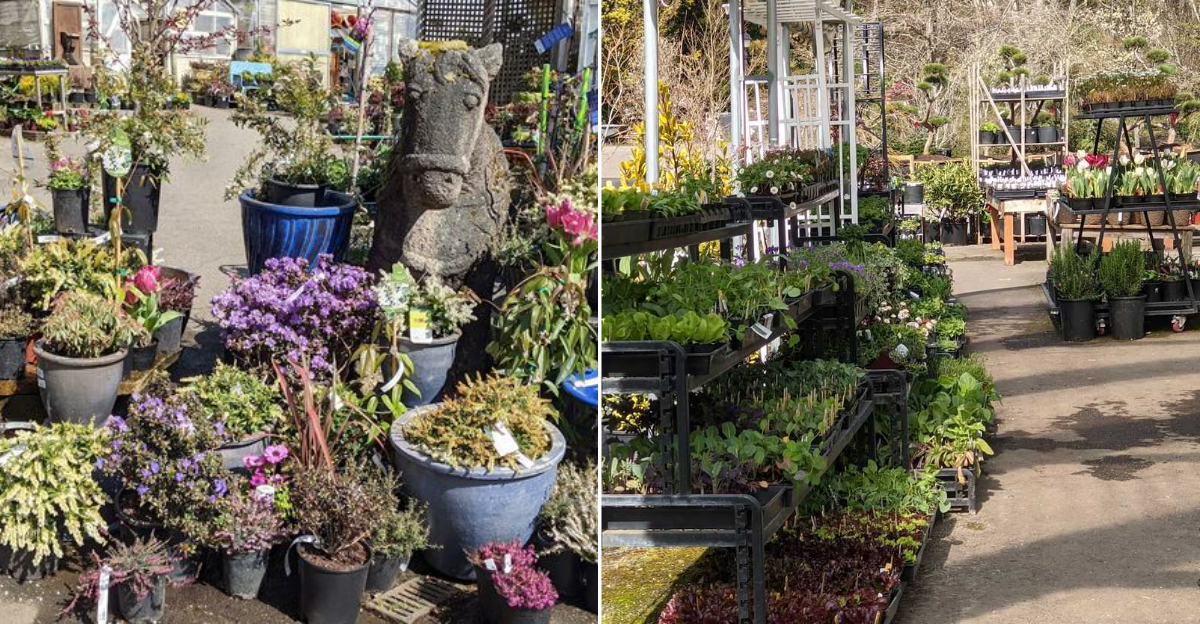
I have a confession to make. I talk to my houseplants, and yes, they usually ignore me. But my leafy green conversations reached a whole new level when I recently visited an incredible six-acre haven in Washington.
Imagine wandering through groves of majestic Japanese pines, their twisted, graceful branches having weathered storms and seasons planted by hands from generations past. This place isn’t just a garden center, it’s a living, breathing time capsule of botanical art.
As soon as I breathed in that crisp, earthy air, I knew I had stumbled upon something truly special. What makes this place truly special is not just the wide variety of plants you can browse and buy, but the living history standing tall in the form of aged Japanese red pine trees that have watched over this land for more than a century.
Reading on, you will discover the full story of this extraordinary nursery, the family that built it, the hardships they overcame, and what makes a visit here feel like stepping into a place where time and nature have reached a quiet agreement.
The Founding Vision Of Zenhichi Harui
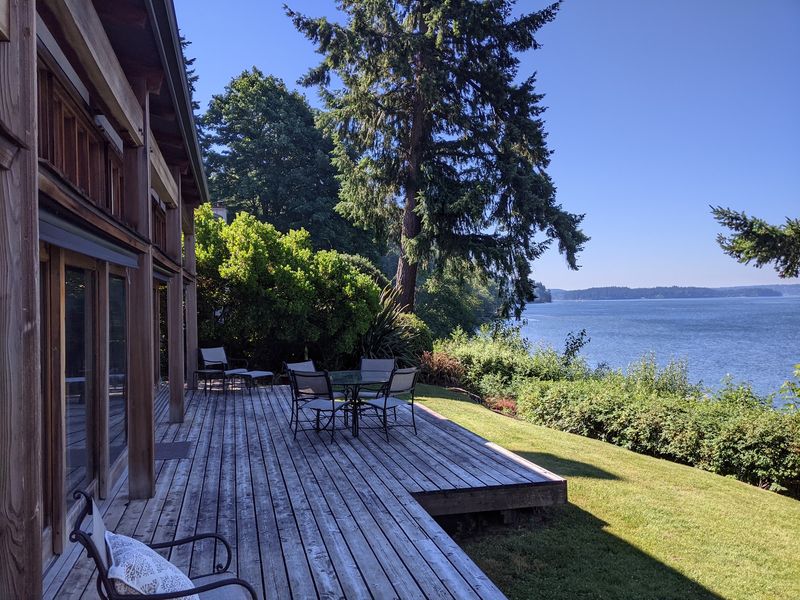
Back in 1908, a young Japanese immigrant named Zenhichi Harui arrived on Bainbridge Island with something most people overlook when they think about starting a new life: seeds.
He brought Japanese red pine seeds all the way from Japan and pressed them into the rich Pacific Northwest soil, planting the literal and figurative roots of what would become Bainbridge Gardens.
Zenhichi did not set out to build a tourist destination or a famous nursery. He simply loved plants and understood their value, both practical and spiritual.
Over years of careful tending, his small personal garden grew into a thriving nursery that supplied the wider island community with flowers, vegetables, and ornamental plants.
His patience and dedication shaped a place that would outlast wars, displacement, and decades of neglect. One of the most touching details is the pear-shaped topiary he grafted by hand, which still stands in the Harui Memorial Garden today as a quiet salute to his extraordinary care and craft.
World War II And The Forced Departure
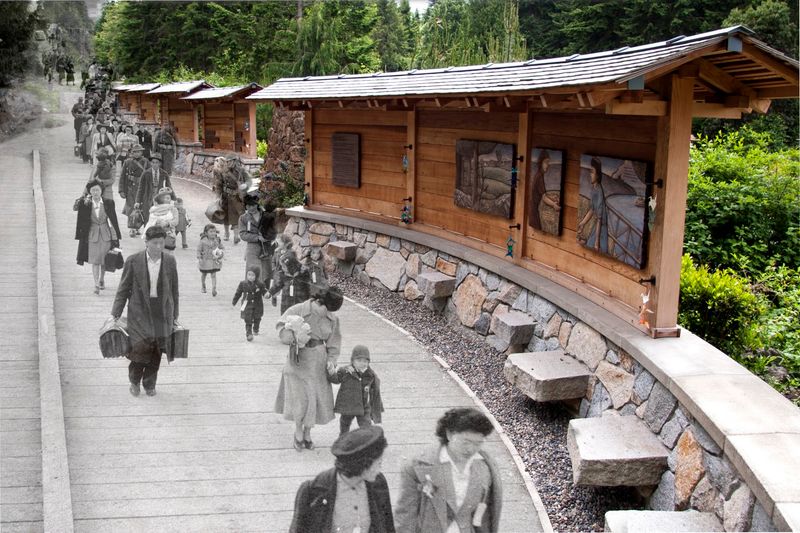
Few chapters in American history are as painful as the forced removal of Japanese Americans during World War II, and Bainbridge Island felt that wound deeply.
The Harui family, like many of their neighbors, was ordered to leave their home and their land behind. The gardens they had spent decades building were left without anyone to tend them.
Over the years that followed, weeds crept across the plant beds, pathways disappeared under brush, and the nursery that Zenhichi had built with such care fell into quiet disrepair.
The Japanese red pines he had brought from his homeland kept growing, though, standing tall through seasons of neglect as if keeping watch over the empty property.
That era of abandonment is not a footnote here. It is a central part of the story that Bainbridge Gardens tells honestly and with dignity, reminding every visitor that this land carries a history far heavier and more meaningful than any price tag on a potted plant.
Junkoh Harui And The 1989 Restoration
Imagine returning to a place your father built from nothing, finding it buried under decades of overgrowth, and deciding to bring it back. That is exactly what Junkoh Harui did in 1989, when he began the long, painstaking work of restoring Bainbridge Gardens to something close to its former glory.
Junkoh did not just clear weeds and restock shelves. He made a conscious effort to revive his father’s original plantings, paying special attention to the aged Japanese red pines that had survived the years of neglect.
Those trees became the emotional and botanical centerpiece of the restored nursery, connecting the present directly to Zenhichi’s founding vision. The restoration took enormous effort and personal commitment, but the results speak clearly for themselves.
Today, walking through the property, you can feel the care that went into every corner of the grounds, and you get a real sense of what it means when a family refuses to let an important place simply fade away.
Donna Harui And Third-Generation Stewardship
Running a family business is one thing. Running a family legacy is something else entirely, and that is the responsibility Donna Harui carries as the third-generation owner of Bainbridge Gardens.
As Junkoh’s daughter, she grew up surrounded by the plants, the pines, and the stories that make this nursery unlike anywhere else in Washington State.
Donna has continued the family’s commitment to quality and authenticity, keeping the nursery a genuinely personal operation rather than letting it become a generic garden center.
Her presence gives the whole place a warmth you can actually feel when you walk through the gate, the kind that only comes from someone who truly cares about what they are stewarding.
Under her leadership, Bainbridge Gardens has expanded its programming, added community events, and kept sustainability at the heart of its operations.
Visiting feels less like shopping and more like being welcomed into someone’s carefully tended home, which, in many ways, is exactly what this six-acre property has always been.
The Harui Memorial Garden And Living Pines
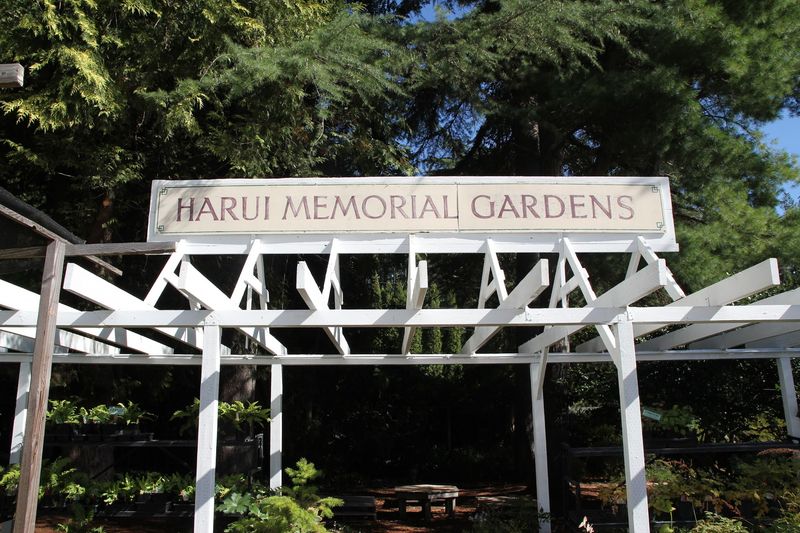
Right at the heart of Bainbridge Gardens sits the Harui Memorial Garden, a dedicated space that honors the family’s century-long connection to this land. Walking into it feels like stepping into a living museum, one where the exhibits breathe, grow, and change with the seasons.
The stars of this garden are undeniably the original Japanese red pine trees that Zenhichi Harui planted more than a hundred years ago.
Their trunks are thick and gnarled in that beautiful way that only very old trees can manage, and their canopy casts a dappled, calming shade over the paths below. Standing beneath them, knowing what they have witnessed, gives you a genuinely moving feeling that no museum exhibit could replicate.
The pear-shaped topiary that Zenhichi grafted by hand is also here, a small but deeply personal piece of horticultural artistry that has outlasted wars and decades of change.
It is one of those details that stops you mid-step and makes you think about the quiet power of patient, loving work.
Six Acres Of Plants, Paths, And Discovery
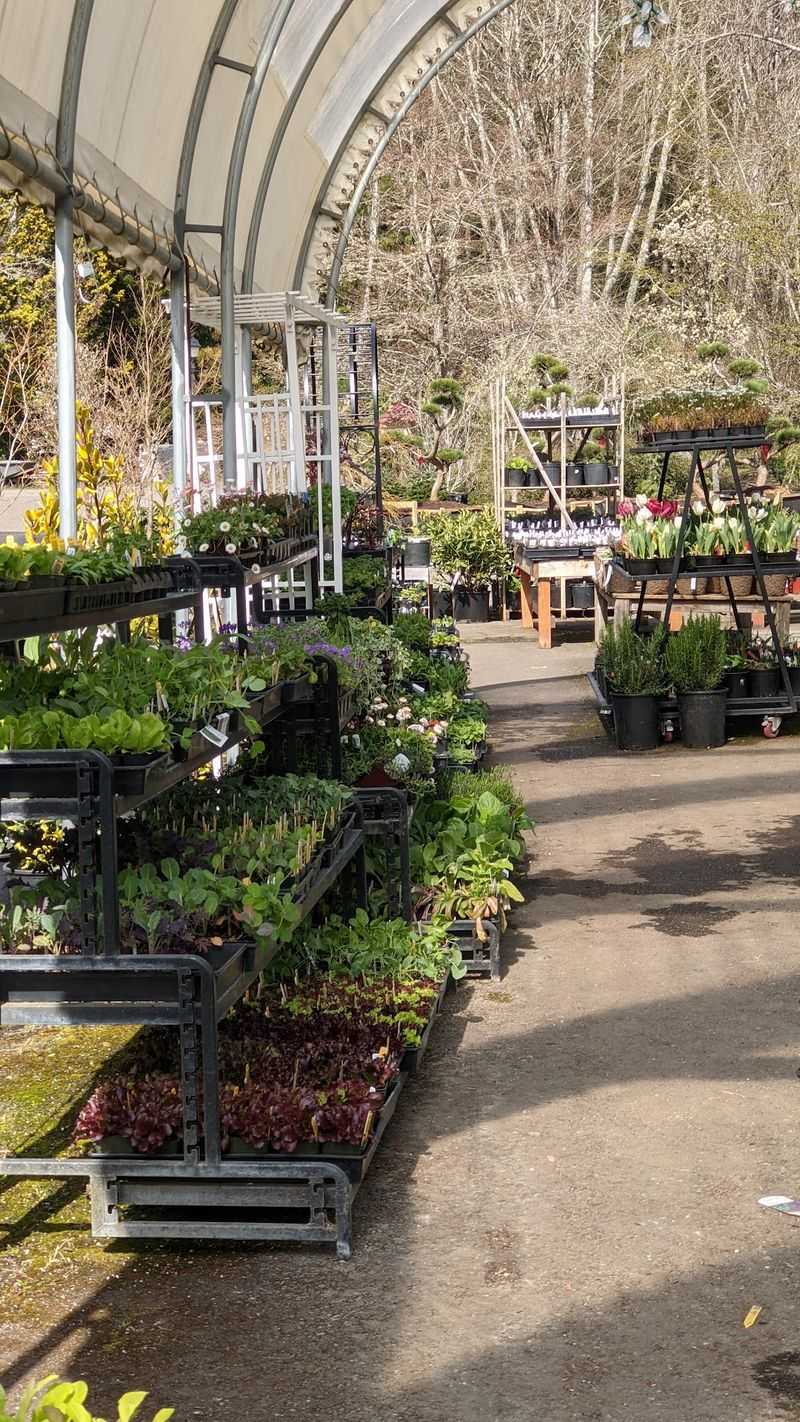
Describing Bainbridge Gardens as a nursery feels a little like calling the Grand Canyon a ditch. Technically accurate, but wildly underselling the experience.
Spread across six acres, the property functions more like a retail arboretum, where the sheer variety of plants on offer turns a shopping trip into a genuine exploration.
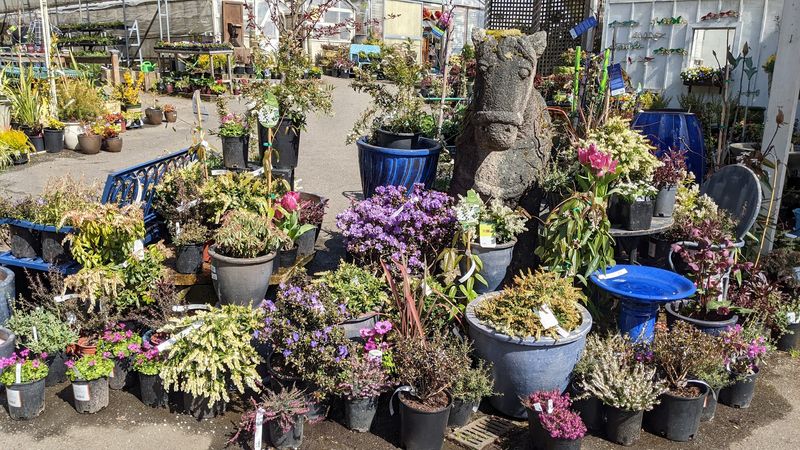
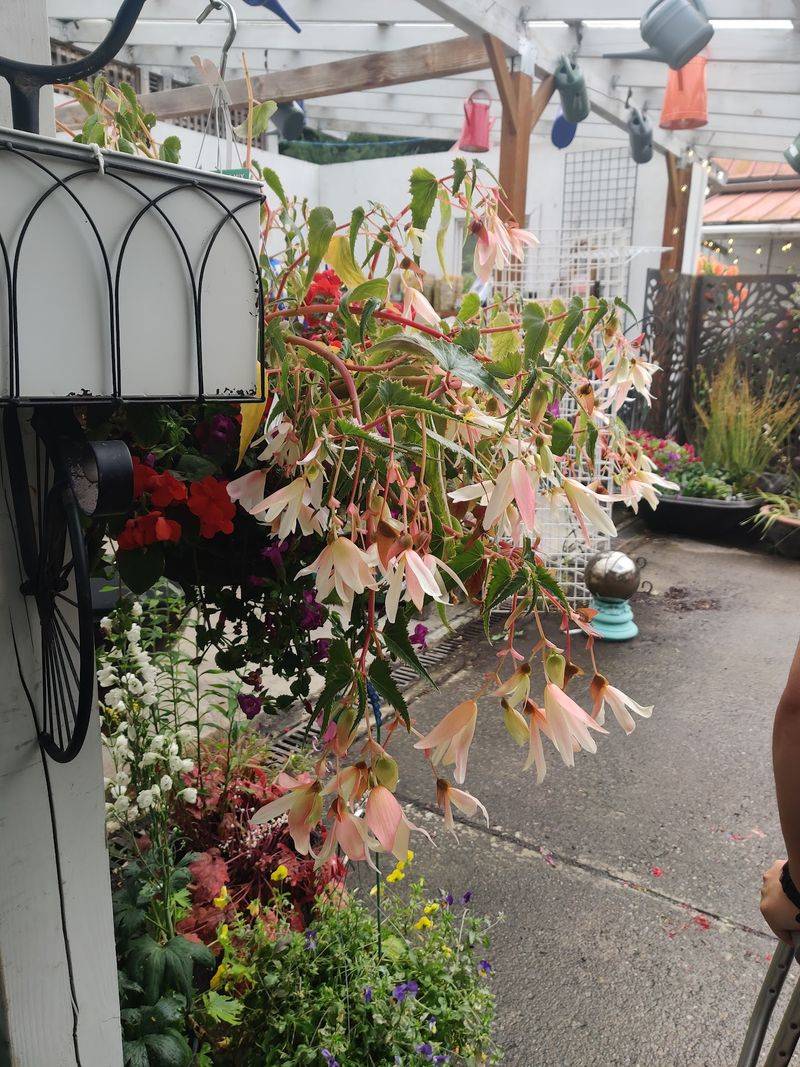
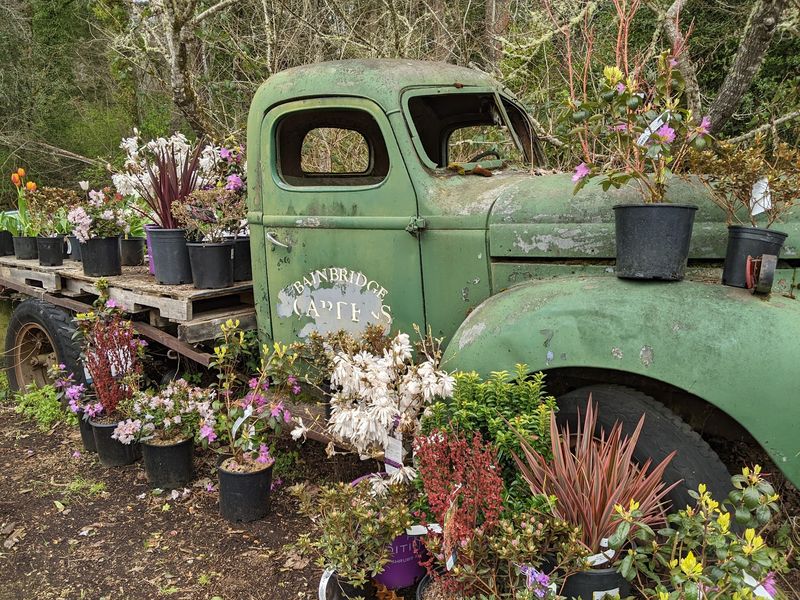
You will find lush greenhouses stocked with tender plants, open areas displaying Japanese maples in every imaginable shade of red and green, rows of native plants suited to the Pacific Northwest climate, unusual shrubs you have probably never seen before, and a bonsai selection that would make any enthusiast stop and stare.
Ground covers, fruit trees, vegetables, and flowering perennials fill out the rest of the inventory.
The layout encourages wandering rather than rushing. Narrow paths lead you around corners where something unexpected always seems to be waiting, whether it is a striking ornamental grass or a water fountain tucked between two towering pines.
Every visit tends to surface something new.
The Nature Trail Through History
One of the most rewarding things you can do at Bainbridge Gardens is take a slow walk along the nature trail that winds through the property. It is not a long trail, but it is a meaningful one, threading past some of the original Japanese red pines that Zenhichi Harui planted over a century ago.
The trail is unpaved, so it has a natural, unhurried feel that suits the setting perfectly. It is generally wide enough for strollers and most wheelchairs, though the unpaved surface can make things a little tricky for certain mobility devices, so it is worth keeping that in mind when planning your visit.
Good walking shoes are always a smart call here. Moving along that path with those ancient pines towering above you puts the whole history of the place into a very physical, very real perspective.
You are not just reading about a family’s resilience and love for the land. You are walking through the actual evidence of it, tree by living tree.
Seasonal Events And Community Spirit
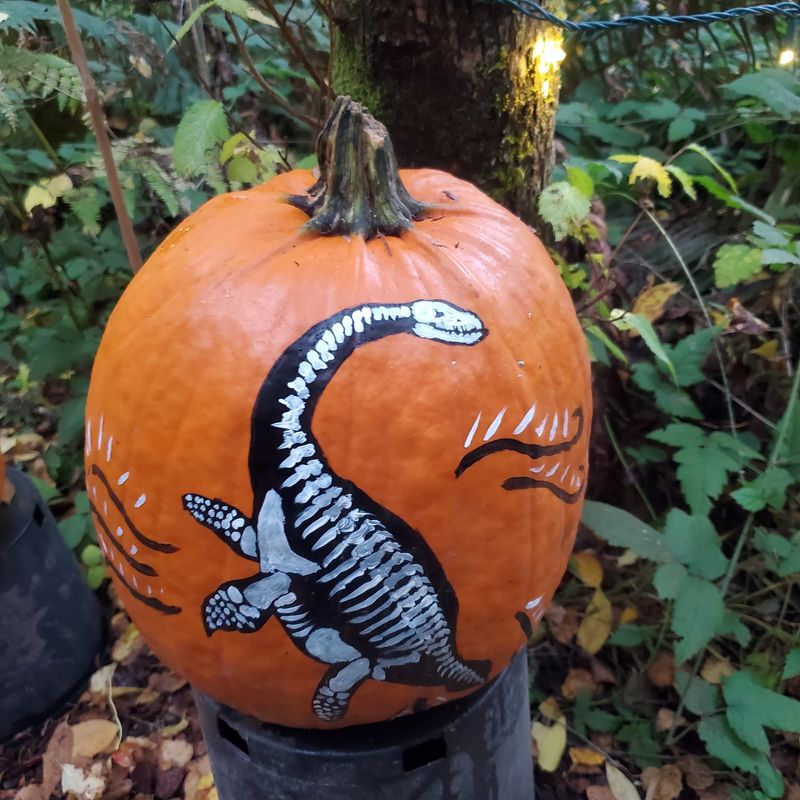
Bainbridge Gardens is not the kind of place that locks its gates and goes quiet between plant deliveries. Throughout the year, the nursery hosts a lively calendar of events that draw families, gardening enthusiasts, and curious visitors from across the Seattle region and beyond.
The most popular of these is the October Pumpkin Walk, which transforms the nursery grounds into an autumn wonderland. Hundreds of decorated pumpkins line the pathways, a mini straw maze gives kids a reason to run around, and photo opportunities pop up around every corner.
It is the sort of event that turns a nursery visit into a full family outing. Other events throughout the year include scavenger hunts for younger visitors, Grow a Butterfly sessions that teach kids about plant and insect relationships, and workshops on creating fairy gardens.
These programs reflect the nursery’s genuine investment in connecting people of all ages to the natural world, making Bainbridge Gardens a community hub as much as a place to buy plants.
Planning Your Visit To Bainbridge Gardens
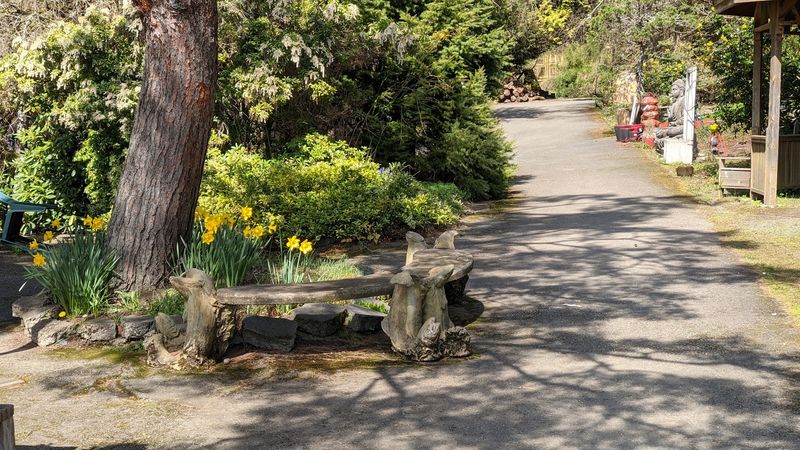
Getting to Bainbridge Gardens is honestly half the fun. If you are coming from Seattle, the Washington State Ferry from downtown takes you across Puget Sound in a short, scenic ride that already starts to slow your pace before you even set foot on the island.
You can also drive over the Agate Pass Bridge via State Highway 305 if you prefer to keep your wheels on the ground. The nursery is located at 9415 Miller Rd NE, Bainbridge Island, Washington, and offers ample free parking on site.
General hours run Monday through Saturday from 9:00 AM to 5:30 PM and Sunday from 10:00 AM to 4:00 PM, though seasonal hours can shift, so checking the website before you go is always a good idea. The nursery is closed on major holidays including Thanksgiving, July 4th, and December 25th.
One practical tip worth noting: cell coverage on Bainbridge Island can be spotty, so download any maps or information you need before boarding the ferry. The New Rose Cafe on site handles lunch and espresso, so you are well covered for a full afternoon.