
This 35,000-Square-Foot Washington Asian Market Turns One Grocery Run Into A Full-On Food Adventure
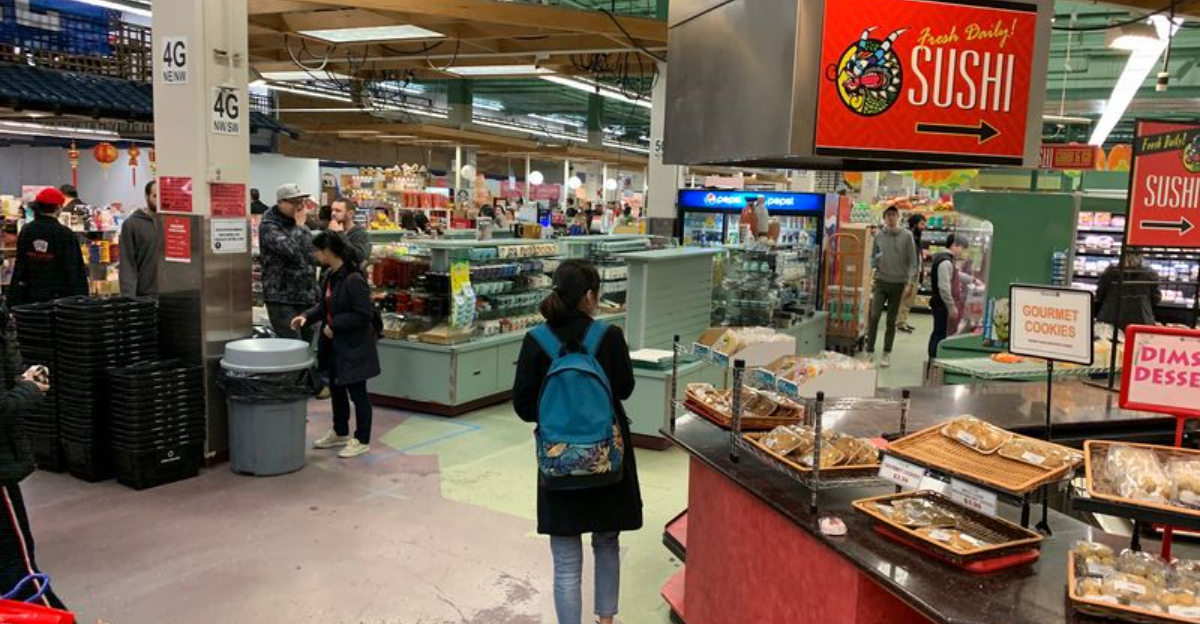
Raise your hand if your weekend grocery run usually ends in regret and a cart full of boring vegetables. Yeah, mine did too, until I discovered an absolute beast of a Washington Asian market that completely ruined normal supermarkets for me forever.
Sprawling across a whopping 35,000 square feet, this place isn’t just an aisle-by-aisle shopping trip; it’s an epic, sensory-overload food adventure. The moment I walked through those sliding doors and caught a whiff of freshly baked treats and savory street food, I knew I was in trouble (the good kind).
Grab a basket and follow me, because we are about to go on the tastiest treasure hunt of your life.
This family-owned institution has been serving the community for nearly a century, evolving into so much more than just a place to buy food. An experience that makes ordinary supermarkets feel downright dull.
A Century-Old Family Legacy
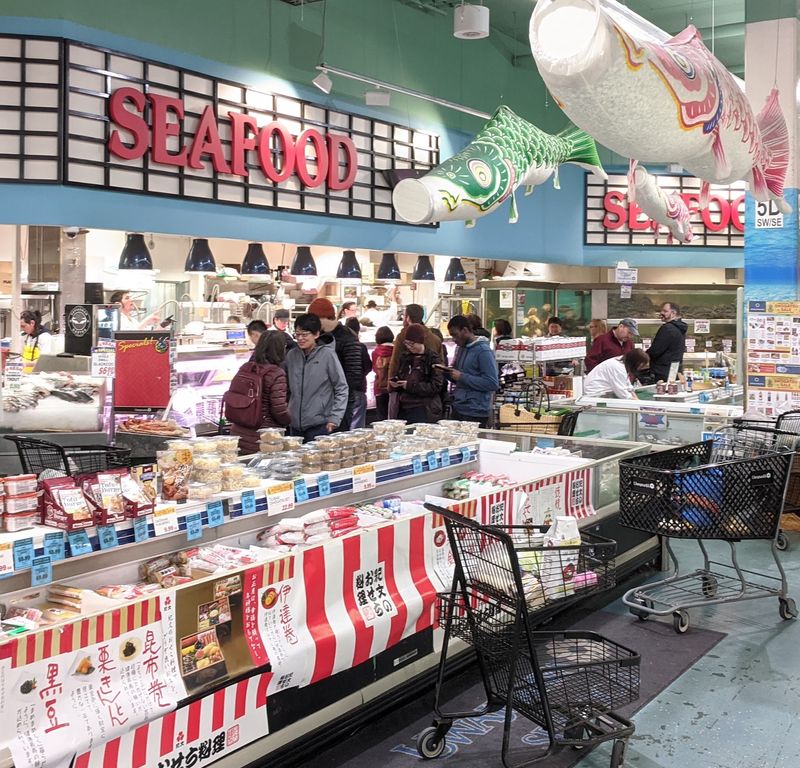
Fujimatsu Moriguchi started something extraordinary back in 1928, selling homemade fishcakes from the back of his truck in Tacoma. The name Uwajimaya honors his hometown of Uwajima, Japan, where he learned his craft before immigrating to America with dreams of building a better life.
World War II brought unimaginable hardship when the family was sent to Tule Lake Internment Camp, losing nearly everything they had worked for.
But their spirit refused to break. In 1945, they courageously returned to Seattle, reopening on South Main Street and helping rebuild the Japanese business community that had been shattered by war.
The 1962 Seattle World’s Fair became a turning point, introducing Uwajimaya’s unique offerings to curious visitors who had never experienced authentic Asian products before. Today, Fujimatsu’s granddaughter Denise Moriguchi serves as CEO, leading the fourth generation of family ownership.
Walking through these aisles, I felt the weight of that history, the determination of a family who refused to give up on their American dream despite facing prejudice and persecution.
The Produce Section
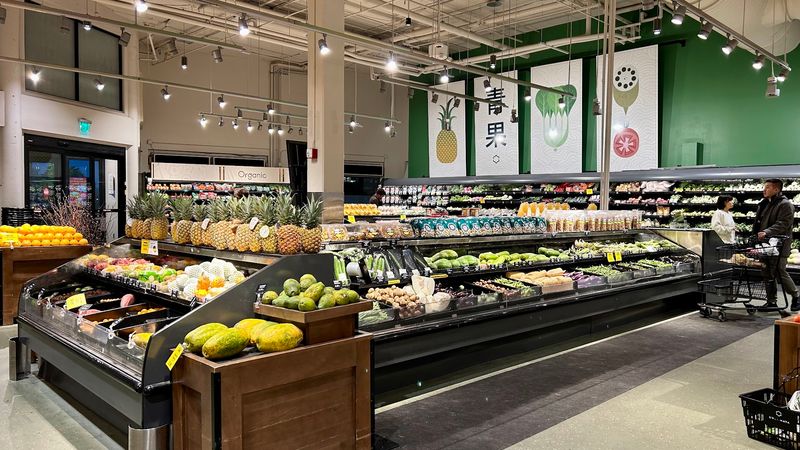
I lost track of time wandering through rows of vegetables and fruits I had only seen in cookbooks. Japanese eggplants gleamed purple next to bundles of fresh lemongrass, while spiky durian fruit sat alongside delicate kumquats, creating a visual feast that rivaled any art installation.
The produce department brilliantly balances familiar Pacific Northwest offerings with exotic Asian varieties you simply cannot find at conventional grocery stores.
Gobo root, bitter melon, lotus root, and bok choy in multiple varieties filled the bins, each one carefully labeled for shoppers who might be encountering them for the first time.
What impressed me most was the freshness, with shipments arriving regularly to ensure everything stays crisp and vibrant. The staff seemed genuinely knowledgeable, happy to explain how to select and prepare unfamiliar items.
I grabbed ingredients for three different recipes I had been wanting to try, feeling like a culinary explorer gathering supplies for a delicious expedition. The prices felt reasonable too, especially considering the quality and variety impossible to match elsewhere in Seattle.
Seafood Counter Worthy Of Tokyo’s Finest Markets
Standing before the seafood counter felt like teleporting straight to Tokyo’s legendary Toyosu Market. Glistening fillets of sashimi-grade tuna, salmon, and yellowtail beckoned from beds of ice, their quality so pristine I could practically taste the clean ocean flavor.
Weekly shipments arrive directly from Japan, ensuring the kind of freshness that makes sushi chefs weep with joy. I watched as customers ordered fresh poke by the pound, customizing their bowls with various fish, seasonings, and toppings.
The live fish tanks added an authentic touch, swimming specimens waiting to become someone’s dinner that very evening. The knowledgeable fishmongers answered my questions about different cuts and preparation methods, never making me feel foolish for asking basic questions.
I purchased some hamachi for homemade sashimi, trusting their expertise completely.
The selection extends beyond Japanese favorites to include Korean, Chinese, and Southeast Asian seafood specialties. Whether you’re planning an elaborate sushi dinner party or just want incredibly fresh fish for grilling, this counter delivers quality that justifies every penny spent.
Meat Department Featuring Premium Wagyu
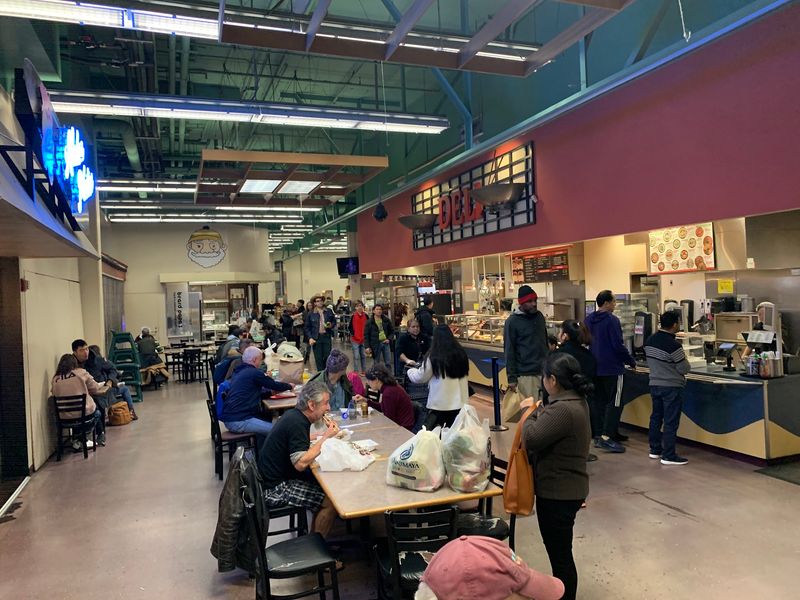
The meat department showcases cuts you will never spot at typical American supermarkets, specializing in the paper-thin slices essential for authentic hot pot and shabu-shabu.
Watching the butchers work their magic, creating perfectly uniform slices, reminded me why specialized markets matter so much for certain cuisines.
Premium Mishima Reserve American Wagyu catches your eye immediately, the marbling so intricate it looks like edible artwork. I splurged on a few pieces, knowing the melt-in-your-mouth texture would justify the investment.
Korean BBQ enthusiasts will appreciate the selection of marinated and unmarinated options, from bulgogi-ready beef to pork belly cut exactly right.
Beyond the specialty cuts, the department stocks familiar items like chicken thighs and ground pork, often at competitive prices that rival conventional grocery stores.
The staff helped me understand the difference between various cuts I had never encountered before, patiently explaining their traditional uses in different Asian cuisines.
I left with ingredients for both Korean BBQ and Japanese sukiyaki, excited to experiment with cooking techniques I had been intimidated to try before finding the proper ingredients.
Deli Counter Serving Comfort Food
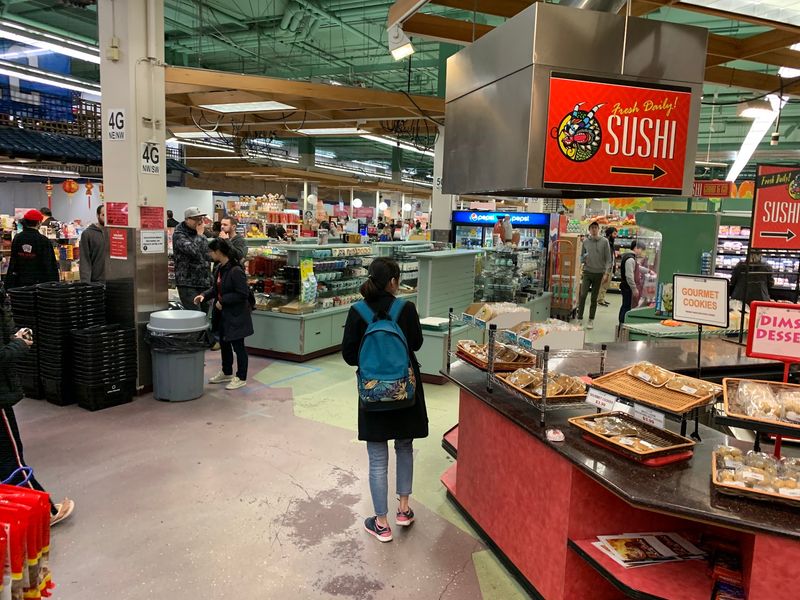
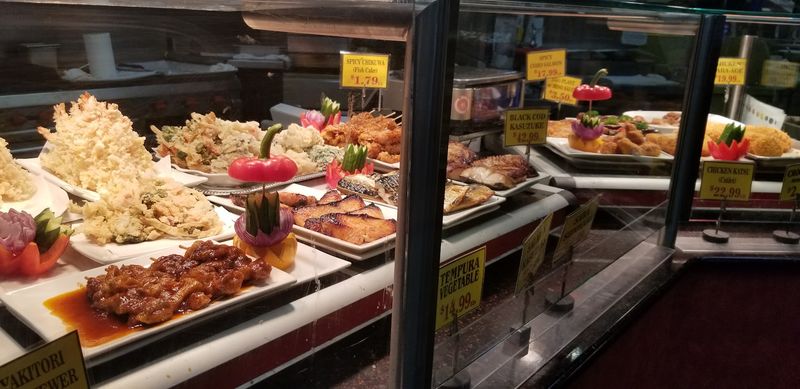
Hunger struck hard as I approached the deli counter, where the aroma of roasted duck and char siu pork filled the air with irresistible savory notes.
Whole roasted chickens glistened under the heat lamps, their skin crackling and golden, while trays of freshly made sushi rolls offered quick lunch solutions for busy shoppers.
The musubi selection alone could fuel an entire article, with creative variations on the classic Hawaiian comfort food that combines rice, protein, and nori seaweed. I grabbed a spam musubi for old times’ sake, plus a container of their house-made kimchi that looked properly fermented and funky.
In-house roasted pork, chicken, and duck hang behind the glass, ready to be sliced and packaged for customers planning easy dinners at home.
The grab-and-go options extend to bento boxes, spring rolls, dumplings, and various marinated salads that represent cuisines from Japan, Korea, China, Vietnam, and Thailand. Prices remain surprisingly affordable considering the quality and convenience factor.
I ended up buying way more than planned, unable to resist the temptation of trying just one more thing that caught my eye and awakened my appetite.
Aisles Packed With Over 30,000 International Items
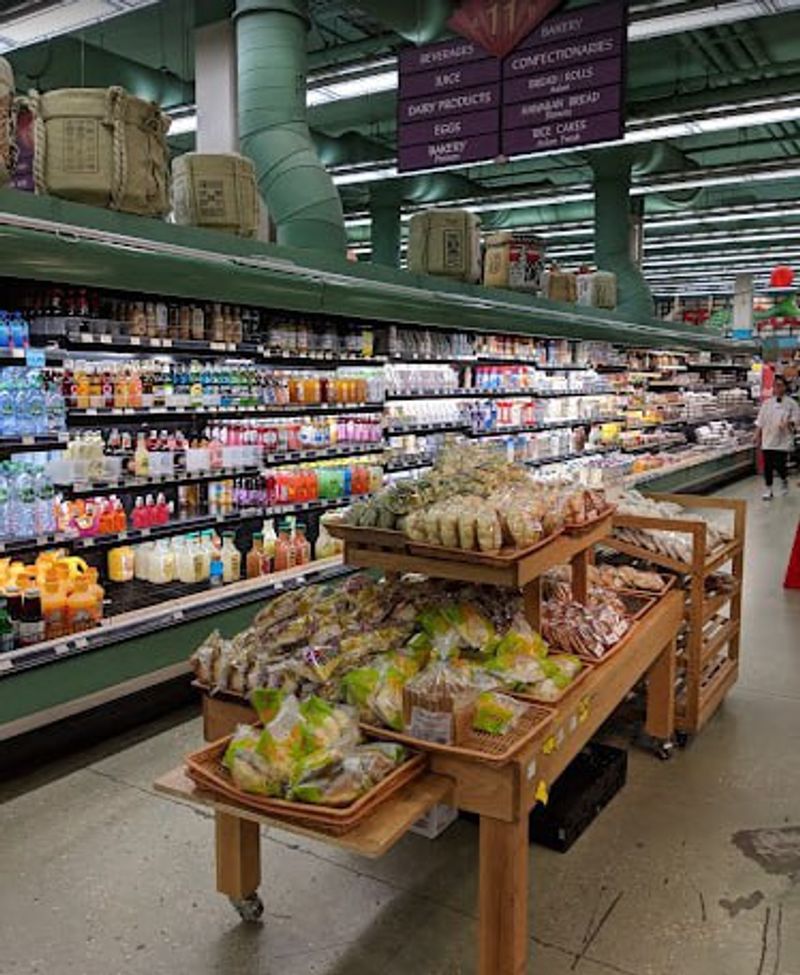
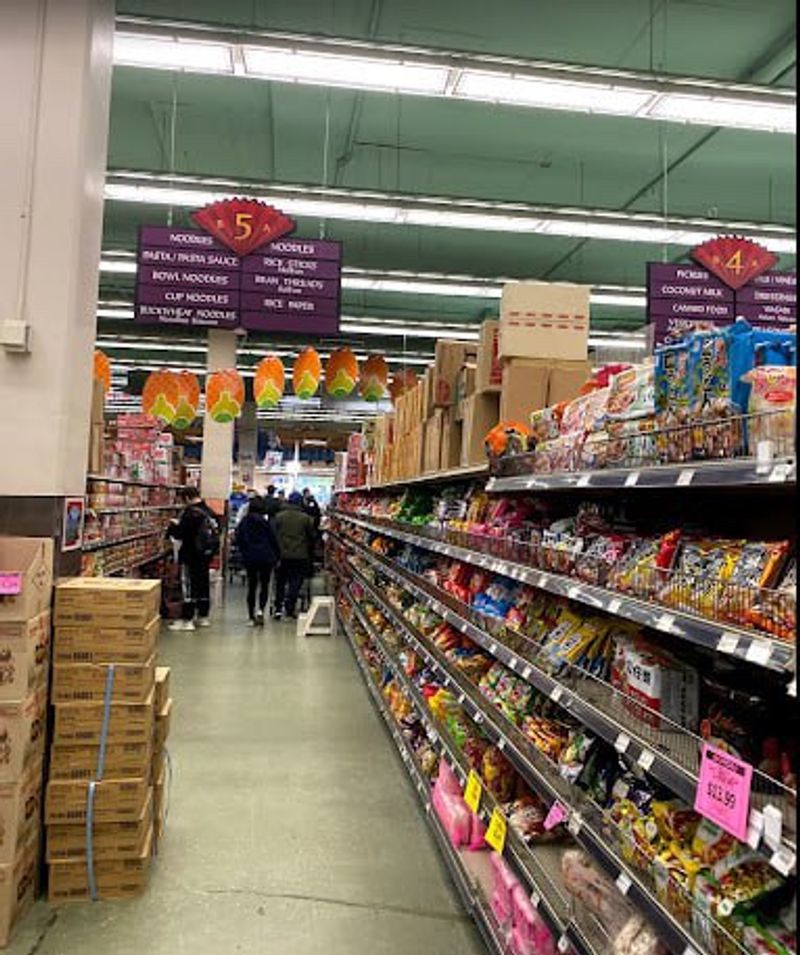
Navigating the main shopping aisles requires strategy and time, because the sheer volume of products demands careful exploration. I counted at least fifteen different varieties of instant ramen before giving up and just grabbing my favorites plus a few experimental options I had never tried before.
Snack foods from Japan, Korea, Thailand, China, and beyond create a rainbow of packaging that makes choosing difficult but delightful. Pocky sticks in flavors I did not know existed, shrimp chips, seaweed snacks, mochi, and rice crackers fill entire sections.
The condiment aisle alone could supply a restaurant kitchen, with dozens of soy sauce variations, fish sauces, curry pastes, and specialty oils. Baking ingredients include items like matcha powder, red bean paste, rice flour, and tapioca pearls for bubble tea.
The frozen food section extends the adventure with dumplings, buns, prepared meals, and specialty items like takoyaki and okonomiyaki. I appreciated the bilingual labeling on many products, helping me understand exactly what I was purchasing.
Shopping here feels like a treasure hunt where every aisle reveals something new and exciting worth adding to your cart and your culinary repertoire.
A Culinary Tour Of Asia
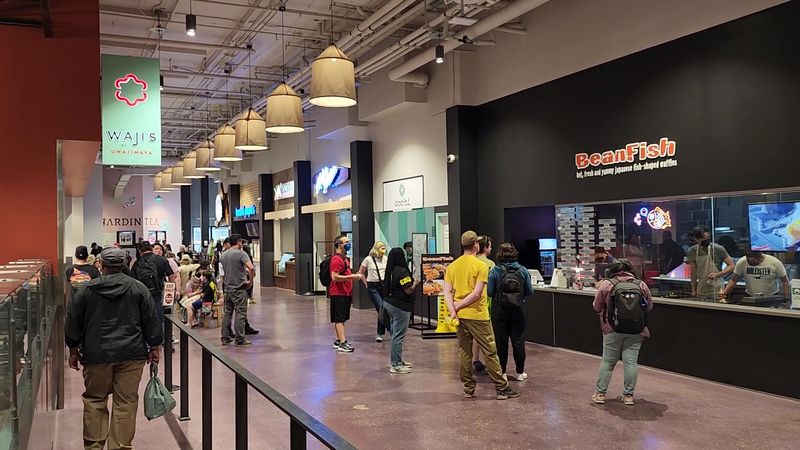
My stomach guided me toward the bustling food hall after an hour of shopping, where more than a dozen vendors compete for attention with aromatic dishes representing cuisines from across the Asian continent.
The beauty of this setup means groups with different cravings can all find satisfaction without compromise or complaint.
I watched one family split up to order from different stalls, then reconvene at a shared table with Vietnamese pho, Japanese ramen, Hawaiian poke, and Thai curry creating a multicultural feast.
Popular spots like Saigon Streets, Samurai Noodle, Aloha Plates, and Dochi Mochi Donuts draw consistent crowds, their reputations built on consistently delicious offerings.
Beard Papa’s cream puffs tempted me with their perfectly crisp shells and silky custard filling, while Beanfish offered creative taiyaki fish-shaped pastries with both sweet and savory fillings.
The seating area provides a comfortable space to rest weary shopping feet while refueling for more exploration.
Prices remain reasonable, especially considering the quality and portion sizes. I ended up trying three different dishes during my visit, unable to settle on just one option when faced with such tempting variety calling my name.
Kinokuniya Bookstore For Japanese Literature And Media
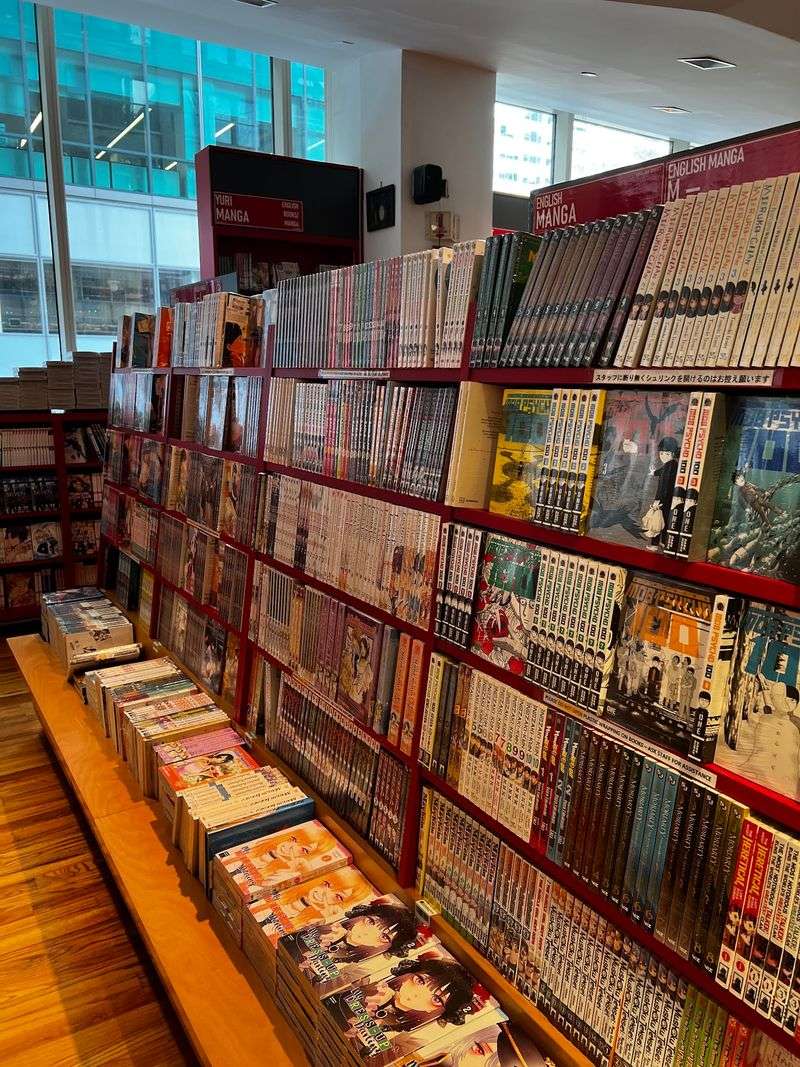
Book lovers and manga enthusiasts should budget extra time for Kinokuniya, the Japanese bookstore that shares space within Uwajimaya Village. I wandered in planning to browse quickly and emerged an hour later with a stack of purchases I definitely did not need but absolutely wanted.
The manga selection rivals specialty comic shops, featuring current releases alongside classic series in both Japanese and English. Japanese language learning materials fill several shelves, from beginner textbooks to advanced literature for fluent readers.
Magazines covering fashion, cooking, design, and pop culture offer windows into contemporary Japanese trends.
The music and movie section stocks DVDs, CDs, and merchandise related to J-pop, anime, and Japanese cinema that fans struggle to find elsewhere in Seattle. Stationery and gift items include beautiful journals, pens, washi tape, and other items that make practical purchases feel like special treats.
I appreciated the knowledgeable staff who offered recommendations based on my interests without being pushy. The store creates a cultural bridge, connecting Seattle residents with Japanese media and literature that enriches understanding and appreciation.
Whether you’re studying Japanese, following specific manga series, or simply curious about Japanese culture, Kinokuniya provides resources worth exploring thoroughly.
Practical Tips For Making The Most Of Your Visit
Planning your Uwajimaya adventure requires some strategy to maximize the experience without feeling overwhelmed by the sheer scale and variety. I recommend visiting on weekday mornings if possible, when crowds thin out and you can explore aisles without navigating around other carts constantly.
Bring a cooler bag if you plan to purchase seafood or frozen items, especially during warm weather months when the drive home might compromise freshness.
The store provides shopping bags, but bringing your own reusable bags helps manage the inevitable haul of purchases that somehow exceeds your original shopping list.
Budget more time than you think necessary, because rushing through Uwajimaya defeats the purpose of this culinary adventure. I suggest at least two hours for a thorough first visit, maybe three if you plan to eat at the food hall and browse Kinokuniya.
The market is located at 600 5th Avenue South, with parking available in the structure beneath the building for a small fee. Public transportation serves the area well, with several bus routes stopping nearby.
Consider asking staff for recommendations if you’re seeking specific ingredients or feeling adventurous about trying something new. Their expertise and enthusiasm enhance the shopping experience significantly, turning potential confusion into delightful discovery.