
These Michigan Parks Keep Their Snake Populations Alive Through Conservation, Care, And Tradition
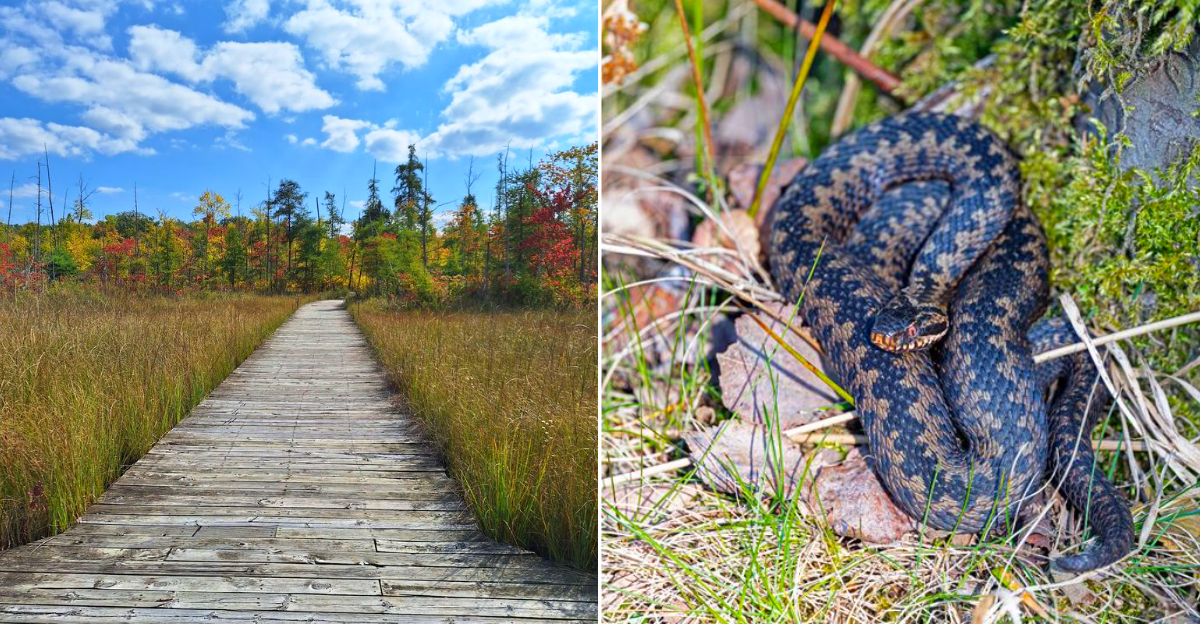
I never expected to care about snakes. Then I saw an eastern massasauga rattlesnake coiled in the grass at Indian Springs, perfectly still, its pattern blending into the dry leaves like it had been painted there.
The encounter lasted maybe ten seconds before it slid away, but it changed how I saw every trail after that. Michigan’s only venomous snake is federally threatened, reclusive by nature, plus struggling against habitat loss that most residents never think about.
The seven parks on this list do the quiet work of keeping these populations alive: controlled burns, wetland buffers, plus trail designs that give snakes room to bask without crossing paths with hikers.
Most visitors will walk an entire afternoon without spotting a single one, which is exactly the point. These parks are doing conservation that most visitors never notice, and every trail in Michigan depends on it.
Seven Lakes State Park
Morning light makes the linked lakes look peaceful, but the landscape is doing serious work beneath that calm surface. Seven Lakes State Park protects 1,434 acres of woods, wetlands, rolling ground, and more than 230 acres of water, including habitat used by the federally threatened eastern massasauga rattlesnake.
What matters here is not one dramatic conservation project visitors can photograph. It is the long-term protection of connected wetland and upland areas.
Massasaugas need damp places for winter survival, along with nearby drier ground for feeding, basking, and seasonal movement. Keeping those pieces connected gives the snakes room to live without forcing them toward roads or busy recreation zones.
I like that most people can spend an afternoon here without seeing a snake at all. That usually means the animal has enough cover to remain undisturbed.
Staying on marked trails, keeping dogs leashed, and leaving logs, grasses, and shoreline stones alone all support that balance.
The park’s current management planning process also gives wildlife habitat a place beside camping, paddling, fishing, and hiking. Conservation is not treated like scenery around recreation. It is part of what makes recreation possible in the first place.
Indian Springs Metropark
The first thing that changes here is the way you look at wet ground. Indian Springs Metropark protects part of the Huron Swamp headwaters, where marsh, prairie, woodland, and nearby uplands support a healthy population of eastern massasauga rattlesnakes.
The Environmental Discovery Center makes that conservation work unusually visible. Visitors can learn how researchers have tracked snakes with radio transmitters, why the species moves between wetter winter habitat and drier summer areas, and how habitat management protects more than one animal at a time.
Frogs, turtles, birds, insects, and native plants all benefit from the same functioning landscape.
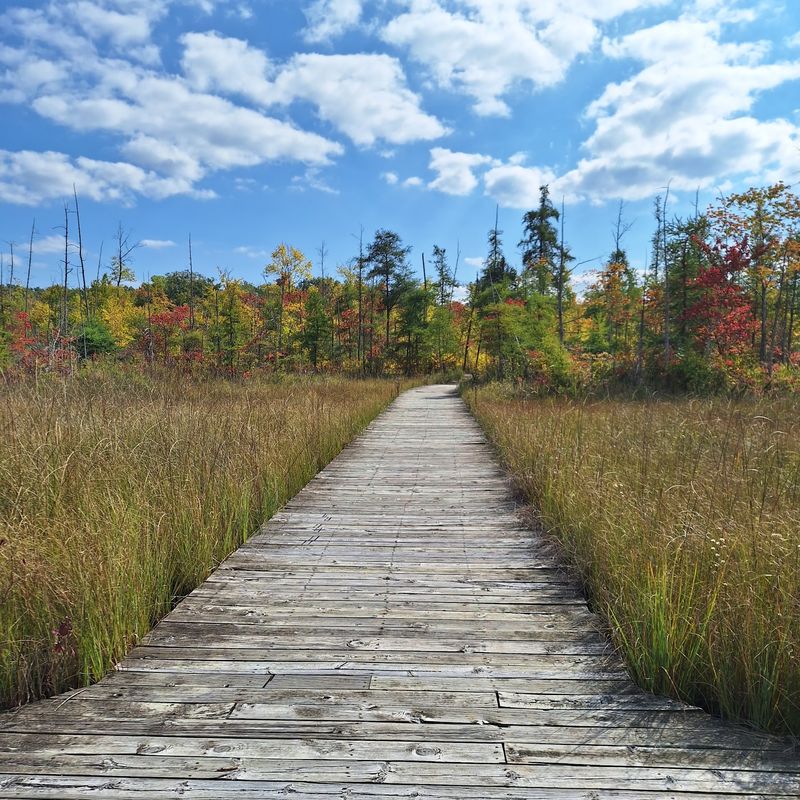
I appreciate that the park teaches respect without turning snakes into a source of drama. Posted habitat signs tell visitors where to stay, while trails and boardwalks make it possible to explore without trampling sensitive ground.
If a snake appears, the right response is simple: stop, give it space, and allow it to move away.
Education is part of the conservation tradition here, not an extra attraction added after the fact. Families may arrive for a walk or a program, then leave understanding that protecting one shy rattlesnake also means protecting an entire wetland system.
Kensington Metropark
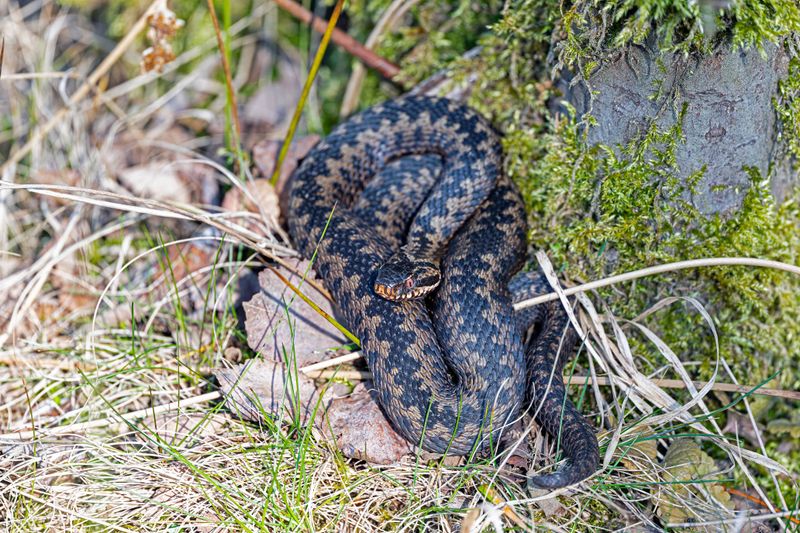
Bicycles, beaches, picnic areas, and Kent Lake can make Kensington Metropark feel almost too busy for secretive wildlife. Then a boardwalk reaches a quiet marsh, the noise drops, and the park’s other identity becomes much easier to notice.
Eastern massasaugas are known from protected Metroparks habitat, including Kensington. Their survival depends on more than leaving individual snakes alone.
Wetlands must remain connected to surrounding uplands, invasive plants must be controlled, and public recreation must be guided away from the most sensitive places. That work often happens quietly, without changing the experience for most visitors.
The Nature Center adds an important educational layer. Programs featuring Michigan snakes help people recognize local species, understand their behavior, and replace panic with practical knowledge.
I find that the trail feels different after learning how rarely massasaugas want anything to do with people.
Start early for calmer paths, stay on designated routes, and never lift logs or move rocks in search of wildlife. Those objects provide shelter for snakes and many smaller animals.
Kensington proves that conservation does not always require keeping people out. Careful planning supports beaches, trails, and family recreation while preserving hidden habitat only a short walk from the busiest areas.
Stony Creek Metropark
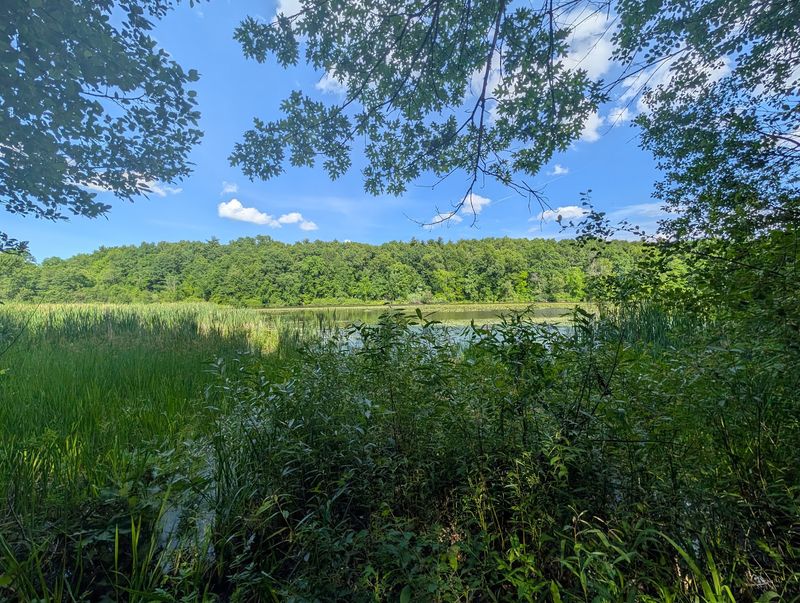
Glacial hills, small wetlands, old fields, woods, and prairie restoration give Stony Creek Metropark more ecological variety than its busy recreation areas initially suggest. That mix supports the eastern massasauga and other uncommon species.
The conservation work is easy to understand once you know what to notice. Staff and volunteers remove invasive plants, use prescribed burns where appropriate, restore native prairie, study streams, and monitor how deer browsing affects woodland vegetation.
Each action improves habitat structure, food sources, or movement corridors for several species at once.
I like that the Nature Center connects those behind-the-scenes decisions to an ordinary walk. Live reptile displays and local wildlife programs make the eastern massasauga feel less like a frightening rumor and more like one member of a complicated ecosystem.
On the trails, respect matters more than fear. Stay on the route, watch sunny edges without approaching them, and give any snake a clear escape path.
A sighting should be reported to park staff rather than turned into a close photograph.
Stony Creek shows how active management can keep a heavily visited park genuinely wild. The work is deliberate, but the result feels natural: birdsong, prairie, wetland, and hidden wildlife continuing together through seasons.
Holly Recreation Area
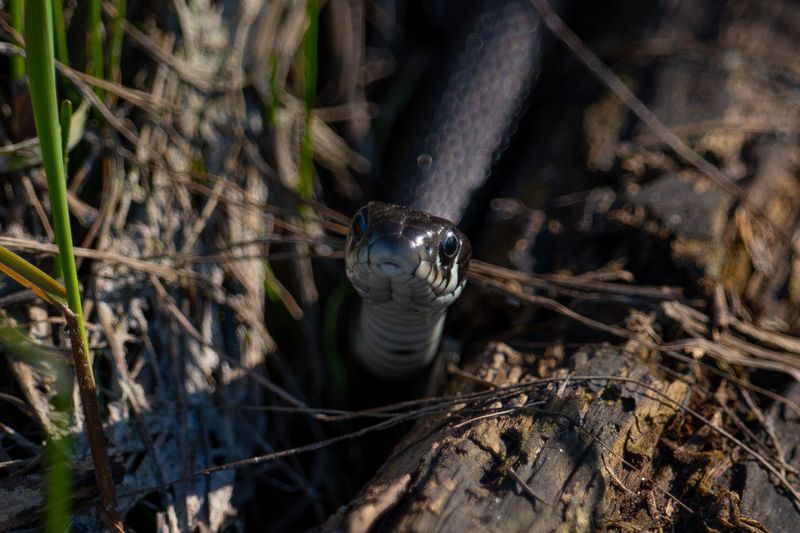
Seventeen lakes, prairie fens, hardwood swamps, oak barrens, rolling woods, and open fields give Holly Recreation Area a changeable beauty. They create connected habitat for the eastern massasauga, which has managed land within the park.
The management plan separates some of the most sensitive areas into primitive and backcountry zones, where natural resources receive stronger protection and recreation remains lower impact. That zoning may sound technical, but it shapes what visitors experience.
Trails can remain available while the most important wetland and upland habitat stays less disturbed.
I like parks that do not reveal everything immediately, and Holly rewards that slower attention. One section feels dry and open, while another drops toward tamarack swamp or soft wet ground.
Those transitions are exactly what many reptiles need throughout the year.
Visitors help by staying on marked routes, keeping pets leashed, and leaving logs, grasses, and rocks where they belong. Most people will never see a massasauga, and that is not a disappointing result.
Conservation here is woven into broader stewardship rather than displayed as a single attraction. Protecting prairie fens, controlling invasive growth, and limiting disturbance gives snakes and other sensitive wildlife room to persist beside popular trails, campgrounds, and lakes.
Brighton Recreation Area
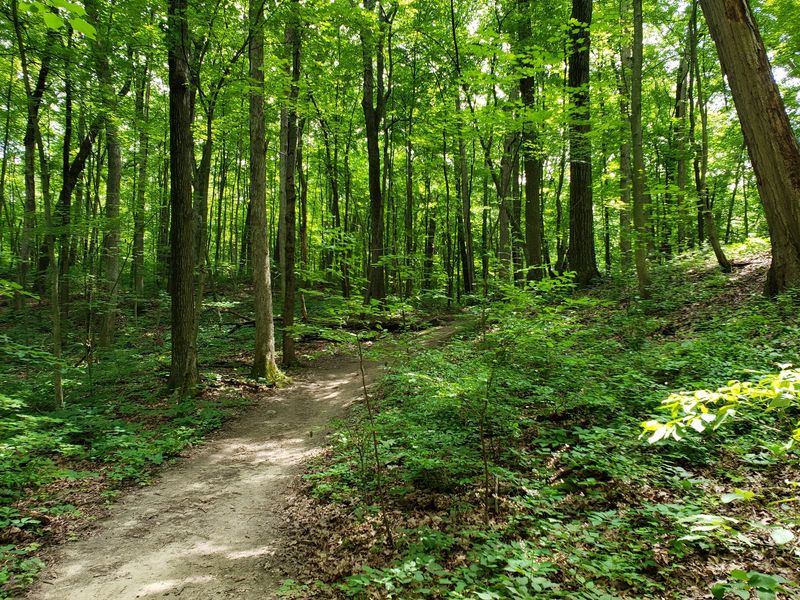
Rolling glacial hills make Brighton Recreation Area feel restless underfoot. Trails climb through oak forest, pass fields and lakes, then drop toward one of the region’s largest connected complexes of prairie fens and other wetlands.
Those systems support eastern massasauga and Blanding’s turtle. The important word is connected.
A protected marsh cannot do all the work if surrounding uplands, movement routes, and groundwater-fed wetlands are damaged or separated. Long-term planning therefore treats the broader landscape as habitat, not just the visibly wet sections beside a trail.
I notice that conservation most clearly on the Penosha Trail, where elevation and vegetation keep changing. Dry shade gives way to open ground, then water appears below.
Staying on designated paths protects fragile plants and reduces disturbance where wildlife may be moving unseen.
Volunteer stewardship also matters. Invasive species removal, native seed work, and habitat monitoring may look modest during one visit, but care changes what can survive over time.
Brighton’s strongest lesson is that snake conservation rarely looks dramatic. It looks like healthy wetlands, carefully placed trails, and visitors choosing not to wander into sensitive areas.
The result is a recreation landscape that still holds enough complexity for threatened wildlife to remain today.
Yankee Springs Recreation Area
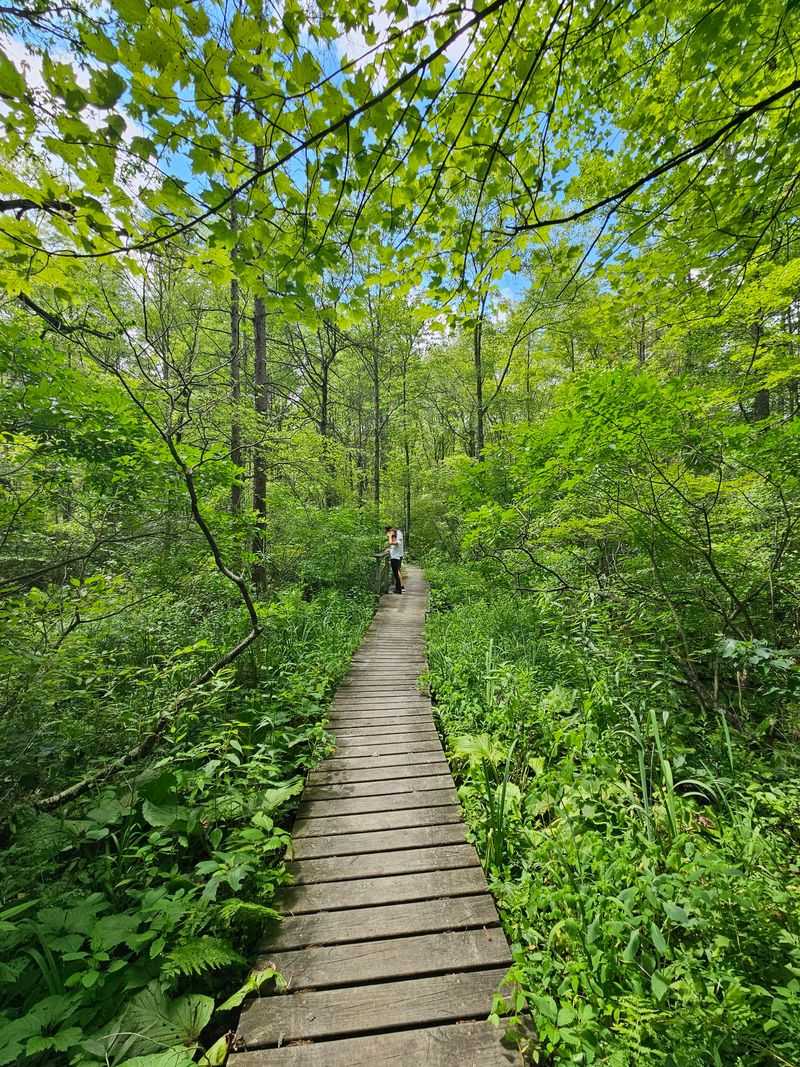
Yankee Springs feels layered before you know its history. Kettle lakes, bogs, marshes, rolling forest, sandy openings, and steep glacial formations create habitat for many native species, including the rare eastern massasauga rattlesnake.
Long-term management is what keeps that variety from becoming a collection of isolated scenic spots. Wetlands need protection, open areas need care, invasive plants must be controlled, and trails must be maintained without cutting wildlife habitat into unusable pieces.
The park’s management plan specifically recognizes eastern massasauga habitat within its 5,200 acres.
Human tradition is part of the story too. Civilian Conservation Corps work helped reshape and reforest portions of the recreation area during the 1930s, while modern staff, volunteers, and trail groups continue caring for the land.
Conservation here is not one uninterrupted method. It is a series of choices adjusted over generations.
I like walking where sandy ground meets wetter forest because the change makes the park’s diversity obvious. Visitors should stay on marked routes, avoid handling snakes, and leave basking or shelter areas undisturbed.
Yankee Springs proves that tradition can mean more than preserving old buildings. It can mean continuing the practical work that still allows a living landscape to survive changing pressures.