
10 Virginia Towns Where Retirees Are Enjoying A Lower Cost Of Living
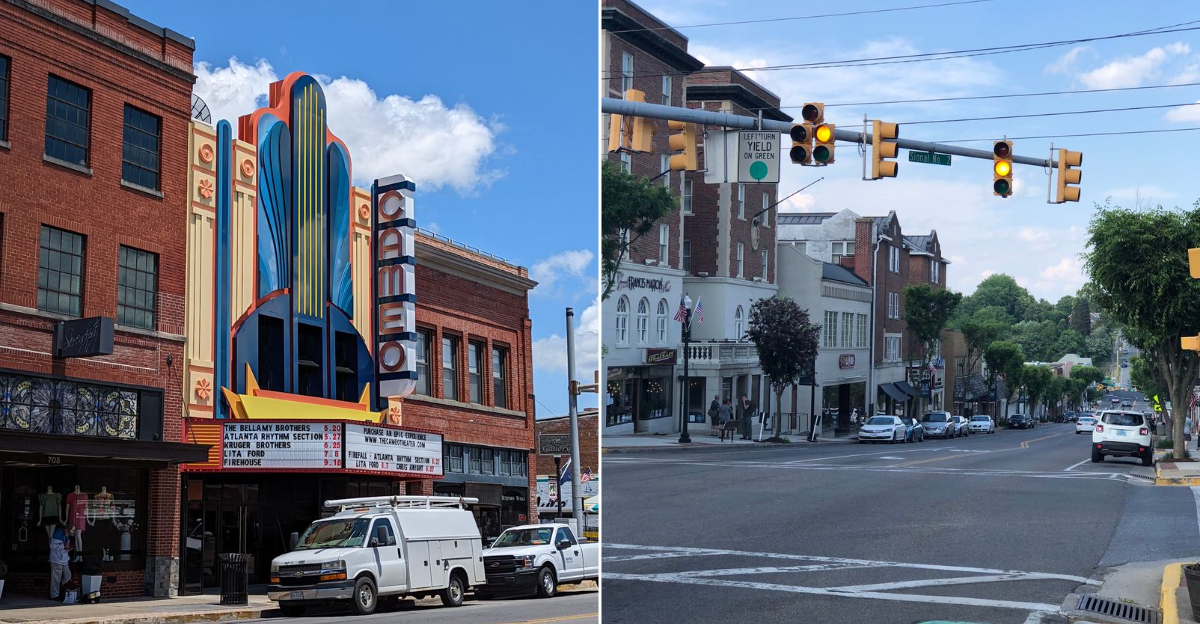
Retirement isn’t just about slowing down. It’s about finally living life on your own terms.
But with rising housing costs and everyday expenses, finding a place where your savings stretch further has never mattered more. So, where can you enjoy a relaxed lifestyle without constantly worrying about your budget?
The answer might be tucked away in Virginia’s smaller towns, where affordable living meets scenic landscapes, welcoming communities, and plenty of local charm.
Whether you dream of peaceful mornings, a walkable downtown, or easy access to nature, these hidden gems prove you don’t have to spend a fortune to enjoy your retirement years.
1. Richlands
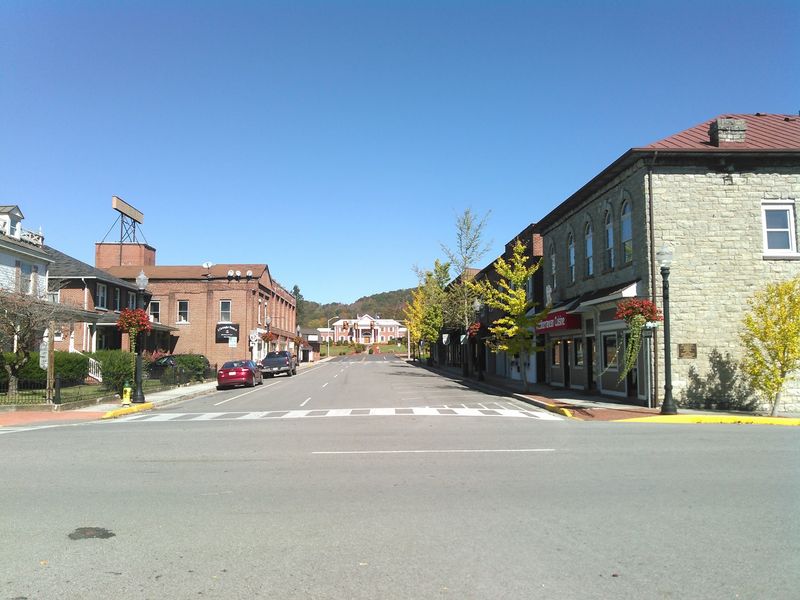
Nestled in the heart of Tazewell County, Richlands is the kind of town that greets you like a warm handshake. With a population of just over 5,200, it has that rare quality where everyone seems to know their neighbor.
The cost of living here sits a remarkable 12% below the national average and a full 23% lower than the Virginia state average.
Housing is where Richlands truly shines. The median home value hovers around $105,800, and monthly housing costs for a single person average about $616.
That is not a typo.
Grocery costs run approximately 21.8% below the national average, and essential services like healthcare and transportation are about 18.5% more affordable than what most Americans pay.
The Clinch Valley Medical Center provides solid emergency and inpatient healthcare right in town. For those exploring assisted living, Commonwealth Senior Living at Cedar Bluff offers daily activities, scheduled outings, and farm-to-table dining.
Above-average public schools and a genuinely unhurried pace round out the picture. Richlands is proof that stretching a retirement budget does not mean sacrificing quality of life.
2. Covington
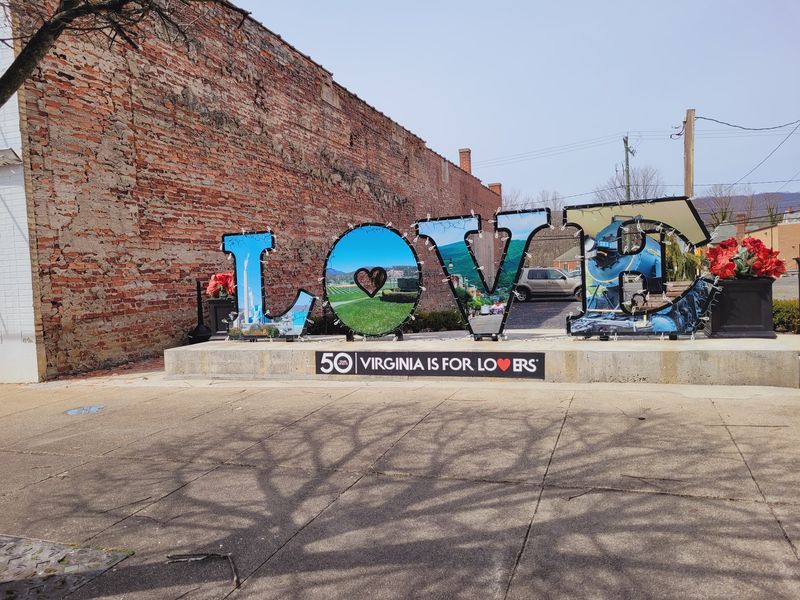
Covington sits in the Alleghany Highlands like a postcard that nobody mailed because the people who found it decided to stay.
Ranked sixth out of 532 places in Virginia for low cost of living, it consistently earns its spot on affordability lists. Housing prices here are a fraction of what you would find in larger Virginia cities, and property taxes are refreshingly reasonable.
Virginia is already one of the more retirement-friendly states in the country. Social Security benefits are not taxed, and deductions apply to other retirement income sources.
In a town like Covington, those savings compound quickly.
Renters benefit too, with apartments and houses priced well below the state norm.
The Jackson River runs right through town, and the surrounding mountains provide a scenic backdrop that feels more like a luxury amenity than a simple geographic feature. Downtown Covington features charming brick buildings, local businesses, a movie theater, and bowling alleys.
Farmers markets and live music events regularly bring the community together. Covington offers the kind of easy, grounded lifestyle that retirement brochures promise but rarely deliver.
3. Marion
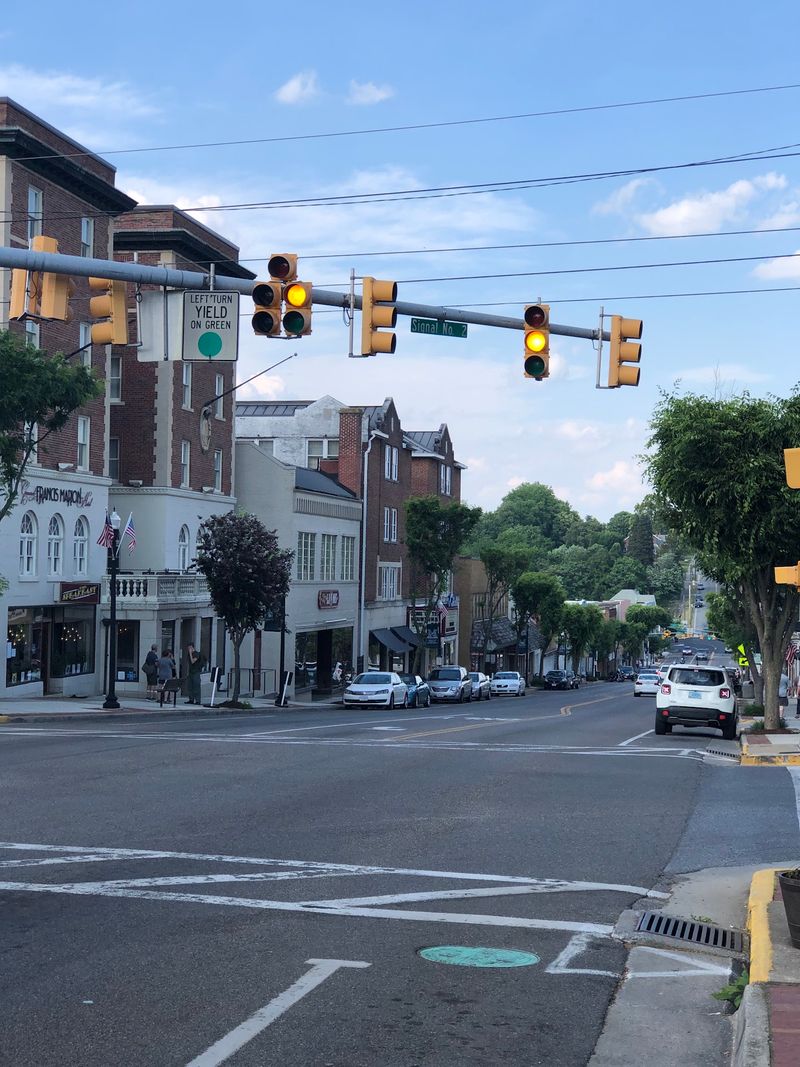
Marion is the kind of place where the mountains feel close enough to touch and the monthly bills feel light enough to ignore. Sitting in Smyth County in Southwest Virginia, this small town carries a cost of living index of just 87, compared to the national benchmark of 100.
That gap represents real money in your pocket every single month.
Housing costs in Marion run about 37% lower than the national average. A single person can expect monthly housing expenses of around $616, while a family of four might pay approximately $1,129.
Groceries come in about 21.8% below average, and essential costs like energy, transportation, and healthcare are roughly 18.5% more affordable than the national norm.
Marion also benefits from Virginia’s retirement-friendly tax structure, which exempts Social Security from taxation entirely.
Senior living community costs are competitive with both state and national averages, giving retirees multiple housing options at accessible price points.
The Blue Ridge Parkway is practically in the backyard, offering endless scenic drives and hiking trails. Marion rewards those who take the time to find it, and once you do, leaving starts to seem like a strange idea.
4. Danville
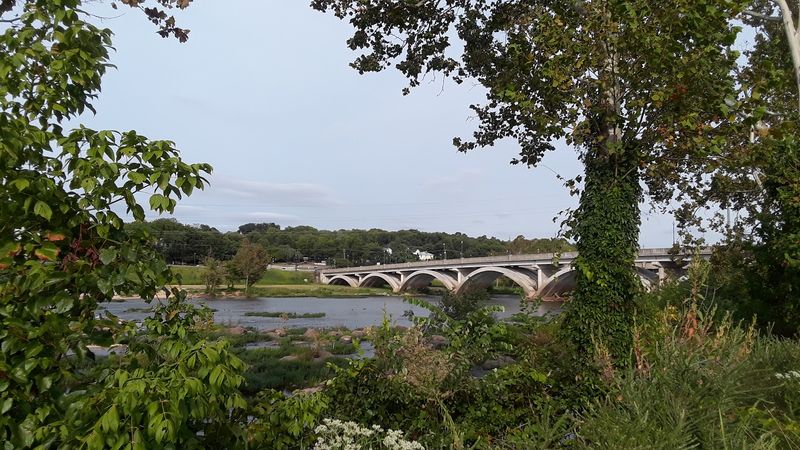
Danville is having a moment, and retirees are paying attention. This city in the southern Piedmont region has transformed its River District into a genuinely exciting destination, complete with walking trails along the Dan River, parks, and cultural spots like the Danville Museum of Fine Arts and History.
The revitalization is real, and it is happening right alongside some seriously low price tags.
The BestPlaces cost of living score for Danville is 69.2, meaning it costs about 30.8% less to live here than the national average.
Median home values sit around $199,000, which is among the lowest in the state for a city with this level of amenities. Two adults typically spend less than $600 monthly on groceries, compared to the national figure of $832.
Sovah Health provides solid healthcare access for residents, and a city bus service makes getting around town easy without needing a second vehicle.
Virginia’s tax-friendly retirement policies apply here too, keeping more income in your hands each month. Danville blends small-town warmth with genuine cultural energy.
It is not just affordable, it is actually fun to live in.
5. Bristol
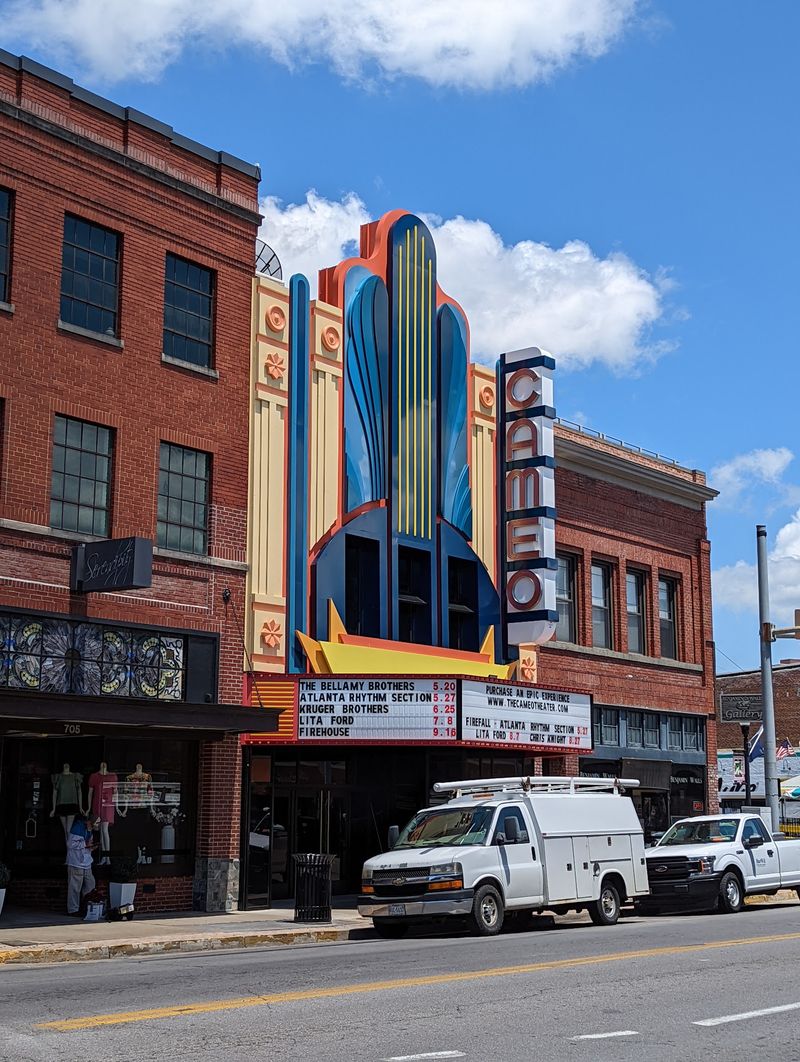
Bristol is one of those towns that exists in two states at once, and somehow that geographic quirk makes it even more interesting.
Straddling the Virginia-Tennessee border, the Virginia side of Bristol offers home values roughly 51% below the state average and a cost of living approximately 14% below the national average. That is a significant head start for anyone planning retirement on a fixed income.
Steele Creek Park is a local treasure, offering walking trails, a fishing lake, and peaceful picnic areas just minutes from downtown.
The Virginia Highlands nearby deliver stunning scenic drives and natural areas worth exploring on any given afternoon. Downtown Bristol itself is a delight, with charming shops, cafes, and the Paramount Center for the Arts hosting a rotating lineup of entertainment.
The Douglass Senior Center is a hub for older adults in the community, offering meals, game days, fitness facilities, classes, organized trips, and a computer lab with Wi-Fi access.
The Bristol Public Library supports lifelong learning in a welcoming environment. Healthcare is accessible through regional medical facilities serving both sides of the state line.
Bristol is the rare place where affordability and genuine community spirit arrive in the same package.
6. Galax
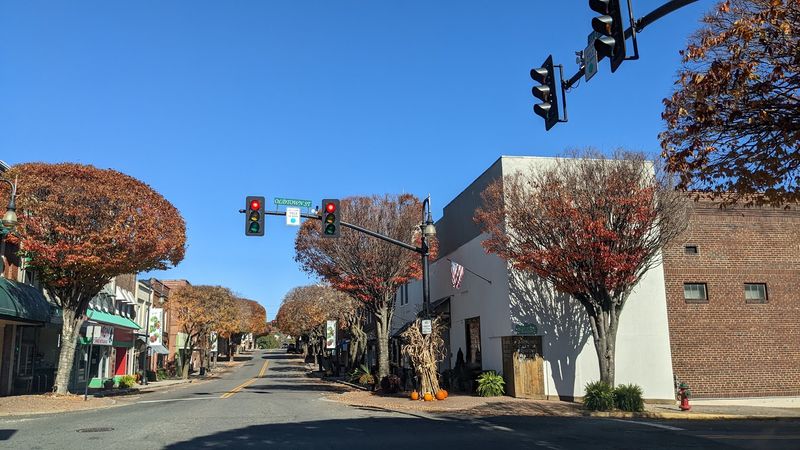
Galax has a personality as distinct as its name. Tucked into the mountains of Southwest Virginia, this small city has built its identity around bluegrass and old-time music, hosting the internationally recognized Old Fiddlers’ Convention every August.
It also happens to be one of the most affordable places to live in the entire state, with a cost of living about 14% below the national average.
Median home prices in Galax hover around $117,000, and charming properties can be found for under $150,000.
The Blue Ridge Music Center offers live mountain music performances throughout the year, giving retirees a rich cultural life without an expensive price tag. The New River Trail and proximity to the Blue Ridge Mountains make outdoor recreation a daily reality rather than a weekend luxury.
The Galax Senior Center provides free programs including walking clubs, yoga, and social events that keep the community connected and active.
Healthcare needs are addressed through Ballad Health Twin County Regional Healthcare. Galax is the kind of place where culture, nature, and affordability all show up to the same party.
If you have been searching for a retirement town with genuine soul, Galax deserves a serious look.
7. Martinsville
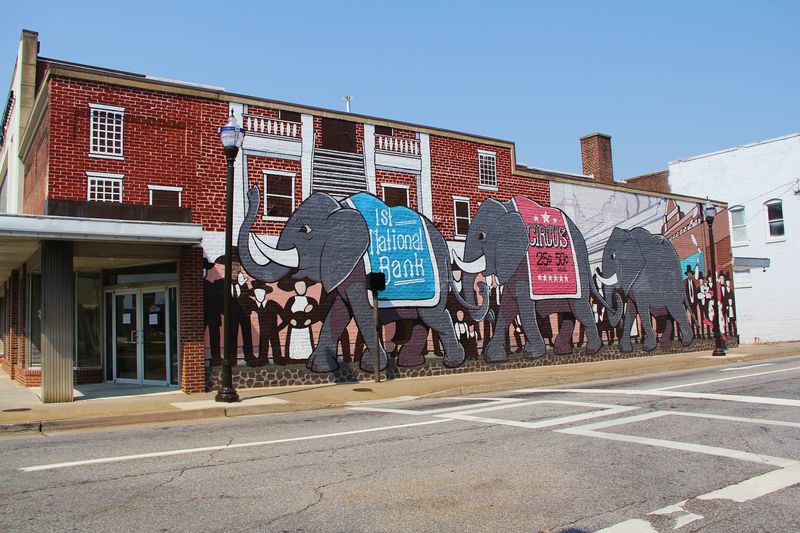
Martinsville punches well above its weight class. Sitting in the southern Piedmont near the North Carolina border, this city offers a cost of living 10% below the national average and a full 17% below the Virginia state average.
Housing is 25% cheaper than the U.S. norm, with rent ranging between $701 and $924 monthly. Those numbers create a lot of breathing room in a retirement budget.
Property taxes are low, which means more money available for travel, hobbies, or simply enjoying life at a slower pace.
Groceries, utilities, and transportation are all more manageable here than in pricier corners of the state. Martinsville also sits conveniently between the mountains and the coast, making weekend getaways genuinely easy to pull off.
The Martinsville Senior Center is open daily and offers more than ten monthly activities along with senior transportation services.
SOVAH Health provides healthcare access for residents. Cultural options include the Virginia Museum of Natural History, the scenic Smith River Trail, and Piedmont Arts.
King’s Grant, a Life Plan Community, offers independent living with access to higher levels of care if needs change over time.
Martinsville quietly delivers a retirement lifestyle that many bigger cities charge a premium to approximate.
8. Pulaski
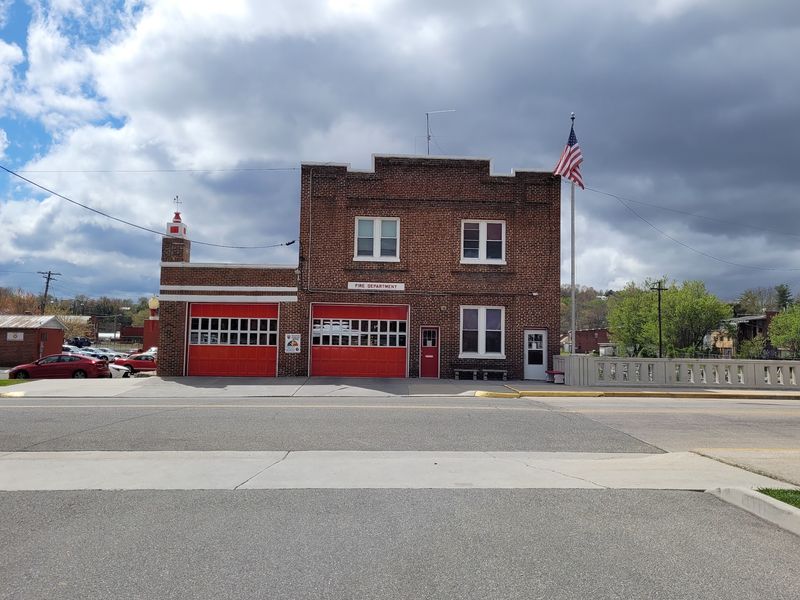
Pulaski has the kind of unpretentious charm that makes you feel at home before you have even unpacked your boxes.
Located in Southwest Virginia along the New River Valley, this town offers genuinely affordable housing that allows retirees to live comfortably on modest monthly incomes. The community has a strong local identity and a social calendar that keeps life interesting year-round.
Seasonal events including farmers markets, holiday parades, and outdoor concerts fill the calendar with low-cost entertainment.
The Town of Pulaski Senior Center is a popular gathering spot, running programs like bingo, card games, puzzles, luncheons, movies, organized trips, exercise classes, and walking clubs. Every effort is made to keep activity costs as low as possible for participants.
Claytor Lake State Park sits nearby and offers swimming, boating, camping, and hiking across a beautifully maintained natural landscape. LewisGale Hospital Pulaski provides local healthcare access.
For retirees seeking affordable senior housing specifically, Washington Square Apartments offers low-income options designed for older adults. Pulaski does not try to be flashy, and that is exactly the point.
It delivers comfort, community, and natural beauty without asking you to overspend to enjoy any of it.
9. Big Stone Gap
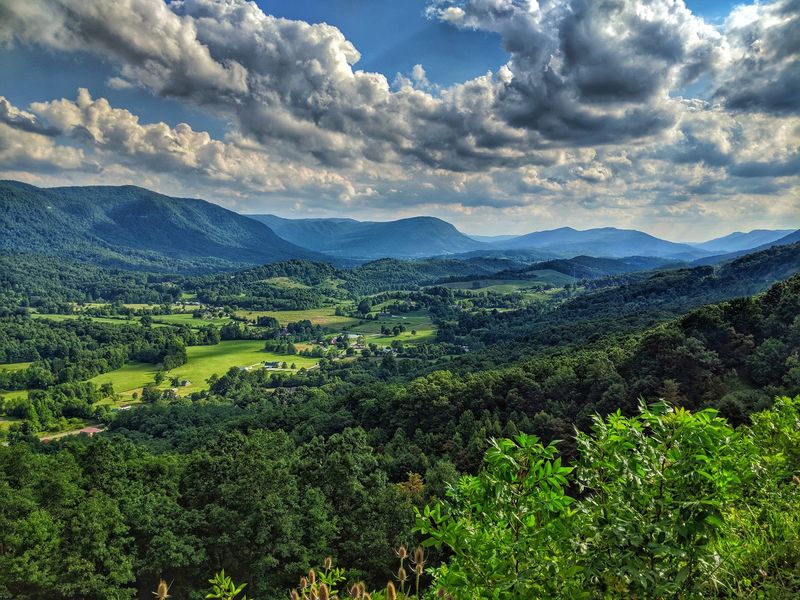
Big Stone Gap sounds like the title of a feel-good novel, and fittingly, it inspired exactly that. Novelist Adriana Trigiani set her beloved Big Stone Gap series right here, and the town leans into that literary legacy with local landmarks and a small museum connected to the books.
Beyond the storytelling charm, this Appalachian community is considered one of the most affordable places to retire in all of Virginia.
The median home value sits around $163,000, which is a fraction of the national average and remarkably low for a town with this much personality.
The Southwest Virginia Museum Historical State Park is located right in town, showcasing the region’s coal heritage and Appalachian culture in an engaging and accessible way.
The town’s greenbelt walking trail encircles the entire area, offering a clean, safe, and scenic option for daily exercise.
The close-knit community here moves at a pace that feels intentional rather than slow.
Recent months have brought increased energy to the area, with major celebrations and fundraising events drawing people together.
Big Stone Gap is the kind of place where history, nature, and community overlap in the best possible way. For retirees who want depth along with affordability, this town delivers both without compromise.
10. Emporia
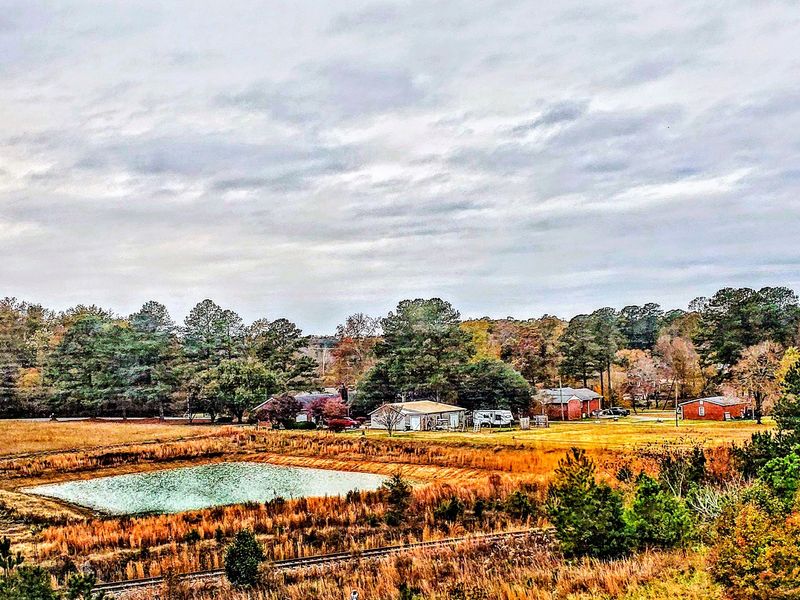
Emporia has been quietly doing something remarkable: making retirement genuinely affordable in a state where costs can climb fast.
This small city in southern Virginia carries a median home value of just $129,400, and food expenses run about 29.1% below the national average. Energy, transportation, and healthcare costs are approximately 16.8% lower than national figures.
For anyone on a fixed income, those savings are not small.
The climate here is mild and welcoming, offering a pleasant escape from harsh northern winters without the premium price tag of warmer coastal alternatives.
The Family YMCA of Emporia-Greensville provides seniors with social and fitness opportunities, including card games, chess, bingo, and volunteer roles. The Eugene H.
Bloom Retirement Center offers an activity center, library, computer lounge, and planned social outings for older residents.
Meherrin River Park and Veterans Memorial Park provide lovely outdoor spaces for walking, fishing, and relaxing picnics.
Southern Virginia Regional Medical Center handles healthcare needs in the area. Trinity Woods offers Section 8 rent subsidy housing for eligible individuals aged 62 and older, making homeownership or renting accessible even on the tightest budgets.
Emporia proves that a fulfilling, connected retirement does not require a large income. Could your next chapter start here?