
This Michigan Suspension Bridge Leads Into A Forest Of Towering Ancient Trees
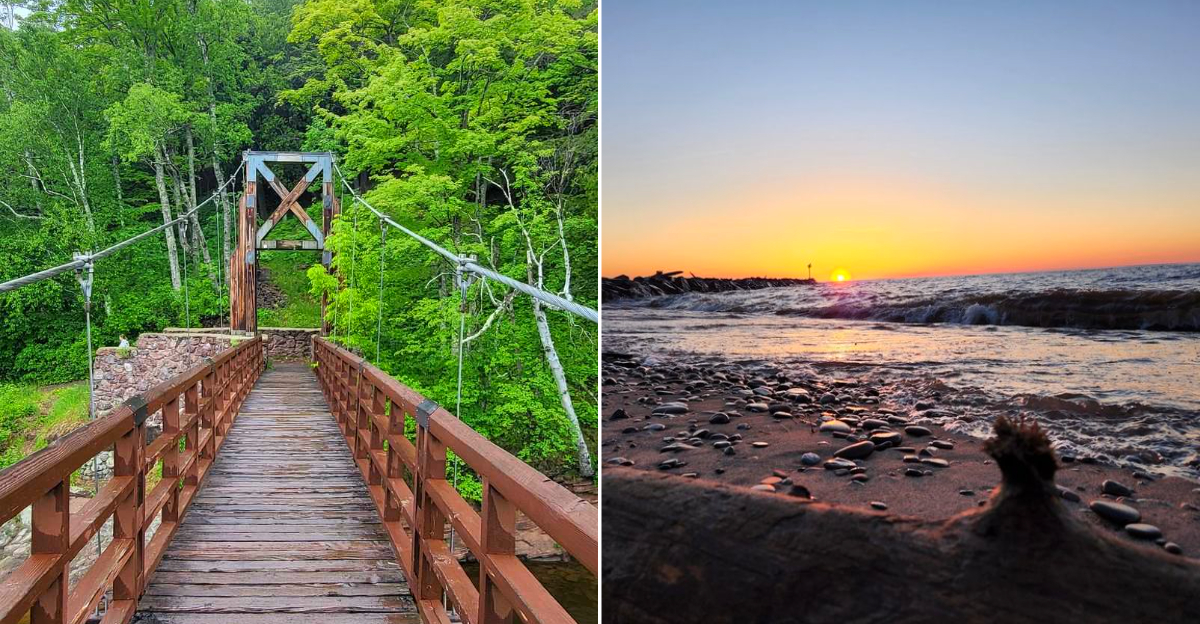
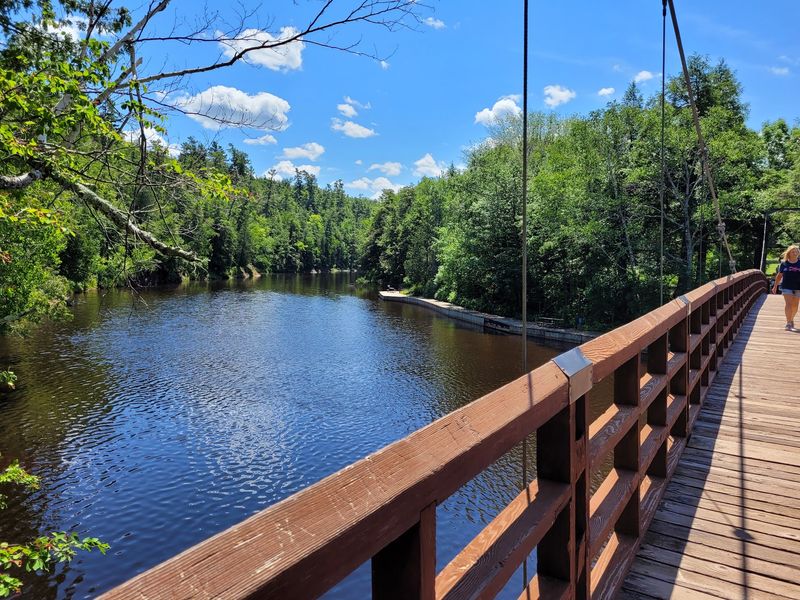
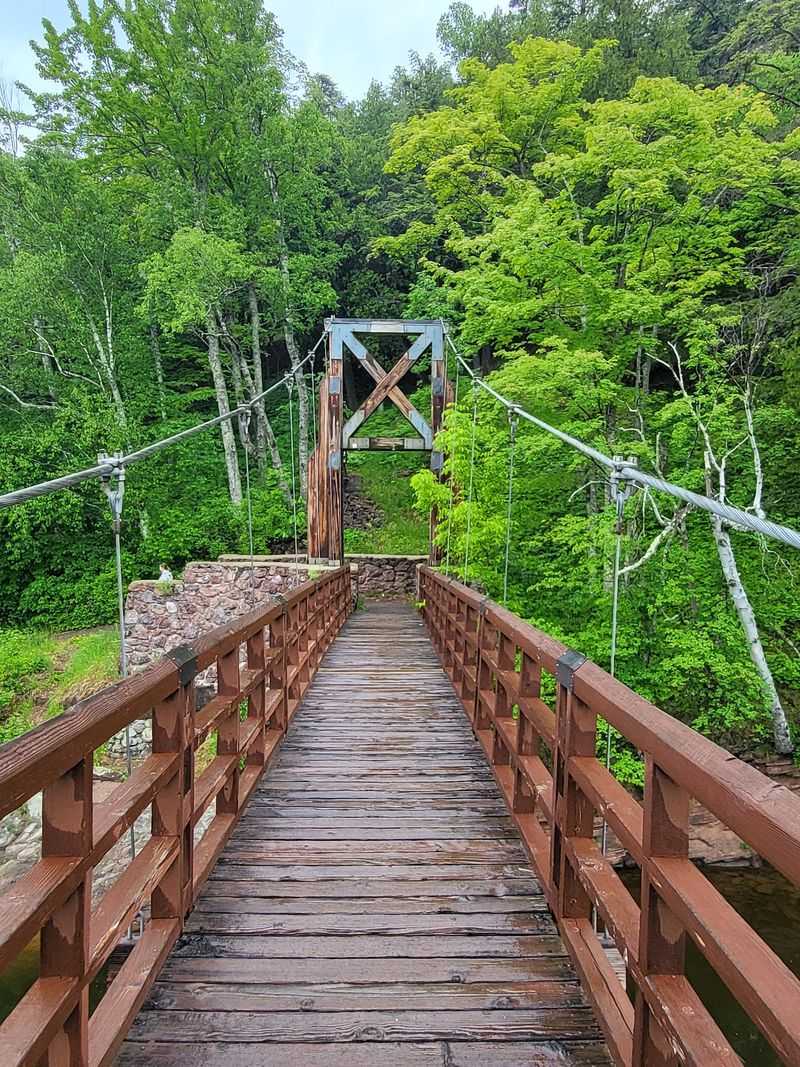
I did not expect my knees to wobble on a footbridge. The thing sways with every step. Below me, dark water rushed toward a harbor that opens onto the biggest lake I have ever seen. My hands gripped the cables tighter than necessary.
I kept walking anyway. On the other side, the trail vanished into a forest so thick the canopy swallowed the sky whole.
Hemlocks wider than my arm span stood like columns holding up the world. Sugar maples with bark like aged leather.
The air smelled different here, cooler, darker, laced with the tang of tannin leaching from ancient roots. This place felt prehistoric, the kind of forest that remembers things no person alive could recount.
I stood among trees that were already old before my grandparents were born. Walking across that swaying bridge into towering ancient trees changed how I see Michigan.
Treat County Road 513 As Part Of The Adventure
The road in is not just a way to get there. County Road 513, also called the Black River National Forest Scenic Byway, drops from higher ground toward Lake Superior and turns the approach into part of the outing.
Forest walls, river glimpses, and pull offs for waterfalls build a slow sense of arrival that feels far better than rushing straight to the end.
Give yourself extra time for the descent from Bessemer and watch carefully for signs to the falls. Deer can appear along the route, especially near evening.
A full tank, snacks, and a patient pace make the drive safer and more enjoyable, especially if you plan to stop at several trailheads before reaching the harbor area comfortably.
Eleven Scenic Miles Before Lake Superior Appears
Black River Harbor Recreation Area is at the northern end of County Road 513 near Bessemer, Michigan, where the Black River reaches Lake Superior. From US-2, turn north onto Powderhorn Road, continue to County Road 513, and follow the Black River Scenic Byway toward the harbor.
The final 11 miles wind through Ottawa National Forest, passing marked waterfall trailheads before the road reaches the lakeshore. Continue to the end of the byway for the harbor itself rather than stopping at one of the separate waterfall parking areas along the route.
Use the large parking area near the harbor, pavilion, boat launch, and campground. From there, follow the pedestrian paths toward the suspension bridge, beach, marina, or North Country Trail access.
Look Up And Down In The Old-Growth Forest
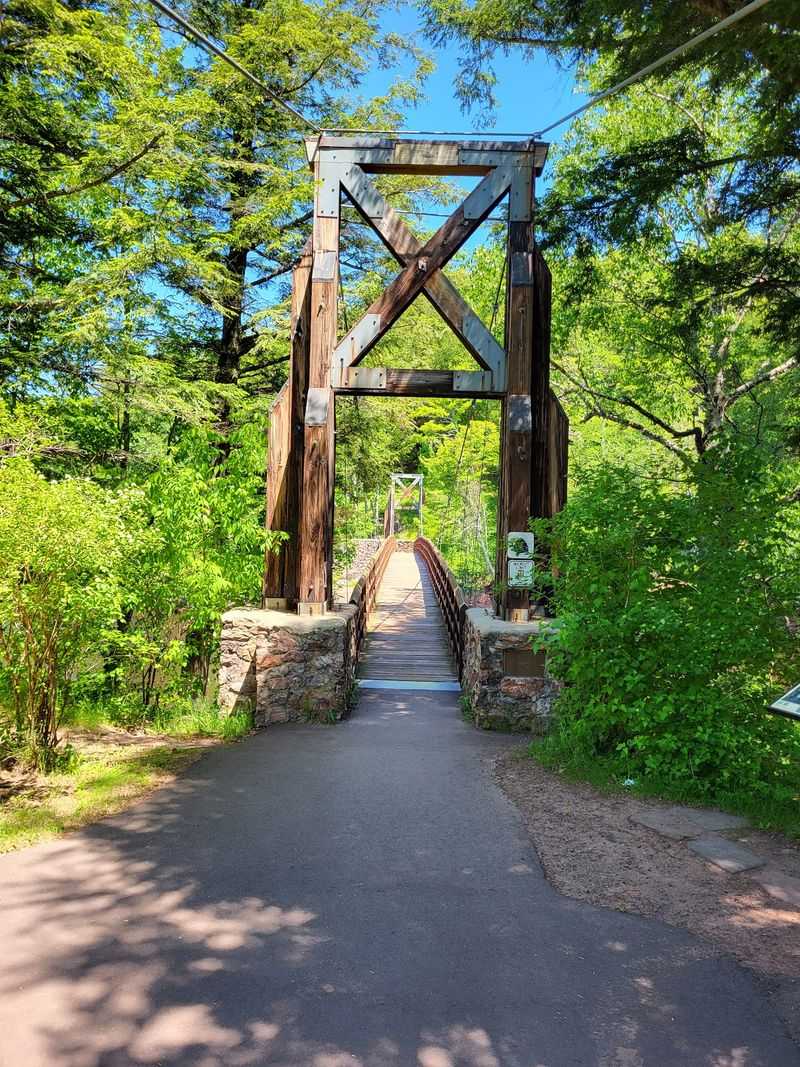
Beyond the bridge, the woods begin to feel older than the day around you. Eastern hemlock, white pine, and northern hardwoods shape the character of this part of Ottawa National Forest, and the height of the trees changes how sound moves.
Wind hushes, footsteps soften, and even lively families tend to lower their voices without being told.
Look down as often as you look up. In spring, wildflowers, ferns, and club moss brighten the forest floor, while summer deepens the shade and fall lights the hardwood leaves.
Staying on marked paths protects roots and fragile plants. The reward is simple but rare: a forest that feels layered, cool, and patient, with the bridge acting like a doorway into pace entirely.
Use The Bridge As Your Trail Connector
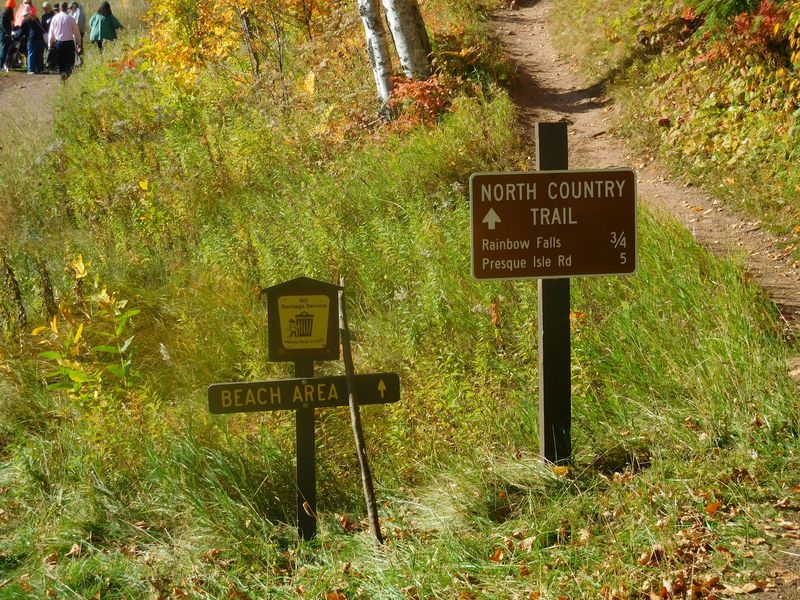
One of the smartest moves here is treating the bridge as a connector, not the final destination. The pedestrian span is part of the North Country National Scenic Trail, and once you cross it, you can continue toward an eastern view of Rainbow Falls.
That adds a real sense of journey, because the river, bridge, and forest begin to feel like one linked experience instead of separate stops.
Trail distances in this area are fairly short, but stairs and uneven ground can still surprise people. Wear shoes with grip, especially after rain.
If your group has mixed energy levels, let strong walkers continue while others enjoy the beach or picnic grounds nearby. Everyone still gets a satisfying day outdoors there.
Save Time For The Lake Superior Beach
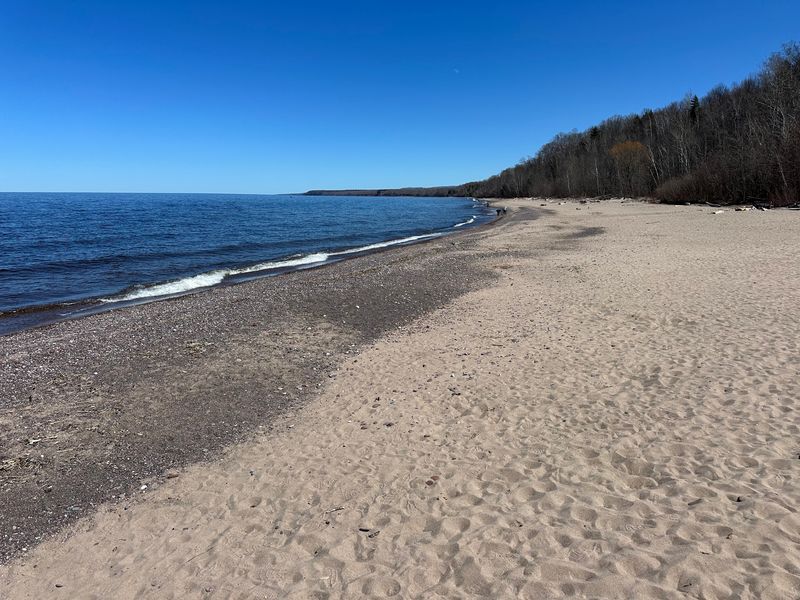
After the bridge, the path to Lake Superior opens like a change of mood. One minute you are under trees, and the next you are on a broad shore of sand, pebbles, driftwood, and big sky.
Black River Harbor is one of the few National Forest access points to the lake in this area, which helps explain why the beach feels special without needing anything fancy.
Tender feet notice the stones quickly, so sturdy sandals or water shoes help. On calm summer days, the lake can look inviting, but Superior stays cold and deserves respect.
Bring a bag for snacks and extra layers, then leave the rocks, logs, and shoreline plants where they are for the next visitor to discover.
Plan Around The River And Waterfalls
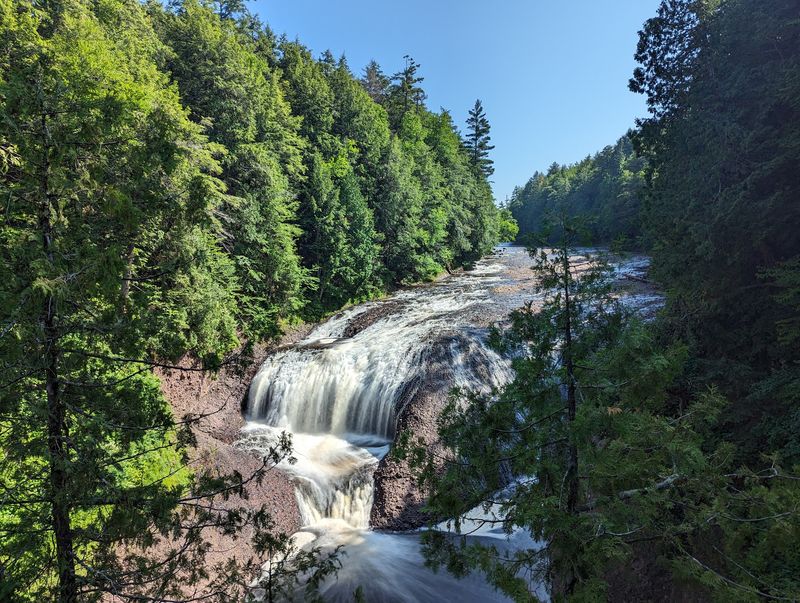
The river makes plenty of noise long before you stand beside it. Black River cuts through a deep gorge of sandstone and conglomerate, and the nearby waterfall system gives the harbor area a constant rushing soundtrack.
Spring snowmelt usually brings the strongest flow, while winter turns the falls into sculpted ice. Even when you cannot see the water, you often hear it first, which gives the whole forest a charged feeling.
If waterfalls are high on your list, visit after wet weather or during spring runoff. Pack a light rain layer because mist and cool air can surprise you.
Railings and platforms help, but careful footing still matters on stairs and damp overlooks near the river on busy summer afternoons.
Notice The Quiet History In The Structures
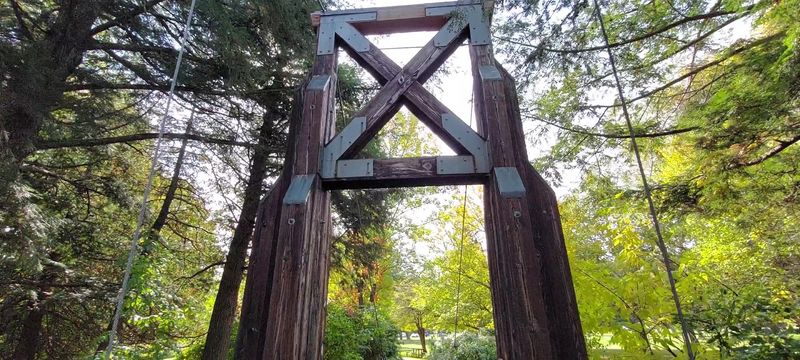
Stone, timber, and cable do a lot of quiet storytelling here. The suspension bridge dates to 1939 and was built by the Civilian Conservation Corps and Works Progress Administration, part of a larger burst of public work that shaped the harbor recreation area.
Nearby structures and the historic pavilion carry the same practical, sturdy character. Nothing feels flashy, which is exactly why the place ages so well.
Pause for the signs and older design details instead of racing straight to the beach. I like how the history sits in plain view without taking over the scene.
Knowing who built these paths and gathering spots makes the visit feel less like a stop and more like a inheritance being used well.
Consider Staying At The Campground
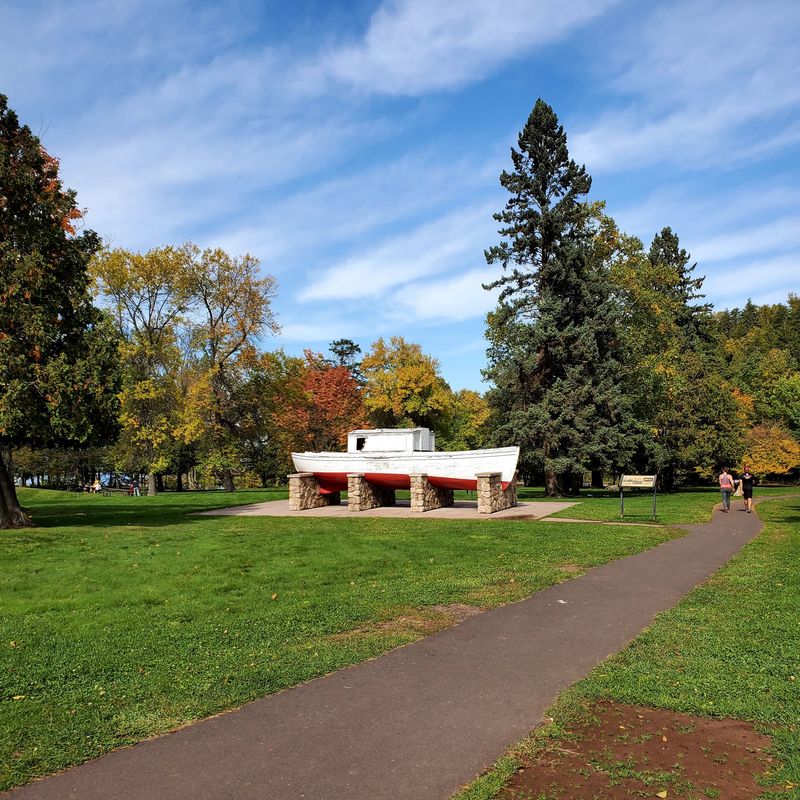
Sleeping near the harbor stretches the experience in the best way. The campground sits among hemlock and pine on a bluff above Lake Superior, and some sites look straight toward the water.
It is a practical forest campground, not a resort, with paved spurs, vault toilets, and a pressurized water system during the operating season, usually mid May through mid October.
Reserve ahead when travel plans are firm, because lake view sites are limited and summer weekends draw plenty of interest. Even inland spots feel pleasantly tucked away thanks to vegetation between campsites.
Evening temperatures can drop fast near Superior, so pack warmer layers than you think you need. The trees hold onto cool air after sunset most nights there.
Bring A Bag For Beach Stones And Agates
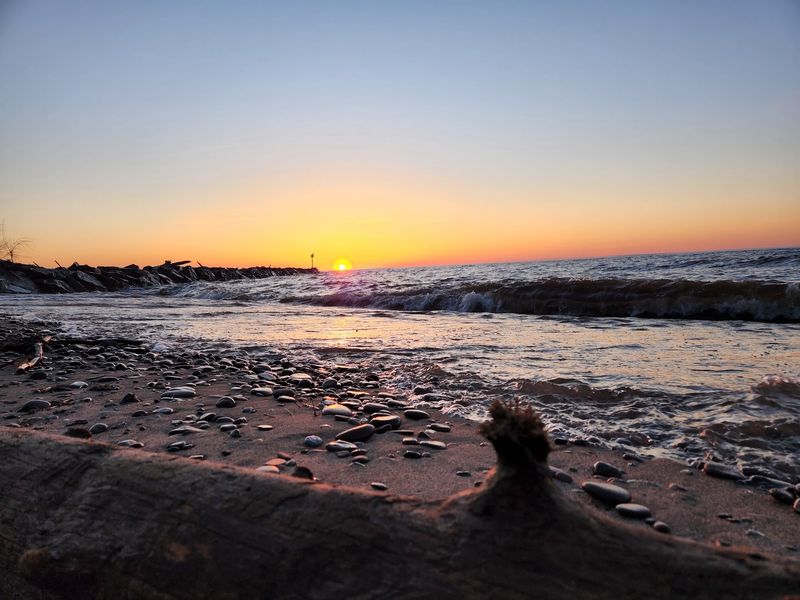
Pebble temptation is real on this beach. The shoreline beyond the bridge is known for rock picking, and agates can turn an walk into a slow treasure hunt.
Kids love it, but adults get just as absorbed, crouching over wet stones with the focus of scientists. Driftwood scattered across the shore adds texture and shelter from the breeze, making it easy to linger longer than planned.
A mesh bag works better than overstuffed pockets, and a rinse can reveal colors hidden under dust. Keep expectations light, because the fun is in the search as much as the find.
When the lake is restless, watch the waves first and the ground second. Superior changes moods along this shore.
Use The Harbor Grounds For An Easier Visit
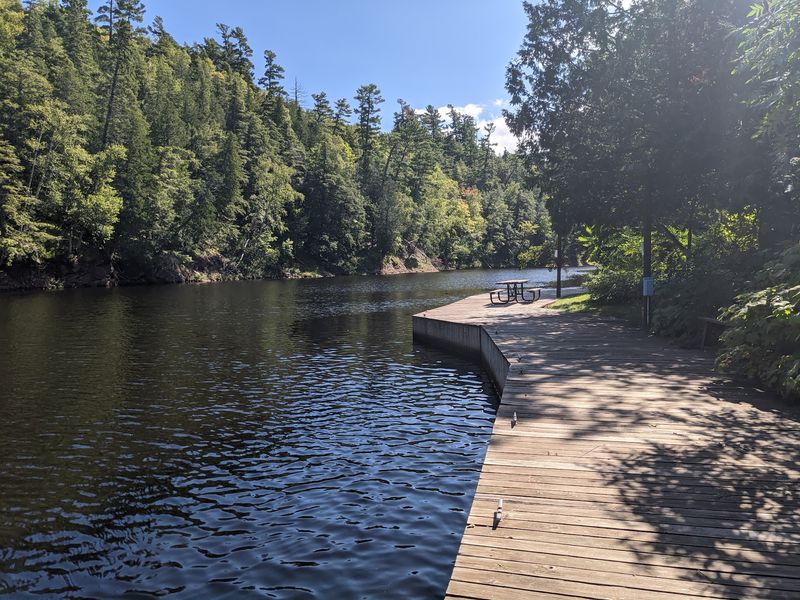
Not every moment here requires a hike. The harbor side includes picnic grounds, a boardwalk-style walking area along the water, and easy places to pause before or after crossing the bridge.
For mixed-age groups, that matters. One person can sit with a snack and watch the river mouth while another heads for the trail, and nobody feels stranded in a parking lot.
The area works well for a longer stop because scenery begins immediately from the developed section. Bring a simple picnic, use the restrooms before setting out, and keep an eye on changing weather off Lake Superior.
Wind can freshen with almost no warning. A calm lunch table can turn into a jacket moment in a few minutes here.
Pick Your Season With Care
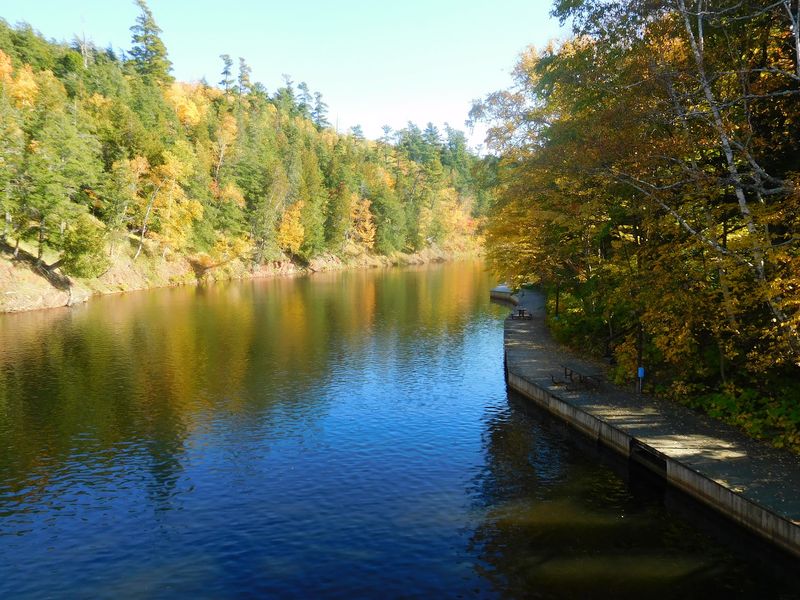
Season matters here more than first-time visitors expect. Late May and early June bring the best wildflower shows under the trees, spring runoff powers up the falls, summer can offer swimmable looking but cold water, and autumn fills the hardwoods with bright color.
Winter is quieter and more severe, with icy formations around the falls and very different trail conditions. The same bridge keeps changing personalities.
Choose your visit based on what you want to notice most. For flowers and rushing water, lean toward spring.
For beach walks and longer daylight, pick summer. For color and crisp air, fall is hard to beat.Even the tannin-tinted river feels different from season to season, shifting the whole mood of the harbor.