
10 Maine Regions Reporting The Most Tick Activity This Summer
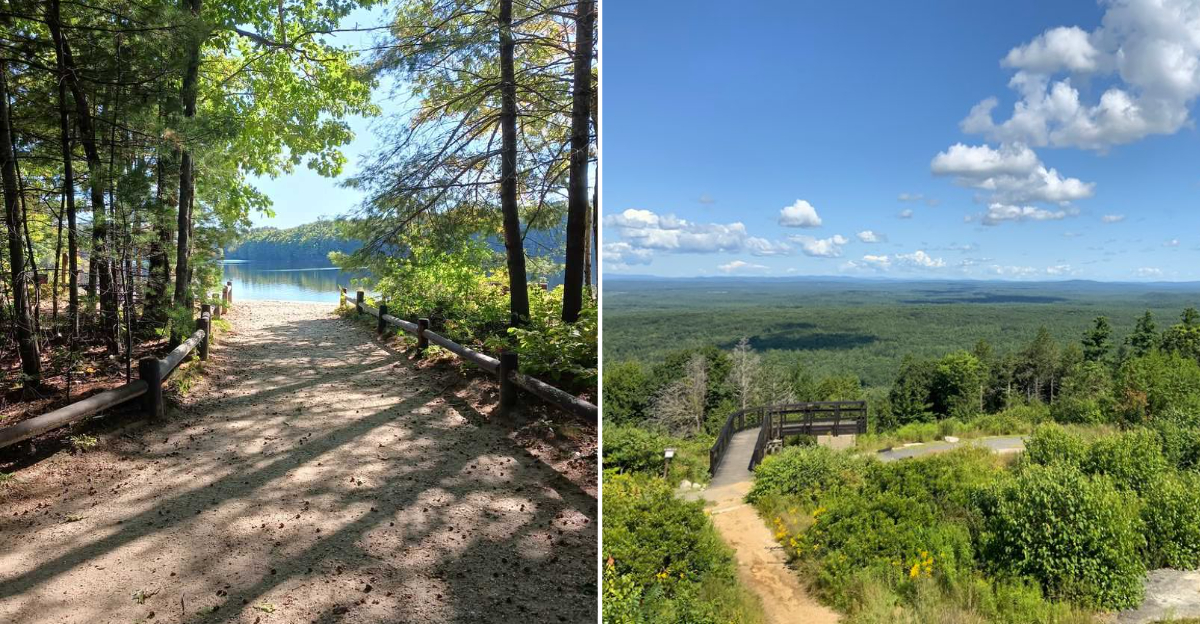
I once finished a beautiful summer hike feeling proud of the miles I had covered, only to discover a tiny passenger trying to come home with me. Apparently, ticks do not believe in paying for transportation.
Summer in Maine brings sunny trails, busy campgrounds, and plenty of reasons to spend the day outdoors. It also brings blacklegged ticks, which often wait in leafy or brushy areas where they are easy to miss.
A little preparation can spare you a lot of worry later. Light-colored clothing makes ticks easier to spot, while repellent adds useful protection.
I also check my clothes, hair, and gear after every outing now, no matter how short the walk seemed. This guide highlights ten regions with popular outdoor destinations where tick awareness matters, along with practical tips for enjoying the season safely.
1. Cumberland County
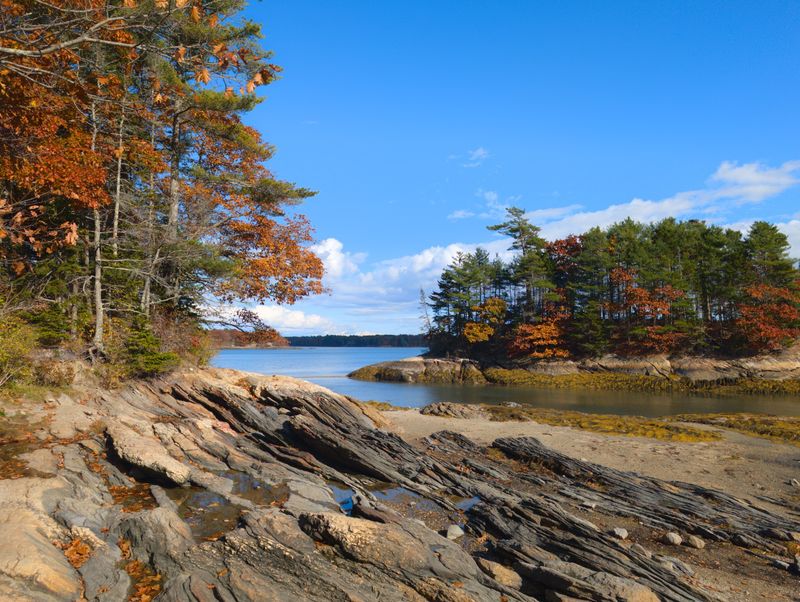
Wolfe’s Neck Woods State Park in Freeport, Cumberland County, sits right along the edge of Casco Bay, and that combination of coastal moisture and lush forest makes it one of the most tick-friendly environments in the state this summer.
The park’s dense pine groves and thick understory create exactly the kind of shaded, humid habitat that deer ticks love most.
Visitors exploring the shoreline trails or the Casco Bay Trail should wear long pants and light-colored clothing so ticks are easier to spot. The park covers about 233 acres, meaning there is plenty of trail to cover, and plenty of opportunity for tick encounters if you are not careful.
Wooded interior paths with leaf litter, tall grass, and low vegetation are sensible places to take extra tick precautions.
Do a thorough tick check after every outing, and consider using an EPA-registered repellent before you head out. The scenery here is genuinely worth the visit, just go prepared.
2. Hancock County
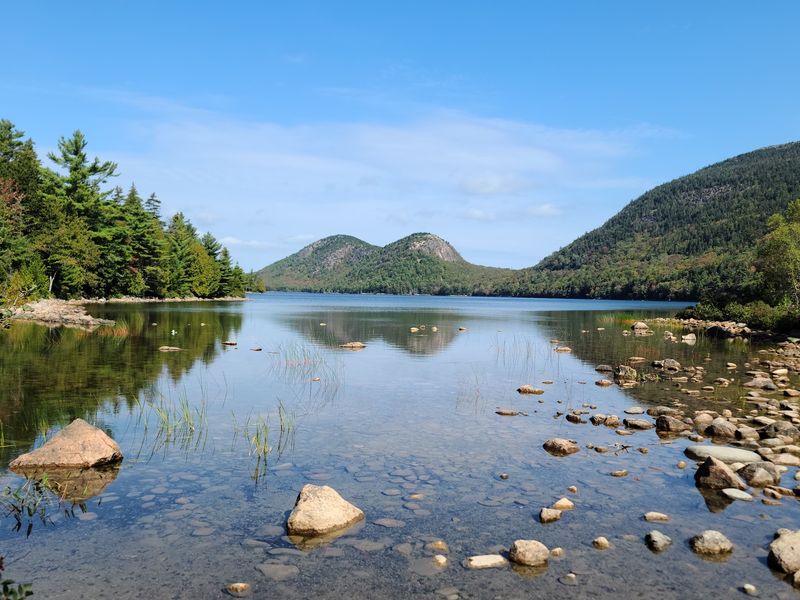
Acadia National Park draws millions of visitors each year, and the National Park Service warns that ticks are prevalent in the park during the warmer months.
The mix of hardwood forests, meadows, and carriage roads creates a diverse landscape that supports large white-tailed deer populations, which in turn support large tick populations.
Wooded trails, grassy edges, and areas with low vegetation around Acadia deserve extra attention because they can provide suitable tick habitat.
Even the famous carriage roads, which many people assume are safe because they are wide and well-maintained, pass through grassy edges where ticks actively wait for a host.
The good news is that Acadia staff have been proactive about posting tick awareness signs at trailheads this season.
Tuck your pants into your socks, apply permethrin to your gear before the trip, and always check behind your knees and along your hairline after a hike. Acadia is one of the most spectacular parks on the East Coast, and a little preparation keeps it that way.
3. Penobscot County
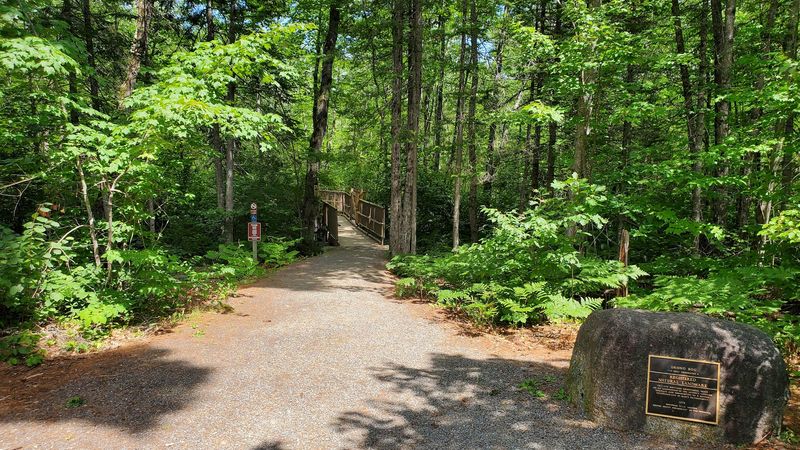
Right in the heart of Bangor, Penobscot County’s Bangor City Forest is a 680-acre urban woodland that has become a local favorite for dog walkers, trail runners, and mountain bikers.
It has also become a notable hotspot for tick activity this summer, partly because its size and tree density support healthy deer and small mammal populations year-round.
The forest’s trail network winds through areas of thick undergrowth and leaf litter, which are prime tick habitats. Because the forest is used so frequently by people with pets, there is a double reason to stay vigilant.
Dogs can carry ticks home without showing any obvious signs, so checking your pet thoroughly after every visit is just as important as checking yourself.
Local health officials in Penobscot County have flagged Lyme disease as a growing concern, with case numbers trending upward compared to previous years.
Bringing a tick removal tool on your walk costs almost nothing and could save you a lot of trouble later. The City Forest is a fantastic resource for Bangor residents, and a little awareness goes a long way.
4. Knox County

Camden Hills State Park in Camden, Knox County, offers some of the most rewarding hiking in midcoast Maine, with summit views over Penobscot Bay that genuinely stop you in your tracks.
This summer, however, the park has also been flagged as one of the region’s more active tick zones, particularly along the lower wooded trails leading up toward Mount Battie and Mount Megunticook.
The forest floor here is layered with ferns, wild blueberry bushes, and leaf litter, all of which provide excellent cover for black-legged ticks waiting to latch onto passing hikers.
Tick activity tends to peak in late spring and early summer, but populations remain active well into August, especially in shaded, moist areas below the tree line.
Families visiting Camden Hills should pay particular attention to children, who often brush against vegetation at the trail’s edge without noticing.
Wearing insect-repellent clothing and doing a head-to-toe check in the parking lot before getting back in the car are two simple habits that can make a real difference. The summit rewards are absolutely worth the climb, just stay tick-aware on the way up.
5. York County
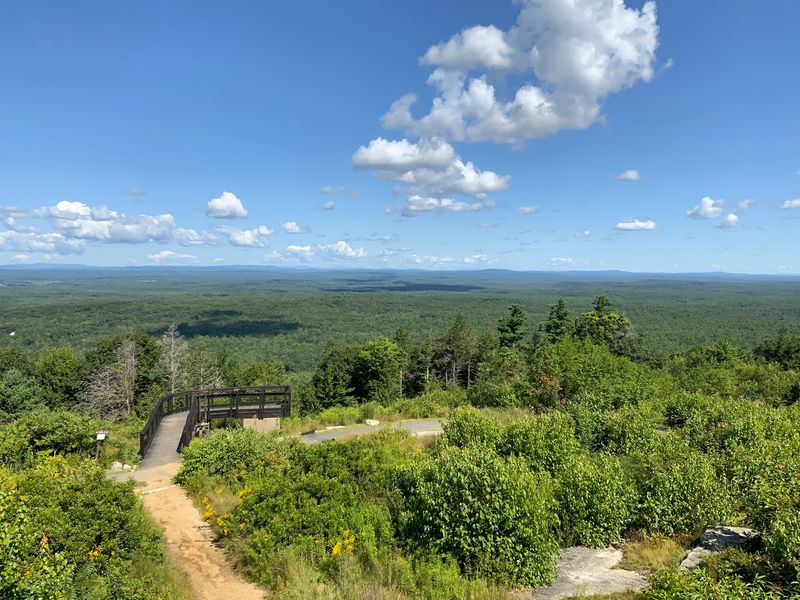
Mount Agamenticus in York, York County, is one of southern Maine’s most beloved outdoor destinations, offering miles of trails through rich mixed forest that supports an impressive range of wildlife.
That same biodiversity, however, makes it one of the most consistently high-risk tick areas in the state, and this summer reports from local trail users have confirmed elevated activity across multiple trail systems.
Because York County sits in the southernmost part of Maine, it tends to have a slightly longer tick season than counties further north.
The warm, humid conditions of early summer extend the window when nymph-stage ticks, which are tiny and easy to miss, are most active and most likely to transmit Lyme disease.
Mount Agamenticus lies within a conservation landscape containing more than 15,000 acres of protected land, offering extensive habitat and miles of trails to explore.
Sticking to the center of the trail, avoiding sitting on logs or stone walls, and doing a full-body tick check when you return to your car are the most effective habits to build here. The views from the summit make every precaution worthwhile.
6. Lincoln County

Dodge Point Public Reserved Land in Newcastle, Lincoln County, is one of those off-the-beaten-path places that locals treasure and visitors often overlook.
Stretching along the Damariscotta River, this 521-acre reserve features a network of trails through hardwood forest and along the shoreline, making it a genuinely peaceful spot to spend an afternoon outdoors.
The downside this summer is that Lincoln County has seen a notable uptick in tick reports, and Dodge Point’s combination of riverbank moisture and dense forest understory makes it particularly welcoming to black-legged ticks.
The transition zones between open riverbank areas and the shaded forest interior are especially worth watching.
Hikers heading to Dodge Point should treat their footwear and lower clothing with permethrin before arriving, since the trails pass through sections of tall grass and low shrubs where ticks are most active.
The reward for your preparation is a genuinely serene experience along one of midcoast Maine’s prettiest rivers. Bring binoculars for the birds, a tick kit for safety, and a good sense of curiosity for everything in between.
7. Kennebec County
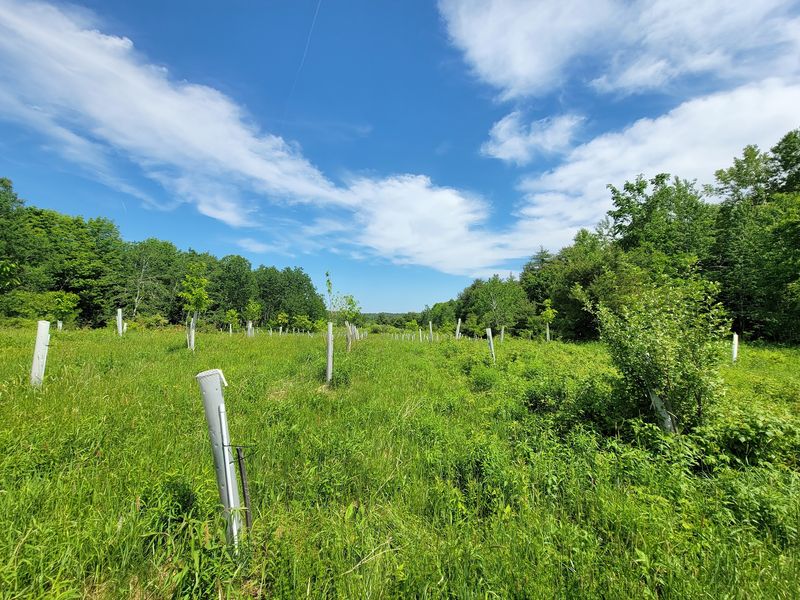
Viles Arboretum in Augusta, Kennebec County, might seem like a gentler setting than a rugged mountain trail, but do not let the manicured gardens fool you.
The 224-acre property features a variety of habitats, from open meadows and demonstration gardens to dense woodland sections, and that habitat variety supports a surprisingly active tick population during summer months.
Meadow edges and the borders between mowed lawn areas and natural vegetation are classic tick ambush zones.
At Viles Arboretum, many of the most scenic walking paths pass right through these transition areas, so staying aware of your surroundings is genuinely useful advice here, not just a generic warning.
The arboretum is a popular destination for families, school groups, and nature photographers, which means a wide range of people are potentially encountering ticks without always knowing it.
Public health messaging from Kennebec County has emphasized the importance of tick checks after any outdoor activity this season. The arboretum’s educational programs and seasonal plant displays make it a wonderful place to visit, and a tick-aware mindset fits right in with its nature-first spirit.
8. Waldo County
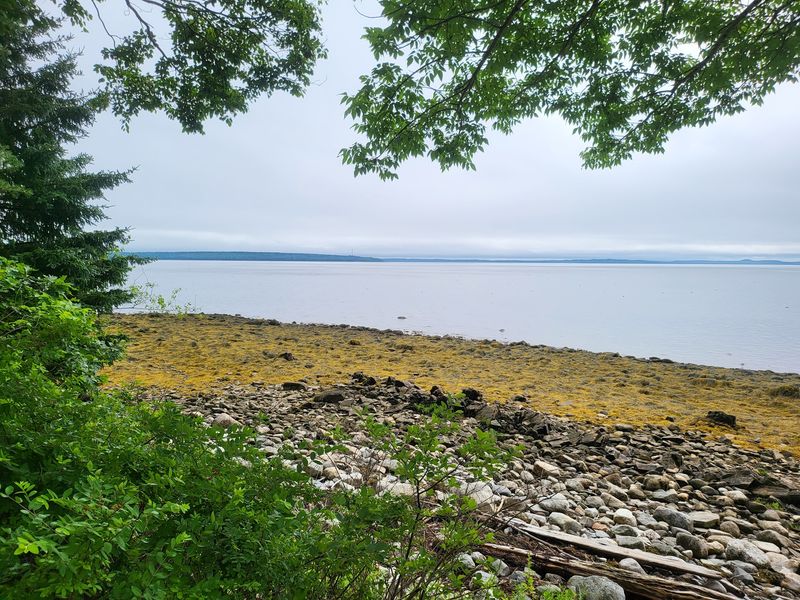
Moose Point State Park in Searsport, Waldo County, occupies a quiet stretch of Penobscot Bay coastline that offers a peaceful blend of forest and ocean scenery.
The park’s spruce and fir forest, combined with the moist coastal air that rolls in off the bay, creates conditions that ticks find very agreeable, and this summer has been no exception.
The park is relatively small at about 183 acres, but what it lacks in size it more than makes up for in beauty and biodiversity. Picnic areas near the forest edge and the wooded trails that connect the shoreline to the interior are the spots where tick encounters are most commonly reported by visitors this season.
Tickborne illnesses remain an important concern throughout Maine, including wooded and coastal areas in the midcoast region.
Moose Point is the kind of place where you want to slow down, sit on a rock, and watch the bay, just make sure that rock is not surrounded by tall grass or leaf litter. A careful tick check before you head home is the perfect ending to a beautiful day here.
9. Androscoggin County
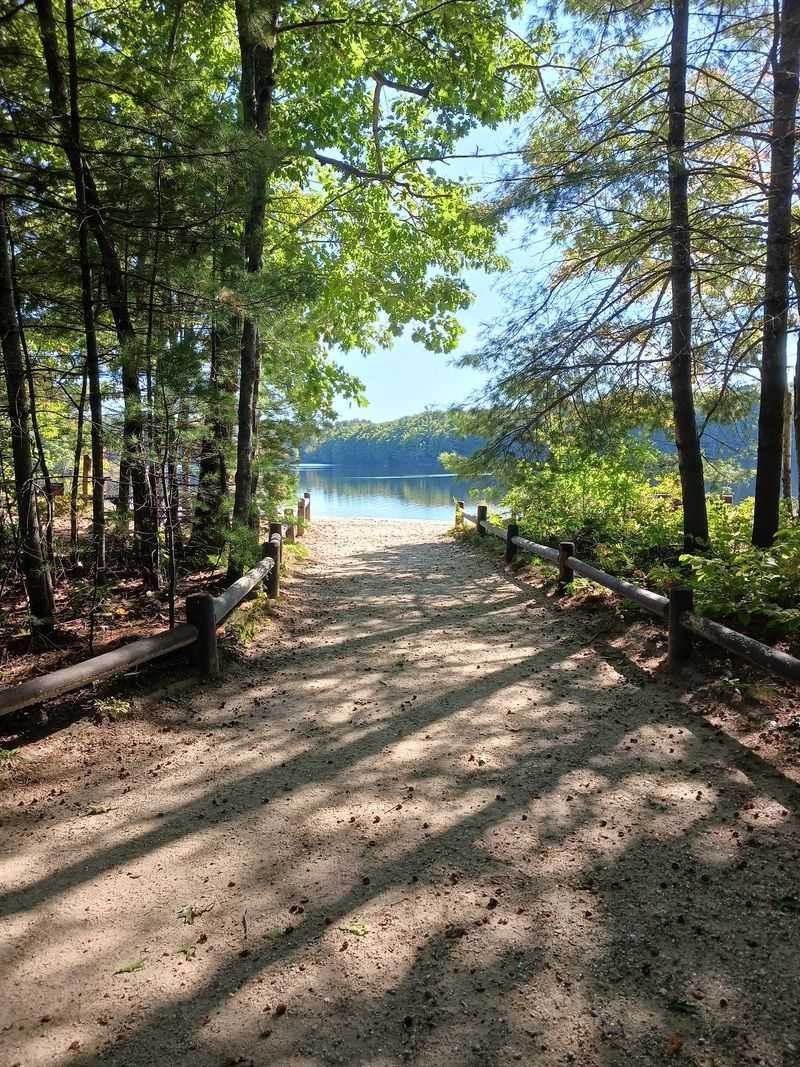
Range Pond State Park in Poland Spring, Androscoggin County, is one of western Maine’s most popular summer destinations, drawing swimmers, paddlers, and picnickers to its three interconnected ponds.
The forested trails that wind around the ponds and through the surrounding woodlands have also been drawing ticks this season, making it one of the more talked-about tick hotspots in the region.
The park’s mix of sandy shoreline, grassy picnic areas, and dense pine forest creates multiple habitat types where ticks can thrive at different stages of their life cycle.
Families who spend the whole day at the park, moving between the beach and the trails, have a higher cumulative exposure than those who stick to the water’s edge.
Applying repellent in the morning before you arrive and reapplying it after swimming or heavy activity is a smart strategy at a park like this one.
Androscoggin County has seen consistent tick reports throughout the summer, and Range Pond is a regular part of that conversation. The swimming here is genuinely fantastic, and a few simple precautions mean you can enjoy every minute without worry.
10. Sagadahoc County

Reid State Park in Georgetown, Sagadahoc County, holds the distinction of being Maine’s first state-owned saltwater beach, and it remains one of the most scenic spots on the entire coast.
What many visitors do not expect is that the park’s coastal shrubland and dune grass areas have become a notable tick habitat this summer, adding an extra layer of awareness to any beach day here.
Coastal tick species, particularly the American dog tick, thrive in the grassy, shrubby margins between the parking areas and the beach access paths.
These are the exact spots where most visitors walk without giving much thought to what might be lurking in the vegetation beside the trail.
Reid State Park covers about 770 acres, including two sand beaches, a lagoon, and a variety of coastal habitats that make it genuinely one of Maine’s most diverse state parks.
Sagadahoc County has reported consistent tick activity throughout the summer, and the park’s combination of habitats keeps that activity elevated.
Shake out your beach towels, check your ankles before getting in the car, and take a moment to appreciate one of the most beautiful and underrated parks in all of New England.