
10 Areas In Arizona Where Diamondback Rattlesnakes Have Been Documented
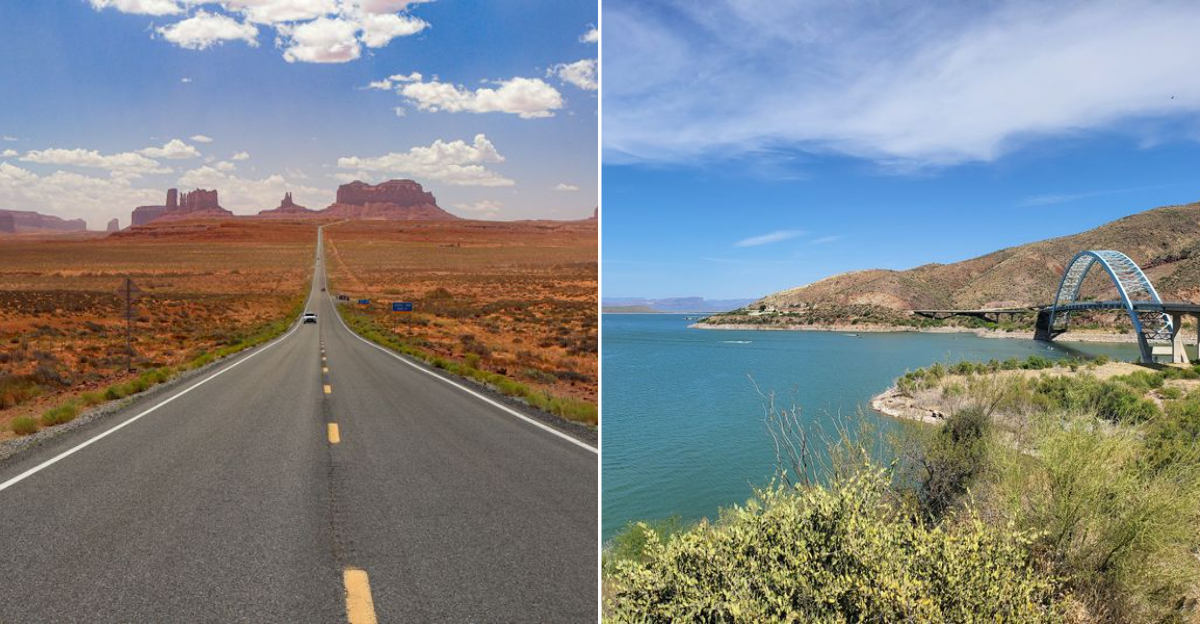
My dog froze, his ears perked forward, and that low, vibrating rattle sliced through the quiet desert air. Panic set in instantly, but thankfully we backed away slowly with no harm done. That close encounter cured me of any lingering complacency about living in Arizona.
We share our sun-drenched landscapes with creatures that demand respect, and the western diamondback is right at the top of that list. I used to think they only lived deep out in the remote desert, far from civilization.
But over the years, friends and neighbors have shared countless stories of spotting them right by patio doors, golf courses, and neighborhood walking paths. They are survivors, perfectly adapted to the harsh terrain we call home.
To help you stay alert and adventure with confidence, let’s explore ten areas in Arizona where diamondback rattlesnakes have been documented.
I have spent a good amount of time exploring Arizona’s parks, monuments, and wild open spaces, and I can tell you that knowing where these reptiles have been documented makes every hike feel more alive and connected to the natural world.
This guide walks you through ten specific areas where the Western Diamondback has been officially recorded, so you can visit with awareness, respect, and a genuine appreciation for one of the desert’s most iconic species.
1. Saguaro National Park, Tucson, Arizona, USA
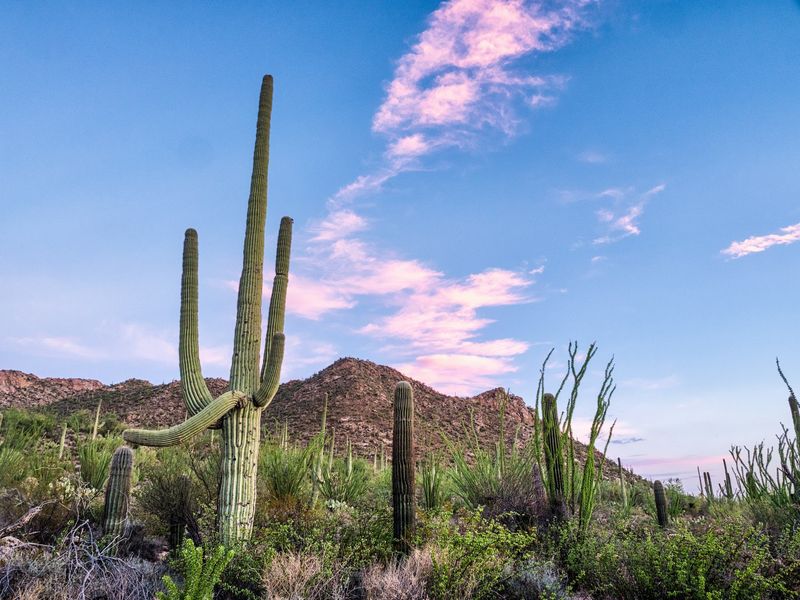
Giant saguaro cacti stand like silent sentinels across this remarkable national park, split into two districts on either side of Tucson, Arizona, and both are home to one of the desert’s most recognized reptiles.
The National Park Service identifies Western Diamondbacks as fairly common here, ranging from lower desert scrub all the way up into the higher elevations of the Rincon Mountains.
These snakes blend effortlessly into the earthy tones of the desert floor, their patterned scales matching the rocks and sandy soil with striking precision. Most active during spring and summer evenings, they tend to hunt after dark when temperatures cool down.
Hikers on trails like the Cactus Forest Loop have a genuine chance of spotting one from a safe distance. Staying on marked paths and watching where you step are the two smartest habits you can bring to any visit here. The desert may look still, but every rock and cactus shadow deserves a second glance.
Spotting a diamondback from a respectful distance can become one of the park’s most unforgettable wildlife moments.
2. Organ Pipe Cactus National Monument, Ajo, Arizona, USA
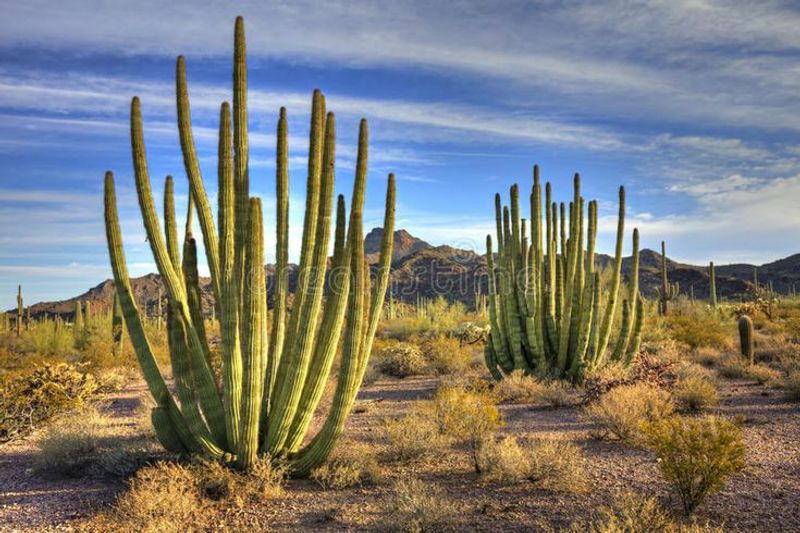
Few places in the American Southwest feel as remote and otherworldly as Organ Pipe Cactus National Monument, tucked near the US-Mexico border outside Ajo, Arizona.
This UNESCO Biosphere Reserve is named for its towering organ pipe cacti, which grow in clusters that look like something from another planet entirely.
The monument’s official snake guide specifically lists and describes the Western Diamondback, known scientifically as Crotalus atrox, as a documented resident of this landscape.
These snakes use specialized heat-sensing pits to detect warm-blooded prey during their nocturnal hunts across the rocky flats and sandy washes.
Driving the scenic Ajo Mountain Drive or Puerto Blanco Drive offers a good chance of spotting desert wildlife from the safety of your vehicle, especially around dusk. The sheer isolation of this monument makes every wildlife encounter feel genuinely rare and worth remembering.
3. Picacho Peak State Park, Picacho, Arizona, USA
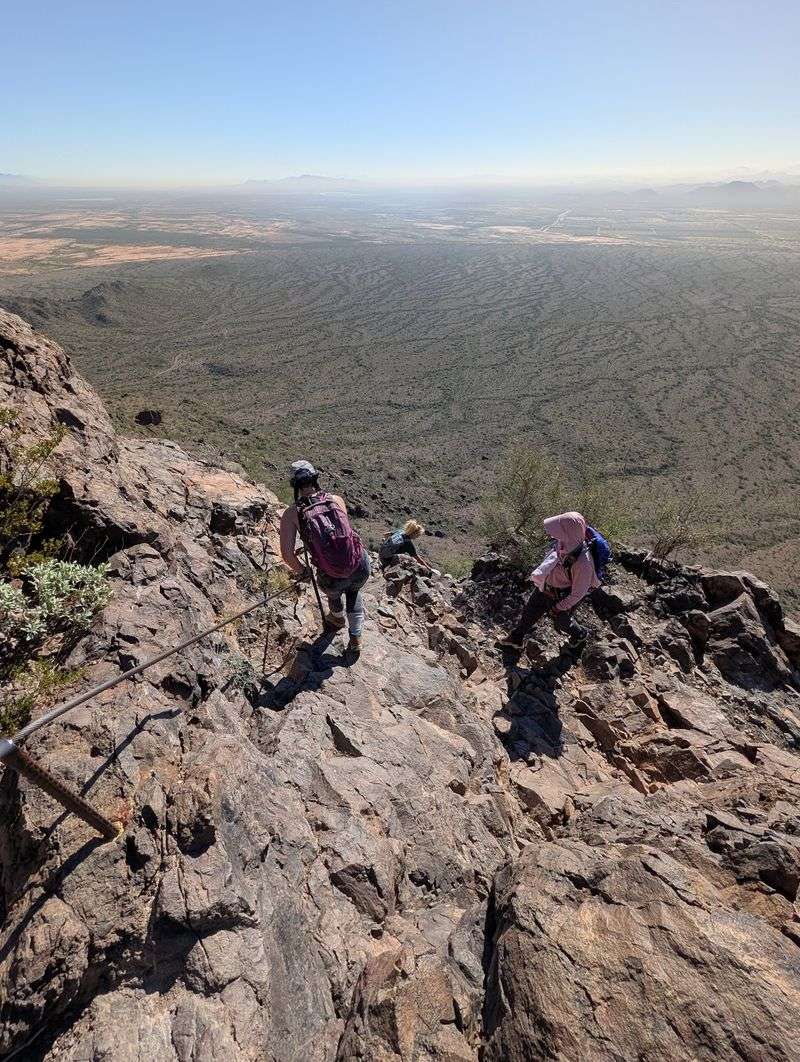
Rising sharply from the flat desert floor between Phoenix and Tucson, Picacho Peak is one of the most recognizable landmarks along Interstate 10 in Arizona.
The state park surrounding this dramatic volcanic formation is more than just a pretty roadside view, since Arizona State Parks lists Western Diamondbacks among the reptiles frequently observed here.
The Hunter Trail, with its steel cable assists and steep rocky scrambles, takes hikers through exactly the kind of rugged terrain these snakes favor. Spring visitors get an extra treat when Mexican gold poppies carpet the hillsides in brilliant orange, making the park feel almost festive.
Picacho Peak also carries historical weight as the site of the westernmost Civil War skirmish, adding a surprising layer of human history to this wild landscape. Watching your step on the rocky slopes is good advice both for safety and for keeping an eye out for these well-camouflaged residents.
4. Coronado National Memorial, Hereford, Arizona, USA
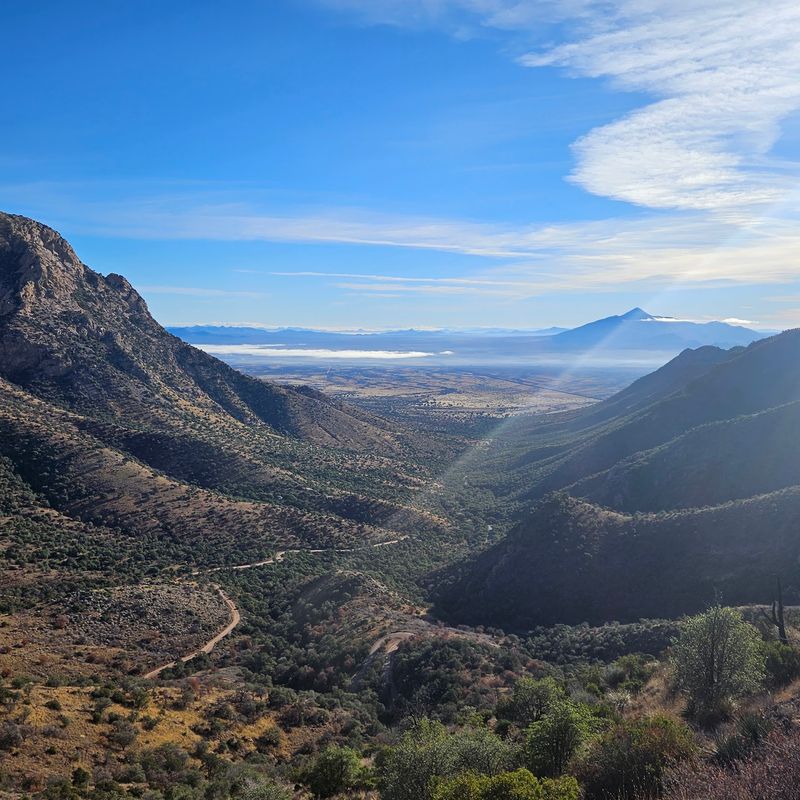
Perched high in the Huachuca Mountains near Hereford, Arizona, Coronado National Memorial commemorates the 1540 expedition of Francisco Vasquez de Coronado and offers sweeping views across two countries.
The park’s official page, updated in April 2026, documents four rattlesnake species within its boundaries, and the Western Diamondback is one of them.
The memorial sits within a classic sky island environment, where mountains rise dramatically from the surrounding desert grasslands, creating a rich overlap of Chihuahuan and Sonoran Desert species.
This ecological mixing makes the area particularly diverse for reptile enthusiasts and wildlife watchers alike.
Western Diamondbacks here are most active from April through October, especially during the cooler morning and late afternoon hours when temperatures are manageable. Birders, hikers, and history buffs all find something to love at this underrated corner of southeastern Arizona, where the past and the present wild both feel equally vivid.
5. Chiricahua National Monument, Willcox, Arizona, USA
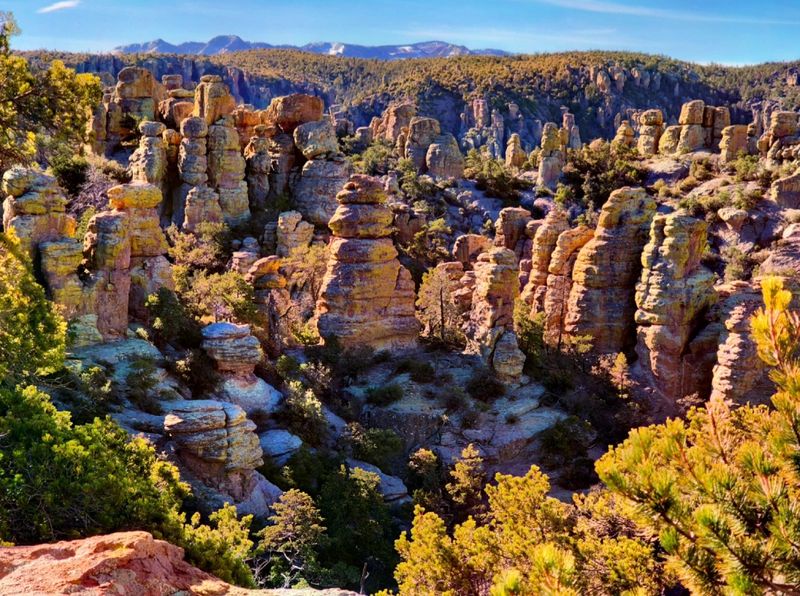
Known affectionately as the Wonderland of Rocks, Chiricahua National Monument near Willcox, Arizona, is a place where towering rhyolite columns, balanced boulders, and spire formations make every trail feel like a walk through a sculptor’s studio.
The geology alone is worth the trip, but the wildlife here adds a whole other dimension to the experience.
Western Diamondbacks are included among five rattlesnake species documented within the monument, and the National Park Service identifies them as one of the rattlesnakes most commonly encountered throughout Cochise County.
The monument’s position within the Madrean Sky Islands gives it extraordinary biodiversity, supporting over 30 snake species in total.
Trails like the Echo Canyon Loop weave through the most dramatic formations, offering plenty of rocky ledges and sun-warmed boulders where these reptiles love to bask. Coming here means accepting that nature writes the rules, and that makes the whole experience far more interesting.
6. Fort Bowie National Historic Site, Bowie, Arizona, USA
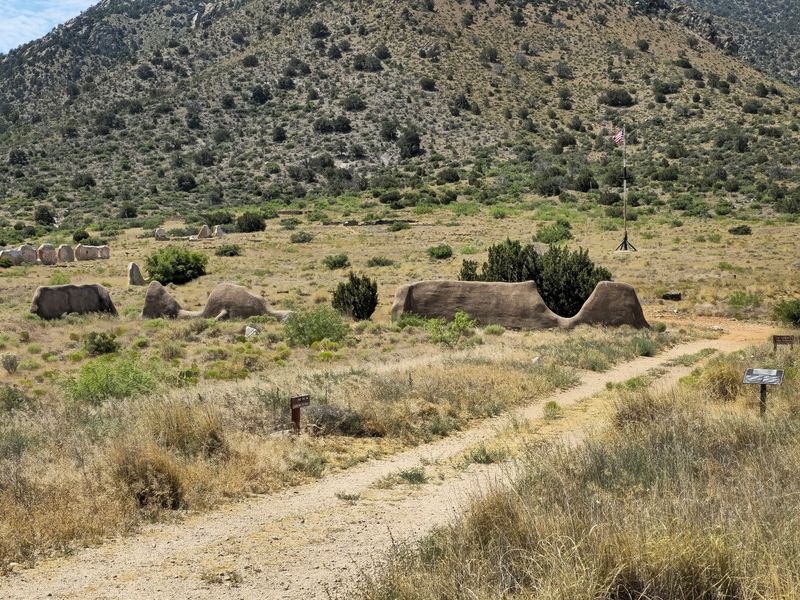
There is something quietly powerful about walking the unpaved trail to Fort Bowie National Historic Site in Apache Pass, near Bowie, Arizona, where the ruins of a 19th-century fort tell the story of the Apache Wars and the complex history of the American Southwest.
No roads lead directly to the ruins, so the mile-and-a-half round-trip hike is the only way in, which keeps the experience refreshingly raw.
The NPS biodiversity database records the Western Diamondback as present, native, and common at Fort Bowie, and the site even has an official photograph of one found there.
The park’s high floristic diversity supports a wide range of wildlife, making it a rewarding stop for naturalists as well as history lovers.
Apache Spring, a life-giving water source along the trail, draws all kinds of creatures to the area. History and herpetology rarely share the spotlight so equally, but Fort Bowie pulls it off with ease.
7. Tonto National Monument, Roosevelt, Arizona, USA
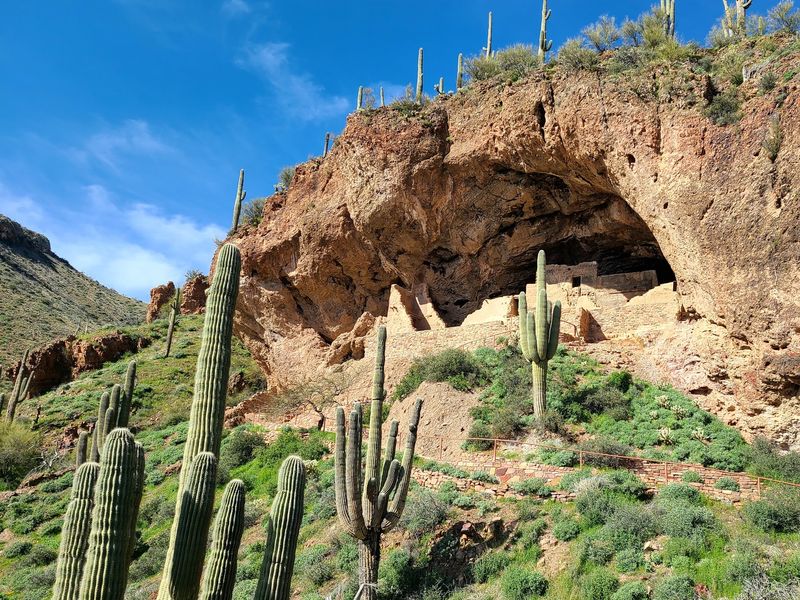
Overlooking the shimmering expanse of Roosevelt Lake in central Arizona, Tonto National Monument is one of those places that quietly earns a spot on your all-time favorites list.
The remarkably preserved Salado cliff dwellings, tucked into natural alcoves in the cliffs, give the site an almost cinematic quality that is hard to shake after you leave.
On the wildlife side, the Western Diamondback holds a notable distinction here: the NPS identifies it as the most frequently observed snake species within the monument and notes that it may be encountered throughout the year.
That is a stronger statement than most parks make about any single species, and it reflects just how well-suited this landscape is for these reptiles.
The desert, thorn-scrub, and semidesert habitats surrounding the cliff dwellings create a varied terrain that supports a thriving snake population year-round. Tonto rewards visitors who pay attention to both the ancient stones above and the living desert below.
8. Montezuma Castle National Monument and Montezuma Well, Camp Verde, Arizona, USA
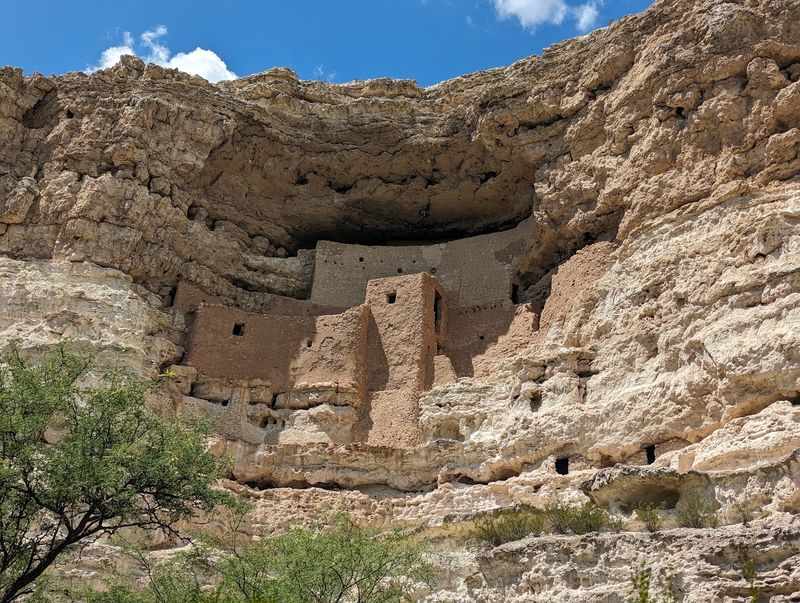
Two sites for the price of one visit sounds like a solid travel deal, and the pairing of Montezuma Castle National Monument and Montezuma Well near Camp Verde, Arizona, absolutely delivers on that promise.
Montezuma Castle is a five-story, 20-room cliff dwelling built by the Sinagua people into a towering limestone cliff, and it remains one of the best-preserved prehistoric structures in North America.
A short drive away, Montezuma Well is a natural limestone sinkhole fed by an underground spring, creating a rare desert oasis with several species found nowhere else on Earth.
Western Diamondback Rattlesnakes regularly inhabit both locations, and the NPS notes that visitors have a reasonable chance of encountering them during summer months.
Keeping your eyes on the trail edges and rocky outcroppings while exploring both sites is smart practice. These two spots together offer one of the richest single-day experiences in all of Arizona’s Verde Valley.
9. Tuzigoot National Monument, Clarkdale, Arizona, USA
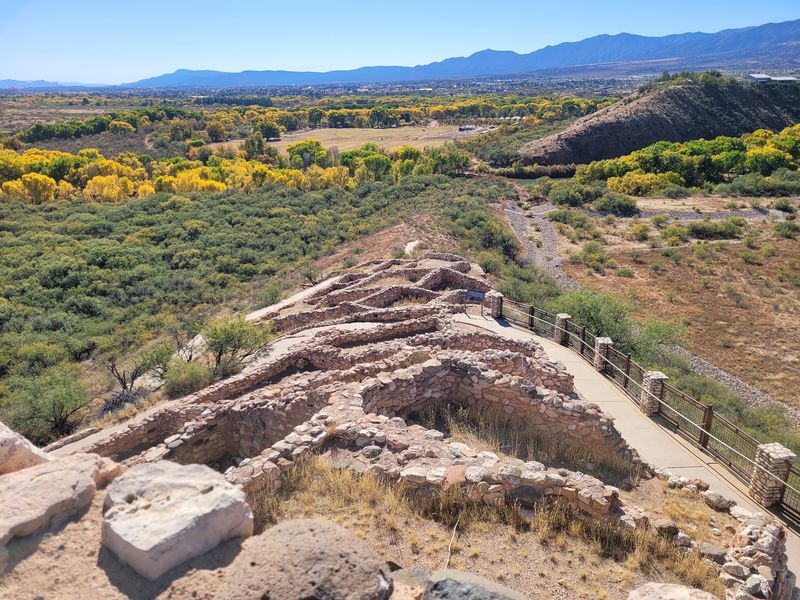
Sitting on a ridge above the Verde Valley near Clarkdale, Arizona, Tuzigoot National Monument offers a rare combination of ancient human history and thriving desert ecology in one compact location.
The Sinagua pueblo here, with its terraced stone rooms and commanding hilltop position, is an impressive reminder of how skillfully ancient peoples read and adapted to their landscapes.
The NPS describes the Western Diamondback as the park’s most common rattlesnake, and researchers have tracked individual snakes here over time, documenting mating pairs near Tavasci Marsh and young snakes venturing into pueblo rooms.
Tavasci Marsh itself is the largest remaining desert wetland in Arizona outside the Colorado River system, drawing over 245 bird species and a remarkable variety of reptiles.
The combination of ruins, wetlands, and documented snake activity makes Tuzigoot one of the most layered and genuinely surprising stops on any Arizona road trip itinerary.
10. Tonto Basin And Roosevelt Lake Area, Central Arizona, USA
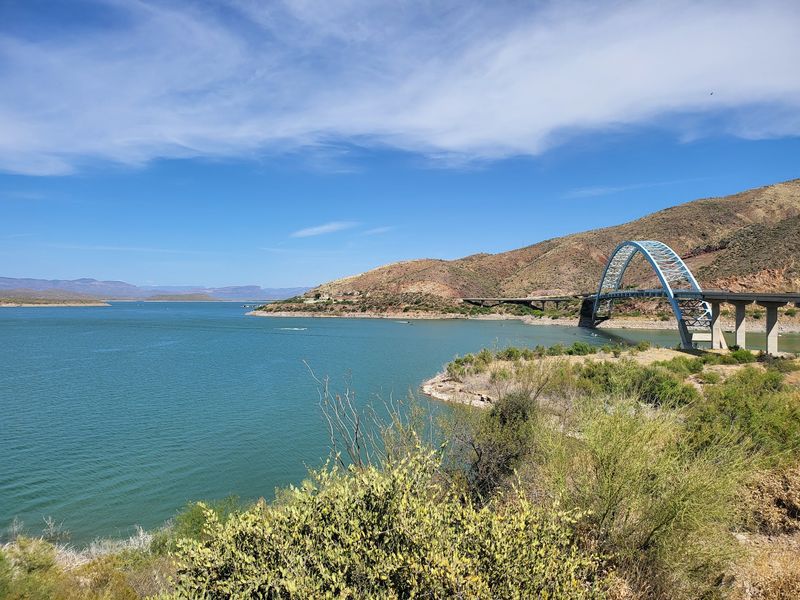
Zooming out from individual monuments and into the broader landscape, the Tonto Basin and Roosevelt Lake area in central Arizona gives you a sweeping sense of just how much wild terrain Western Diamondbacks actually occupy.
This region, largely covered by Tonto National Forest, is one of the largest national forests in the United States and encompasses an enormous variety of desert, thorn-scrub, and semidesert habitats.
Tonto National Monument overlooks Roosevelt Lake and its official records document Western Diamondbacks across all of the monument’s varied habitat types, offering a useful window into the wildlife patterns of the broader basin.
These adaptable reptiles move comfortably through flat plains, rocky canyon walls, and brushy washes throughout this expansive geographic area.
Whether you are fishing on Roosevelt Lake, driving the scenic Apache Trail, or hiking a remote forest trail, you are sharing this landscape with these resilient creatures. The Tonto Basin reminds you that Arizona’s wild spaces are genuinely, wonderfully alive.
Awareness Makes Arizona’s Wild Places Easier To Respect

Western diamondback rattlesnakes are part of Arizona’s landscape, not villains waiting beside every trail. Their presence across these ten documented areas reflects how well they have adapted to deserts, rocky slopes, grasslands, and scrubby foothills throughout the state.
Most encounters happen because a snake is resting, crossing a path, or trying to remain unnoticed. Giving it space is usually enough.
Staying on marked trails, watching where you place your hands and feet, keeping pets close, and avoiding tall grass or rocky crevices can make outdoor trips safer without turning every hike into a tense experience.
The goal is not to avoid Arizona’s parks and monuments. It is to visit them with the same practical awareness you would bring to heat, steep terrain, or changing weather. These snakes play an important role in controlling rodent populations, and they generally prefer escape over confrontation.
Knowing where western diamondbacks have been documented helps hikers prepare rather than panic. Keep your distance, never attempt to handle or move one, and allow it a clear route away. Arizona’s wild spaces remain worth exploring, and a little attention goes a long way toward sharing them responsibly.