
This Arizona Beach Town Is Getting Too Popular For Its Own Good
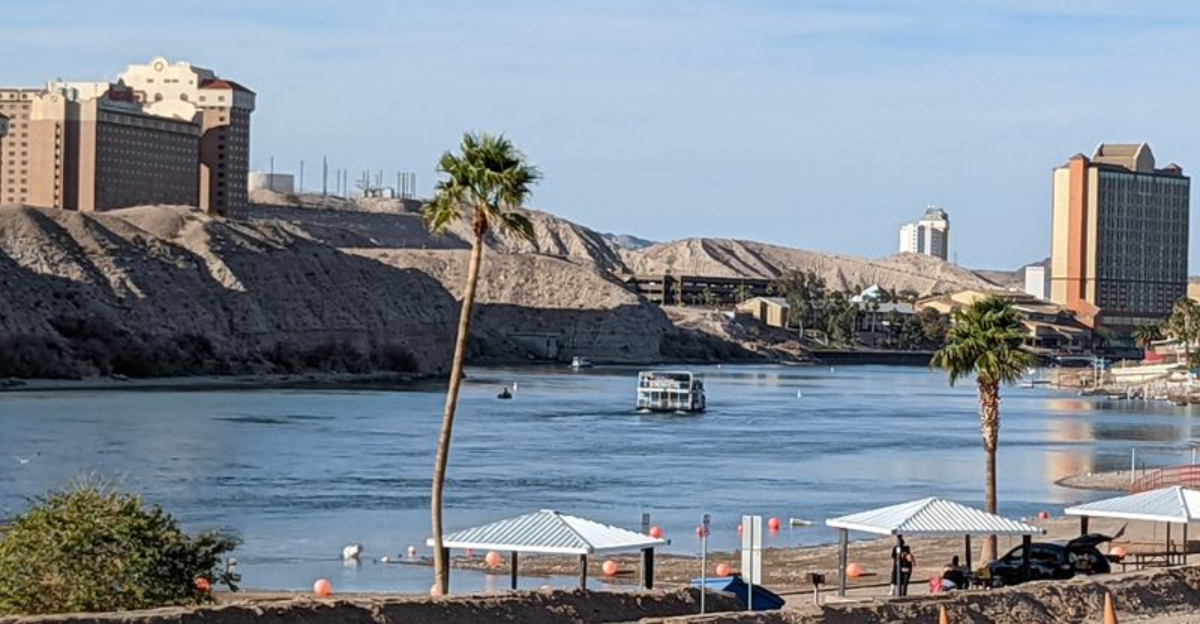
I still remember when my favorite riverfront spot in Arizona was my little secret. You could pull right up to the sandy shore, drop your anchor, and enjoy the sun without another soul in sight. But lately?
It feels like the whole world has discovered our desert oasis. Don’t get me wrong, I love sharing the magic of the river, but watching the crowds explode has been a wild ride.
Traffic on the main drag is creeping up, parking by the water is a blood sport, and my peaceful weekend getaways are starting to feel like rush hour in a big city.
This little Arizona beach town is simply getting too popular for its own good, and I’m left wondering if we’re loving our slice of paradise quite literally to death.
With over 41,000 permanent residents and a winter population that can swell past 65,000, this desert river town is no longer flying under the radar.
Read on to find out exactly what makes it so irresistible, and why so many people are packing up their sunscreen and heading straight for Arizona’s western shore.
The Colorado River: Bullhead City’s Beating Blue Heart
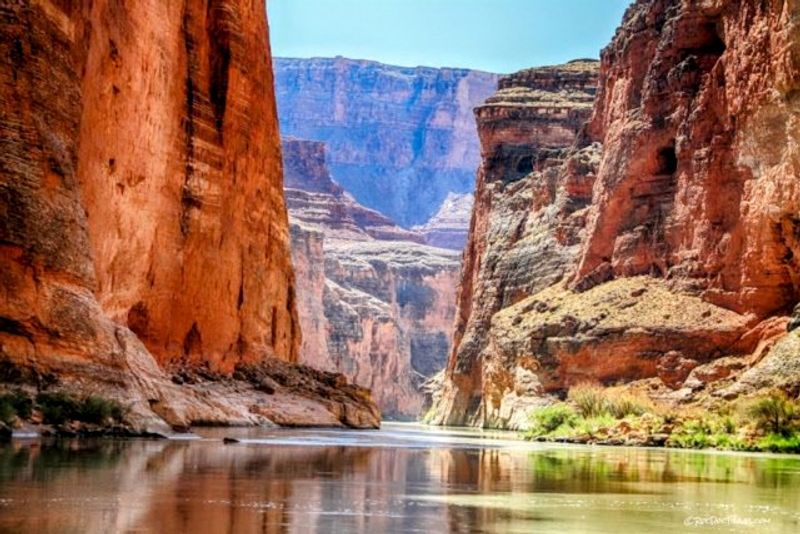
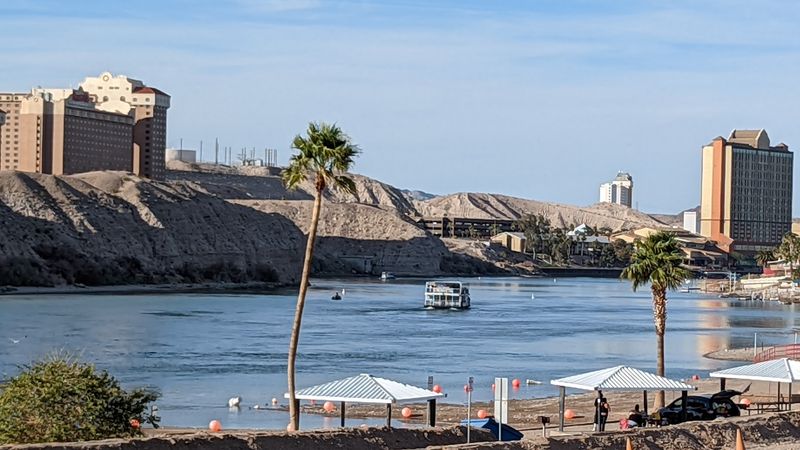
Few rivers in the American West carry as much personality as the Colorado River where it slides past Bullhead City. Here, the water is wide, shimmering, and almost impossibly inviting, especially when summer temperatures push well past 100 degrees Fahrenheit.
Locals call this stretch “Arizona’s West Coast,” and after one afternoon on the water, you will understand why that nickname stuck.
Jet skiing, water skiing, paddleboarding, and tubing are all part of the daily routine for people who live here. Even a lazy float on an inflatable raft counts as a legitimate afternoon plan. The river does not discriminate between thrill-seekers and those who simply want to drift and daydream.
Davis Camp County Park and Bullhead City Community Park both offer easy river access, sandy spots to set up a chair, and launch areas for boats of every size. The sheer variety of ways to enjoy this water is a big reason why visitor numbers keep climbing year after year.
Lake Mohave: The Hidden Gem Just North Of Town
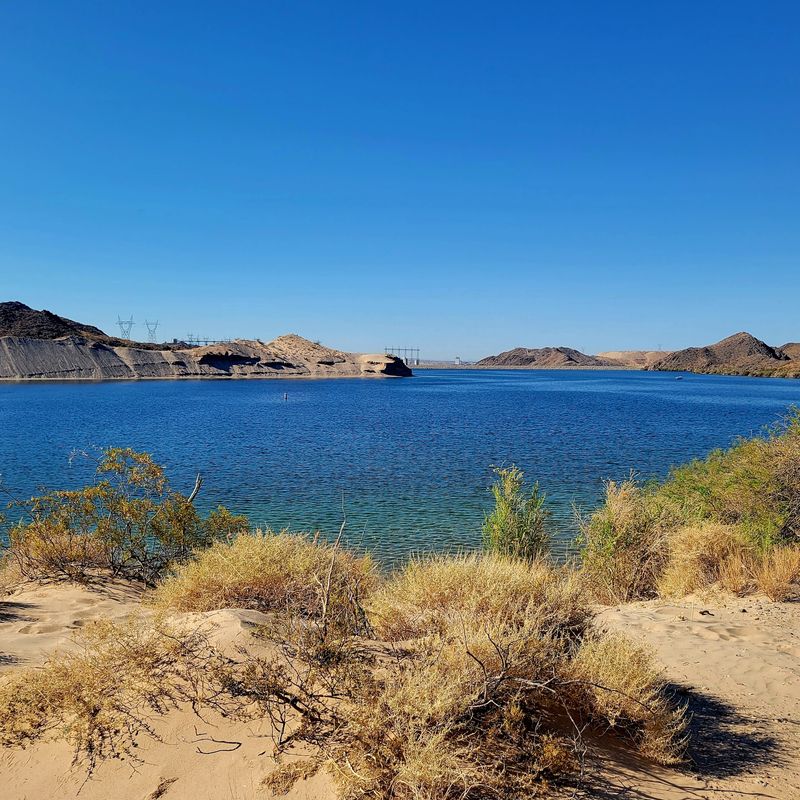
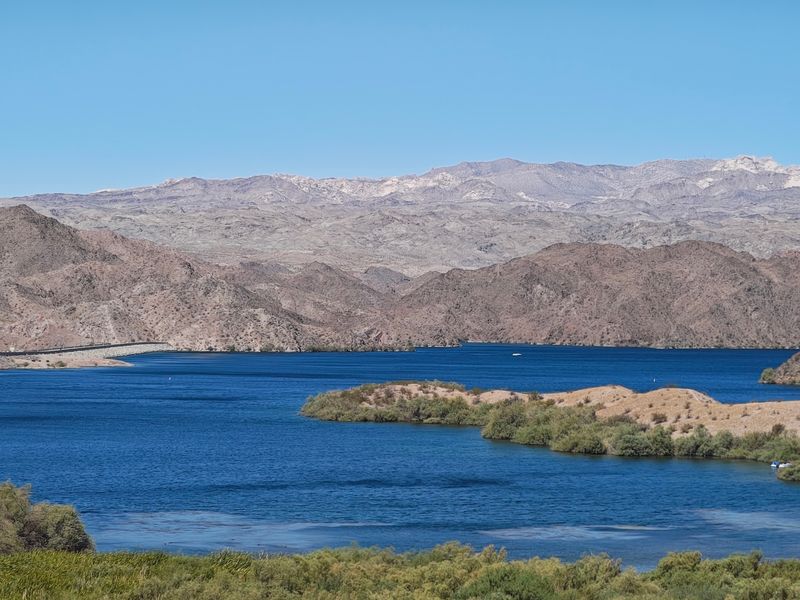
Formed when Davis Dam was completed in the early 1950s, Lake Mohave stretches roughly 67 miles northward from Bullhead City into the heart of the Mojave Desert.
The water here runs noticeably clearer than the main river channel, and the canyon walls that frame it give the whole place a dramatic, almost cinematic quality. Spending a morning on this lake feels like stumbling into a film set that nobody told you about.
Fishing is a serious pursuit on Lake Mohave, with striped bass, rainbow trout, and largemouth bass all drawing anglers from neighboring states. Swimmers love the calmer coves, while boaters appreciate the long stretches of open water that invite full-throttle runs.
Katherine Landing, a marina just inside the Lake Mead National Recreation Area, serves as a convenient base for day trips and overnight stays.
As more travelers discover Lake Mohave, reservations at the marina fill up faster each season. Planning ahead is no longer optional if you want a spot during the busy spring and fall windows.
From Construction Camp To Colorado River Community
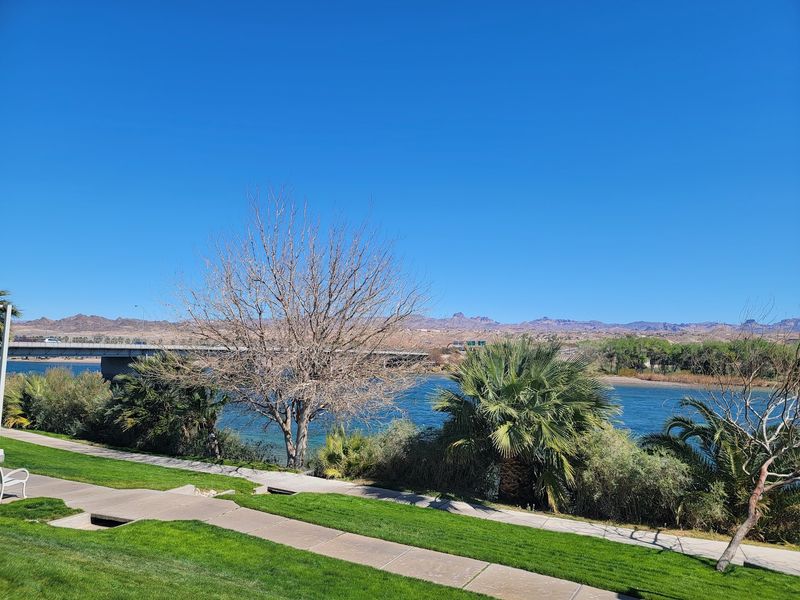
The story of how Bullhead City came to be is genuinely fascinating, and most visitors never hear it. In 1945, the area was little more than a work camp set up to house the thousands of laborers building Davis Dam.
When the project wrapped up in the early 1950s, most temporary camp towns like this one simply disappeared. Bullhead City had other plans.
Rather than fading away, the community reinvented itself around the recreation opportunities created by the newly formed Lake Mohave. Fishermen arrived first, then water sports enthusiasts, then developers who spotted a chance to sell affordable desert lots to buyers in Southern California.
The city officially incorporated in 1984, taking its name from a bull’s-head-shaped rock formation that once stood in the river before being submerged by the rising lake waters.
Walking through the Colorado River Museum on Highway 95 brings all of this history into sharp focus. Exhibits cover Mojave Tribe culture, the steamboat era, and the engineering story behind the dam itself, all packed into a surprisingly engaging space.
Oatman And The Wild Burros Of Route 66
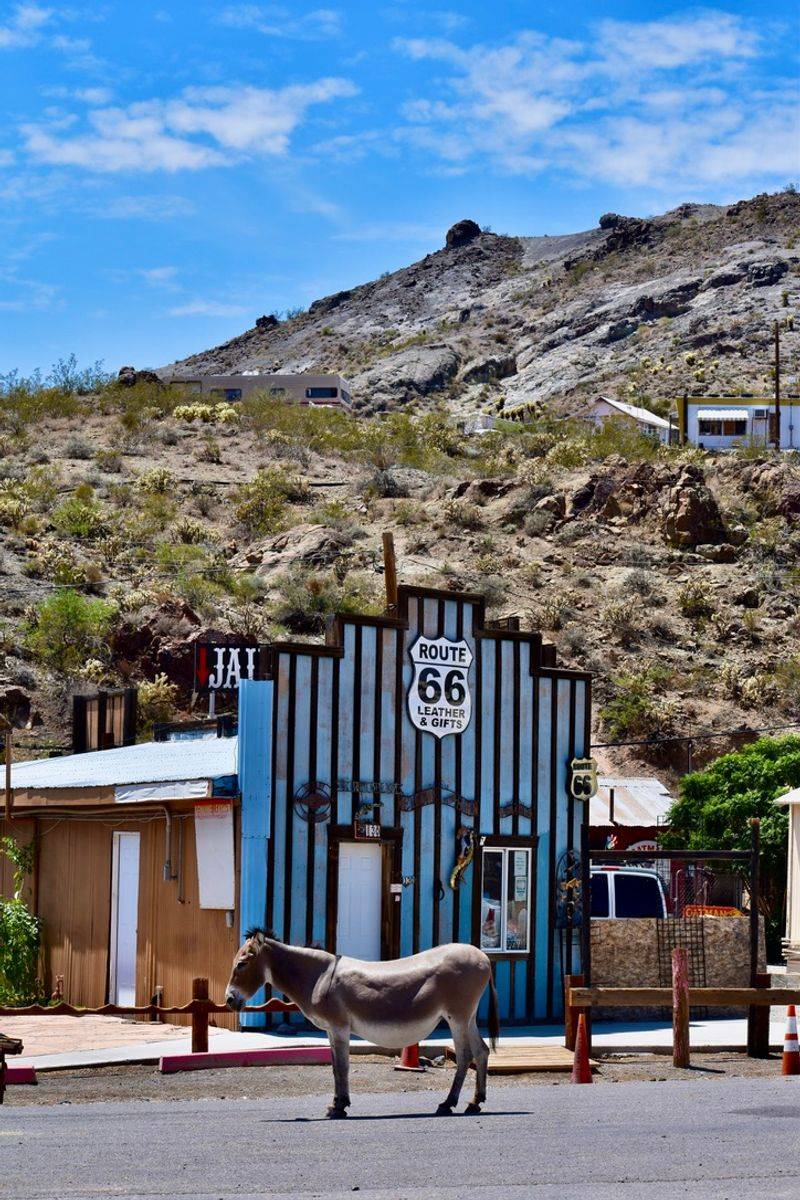
About 28 miles southeast of Bullhead City along a winding stretch of the original Route 66, the ghost town of Oatman has been charming road-trippers for decades.
Gold was discovered here in 1915, and at its peak the town produced millions of dollars worth of the stuff before the mines went quiet. What Oatman kept, though, was its personality, and that personality has only gotten louder with time.
Wild burros, descendants of the pack animals left behind by prospectors, now roam freely through the main street. They will walk right up to you, nudge your hand, and expect a carrot without offering so much as a thank you.
Weekend gunfight reenactments staged on the wooden-plank sidewalks add a theatrical layer that kids and adults both find genuinely entertaining.
The drive to Oatman through the Black Mountains is steep, curvy, and spectacular in its own right. Stopping at the Oatman Hotel, where Clark Gable and Carole Lombard reportedly honeymooned in 1939, is a quirky bonus that gives the whole trip an extra dash of old Hollywood flavor.
Grapevine Canyon And The Ancient Petroglyphs
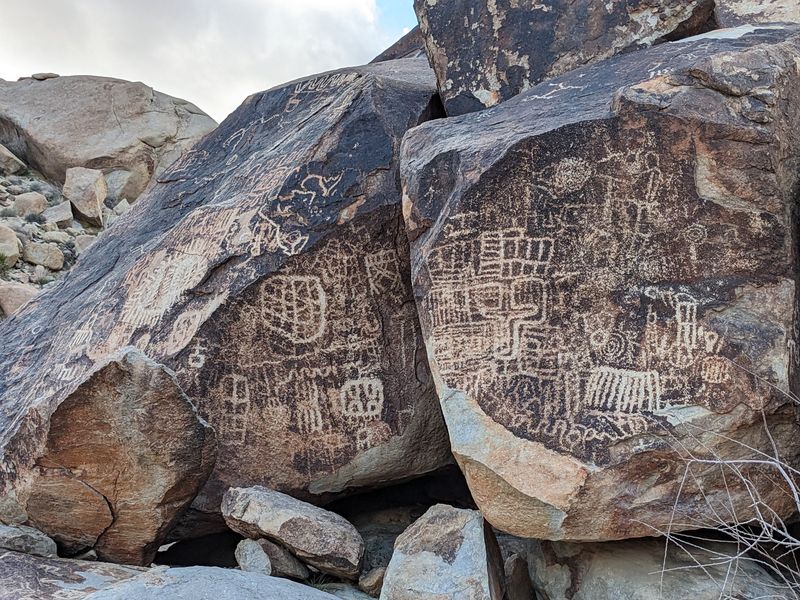
Not everyone who visits Bullhead City is chasing waves and engine noise. For those who prefer quieter adventures, Grapevine Canyon sits about 15 miles east of Laughlin, Nevada, and offers something genuinely rare: a chance to stand face-to-face with rock art that is more than 800 years old.
The canyon is part of the Lake Mead National Recreation Area, and access is free, which makes it an easy half-day detour.
The petroglyphs here were created by the Patayan people, ancestors of the Mojave Tribe, who used the canyon as a sacred gathering place. Images of spirals, animals, and human figures are etched into the dark volcanic rock with a precision that still impresses modern visitors.
A desert spring at the base of the canyon supports willows and cottonwoods, creating a pocket of green that feels almost surreal against the surrounding desert.
Bighorn sheep are spotted here regularly, especially in the cooler morning hours. Bringing binoculars and arriving early on a weekday dramatically improves your chances of having the canyon mostly to yourself before the crowds roll in.
Best Times To Visit And How To Beat The Heat
Timing a trip to Bullhead City well makes an enormous difference in the kind of experience you take home. The city logs more than 300 sunny days per year, which sounds dreamy until you realize that June through August regularly delivers highs above 110 degrees Fahrenheit.
That kind of heat is manageable on the water, but brutal on a hiking trail or a parking lot. Spring, specifically mid-April through early June, and fall, from mid-September through late October, hit a sweet spot where temperatures are warm enough for river activities but cool enough for comfortable exploring on land.
Wildflower blooms sometimes appear in the desert foothills during March and April, adding unexpected color to the rocky landscape.
Winter is a well-kept secret that the growing retiree community has clearly figured out. Daytime highs in the 60s make December through February ideal for golf at Laughlin Ranch Golf Club, cycling along the river path, or simply sitting outside with a cup of coffee watching the river roll by.
Booking accommodations several weeks in advance is smart year-round now, since availability has tightened considerably as the city’s reputation has spread.
Sports Tourism And The Growing Event Calendar
Something interesting has been happening in Bullhead City beyond the usual sun-and-water story. The city has been quietly building itself into a regional hub for sports tourism, and the investment is starting to show real results.
The Anderson Auto Group Fieldhouse and Rotary Park together form a sports complex that pulls in tournaments, showcases, and organized events from across Arizona, Nevada, and California throughout the year.
Baseball, softball, soccer, and pickleball tournaments now draw families and teams who fill hotels, restaurants, and shops that might otherwise see slower weekdays.
Local businesses have noticed the uptick, and the city has responded by expanding facilities and marketing the destination to event organizers in neighboring states. This is not the sleepy river town that early visitors described a generation ago.
For travelers who are not competing, these events create a lively backdrop that adds energy to a stay.
Watching a well-organized youth tournament on a crisp November morning, with the desert mountains framing the scene in every direction, is a reminder that Bullhead City has quietly grown into something far more layered and dynamic than its modest reputation once suggested.