
Tourists Overran This Once-Perfect Washington Swimming Hole And Locals Still Aren’t Over It
I still hold a grudge. Back before the internet ruined everything, I had a favorite Washington swimming hole that was my personal summer Eden. It was gorgeous, freezing cold, and blissfully empty.
I’d lounge on the rocks like a lazy lizard, completely undisturbed. Then, the apocalypse happened, otherwise known as Instagram. Overnight, serene isolation was replaced by selfie sticks, floating unicorns, and Bluetooth speakers blasting music I didn’t want to hear.
Tourists overran this once-perfect Washington swimming hole, leaving behind a trail of snack wrappers and broken dreams. If you drive past it today, you’ll spot local residents glaring from their front porches, whispering curses and plotting how to gatekeep the wilderness forever.
We watched our paradise get trampled by the tourist horde, and I’m here to tell you, the locals still aren’t over the betrayal.
The Natural Beauty That Started It All
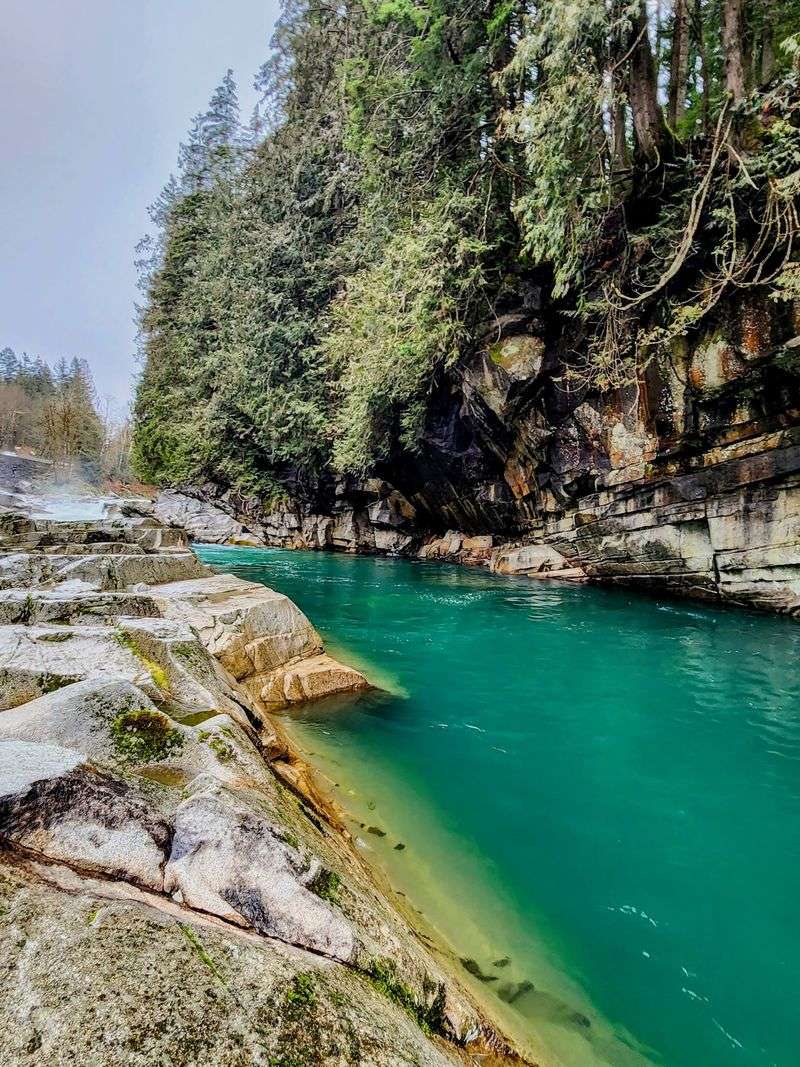
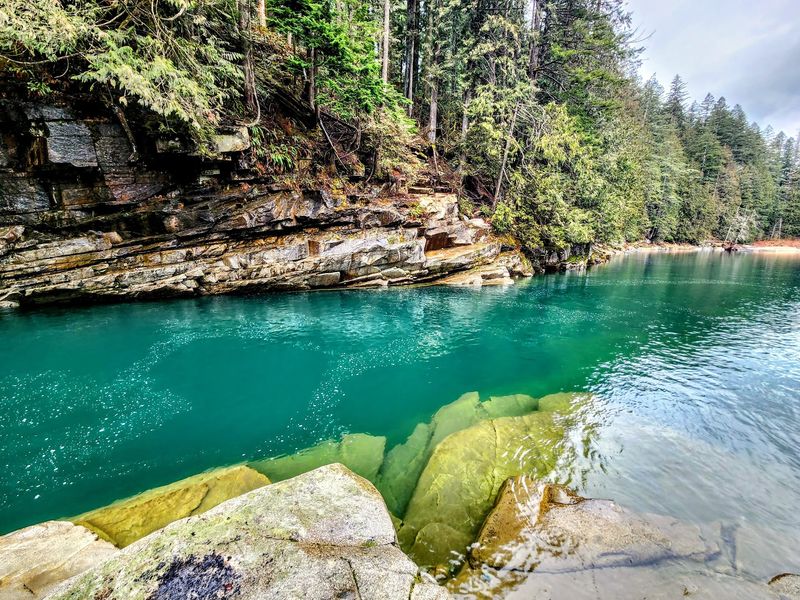
Before the crowds arrived, Eagle Falls was the kind of place that made you stop mid-sentence just to stare. Sitting along the South Fork Skykomish River in Snohomish County, Washington, the falls drop roughly 25 feet over rugged granite formations into a pool so green it almost looks painted.
Cliffs ranging from 10 to 60 feet surround the water, giving the whole scene a dramatic, almost theatrical quality.
The smooth rock slabs stretching out beside the river were perfect for spreading a picnic blanket, and the sound of the water rushing over stone had a calming effect that no playlist could replicate.
Accessible directly off Highway 2, about four miles east of Index, the location required almost no effort to reach. You could park near mile marker 39 and be standing at the falls within minutes.
That combination of jaw-dropping scenery and easy access was both the place’s greatest gift and, eventually, its biggest challenge. Natural beauty this accessible rarely stays quiet for long.
How A TikTok Video Changed Everything
Around 2020, someone posted a video of Eagle Falls on TikTok, and the algorithm did what algorithms do best.
The clip spread fast, racking up views from people across the country who had never heard of Snohomish County, let alone Highway 2. Within weeks, a spot that locals had quietly enjoyed for years was suddenly on everyone’s weekend bucket list.
The timing made things even more intense. The pandemic had pushed people outdoors in record numbers, and a beautiful, accessible waterfall with a swimmable pool was exactly the kind of destination people were craving.
Cars began lining the highway shoulder, and foot traffic near the falls multiplied almost overnight. Social media has reshaped how travelers discover places, and Eagle Falls became one of the clearest examples of that shift in the Pacific Northwest.
One short video was all it took to turn a peaceful local retreat into a destination that locals would spend years mourning, and that is not an exaggeration by any stretch.
What Overcrowding Actually Looks Like
Overcrowding is a word that gets thrown around a lot in travel conversations, but at Eagle Falls, it took on a very specific and visible meaning.
Locals who had been visiting for years started showing up to find the parking area completely full, with cars spilling onto the highway shoulder for long stretches in both directions. The short trail to the falls, once a casual stroll, turned into a slow shuffle through a crowd.
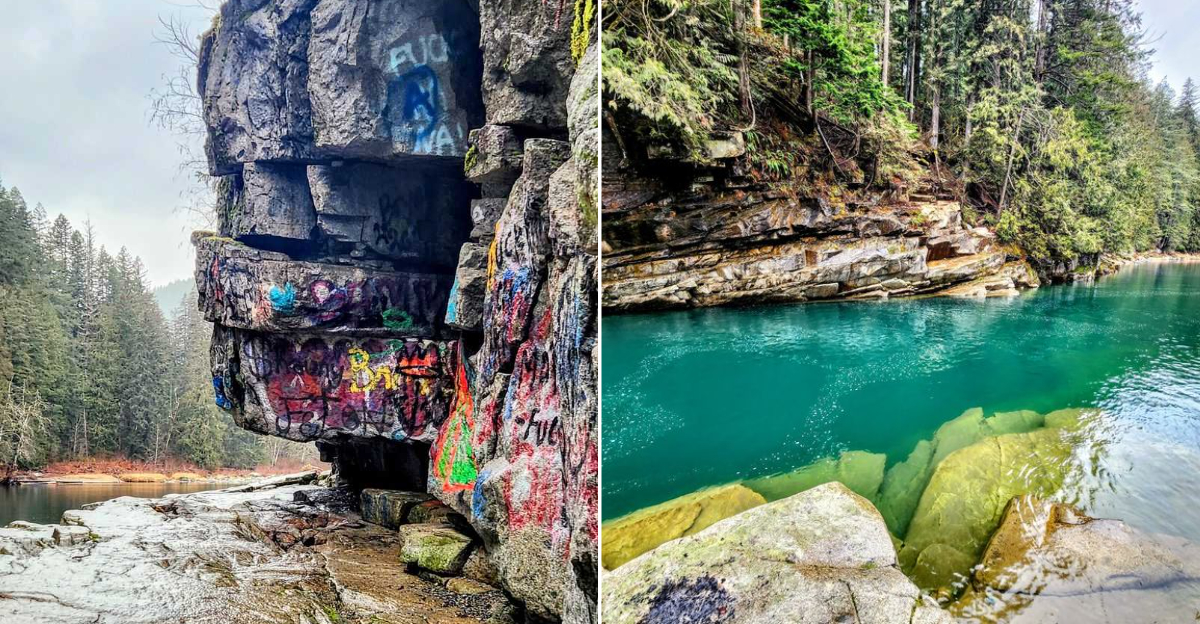
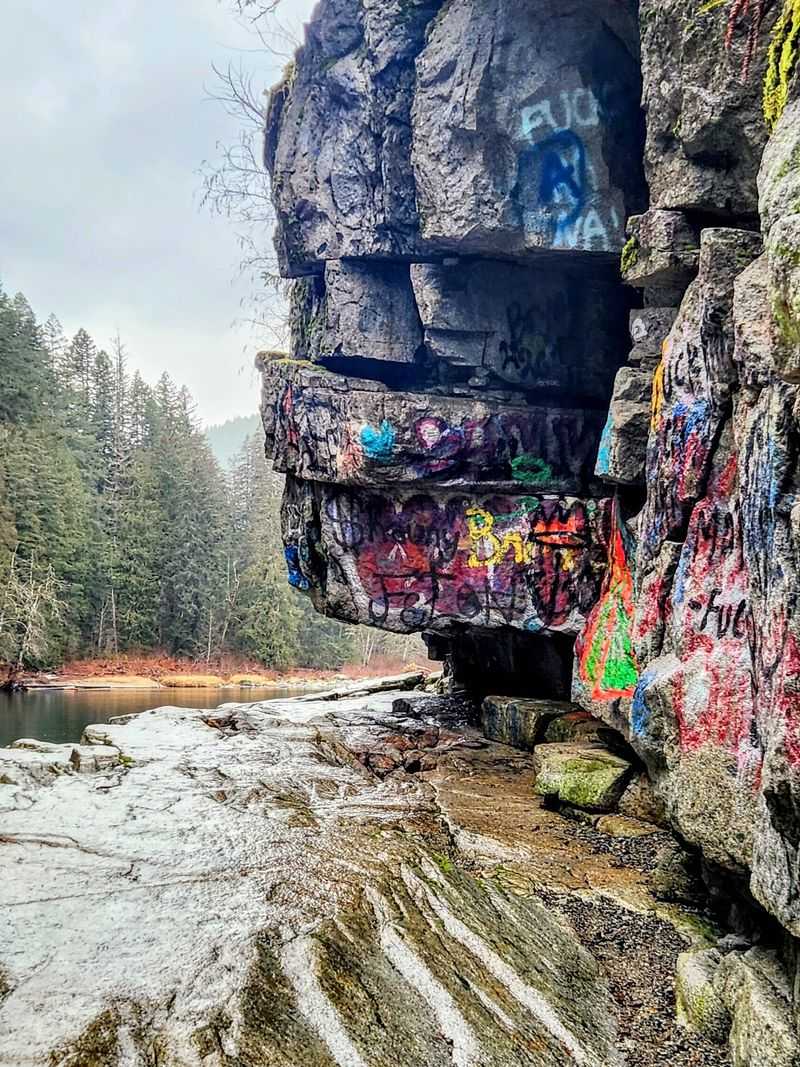
The impact on the environment was hard to ignore. Reports of graffiti on the granite rocks began circulating, and discarded items left behind by visitors became a regular sight near the water.
The serene atmosphere that made the spot worth visiting in the first place had largely evaporated by peak summer weekends.
First responders and local fire departments noted a clear shift in the character of the location. What had been a relaxed natural area was now buzzing with activity that the site simply was not built to handle, and the wear on both the landscape and the community became increasingly obvious.
The Dangerous Side Of The Falls
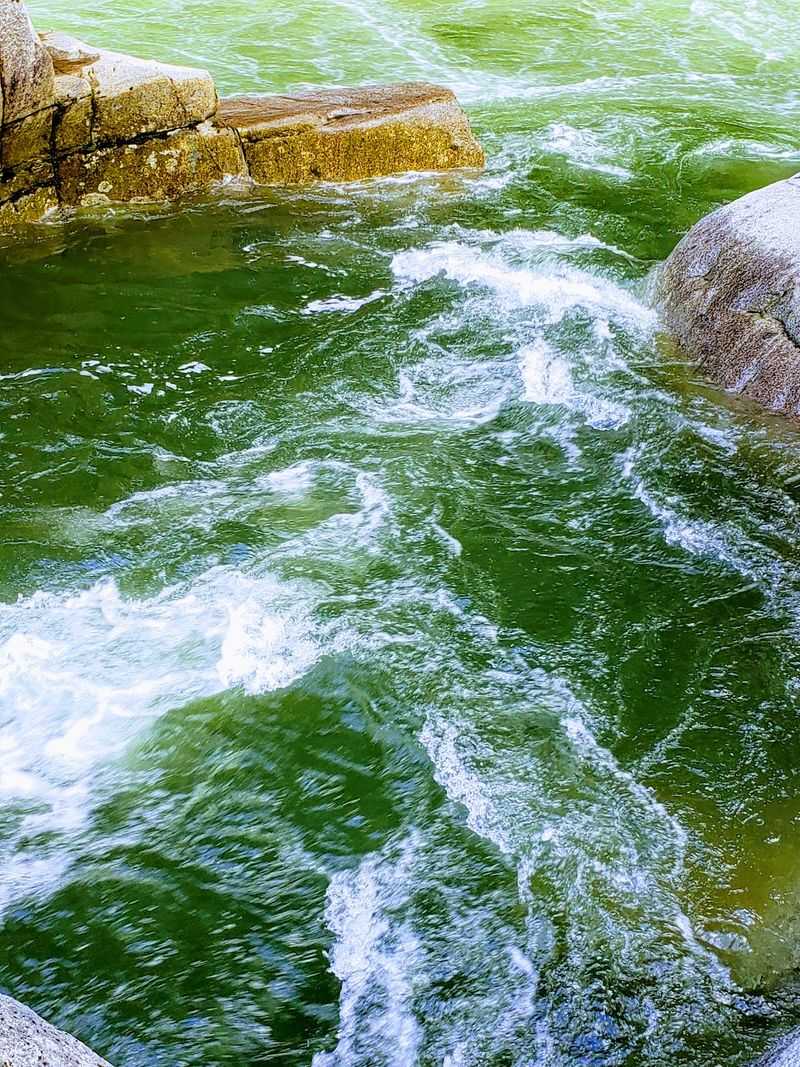
Glacier-fed rivers carry a secret that the surface does not reveal. The water at Eagle Falls looks inviting, especially on a hot summer day when the pool glows that signature shade of green.
What visitors often do not realize until they are already in the water is how bone-chillingly cold it runs and how powerful the currents beneath the surface actually are.
Since 2020, at least 12 people have encountered fatal situations at this location, making it one of the most hazardous swimming spots in the region. Strong undertows and deceptive currents can overpower even confident swimmers, and cold water shock can cause muscles to seize up with very little warning.
Warning signs are posted throughout the area, but many visitors choose to bypass them. Local search and rescue teams have responded to the site repeatedly, and fire chiefs have spoken publicly about the serious risks.
The U.S. Forest Service, which manages the area, has acknowledged that physically blocking access is not practical given the site’s open layout, so education and signage remain the primary tools for keeping people safe.
Why Locals Feel A Real Sense Of Loss
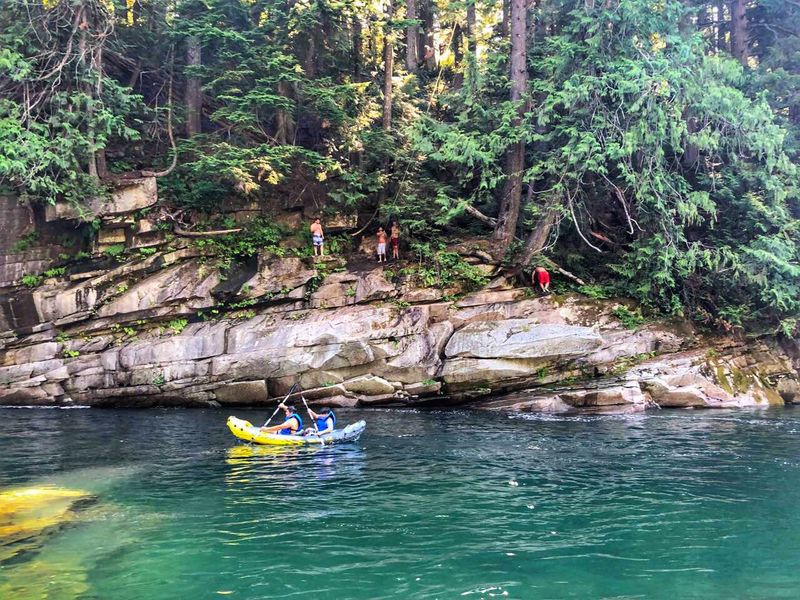
For people who grew up near Index or spent summers exploring the Stevens Pass corridor, Eagle Falls was not just a pretty waterfall. It was a meeting point, a family tradition, and a reward for those who knew the back roads of Snohomish County well enough to find it.
That kind of personal history with a place runs deep, and watching it transform into a packed tourist attraction is genuinely painful for many longtime residents.
The frustration is not simply about crowds. It is about the loss of a shared community space that felt like it belonged to the people who lived nearby.
When graffiti appears on rocks that local kids once picnicked beside, or when first responders are stretched thin responding to incidents at a spot that was once peaceful, the emotional cost is real.
Locals have expressed their feelings across social media, in community forums, and in conversations with journalists covering the overcrowding story.
The consensus is pretty consistent: the falls are still beautiful, but the experience of visiting now feels almost unrecognizable compared to what it once was.
Cliff Jumping, And The Thrill-Seeker Culture
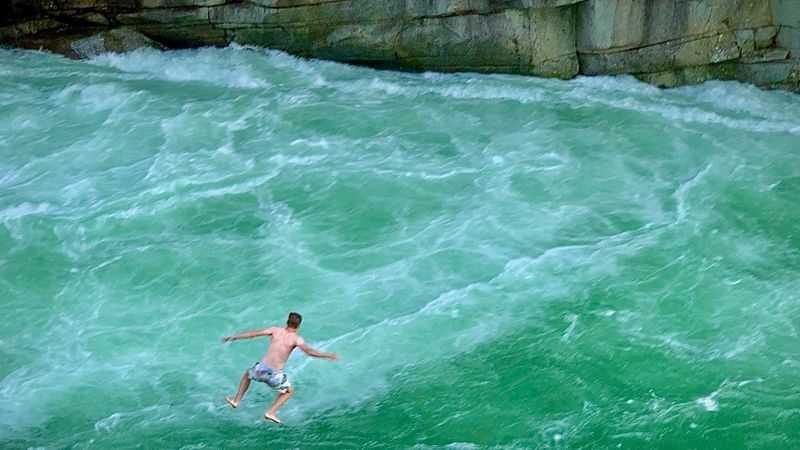
Part of what made Eagle Falls famous on social media was not just the waterfall itself but the cliffs above it. Heights ranging from 10 to 60 feet have historically made the spot a draw for cliff jumping, and a rope swing that appeared at the site added another layer of excitement for visitors looking for an adrenaline rush.
The appeal is completely understandable. Leaping from a rocky ledge into a glittering pool on a warm Pacific Northwest afternoon sounds like the stuff of summer memories.
The problem is that those same cliffs, combined with glacier-cold water and powerful undertows, create conditions that are far more dangerous than they appear from above.
Expert kayakers have also attempted to navigate the falls, which is classified as a Class 5+ rapid, one of the most challenging ratings on the scale.
The thrill-seeker culture that grew around Eagle Falls after it went viral added a competitive edge to the site that made safety conversations even harder to have. Sometimes the most visually stunning spots carry the steepest risks.
Best Times To Visit And How To Do It Responsibly
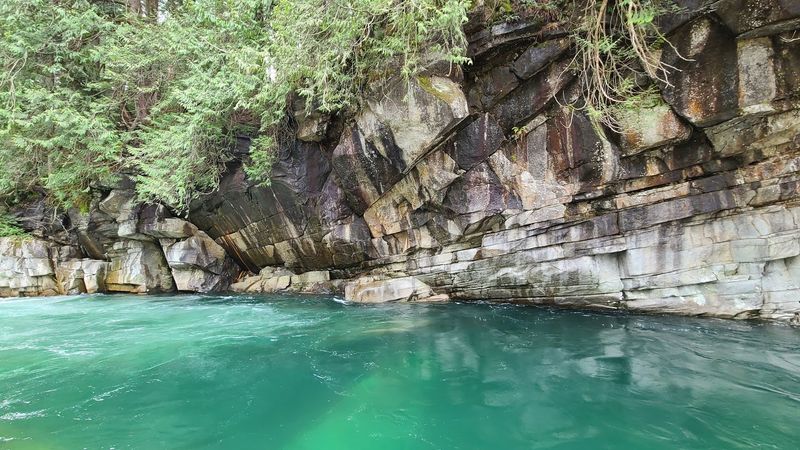
Visiting Eagle Falls without adding to the problem is absolutely possible, but it requires a bit of planning. Early mornings on weekdays offer the best chance of experiencing the falls without the weekend crush.
Arriving before 9 a.m. gives you a genuine shot at some quiet time with the scenery before the parking area fills up along Highway 2 near Index.
Late spring and early summer bring the most dramatic water flow, when snowmelt from the surrounding mountains pushes the Skykomish River to its fullest and most powerful.
That same surge also makes the water colder and faster, so this is strictly a time for admiring the falls from the shore rather than wading in.
If your goal is a calm, photogenic visit focused on the waterfall and the surrounding granite landscape, early fall can offer a nice balance of manageable crowds and pleasant weather.
Pack out everything you bring, stay on established paths, and respect the warning signs near the water. Treating the site with care is the most meaningful way to honor what made it special in the first place.
What The Future Of Eagle Falls Might Look Like
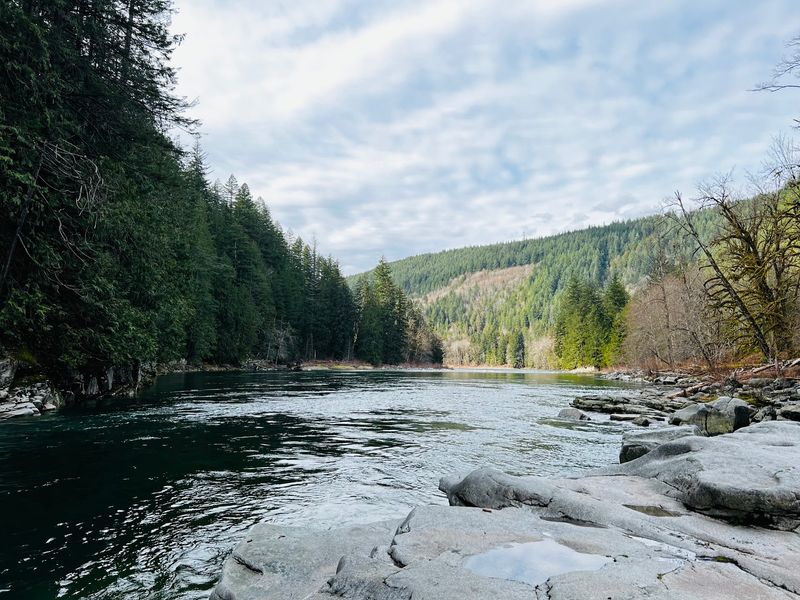
The U.S. Forest Service manages Eagle Falls and has been navigating a tricky situation ever since the viral surge began. Completely fencing off the location is considered impractical because the site is so easy to access from Highway 2.
Instead, the focus has shifted toward public education, improved signage, and outreach campaigns aimed at setting clearer expectations for visitors before they even arrive.
There is growing conversation in the outdoor recreation community about how to handle destinations that go viral. Some advocates push for permit systems or timed entry slots at heavily visited natural sites, a model that has worked in other parts of the country.
Whether something similar could be applied at Eagle Falls remains an open question, but the idea is gaining traction among people who care about preserving the site.
Locals, rangers, and conservation groups all seem to agree on one thing: the falls deserve better stewardship than they have received in recent years.
With the right combination of visitor education and community advocacy, there is a real chance that Eagle Falls can recover some of the dignity it had before the internet discovered it.