
A Two-Hour Arizona Walk Introduces You To Rescued Animals Few People Ever Meet
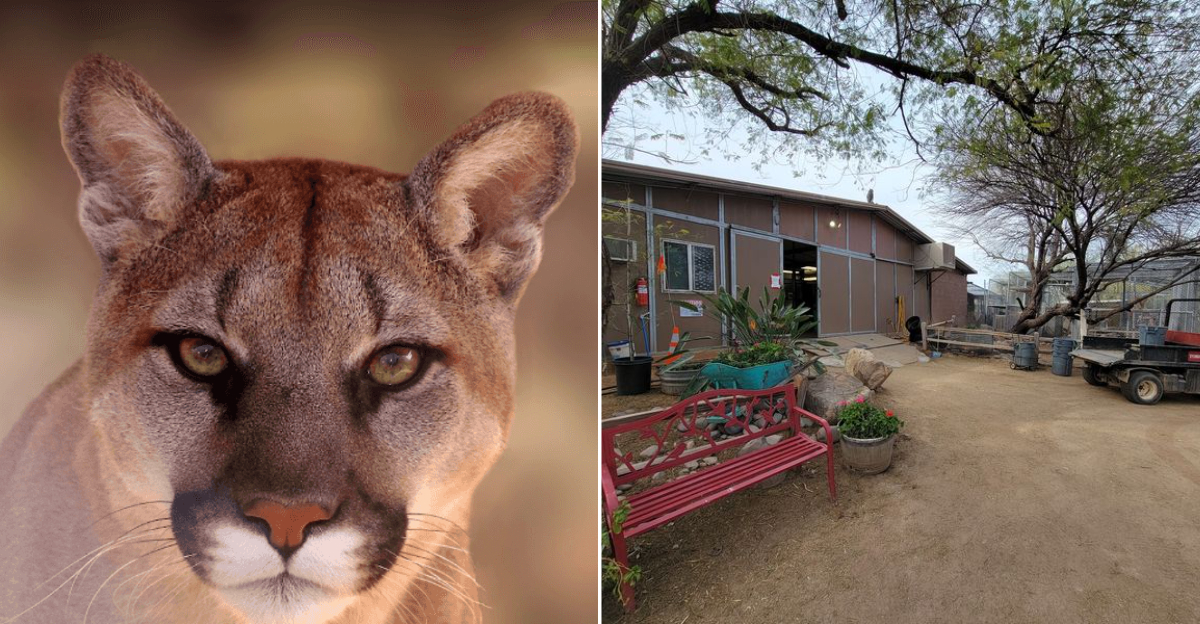
My absolute superpower is getting lost, which is how I somehow ended up face-to-face with a badger that looked like it was judging my entire life path. I was taking a leisurely two-hour stroll through a hidden gem right here in Arizona, fully expecting a nice walk and maybe a cactus or two.
Instead, I accidentally wandered into the VIP lounge of the animal kingdom. We’re talking about rescued creatures that have been saved from sticky situations and given a second chance at a plush, albeit fenced, life.
It’s funny how a brisk walk in the desert sun can turn into a spiritual awakening when a mountain lion quietly paces right beside you. If you’ve ever wanted to lock eyes with a rescued Mexican gray wolf while pretending you’re totally chill, I’ve got the exact adventure for you.
This non-profit sanctuary has been rescuing, rehabilitating, and sheltering Arizona’s native wild mammals since 1994, and a guided tour here is unlike anything you will find at a typical zoo or wildlife park Let’s go meet some furry legends.
The Story Behind The Sanctuary
Founded in 1994 by a small group of passionate conservationists, the Southwest Wildlife Conservation Center grew from a simple idea: native Arizona animals deserve a second chance.
What started as a modest rescue operation has expanded into a fully accredited sanctuary caring for dozens of animals at any given time.
The center operates as a non-profit organization, which means every tour ticket, donation, and membership directly funds animal care, veterinary treatment, and habitat maintenance. There are no corporate sponsors padding the budget here.
The people running this place genuinely care, and you feel that the moment you arrive. Animals come to the center through a variety of circumstances. Some are injured in vehicle collisions, others are orphaned as babies, and some are confiscated by wildlife authorities after being kept illegally as pets.
Each animal has its own story, and the guides share those stories with a warmth and detail that turns a walk around the property into something genuinely moving and memorable.
What To Expect On The Walk
Booking a tour here is straightforward, but you do need a reservation because the center operates by appointment only. No walk-ins are allowed, which keeps group sizes manageable and ensures every visitor gets real quality time with the guides rather than shuffling through in a crowd.
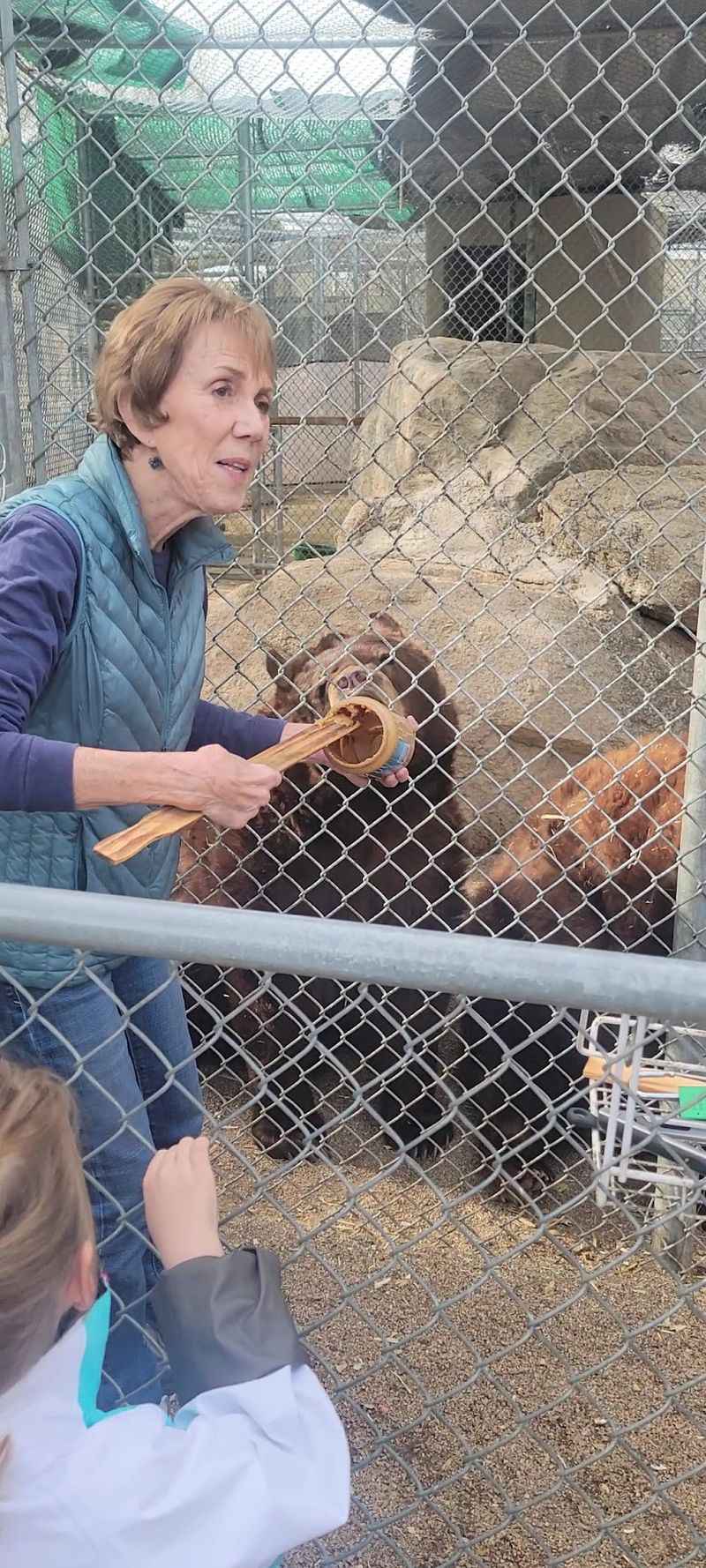
The Walk with Wildlife Tour runs for up to two hours and covers the entire outdoor property at a relaxed pace. You will visit multiple enclosures, hear individual animal stories, and get surprisingly close to creatures you would never normally encounter outside of a nature documentary.
Wear closed-toed shoes, bring water, and dress for the weather because everything happens outdoors in the Arizona sun.
Private tours can also be arranged for groups of ten or more, which makes this a genuinely creative option for corporate outings, school field trips, or family reunions looking for something beyond the ordinary.
The combination of education, fresh air, and authentic wildlife encounters makes the two hours feel both full and too short.
Twilight And Full Moon Tours For Night Owls
If you think the daytime tour sounds good, wait until you hear about the Twilight Tours and Full Moon Tours. As the Arizona sky shifts from blazing orange to deep purple, the animals at the center come alive in a completely different way.
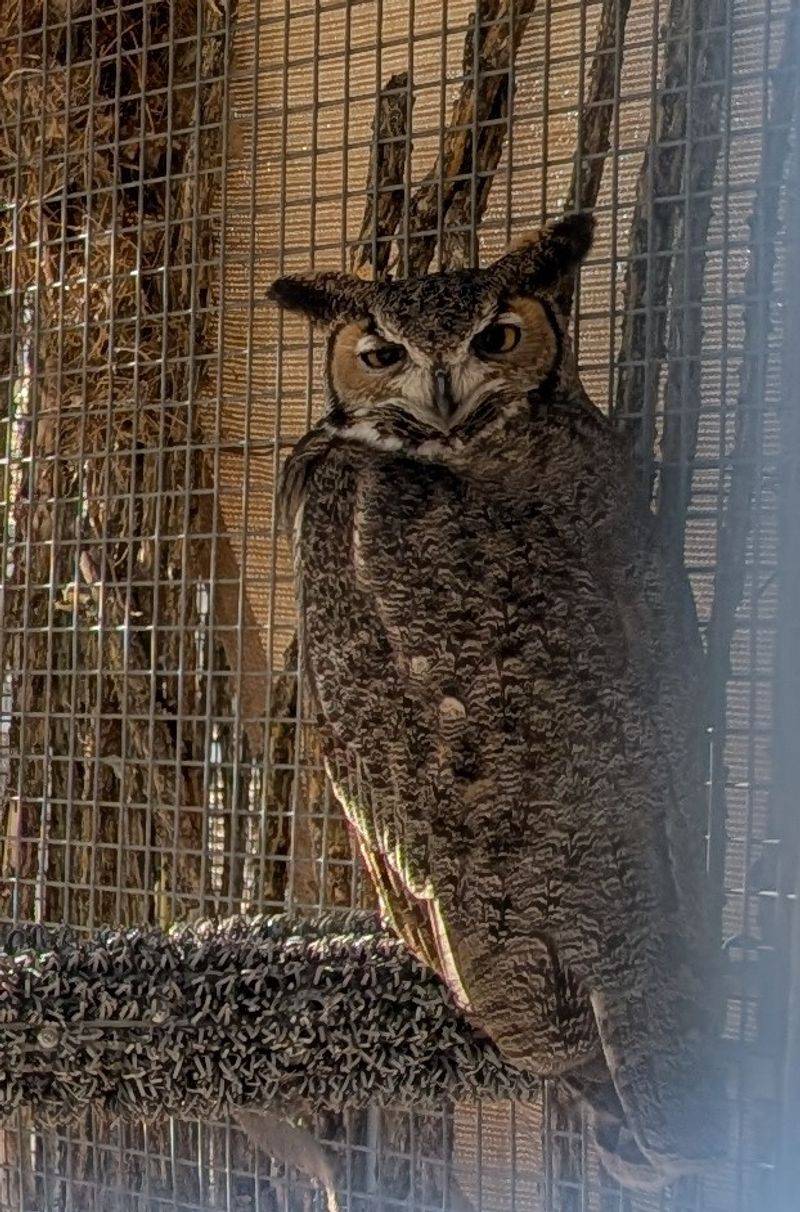
Coyotes grow more vocal, bobcats pace with more energy, and the whole atmosphere takes on a quality that feels almost cinematic. Nocturnal and crepuscular animals are naturally more active during these hours, so you are watching them behave in a way that feels far more authentic than a midday visit.
Guides adjust their commentary to reflect what the animals are doing in real time, which makes the experience feel spontaneous and alive rather than scripted.
These special tours sell out quickly, so booking well in advance is a smart move. Bring a light jacket because desert temperatures drop faster than you expect once the sun disappears, and a small flashlight never hurts when you are navigating a dirt path in the dark.
The Mexican Gray Wolf And Conservation Breeding
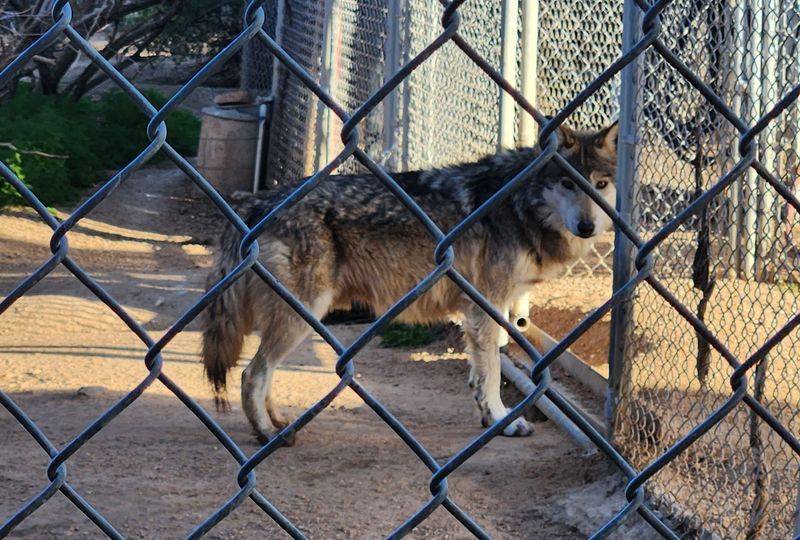
One of the most significant roles the Southwest Wildlife Conservation Center plays has nothing to do with tourism.
The center serves as an official holding facility for a portion of the captive population of the Mexican gray wolf, one of the most endangered mammals in North America. Seeing one up close is a genuinely rare privilege. The center actively participates in the Mexican Wolf Species S.A.F.E.
Program, a collaborative effort among accredited facilities to maintain a healthy captive population and support reintroduction into wild habitats.
This is serious conservation science happening right in front of you during a Saturday afternoon tour, which is pretty remarkable when you stop to think about it.
The guides explain the program clearly and passionately, connecting the dots between the wolves at the center and the broader effort to restore apex predators to Arizona and New Mexico ecosystems.
Walking away from that enclosure, you understand why protecting these animals matters not just for the wolves themselves but for the entire landscape they help balance.
Coyotes, Bobcats, And The Animals You Will Meet
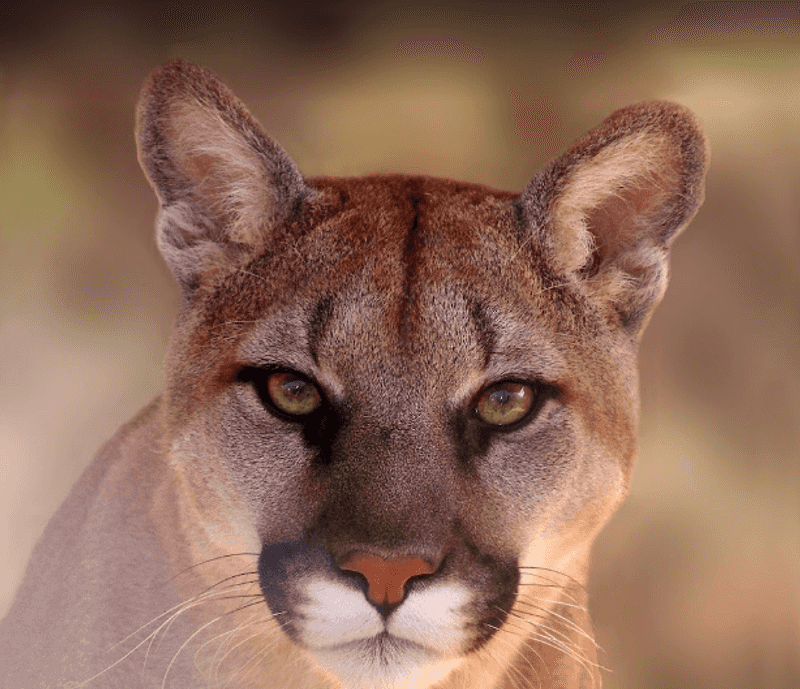
Most people have heard a coyote howl at night but never seen one close enough to notice the amber in its eyes. At the Southwest Wildlife Conservation Center, that kind of encounter is exactly what you get.
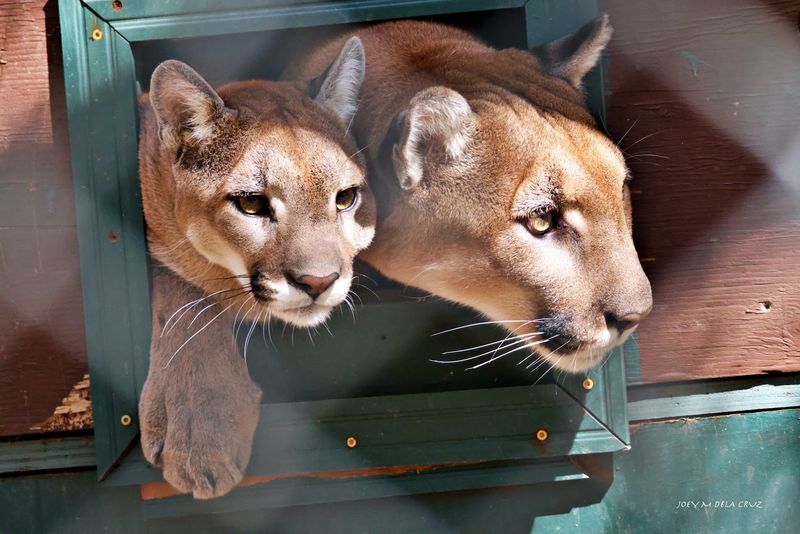
The resident coyotes, bobcats, javelinas, foxes, black bears, mountain lions, and deer all have names, histories, and personalities that the guides know intimately.
Many of these animals arrived as orphaned babies, raised by well-meaning people who did not realize that extended human contact makes it nearly impossible to release them safely back into the wild. Others carry injuries that prevent them from surviving on their own.
The center gives them a permanent, dignified home rather than any worse alternative. Occasionally, the center also shelters exotic animals confiscated as illegal pets, including an African leopard and an arctic wolf who ended up in Arizona through circumstances that boggle the imagination.
Each enclosure tells a story, and standing in front of them, you feel the weight of human responsibility for the natural world in a way that no documentary can quite replicate.
The Onsite Veterinary Clinic And Animal Rehabilitation
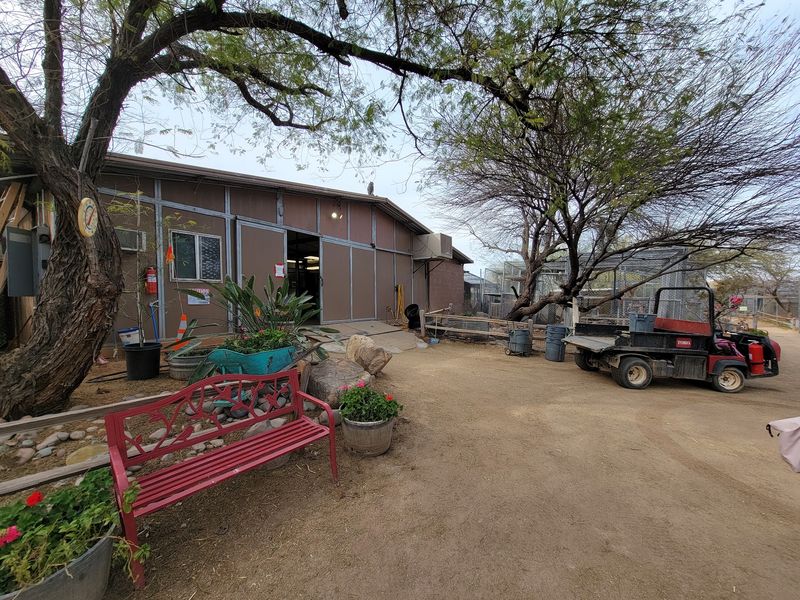
Behind every healthy animal roaming its enclosure at the center is a dedicated veterinary team that worked hard to get it there.
The onsite vet clinic handles everything from emergency trauma care for animals brought in from the wild to long-term rehabilitation plans for those recovering from complex injuries. It is a full-service medical operation tucked into the Sonoran Desert.
Rehabilitation is not a quick process. A young coyote with a broken leg might spend months in the clinic before moving to a transitional enclosure, and then more time acclimating before any release attempt is made.
The staff tracks each animal’s progress carefully, always with the goal of returning it to the wild if at all possible.
For animals that cannot be released, the shift from rehabilitation patient to permanent resident is handled with equal care. The center does not simply warehouse animals it cannot release.
It builds appropriate habitats, manages social dynamics between animals, and continues providing veterinary oversight for the rest of each animal’s natural life.
Practical Tips For Planning Your Visit
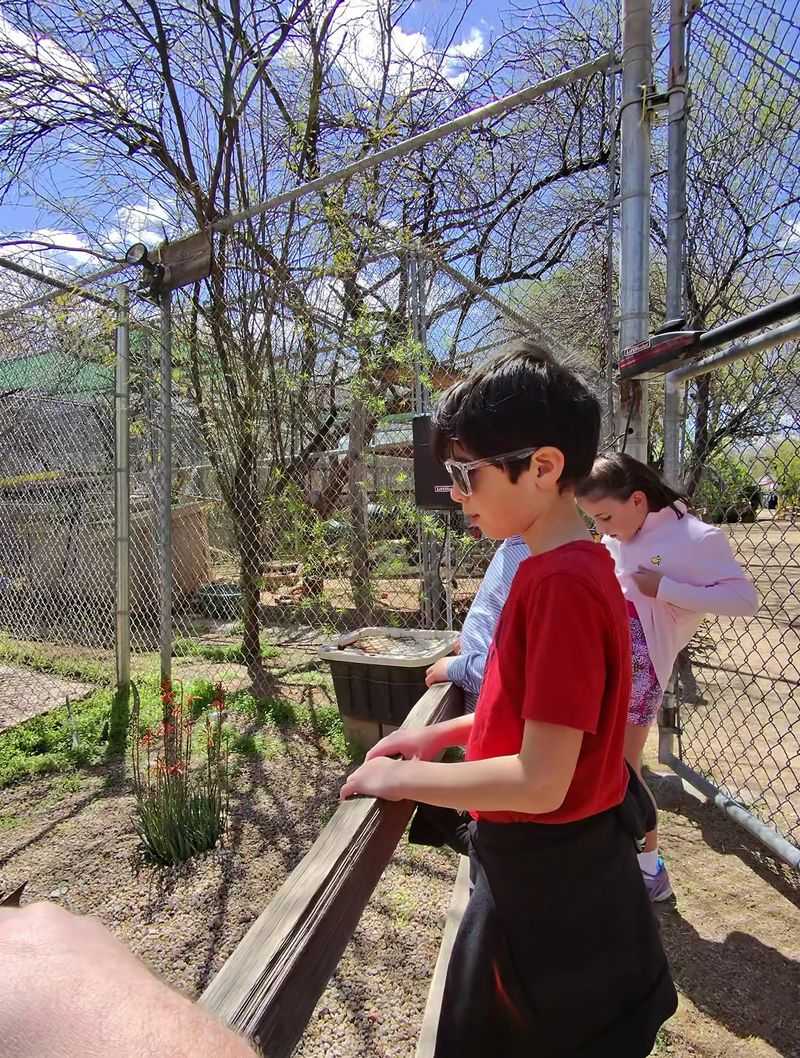
Getting to the Southwest Wildlife Conservation Center requires a little planning, and that is part of what makes it feel like a genuine adventure.
The address is 27026 N 156th St, Scottsdale, AZ 85262, and the last mile of the approach is an unpaved dirt road. A standard car handles it fine, but drive slowly and enjoy the fact that you are leaving the suburbs behind.
All visits require advance reservations, so check the center’s official website to browse available tour dates and times before you go. Tours book up, especially the evening options, so giving yourself a week or two of lead time is wise. The center does not accept walk-in visitors under any circumstances.
Pack sunscreen, a refillable water bottle, and sturdy closed-toed shoes for every visit regardless of the season. Summer temperatures in Scottsdale can be intense, so an early morning tour slot is worth prioritizing if you are visiting between June and September.
Children are welcome, and the storytelling style of the guides holds the attention of younger visitors just as effectively as it does adults.
How Southwest Wildlife Supports Its Mission
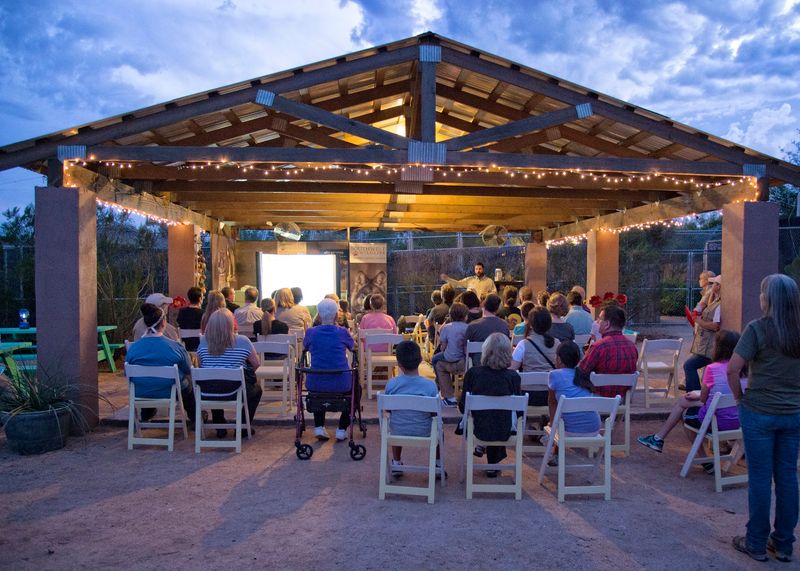
Every rescued animal at the Southwest Wildlife Conservation Center carries a story, and education is how those stories reach the public. The center runs school programs, volunteer opportunities, and community outreach events that connect people of all ages with Arizona’s native wildlife.
Learning happens naturally here, almost without you realizing it. Kids especially walk away with a deeper respect for animals they once overlooked.
Staff members share facts that stick with you long after the tour ends. Supporting this mission is simple, whether through a visit, a donation, or spreading the word. Every small action helps keep this incredible sanctuary running.
Wildlife education works best when the lesson has paws, feathers, or a powerful set of claws. A rescued animal can make conservation feel immediate in a way that textbooks rarely manage.
Each encounter gives visitors a closer look at the challenges Arizona wildlife faces beyond the sanctuary gates.
Young guests often arrive with questions and leave with a new favorite animal. Adults discover just as much, especially when familiar species reveal unexpected habits and survival skills.
By the end of the visit, protecting native wildlife begins to feel like a shared responsibility rather than a distant idea.