
What Happens When A Michigan Nature Preserve Starts Rescuing Wildlife And Restoring 170-Year-Old Buildings?
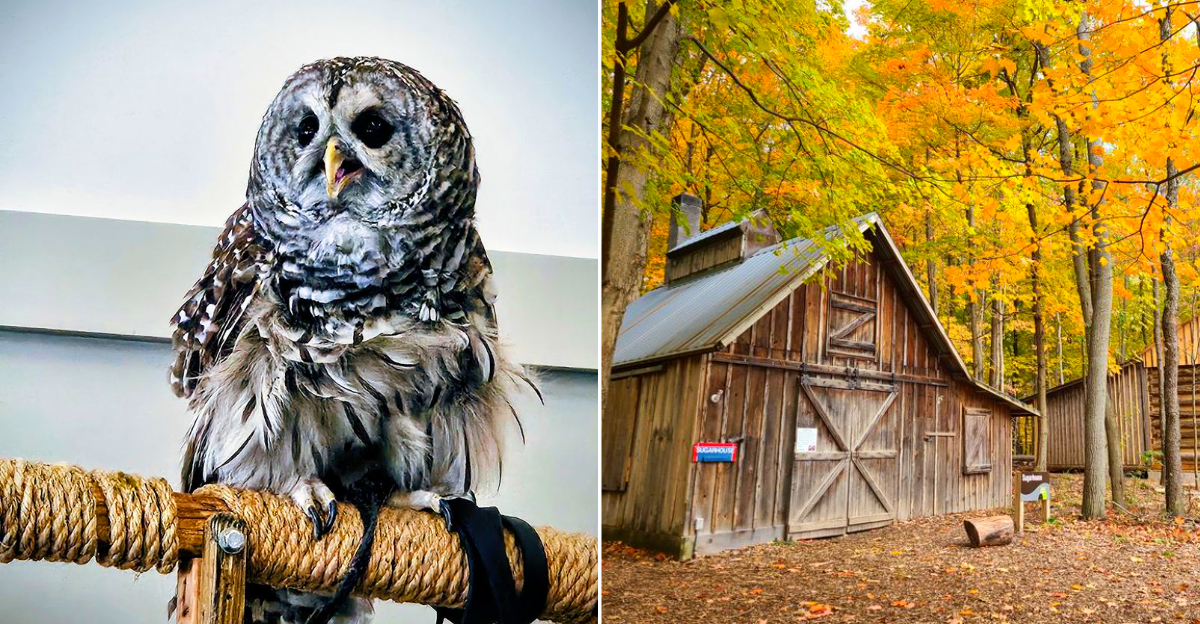
The trail started behind a parking lot I almost drove past. Within a hundred yards I was walking past a farmhouse older than the state itself. Then I heard a hawk cry from a nearby enclosure. This place does not just preserve nature.
It preserves history too. I spent the afternoon moving between restored buildings from the 1850s and habitats where injured animals get a second chance at life. My kids pulled me toward the wildlife trail first.
I gravitated toward the old schoolhouse. Both experiences left me thinking about this place long after I drove home. Grand Rapids has plenty of green space.
This spot stands apart because it refuses to choose between protecting the past and caring for the present.
Turtles sun themselves on logs beside buildings that have watched Michigan change for nearly two centuries. Few places make you feel both grounded and surprised.
Walk Through Heritage Village Slowly
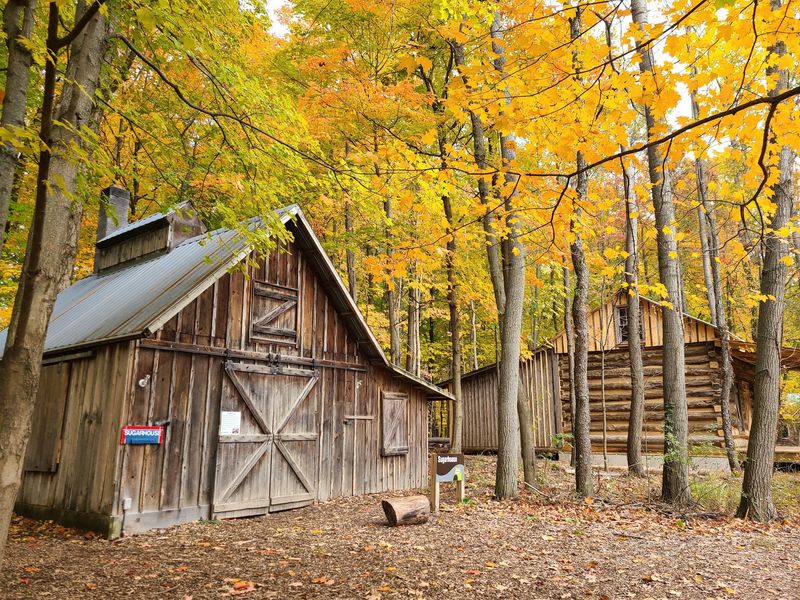
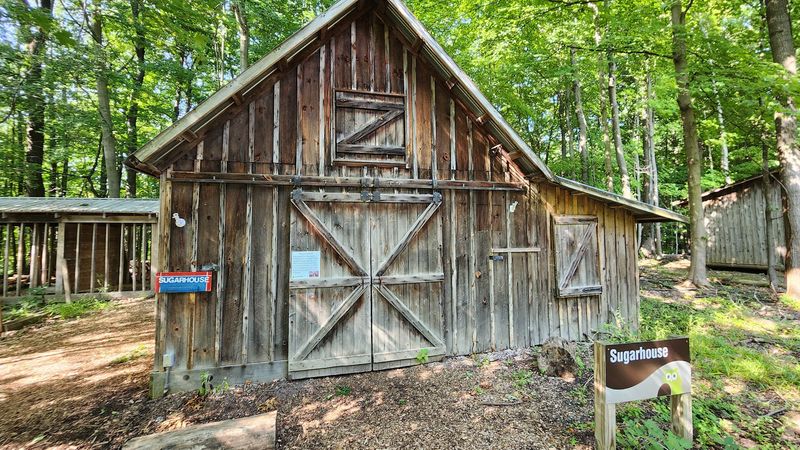
Weathered wood and small windows can stop you in your tracks faster than any flashy exhibit. Blandford’s Heritage Village gathers pieces of Michigan’s 19th-century past, including the Star Schoolhouse from 1853 and a Log Cabin built in 1866, then moved here in 1971.
Standing near them, the preserve suddenly feels older, quieter, and more layered than a standard trail system. You are not just walking through habitat. You are brushing up against the daily life of earlier settlers.
Restoration matters because old buildings disappear easily when nobody maintains them. Here, they are used to spark questions about schooling, shelter, tools, and how people once depended on the same land now managed for conservation.
Bring a little patience and look closely at construction details. Hinges, boards, and room size tell stories before any interpreter says a word to attentive visitors nearby.
The City Gives Way To Forest At Hillburn Avenue

Blandford Nature Center is at 1715 Hillburn Avenue NW in Grand Rapids, Michigan, on the wooded western side of the city. Approach from Leonard Street or Lake Michigan Drive, then follow the neighborhood streets toward Hillburn Avenue and the main visitor campus.
The final approach passes homes and schools before the road opens onto the nature center property. Use the signs for Blandford’s Visitor Center rather than continuing toward the separate Farm entrance on Milo Street or The Highlands entrance on Leonard Street.
Turn into the Visitor Center parking lot and follow the walkway to the Mary Jane Dockeray Visitor Center. The trails open daily from dawn to dusk, while the Visitor Center operates Monday through Saturday from 9 a.m. to 5 p.m.
Choose A Season, Then Come Back
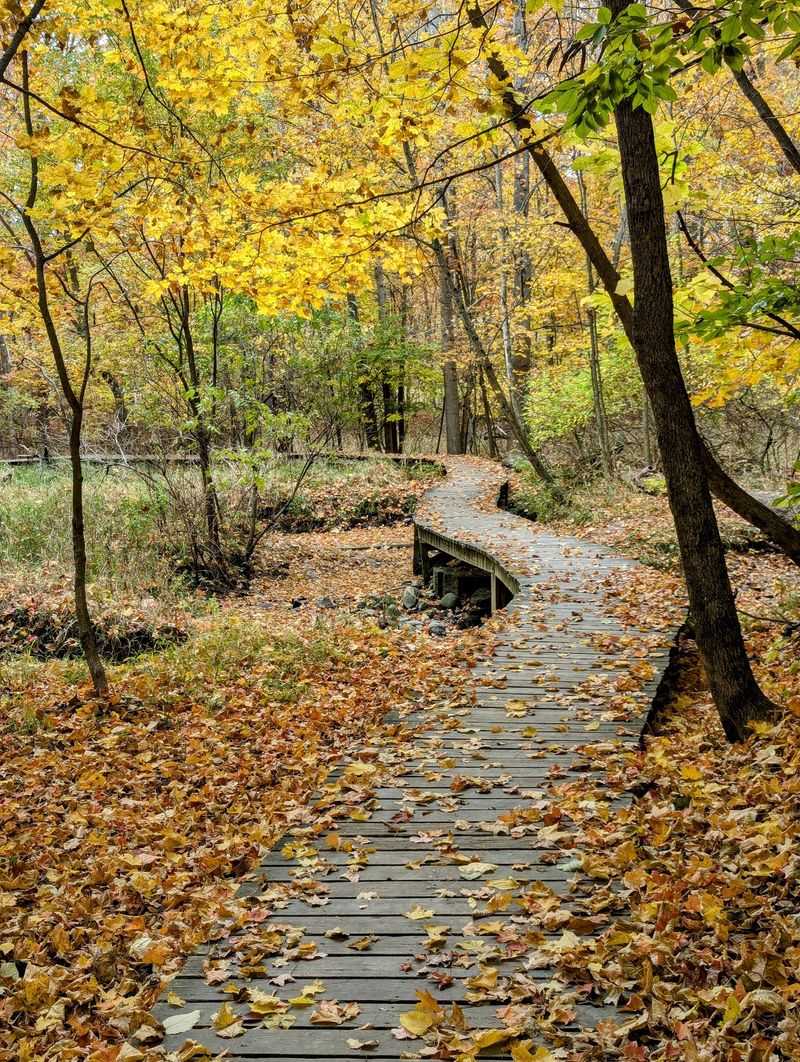
March smells faintly sweet here, and that scent alone can reorganize your afternoon. Blandford’s Sugarbush Festival centers on maple syrup making at the Sugarhouse, built by staff and volunteers in 1981, and it gives the preserve a cheerful sense of purpose after winter.
Later in the year, spring frogs, summer greenery, autumn harvest activities, and quiet snowy trails keep the place in motion. No season feels like filler.
That changing rhythm is one reason the center works so well for repeat visits. Historic structures take on new moods in different weather, and the same trail can sound completely different from month to month.
Check the calendar before you go, especially for seasonal programs and festivals. If your first visit is pleasant, try another season soon.
Blandford reveals itself best in chapters, not in one quick glance for most curious people.
Notice The Work Behind The Scenery
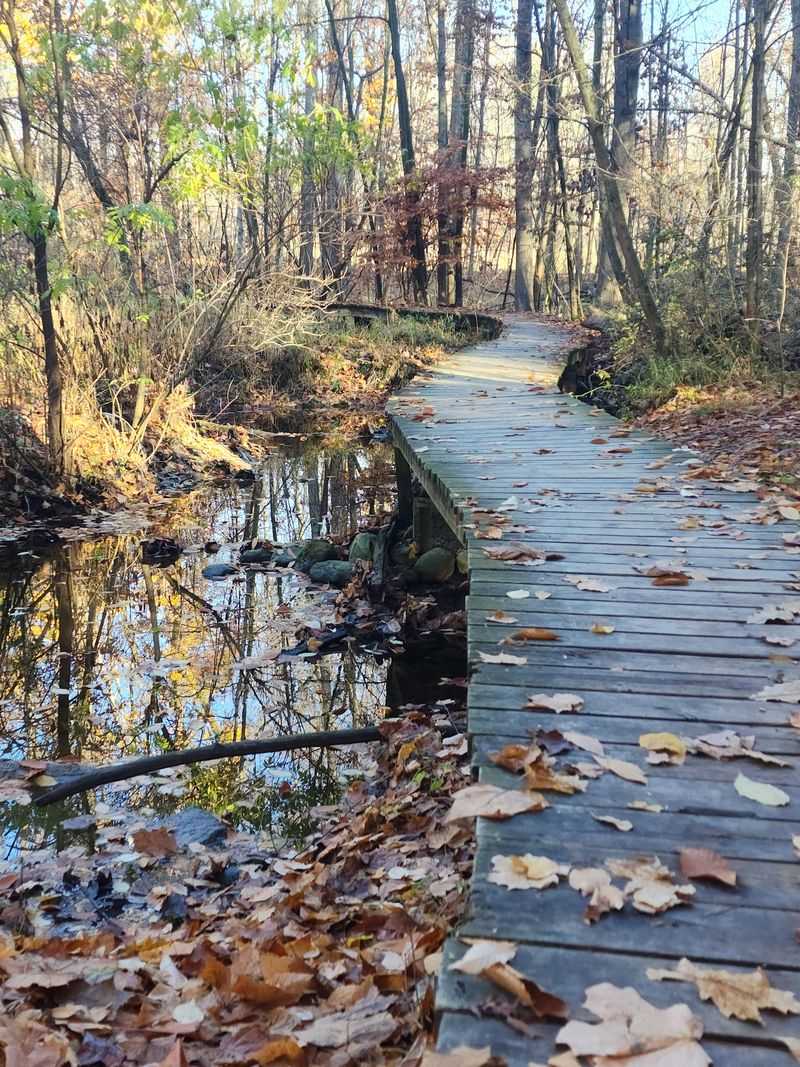
Buckthorn does not look dramatic, which is part of the problem. At Blandford, eco-stewardship work includes removing invasive plants such as buckthorn and honeysuckle, cleaning streams, and maintaining about eight miles of trails across woods, wetlands, and meadows.
The work is practical, repetitive, and oddly hopeful. You begin to see that a healthy preserve is not created by scenery alone.
It depends on people showing up with gloves, tools, and patience.
Even if you only come for a walk, it helps to notice the cared-for details under your feet. Clear paths, safer footing, and stronger habitat for native species all come from steady management.
Volunteers play a big role in that effort, and the center regularly offers ways to help. Wear sturdy shoes, stay on designated trails, and remember that conservation often looks like maintenance before it looks like success.
Do Not Skip The Working Farm
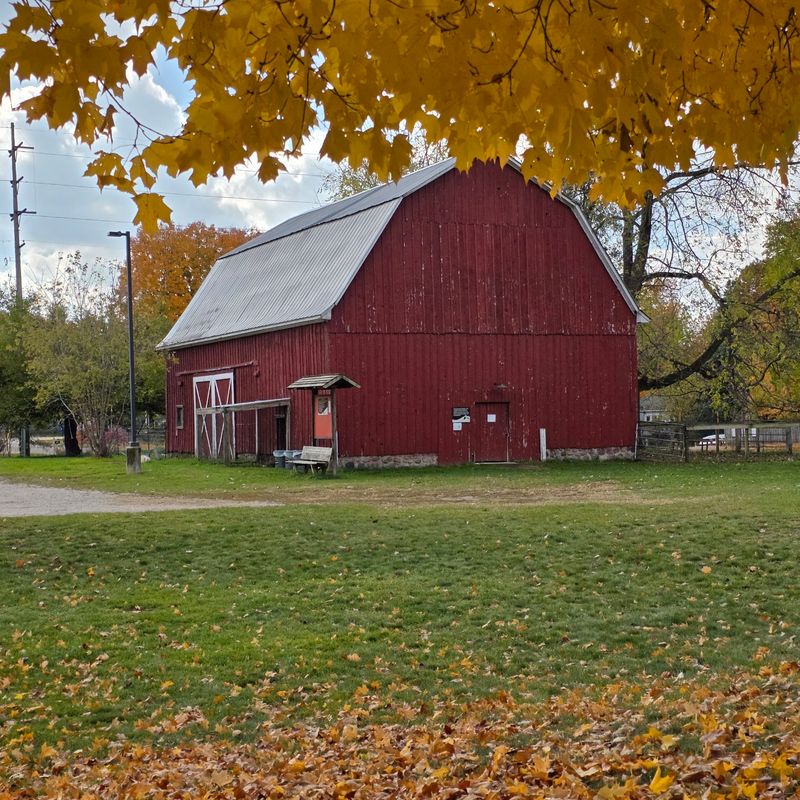
Just when the woods have settled you into a hush, a goat reminds you that Blandford has a playful side. The 2.5-acre working farm west of the visitor center adds sheep, goats, chickens, a Children’s Garden, and a CSA growing more than 200 kinds of vegetables.
That mix keeps the preserve from feeling precious or distant. Nature here is not only something to admire.
It is also something people grow, feed, weed, and share.
I like the farm because it makes sustainability feel understandable instead of abstract. Kids can connect animal care with food, gardens, and everyday choices without needing a lecture first.
If you are visiting with family, save time for both the trails and the farm so the day feels balanced. One offers stillness, the other offers motion, and together they explain Blandford’s community mission nicely to visitors.
Pick Trails By Mood, Not Mileage
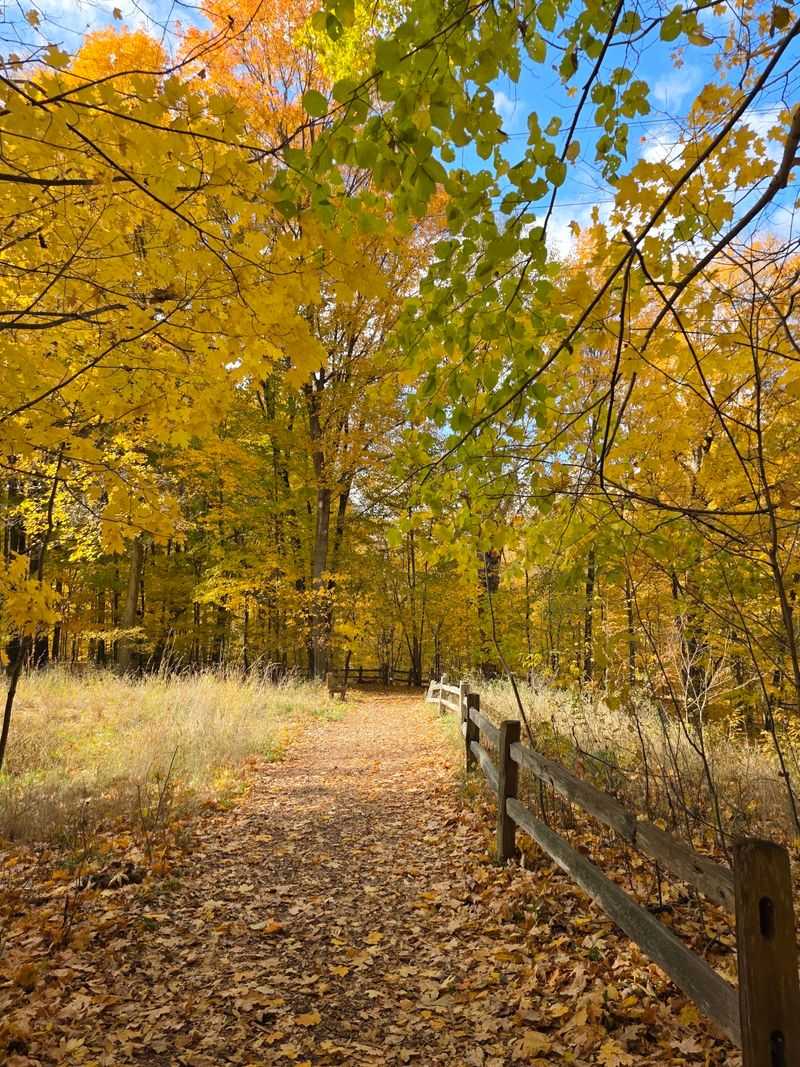
Some places make you earn the quiet, but Blandford offers it almost right away. About eight miles of trails run through varied habitat, and one mile is paved and accessible, which broadens who can enjoy the preserve.
Near the visitor center, wetlands often reward slow walkers with small discoveries, while farther routes open into woods and the former Highlands golf course. The landscape keeps changing without becoming confusing.
Good trail manners matter here more than people sometimes expect. Staying on paths protects habitat, reduces poison ivy surprises, and helps everyone move safely through sensitive areas.
Bring water, wear walking shoes, and choose your route based on time rather than ambition. A shorter loop can be more satisfying than a rushed march.
Early hours make it easier to notice birds, deer, turtles, and the sound changes between meadow and forest.
Remember The Vision That Started It
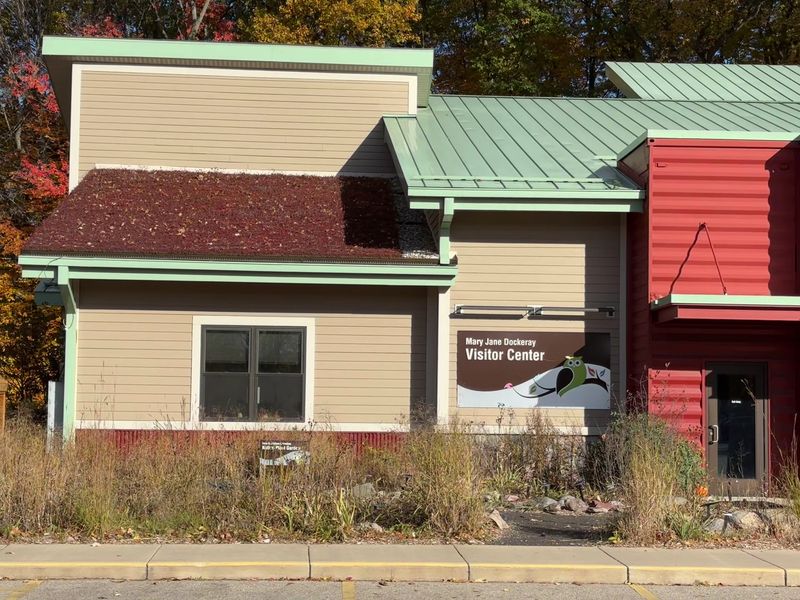
Every preserve has trees, but not every preserve has a founder whose idea still shapes the mood decades later. Blandford exists because Dr. Mary Jane Dockeray, a naturalist, pushed for a place where city children could meet nature directly.
Her effort began in 1949, the Blandford family donated 17 acres in 1968, and later land growth turned that seed into today’s 264-acre preserve. The story gives the entrance signs a little extra weight.
One of the most telling chapters came in 2017, when Blandford acquired the 121-acre former Highlands golf course for restoration. That move says a lot about the center’s ambition.
It is not simply maintaining a pretty patch of land near Grand Rapids. It is steadily building a larger future for public access, habitat protection, and outdoor education.
Knowing that history makes an ordinary walk feel more intentional.
Look For Learning In Every Corner
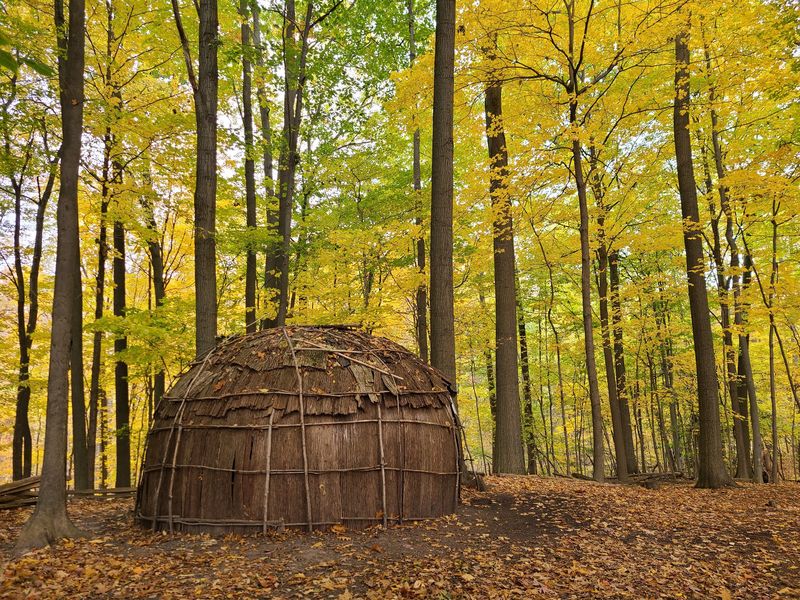
A field trip feeling hangs in the air even when no school bus is around. Education sits at the center of Blandford’s mission, with school programs, homeschool offerings, toddler activities, camps, and special wildlife care experiences that bring people closer to the daily work.
Instead of treating nature as background scenery, the center turns it into a subject you can smell, hear, compare, and remember. That hands-on approach is its real strength.
What impressed me was how learning happens across different settings: trail, farm, historic building, and animal enclosure. Each one teaches a different idea about care, history, or ecology.
If you are planning a visit with children, check the program schedule before arriving because the right event can shape the day. Even adults who think they are just tagging along usually leave with sharper eyes and new questions afterward.
Join The Community, Even Briefly
Places like this stay alive because visitors do more than visit. Blandford invites people into the work through volunteer roles, seasonal camps, workshops, annual festivals, farm tasks, garden help, and historic building interpretation during events.
That community layer changes the atmosphere. The preserve does not feel sealed off behind expertise.
It feels shared, as if neighbors are helping keep the map green and the old buildings standing.
Openness has a useful effect. When people plant, weed, guide, or assist at a festival, they understand the place more deeply than they would from a sign alone.
If you want a stronger connection than a walk, look for volunteer days or events on the calendar. Blandford’s story is about participation as much as scenery, and that makes each visit feel less like tourism and more like joining a project already in motion.
Start At The Visitor Center With A Plan
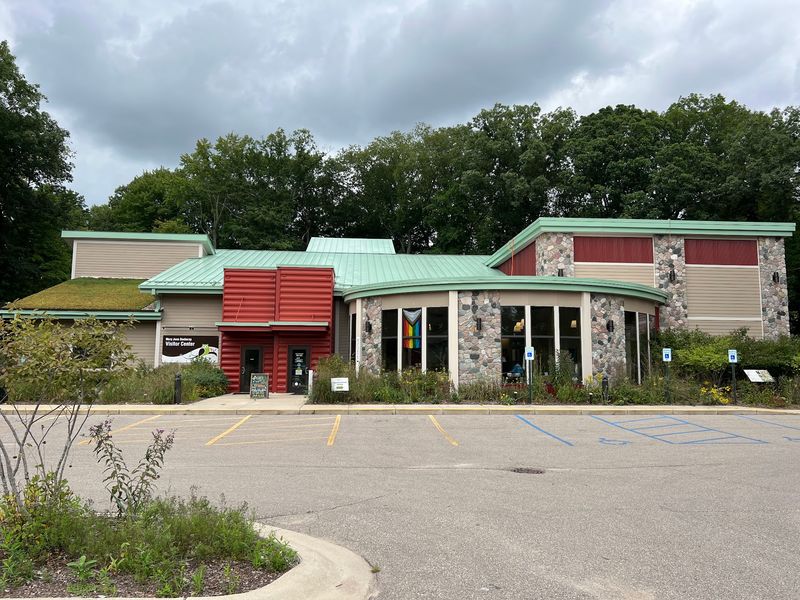
The practical heart of the preserve is not hidden at all. The Mary Jane Dockeray Visitor Center is the starting point, open Monday through Saturday from 9 AM to 5 PM, with maps, answers, indoor facilities, and access to the Wildlife Education Center.
Admission is typically 5 dollars, and that fee supports Blandford’s nonprofit work. Before the trails widen and the farm noise drifts over, the building quietly organizes the day.
I always think a good visitor center should lower uncertainty, not add to it, and this one does that job well. It helps you decide whether to head toward animals, history, wetlands, or longer walks first.
Arrive early enough to get oriented, especially if you are visiting with kids or limited time. A few minutes inside can save backtracking later and make the preserve feel much easier to understand.
Watch Restoration Happen In Real Time
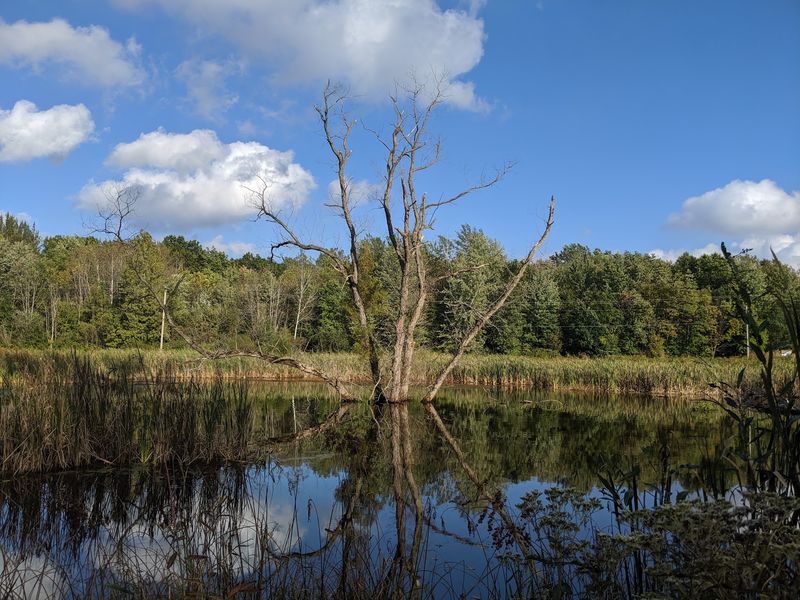
One of the strangest and most hopeful sights at Blandford is land learning to be wild again. The former Highlands golf course, acquired in 2017, is being rewilded into meadows and restored wetlands, and the shift is more moving in person than it sounds on paper.
You can almost feel the landscape shrugging off an older identity. Restoration here is not instant magic. It is a slow conversation between soil, water, plants, and time.
That patience connects with the preserved buildings and animals nearby. In different ways, all three show what happens when a place stops treating damage or age as the end of the story.
Walk the area with your eyes down as well as up, because changes matter: grasses returning, wetter ground, bird activity, and edges softening. Blandford makes recovery visible without turning it into a lecture there.