
This Under-The-Radar South Carolina Park Might Be One Of The Best Places To Spot Wildlife
Some wildlife destinations require hours of hiking, expensive equipment, and the patience of a documentary crew. In South Carolina, one place delivers before you leave the car.
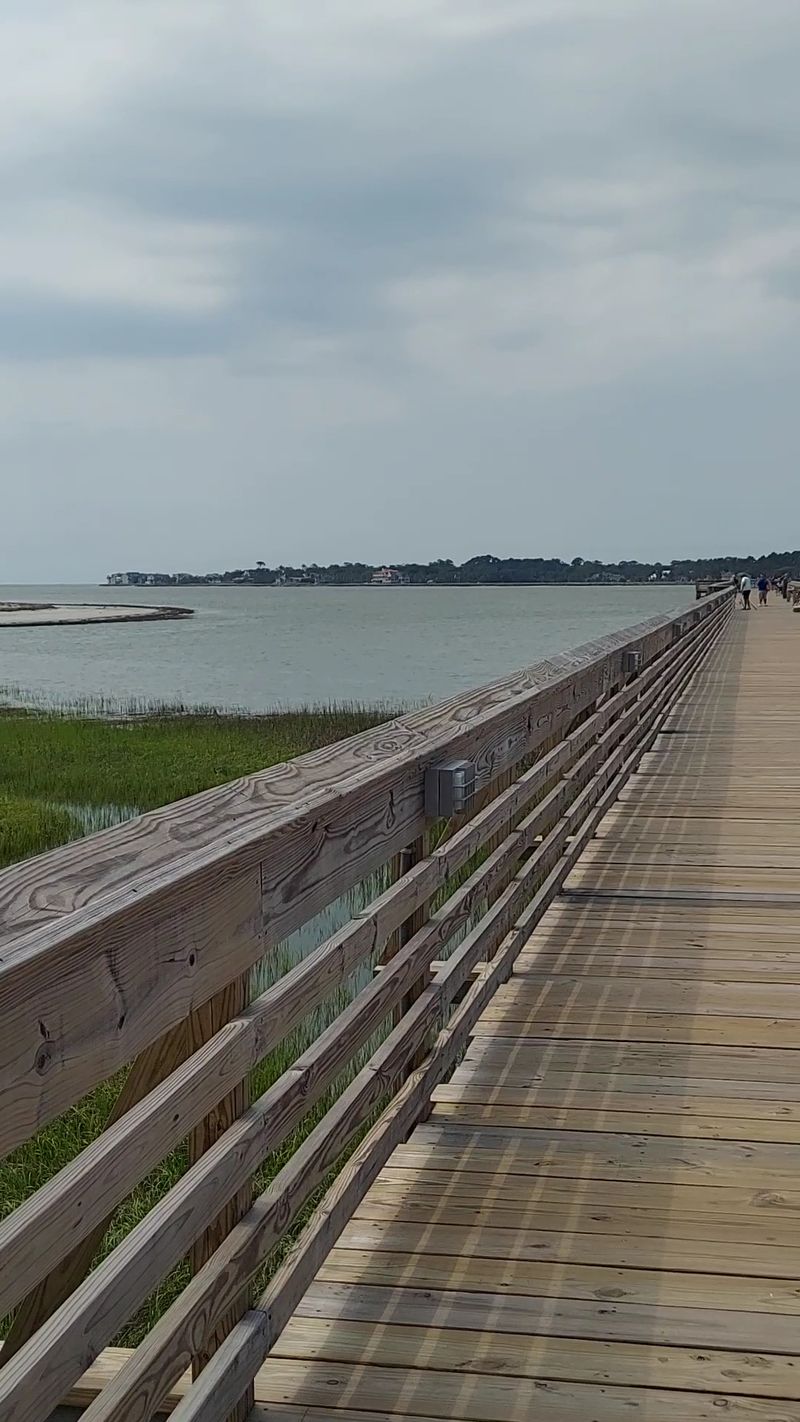
Cross the bridge and the scenery changes fast.
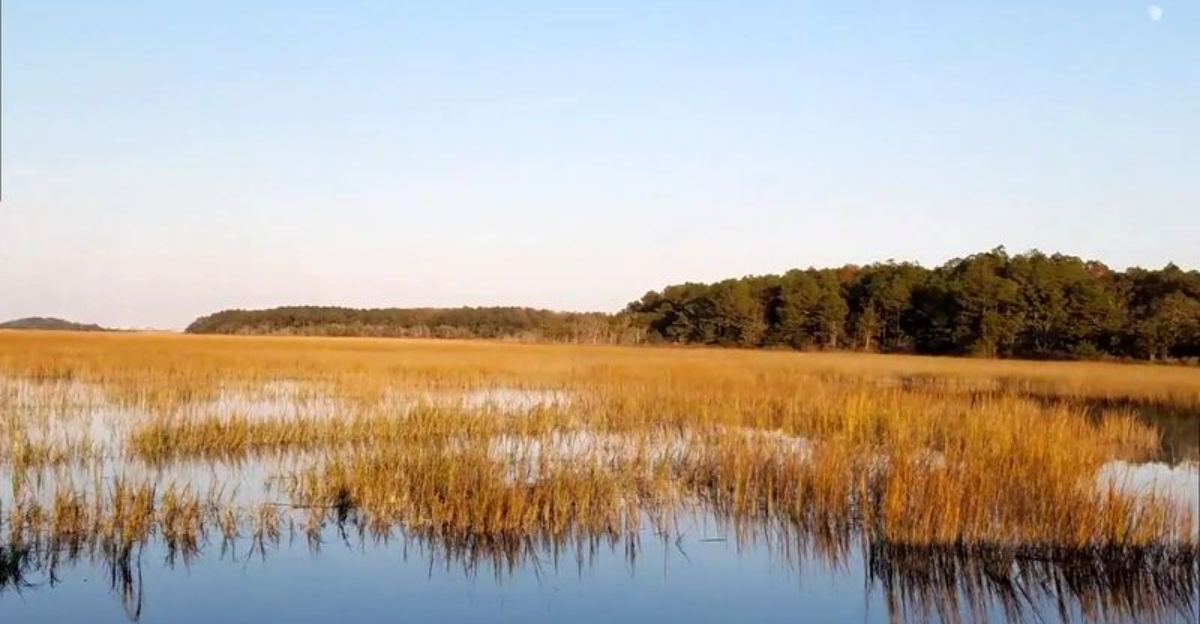
Marsh grass stretches toward the horizon. Birds patrol the shallows.
An alligator may be sunbathing nearby with the confidence of someone who clearly owns the property.
This is where saltwater, freshwater, forest, and beach meet. The result feels less like an ordinary park and more like nature showing off its entire collection at once.
South Carolina offers many beautiful coastal escapes, but few create this much excitement without demanding a complicated itinerary. One walk can bring herons, turtles, nesting shorebirds, and plenty of camera-worthy surprises.
Bring binoculars. Keep your camera ready.
Give the alligators their personal space.
South Carolina may be known for busy beaches, but its wildest coastal experience is hiding somewhere much quieter.
Alligators Rule The Freshwater Lagoons
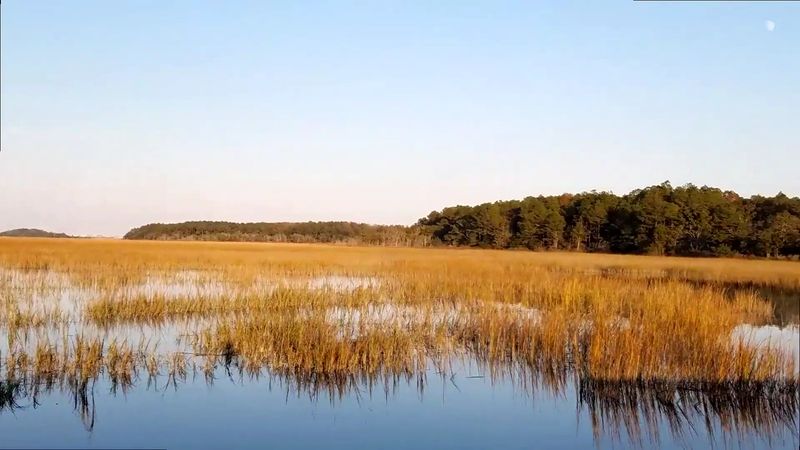
Walking the trails that wind along the freshwater lagoon, I’ve learned to scan the water’s edge with the focus of a hawk, because alligators here don’t exactly hide. They bask on muddy banks, glide through the dark water with just their eyes and snouts visible, and occasionally cross the park road with the casual confidence of locals who know they own the place.
I remember one spring morning when I counted seven gators in a single fifteen-minute stretch, ranging from juveniles barely two feet long to a massive bull that looked like it had survived decades of coastal storms. The park’s unique geography, with salt water on one side and fresh water on the other, creates ideal habitat for these reptiles, and they thrive in numbers that surprise even seasoned visitors.
Rangers remind everyone to keep a respectful distance, and I’ve watched plenty of folks forget that advice the second they spot a photo opportunity. Smart visitors bring binoculars and telephoto lenses, because getting close enough for a selfie is a terrible idea no matter how sleepy that gator looks.
Over 300 Bird Species Call This Park Home
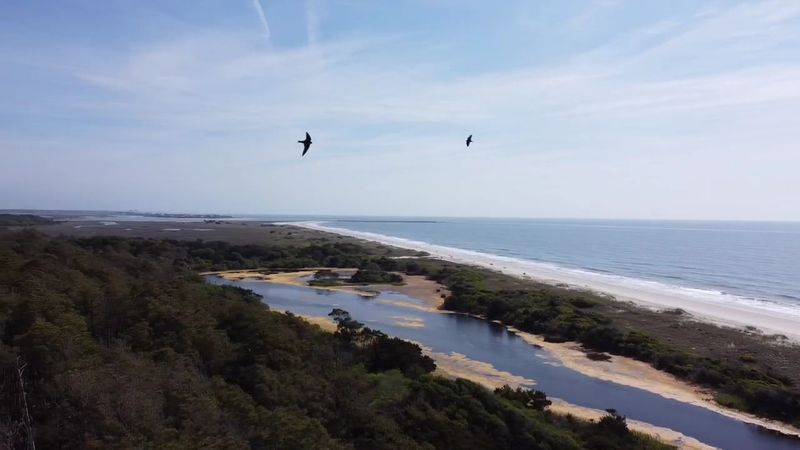
Birders arrive at Huntington Beach with checklists, spotting scopes, and the kind of enthusiasm usually reserved for treasure hunters, and for good reason. The park sits on a critical migratory route along the Atlantic Flyway, and more than 300 species have been recorded here, making it one of the richest birding destinations on the entire South Carolina coast.
I’ve spotted everything from tiny warblers flitting through the maritime forest to massive brown pelicans diving into the surf like feathered torpedoes. The freshwater lagoon attracts wading birds by the dozen, including great egrets, tricolored herons, and the occasional roseate spoonbill that looks like it wandered in from a tropical postcard.
Winter brings waterfowl in impressive numbers, while spring and fall migration periods turn the park into a nonstop avian parade. Even casual visitors who can’t tell a sandpiper from a sparrow leave impressed by the sheer variety of wings, calls, and colors filling the sky and shoreline throughout the year.
Sea Turtles Nest Along The Protected Beach
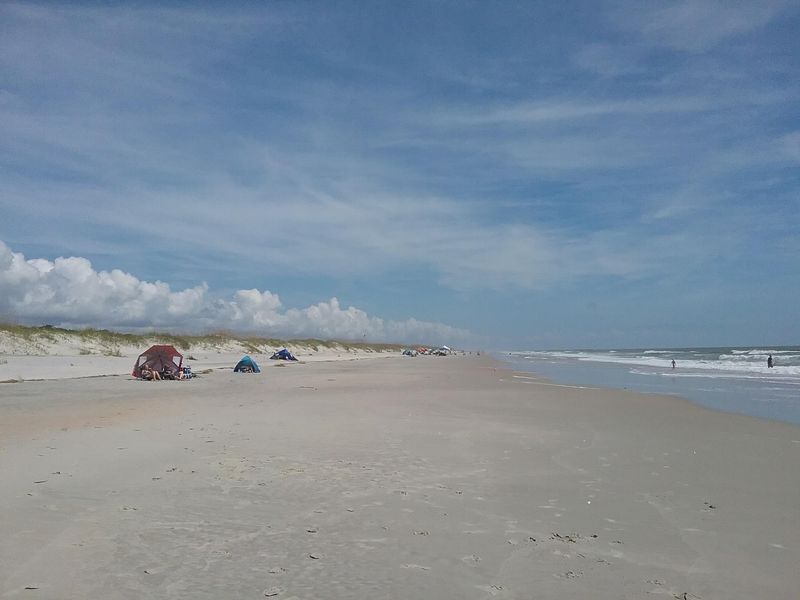
Summer nights at Huntington Beach take on a quieter, more purposeful energy as loggerhead sea turtles crawl ashore to dig nests in the sand above the high tide line. Park staff and trained volunteers patrol the beach at dawn, marking and protecting each nest with wooden stakes and wire cages that keep predators out while allowing hatchlings to emerge weeks later.
I joined a nest inventory walk one July morning and watched biologists carefully count eggs, measure the nest chamber, and record GPS coordinates with the precision of scientists who understand how fragile these populations remain. The park has become a significant nesting site along the South Carolina coast, with dozens of nests recorded each season.
Visitors who time their trips right might witness hatchlings making their frantic dash to the ocean, though the park wisely restricts beach access during peak nesting hours to avoid disturbing these ancient mariners. Seeing those tiny flippers paddle toward the waves for the first time hits differently than any other wildlife encounter I’ve experienced here.
The Salt And Freshwater Mix Creates Unique Habitat
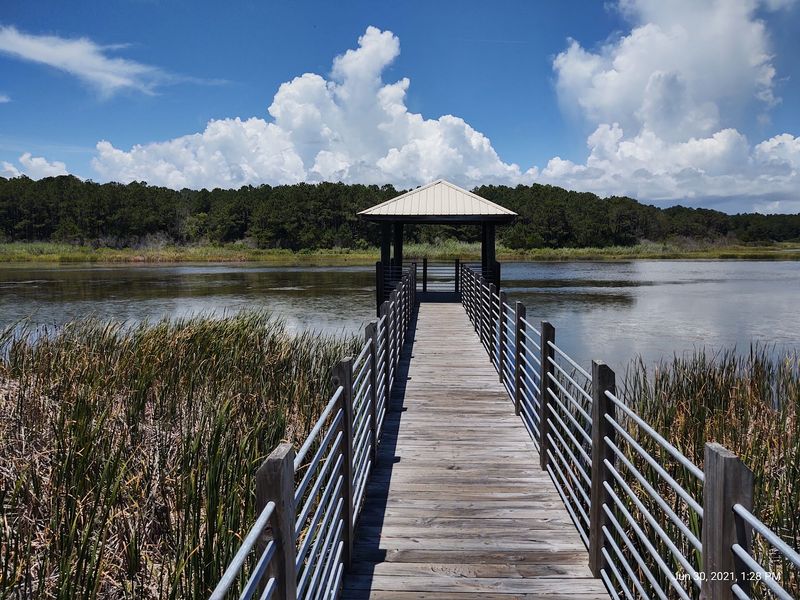
Geography dealt Huntington Beach a winning hand when it placed salt marsh and ocean on one side of the park road and freshwater lagoon on the other, creating an ecological mashup that supports an unusually diverse collection of plants and animals. This side-by-side arrangement isn’t common along the South Carolina coast, and the result is a wildlife buffet that attracts species from both environments.
I’ve stood on the causeway bridge and watched saltwater fish jump on my left while freshwater turtles sunned themselves on logs to my right, a sight that reminds me how special this place really is. The mixing zone where these two water types meet creates brackish conditions that support yet another set of species, including blue crabs, diamondback terrapins, and juvenile fish that use the marsh as a nursery.
Ecologists love this park because it functions like a living laboratory, demonstrating how coastal ecosystems interact and depend on each other. For regular visitors like me, it simply means more wildlife packed into 2,500 acres than seems physically possible.
Atalaya Castle Overlooks Prime Wildlife Territory

Atalaya rises from the landscape like something transported from the Mediterranean, its Moorish arches and open courtyard design feeling wonderfully out of place on the South Carolina coast. Built in the 1930s as the winter home and studio of sculptor Anna Hyatt Huntington and her husband Archer, the National Historic Landmark now serves as both museum and unexpected wildlife observation deck.
I’ve climbed to the upper levels and scanned the surrounding marsh and forest, spotting ospreys circling overhead and deer browsing in the maritime forest that crowds against the castle walls. The building’s strategic position on a slight rise gives visitors elevated views across habitat that would otherwise require hours of hiking to survey.
Self-guided tours let you wander through rooms where Anna once sculpted her famous animal figures, and the irony isn’t lost on me that her artistic subjects, bears and jaguars and horses, have been replaced by the very real alligators and herons that prowl the grounds outside. The castle opens seasonally, and timing a visit during migration periods means combining history with some of the best birding the park offers.
The Jetty Attracts Shorebirds And Marine Life
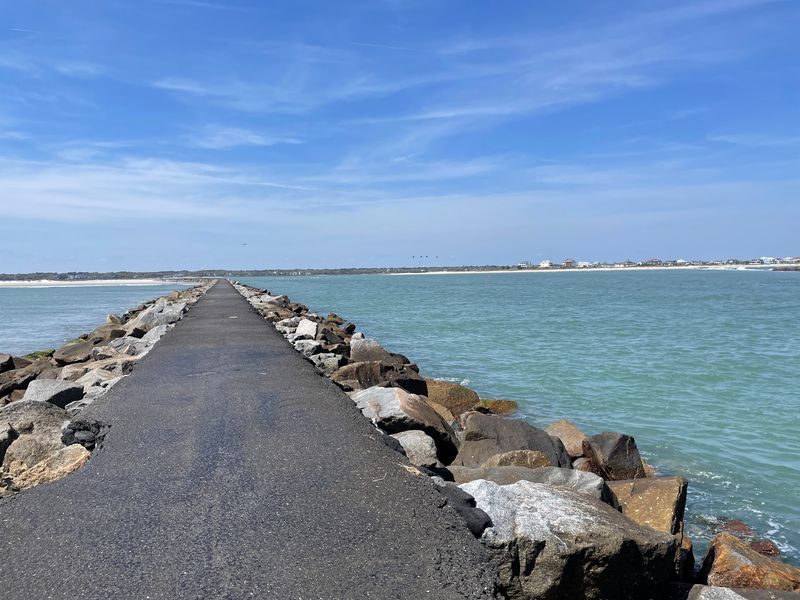
The rock jetty that stretches into the Atlantic from Huntington Beach isn’t just a pretty place to watch waves crash and spray, though it certainly delivers on that front. This engineered structure has become an artificial reef that attracts fish, crabs, and the birds that hunt them, creating a concentrated wildlife zone that rewards anyone willing to make the walk.
I’ve spotted ruddy turnstones flipping pebbles in search of tiny crustaceans, sanderlings racing the waves on their impossibly fast legs, and the occasional peregrine falcon using the jetty as a hunting perch during migration. The rocks themselves host barnacles, mussels, and sea anemones that emerge at low tide, turning the jetty into an impromptu tidepool for curious kids and adults alike.
Anglers love the jetty for the same reason birds do, because the structure concentrates baitfish and attracts larger predators like Spanish mackerel and bluefish. Walking out requires decent balance and sturdy shoes, but the wildlife payoff at the end makes every careful step worthwhile, especially during the golden hour when the light turns everything copper and gold.
Diamondback Terrapins Thrive in the Brackish Zones
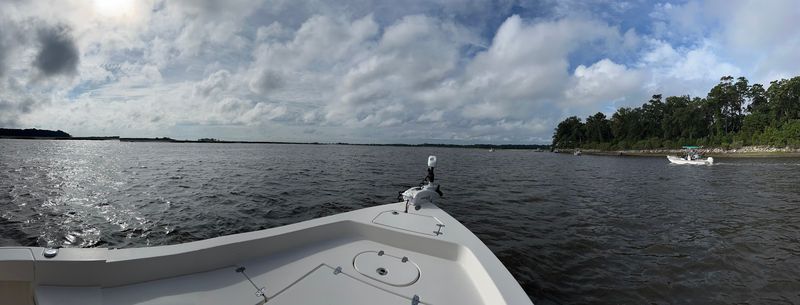
Diamondback terrapins occupy a specific ecological niche that most turtles avoid, thriving in the brackish water where salt and fresh mix in unpredictable ratios. Huntington Beach provides ideal habitat for these beautifully patterned reptiles, and I’ve spotted them basking on marsh edges and paddling through shallow channels with their distinctive spotted heads held high above the water.
These turtles faced serious population declines decades ago, hunted nearly to extinction for soup and threatened by coastal development that destroyed nesting habitat. The park now protects both their aquatic environment and the sandy areas where females dig nests each spring, giving terrapins a fighting chance to recover their numbers.
I watched a female lumber across the park road one May morning, clearly on a mission to reach higher ground for nesting, and a ranger stopped traffic to give her safe passage. That small gesture represents the larger conservation ethic that makes Huntington Beach so valuable for species that need protected space to complete their life cycles without human interference destroying their chances.
White-Tailed Deer Browse The Maritime Forest
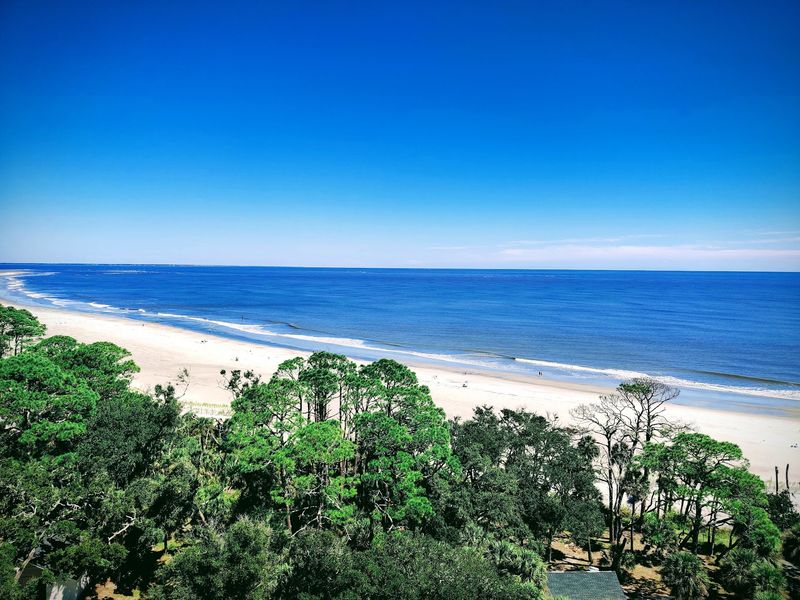
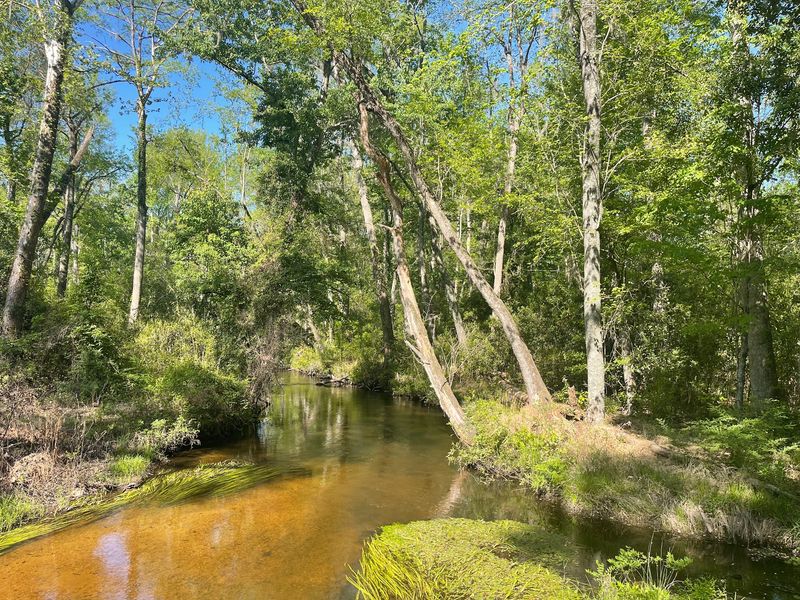
The maritime forest that borders the park’s trails and campground shelters a healthy population of white-tailed deer that have grown surprisingly comfortable with human presence. I’ve encountered them dozens of times, usually in early morning or late evening when they venture from the forest to browse on the edges of clearings and roadways.
Does with spotted fawns appear each spring, and watching those youngsters take their first wobbly steps while their mothers keep nervous watch never gets old no matter how many times I witness it. The deer here seem smaller and darker than their inland cousins, an adaptation to the coastal environment and the different vegetation that makes up their diet.
Bucks carrying impressive antlers emerge during fall rut, sparring with rivals and marking territory with scrapes that turn the forest floor into a patchwork of disturbed earth. The maritime forest provides crucial cover and food for these deer, and their presence attracts predators like coyotes and bobcats that occasionally leave tracks in the sand but rarely show themselves to casual visitors like me.
The Nature Center Teaches Conservation In Action
The Nature Center sits near the park entrance, and I make it a point to stop there on every visit because the exhibits change seasonally and the staff always has fresh intel on what wildlife has been spotted recently. Live animal displays include native snakes, turtles, and a touch tank where kids can gently handle horseshoe crabs and learn why these ancient arthropods matter to coastal ecosystems.
Rangers and naturalists lead programs throughout the year, covering everything from birding basics to alligator biology, and I’ve picked up more useful identification tips here than from any field guide. The center also tracks sea turtle nests, monitors bird populations, and coordinates citizen science projects that let visitors contribute to actual conservation research.
Interactive displays explain how the park’s dual water systems work, why protecting maritime forest matters, and what threats face coastal wildlife in an era of rising seas and increasing development pressure. I appreciate that the center doesn’t sugarcoat the challenges these animals face, but it also celebrates the success stories that prove conservation efforts actually work when people commit resources and attention to protecting wild places.
Seasonal Migrations Bring Constant Change
Huntington Beach never feels exactly the same twice because its position on the Atlantic Flyway means species arrive and depart in waves throughout the year, creating a constantly shifting cast of wildlife characters. I’ve learned to time my visits around these movements, knowing that spring migration brings exhausted warblers and vireos dropping into the maritime forest to refuel, while fall sees raptors streaming south along the coast.
Winter transforms the lagoon into a waterfowl convention, with northern ducks and geese seeking refuge from frozen northern waters. Summer belongs to nesting terns and skimmers that claim sections of beach and defend their territories with aggressive dive-bombing tactics that keep even the boldest beachgoers at a respectful distance.
The park publishes seasonal wildlife guides that help visitors know what to expect during each visit, and I’ve collected them all because each season reveals different aspects of this remarkable place. Some people chase rare birds that show up as vagrants blown off course by storms, while others simply enjoy the reliable rhythms of migration that have played out here for thousands of years.