
Could You Walk Past 30 Free Sculptures Tucked Into A Michigan Forest?
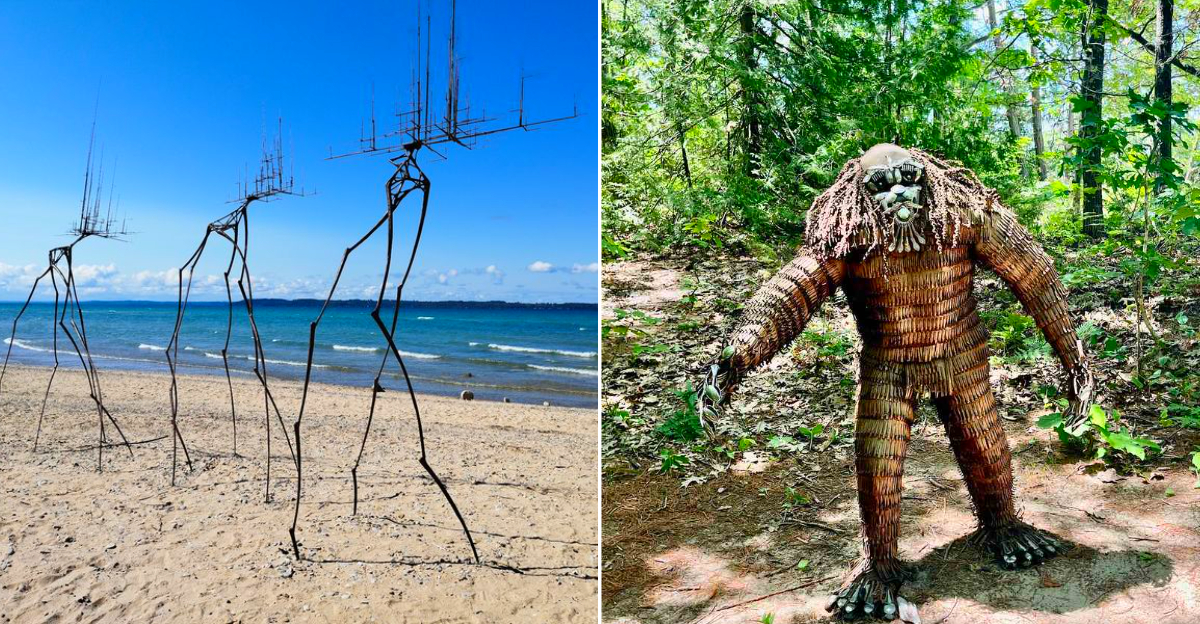
I stumbled upon this place by accident on a sunny afternoon drive. My expectations were low, honestly.
I figured a few plaques, some forgettable installations dotted a county park. My daughter tugged my sleeve toward the first sculpture emerging from the dune grass. Then another appeared through the pines. Then another near the water.
My family spent two hours wandering trails we could not stop following. Each turn revealed something surprising, playful, haunting, or beautiful.
The way these artworks interact with wind, sky, light changed how I think about outdoor art. I sat on a bench near the lake for a long time.
My phone gallery filled with photos I actually want to frame. Walking among thirty sculptures scattered across forest and shoreline feels like discovering a secret someone left just for you. Exploring a Michigan sculpture trail through woods and dunes rewrote my whole afternoon.
Wear Shoes For Sand And Shore
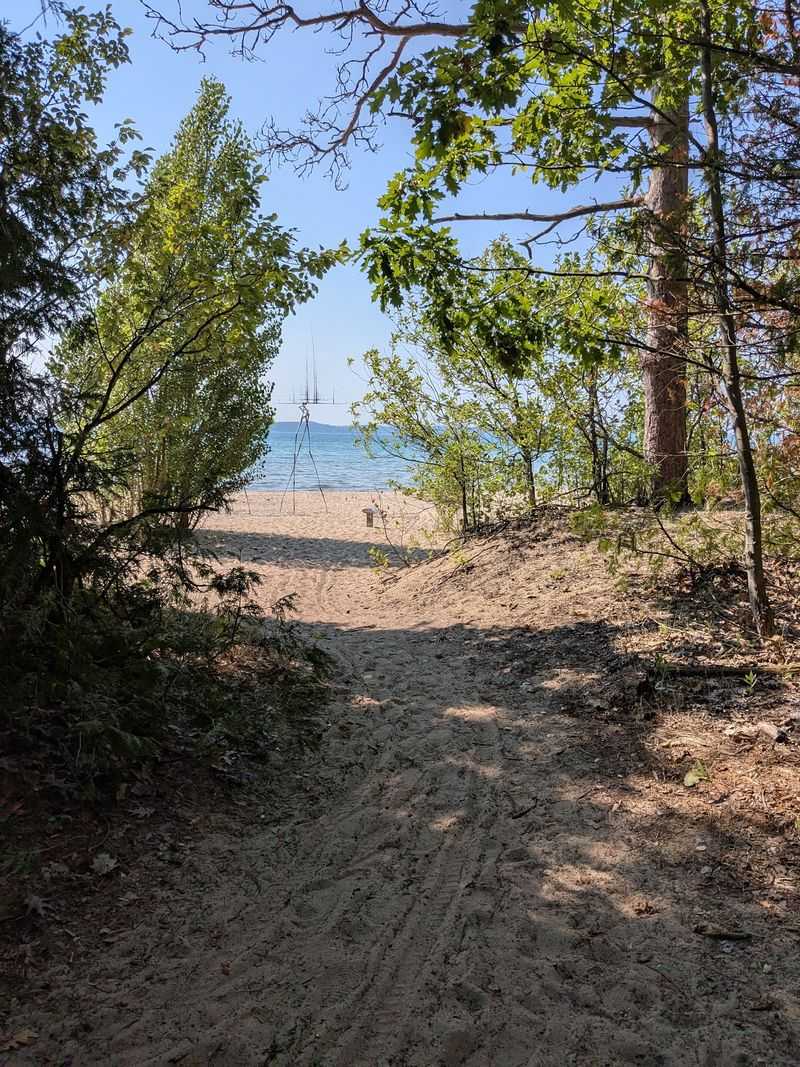
One minute you are on a wooded path, and the next you are stepping onto a stony stretch of bay shoreline. That quick shift is part of the fun, but it also means flimsy sandals can become annoying fast.
Closed-toe walking shoes work well on the trails, while water shoes help if you plan to explore the rocky edge.
Some beach sections feel uneven underfoot, especially when waves have moved stones around. A small comfort choice changes the whole visit, because you spend less time watching your step and more time looking for art.
If your group likes poking around for Petoskey stones, good footwear earns its keep almost immediately. Dry socks in the car feel smart afterward as well.
South Bayshore Drive Slips From Town Into The Trees
Walk of Art Sculpture Park is inside Elk Rapids Day Park at 920 South Bayshore Drive, Elk Rapids, Michigan 49629, just south of the village center along Grand Traverse Bay. From downtown Elk Rapids, River Street and Oak Street connect naturally with South Bayshore Drive for the final approach.
Follow South Bayshore Drive south as the village streets thin out and the wooded shoreline takes over. The entrance to Elk Rapids Day Park appears on the west side of the road, with the sculpture park sharing the same grounds.
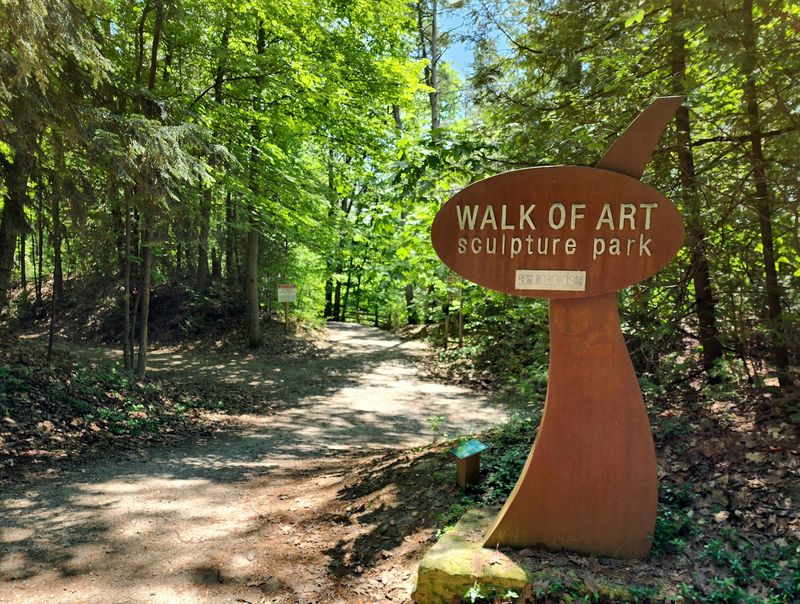
Pull into the Day Park parking lot and head toward the sculpture park entrance, marked by the distinctive Walk of Art sign. The trails begin from the park grounds and continue through the woods toward the waterfront.
Give Yourself More Than Half An Hour
At first glance, the park seems like a quick stop, the kind you squeeze between lunch and another errand. Then a sculpture pulls you off the main path, the beach opens up, and suddenly your timetable gets softer around the edges.
Most people can walk it in about 30 to 40 minutes, but the place rewards anyone who lingers.
Light changes the look of metal, wood, and stone from one bend to the next. Benches, picnic spots, and the shoreline invite pauses that do not feel like wasted time.
I would plan closer to an hour if you enjoy reading signs, taking photos, or simply standing still long enough to hear the bay and birds together in the trees nearby.
Look For The Nearly Hidden Entrance
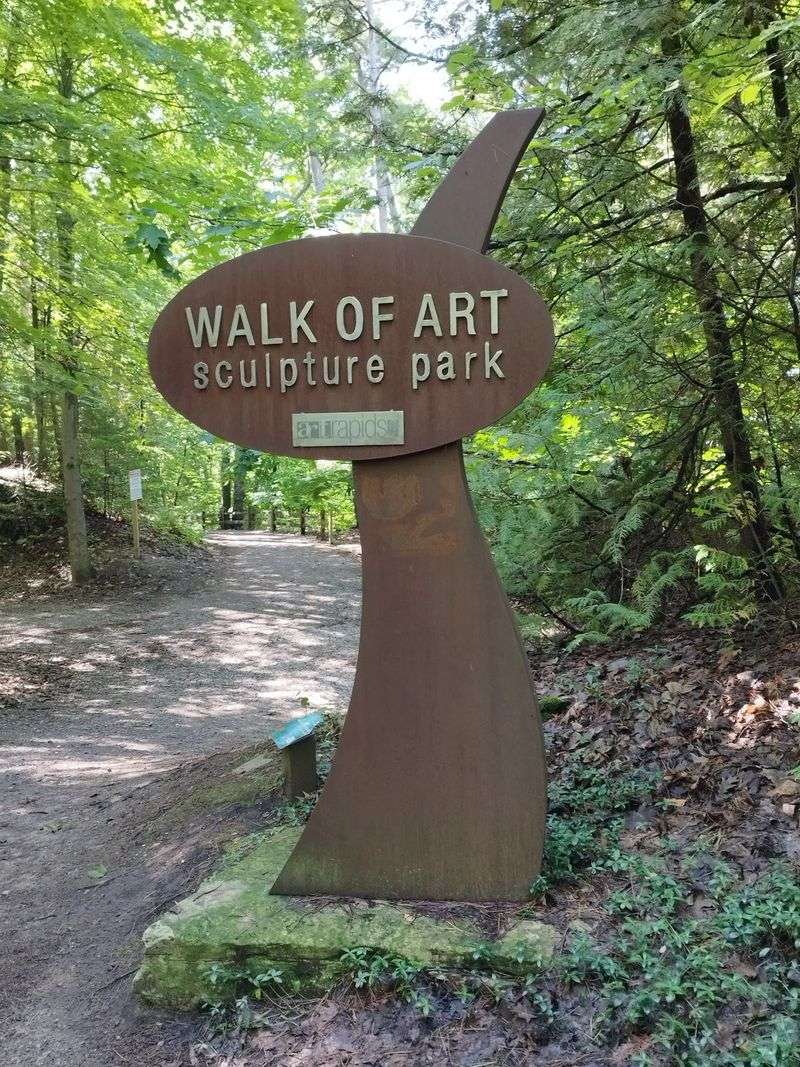
The entrance does not shout for attention, which feels oddly fitting for a sculpture park tucked into trees. If you are driving along South Bayshore Drive, slow down as you approach the day park so you do not glide past it.
Once you know where it is, the whole place feels like a secret that somehow stayed secret.
Parking is straightforward when the lot is open, generally from May through October. During colder months, the main gates may be closed, but a pedestrian entrance still allows year-round access.
That seasonal detail matters if you like quiet walks, snowy branches, and sculpture surfaces dusted with winter. A screenshot of the location before arrival saves a bit of turning around and guessing.
Read The Labels Beside The Art
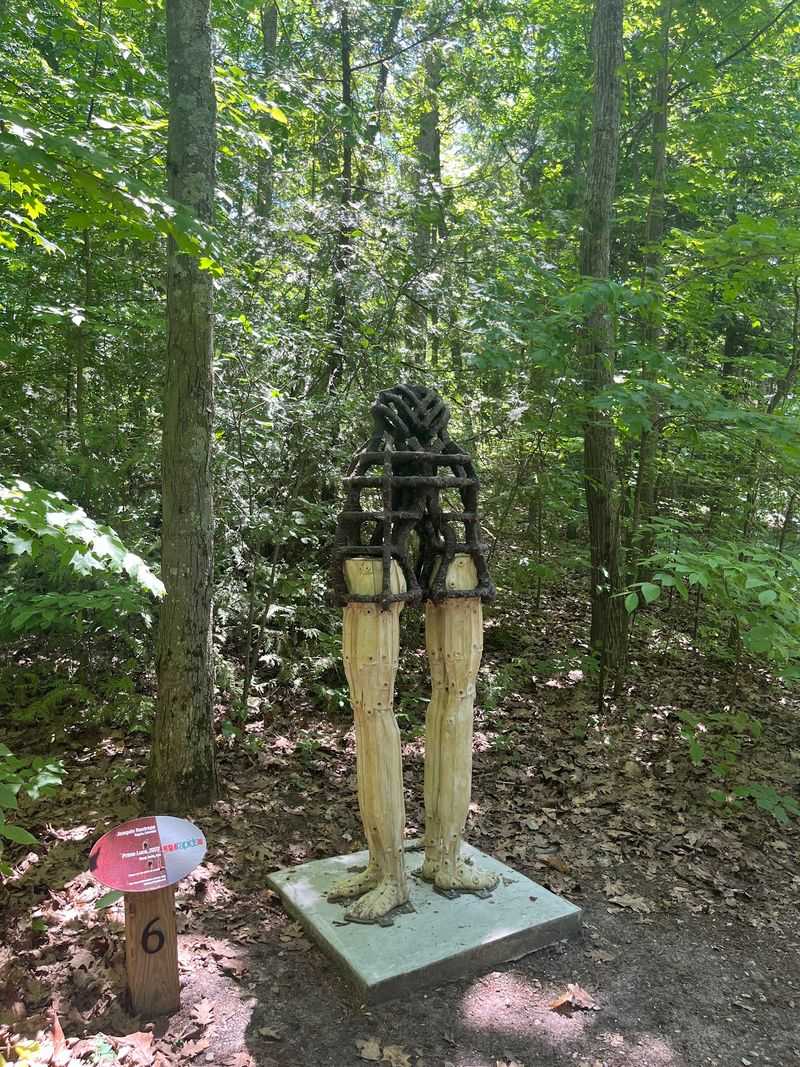
A sculpture can be funny, mysterious, awkward, or moving before you know a single fact about it. Then you read the small sign and learn the artist’s name, hometown, material, and date, and the piece often shifts in your mind.
That extra layer is one of the best parts of this park, because it turns wandering into noticing. The exhibit is juried, and sculptures stay for limited periods, often one to three years, so the collection does not stand still. Materials also vary, which means weather leaves different marks on each work.
Some pieces seem to blend into the woods on purpose, while others push against the setting. Reading each label slows the pace and makes easier to remember later.
Expect Art To Mix With The Beach
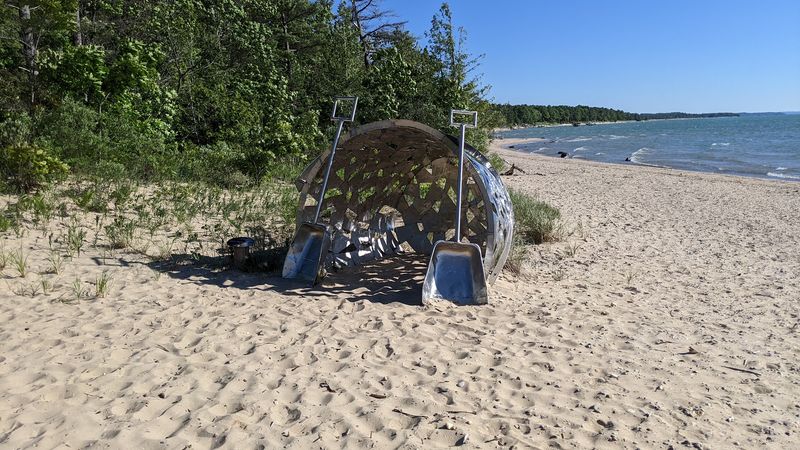
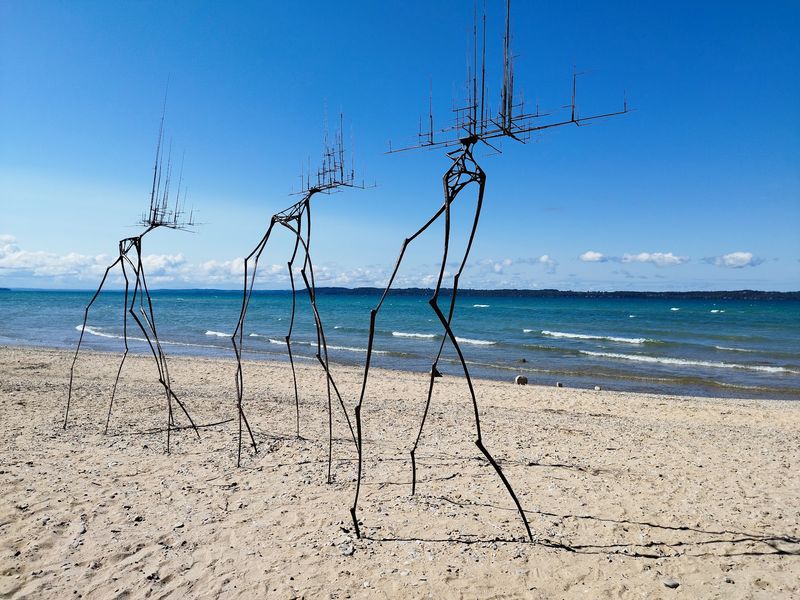
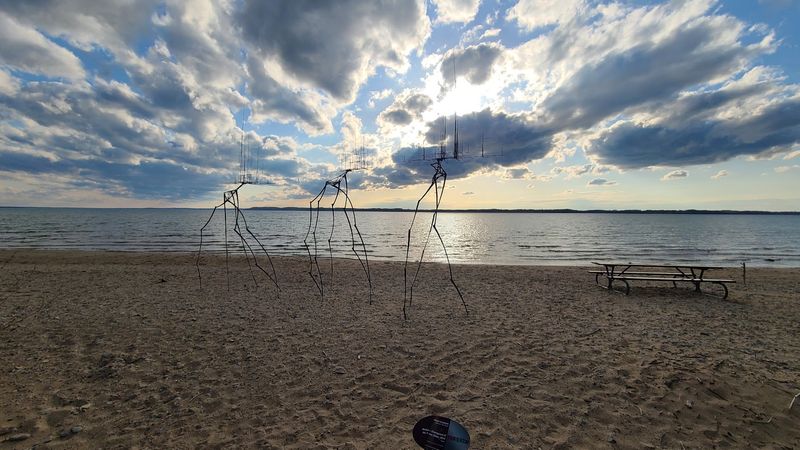
Forest sculpture park sounds tidy on paper, but the real charm is how untidy the experience becomes. Trails wind through trees and dunes, then spill out toward a quarter mile of East Grand Traverse Bay shoreline where art shares space with drift, stones, and gull calls.
The setting keeps reminding you that this is not a museum trying to imitate nature. Wind matters here. So does the color of the water and the shape of clouds behind a sculpture.
On my visit, a piece near the beach looked different from the sand instead of the path. Walk work from more than angle if you can.
The bay becomes part of the composition, whether the artist planned for it or not.
Pack A Picnic If Time Allows
Some parks hurry you along. This one quietly suggests staying for lunch.
Picnic tables, grills, and the Deborah Wentworth Memorial Pavilion make it easy to turn a sculpture walk into a longer break, especially on a mild day when the bay breeze does half the work of entertaining you.
I like that the practical parts of the day park do not crowd out the art. They simply make the place more usable for families, couples, and solo visitors who want a comfortable pause.
Bring water, a snack, and maybe a light layer for the shoreline. Restroom access is usually available from May through October, so shoulder-season trips may require a little extra planning before you settle in and linger there.
Bring Kids But Let Them Lead
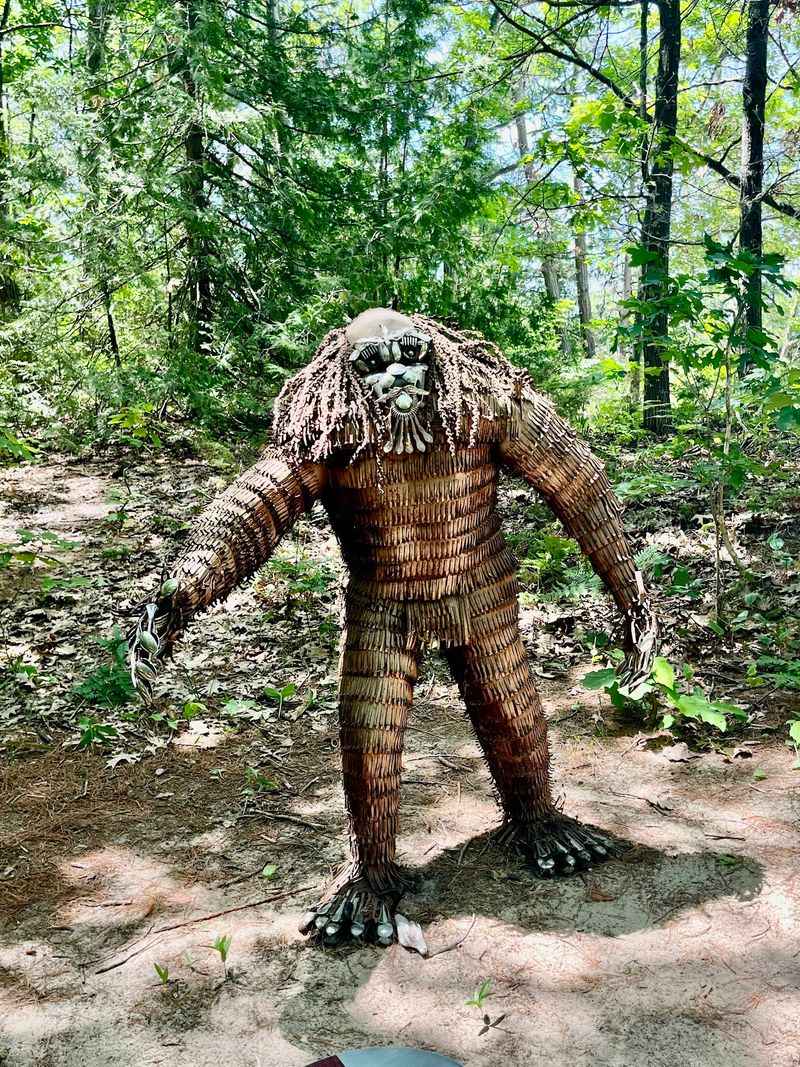
Children tend to understand this park faster than adults. They do not need a lecture to grasp why art hidden in the woods is exciting; they just start spotting shapes between trunks and racing ahead to the next surprise.
Because the walk is self-guided and short, it suits families who want something curious than a playground stop.
There is also a play area near the beach, which helps if visitors run out of sculpture patience before you do. The trick is to treat the visit like a treasure hunt, not a checklist.
Ask which piece looks friendly, strange, or alive. That keeps the mood light and helps notice details adults skip past when they are focused on finishing the trail.
Visit Again Because The Art Rotates
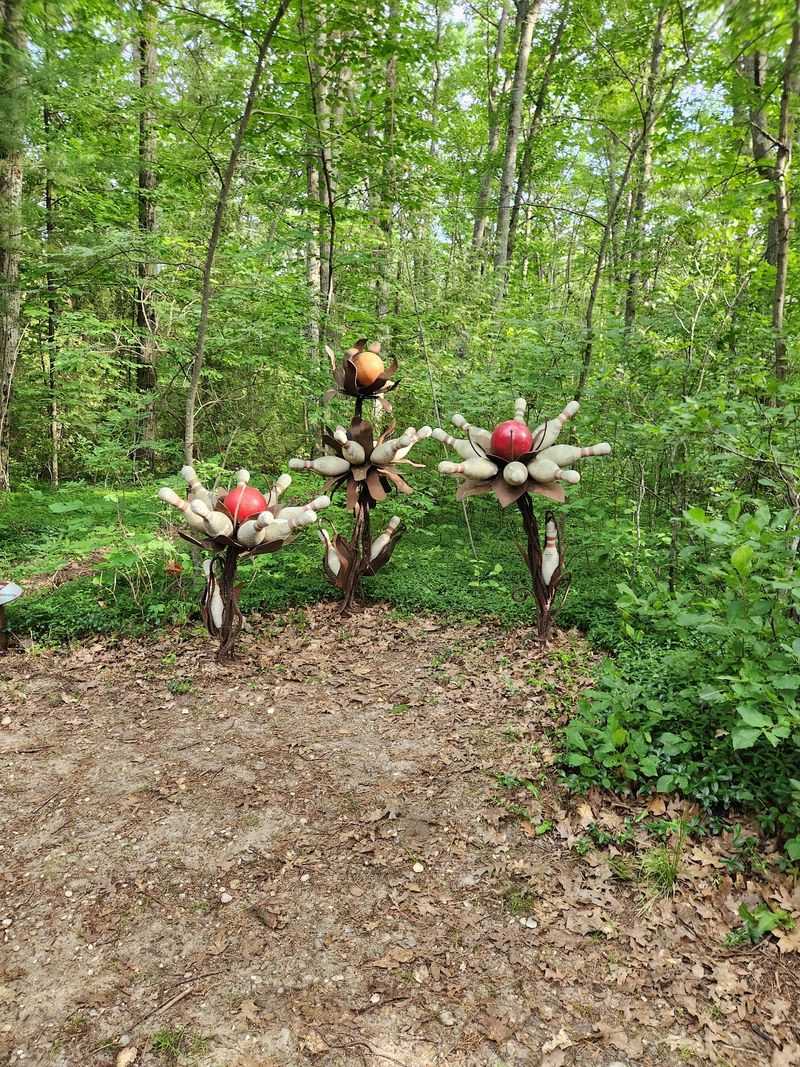
One of the things about the Walk of Art is that it does not freeze itself in time. Sculptures are selected by jury and displayed for runs, usually one to three years, so a return visit is not nostalgic.
The bones of the place stay familiar, but the between woods, beach, and artwork keeps changing.
That rotation also explains why the park feels rather than preserved under glass. Artists from the region and beyond have shown work here, and different materials respond to Michigan weather in their own ways.
If you visited a few seasons ago, do not assume you have seen it. A second walk can feel new, as though the forest has rearranged itself since your last stop.
Choose A Season On Purpose
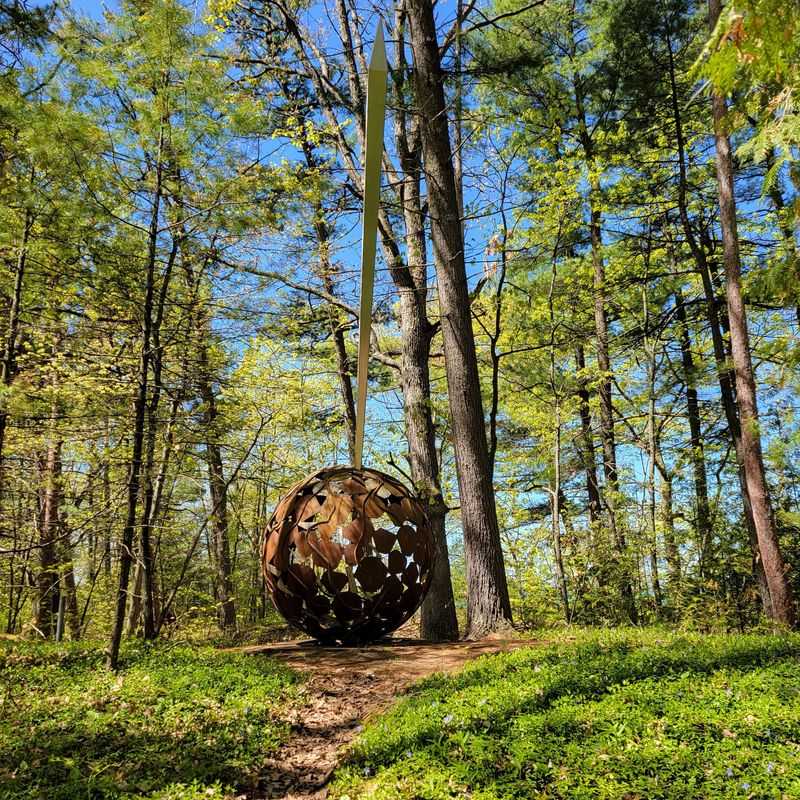
Summer shows the park at its busiest and easiest, with open facilities, leafy shade, and long light on the bay. Fall sharpens the scene, making metal edges, dry grass, and blue water look almost dramatic in the best way.
Winter is quieter and a little more effort, but the pedestrian entrance means the art does not disappear when snow arrives.
Season changes are not a side note here. They alter sound, color, and how far you can see between trees.
Spring can feel fresh as the woods wake up and the beach still belongs to hardy walkers. If you care about mood as much as convenience, pick your month thoughtfully instead of treating the park like the visit all year.
Leave Room For Quiet Surprise
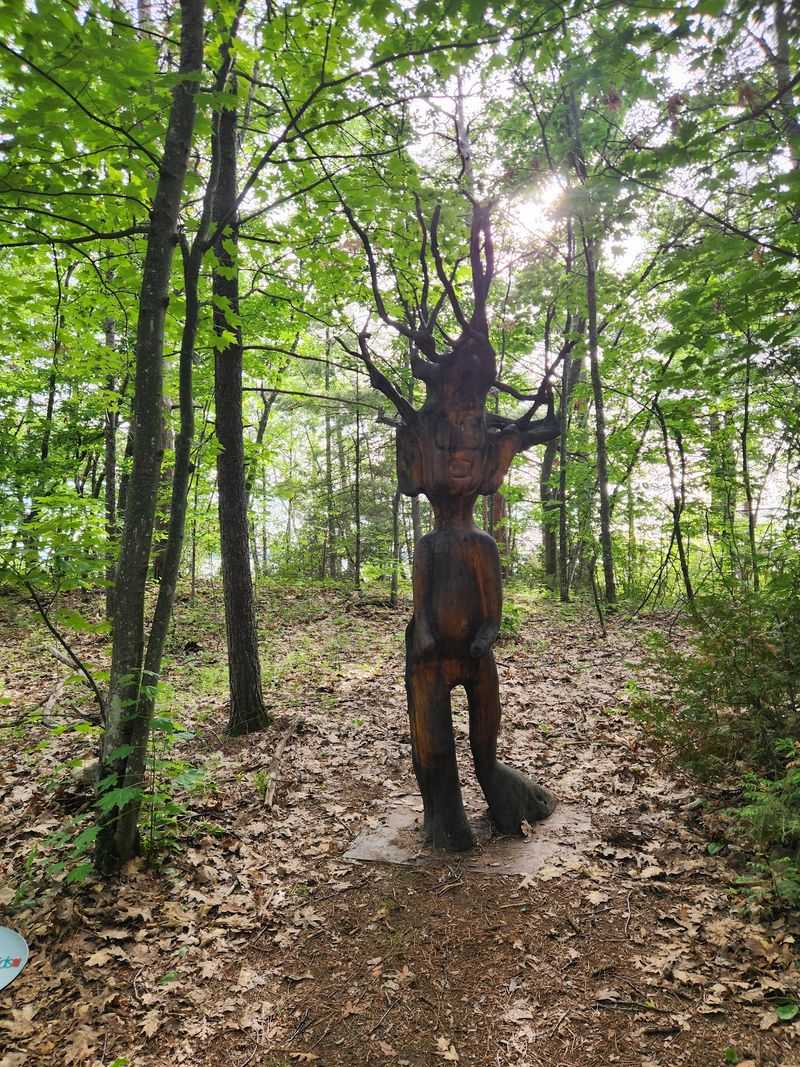
Not every sculpture announces itself from far away. Some seem to wait behind a bend until you are almost beside them, which creates the kind of surprise.
That hush is part of the park’s personality. Even on a visit, the mix of woods, beach, and art encourages you to slow down enough to notice textures, shifting light, and sound of water beyond the trees.
Because admission is free, there is no pressure to hurry through and get money’s worth. You can pause, backtrack, sit near the shore, or revisit a piece that looked confusing.
I left with a few favorites and no theory about the collection meant, which right. The place works when you let curiosity wander than schedule.