
This Remote Michigan Upper Peninsula Town Is So Overlooked Even Most Michiganders Havent Heard Of It
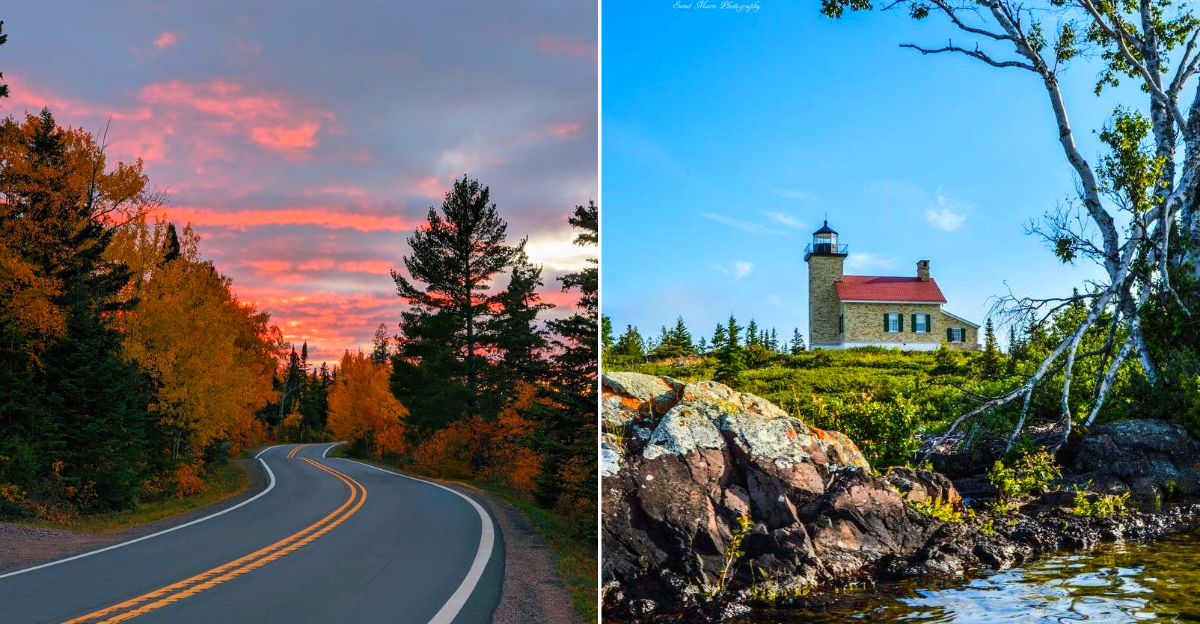
Four hours past the last traffic light, cell service disappeared around Houghton. That is when I knew I was getting close. The town sits at the tip of the Keweenaw Peninsula, jutting into Lake Superior like a finger pointing at Canada.
It has a general store plus some restaurants that close when snow gets deep. More hiking trails per mile than most state parks wind through the trees.
Fort Wilkins Historic Park sits at the edge of town with restored buildings from the 1840s. A lighthouse overlooks water so clear you can see the bottom. Mountain bikers ride trails that drop straight into the lake.
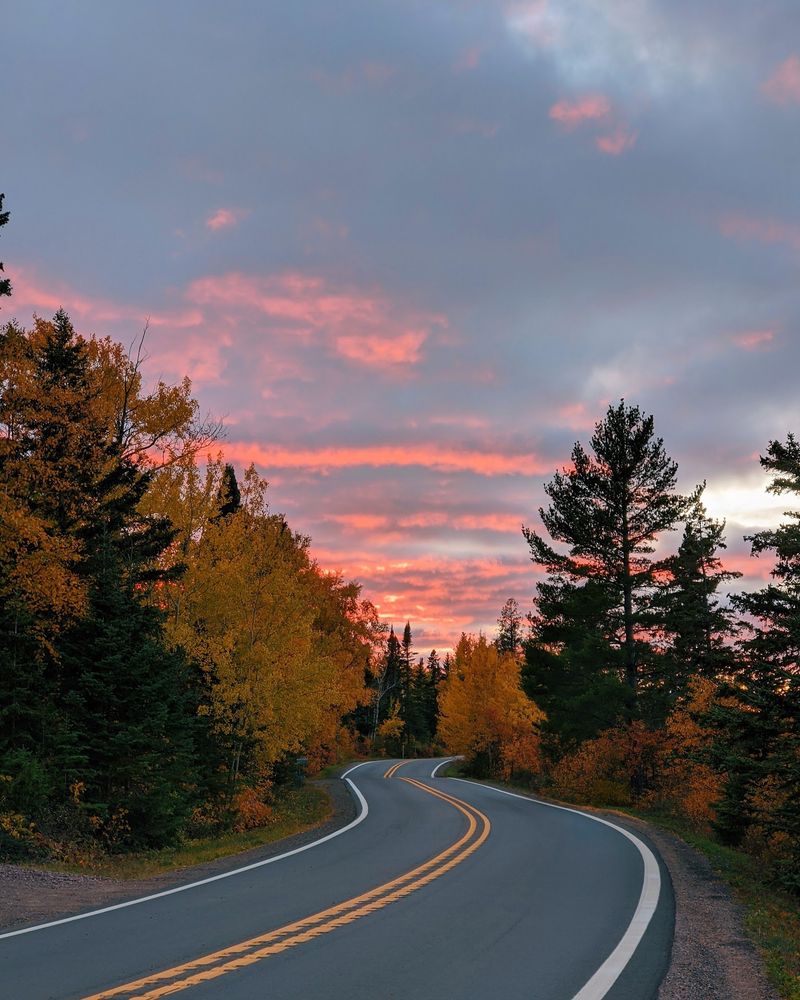
Sunsets over Superior turn the sky orange for what feels like an hour straight. I spent days without checking my phone once.
Barely any signal tempted me. Most Michiganders could not point to this remote Upper Peninsula town on a map in Michigan.
Savor The True End-Of-The-Road Feeling
Few places in Michigan feel quite this far away, and that is the first thing to appreciate. Copper Harbor sits at the northern tip of the Keweenaw Peninsula, with only a tiny year round population and a real sense that the road has simply decided to stop.
That remoteness is not a flaw. It is the town’s magic. Plan ahead before you arrive. Cell service can be spotty, hours can be limited, and weather changes fast near Lake Superior.
Bring layers, download maps, and leave extra driving time. Once you settle into the quiet, the distance stops feeling inconvenient and starts feeling like a gift for travelers tired of noise and places that never let the mind rest fully.
US-41 Finally Runs Out Of Peninsula
Copper Harbor sits at the northern end of Michigan’s Keweenaw Peninsula, where US-41 reaches the community after a roughly 47-mile run north from Houghton. Stay on US-41 through the peninsula and it carries you directly into the heart of town.
The last miles wind through the wooded Keweenaw before US-41 arrives among Copper Harbor’s small downtown grid. Keep following the highway to 2nd Street, where the Welcome Center and community building provide an easy central landmark.
Use the downtown area as your base and continue on foot toward nearby businesses and the harbor, or follow local signs onward to specific parks, trails, and waterfront access points. The Welcome Center at US-41 and 2nd Street is also a trailhead for the Copper Harbor trail system.
Catch The Lighthouse From Land Or Water
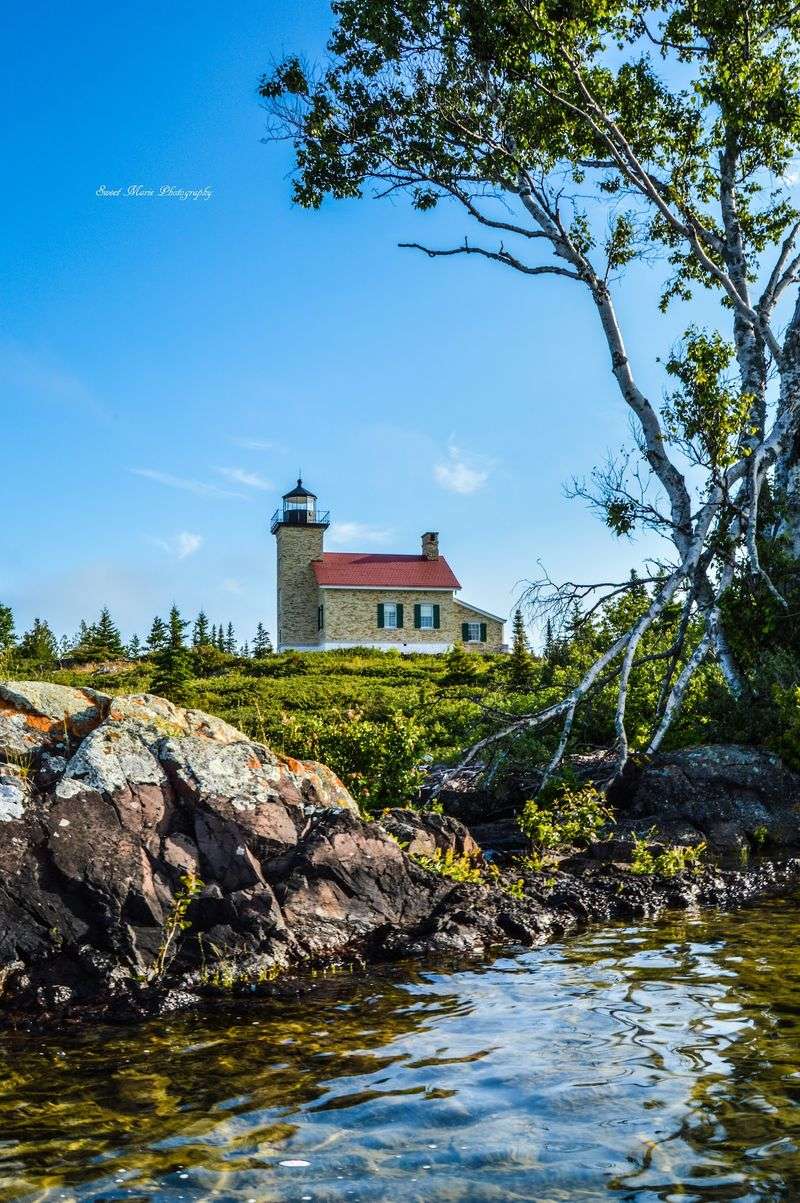
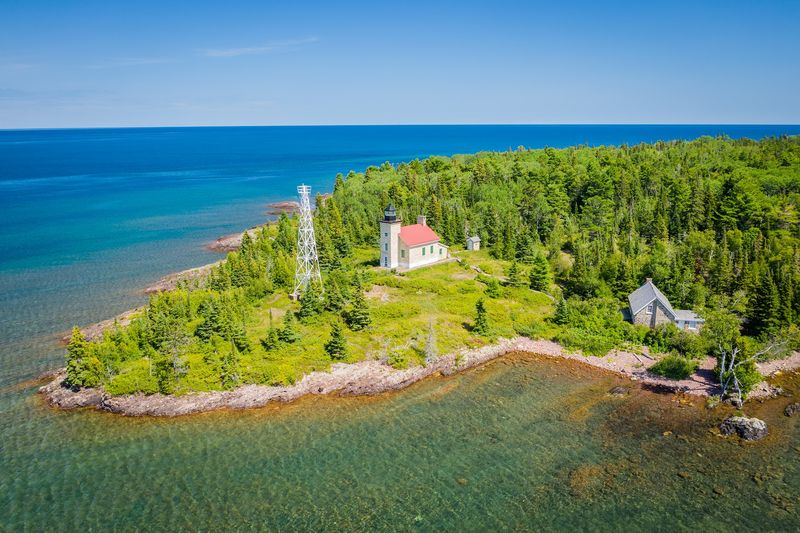
Out on the water, the lighthouse gives the harbor a steady, old-fashioned backbone. The current Copper Harbor Lighthouse dates to 1866, replacing an earlier 1848 light, and it helped guide ships carrying copper, supplies, and new arrivals across Lake Superior.
Seen from shore, it looks almost unreal, like a marker placed exactly where land gives way to weather.
The easiest way to enjoy it is by treating it as part of the harbor scene, not a box to check. Boat tours offer the closest public view, while shoreline viewpoints still deliver the drama.
Go early or late in the day for softer light, fewer people, and a stronger sense of the harbor’s working past than midday usually allows most days.
Drive Brockway Mountain For The Big Reveal
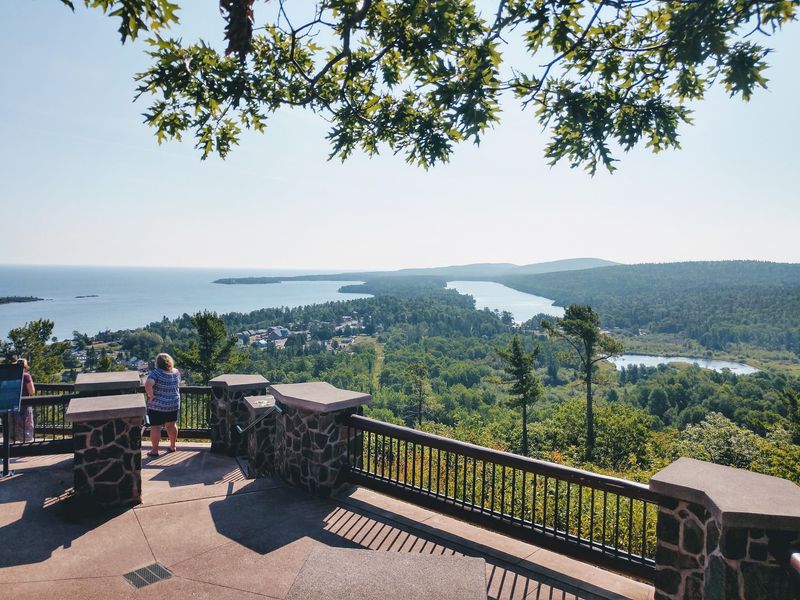
One road in Copper Harbor behaves like a grand reveal, and that road is Brockway Mountain Drive. Built during the Great Depression, it climbs to about 1,320 feet above sea level and opens broad views over Lake Superior, inland lakes, and the village below.
On a clear day, the horizon seems to keep stretching long after your eyes should reasonably be done.
Bring a jacket even in summer. Wind at the top can feel surprisingly sharp, and the overlook invites longer stops than you may expect.
I liked driving it near sunset, when the light softened the ridges and made the harbor look almost toy sized. Pull over safely, take your time, and let the view do its work quietly.
Pick Outdoor Fun That Matches Your Energy
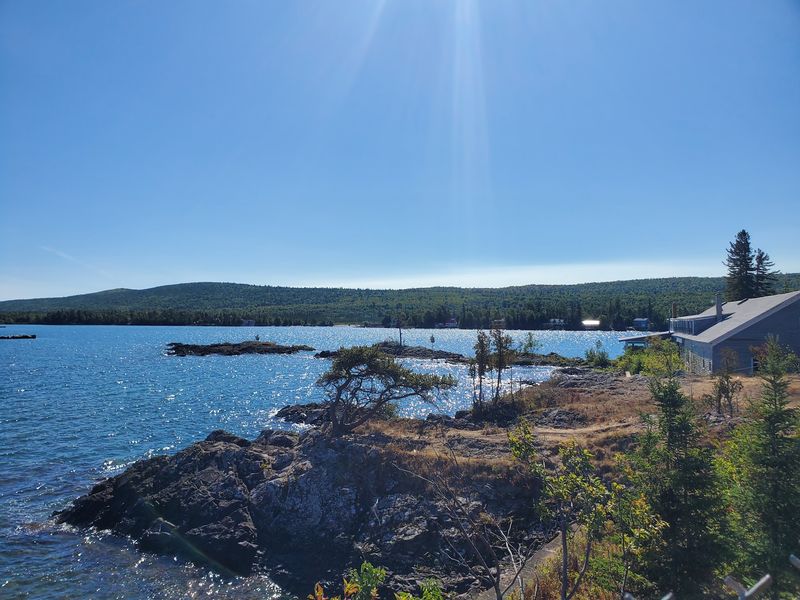
Pedaling and hiking are not side activities here. They are part of the town’s personality.
Copper Harbor is known for mountain biking, with trails recognized by the International Mountain Bicycling Association, but walkers, paddlers, and curious first timers all have room to enjoy the landscape. You do not need expert skills to feel included.
Start with an honest look at your comfort level. Some routes are thrilling and technical, while others are gentler and better for a first visit.
Local outfitters and trail information boards can help you choose well. Good shoes, bug spray, water, and a little humility go a long way when the forest gets bigger than your plans faster than expected on a cool Superior afternoon there.
Use The Harbor As Your Isle Royale Launch Point
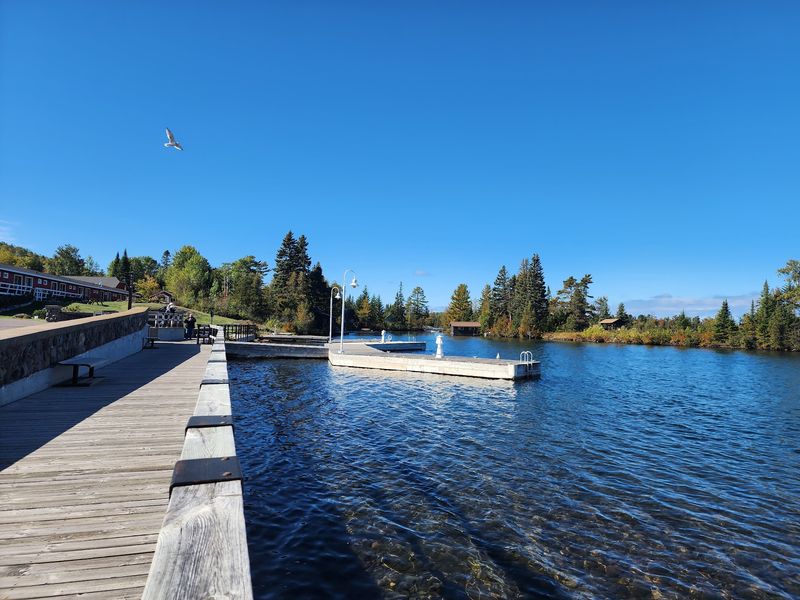
The ferry dock adds a quiet sense of possibility to town. Copper Harbor is the seasonal gateway to Isle Royale National Park, with passenger service connecting the mainland to one of the most remote parks in the country.
Even if you are not boarding, the idea of boats leaving for a rugged island changes the mood of an ordinary morning.
If Isle Royale is on your list, book early and study the schedule carefully. Seats are limited, weather matters, and the trip works best when planned around real wilderness timing.
I found it fun simply watching people check gear and wait at the dock. That small ritual says a lot about what kind of place Copper Harbor is in summer.
Walk Slowly Through Estivant Pines
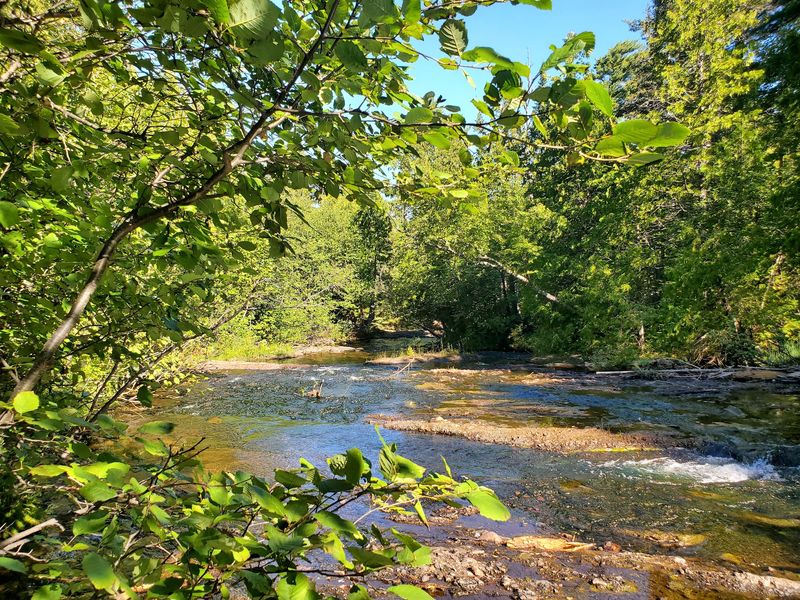
Ancient white pines have a way of making normal time feel silly. At Estivant Pines Nature Sanctuary, many trees are estimated to be 300 to 500 years old, and some trunks reach several feet across.
The forest does not shout about its age. It just stands there, calm and huge, while you try to adjust your sense of scale.
Wear solid shoes because roots, damp spots, and uneven ground can slow you down. A quiet pace fits the place better than a rushed march anyway.
Bring binoculars if you like birds or plants. Between the towering pines, ferns, and native orchids, even a short walk can feel surprisingly rich and layered after rain the woods smell clean and deep again.
Choose A Season Instead Of Chasing Everything
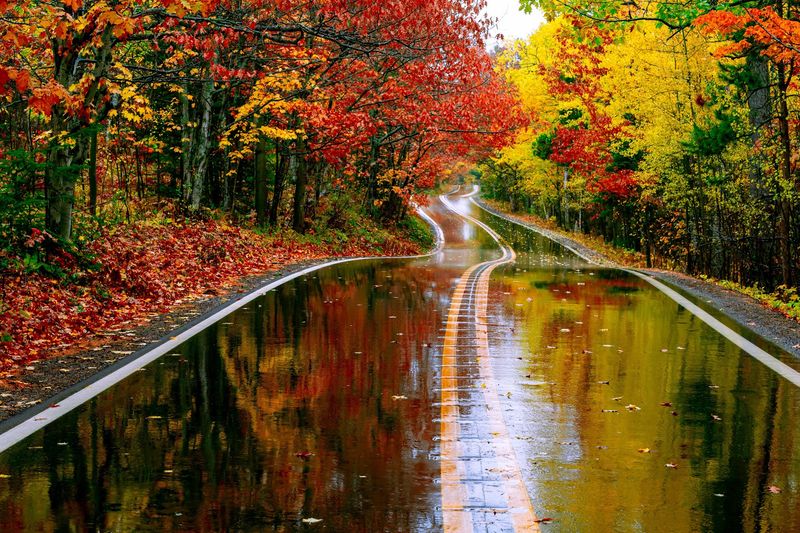
Seasons are not background decoration in Copper Harbor. They shape the whole visit.
Fall turns the drive north into a color show, especially along the famous tree tunnel on US-41. Spring brings migrating raptors to Brockway Mountain and fuller waterfalls.
Summer stays cooler than many downstate travelers expect, while winter piles up deep lake effect snow for skiing, snowshoeing, and snowmobiling.
The trick is matching your trip to your mood. Come for crisp leaves, quiet stars, bird movement, or snowy adventure, but do not assume one packing list works all year.
Layers always help near Lake Superior. Weather here likes to act older, wiser, and less interested in your forecast app than you are on any given morning up here.
Stay Up For The Dark Sky Show
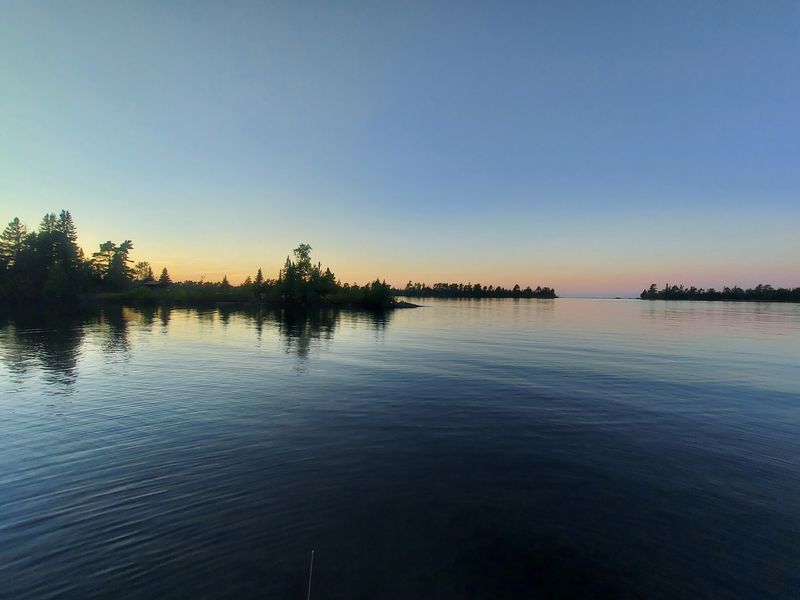
Night arrives differently here. Once the sun drops and the town quiets down, Copper Harbor’s dark skies become a main attraction rather than an afterthought.
With little light pollution, stars look sharp and crowded, and on lucky nights the northern lights may appear above Lake Superior. Brockway Mountain is a favorite viewing spot for good reason.
Check cloud cover before heading out, and bring more warmth than you think you need. Sitting still in the dark cools you off quickly, even after a mild day.
A red flashlight helps preserve your night vision. What stays with me most is not just the sky, but the silence underneath it.
That hush makes a short stop feel thoughtful, small, and calming too.
Take Mount Baldy Seriously And Enjoy The Reward
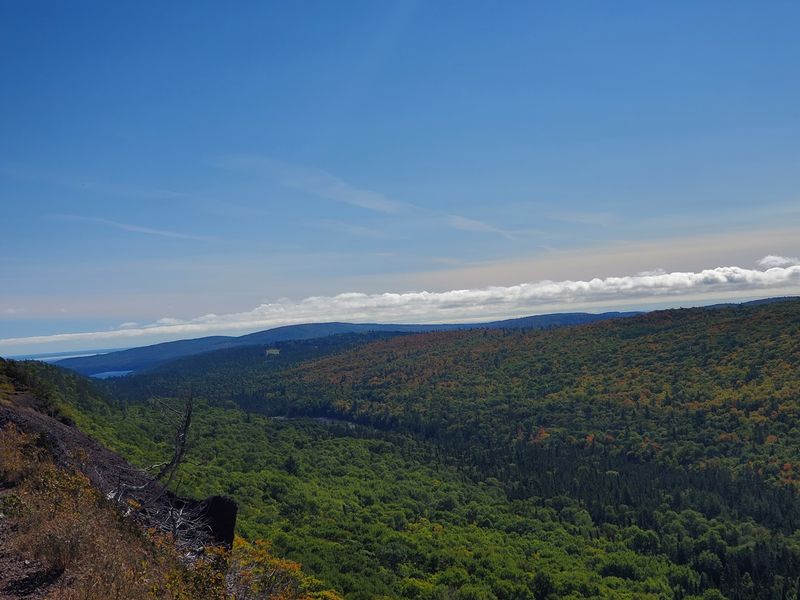
Mount Baldy is the sort of trail that politely asks whether you meant it when you said adventure. The hike is steady, uphill, and rewarding, with wide views from the summit across Lake Superior and the tip of the Keweenaw.
It is not the stroll you take in sandals after lunch, and that is exactly why the finish feels earned.
Start earlier than you think, especially in warm weather or if you like frequent photo stops. Water, decent shoes, and a realistic sense of your pace matter here.
Birders also have a reason to pay attention. The peak is known as a good site for migrating birds, which adds another layer to the climb beyond scenery alone for many visitors.
Give Fort Wilkins More Than A Quick Look
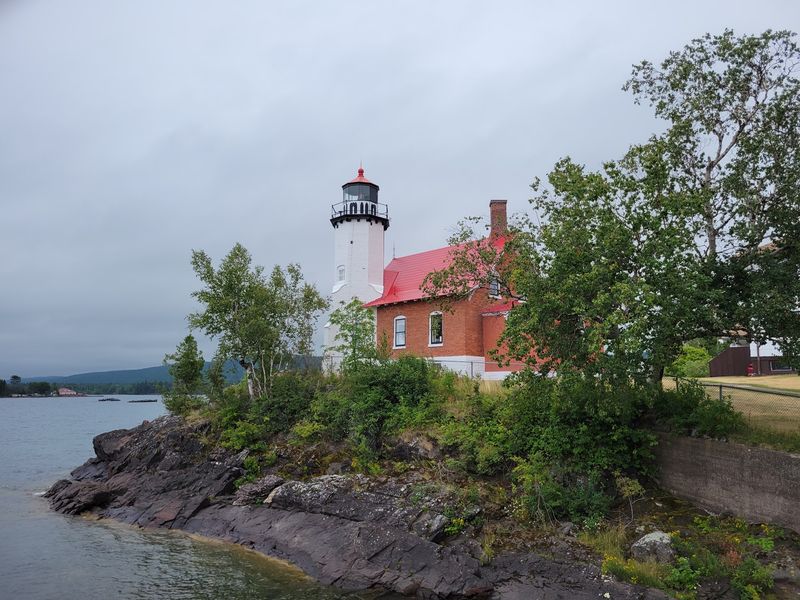
Fort Wilkins could have been a dry history stop, but it feels more human than that. Built in 1844, the frontier army post was meant to keep order during the copper rush, and today its preserved buildings make the early mining era easier to picture.
Barracks, officers’ quarters, and simple daily spaces tell the story better than any giant sign could.
Give yourself time to wander instead of rushing from doorway to doorway. The site sits within Fort Wilkins Historic State Park, so the visit can stretch naturally into shoreline and woods.
Kids notice the fort’s physical details first, but adults often stay for the context. That mix of place, purpose, and quiet setting makes the history feel unusually grounded.