
9 Regions In Florida With The Highest Cottonmouth Activity This Late Summer
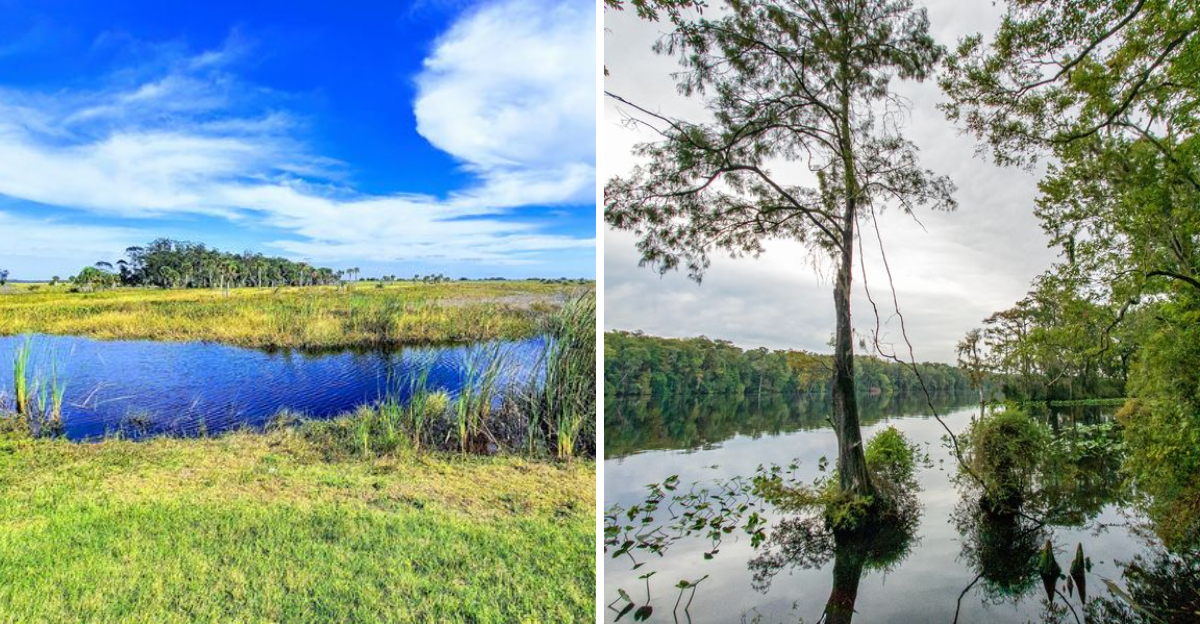
Late summer in Florida feels like walking through a towel, which is excellent news if you happen to be a cottonmouth.
For everyone else, it is a good reason to watch where the boot lands.
Heat hangs over the marshes, water levels shift, and shaded banks become real estate for snakes that prefer privacy with a waterfront view.
The wilderness may look peaceful, but appearances can be green and occasionally venomous.
Florida invites hiking, paddling, camping, and exploring during these steamy months.
It simply rewards visitors who trade careless wandering for attention.
Knowing where activity runs highest does not mean avoiding nature or treating every branch like an emergency.
It means choosing trails wisely, giving wildlife room, and keeping hands out of places they were never invited.
Across Florida, these nine regions deserve caution now, because the best outdoor story ends with photographs, muddy shoes, and absolutely no surprise passengers.
1. Everglades National Park Region, Homestead
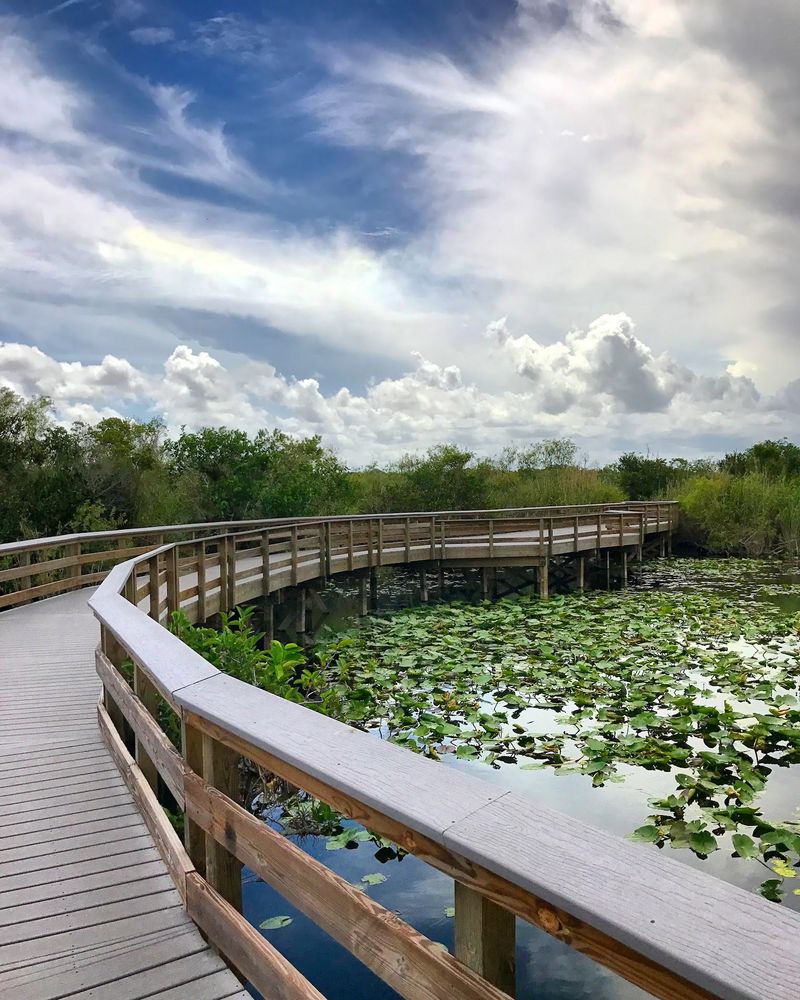
Few places on Earth match the raw, primal energy of Everglades National Park, located at 40001 State Rd 9336, Homestead, FL 33034, and cottonmouths here are as much a part of the landscape as the herons and alligators.
Late summer brings heavy rainfall that floods the sawgrass prairies and pushes cottonmouths onto elevated trails and boardwalks, making sightings significantly more common than at other times of year.
I have personally spotted cottonmouths basking on cypress roots just inches from popular walking paths here, so keeping your eyes low and your steps deliberate is genuinely good advice.
These snakes are drawn to the slow-moving, warm water channels throughout the park, where fish and frogs are plentiful food sources.
Wearing closed-toe shoes and using trekking poles to probe vegetation ahead of you are two habits that experienced Everglades visitors swear by, and I would not argue with them after what I have seen on these trails.
2. Big Cypress National Preserve, Ochopee
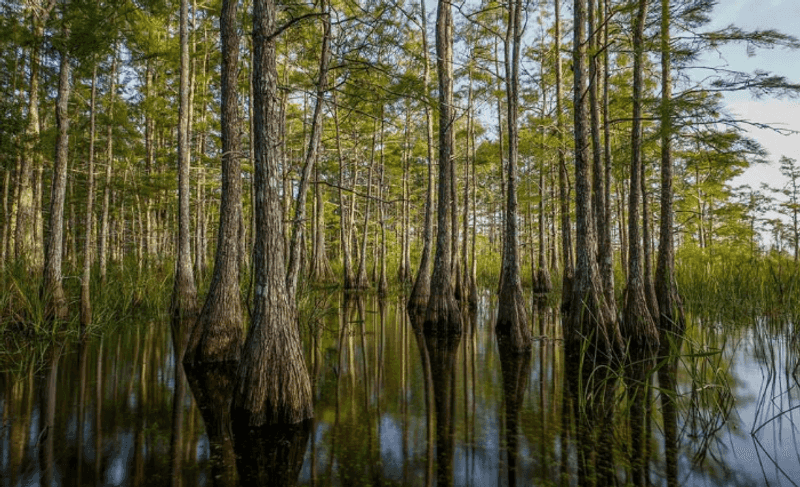
Big Cypress National Preserve, at 33100 Tamiami Trail E, Ochopee, FL 34141, covers over 720,000 acres of subtropical wilderness, and the dense cypress domes scattered throughout the preserve are prime cottonmouth territory during late summer.
Standing water is everywhere here after the summer rains, and cottonmouths take full advantage of those flooded conditions to hunt amphibians and small fish along the cypress strand edges.
What makes Big Cypress particularly active in terms of cottonmouth encounters is the sheer variety of wet habitat types packed into one preserve, from prairie sloughs to hardwood hammocks to open marsh.
Hikers on the Florida National Scenic Trail that passes through here regularly report cottonmouth sightings, especially in the early morning and evening hours when temperatures cool slightly and snakes become more mobile.
Staying on marked paths and resisting the urge to wade through standing water without proper protection are the two smartest moves you can make in this preserve during August and September.
3. Fakahatchee Strand Preserve State Park, Copeland
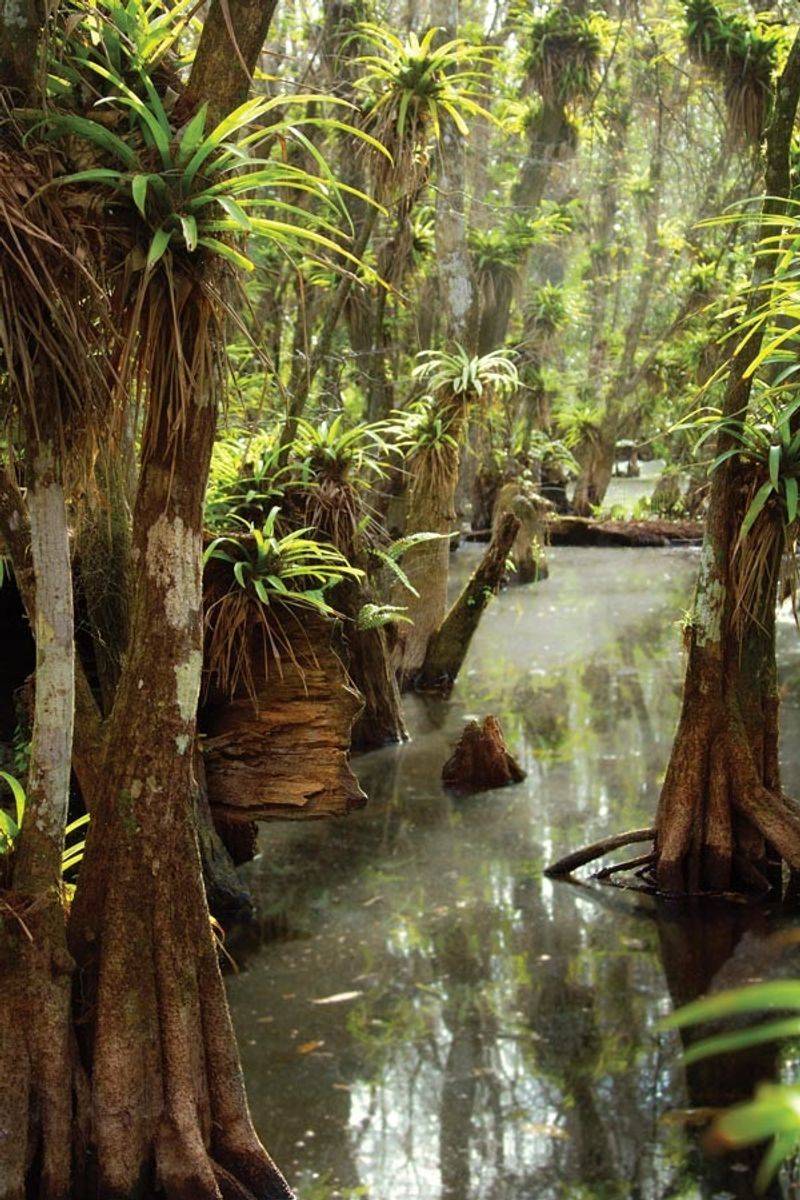
Known as the Amazon of North America, Fakahatchee Strand Preserve State Park at 137 Coast Line Dr, Copeland, FL 34137 protects the largest strand swamp in the world, and its shadowy, water-logged interior is a cottonmouth paradise in late summer.
The strand’s slow-draining water channels create a network of warm, shallow pools that attract everything cottonmouths like to eat, which in turn draws the snakes themselves in surprisingly high numbers.
Boardwalk visitors here often see cottonmouths resting motionless on submerged logs just beneath the water’s surface, a behavior that makes them surprisingly easy to miss until you are very close.
The park’s famous royal palm trees and ghost orchids draw nature lovers from around the world, but the cottonmouth population is a reminder that this place is genuinely wild in every sense.
Guided swamp walks are offered here, and going with a knowledgeable guide is honestly the best way to appreciate the snakes safely while learning about their role in this rare ecosystem.
4. Ocala National Forest Region, Umatilla
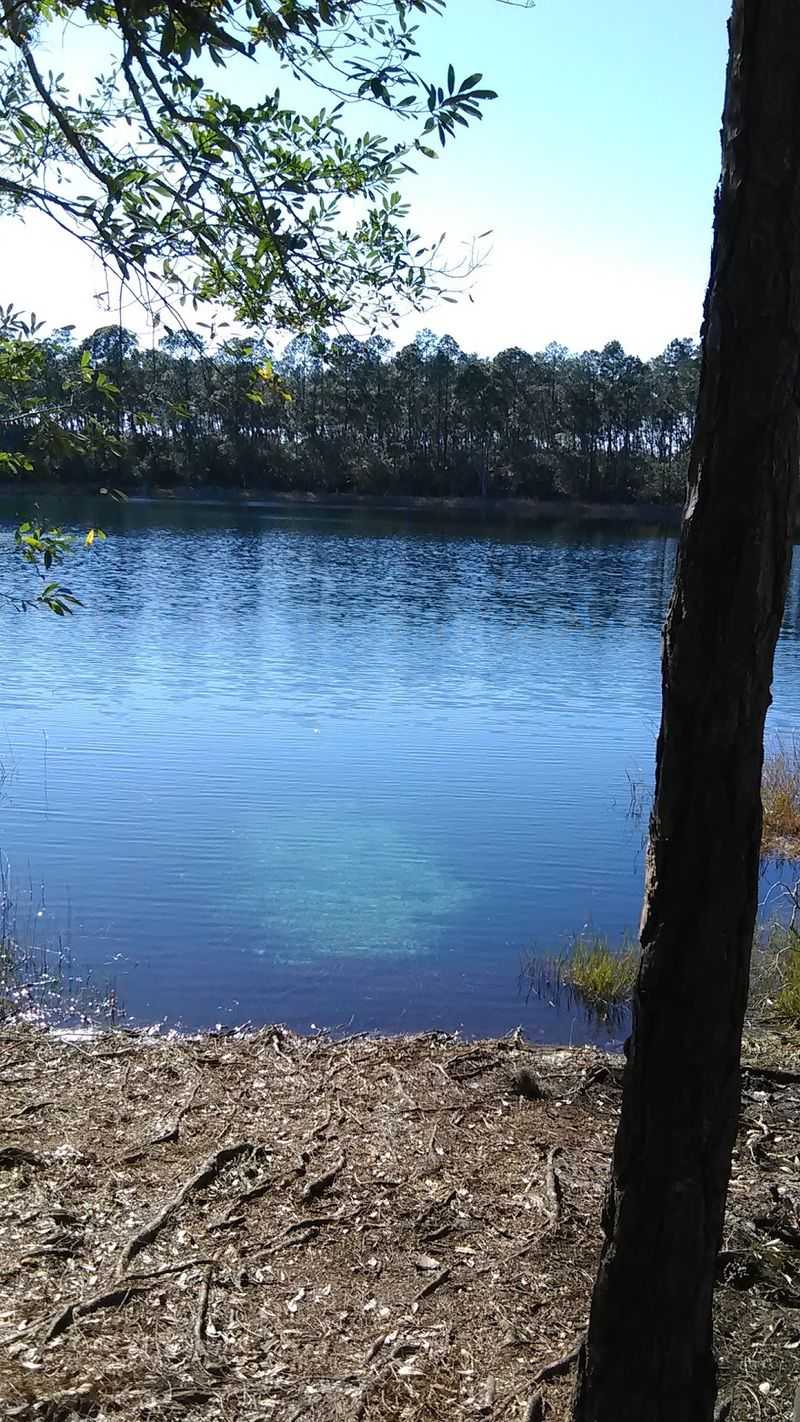
Ocala National Forest, headquartered near 40929 State Rd 19, Umatilla, FL 32784, is famous for its crystal-clear springs and sandhill scrub, but the forest’s numerous lakes, rivers, and wetland edges are where cottonmouths concentrate during the late summer months.
The Alexander Springs, Juniper Springs, and Salt Springs areas all have cottonmouth populations that become especially active as summer rains raise water levels and expand the available wetland habitat.
I have seen cottonmouths coiled right at the water’s edge near the swimming areas here, often within a few feet of kayak launch spots, which is a good reason to always scan the bank before you step out of your boat.
The forest’s mix of open water and densely vegetated shoreline gives cottonmouths plenty of cover to ambush prey, and late summer is peak feeding season for them.
Staying on established trails around the spring runs and keeping pets on short leashes will dramatically reduce the chance of an unwanted close encounter in this beautiful but snake-active forest.
5. Apalachicola National Forest Region, Bristol
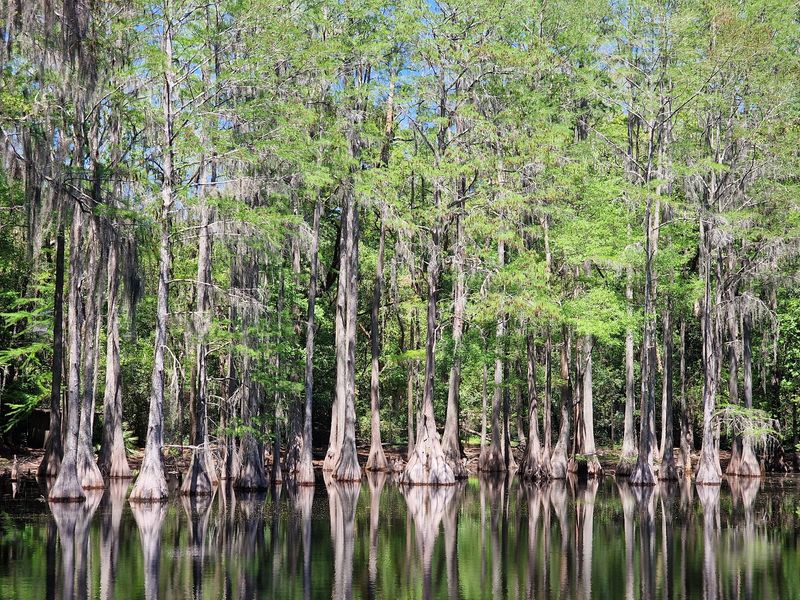
Apalachicola National Forest, located near 24810 SE County Rd 337, Bristol, FL 32321, is one of the largest national forests east of the Mississippi River, and its tannin-stained rivers and bottomland swamps make it one of the most consistently active regions for cottonmouth sightings in the entire state.
The Sopchoppy River and Ochlockonee River corridors running through the forest are particularly notable hotspots, where cottonmouths hunt crawfish, frogs, and small fish in the warm, slow-moving shallows.
Late summer in Apalachicola feels intensely alive, with humidity so thick you can almost wear it, and the cottonmouths seem completely at home in those steamy conditions while humans are definitely working harder to stay comfortable.
Canoe and kayak trips along the forest’s river trails are incredibly popular, but paddlers should be aware that cottonmouths sometimes rest on low-hanging branches directly above the waterline.
Keeping a respectful distance and never attempting to handle or provoke a snake you encounter here is the one rule that every experienced paddler in this forest agrees on without hesitation.
6. Lower Suwannee National Wildlife Refuge, Chiefland
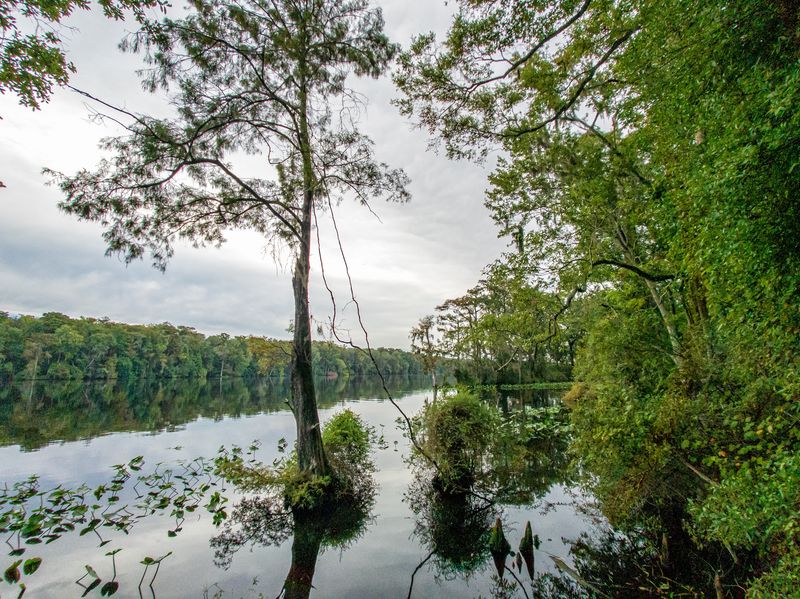
Stretching along the lower reaches of the legendary Suwannee River near 16450 NW 31st Pl, Chiefland, FL 32626, the Lower Suwannee National Wildlife Refuge protects over 53,000 acres of river floodplain, coastal marsh, and hardwood swamp that collectively serve as outstanding cottonmouth habitat.
The refuge’s floodplain forest floods regularly during late summer storm events, and cottonmouths respond by moving to higher ground, which often means trails, levee roads, and the edges of parking areas.
Birdwatchers and wildlife photographers who frequent this refuge during August and September often report cottonmouth encounters at surprisingly close range, partly because the snakes tend to hold their position rather than retreat when approached.
That tendency to stand their ground rather than flee is one of the cottonmouth’s most distinctive behavioral traits and one of the reasons a calm, slow retreat is always the right response when you spot one.
The refuge’s scenic river overlooks and wildlife drives are absolutely worth visiting, as long as you keep your awareness sharp and your footwear appropriate for wet, snake-active terrain.
7. St. Johns River Basin, Blue Spring State Park, Orange City
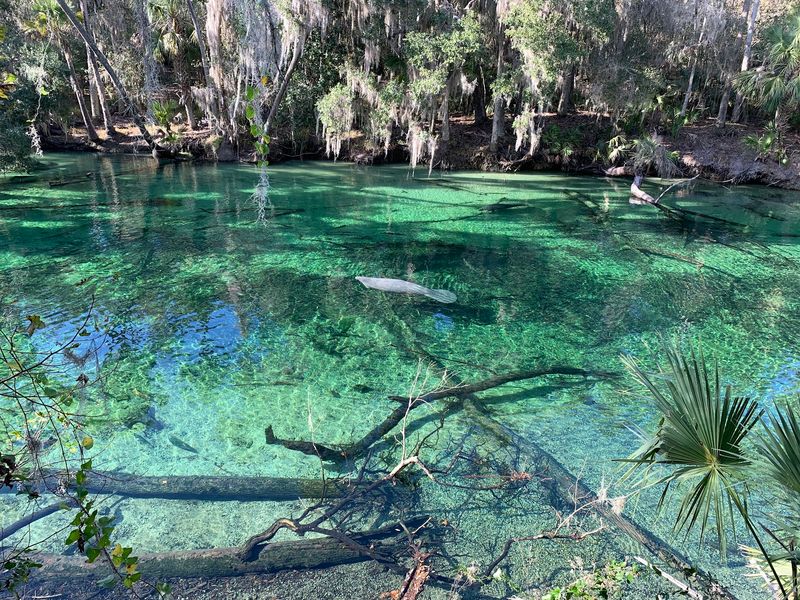
Blue Spring State Park at 2100 W French Ave, Orange City, FL 32763 is most famous for its wintering manatees, but the broader St. Johns River Basin surrounding the park is one of central Florida’s most reliable regions for cottonmouth activity during the late summer season.
The St. Johns River is one of the few rivers in North America that flows northward, and its wide, slow-moving floodplain creates a nearly endless ribbon of ideal cottonmouth habitat through the heart of the state.
Along the hiking trails that wind through the park’s floodplain forest, cottonmouths are regularly spotted crossing the path or resting in the shallow water just off the trail’s edge during the warmest months.
The combination of abundant prey species, warm water temperatures, and dense riverside vegetation keeps the local cottonmouth population active and well-fed throughout August and into September.
Visiting the spring run for a swim is a genuinely memorable experience, and doing so with awareness of your surroundings will keep the trip focused on the park’s stunning natural beauty rather than any unwanted surprises.
8. Kissimmee River Region, Kissimmee Prairie Preserve State Park, Okeechobee
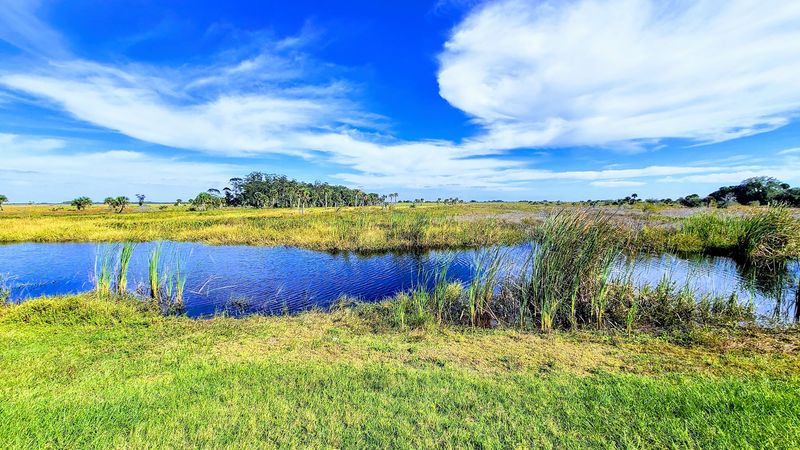
Kissimmee Prairie Preserve State Park at 33104 NW 192nd Ave, Okeechobee, FL 34972 protects one of the largest remaining dry prairie ecosystems in the eastern United States, but the Kissimmee River corridor running alongside the park is a completely different story in terms of moisture and snake activity.
The river’s restored floodplain, which was re-meandered after decades of channelization, now supports a thriving wetland ecosystem that has brought cottonmouth populations back to healthy levels in this part of south-central Florida.
Late summer rains cause the Kissimmee River to spill across its floodplain, and cottonmouths follow the water’s edge as it expands, sometimes appearing in areas that look perfectly dry just a few days earlier.
Horseback riders and hikers using the park’s extensive trail network during August and September should pay close attention to any water crossings, as these spots are favorite ambush points for cottonmouths waiting on prey.
The wide-open skies and enormous flocks of sandhill cranes in this region make it one of Florida’s most visually stunning wild places, and knowing where to watch your step lets you enjoy every bit of it.
9. Corkscrew Swamp Sanctuary, Naples
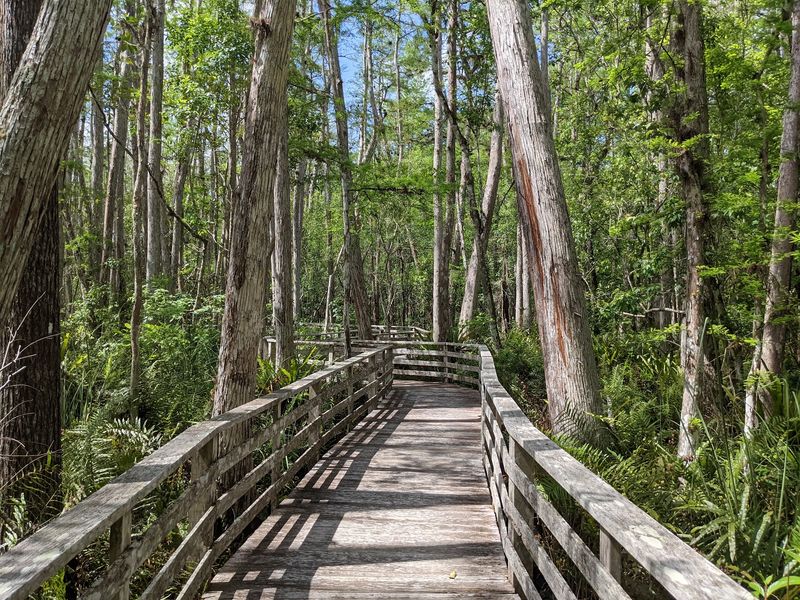
Managed by the National Audubon Society, Corkscrew Swamp Sanctuary at 375 Sanctuary Rd W, Naples, FL 34120 protects the oldest and largest old-growth bald cypress forest in North America, and its 2.5-mile boardwalk winds directly through some of the most cottonmouth-dense swamp habitat in southwest Florida.
The ancient cypress trees here create a cathedral-like canopy that keeps the swamp floor permanently dark and moist, conditions that cottonmouths find absolutely ideal during the long, wet days of late summer.
Boardwalk visitors frequently photograph cottonmouths resting on the exposed roots of cypress trees just inches below the wooden planks, and the snakes often seem entirely unbothered by the steady stream of wildlife watchers passing above them.
The sanctuary’s commitment to conservation means that all wildlife, including cottonmouths, is fully protected here, so the snakes behave naturally without the wariness you might see in more heavily disturbed habitats.
Arriving early in the morning on a weekday gives you the best combination of cooler temperatures, active wildlife, and a quieter boardwalk experience that lets the true wildness of Corkscrew Swamp sink in at its own pace.