
This Washington Beach Town Is Getting Too Popular For Its Own Good
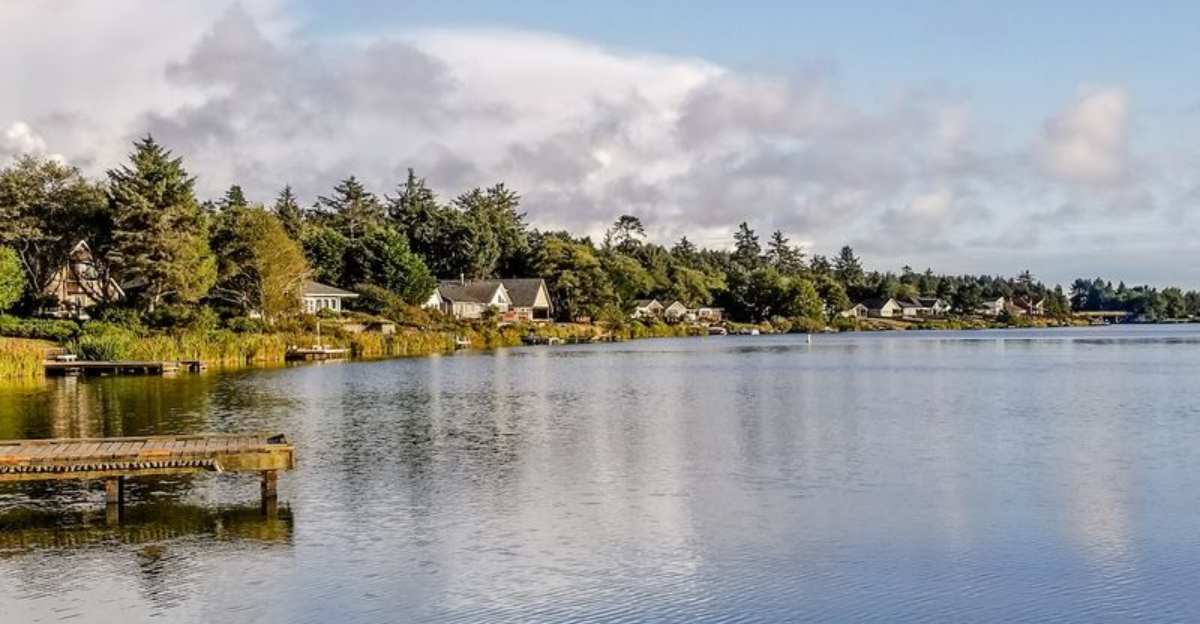
Lately, finding a quiet spot in my favorite Washington seaside escape feels less like a relaxing vacation and more like hunting for Bigfoot. I remember the good old days, back when “crowded” meant sharing the shoreline with a few lazy harbor seals and an overly ambitious windsurfer.
Now? You can practically hear the collective GPS of half the state recalculating at once as tourists flood the horizon.
Yesterday, I tried to enjoy my morning coffee while staring pensively at the waves, only to be photo-bombed by a drone hovering inches from my croissant.
This town is getting so popular for its own good that even the seagulls look stressed.
I’m thrilled the local economy is booming, but I’m secretly ready to pack my bags and move to a sand dune in the middle of nowhere.
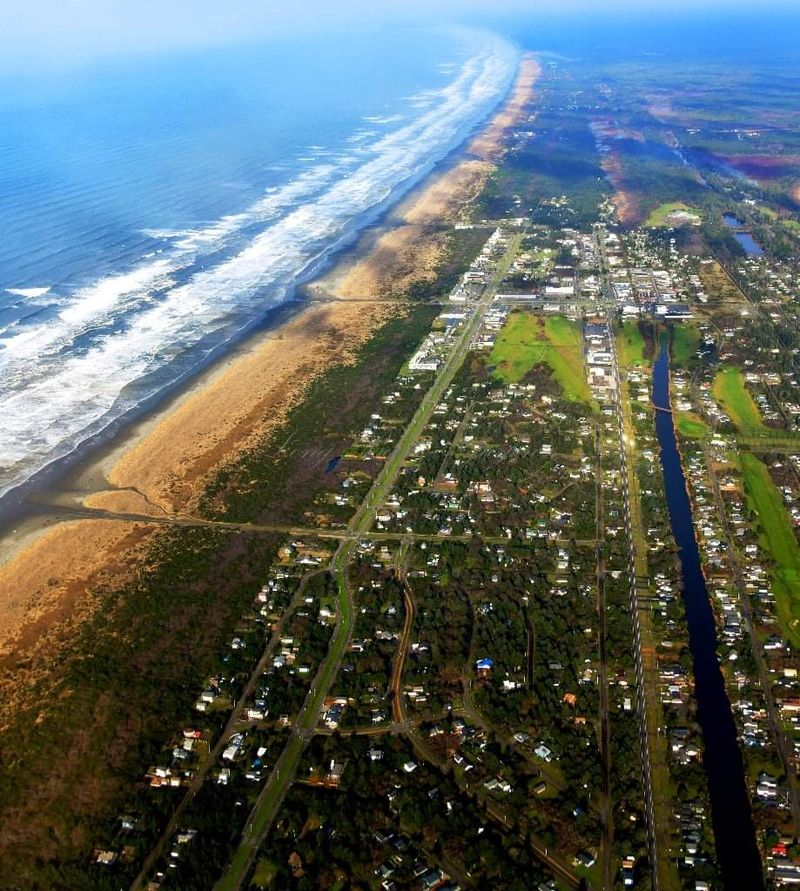
What started as a cattle ranch transformed into a celebrity-endorsed beach resort in the 1960s, and today it welcomes roughly 3 million visitors each year to its six miles of sandy beaches and 23 miles of freshwater canals. That’s a lot of people for a town of just under 8,000 residents.
Traffic Jams Where Tranquility Used To Be
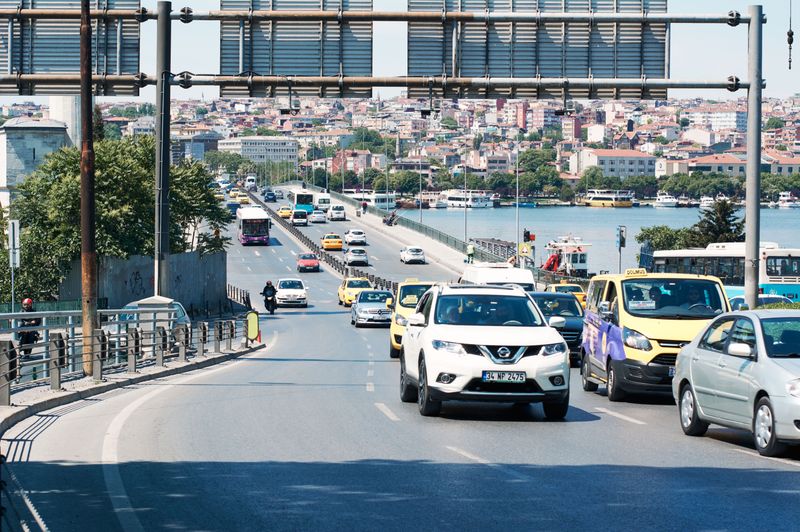
Picture this: you’re cruising toward the coast, windows down, ready for a relaxing beach day. Then you hit Ocean Shores city limits and suddenly you’re crawling along at a snail’s pace, bumper practically kissing the car ahead.
Summer weekends here have turned into parking lots on wheels, with visitors from Seattle and beyond all trying to squeeze onto the same roads at the same time. The town’s infrastructure was built for a quieter era, back when Ocean Shores was a sleepy retreat rather than a viral sensation.
Now, what should be a quick drive to your beach rental can stretch into an hour of stop-and-go frustration. Local residents trying to run simple errands find themselves trapped in tourist traffic, unable to get to the grocery store or pharmacy without serious planning.
The congestion peaks during holiday weekends and summer festivals, when it seems like half of western Washington decides to descend on this little peninsula simultaneously. What was once a peaceful escape now requires the patience of a saint just to navigate the streets.
Grocery Store Shelves Going Bare
Ever walked into a grocery store and found the bread aisle completely wiped out? That’s become a regular Friday afternoon occurrence in Ocean Shores. When thousands of weekend visitors flood into town, they all need to eat, and the local grocery stores simply can’t keep up with the sudden surge in demand.
Residents have learned to shop strategically, hitting the stores early in the week before the tourist wave arrives. By Saturday morning, you might find empty milk coolers, depleted produce sections, and meat cases picked clean.
It’s not quite apocalypse-level bare, but it’s enough to make locals feel like strangers in their own town. The problem goes beyond mere inconvenience. Elderly residents who rely on regular shopping routines find themselves unable to get basic necessities.
Restocking takes time, and by the time shelves are full again, another weekend rush is just around the corner. Small-town grocery stores weren’t designed to serve a population that triples or quadruples every few days, and it shows in those empty aisles.
Housing Prices Reaching Sky-High Levels
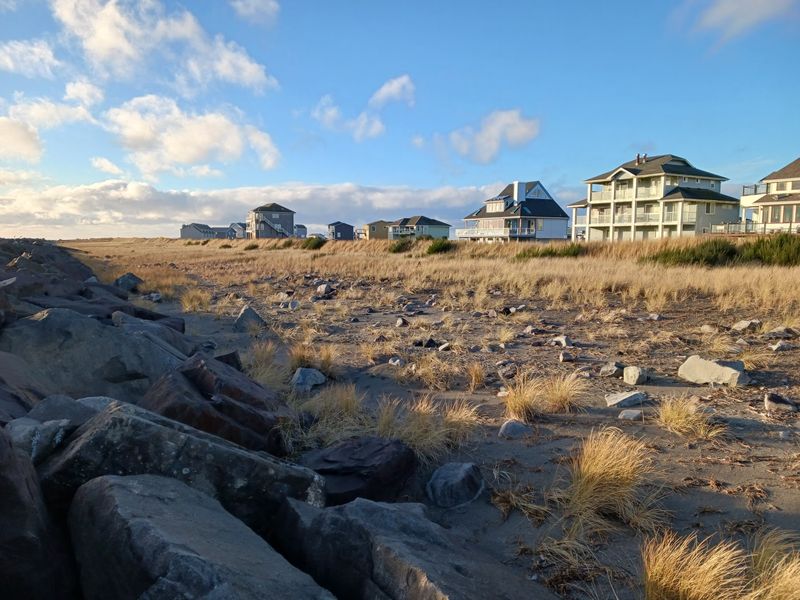
Housing affordability has become a crisis in Ocean Shores, where property values have skyrocketed faster than a kite on a windy beach day. What used to be an attainable place for working families has transformed into a second-home paradise for wealthy out-of-towners.
Local teachers, restaurant workers, and shop employees find themselves priced out of the very community they serve.
The median home price has climbed so dramatically that longtime residents joke they couldn’t afford to buy their own houses at current market rates.
Young families hoping to settle down here face sticker shock, while older residents on fixed incomes watch their property taxes climb alongside home values. It’s a classic case of success breeding its own problems.
Investors snapping up properties for vacation rentals only intensify the squeeze. Every house converted to a short-term rental means one less home available for someone who actually wants to live and work in Ocean Shores year-round.
The community’s character shifts when neighborhoods fill with rotating visitors instead of permanent neighbors who know each other’s names.
Permanent Homes Turning Into Vacation Rentals
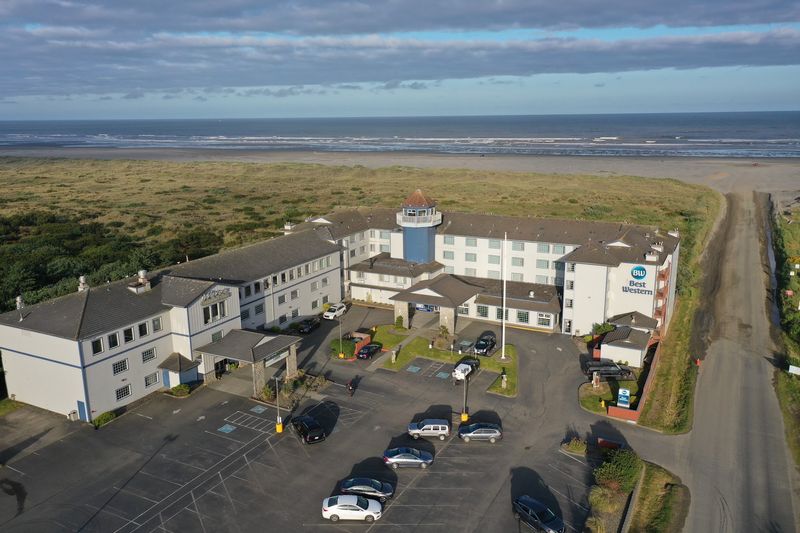
Walk through certain Ocean Shores neighborhoods and you’ll notice something odd: hardly anyone’s home. Houses that once held families now sit empty most of the week, waiting for their next batch of weekend renters.
The transformation from residential community to vacation rental hub has happened gradually, then suddenly, leaving longtime residents feeling like they’re living in a hotel district.
The economics make brutal sense for property owners. Why rent to a year-round tenant for modest monthly income when you can charge premium rates to vacationers during peak season?
Platforms that connect travelers with rental properties have made the conversion simple, and owners have responded enthusiastically. The result is a hollowing out of the permanent community.
Children have fewer playmates on their streets.
Block parties become impossible when half the block is transient. The sense of neighborhood cohesion dissolves when your next-door “neighbors” change every few days.
Ocean Shores risks becoming a place people visit rather than a place people call home, and that shift fundamentally changes what the town means to those who’ve lived here for decades.
Sand Dunes Taking A Beating
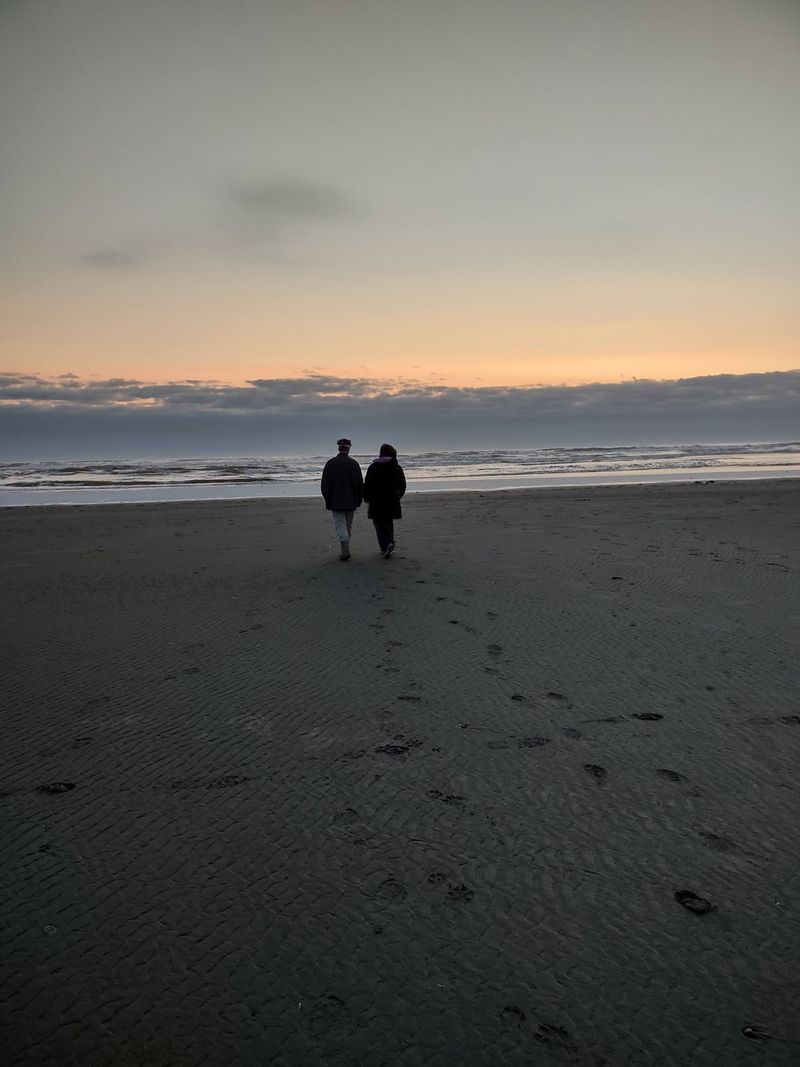
The delicate dune ecosystem that took centuries to form can be destroyed in minutes by careless recreation. Ocean Shores has long allowed beach driving, a tradition many visitors love, but the environmental cost is becoming impossible to ignore.
Tire tracks crisscross sensitive dune areas, crushing native plants that hold the sand in place and provide habitat for shorebirds and other wildlife.
Off-road vehicle enthusiasts sometimes venture beyond designated areas, either through ignorance or disregard for posted boundaries. Each pass tears up vegetation, accelerates erosion, and disrupts nesting sites.
What looks like harmless fun to someone on an ATV represents habitat destruction to the species trying to survive here. The dunes can’t regenerate fast enough to keep pace with the damage.
Environmental groups have raised alarms, but enforcement proves challenging when visitor numbers overwhelm the small staff tasked with protecting these areas.
Restoration efforts require time, money, and cooperation from the public. Without significant changes in how the beach is managed and used, these natural features that make Ocean Shores special in the first place could erode away, leaving future generations with a degraded landscape.
Service Industry Struggling To Find Workers
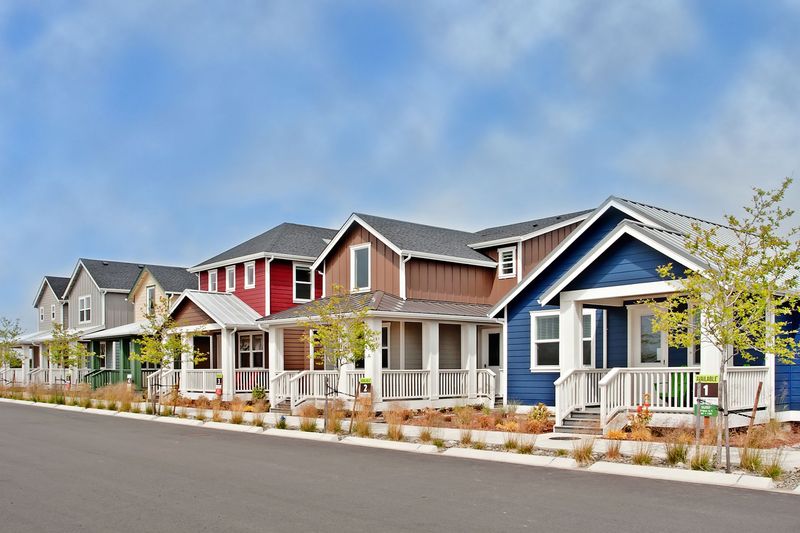
Try getting dinner at a popular Ocean Shores restaurant on a Saturday night and you might wait two hours for a table, not because the place is so amazing, but because they’re running with half the staff they need.
The service industry here faces a perfect storm: surging demand meets insufficient workforce meets unaffordable housing. Workers can’t afford to live where the jobs are, creating a crisis for businesses trying to serve all those visitors.
Restaurant owners report turning away customers because they simply can’t handle the volume with available staff. Hotels struggle to clean rooms between guests. Shops reduce their hours because they can’t find enough employees to stay open.
The irony is painful: businesses have plenty of customers and plenty of work, but they can’t capitalize on the opportunity because they can’t staff up adequately.
Some workers commute from more affordable towns an hour away, but that’s not sustainable long-term, especially with gas prices fluctuating.
Seasonal workers help during summer, but year-round businesses need year-round employees, and those employees need year-round housing they can actually afford. Until the housing crisis gets addressed, the staffing shortage will continue limiting how well Ocean Shores can serve its visitors.
Balancing Growth With Small-Town Character
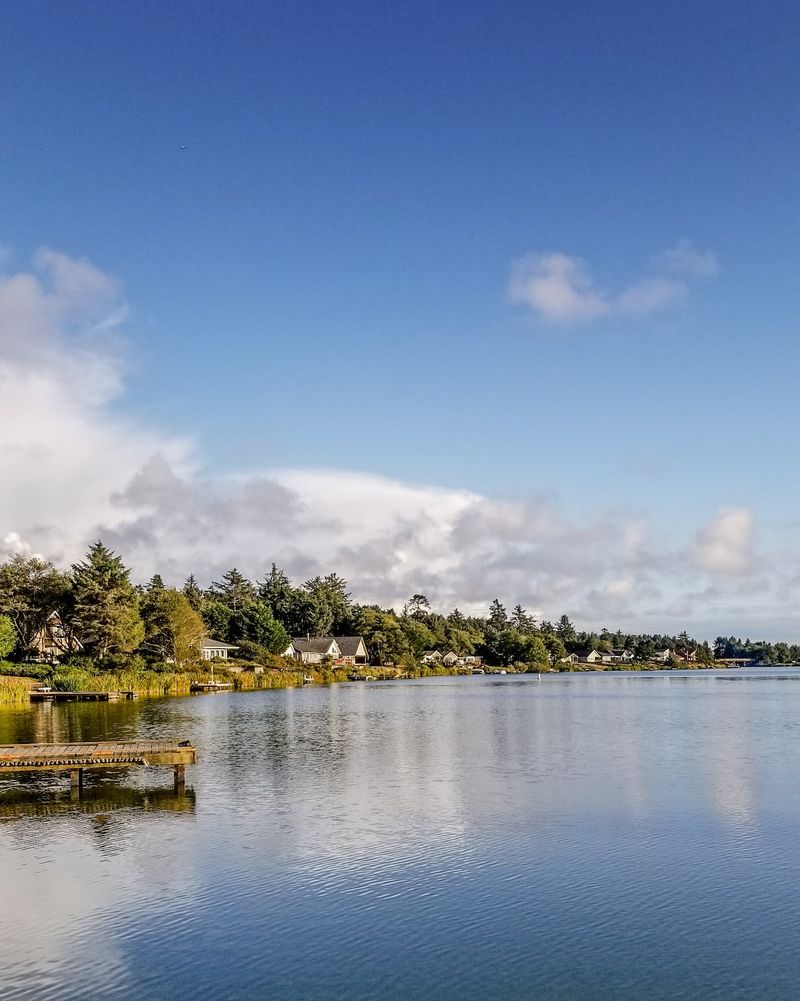
Ocean Shores stands at a crossroads, trying to figure out how to remain welcoming without being overwhelmed. Town meetings that once focused on potholes and park maintenance now grapple with existential questions about what kind of community this will be.
Do residents want to double down on tourism and accept the consequences, or should they pump the brakes and prioritize quality of life for permanent residents?
Some argue that tourism provides the economic engine that keeps Ocean Shores viable, funding schools, roads, and services that wouldn’t exist otherwise. Others counter that there’s such a thing as too much of a good thing, and that the town has crossed that line.
Finding middle ground requires difficult conversations and potentially unpopular decisions, like limiting vacation rentals or restricting beach access during sensitive wildlife periods.
The challenge is that Ocean Shores can’t unring the bell of its own popularity. Social media has spread the word, and people will keep coming regardless of whether the infrastructure can handle them.
The question becomes whether the town can manage growth thoughtfully or whether it will simply react to pressures as they arise, potentially losing its character in the process. What happens next will determine whether Ocean Shores remains a place worth visiting.