
Inside An Ohio Fabric Warehouse Filled With Retro Prints And Endless Rolls
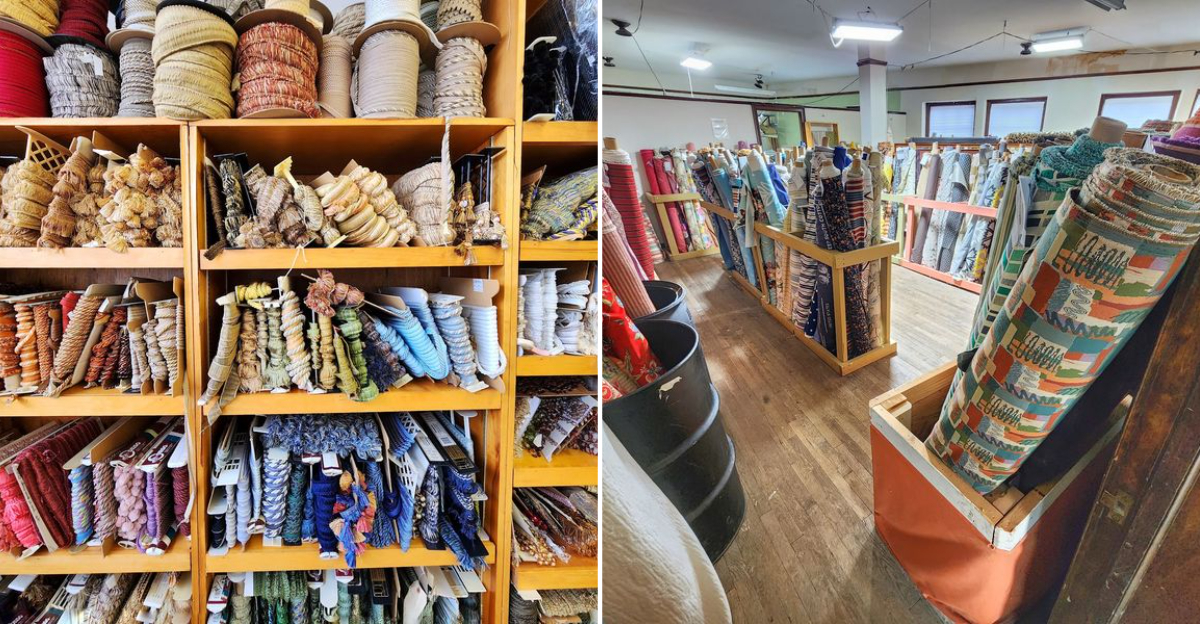
I knew I was in trouble the second I heard fabric hit the cutting table. Not bad trouble, just the kind that ends with more yardage than your car was prepared to carry.
This longtime Cleveland shop has been part of Ohio’s fabric scene since 1938, starting with an upholstery focus and growing into the kind of place where browsing takes serious self-control.
Two floors are packed with bolts and bold patterns, while an upstairs bargain area gives patient shoppers another reason to linger.
I walked in looking for one piece of fabric and quickly abandoned that plan. There was always another roll worth touching or another corner worth checking.
The limited weekly hours make a little planning worthwhile, but once you’re inside, rushing feels almost impossible. This is the kind of shopping trip where fifteen minutes can quietly turn into an afternoon.
A Family Business Since 1938
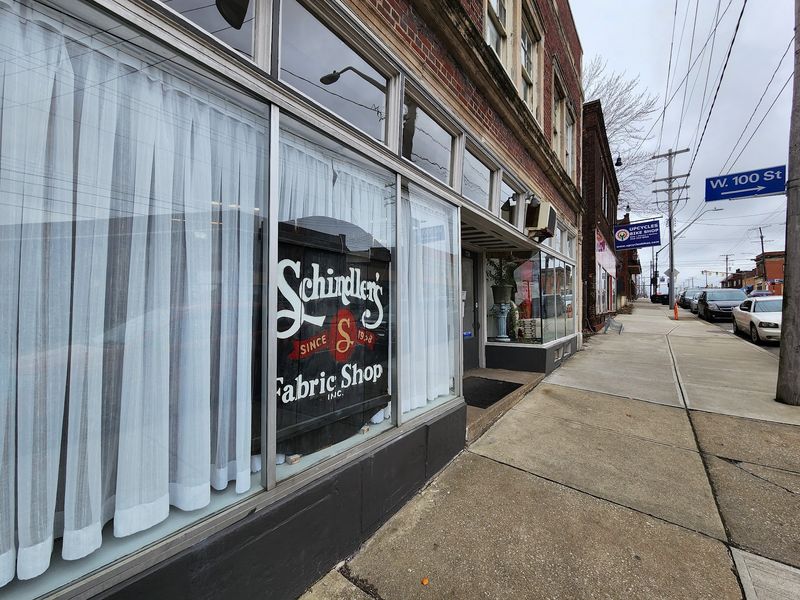
Nearly nine decades of continuous business is not something you stumble across every day, and yet here it is on a working stretch of Cleveland’s west side.
Schindler’s Fabric Shops Inc. sits at 9933 Lorain Ave, Cleveland, OH 44102, in the United States, and it has been family run since 1938.
Longtime shoppers still mention the family behind the business, and customers frequently praise the deep inventory that keeps customers coming back.
That kind of loyalty says more than any advertisement, because fabric people are picky and they do not waste gas on stores that disappoint.
Walking the aisles, I kept noticing small signs of a place shaped by real hands rather than a corporate planogram.
Bolts are grouped by logic learned over years, not by a computer, and the staff can explain why a certain weave belongs on a dining chair instead of a curtain rod.
Supporting an independent shop like this also gives shoppers an alternative to the larger fabric chains around the region.
History here is measured in yards, and it keeps unrolling.
Two Floors That Swallow An Entire Afternoon
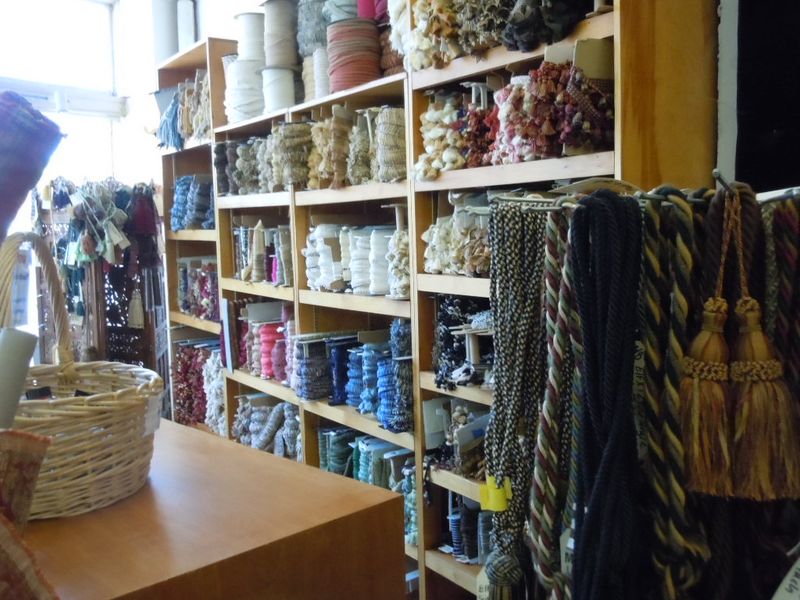
My plan was fifteen minutes and one yard of lining fabric, which turned out to be wildly optimistic.
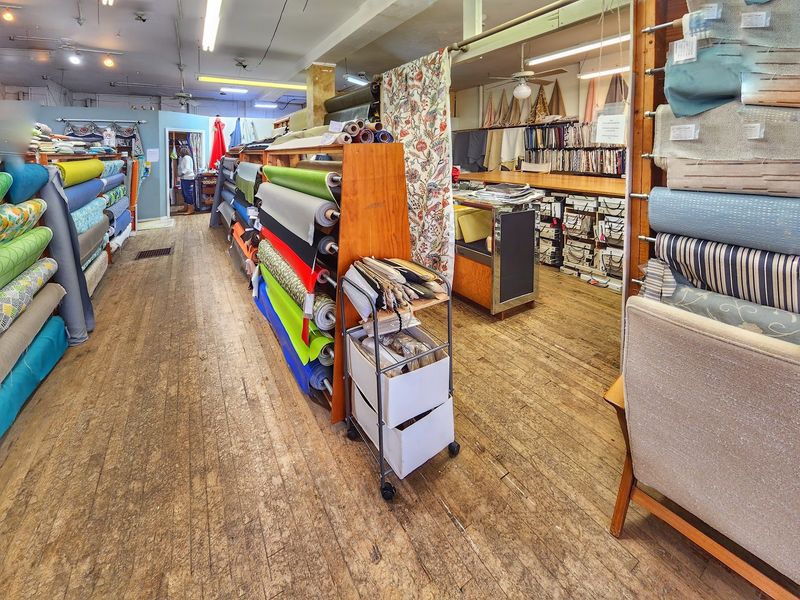
The main floor alone holds more rolls than I could count, and then a staircase appears and reveals a whole second level packed with even more inventory.
Shoppers repeatedly describe being surprised by the size, with one visitor writing that the place was much bigger than expected once the upstairs came into view.
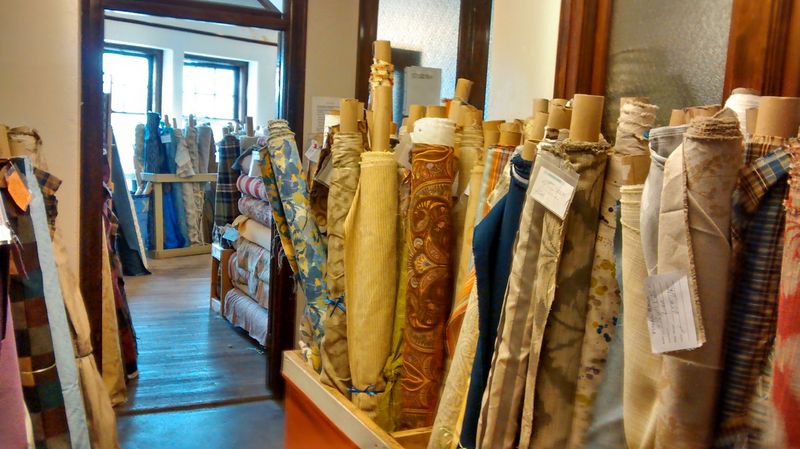
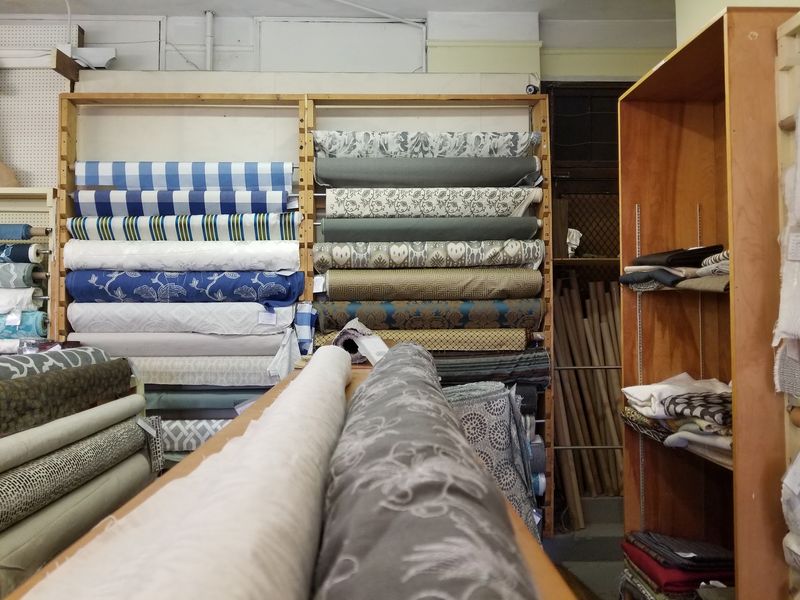
Bolts stand upright in rows, lean in stacks, and rest flat on tables, so browsing becomes a slow shuffle rather than a quick sweep.
I recommend blocking out at least an hour if you have any intention of comparing options.
Bring a tape measure and the dimensions of whatever you are covering, because guessing in a store this deep leads to expensive regret.
Photos help too, especially of the room where the fabric will live, since colors behave differently under store lighting than under a lamp at home.
My advice is simple: walk the whole building once before choosing anything, because the piece you want is often two aisles past where you stopped looking.
Time disappears quietly in a room full of good cloth.
The Bargain Attic Where Deals Hide
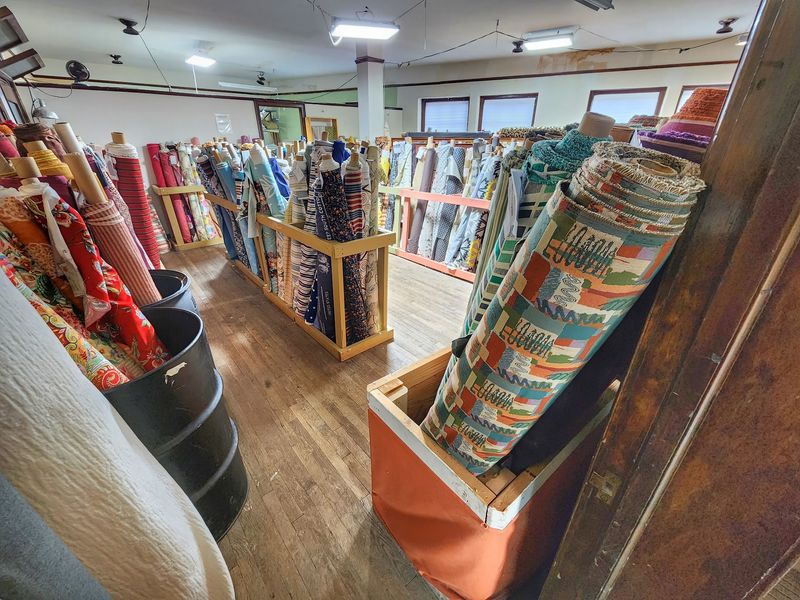
Climbing to the upper level felt like being let in on something, and the discount section up there earns its reputation.
Regulars call it the bargain attic, and more than one has warned that it gets chilly in winter, so a jacket is a genuinely useful accessory.
The savings, according to those same shoppers, make the goosebumps worth it.
Remnants, end pieces, and marked down yardage sit waiting for anyone patient enough to dig, and the hunt rewards flexible plans rather than rigid ones.
The shop currently advertises a fill-a-bag option in its attic clearance area, where limited quantities and closeout fabrics can offer substantial savings.
She was planning neck and back warmers, which strikes me as a very Cleveland winter project.
If you sew small items, quilt, or make costumes, this level is where your budget stretches furthest.
Go through the bins slowly, unfold anything that looks promising, and check for flaws before committing.
Sizes vary wildly, so measure your pattern pieces first and know your minimum.
Bargain hunting upstairs turned into my favorite part of the visit, cold fingers and all.
Upholstery Fabric That Rescues Old Furniture
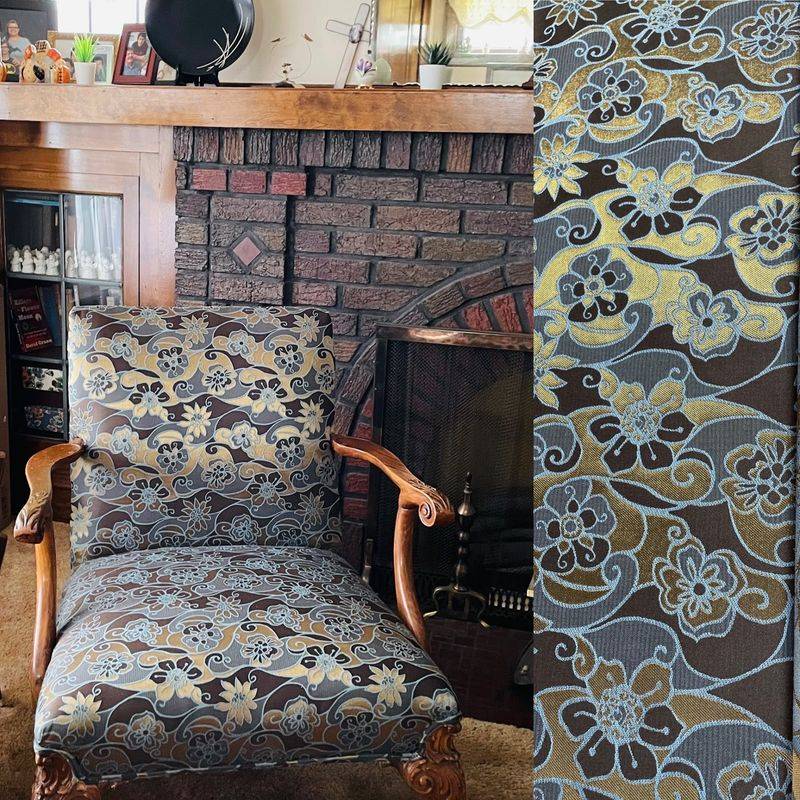
Older chairs and other furniture pieces regularly find new life here, thanks to the shop’s long-standing focus on upholstery fabric and restoration work.
They walked out with fabric they loved, and the restored chair now sits in their living room getting used rather than admired from a distance.
Stories like that come up often, because upholstery is what this shop does best.
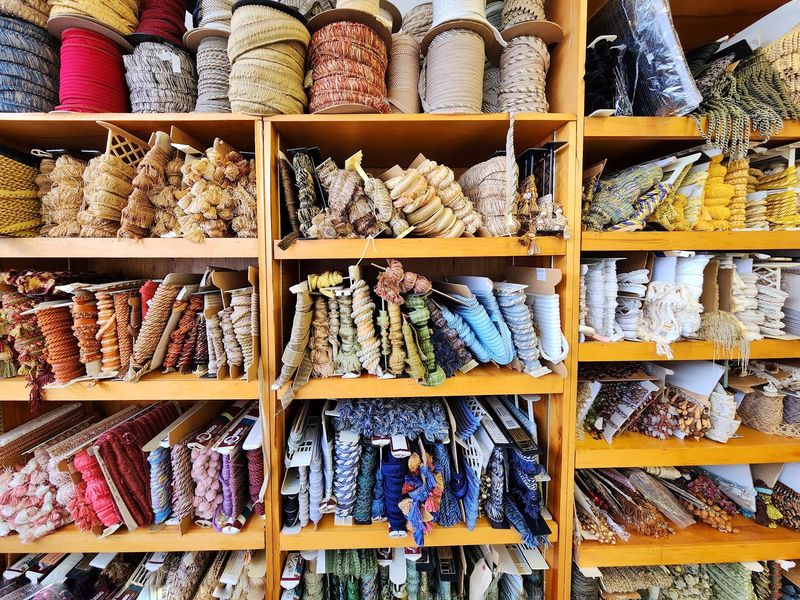
Heavyweight wovens, tapestries, vinyl, and durable textured blends fill entire sections, and the range covers both traditional patterns and cleaner modern looks.
Furniture fabric is not the place to guess, since a pretty print that cannot handle friction will pill within a season.
Ask about rub counts and cleaning codes before you buy, and mention whether pets or children will be involved.
Bring a cushion or an arm cover if you can remove one, because matching curves and existing trim is far easier with the real piece in hand.
Order slightly more yardage than the calculator suggests to allow for pattern repeats.
Give a tired chair the right cloth and it stops being clutter, which is the whole quiet magic of this department.
Retro Prints, Faux Fur, And Silk Surprises
Somewhere between a bolt of leopard faux fur and a wall of geometric prints, I gave up pretending I had a shopping list.
The selection leans wonderfully old school, with tapestry patterns, bold mid century motifs, and colors that feel plucked from a 1970s living room.
Alongside those sit faux suede, faux leather, and other specialty materials that can vary as limited inventory sells through.
One shopper hunted down an unusual shantung silk in a very specific color and found it here on the first try, which almost never happens.
Costume makers and clothing designers wander in for the same reason, since a fabric bought for a sofa can just as easily become a jacket with personality.
I would suggest photographing any print you like along with the price tag, because retracing your steps later is harder than it sounds.
Feel the drape by letting a length hang rather than judging it flat on the roll.
Patterns this distinctive rarely come back once they sell out, so hesitation carries a real cost around here.
Wild prints deserve brave projects.
Staff Who Actually Know Their Weaves
Helpful service gets mentioned in review after review, and after one visit I understand why the compliment keeps repeating.
Someone spotted me hovering, asked what I was making, and steered me toward two options I had walked past twice.
Other shoppers describe being guided straight to costume material, rescued from sewing mistakes, and walked through the narrowing process without any rush.
One customer even had her bundle carried out and loaded into her car by a staff member who also held the door.
Knowledge like this is genuinely hard to find in retail now, and it changes what you can attempt as a maker.
Come with questions, but call ahead if you need detailed project guidance because the shop notes that help can be limited during public retail hours.
Describe your project honestly, including your skill level, and you will get better recommendations than any online listing can offer.
Pricing on custom work is worth confirming upfront because upholstery costs can vary with the fabric, furniture, and scope of the project.
Ask, write it down, and you will avoid confusion.
Conversation with the people behind the counter turned out to be the best tool I brought home.
Hours, Parking, And Planning Your Visit
Show up on a Monday and you will be admiring the door, not the merchandise.
The shop opens Thursday, Friday, and Saturday from 11 AM to 5 PM and stays closed the rest of the week, so this is a trip that requires a calendar check.
I learned that lesson secondhand and built my Cleveland weekend around a Saturday morning arrival.
Getting there is easy enough, since Lorain Avenue runs straight through the west side and the building is hard to miss once you are on the block.
Calling ahead at 216-281-8244 makes sense if you need something specific, and the website is worth a look before you drive.
Arrive early in the day for the calmest browsing and the best light for judging colors.
Wear comfortable shoes, since you will be standing, bending, and climbing stairs more than you expect.
Leave room in your vehicle too, because rolled yardage does not fold politely into a small trunk.
Give yourself plenty of browsing time, especially since the shop is currently open for only a six-hour window on each of its three business days.
Why Makers Drive Hours To Get Here
Longtime customers often describe the shop as a destination worth traveling for rather than a quick neighborhood fabric stop.
Four trips a year, every year, for a shop that opens three days a week says something about how rare a deep fabric inventory has become.
Upholstery shoppers and home decorators make up much of the store’s audience, while the unusual inventory also attracts creative shoppers with less conventional projects.
Ratings sit around 4.7 stars across dozens of reviews, and the praise clusters around selection, service, and prices that hold up against the chains.
What struck me most was the creative energy in the building, the sense that everyone browsing had a half finished idea in their head.
I overheard plans for drapes, a costume, and a bench cushion within about ten minutes.
If you are traveling through northeast Ohio and enjoy making things with your hands, pair this stop with lunch nearby and give yourself no deadline.
Bring cash or card, patience, and an open mind about what you might carry out.
I arrived for one yard and left already sketching the next project in my notes app.