
Visit A Remote Colorado Wolf Sanctuary And Learn The Stories Of Its Resident Wolf-Dogs
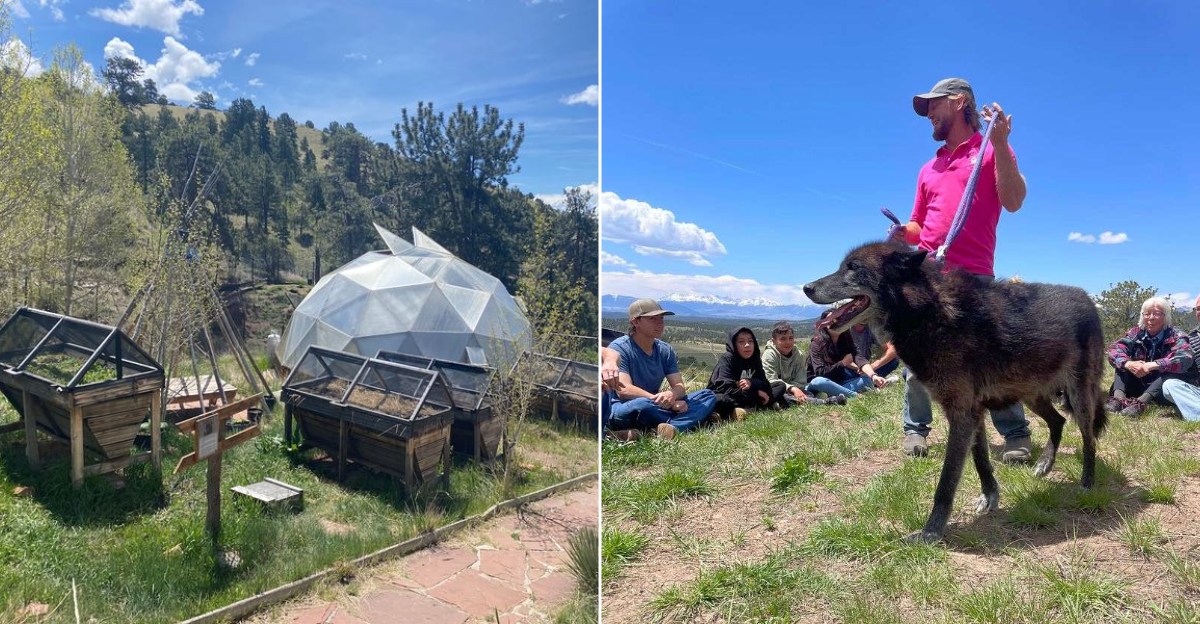
Thirteen miles of rough dirt road may sound like a warning, but in this case, it is part of the adventure.
Deep in the southern mountains, a remarkable sanctuary offers an unforgettable chance to see wolves and wolf-dogs living in spacious natural enclosures far from the usual tourist crowds.
Getting there takes patience, but that remote setting is exactly what gives the experience its power.
The people who care for these animals have built their lives around them, working and living simply while creating a place where visitors can learn about wolves up close.
Colorado feels especially wild in this corner of the state, where the landscape makes the journey feel like part of the story.
You might arrive curious and leave with a completely different perspective on these intelligent animals.
Few weekend outings can turn a dusty drive into a lesson about coexistence, respect, and the extraordinary bond between people and wildlife.
The Remote Road That Makes The Arrival Feel Earned
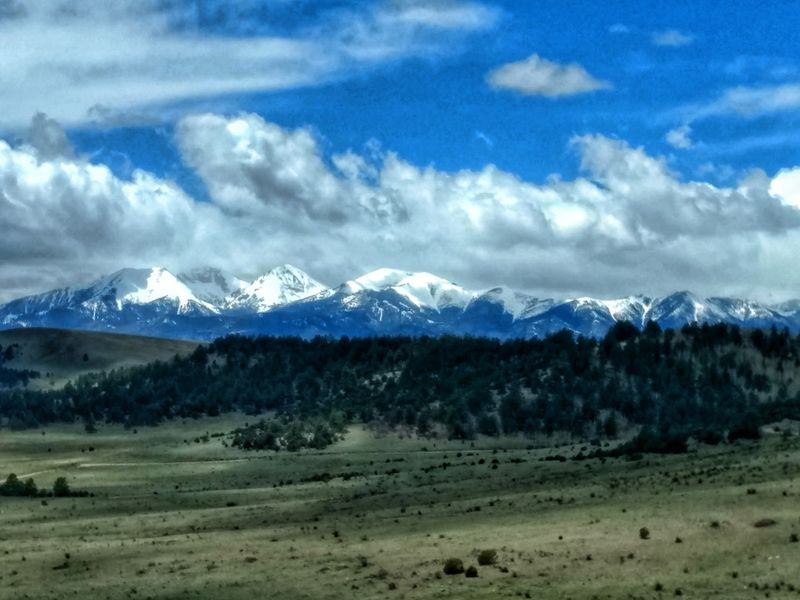
Some destinations reward you simply for showing up. This spot at 13388 Co Rd 634, Westcliffe, CO 81252, rewards you for surviving the final 13 miles of unmaintained dirt road that leads to its gates.
The road is not dangerous, but it is humbling, and that is probably the point. By the time you arrive, you have already left the ordinary world behind.
A standard passenger car can make the drive, though visitors consistently note that a vehicle with higher clearance makes the journey noticeably smoother, especially after rain. Think of it as a natural filter: only people who genuinely want to be there will make the effort.
The surrounding landscape of the Wet Mountain Valley is stunning on its own terms. Rolling high desert, distant peaks, and the kind of sky that makes you forget you own a phone.
The arrival is part of the experience, not just a logistical hurdle to clear before the real visit begins.
Pro Tip: Check road conditions before heading out, especially in winter or after heavy rain. The sanctuary website at missionwolf.org has current visitor information and is your best first stop for trip planning.
What Mission: Wolf Actually Is And Why It Exists
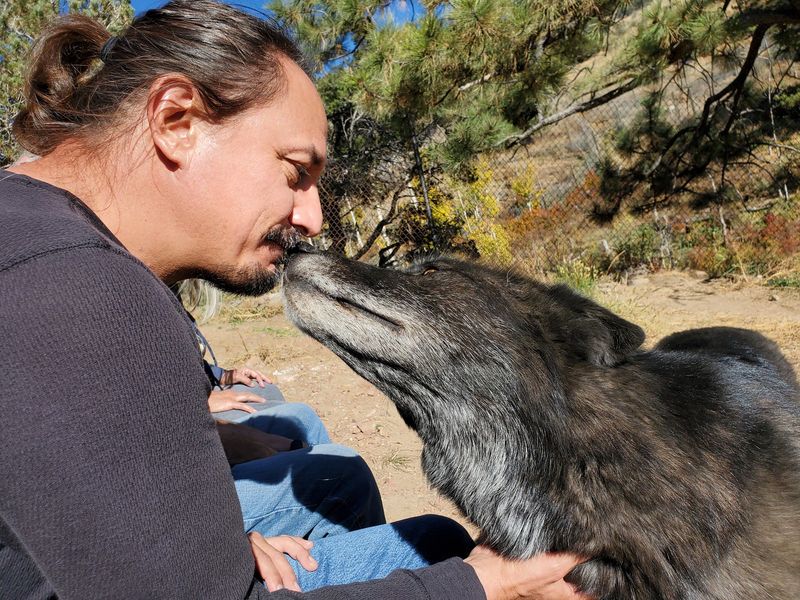
Mission: Wolf is a nonprofit organization built on a single, clear idea: wolves and wolf-dogs that cannot survive in the wild deserve a life worth living. The sanctuary takes in animals that were bred in captivity or kept as pets, animals that have no realistic path back to the wilderness but still carry every instinct of a wild creature.
The staff and volunteers who run the sanctuary do not just work here. Many of them live here, off the grid, without reliable cell service or the modern comforts most people consider non-negotiable.
They haul hay, maintain enclosures, and build relationships with individual animals over years. The word dedication gets overused, but at Mission: Wolf it means something specific and observable.
The sanctuary operates under a philosophy it calls Education vs. Extinction, using direct encounters between wolves and visitors to build understanding and empathy for a species that is still widely misunderstood. Every tour is built around that mission, not just around the novelty of seeing wolves up close.
Why It Matters: Wolf-dogs in particular are frequently abandoned by owners who did not understand what they were taking on. The sanctuary provides a permanent, respectful home for animals that would otherwise have nowhere to go.
Meeting The Ambassador Wolves Up Close
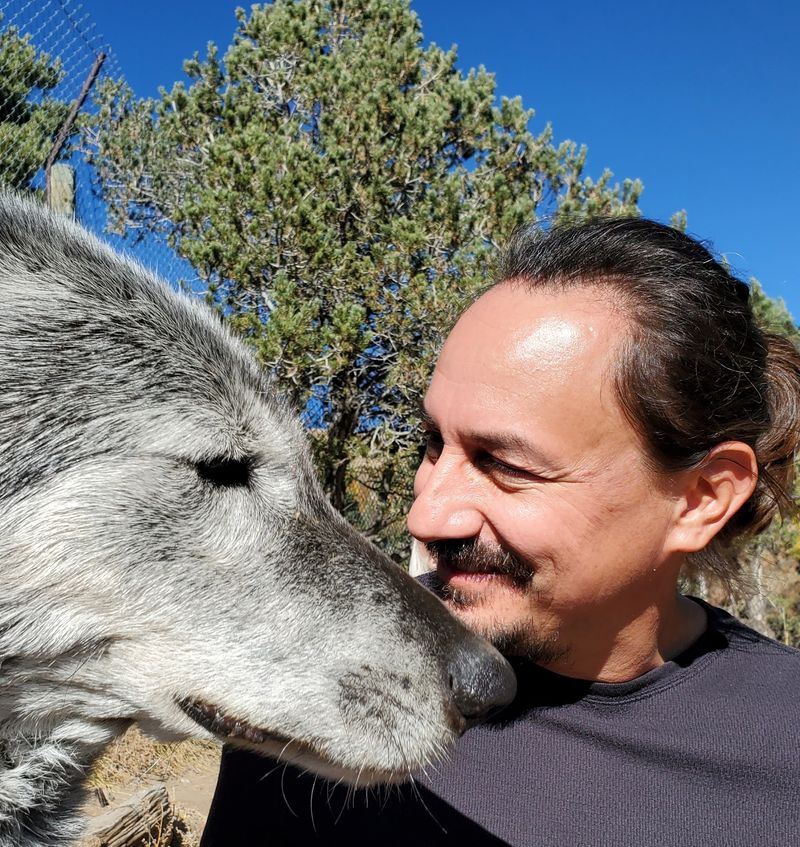
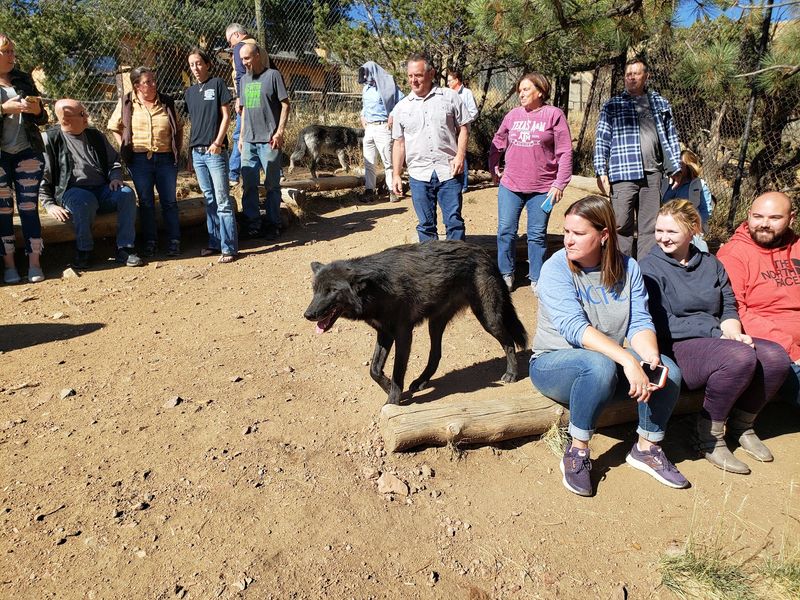
Getting close to a wolf is not something most people ever expect to do in their lifetime. At Mission: Wolf, certain animals known as ambassador wolves are socialized enough to interact with small groups of visitors inside their enclosures.
These are not performances. The wolves are not trained to perform tricks or pose for photos on command.
What actually happens is quieter and more affecting than that. A wolf might approach you, sniff your hand, lean against your leg, or decide you are not interesting and wander off.
Visitors have described being licked on the face, which the guides cheerfully note is the wolf equivalent of a thorough investigation rather than a sign of affection. Wolf breath, incidentally, is famously odorless, which surprises almost everyone.
The experience of standing in an enclosure while a large wolf decides what it thinks of you tends to stay with people. Multiple visitors mention thinking about it for months afterward, not because it was dramatic, but because it was genuinely real in a way that most curated experiences are not.
Best For: Adults and older children who can follow guide instructions calmly. The animals respond to the energy in the room, so a relaxed group consistently has a richer encounter than an excitable one.
The Wolf-Dogs And Their Individual Stories
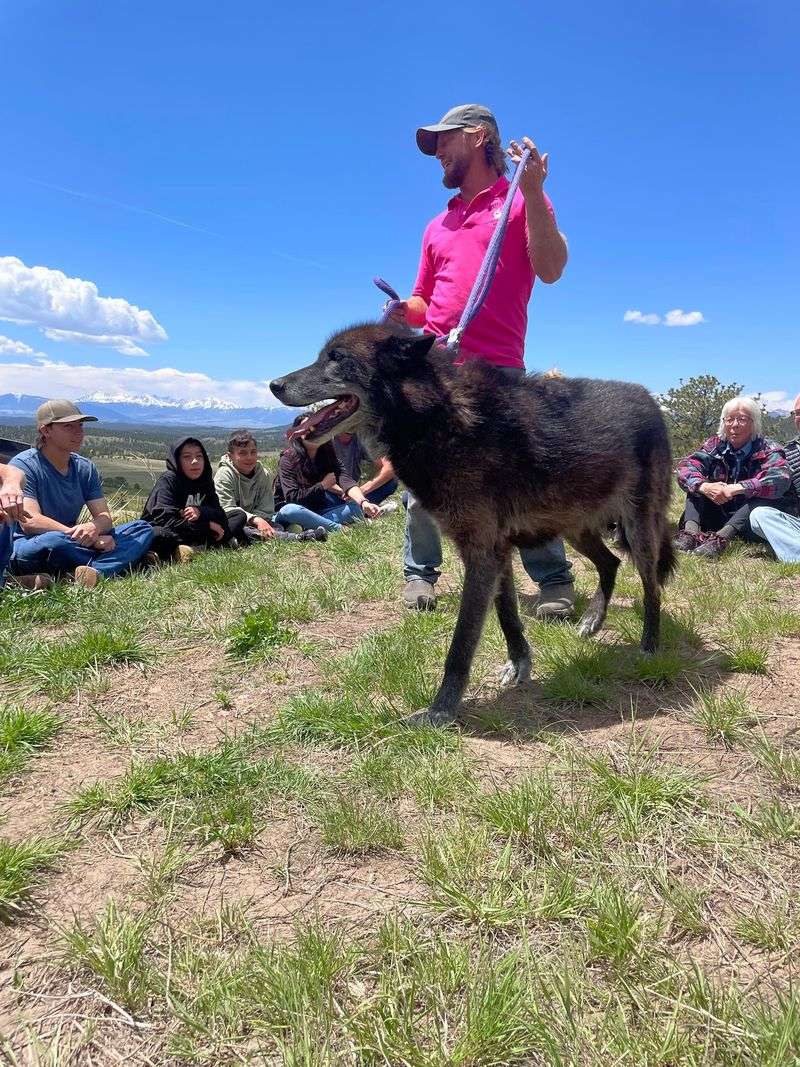
Wolf-dogs occupy a strange and difficult space in American culture. They are bred from domestic dogs and wolves, they look extraordinary, and they are notoriously difficult to keep as pets because their instincts and their needs do not fit neatly into a suburban backyard or an apartment.
Many end up surrendered or abandoned when their owners realize this too late.
Mission: Wolf is home to a number of wolf-dogs alongside its full wolves, and the guides take time to explain the differences between the two and the specific challenges each animal presents. Learning the individual histories of the animals you are meeting adds a layer to the visit that transforms it from wildlife tourism into something more like bearing witness.
Nashira, mentioned by name in visitor accounts, is one of the animals that has made a strong impression on guests. Each animal has a name, a history, and a personality that the guides know well and share generously during tours.
You leave knowing specific individuals, not just a general impression of wolves.
Insider Tip: Ask your guide about the background of the animals in each enclosure. The staff are knowledgeable and genuinely enjoy sharing the stories.
That context is what separates this visit from anything you could get at a zoo.
How The Tours Work And What To Expect
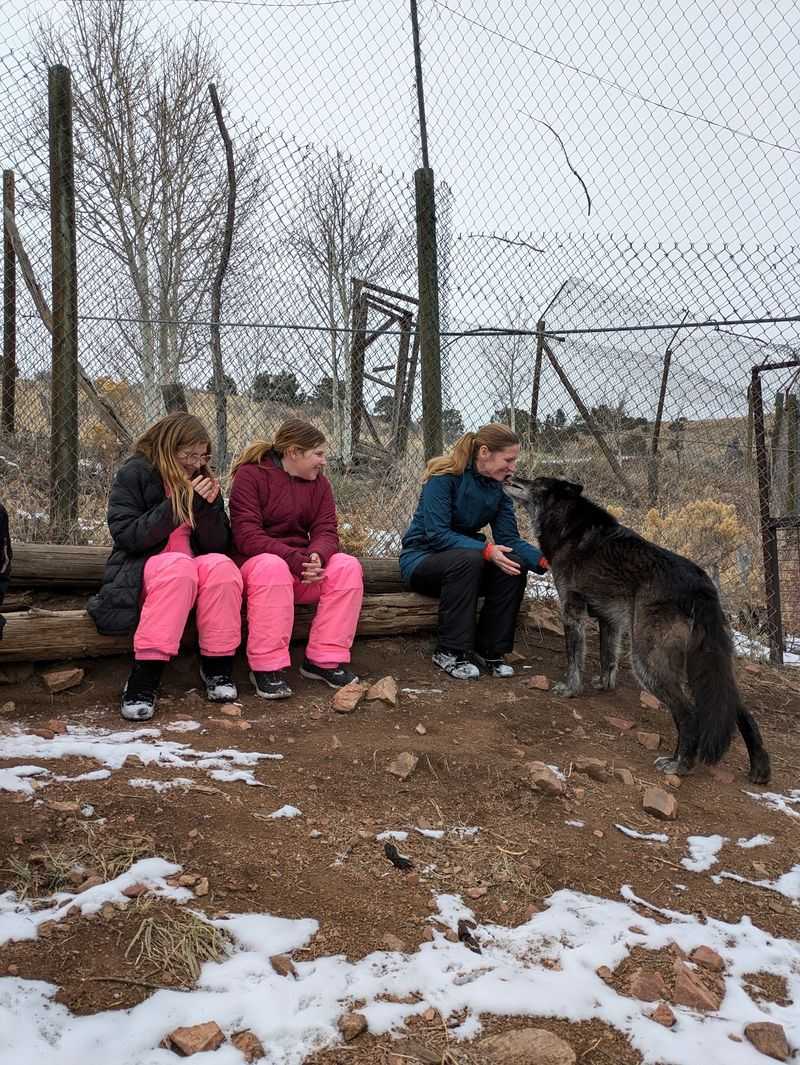
Arriving at Mission: Wolf without knowing what to expect is a common experience, and a few visitors have noted they wished they had a clearer sense of the structure before showing up. The sanctuary is open Tuesday and Saturday from 9 AM to 5 PM.
Tours are the primary visitor experience, and they typically include visits to multiple enclosures, direct educational content from guides, and, depending on the day and the animals, the possibility of an interactive encounter.
Groups are guided by staff and volunteers who bring real knowledge and genuine enthusiasm to every explanation. One tour might cover wolf behavior, ecosystem roles, and the sanctuary’s sustainable living practices, all in the same walk.
You are not getting a rehearsed script. You are getting a conversation with people who think about these animals every single day.
Plan to spend at least two hours on site, and more if you want to browse the gift shop, see the greenhouse, or simply sit with what you have just experienced. The sanctuary also has a phone number, +1 719-859-2157, for anyone who wants to call ahead with questions about visiting.
Planning Advice: Arrive early in the day. The sanctuary closes at 5 PM and the drive in takes longer than most mapping apps suggest.
Volunteering: The Deeper Way To Experience The Sanctuary
If a tour visit feels like reading the first chapter of a book, volunteering at Mission: Wolf is reading the whole thing. The sanctuary welcomes volunteers on both short-term and longer-term bases, and the work is real: chopping wood, pulling weeds from the mountainside, hauling materials, maintaining enclosures.
This is not the kind of volunteering that involves a name tag and a clipboard.
In return, volunteers get something that casual visitors do not. They get time.
Time around the animals, time with the staff, and time to understand how an off-grid community actually sustains itself in a remote Colorado valley. Multiple people who came for a few days ended up staying much longer because the place has that quality of making the outside world feel temporarily irrelevant.
The sanctuary’s approach to sustainable living is woven into everything: the greenhouse, the communal structure, the way resources are managed. Volunteers become part of that system, not observers of it.
Anyone willing to work hard is welcome, and the only real requirement beyond physical effort is genuine respect for the animals.
Who This Is For: Adults and older teens looking for a purposeful, hands-on experience that goes well beyond sightseeing. This is not a passive visit.
It is participation in something ongoing and meaningful.
The Howl: A Moment That Visitors Never Forget
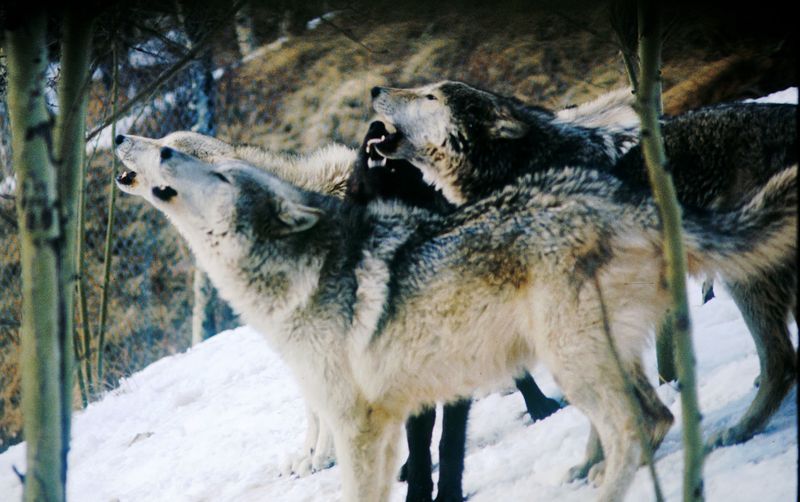
At some point during a Mission: Wolf tour, guides invite the group to howl together. This is not as embarrassing as it sounds.
In fact, it is one of those rare experiences that adults describe without irony as genuinely moving. You howl, the wolves answer, and for about thirty seconds the whole mountain feels like it belongs to something older and wilder than the rest of your week.
The sanctuary sits in a quiet part of the Wet Mountain Valley where background noise is essentially nonexistent. When the wolves respond, their voices carry clearly across the open terrain.
Visitors who have been to the sanctuary multiple times still mention this moment specifically when describing why they keep coming back.
It is one of those things that sounds slightly silly in the planning stage and then lands with unexpected weight in the actual doing of it. The silence before the wolves answer is its own kind of moment.
It is the kind of thing that gets texted to friends immediately after, usually with a lot of exclamation points and a wolf emoji.
Quick Verdict: If someone asks you what the highlight of the visit was, there is a reasonable chance this is the answer, even if you arrived thinking the animal encounters would be the main event.
The Off-Grid Philosophy That Runs The Whole Place
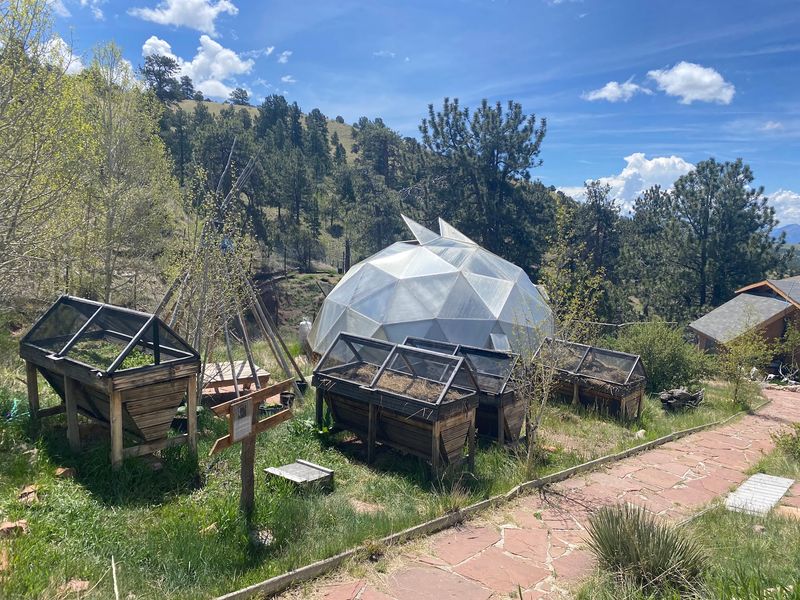
Mission: Wolf does not just rescue wolves. The people who run it have built an entire way of living around the belief that coexisting with nature requires actual sacrifice, not just good intentions.
The sanctuary operates off the grid, which means the staff live without reliable electricity, cell service, or the kind of infrastructure most people in the United States take for granted every single day.
Visitors who take the full tour see evidence of this throughout the property: a working greenhouse, communal structures, and systems designed to minimize the sanctuary’s footprint while keeping the animals fed and cared for. The sustainable living practices on display are not a side exhibit.
They are the foundation of how the whole operation functions.
For many visitors, this aspect of the sanctuary is as thought-provoking as the wolves themselves. It raises questions about what people actually need versus what they have simply gotten used to.
The staff do not preach about it, but the example is hard to ignore when you are standing in a place that runs on intention and effort rather than convenience.
Why It Matters: Understanding the off-grid model gives the sanctuary’s mission real weight. These people are not making a symbolic gesture.
They are living the philosophy they are asking visitors to consider.
Bringing Kids And Families To Mission: Wolf
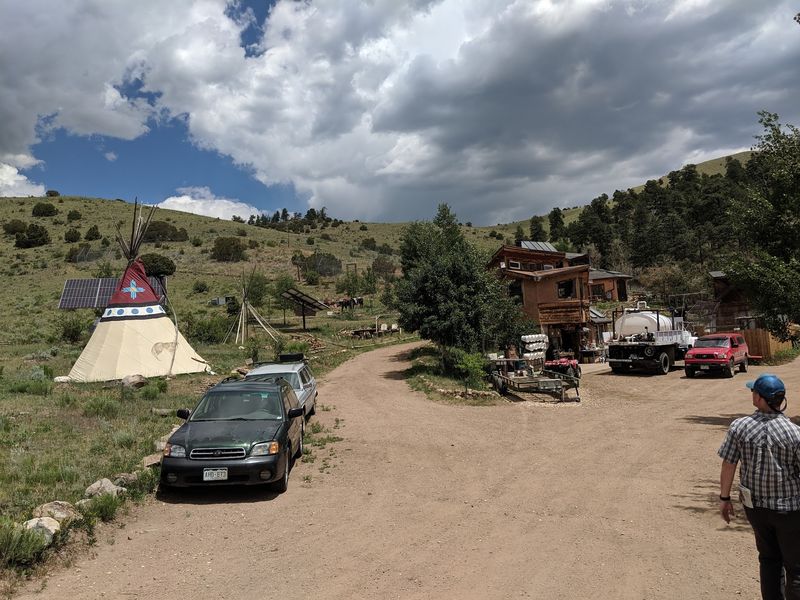
A visit to Mission: Wolf with kids is the kind of outing that parents describe as genuinely educational without having to oversell it. Children who are old enough to follow instructions and stay calm around animals can have an experience here that no classroom field trip to a conventional zoo can replicate.
The guides are skilled at reading groups and adjusting their explanations to match the audience.
One parent leading a school group noted that the kids were completely captivated, which is a meaningful endorsement from anyone who has tried to hold the attention of a group of children for more than twenty minutes. The hands-on nature of the tours, combined with the novelty of being close to actual wolves, tends to do the work that most educational programs have to fight for.
Families should plan for a half-day minimum and dress for variable mountain weather. The site is noted as semi-wheelchair accessible, which is useful information for families with varying mobility needs.
The dirt road in is manageable but worth knowing about in advance.
Best Strategy: Visit on a Tuesday or Saturday, arrive before noon, and let the guides set the pace. Trying to rush a wolf encounter is not a strategy that works in anyone’s favor.
Supporting The Sanctuary: Donations, Sponsorships, And The Gift Shop
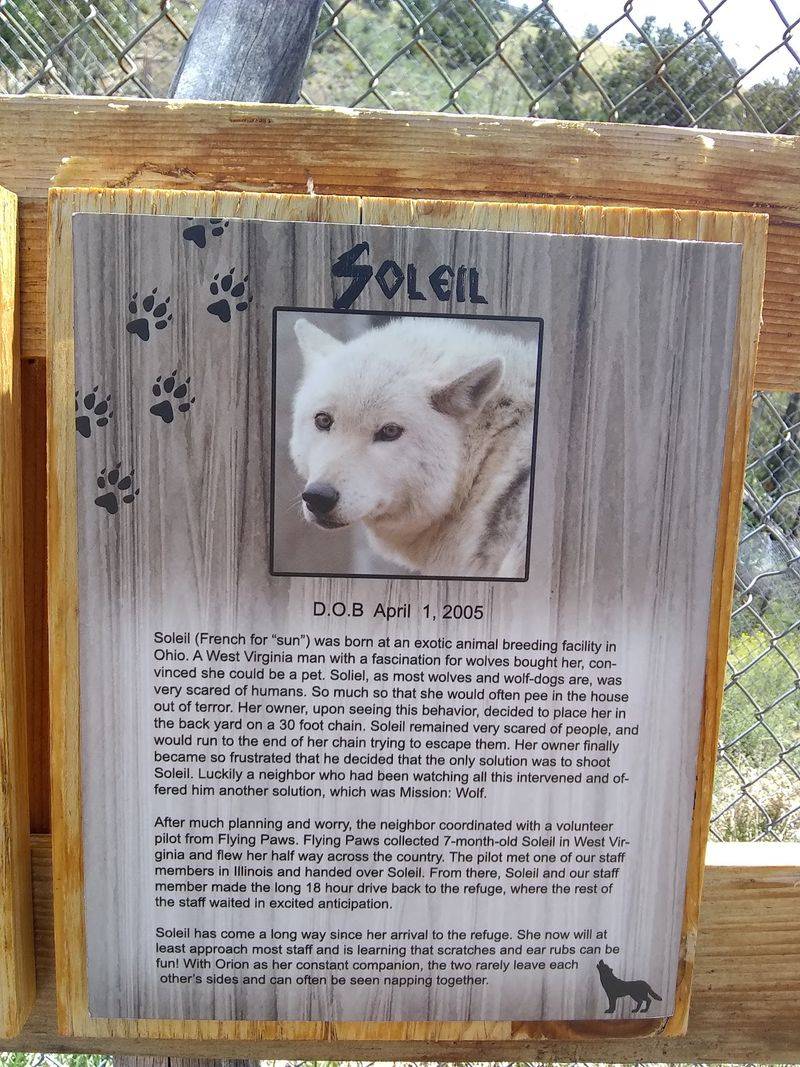
Running an off-grid wolf sanctuary in the Colorado mountains is not a low-cost endeavor, and Mission: Wolf is transparent about the fact that visitor support matters. The sanctuary recommends that guests consider making a donation, sponsoring one of the resident wolves, or simply purchasing something from the on-site gift shop as a way of contributing to the operation they just experienced.
Wolf sponsorship is a particularly appealing option for visitors who want to maintain a connection to a specific animal after they leave. You get information about the animal you have sponsored, and the money goes directly toward the care and feeding of the wolves.
Multiple visitors mention sponsoring an animal on their first visit and returning to check in on it later.
The gift shop carries wolf-themed merchandise and educational materials, and browsing it makes for a natural end to the tour before the drive back down the mountain. The sanctuary’s website, missionwolf.org, also accepts donations and provides more information about ongoing support options for people who want to stay involved from a distance.
Common Mistakes to Avoid: Do not arrive expecting a ticketed attraction with a set admission fee. Mission: Wolf operates on a donation model, and understanding that before you arrive helps you plan your contribution appropriately and support the mission meaningfully.