
This Arizona State Park Has A Waterfall You Can Actually Swim In
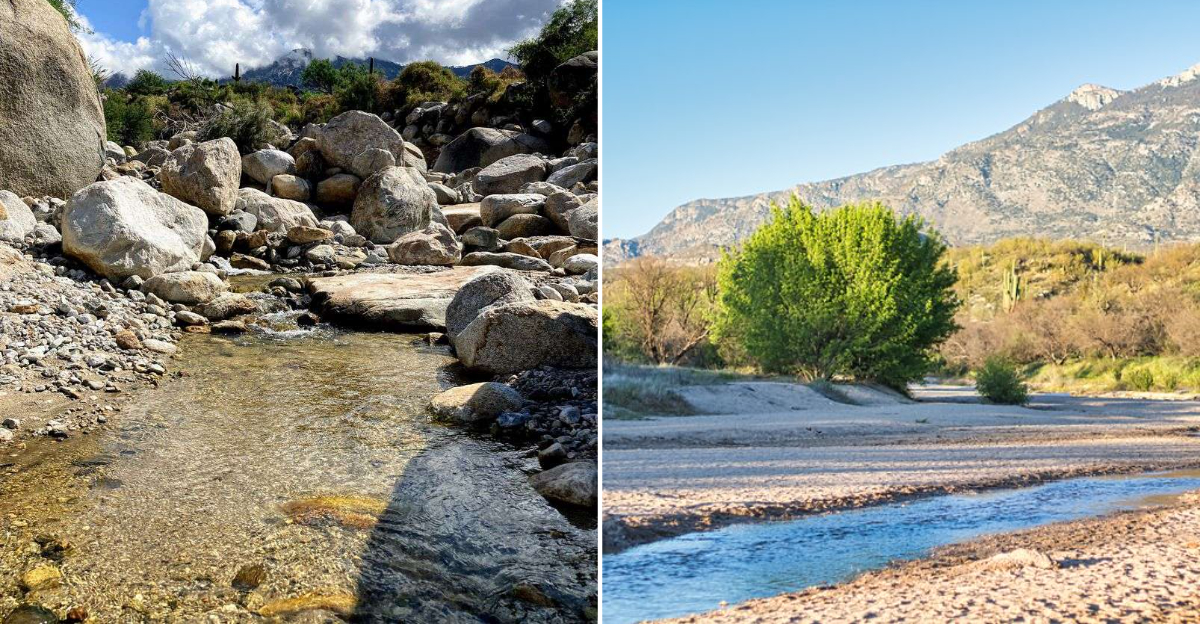
I’ll admit it, my idea of roughing it usually involves a hotel with slow Wi-Fi. But when my buddy swore up and down that a desert oasis with a swimmable waterfall was hiding out here in Arizona, my curiosity won out over my AC addiction.
Picture this: rugged cacti, scorching sunshine, and then, boom, a secret, ice-cold mountain stream inviting you to jump right in. If you told me I’d be dog-paddling in the desert, I would’ve laughed in your face.
But here I was, shedding my hiking boots faster than you can say “heatstroke,” ready to find out if this desert mirage was actually real. Pack a swimsuit and maybe a gallon of denial, because we are heading off the beaten path!
I spent two days there hiking, wading, watching javelina wander past my campsite, and staring at more stars than I could count.
What follows is everything I learned: where the swimmable pools hide, which trails match your energy level, what the nights sound like, and the small practical details that saved my trip. If you like desert scenery with a side of cold water, keep reading.
Where The Swimmable Waterfalls Hide
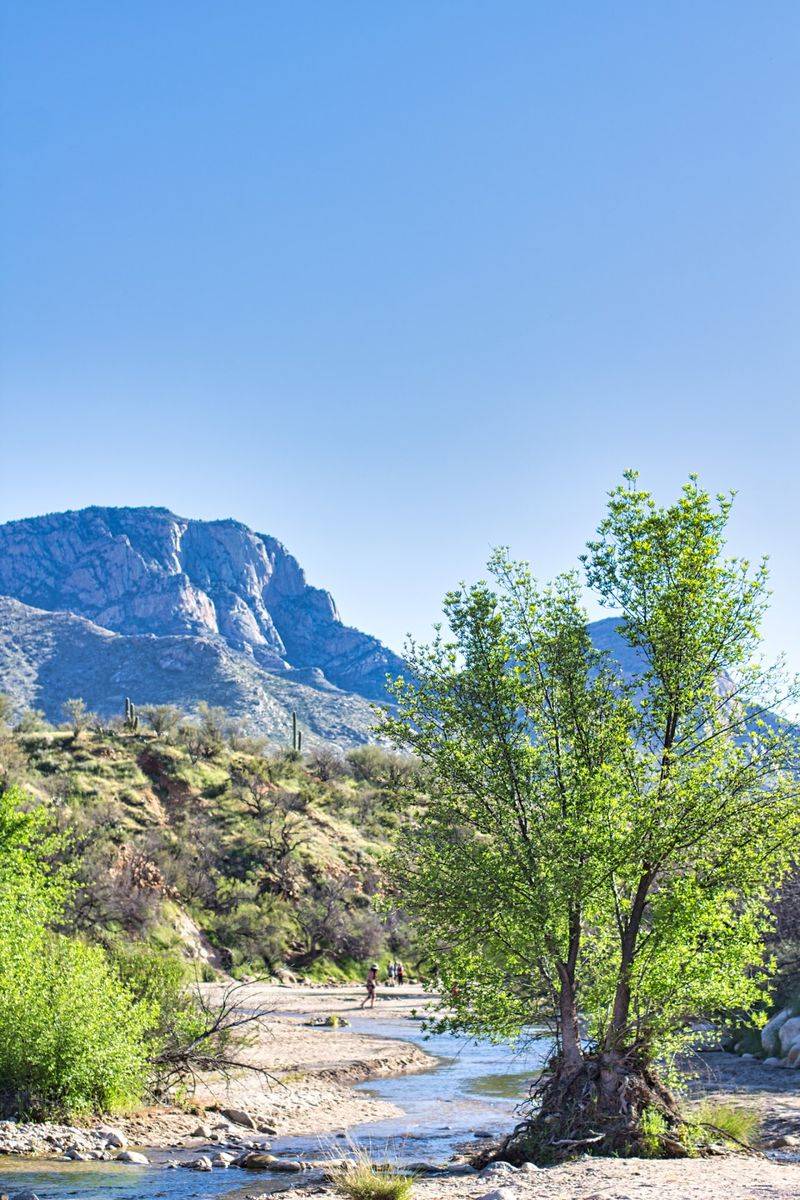
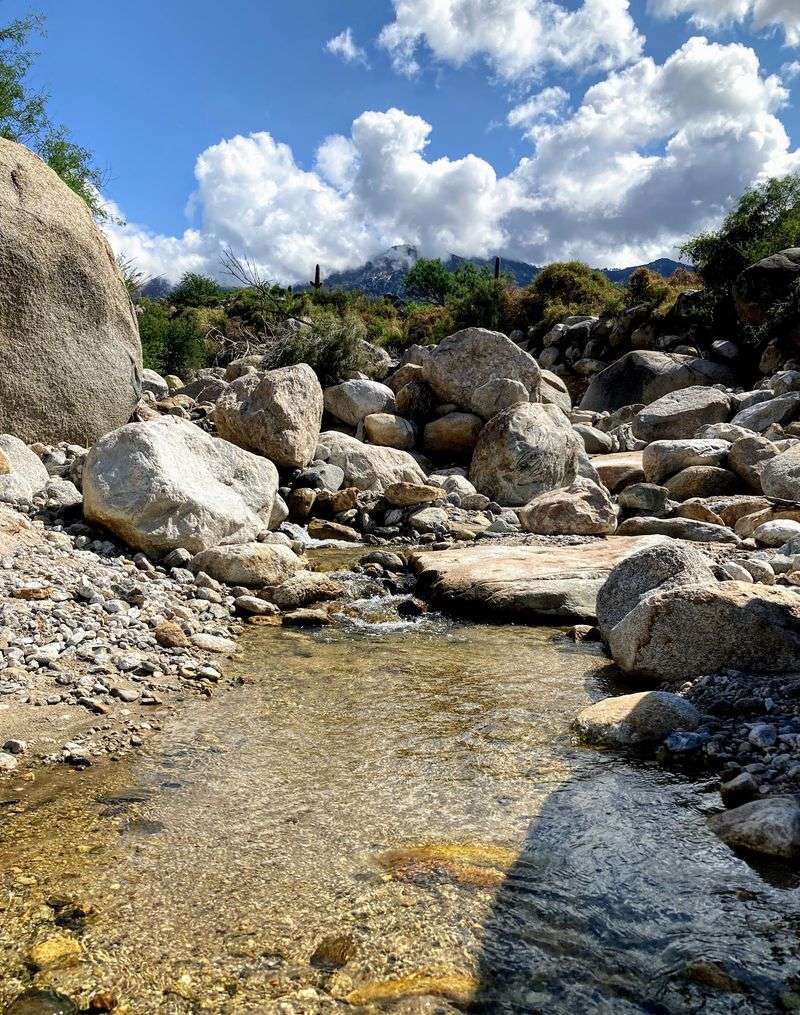
Nobody warned me that the desert keeps secrets in its creek beds. Along the water that runs through the © Catalina State Park, a chain of sweet little waterfalls drops into slickrock pools carved smooth by years of runoff.
They are not roaring, curtain-style cascades.
They are modest, cold, and just deep enough that I sat right down and let the water reach my collarbone while my boots dried on a warm rock nearby.
Walking upstream rewarded me even more. Mini falls, narrow water-worn chutes, and shallow basins appeared one after another, each one a little private tub with a mountain view.
Timing matters more than anything here. Flow depends on recent rain and snowmelt higher in the Santa Catalinas, so spring and the weeks after summer storms give you the best chance of finding water instead of dry stone.
My advice: wear shoes with grip, since wet slickrock is slippery, and check depth with a foot before committing. Sitting in cool water surrounded by saguaros still ranks as my favorite Arizona surprise.
Nearly 5,000 Saguaros Standing Guard
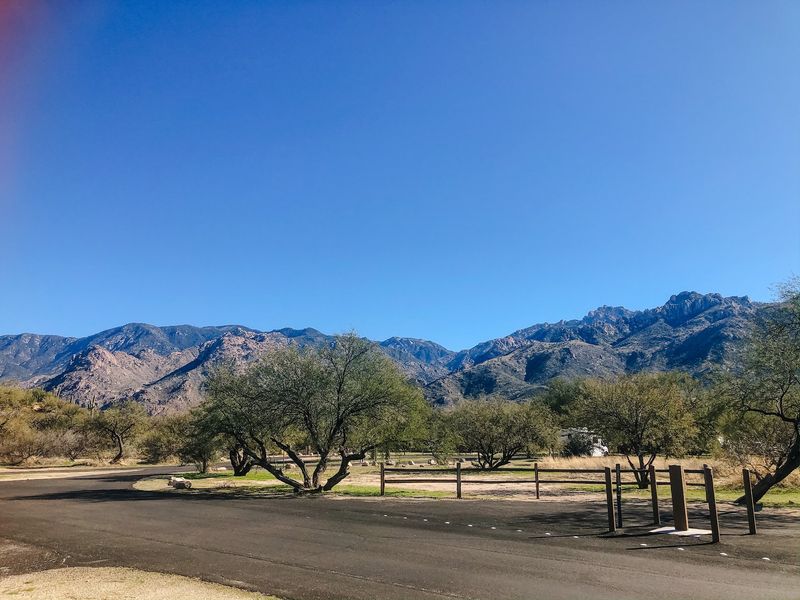
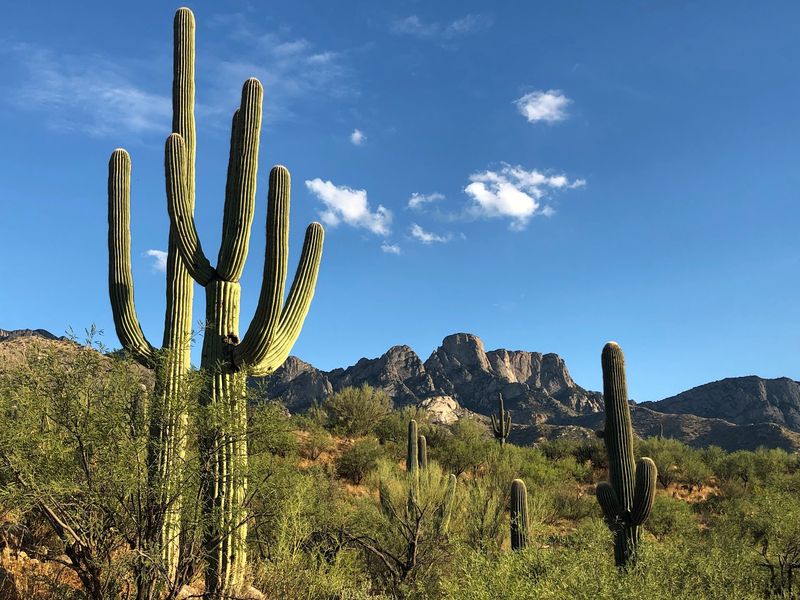
Counting cactus sounds like a strange hobby until you stand in the middle of nearly 5,000 saguaros and realize somebody actually did it. The park protects that many of the giant, arm-waving cacti across its foothills.
Up close, they are stranger than photos suggest. Ribs swell and shrink depending on how much water the plant holds, and woodpecker holes turn older ones into apartment buildings for desert birds.
The tallest ones I saw had to be well over 30 feet, and rangers explain that a saguaro may take decades before it grows its first arm. Patience, apparently, is the desert’s default setting.
Late afternoon is when the cactus forest earns its keep. Low sun turns the spines into gold fuzz and stretches shadows across the gravel in long stripes.
Keep a respectful distance while photographing, because those spines are unforgiving and the plants are protected by law. Look, admire, then step back. The saguaros have been holding this ground far longer than any of us.
Romero Ruins And The Hohokam Story
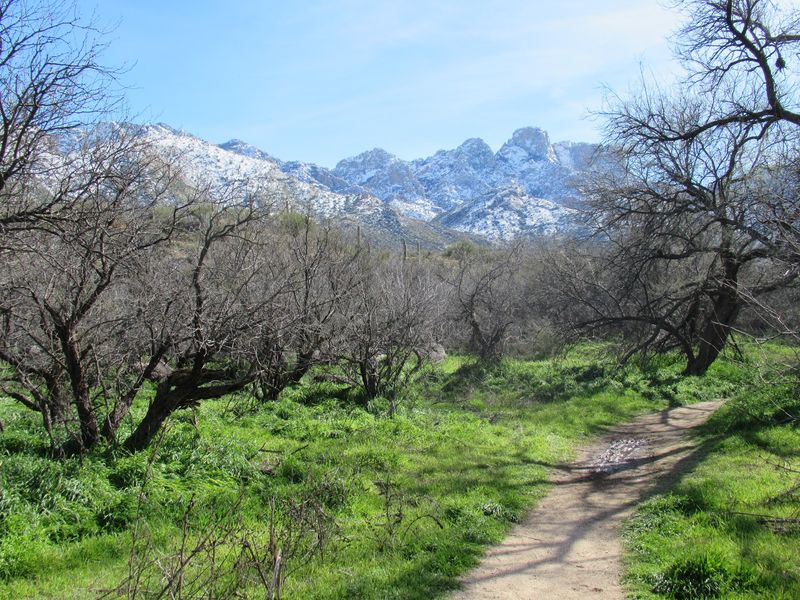
History sits quietly on a ridge here, marked by low stone walls that most visitors walk right past. The Romero Ruins Trail loops through the remains of a Hohokam village, along with traces of a later ranch site.
Interpretive signs fill in the blanks, describing how people farmed, traded, and built compound walls in this exact spot centuries before Tucson existed. Standing there, I kept thinking about how they managed water in a place that gives it out so sparingly.
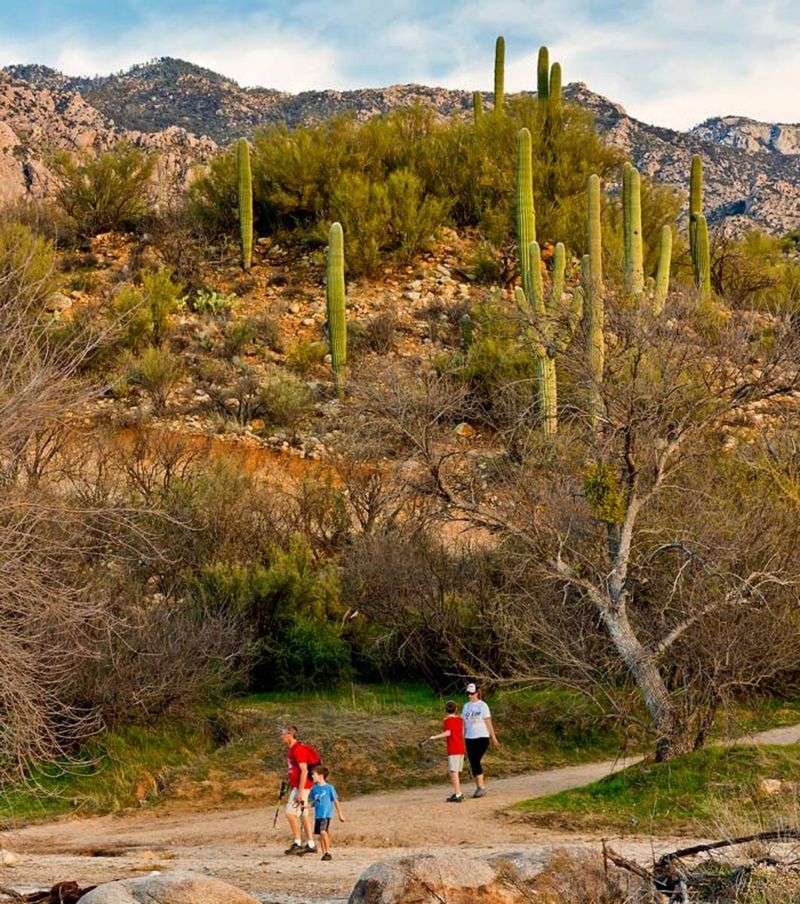
The walk itself is short and mostly easy, with a modest climb and a few stone steps. Families with younger kids handle it fine, and the views over the wash come free with the lesson.
Everything is protected, so nothing gets touched, moved, or pocketed. Even a small rock has a place in the record.
Go early, when the ridge is still cool and the signs are easy to read without squinting. I left with more questions than answers, which felt like the right souvenir.
Trails Tuned To Your Energy Level
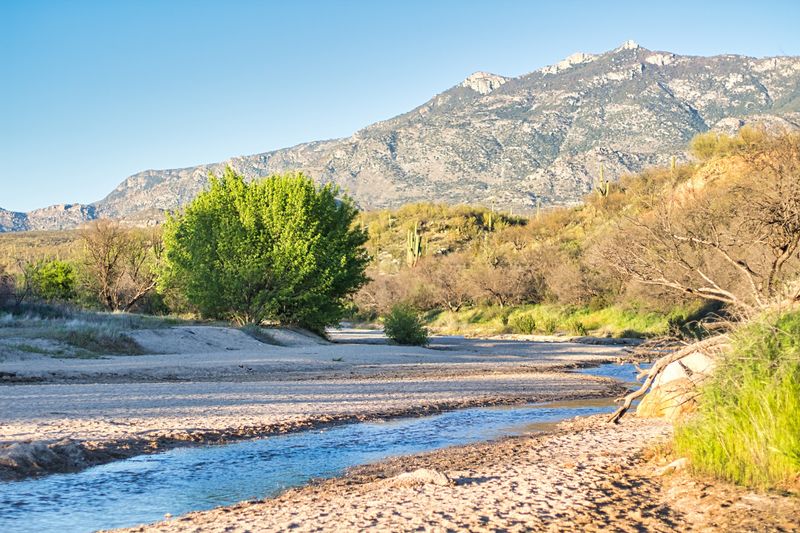
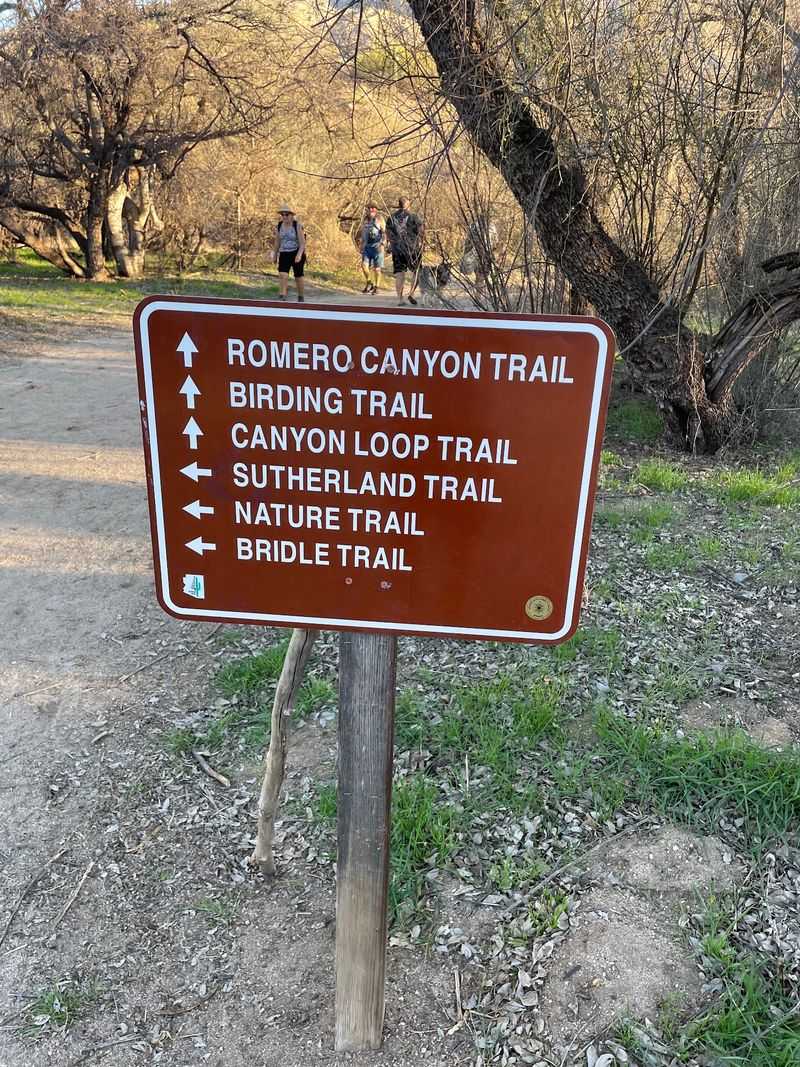
Some parks give you one signature hike. This one hands you a whole menu, and I sampled generously.
The Nature Trail and the Birding Trail work as gentle warmups, flat enough for conversation and short enough to squeeze in before breakfast.
Both wander through mesquite and grass where the desert feels surprisingly green.
Step up a level and the Canyon Loop Trail delivers creek crossings, mountain views, and a satisfying dose of rolling terrain without eating your entire morning.
Then there is the Sutherland Trail, which climbs into the Catalinas with a serious elevation gain of about 6,000 feet if you follow it all the way. I turned around long before the top and still felt like I earned lunch.
Mountain bikers and horseback riders share several routes, so a friendly heads-up when passing goes a long way.
Bring more water than feels reasonable, at least a gallon per person on longer days. The desert quietly collects whatever moisture you brought with you.
Birdwatching With 150 Species In The Mix
My binoculars got more use here than my camera, and that says something. More than 150 bird species have been recorded in the park, which explains why the parking lot fills with people carrying spotting scopes at sunrise.
Gambel’s quail scurried across the path in single file, cactus wrens rattled from the cholla, and a vermilion flycatcher flashed past like a spark. Along the creek, cottonwoods pull in warblers and flycatchers during migration seasons.
The dedicated Birding Trail is flat, short, and shaded in spots, which makes it easy to stand still and simply listen. Standing still, it turns out, is the whole trick.
Early morning brings the most activity, especially between March and May and again in late summer after storms wake the desert up.
Pack patience, a small field guide or a phone app, and a hat. I spent forty minutes watching one wash and identified nine species without walking more than a hundred feet.
Nights Full Of Javelina And Milky Way
Sunset flipped a switch. The desert I hiked through all day handed itself over to a completely different crew once the light faded.
Coyotes started their yipping conversation somewhere past the campground loop. A family of javelina trundled through the brush near my site, bristly and busy, ignoring me entirely, and a jackrabbit with ears like radar dishes bounced across the road.
Then I looked up. With Tucson’s glow held back by the mountains, the Milky Way spread across the sky in a pale band, and I could pick out satellites drifting between the stars.
The park protects 120 paved campsites with electric and water hookups, so sleeping over is comfortable rather than rugged.
Keep food sealed and stored, since curious wildlife has excellent noses and zero manners. Use a red headlamp to protect your night vision, and give yourself twenty minutes outside without looking at a phone screen. That single choice made the stars twice as bright.
Practical Details Worth Knowing Before You Go
A little planning turned my visit from good to genuinely easy.
Gates open daily at 5 a.m. and close at 10 p.m., while the visitor center staffs up from 8 a.m. to 5 p.m. with maps and current trail conditions.
Entry runs about $7 per vehicle for up to four adults, which felt like a bargain for a full day of mountains and water.
Camping is wildly popular, so reserve months ahead if you want one of those hookup sites, especially during the cooler winter and spring months.
Temperatures can swing as much as 30 degrees between the trailhead and higher elevations, so layers beat bravery every time. I started one morning in a fleece and finished in a t-shirt.
No food vendors operate inside the park, so pack snacks and plan a meal in nearby Oro Valley or Catalina afterward. Bring cash or a card for the gate, a hat, and shoes you do not mind soaking.
Wildflower Season Along Canyon Loop
Time your visit for late February through early April and the desert floor practically glows. Mexican gold poppies spill across the washes near Canyon Loop, mixed with purple lupine, owl clover, and the occasional flash of a blooming ocotillo tip.
Wet winters make the show bigger, so check the park’s bloom updates before driving out. Mornings work best, since the poppies close up once the afternoon wind picks up.
Bring a camera and stay on the trail. Those tiny plants bounce back slowly, and one careless footstep flattens what took months of rain to build.
The best displays often sit in open stretches where the morning sun reaches the ground first. Cooler temperatures also make the walk far more comfortable before the desert starts warming up.
Pause at the overlooks and scan the washes below, since patches of color can appear well beyond the trail edge. Bloom timing can shift from year to year depending on rainfall and temperature.
Some seasons produce broad carpets of flowers, while others bring smaller pockets scattered across the landscape. The contrast between bright blooms and rocky desert terrain makes even short walks feel especially photogenic.
A slow pace gives you the best chance to notice the smaller flowers mixed among the poppies.