
8 Ohio Areas Where Black Bear Sightings Keep Popping Up This Late Summer
A black bear showing up on a backyard camera can turn an ordinary Ohio morning into neighborhood news fast. Sightings have been drawing more attention lately, especially as roaming bears move through wooded areas near homes and rural roads.
Many of these visitors are young males covering serious ground while searching for territory and food. I find their journeys fascinating because every sighting adds another piece to the state’s changing wildlife story.
A bear may appear on a trail camera one week, then turn up miles away soon after. That does not always mean several bears are nearby, either.
Sometimes one determined traveler is responsible for a whole string of reports. Here are eight Ohio areas where recent bear activity has caught attention, along with practical ways to stay safe when one wanders nearby.
Ashtabula County
Way up in Ohio’s northeast corner, Ashtabula County has quietly become one of the state’s steadiest spots for bear activity.
The county sits close to Pennsylvania, where bear populations are much larger, so young males can wander across the border while dispersing, especially in late spring and early summer.
Rolling woods, quiet farm roads, and plenty of wild berries give these travelers exactly what they crave when they roll into town.
Residents here have documented roaming bears on trail cameras and around rural properties, adding to the county’s growing number of reported sightings.
If you live in this area, keep pet food indoors and secure your trash cans, since a curious bear will happily investigate an easy snack.
Birdfeeders are another magnet, so many residents take them down until colder weather arrives and the bears settle in for winter.
Hikers exploring the county’s forests should make a little noise while walking, giving any nearby bear a chance to move along peacefully.
Ashtabula proves that Ohio’s bear country starts right at the state line, and the sightings only seem to grow each season.
Montville Township, Geauga County

Montville Township in Geauga County has recorded multiple bear sightings, including appearances captured on residential cameras.
The mix of dense woodlots and open farmland here creates cover for bears while offering easy meals like corn, berries, and insects.
The township’s wooded rural landscape gives roaming bears plenty of cover as they move between undeveloped areas and residential properties.
What I find neat is how well the community has adapted, sharing sighting reports so neighbors know when a bear is passing through.
Late summer brings a big appetite for these animals as they fatten up before the cooler months, so food sources become a huge draw.
Homeowners who keep grills clean and compost piles covered tend to see fewer curious visitors sniffing around their yards.
Wildlife officials encourage folks to report sightings, which helps track how bears move through the township year after year.
Drivers should stay alert on rural roads at low light, since a bear crossing can appear without much warning. Montville shows how country living and wandering bears can share the same peaceful landscape.
Aurora, Portage County

Suburban Aurora in Portage County has surprised plenty of residents by welcoming bears into its leafy neighborhoods.
This city blends busy shopping areas with wooded pockets, giving traveling bears green corridors to slip through unnoticed.
During late summer, a young bear searching for its own turf may wander far from wilder land and end up strolling past backyards.
Cameras and resident reports have documented bear activity around Aurora, sparking plenty of attention among local residents.
I always remind folks that a bear passing through town is usually just looking for food and will move on if left alone.
The best thing residents can do is remove easy temptations like unsecured garbage, pet bowls, and hanging birdfeeders.
Never try to feed or follow a bear for a photo, since keeping a respectful distance protects both you and the animal.
Aurora’s parks and nature areas make it easy for bears to travel while staying mostly out of sight during daylight. The town reminds us that even a busy suburb can host a wild guest when summer food is plentiful.
Cuyahoga County Eastern and Southern Suburbs
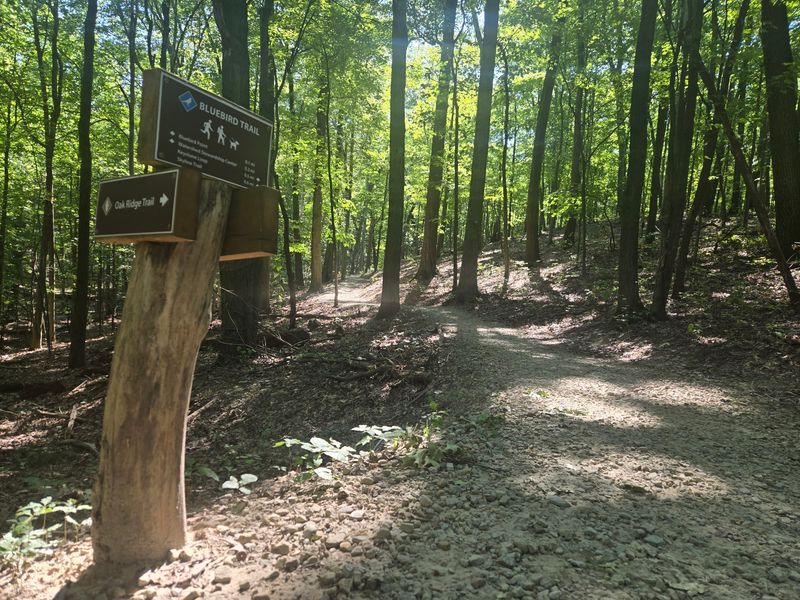
Even close to Cleveland, eastern and southern Cuyahoga County suburbs have recorded several recent bear reports.
Metro parks and river valleys stitch together patches of forest that let bears move quietly through developed areas.
These green pathways act like highways for wildlife, connecting suburban woods to wilder land farther out.
People strolling park trails have occasionally glimpsed a bear crossing in the distance, then vanishing back into the trees.
Bear sightings can increase during late spring and early summer as roaming animals travel farther and sometimes wander close to homes.
My advice for suburban residents is simple: keep trash secured and skip leaving snacks outdoors for pets or wildlife.
Park visitors should stay on marked trails and give any bear plenty of room rather than approaching for a closer look.
Wildlife experts note that most of these bears are just passing through, not settling down in busy neighborhoods. Seeing a bear near a major city shows how adaptable these animals can be when forests and suburbs overlap.
Mohican State Park, Ashland County
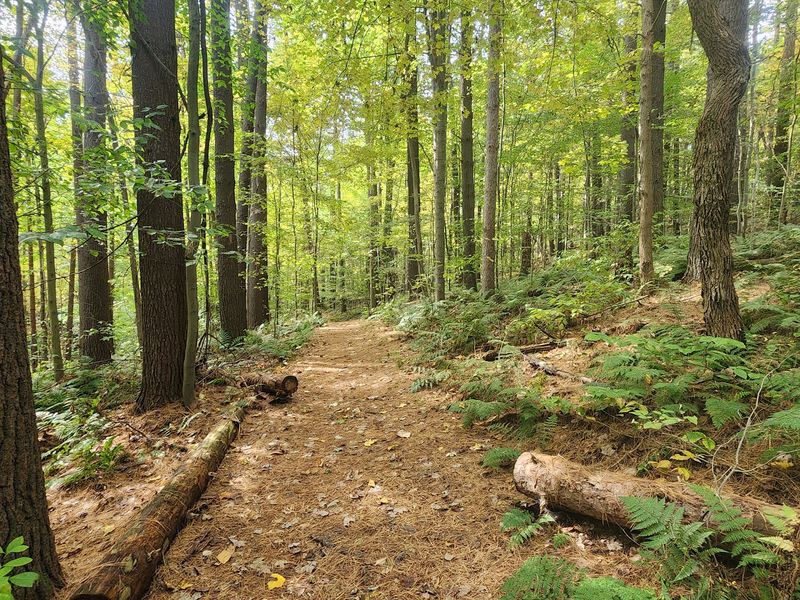
Deep in Ashland County, Mohican State Park offers exactly the kind of wild scenery a bear loves to explore.
Towering hemlocks, a scenic gorge, and the Clear Fork River create shady, food-rich habitat perfect for a wandering visitor.
Hikers and campers here have shared occasional bear sightings along quiet trails and near forest edges during warmer months.
The park’s remote feel makes it a natural draw for bears seeking berries, nuts, and the cover of thick woods. Late summer means bears are busy eating as much as they can, so campgrounds must stay especially tidy.
Storing food in sealed containers and cleaning up after meals keeps curious bears from wandering into your campsite.
I always pack my snacks away carefully here, because a messy tent is basically an open invitation to wildlife.
If you spot a bear while hiking, calmly back away and give it space rather than chasing a closer photo. Mohican blends outdoor adventure with occasional bear activity, making it a memorable place to explore responsibly and stay alert.
Bellville, Richland County
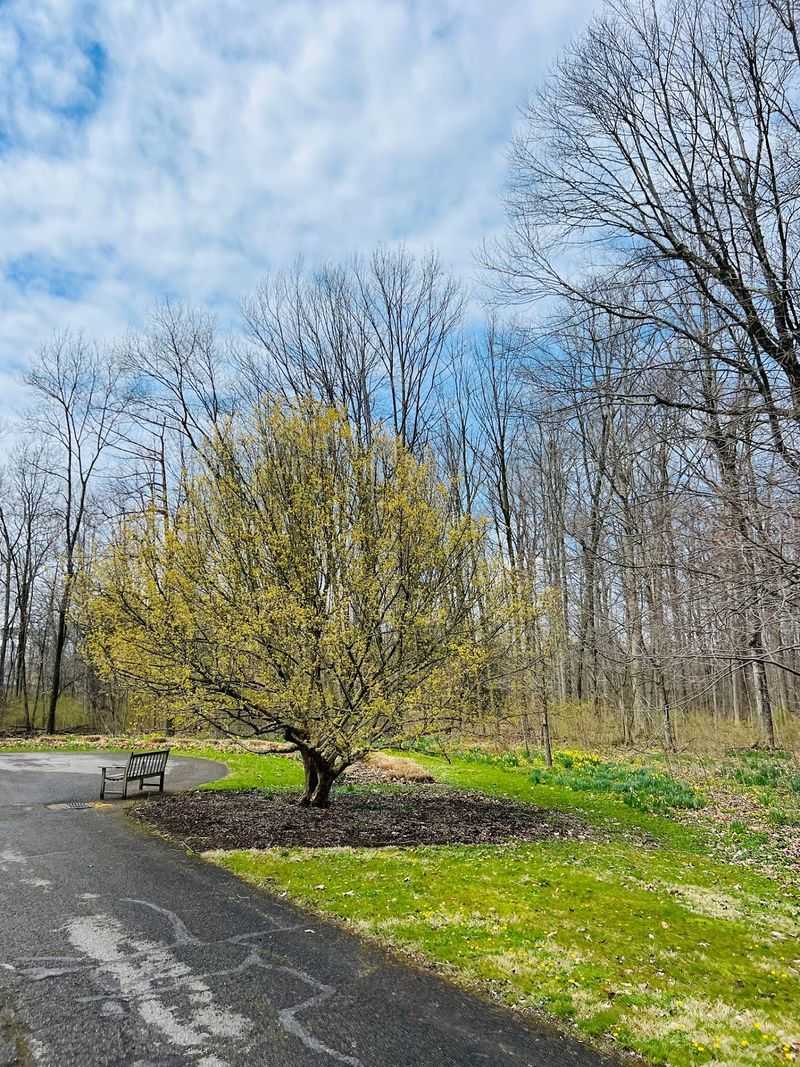
Small-town Bellville in Richland County has quietly joined the list of places where bears turn heads.
Surrounded by rolling hills and farmland, this village sits near enough to wooded country that bears can wander in with ease.
Residents have reported bear activity around farm fields, roadsides, and residential properties during recent sightings.
What makes Bellville interesting is how a compact community can suddenly find itself hosting a very large, furry guest. Farm fields and food around rural properties can tempt roaming bears to spend more time near developed areas.
Folks living here have learned to secure livestock feed and lock up trash so bears do not linger too long.
I love how neighbors trade sighting stories, keeping everyone informed and a little more careful outdoors.
If you encounter a bear near the fields, stay calm, back away slowly, and let the animal continue on its way.
Bellville proves that even quiet farm towns can become part of Ohio’s growing bear map when the food is right.
Pomeroy, Meigs County
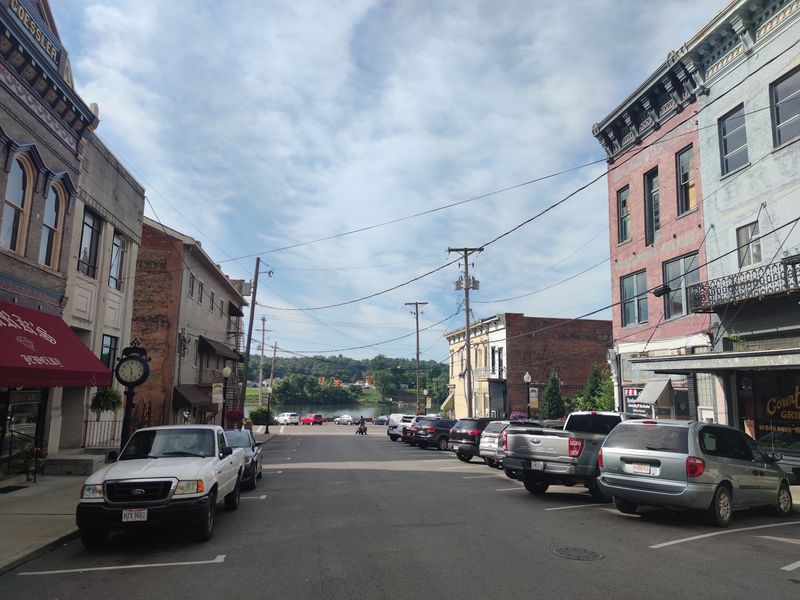
Down along the Ohio River, Pomeroy in Meigs County sits in some of the state’s most bear-friendly territory.
The rugged Appalachian hills here are thick with forest, giving bears endless cover and a steady supply of wild food.
Southeast Ohio provides suitable habitat for roaming black bears, although the state’s strongest evidence of an established breeding presence remains in northeastern Ohio.
Residents often spot bears moving through hollows and along wooded ridges, especially as summer winds down.
Because bears occasionally move through this part of Ohio, residents should keep food and trash secured whenever one is reported nearby.
Securing garbage, feeding pets indoors, and taking down birdfeeders all help keep bears from getting too comfortable near homes.
I find this region fascinating because it feels like true bear country, tucked into Ohio’s quiet southern corner.
Anyone hiking these hills should stay aware, make noise on the trail, and respect the space these animals need.
Pomeroy stands as a reminder that roaming black bears can turn up even in Ohio’s rugged, forested southeast.
Cincinnati East Side, Clermont-Hamilton County Corridor

Over on Cincinnati’s east side, the corridor between Clermont and Hamilton counties has produced some genuinely surprising bear reports.
Wooded ravines and green suburban edges give bears just enough cover to slip through this busy part of southwest Ohio.
A wandering young bear can travel a long way, and this corridor connects wilder land to leafy neighborhoods.
Residents have shared trail camera clips of bears passing through, sparking plenty of buzz among local neighbors.
Recent sightings here occurred in early summer as a roaming young male traveled through several communities.
Homeowners can help by securing trash bins, cleaning grills, and removing any easy snacks left outdoors.
Never approach a bear for a selfie, since giving the animal room keeps everyone safe and lets it move on.
This area shows how far a single roaming bear can travel, reaching communities on the doorstep of one of Ohio’s biggest cities.
The Cincinnati corridor caps off our tour, reminding us that bear country in Ohio stretches wider than most people ever imagine.