
Quiet Beach Towns In Maine To Visit Before The Biggest Crowds Arrive
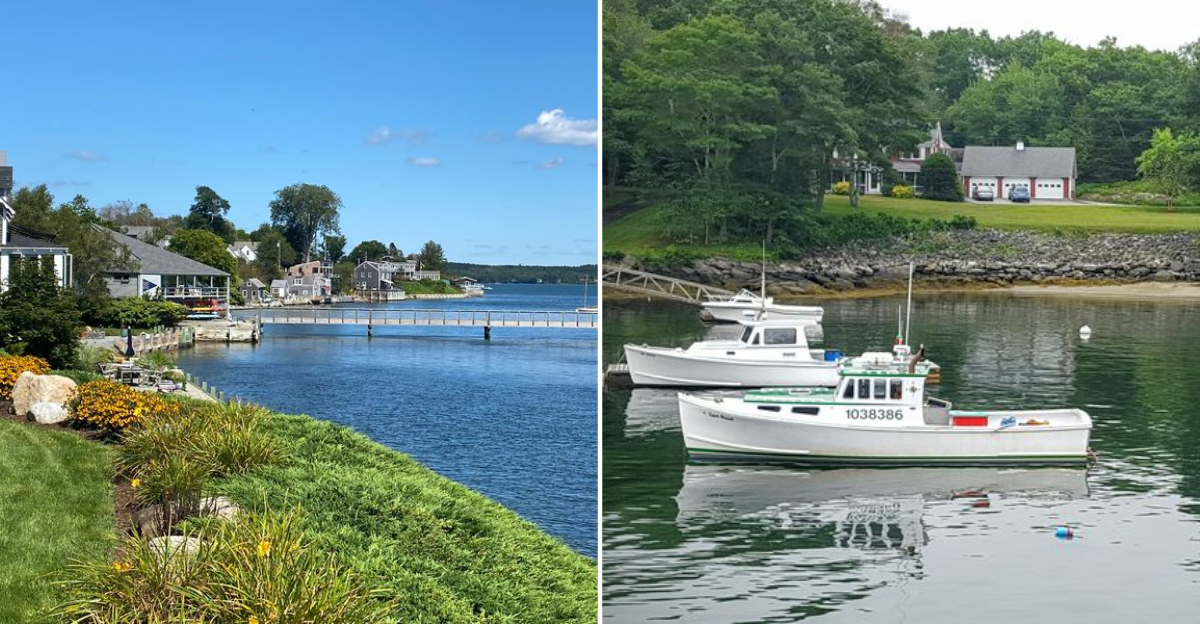
There’s something about Maine’s coast that makes a quick stop turn into half a day without you really noticing. I’ve pulled into small harbor towns thinking I’d stretch my legs for twenty minutes, then caught myself still wandering around hours later.
The quieter season makes these places even better, especially when the beaches have more breathing room and the streets feel relaxed. A few spots have surprises you would never guess were there, including a beach where the stones seem to sing as the waves roll in.
Another lets you swim in the ocean, then walk a short distance to a freshwater pond. Add old lighthouses and working fishing harbors, and there’s plenty to keep you curious.
These eleven coastal towns are made for slowing down and seeing what turns up around the next bend.
Georgetown, Maine
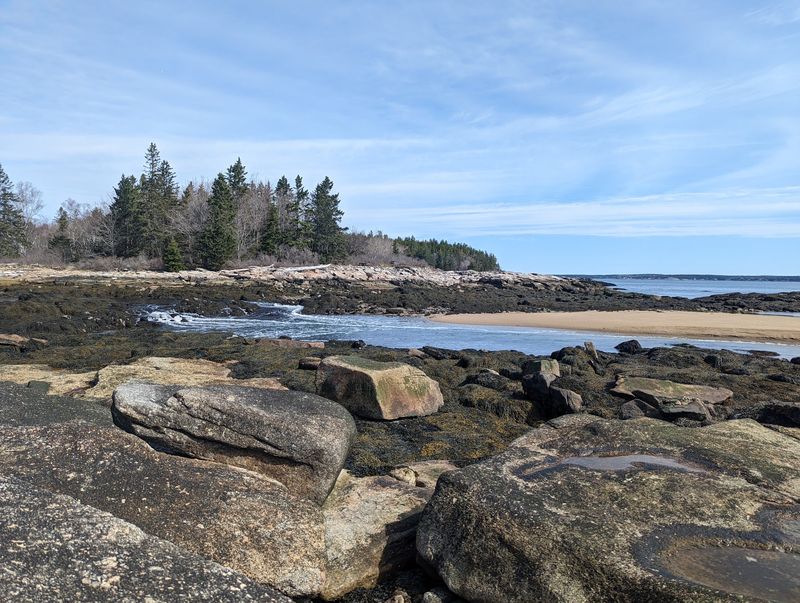
Sitting on an island wedged between the Sheepscot and Kennebec Rivers, Georgetown feels like the kind of place where time slows down and nobody minds. It’s part of Sagadahoc County in MidCoast Maine, and folks have lived here since the Abenaki and Wabanaki peoples called it home.
English explorer George Popham tried to settle here back in 1607, though the harsh winter chased everyone away. The town was incorporated in 1716 as Georgetown-on-Arrowsic, taking its name from Fort St. George, and it later grew around shipbuilding, fishing, and farming.
Today the big draw is Reid State Park, with sandy beaches, rocky headlands, and plenty of birds to spot. When your stomach rumbles, Five Islands Lobster Co. serves up fresh seafood right by the water.
History buffs can stop by the Georgetown Historical Society Museum at 20 Bay Point Road, where old photos and artifacts tell the town’s story. Artists and retirees love the sleepy, creative energy here.
If a calm fishing village with a splash of history sounds like your speed, Georgetown will happily welcome you before the summer buzz begins.
Phippsburg, Maine
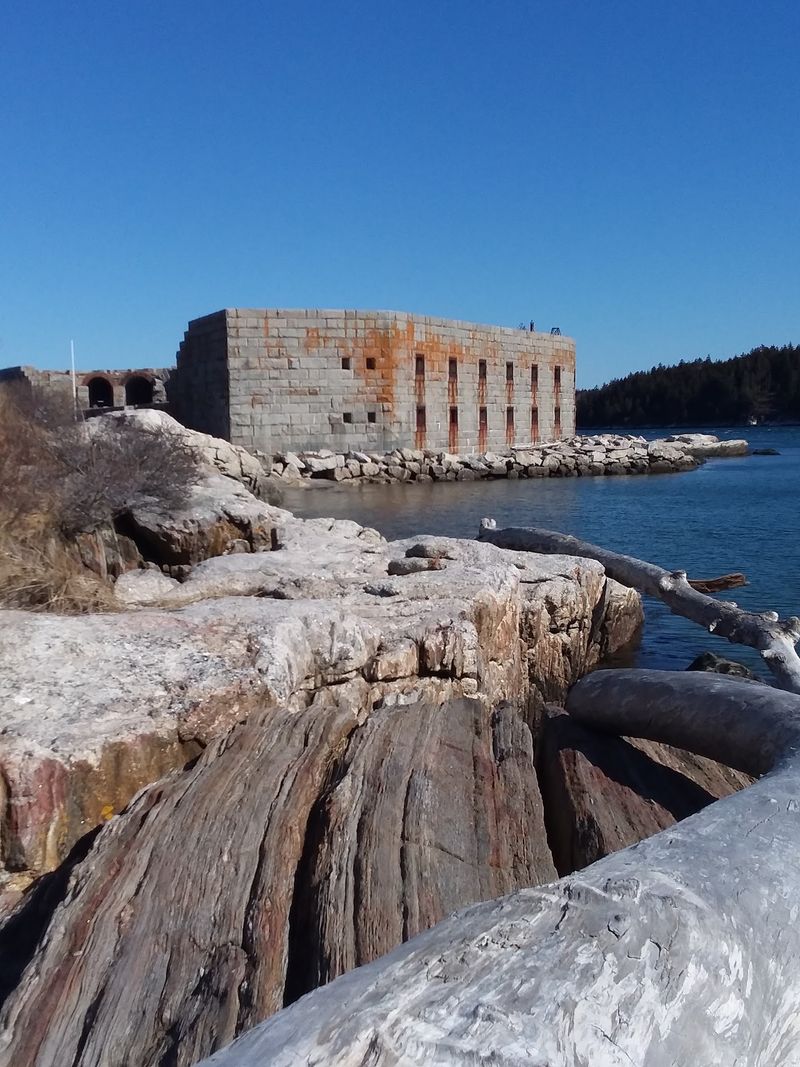
History practically leaks out of the sand in Phippsburg, a peaceful town on the western side of the Kennebec River’s mouth in Sagadahoc County. Way back in 1607, the Popham Colony set up shop here as the first English settlement attempt in New England.
Those early colonists even built the Virginia of Sagadahoc, often called the first ship in Maine’s long shipbuilding tradition. Not bad for a settlement that only lasted a year or so.
The star attraction is Popham Beach State Park, a glorious stretch of sand where the river greets the ocean, perfect for swimming and lazy afternoons. Two forts stand guard nearby: granite Fort Popham, begun in 1861 during the Civil War, and Fort Baldwin, built in the early 1900s before World War I.
Craving a hike? The Bates-Morse Mountain Conservation Area leads walkers to Seawall Beach, where piping plovers nest, plus an easy climb up Morse Mountain for sweeping views.
Between the historic forts, untouched trails, and quiet shoreline, Phippsburg gives you a relaxing escape from busier coastal spots. Come early and you’ll have those wide beaches almost to yourself.
Bristol / New Harbor, Maine
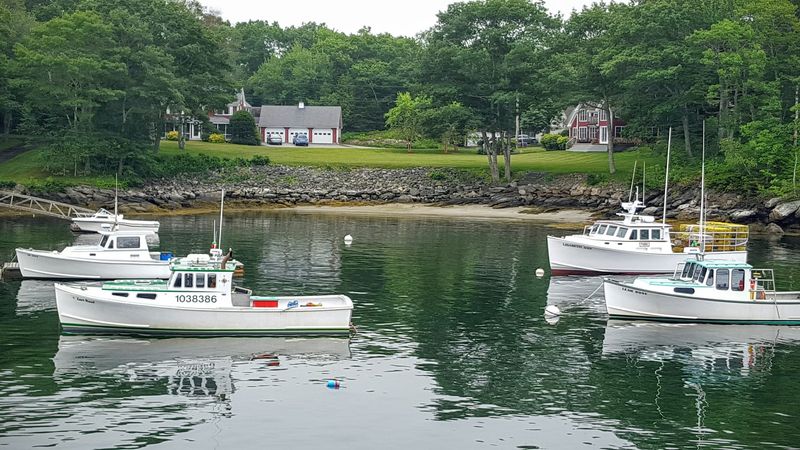
Reader’s Digest once named Bristol one of “America’s Nicest Places,” and honestly, that tracks. Tucked onto the Pemaquid Peninsula in Lincoln County, Bristol and its village of New Harbor deliver that classic MidCoast feel without the tourist swarm.
New Harbor is a real working harbor, scenic and a little remote, where lobster boats come and go like it’s the most natural thing in the world. You can feel the authenticity in the salty air.
Families flock to Pemaquid Beach Park at 27 Snowball Hill Road, where the sand sparkles with mica and there are restrooms, showers, and picnic tables. It’s open from June through early September.
The showstopper is Pemaquid Point Lighthouse Park at 3115 Bristol Rd, commissioned in 1827 by John Quincy Adams and rebuilt in 1835. Inside the Keeper’s House, the Fishermen’s Museum shares local maritime tales.
Nearby, the Colonial Pemaquid State Historic Site holds a replica of Fort William Henry and archaeological treasures dating back thousands of years.
With cozy shops and hidden coves scattered around, this peninsula rewards slow, curious wandering. It’s a peaceful corner worth catching before the crowds discover it too.
Southport, Maine
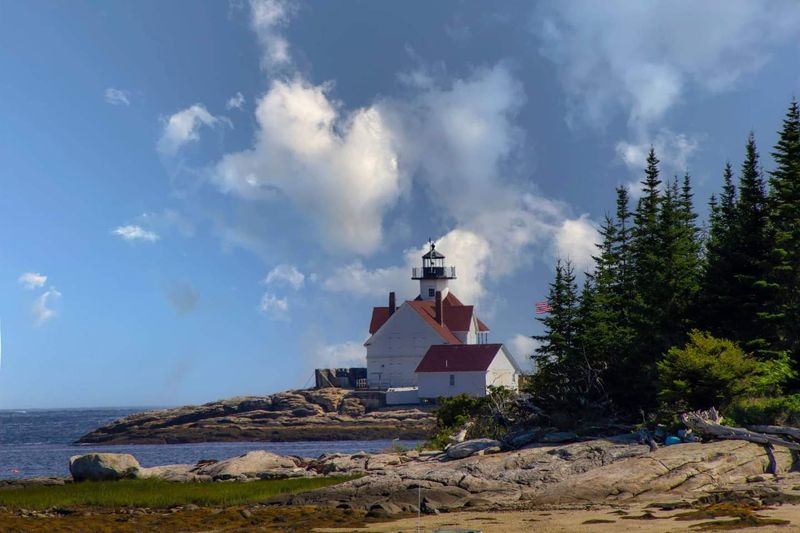
Cross a historic swing bridge and you’ll land in Southport, a little island community in Lincoln County that feels miles away from the busy coast. With just over 600 residents, this town runs on a wonderfully slow rhythm.
Incorporated back in 1842, Southport wraps you in tranquil harbors, winding roads, and cliffside views that beg you to pull over and stare at the water. Calm inlets make quiet moments easy to find.
Maritime history runs deep here, and the friendly locals are happy to share it. To dig into the past, visit the Hendricks Hill Museum at 419 Hendricks Hill Road, open Tuesday, Thursday, and Saturday from 11 a.m. to 3 p.m. during July and August.
Lighthouse fans, look sharp. From the public landing you can spot the Cuckolds Lighthouse offshore, and the Burnt Island Lighthouse is reachable by Balmy Day Cruises.
Whether you explore by foot or by boat, Southport keeps things gentle and uncrowded. It’s a lovely place to soak up genuine Maine scenery without elbowing through visitors.
Pack your curiosity and a camera, because this island quietly steals hearts before the peak season even starts.
Owls Head, Maine
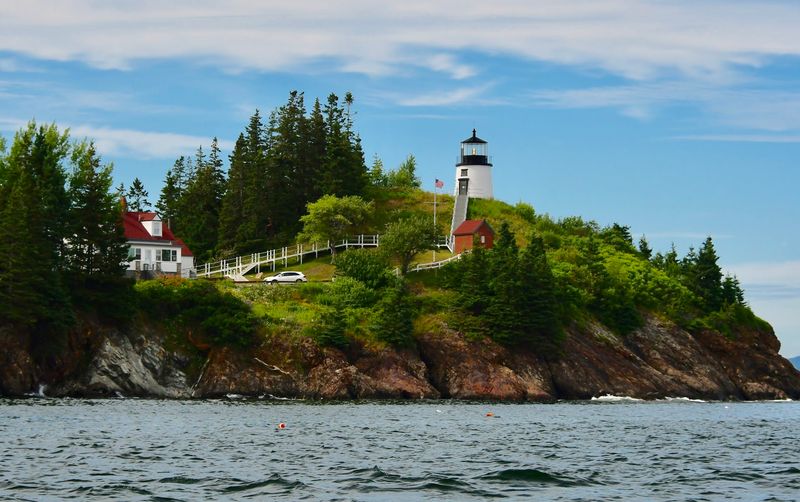
Named for the way its peninsula looks like an owl’s head on the map, this Knox County town earns points for personality alone. Owls Head keeps things secluded, with quiet beaches and a tight-knit community that clearly loves coastal living.
The town’s landmark is the Owls Head Light Station, a granite lighthouse built in 1825 and rebuilt in 1852. Perched 100 feet above Penobscot Bay, it guards the entrance to Rockland Harbor, and you can walk right up for panoramic views.
Beach lovers should head to Birch Point Beach State Park, home to a crescent-shaped pocket beach known locally as Lucia Beach. It’s popular for swimming and easygoing shoreline strolls.
Crescent Beach and Crocket’s Beach add more sand-and-stone spots for relaxing without any noise. These little shores rarely feel packed.
Gearheads shouldn’t skip the Owls Head Transportation Museum, which shows off historic cars, aircraft, motorcycles, bicycles, and other transportation technology spanning more than a century. It’s a surprising treat in such a small place.
Rustic, calm, and full of salty charm, Owls Head is the kind of stop that leaves you planning a return trip before you’ve even left.
Lincolnville, Maine
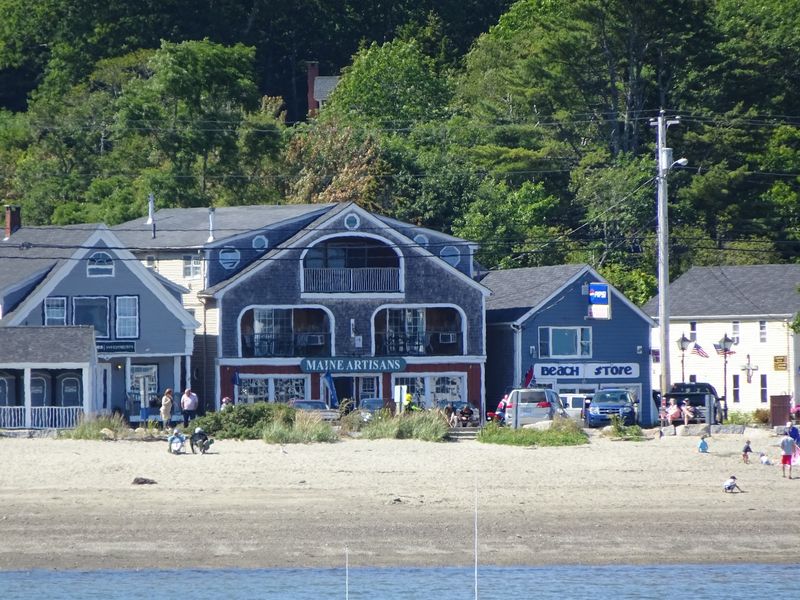
Locals like to think of Lincolnville as a well-kept secret, and after one visit you’ll understand why they keep quiet about it. This Waldo County village mixes beaches, lakes, mountains, and the wide Penobscot Bay into one tidy package.
Settled in 1770 and named after Revolutionary War General Benjamin Lincoln, the town swells with outdoor lovers in warm months yet somehow keeps its unhurried feel.
Lincolnville Beach sits right on US Route 1, a small strip of sand and shingle with views of Islesboro Island, a short ferry hop away. You’ll even spot historical War of 1812 cannons standing watch.
For quieter ground, the roughly 10-acre Murray Preserve off Howe Point Road includes a seven-acre field beside a state-owned cobblestone shoreline, especially pretty when the asters bloom.
A little over half of Camden Hills State Park lies within Lincolnville, giving hikers access to an extensive network of trails. Reach Mount Battie and you can see Camden Harbor, Penobscot Bay, and even Cadillac Mountain on clear days.
Freshwater fans can splash at Breezemere Park on Norton Pond, which has a deep-water swim float.
So many landscapes in one small town make Lincolnville a delightful place to unwind.
Searsport, Maine
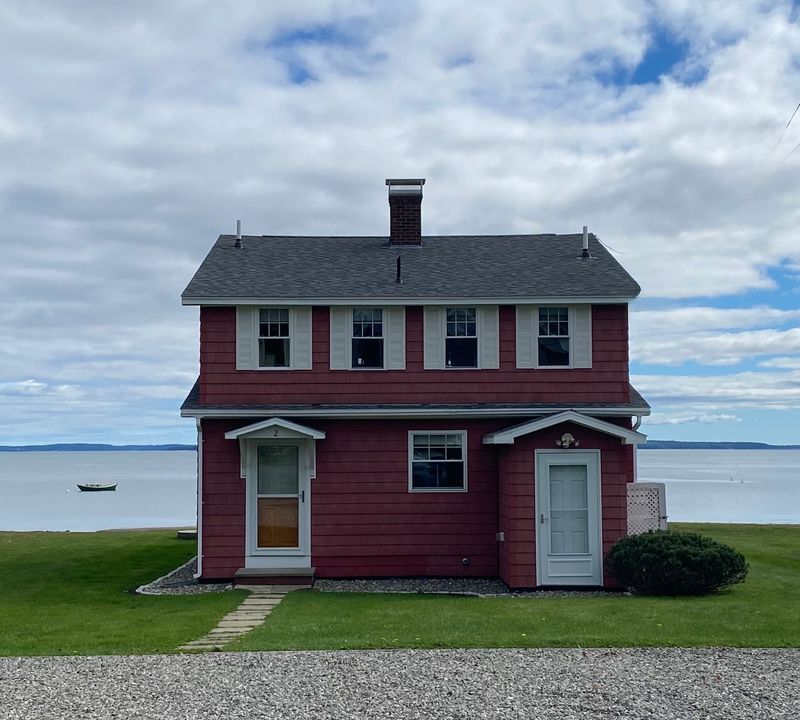
Antique hunters already know Searsport as the “Antique Capital of Maine,” but this deep-water seaport in Waldo County has a quieter side too. Sitting on the western shore of Penobscot Bay, it was settled in the 1760s and once housed nearly 300 sea captains.
The real gift here is Sears Island, reachable by a simple causeway. Spanning 940 acres, with roughly 600 protected by a conservation easement, it’s the largest undeveloped island you can reach by causeway on the Eastern seaboard.
Indigenous people called the island Wassumkeag, a name commonly translated as shining beach, and its pebbly shores still shimmer today. Visitors can relax by the bay, listen to the waves, and wander forested paths and old roads on foot or by bike.
Back downtown, historic brick and stone buildings now hold shops and cafes, giving the streets a charming, storybook look.
Don’t miss the Penobscot Marine Museum, which celebrates the region’s seafaring history with treasures captains carried home from around the world.
Between the peaceful island trails and the town’s rich past, Searsport lets you slow down and breathe. It’s a genuine Maine stop that stays calm well into the season.
Castine, Maine
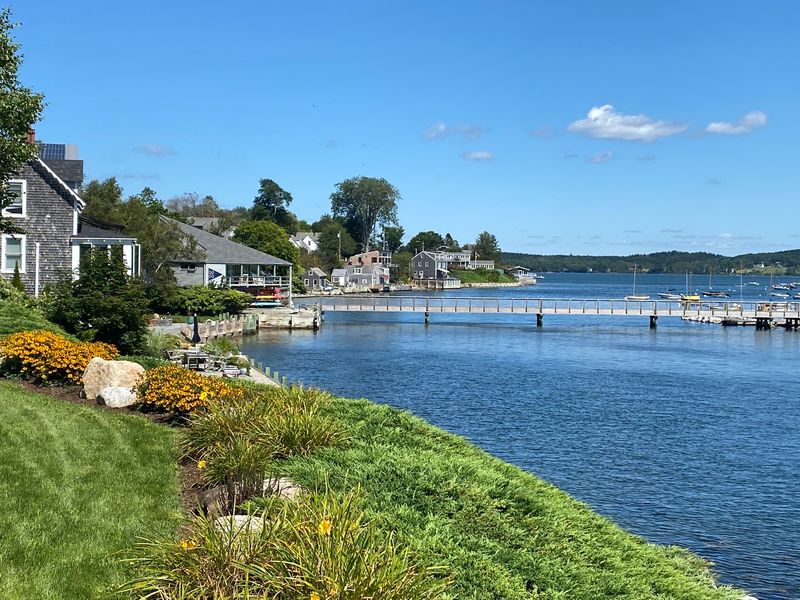
Yankee Magazine crowned Castine one of the “10 Prettiest Coastal Towns in Maine,” and this Hancock County village lives up to the praise. Perched on Penobscot Bay, it’s one of the oldest continuously occupied communities in North America, with over 400 years of documented history.
French, Dutch, English, and Native American nations all held sway here over the centuries. Today the town wears its past proudly, with more than 100 historic markers lining tree-shaded streets full of Georgian and Federal homes.
Wadsworth Cove Beach, also called the Back Shore, offers a rocky-sand shoreline that’s safe for swimming and downright dreamy at sunset. The 1828 Dyce Head Lighthouse adds a scenic stop, and while the keeper’s house is a private residence, the lighthouse grounds are open to visitors and the tower opens on select dates.
The Maine Maritime Academy calls Castine home, and its training ship, The State of Maine, often docks in the harbor. Hikers can roam 4.2 miles of trails through the peaceful Witherle Woods preserve.
Castine even protects its beloved elm trees, keeping a leafy green canopy over its lanes.
Still overlooked by big crowds, this history-rich town is a peaceful treasure waiting patiently for thoughtful travelers.
Lubec, Maine
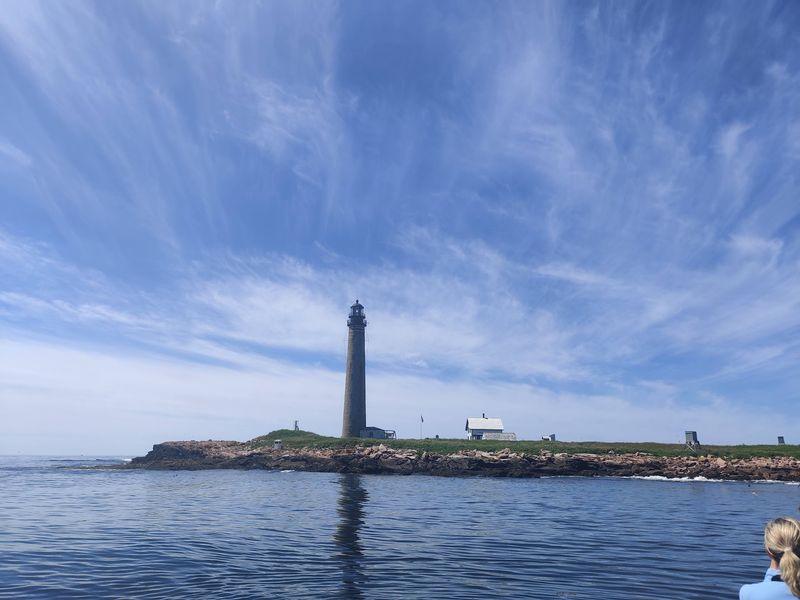
Want to stand at the very edge of the country? Lubec holds the title of easternmost incorporated town in the United States, tucked into Washington County in Downeast Maine.
With fewer than 1,500 residents, it stays wonderfully uncrowded even in summer.
The town perches on a narrow peninsula beside Lubec Channel and the waters connecting Cobscook Bay with Passamaquoddy Bay and the Bay of Fundy.
Its crown jewel is West Quoddy Head State Park, home to the candy-striped West Quoddy Head Lighthouse, first lit in 1808, marking the easternmost point of the lower 48 states.
Early risers can catch the nation’s first sunrise here.
The Bay of Fundy’s wild tides swing water levels 20 to 28 feet, revealing ancient mudflats at low tide. It’s a nature-lover’s dream.
Mowry Beach, near the International Bridge, has a wheelchair-accessible boardwalk perfect for birdwatching and hunting sea glass. For something rugged, the Boot Head Preserve offers coastal trails, meadows, forests, and a cobble beach.
History fans can tour the McCurdy Smokehouse Museum, which honors the old smoked-herring trade.
Remote, dramatic, and blissfully quiet, Lubec is the real deal for anyone chasing solitude and genuine Downeast character.
Machiasport, Maine
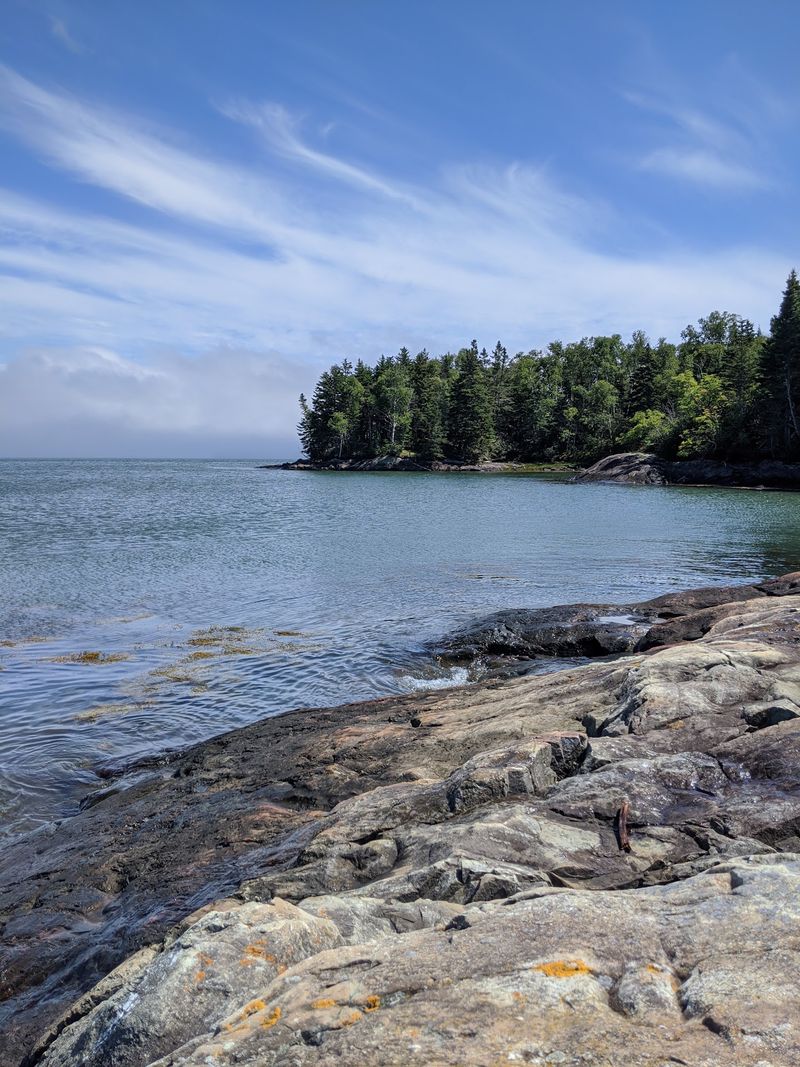
Here’s a beach that literally sings. Machiasport, a rural coastal town in Washington County, Downeast Maine, sits west of Machias Bay and swaps typical sand for dramatic, glacier-carved shoreline.
The star is Jasper Beach, a half-mile stretch in Howard Cove off Port Road (Route 92). Instead of sand, it’s blanketed with millions of smooth, colorful volcanic stones, mostly rhyolite, that clatter into a gentle musical sound as waves wash over and pull back.
That singing effect makes it one of only a handful of such beaches in the entire world. Standing there listening is an experience you won’t forget.
Jasper Beach is a town park and also works as a barrier spit, tucking fresh and saltwater lagoons and a salt marsh behind it. That mix creates a rich little ecosystem worth exploring slowly.
The town also holds deep ties to the Passamaquoddy Tribe, with petroglyph sites forming one of the largest collections of rock carvings on the East Coast.
Between the calming waves and the striking scenery, Machiasport feels like a peaceful step into Maine’s wilder self. It’s a sensory treat that rewards anyone willing to venture off the usual path.
Roque Bluffs, Maine
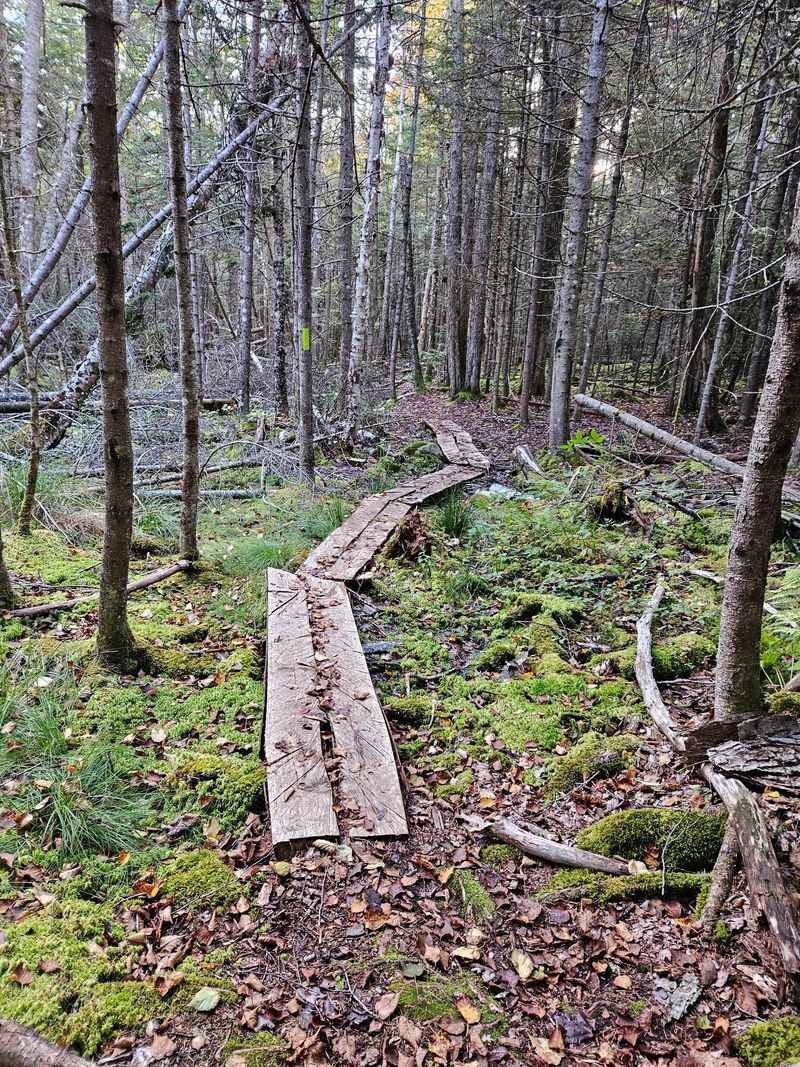
Two swims for the price of one trip? Roque Bluffs makes that possible.
Sitting on Schoppee Point in Washington County, Downeast Maine, this 274-acre state park serves up both bracing saltwater and warmer freshwater right beside each other.
The main event is a half-mile crescent of sand and pebbles along Englishman Bay, which is a rare find in this cliff-heavy stretch of coast. Just steps behind it lies the shallow, 60-acre freshwater Simpson Pond, letting you dunk in two very different waters within minutes.
Wildlife thrives here, with bald eagles soaring year-round and migrating birds pausing in spring and fall. Hikers can follow miles of trails through old orchards, wildflower meadows, and woodlands bordering Pond Cove and Great Cove.
At the beach’s eastern end, bedrock shows off glacial striations left behind during the Ice Age. Offshore, the historic Libby Island Light, first established in 1817 with its current granite tower built in 1823, can be seen on clear days.
Families appreciate the picnic areas, a children’s play area, and fishing in both fresh and saltwater.
Peaceful, scenic, and full of natural surprises, Roque Bluffs wraps up this Maine coast tour on a wonderfully calm note.