
This Massive Maine Agricultural Fair Draws Over 100,000 Visitors Every Summer
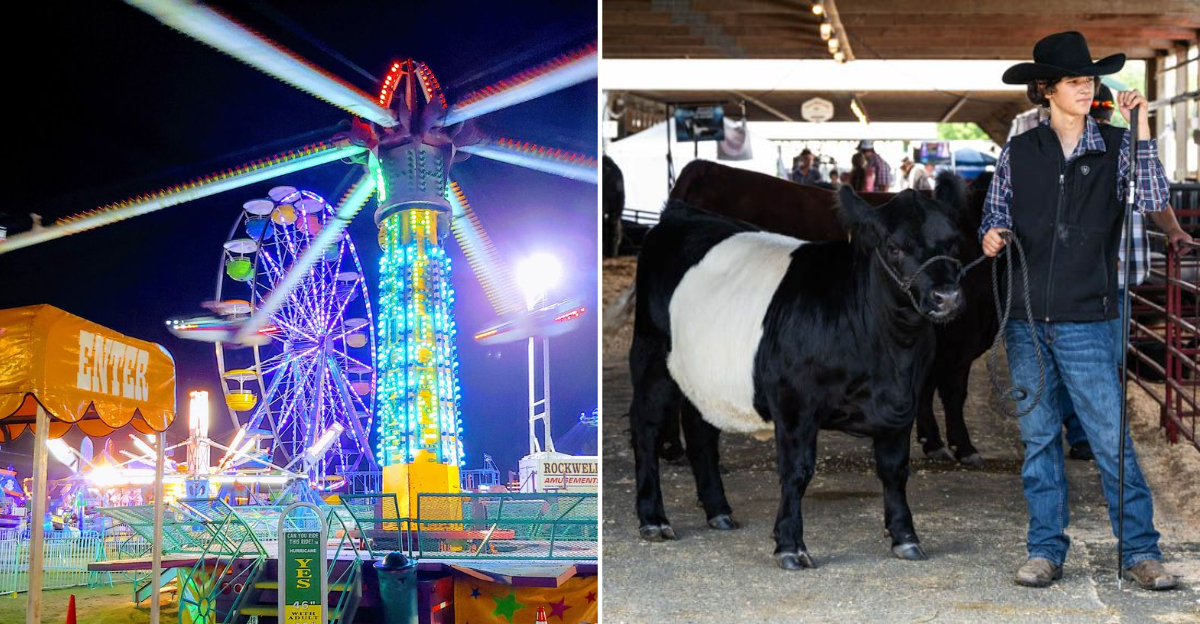
I knew this was going to be a fun stop the second I caught the smell of fried dough and heard engines roaring somewhere near the grandstand. A few minutes later, I was passing livestock barns, watching blacksmiths work with glowing iron, and wondering how I was supposed to fit everything into one day.
This late-summer tradition in Maine has a lot more going on than carnival rides. Harness horses race around the track, giant pumpkins draw plenty of double takes, and the midway keeps buzzing well into the evening.
What I liked most was the mix of old traditions and big fair-day energy. There is history here, but it never feels dusty or distant. It feels alive.
Maine’s Second-Largest Agricultural Fair
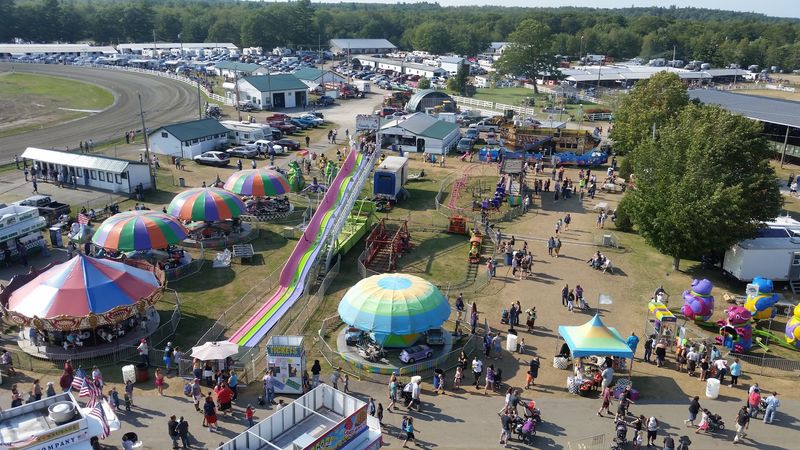
Crowds are the first thing that hit me when I arrived. This event ranks as Maine’s second-largest agricultural fair, and the numbers back that up in a big way.
Every year, somewhere between 100,000 and 150,000 people pour through the gates. That is an incredible amount of foot traffic for a small town in Central Maine, and yet the grounds never felt cramped to me.
Part of what makes it work is smart planning. Paved paths connect the barns, food stalls, and grandstand, so families with strollers and folks who need a little extra help getting around can move easily.
If you want a calmer experience, aim for weekday mornings or special days like the veterans day promotion, when the biggest crowds thin out. Weekends tend to buzz with the most energy.
What impressed me most was the sense of shared excitement. Visitors travel from all over New England, and some even drive up from other states just for this.
Standing in the middle of that happy chaos, I understood why so many people make it their annual tradition.
More Than 135 Years Of History
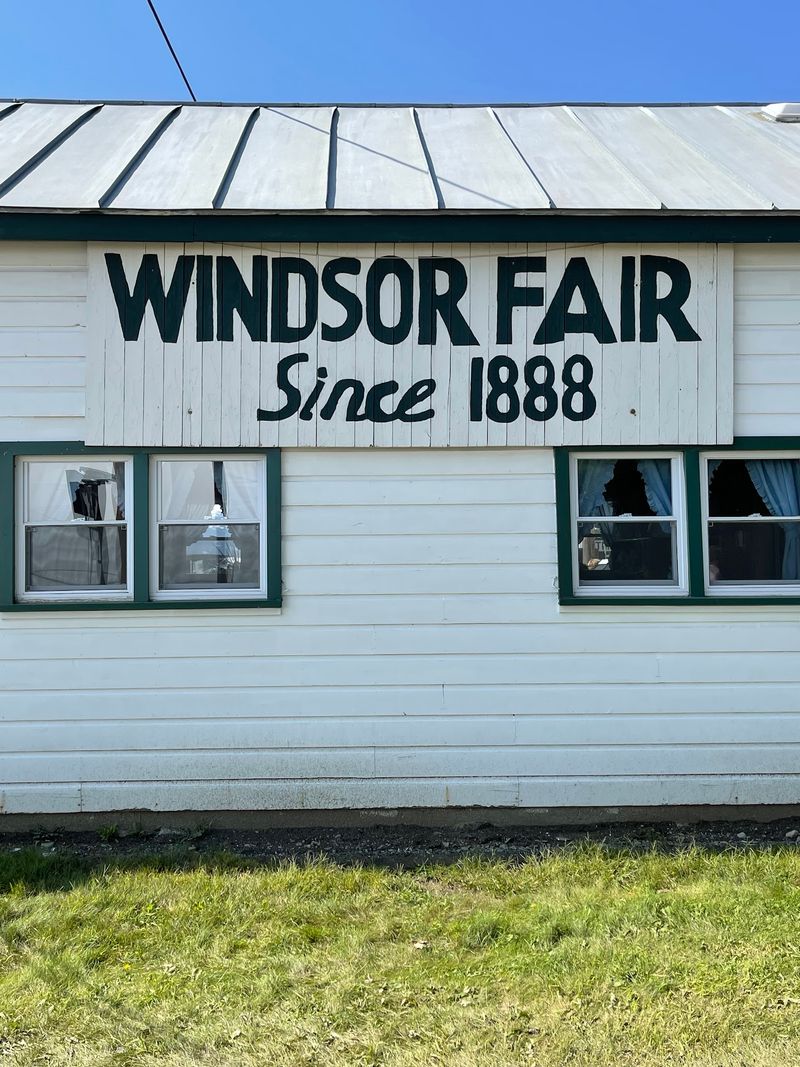
Roots run deep here. The fair first opened its gates back in 1888, which means it has been running for over 135 years and counting.
Walking the grounds, I kept thinking about all the generations who stood exactly where I was standing. Farmers brought their finest animals and crops here when automobiles were still extremely new and modern technology looked very different from today.
That long history gives the whole place a comforting, timeless feeling. The fair grew right alongside Maine’s farming communities, and it continues celebrating that heritage each summer after more than a century of tradition.
Traditions passed from parents to children keep the spirit alive. You will see families who have exhibited livestock or entered baking contests for decades, treating the fair like a beloved family reunion.
For history lovers, this is a rare chance to experience something that has survived and thrived for well over a century. Few gatherings anywhere can claim that kind of staying power.
By the time I left, I realized I had not just visited an event. I had stepped into a living piece of Maine’s story that keeps writing new chapters year after year.
A Sprawling 275-Acre Fairground
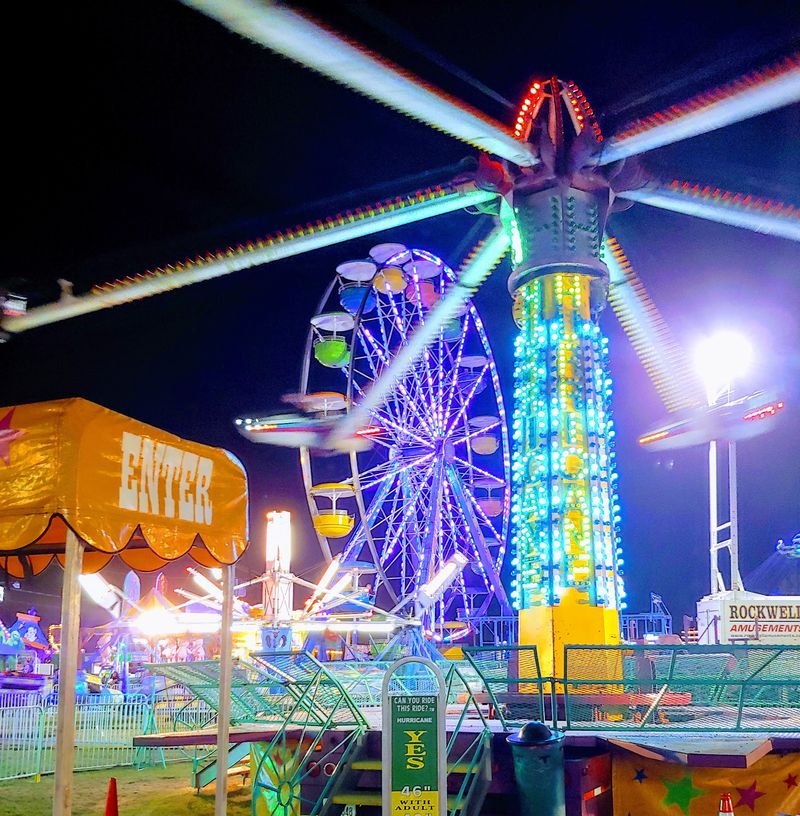
Space is a luxury here, and this fair has plenty of it. The grounds stretch across a whopping 275 acres in the heart of Central Maine, giving every attraction room to breathe.
Located at 82 Ridge Rd in Windsor, Maine, the property spreads out with barns on one side, a busy midway on another, and a grandstand for racing and shows.
All that land pays off for visitors. I never felt boxed in, and there was always another corner to explore, whether it was a quiet livestock barn or a lively row of food vendors.
Parking is a breeze too, with free lots and camping areas that let some guests stay for the entire week. That kind of setup is hard to find at big events.
My advice is to wear comfortable shoes and pace yourself, because you truly cannot see it all in one quick lap. Grab a map at the entrance and pick your must-see spots first.
The generous layout is a big reason the fair can host so many people at once without losing its relaxed, easygoing country feel.
Farm Animals And Livestock Competitions
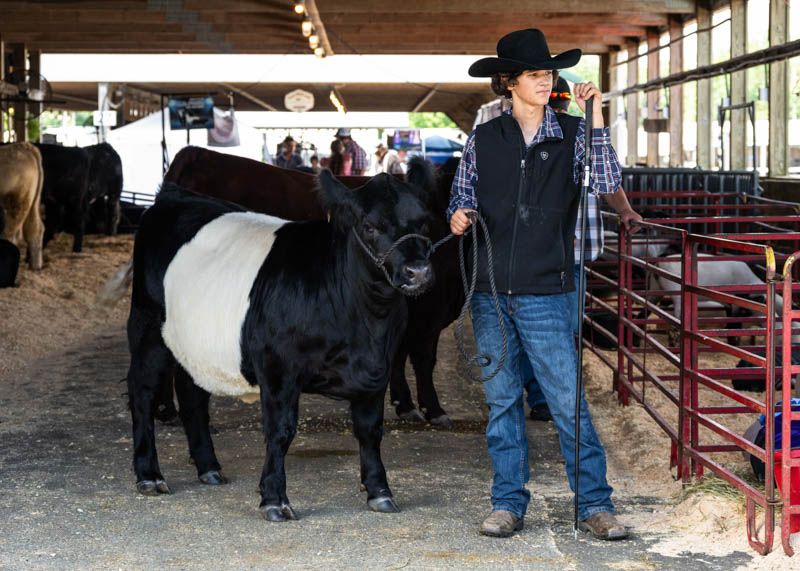
Nothing says agricultural fair quite like a barn full of proud animals. This is where the fair really shines, with an enormous display of farm animals and competitive shows.
I wandered past rows of cattle, goats, sheep, and clucking chickens, all groomed and ready for judging. The animals looked as if they knew they were the stars of the day.
Serious effort goes into these events. Exhibitors compete for meaningful premiums, and the barns fill with livestock shows, produce contests, and youth competitions run by dedicated young farmers.
The 4-H exhibits stood out to me the most. Kids raise these animals for months, then present them with real pride, learning responsibility and hard work along the way.
There is also a petting area where little ones can meet gentle chickens and other backyard creatures up close. It is a sweet, hands-on moment for city and country families alike.
If you love animals or want your children to understand where food really comes from, spend extra time in the barns. Seeing the care behind every ribbon gave me a whole new respect for Maine’s farming families.
Ten Days Of Thrilling Entertainment
Buckle up, because the entertainment lineup here does not quit. Across ten action-packed days, the fair delivers harness racing, demolition derbies, truck and tractor pulls, and live music at the grandstand.
I caught a demolition derby one evening, and the crowd went wild as engines roared and cars crashed under the lights. It was loud, dusty, and honestly a blast.
Harness racing brings a different kind of excitement. Watching sleek horses pull drivers around the track at full speed is a classic fair tradition that still draws big cheers.
Then there are the truck and tractor pulls, where powerful machines strain to drag heavy weights down a dirt track. The ground practically shakes beneath your feet.
Music fans are not left out either. The grandstand hosts performances that give tired feet a reason to sit down and enjoy a show under the evening sky.
My tip is to check the daily schedule when you arrive so you do not miss the events you care about most. With ten full days of programming, there truly is something happening for every kind of thrill-seeker.
The Rockwell Amusements Midway
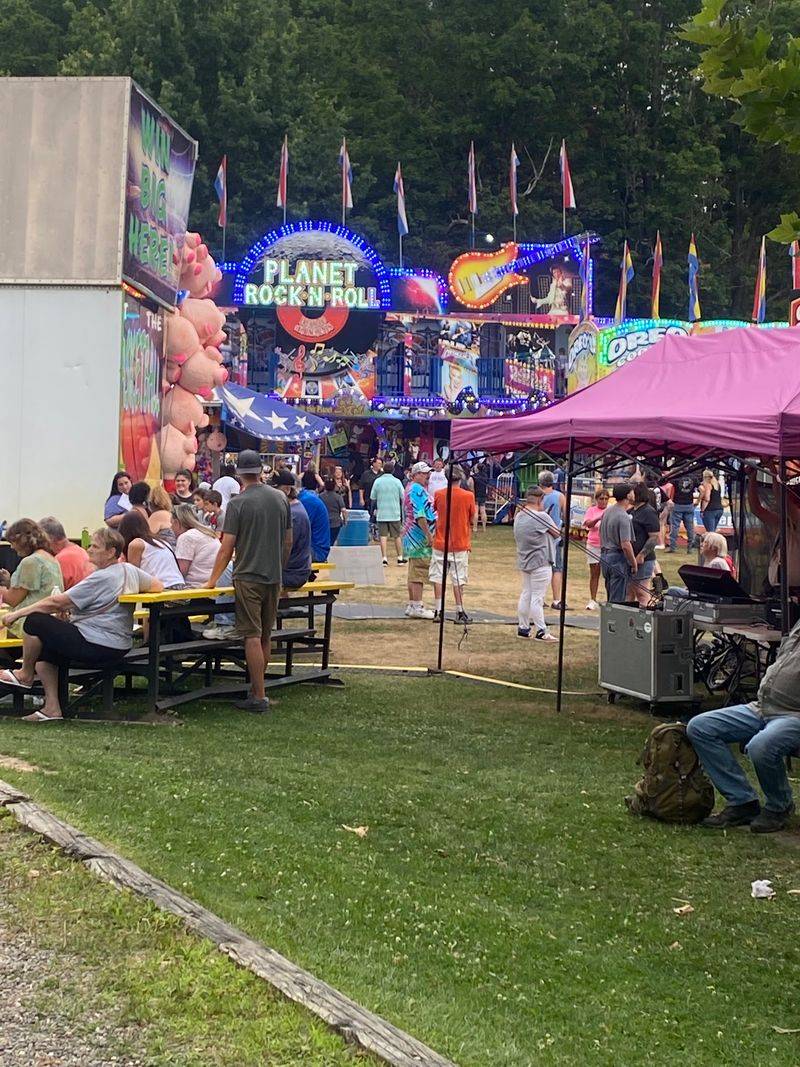
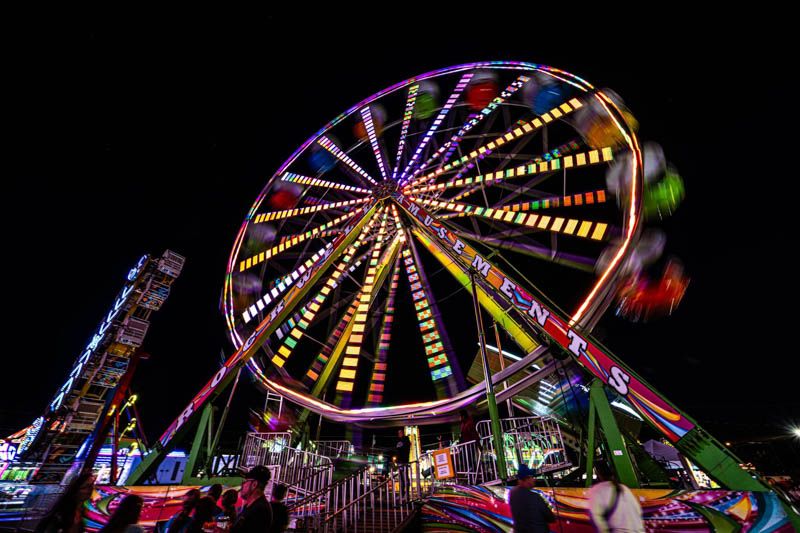
Bright lights, spinning wheels, and the sound of laughter greeted me at the midway. Rockwell Amusements runs this large stretch of classic carnival rides and games for every age group.
The rides range from gentle spinners for little kids to faster, dizzying attractions for the brave. Families can mix and match based on how much thrill they can handle.
Games line the walkways too, tempting you to test your aim for a stuffed prize. Ticket options and wristbands make it easy to plan how much fun your budget allows.
Speaking of budget, prices for rides, games, and treats can add up quickly, so I recommend checking the daily ride bracelet options. Buying a pass can save a lot compared to paying per ride.
The midway sits in its own dedicated section, which keeps the flashing lights and carnival music from overwhelming the quieter farm barns nearby. Smart layout, if you ask me.
As the sun set, the whole area lit up like a glowing playground. Riding the Ferris wheel and looking out over the fairgrounds was the perfect way to cap off a long, happy day.
A Living Historical Village
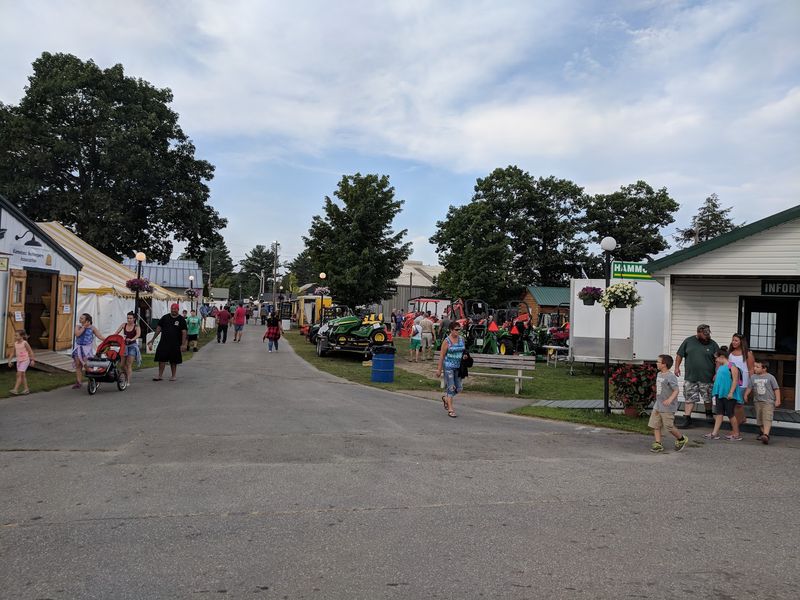
Tucked among the modern rides is a step back in time that genuinely surprised me. The Windsor Historical Society keeps a charming Historical Village right on the fairgrounds.
This village includes more than ten antique buildings, each preserved to show how rural life once worked. Some are actual working shops, not just quiet displays behind glass.
The blacksmith shop was my favorite. I stood mesmerized as sparks flew and hot iron was shaped by hand, exactly the way it was done generations ago.
Nearby, a cooper shop demonstrated the old craft of making wooden barrels and buckets. Watching skilled hands at work made these forgotten trades feel alive again.
There is also a woodshop and sawmill area that history fans should not skip. Each stop offers a hands-on peek at the tools and skills early Mainers relied on daily.
What I loved most was how the village connects the fun of the fair to its deeper farming roots. Between the demonstrations and the old buildings, it feels like a small open-air museum built for curious minds of every age.
The Agricultural Education Center
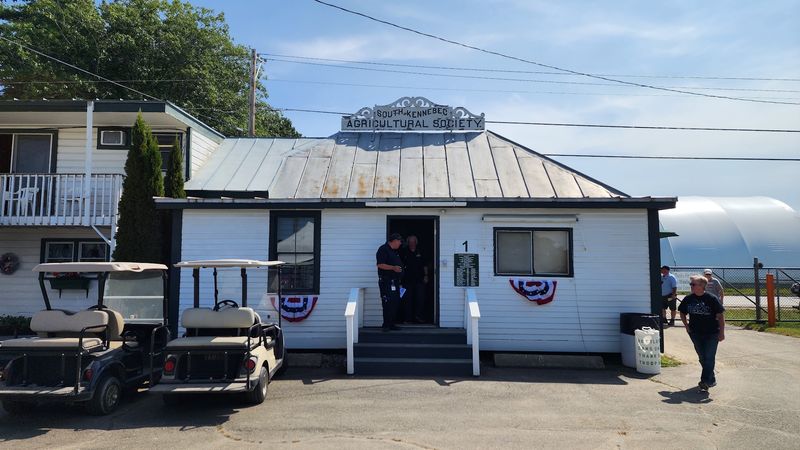
Learning happens here even when the big crowds are gone. Opened in 2011, the Windsor Fair Agricultural Education Center works to teach visitors about farming all year round.
Its whole mission is hands-on discovery. Instead of simply reading signs, guests get to touch, ask questions, and truly understand how food and farming connect to daily life.
The center focuses especially on inspiring young people. By giving kids real experiences with agriculture, it hopes to spark interest in the next generation of Maine farmers.
I think this is one of the most forward-thinking parts of the whole operation. A fair with such deep history is also actively investing in its future, which is rare and wonderful to see.
Programs and demonstrations here bridge old traditions with modern lessons. It is proof that this place cares about more than just a week of summer fun.
If you are traveling with curious children or simply love learning something new, ask about educational activities during your visit. Leaving with a better understanding of where our food comes from was a highlight I did not expect, and it made the entire trip feel meaningful.