
A 96% Lunar Eclipse Will Darken Michigan’s Skies This August, Here Are 12 Places To Watch
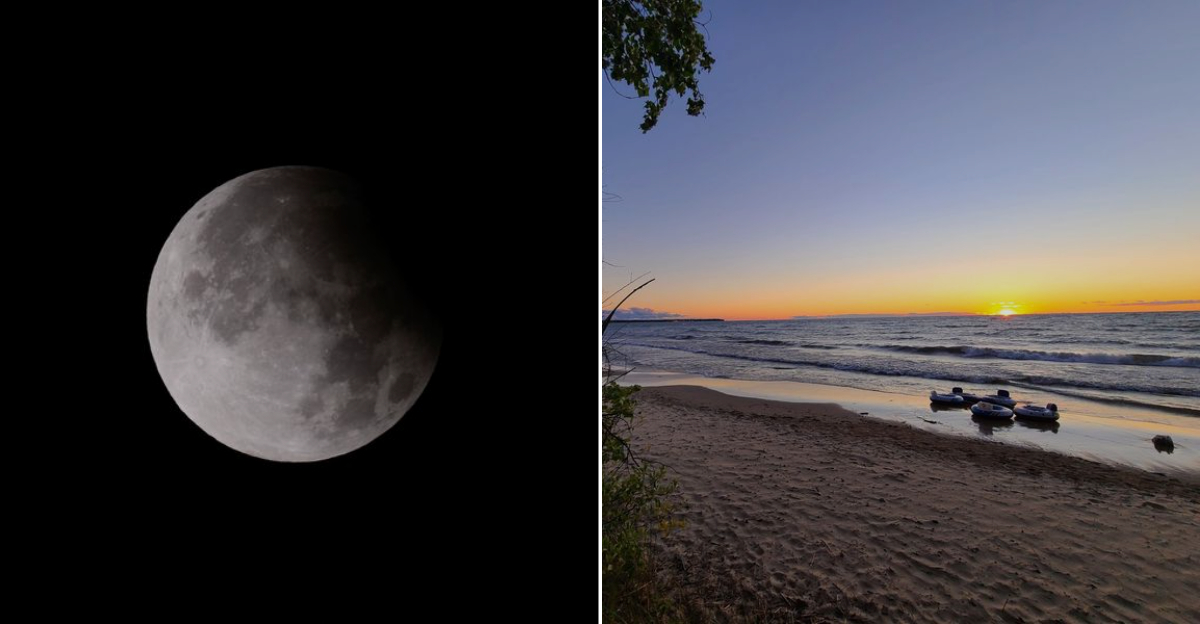
August brings a deep partial lunar eclipse to Michigan on the night of Thursday, August 27, into early Friday, August 28, 2026, and most people will watch it from their driveway with a porch light buzzing nearby.
Once you have seen an eclipse from a true dark sky location, the driveway version feels like watching a concert through a window.
Michigan happens to be one of the best states for unpolluted night skies. It has International Dark Sky Parks certified by the same organization that designates reserves worldwide.
It has remote shorelines where the moon looks bigger than any photograph can capture. It has a roadside park where you can see the Milky Way with your naked eye and a former quarry where Devonian fossils sit under the same stars they sat under four hundred million years ago.
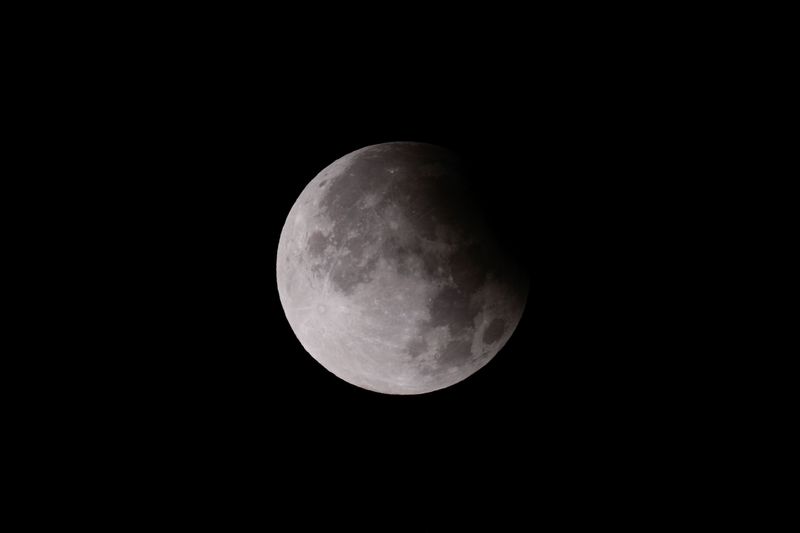
The August 27–28 partial lunar eclipse will unfold over several hours, giving Michigan skywatchers plenty of time to find a dark horizon and watch Earth’s shadow move across the moon.
A lunar eclipse viewed from a true dark sky location hits differently, and these twelve preserves and parks offer some of the best unpolluted horizons in Michigan.
12. Headlands International Dark Sky Park
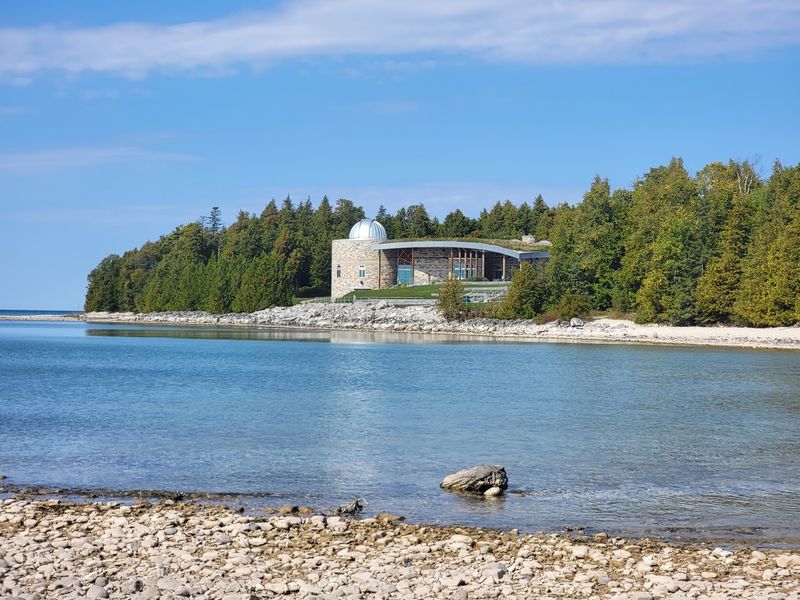
Lake Michigan does the horizon work for you at this 600-acre preserve two miles west of Mackinaw City.
Headlands became an International Dark Sky Park in 2011, and its roughly 2.5 miles of undeveloped shoreline give eclipse watchers a broad western and northern view without needing to hike into remote backcountry.
For the August 27-28, 2026 partial lunar eclipse, arrive well before the Moon begins slipping into Earth’s shadow. The park is free and open around the clock, but popular celestial events can draw plenty of people.
Walking the paved route toward the waterfront before darkness saves fumbling later, and a red flashlight protects everyone’s night vision better than a white phone beam.
Camping is not allowed, although visitors may stay through the night for sky watching. Bring a chair, warm layer, water, and patience rather than expecting concessions beside your viewing spot.
Even August can feel cool near the Straits after midnight.
What makes this location special is not absolute solitude. It is deliberate darkness backed by serious lighting protection, an open Great Lakes edge, and enough infrastructure to make a long eclipse watch comfortable without turning the night into a wilderness expedition for most families and beginners.
11. Lake Hudson Recreation Area Dark Sky Preserve
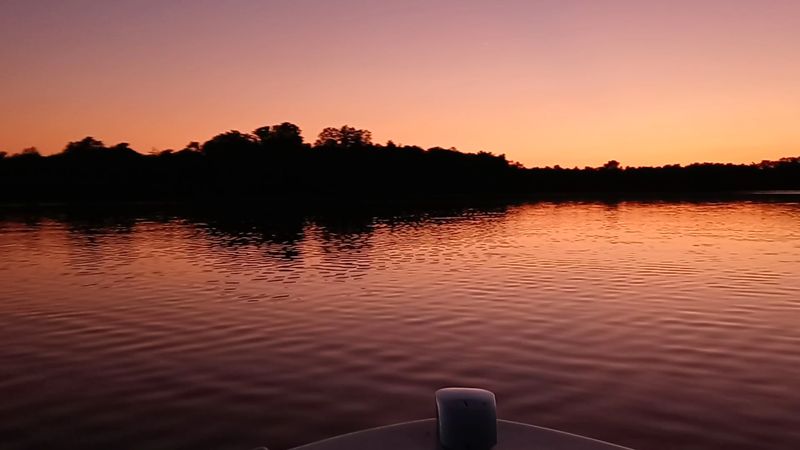
Southern Michigan has a surprisingly serious dark-sky option near the Ohio border.
Lake Hudson Recreation Area contains the first dark sky preserve in Michigan’s state park system, with the designated viewing area beside the park’s picnic shelter and public access available 24 hours a day throughout the year.
That accessibility makes it especially useful for the August 27-28, 2026 partial lunar eclipse. You do not need to reach the Upper Peninsula or drive to a Great Lakes shoreline to find a protected viewing site.
The 502-acre no-wake lake also creates a broad, quiet foreground, although reflections depend on wind and your exact position.
A Recreation Passport is required for vehicle entry, so handle that before arriving late at night. Bring a red flashlight, bug spray, folding chair, water, and an extra layer.
The preserve has vault toilets nearby rather than the amenities of a large visitor center. I like this stop for families and first-time eclipse watchers because the logistics are simple. You can scout the picnic area before sunset, settle in without a long hike, and let your eyes adjust gradually.
10. Negwegon State Park Dark Sky Preserve
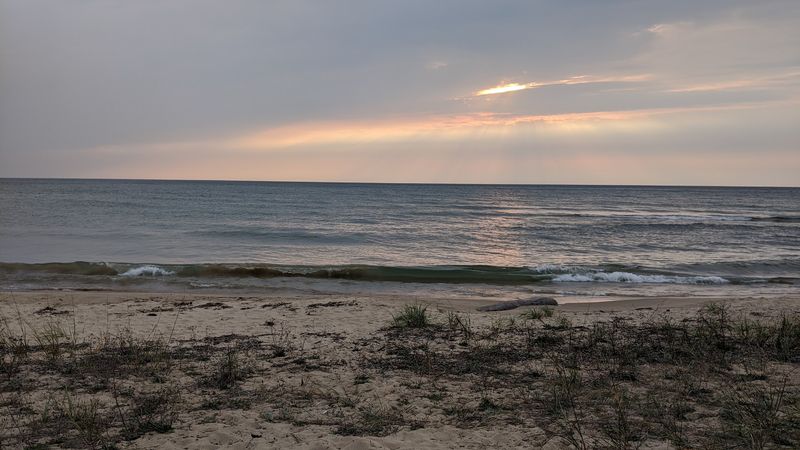
The sand road in feels like a test, and that is exactly why Negwegon stays so gloriously empty. South of Alpena along Lake Huron, its 4,118 acres earned State Dark Sky Preserve status in February 2016.
Almost nothing has been developed. Ten miles of trails wander through hardwoods and cedar to a curving sandy beach that regulars talk about the way anglers talk about secret trout streams.
Light pollution readings rank among the lowest anywhere in the Great Lakes region, so the horizon over the water stays genuinely black rather than that familiar dull orange. The Friends of Negwegon State Park keep the place tidy without softening its rough edges.
Bring bug spray in summer, sturdy shoes always, and arrive well before sunset to scout your walk out.
9. Port Crescent State Park Dark Sky Preserve
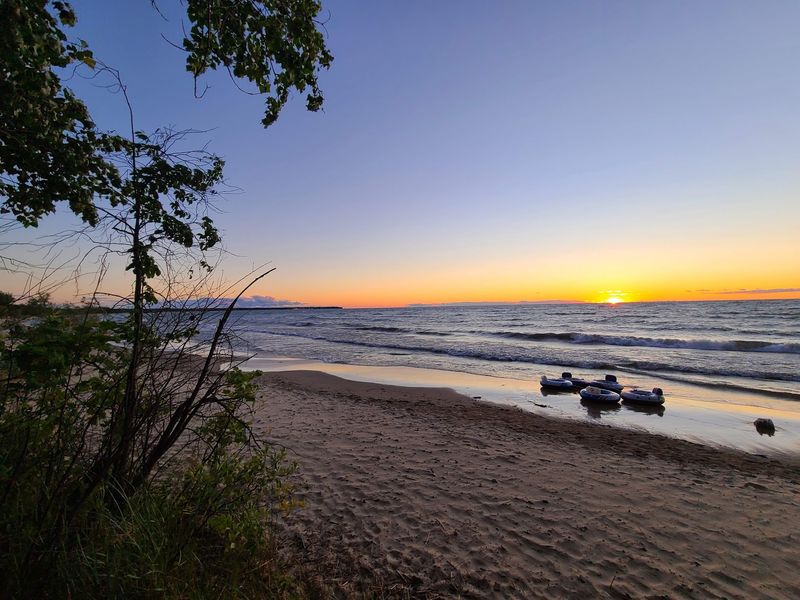
Saginaw Bay opens the sky beautifully at the tip of Michigan’s Thumb, and this park removes most of the guesswork about where to stand. Port Crescent State Park has three miles of Lake Huron shoreline plus a designated dark sky preserve, with its best official viewing area near Parking Lot D.
An observation platform there gives you a cleaner horizon than wandering randomly through the campground or dunes. For the August 27-28, 2026 partial lunar eclipse, I would arrive before sunset, find the platform in daylight, and watch the Moon rise into a sky that gradually loses its color.
The park has more amenities than many dark-sky stops, including modern camping and lodging options. That makes it especially attractive if staying until after midnight sounds better than driving home.
A Recreation Passport is required for vehicle entry. Bring a red flashlight even though the access is straightforward. White light from phones and headlamps can ruin night vision for everyone nearby.
Wind off the bay can also make a warm forecast feel cooler than expected. The combination of a viewing platform, water, and overnight options makes this one of Michigan’s easiest eclipse locations for families who want darkness without roughing it.
8. Rockport Recreation Area Dark Sky Preserve
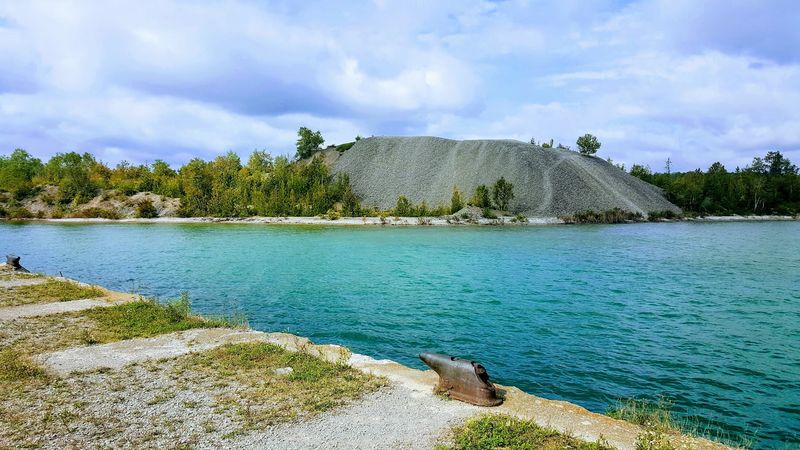
Fossils first, stars second. Rockport’s 300-acre abandoned limestone quarry is scattered with Devonian Period fossils that visitors are welcome to hunt for, and the pale quarry floor holds enough light to walk by after dusk.
Michigan’s 100th state park covers 4,237 acres just north of Alpena and became a State Dark Sky Preserve in February 2016. Sinkholes pock the landscape, and a bat hibernaculum shelters winter colonies.
The deep-water protected harbor is my quiet pick for eclipse night, since the water stays glassy while the moon slides into shadow. Light pollution levels rank among the lowest in the Great Lakes, which shows up immediately in how many faint stars crowd in around the darkened moon.
Wear boots. The quarry rock is sharp and uneven.
7. Thompson’s Harbor State Park Dark Sky Preserve
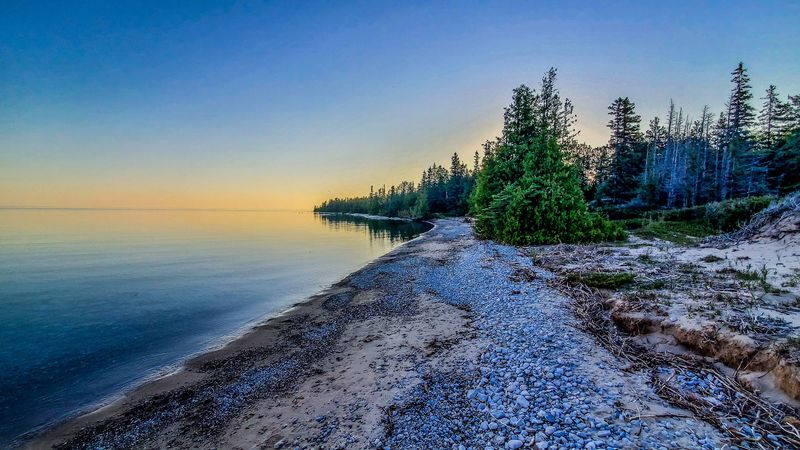
Minimal development is the attraction here, not a missing feature. Thompson’s Harbor State Park protects over 5,000 acres and 7.5 miles of rocky Lake Huron shoreline north of Alpena, with forests, marshes, dunes, six miles of trails, and a state-designated dark sky preserve.
That open shoreline can be excellent for the August 27-28, 2026 partial lunar eclipse, but this is a place to prepare for rather than improvise. Pick your viewing spot before dark, note the route back to your vehicle, and remember that trails and facilities are rustic.
Two cabins provide overnight options if you prefer staying inside the park.
A Recreation Passport is required for vehicle entry. Bring a red flashlight plus a backup, drinking water, sturdy footwear, insect repellent, and warmer clothing than the daytime forecast suggests.
The DNR lists vault toilets, but there is no late-night café waiting when the thermos runs dry.
The shoreline earns the effort. With few developed distractions nearby, you can sit beside Lake Huron and watch the eclipse progress without a waterfront town dominating the horizon.
It feels remote while remaining reachable by road, which is a rare combination for Michigan stargazers who do not want a backcountry expedition.
6. Wilderness State Park Dark Sky Preserve
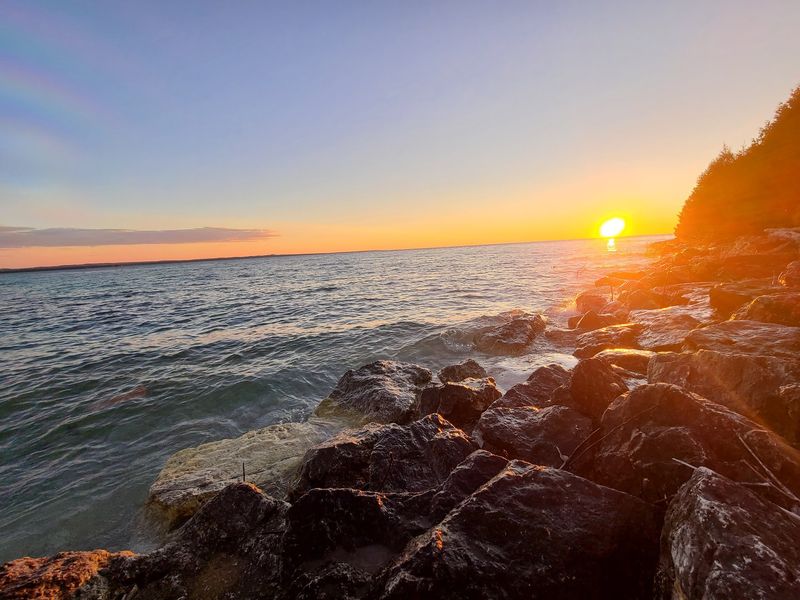
West of Mackinaw City, in Carp Lake, Wilderness State Park hands you something hard to find: an open freshwater horizon with nothing built on it. The State Dark Sky Preserve designation protects that view, and the Lake Michigan shoreline provides a wide, uncluttered stage for anything happening overhead.
On a clear moonless night the Milky Way arches from one edge of the lake to the other, which is exactly the kind of sight that makes people whisper without meaning to.
During an eclipse, the effect flips. As the moon dims, all those background stars come flooding back into view over the water.
Camp here if you can, walk down to the shore, and give your eyes a full twenty minutes to adjust before judging the sky.
5. Keweenaw Dark Sky Park At Keweenaw Mountain Lodge
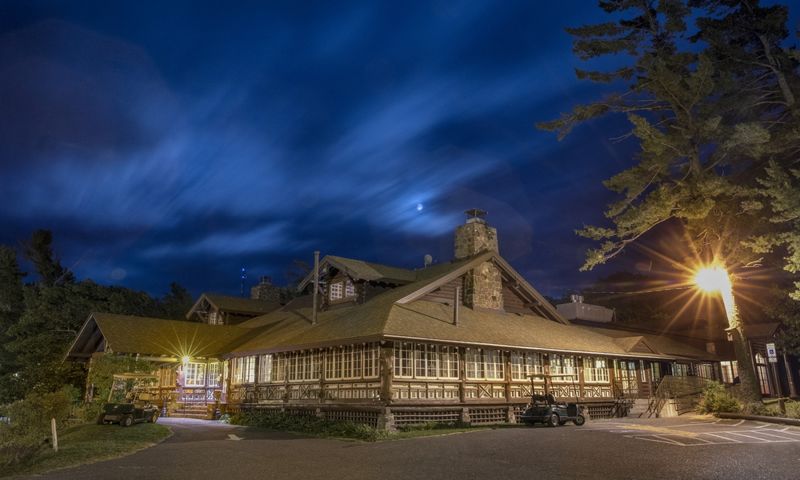
The lodge itself is part of the story. Built in 1934 as a Works Progress Administration project, Keweenaw Mountain Lodge now serves as headquarters for the Keweenaw Dark Sky Park, certified as an International Dark Sky Park and the first in Michigan’s Upper Peninsula.
Copper Harbor sits about as far north as Michigan roads go, and the 500-acre resort is ringed by wilderness with Lake Superior close by. The park logo pairs the northern lights with Brockway Mountain, which tells you what the locals consider normal weather.
Astrophotography sessions and lighting management workshops happen here, so you can learn why shielded fixtures matter while standing under proof of the concept.
Book lodging early. Copper Harbor is small, and clear autumn nights fill rooms fast.
4. Dr. T.K. Lawless International Dark Sky Park
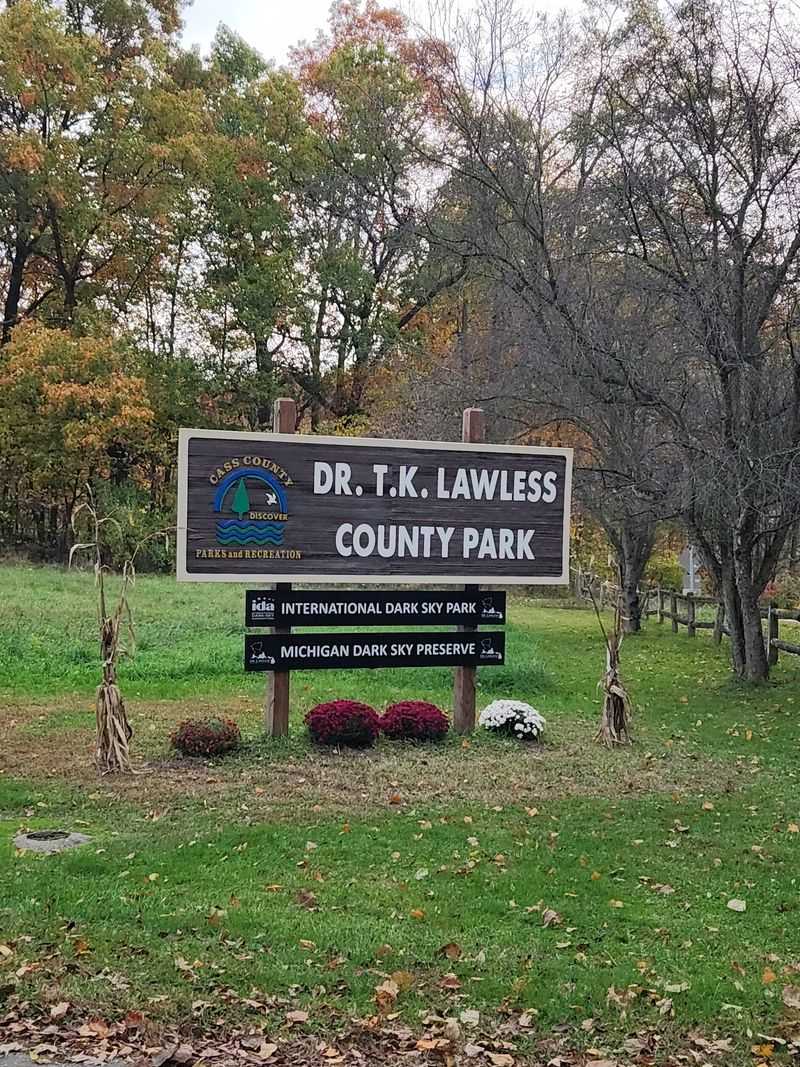
Southern Michigan is not where you expect certified darkness, which makes Dr. T.K. Lawless Park in Vandalia something of a small miracle.
It earned International Dark Sky Park status in 2020 and remains the only IDA-certified site in the bottom half of the state.
The 820-acre county nature park works hard year-round, with more than seven miles of groomed cross-country ski trails plus hiking, biking, and disc golf. Every outdoor light fixture is carefully shielded, aimed down where light belongs.
One caution that trips people up: night sky viewing runs on specific dates and limited hours rather than an open gate policy. Check the schedule before you commit, then arrive early, pick a spot in the open field, and let the sky do the rest.
3. Beaver Island State Wildlife Research Area International Dark Sky Sanctuary
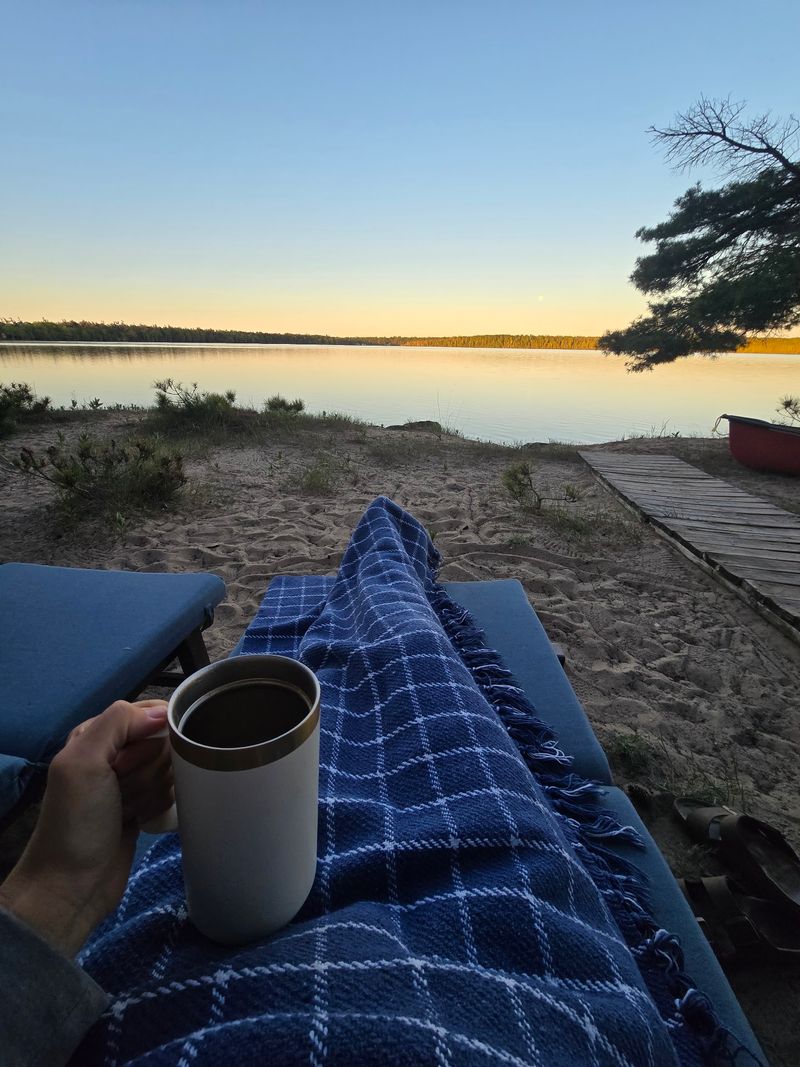
Getting here requires a ferry or a small plane, and that inconvenience is the whole point. Beaver Island, out in Lake Michigan, was certified an International Dark Sky Sanctuary in April 2024, becoming Michigan’s first and one of only about twenty worldwide.
The sanctuary spans roughly 9,425 acres, with sky quality routinely measuring darker than 21.6 magnitudes. In plain terms, the Milky Way casts a faint glow and meteor showers become almost distracting.
Islanders take this seriously. Local station WVBI even broadcasts updates on night sky conservation, which says a lot about community priorities.
Plan around the ferry schedule, since it does not run at all hours or in every season. Rent a bike or a car, because the darkest interior roads are a long walk from the harbor.
2. Dune Climb At Sleeping Bear Dunes National Lakeshore
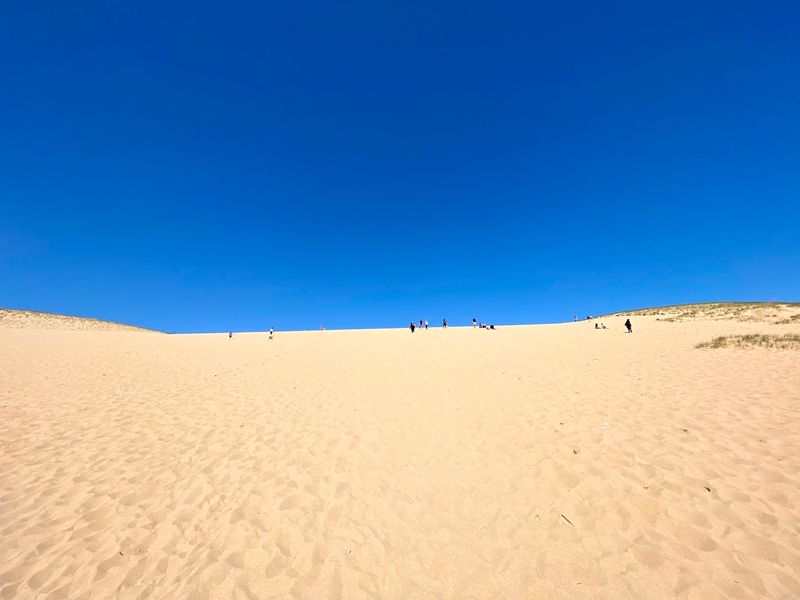
Climbing 45-degree sand in the dark is humbling, and the reward at the top is worth every sliding step. The Dune Climb at Sleeping Bear Dunes carries no IDA certification, yet it delivers something the certified parks cannot: elevation.
Wind and ice shaped these dunes over thousands of years, and from the crest the view opens wide across Lake Michigan with a horizon that curves.
Rangers and local astronomy volunteers sometimes host stargazing programs, pointing out constellations and star clusters for anyone who shows up. Photographers love it here, since the pale sand ridges read beautifully against a dark sky.
Check park hours and entry fee requirements first, wear shoes you do not mind emptying, and give yourself a full half hour for the climb.
1. Pictured Rocks National Lakeshore
Few backdrops beat sandstone cliffs streaked with mineral color, and along this stretch of Lake Superior shoreline near Munising you get them plus genuine remoteness. Pictured Rocks holds no official dark sky designation, but much of the lakeshore sits so far from towns that light pollution barely registers.
Picture an eclipsed moon hanging above those cliffs, or over the flat black expanse of the biggest freshwater lake on the planet. Ancient forest fills in the middle distance.
Days here go to hiking the long trail network or paddling beneath the rock arches, weather permitting. Nights go to a backcountry campsite and an unobstructed sky, sometimes with the aurora joining in.
Superior stays cold year-round, so dress warmer than the forecast suggests and expect fog to roll through unannounced.