
This Creepy Ghost Town Is Hidden In Florida And Feels Straight Out Of A Nightmare
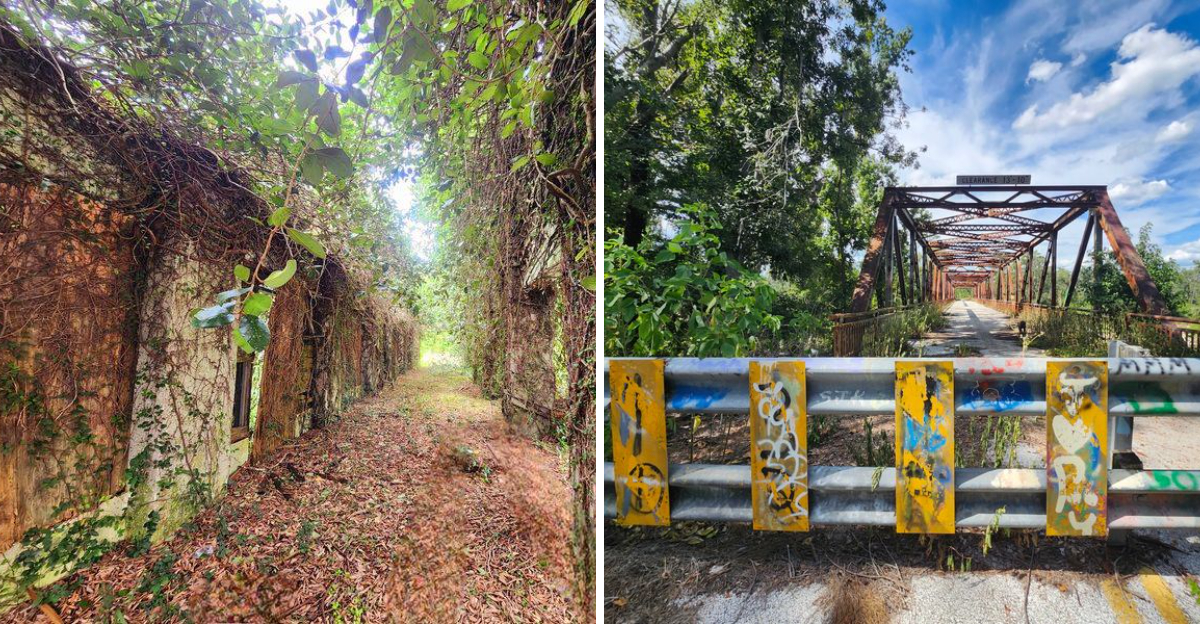
The map says a town should be here.
Florida has other ideas.
Instead of storefronts and houses, you find palmettos, bricks, and an abandoned bridge pointing toward a community the forest swallowed whole.
The river keeps moving as if nothing happened.
That may be the strangest part.
Once, sawmills roared, children walked to school, travelers checked into a hotel, and a future governor watched the settlement grow from above the water.
Now silence owns the property, with cypress roots, broken foundations, and local ghost stories filling the empty spaces.
This forgotten corner of Florida feels less like a tourist attraction and more like history caught hiding.
Walk carefully, listen closely, and let your imagination rebuild what time removed.
For anyone curious about Florida beyond beaches and bright signs, this vanished town offers something wonderfully unsettling. Bring bug spray, sturdy shoes, and enough courage to blame every strange sound on wildlife.
A Lumber Boomtown That Vanished Into The Pines
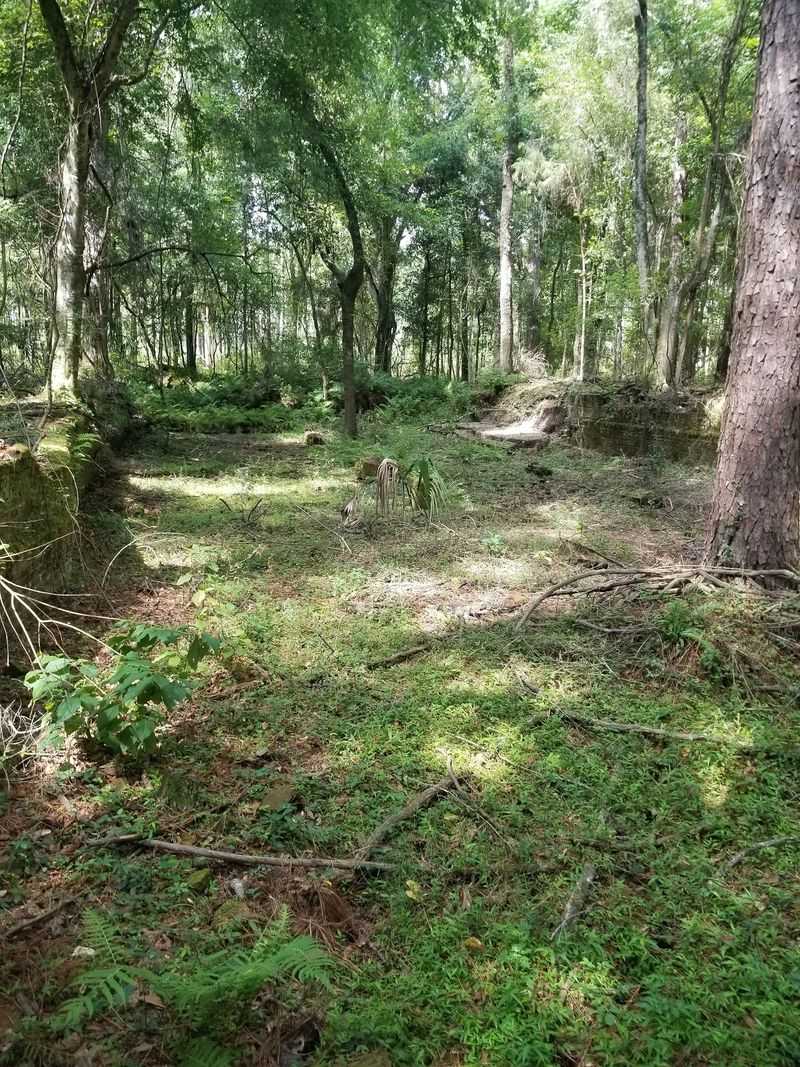
Sawdust once filled this air, and now only cicadas keep any kind of schedule.
Ellaville, Florida 32060 sits near the community of Lee, along old U.S. Highway 90 where Suwannee and Madison counties meet in the United States.
During the 1870s and 1880s, the settlement grew around a large steam sawmill that turned yellow pine and cypress into lumber shipped out by rail and river.
At its peak the town claimed hundreds of residents, a hotel, stores, a school, and a post office that hung on until 1942.
I walked the shaded ground where those buildings stood and found almost nothing rising above knee height.
Once the best pine stands were cut out, the mill lost its purpose, and families drifted toward other towns and other paychecks.
Forest returned with startling speed, curling roots around brick and swallowing entire streets.
Water moved somewhere below the bluff, and that was the only sound competing with my own footsteps.
Ellaville never had one dramatic ending; it simply ran out of trees and got quietly erased.
The Governor Who Built It
Most abandoned towns do not come with a governor attached, but this one does.
George Franklin Drew, a New Hampshire native turned Florida lumberman, built the mill that created the town and later served as the state governor between 1877 and 1881.
He ran his business beside the river while managing timber crews, a company store, and shipping schedules.
Reading his story before my visit changed how I looked at the empty clearing.
Drew’s election marked the end of Reconstruction-era government in Florida, so this little mill village had a direct line to the capital in Tallahassee.
Local accounts say his house had wide verandas and a commanding view of the water.
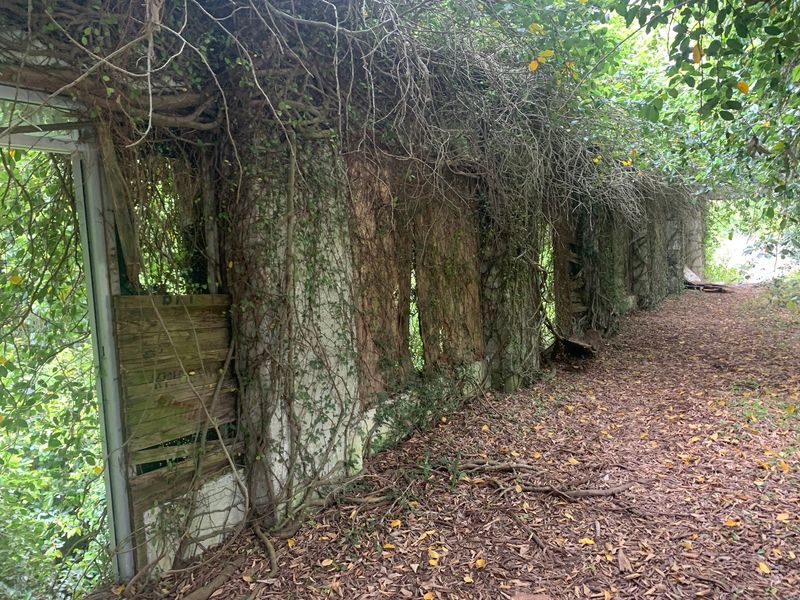
The structure stood for generations after the mill quieted, slowly losing windows, porches, and finally its roof.
Fire finished the job in the 1970s, leaving brick, rubble, and stubborn vines.
I like thinking about how a man who signed state legislation once counted board feet on this exact bluff.
Power and prosperity clearly took the same road out of town that everyone else did.
How A Woman Named Ella Got A Town
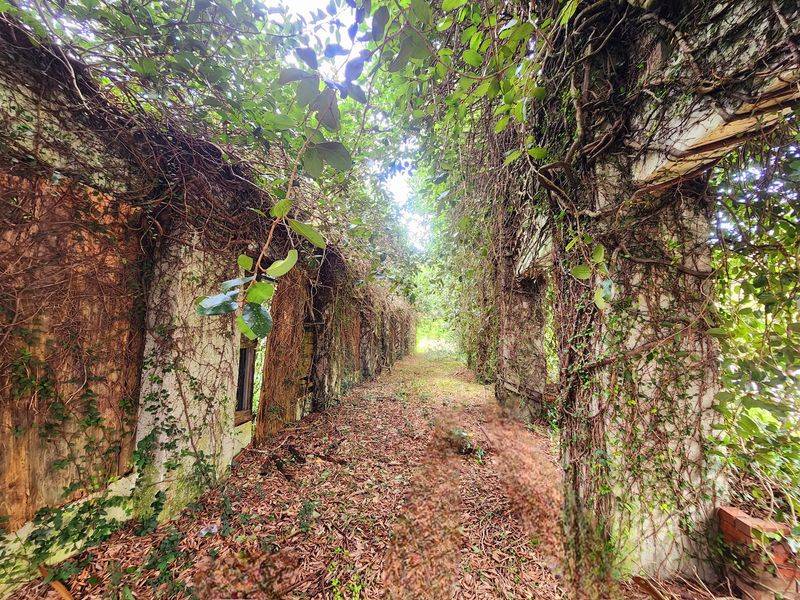
Every ghost town needs a name story, and this one belongs to a woman called Ella.
Local histories say Drew named the settlement for Ella, described in various accounts as a household helper or a family friend.
Details about her life stayed thin, which is exactly why the name keeps travelers guessing.
I asked around the area and heard three different versions in a single afternoon.
Some tellings make her a cook in the Drew home, others a young relative, and a few insist she was simply a favorite guest.
Newspapers of the era printed the town name constantly, yet rarely bothered to explain it.
Records for small mill towns were seldom careful about the people who kept those houses running.
Historians still debate her identity, and nobody has produced a clean answer.
What survives is a name on old maps, county documents, and rusted signage.
Standing where the post office once received mail addressed to Ellaville, I found the mystery oddly comforting.
A town can disappear completely and still carry one person’s name into the present.
Where Two Rivers Meet
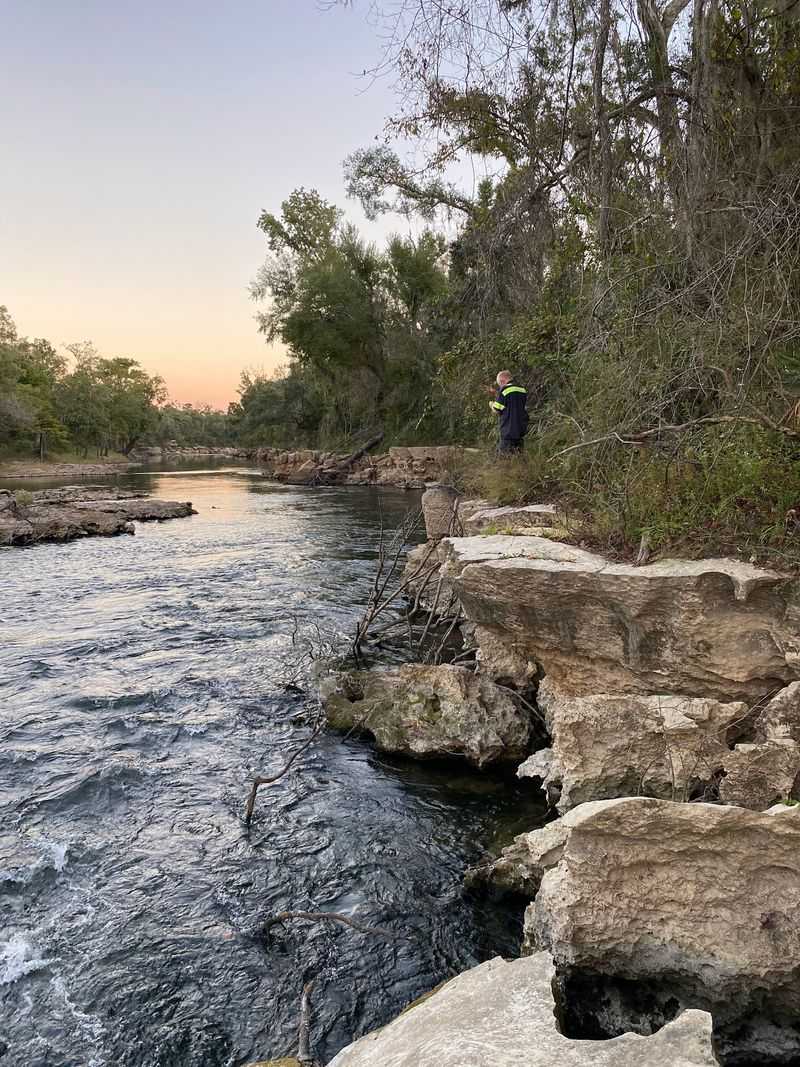
Two rivers shake hands here, and that meeting point is the whole reason anyone ever settled.
The Withlacoochee River flows down out of Georgia and joins the tea-colored Suwannee right below the old townsite.
Drew’s mill used that water for power, transport, and floating logs toward the coast.
I stood on the limestone bluff watching the two currents blend into one lazy channel.
In low water, pale rock ledges appear along the banks and springs bubble up in odd places.
The Suwannee runs roughly 246 miles overall, carrying the same dark, tannin-stained water that made the river famous in song.
Cypress knees line the shallows, and turtles treat every sunlit log like reserved seating.
Mist gathers over the surface on cool mornings and drifts through the trees in slow ribbons.
Paddlers still pass through, waving at anyone standing near the ruins above.
Watching that quiet junction, I finally understood why a businessman looked at this spot and saw profit.
Rivers built the town, then patiently outlived it.
The Concrete Bridge That Goes Nowhere
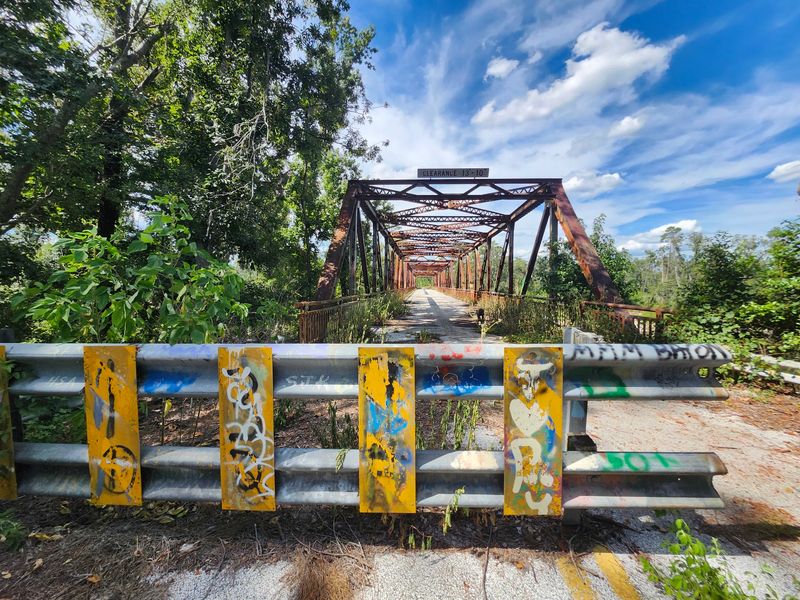
A concrete bridge with no traffic makes an unforgettable first impression.
The Hillman Bridge, completed in the 1920s, carried old U.S. Highway 90 across the Suwannee until a modern span replaced it.
Its arches still stand, striped with rust stains and framed by trees leaning over the empty roadway.
I walked out on it and felt the strange hush of pavement that no longer expects cars.
Graffiti covers sections of railing, and vines have claimed several approaches.
Engineers of that era favored open railings and slim arches, so the design looks surprisingly delicate up close.
Birds nest in the framework, treating the old highway as private property.
Fishermen sometimes use the deck as a platform, dropping lines into the current below.
Photographers love the structure at golden hour, when the concrete turns warm and the water goes nearly black.
Access varies with park conditions, so ask at the ranger station before planning a long walk out there.
Crossing a bridge to nowhere might be the closest thing to time travel Florida offers.
Whispers Along The Old Highway
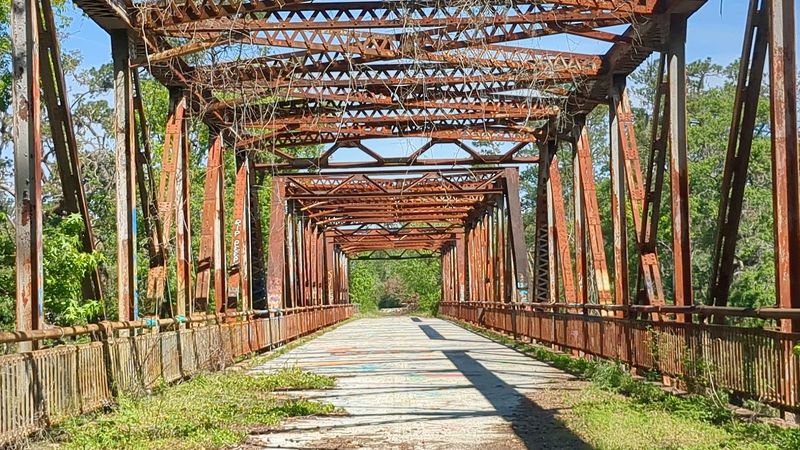
Campfire talk around this stretch of the Suwannee gets very creative after sundown.
Visitors trade stories about lantern lights drifting through the trees near the old mill site.
Others claim to hear voices, footsteps on the bridge, or the low grind of machinery that has not run in a century.
I heard none of it, although a barred owl did its best to change my mind.
One popular tale involves a figure in old-fashioned clothing standing at the bluff, watching the water.
Another insists a phantom mill whistle sounds on humid nights, calling workers who left generations ago.
Paranormal groups have filmed here, and their videos circulate every October.
Local teenagers have dared each other onto the bridge for decades, which explains a fair share of the legends.
None of these accounts come with proof, and rangers politely shrug when asked.
Still, the mix of thick woods, black water, and abandoned concrete puts imagination on overtime.
I left convinced the atmosphere is real even if the ghosts remain negotiable.
Ruins Hiding Under The Undergrowth
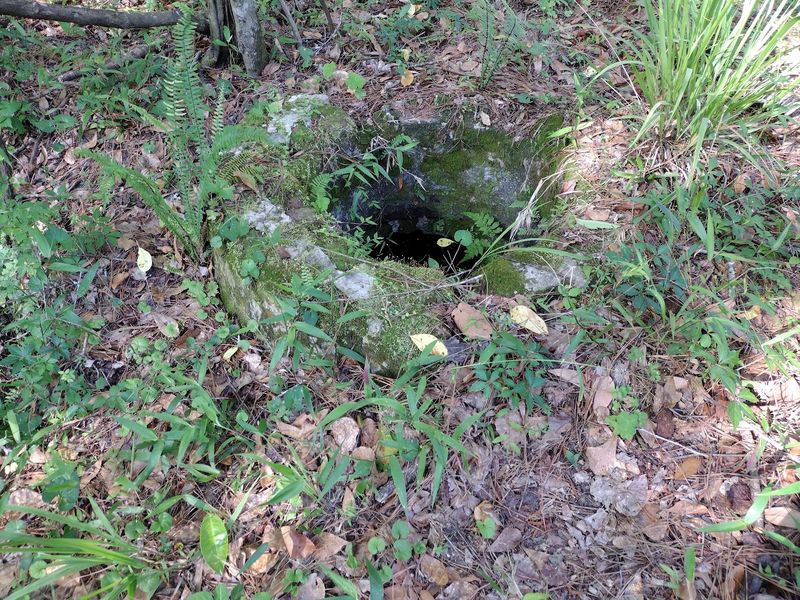
Hunting for ruins here feels like a scavenger game played on a strict budget.
Brick fragments, foundation lines, and old cistern remains hide beneath palmetto and vine.
I nearly missed the largest pile until sunlight caught one straight edge of masonry.
Bits of the Drew house area still show handmade brick and scattered chunks of mortar.
Elsewhere, faint depressions mark where structures once stood along a street grid nobody maintains.
Interpretive signs help, mapping buildings that vanished before most grandparents were born.
Rangers ask visitors to look without digging, since the ground holds real archaeological value.
Souvenir collecting is off limits, and honestly the photos age better than the bricks would.
Long pants save your ankles, because sandspurs and briars own the edge of every clearing.
Snakes use the rubble too, so I watched my footing and kept a respectful distance.
Winter visits reveal more, since the undergrowth finally backs off for a few months.
Finding almost nothing turned out to be the strangest part of my whole afternoon.
Suwannee River State Park Holds The Keys
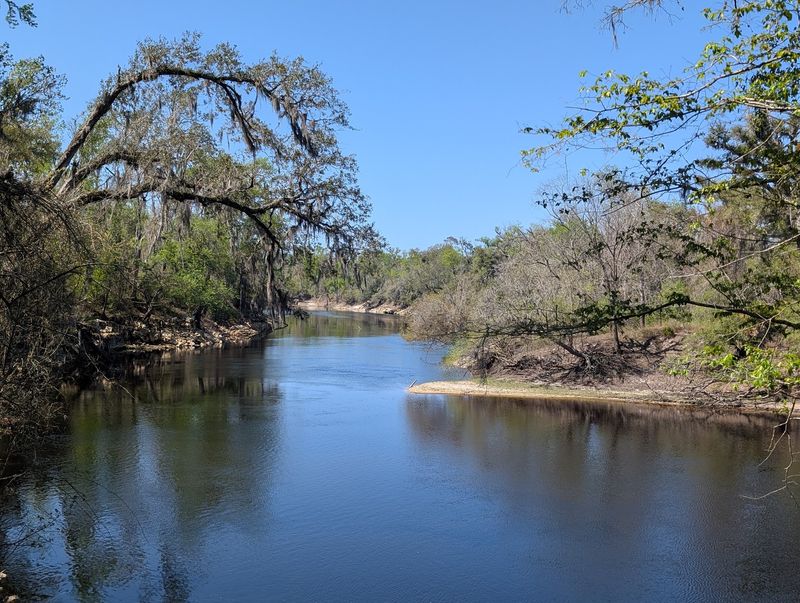
Reaching the ruins is easier than expected, thanks to a state park sitting right at the door.
Suwannee River State Park protects the land around the old townsite and provides parking, restrooms, and marked trails.
A small entry fee applies per vehicle, and rangers hand out maps that point toward the historic areas.
I started at the picnic area, followed the trail toward the bluff, and reached the river overlook within minutes.
Campsites, canoe launches, and river cabins sit nearby for anyone wanting more than a quick stop.
The park opens at eight in the morning and closes at sundown every day of the year.
Trails range between short loops and longer walks connecting springs and sinkholes.
Bring water, bug spray, and shoes you do not mind soaking near the riverbank.
Cell service gets spotty, so I downloaded the trail map before leaving the parking lot.
Rangers know the town history well and clearly enjoy sharing it with curious visitors.
Weekdays feel nearly private, which suits this style of exploring perfectly.
Civil War Earthworks In The Woods
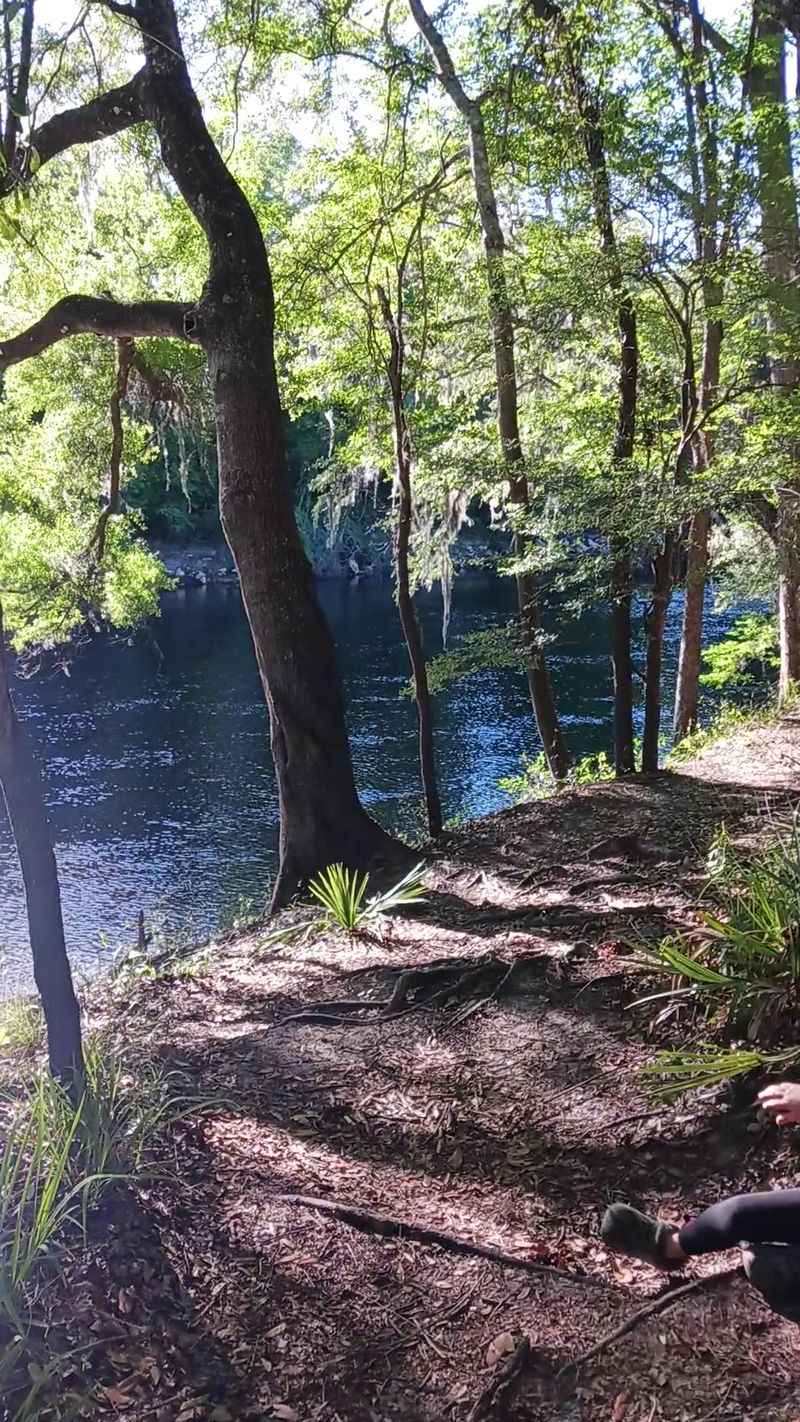
Long before sawmills arrived, this river crossing mattered for military reasons.
Low earthen mounds inside the park mark Confederate earthworks built during the 1860s to guard a nearby railroad bridge over the Suwannee.
Soldiers shaped them to protect a supply line that kept trains moving across north Florida.
I walked the short trail and almost stepped over the ridges without noticing them at all.
Time has softened the outlines into gentle humps covered with pine needles and leaves.
Signs explain the layout, which helps enormously when the evidence is mostly dirt.
No major fighting happened at this exact spot, though the crossing stayed strategically important.
Digging and metal detecting are prohibited, and the rule protects a fragile record.
Cooler months make the walk pleasant, since summer humidity here means business.
Standing among the mounds, I thought about how many layers this small area holds.
Military camp, lumber empire, highway stop, and finally quiet woodland.
Few places pack that much history into ground you can cross in ten minutes.
Tips For Exploring Without Getting Spooked
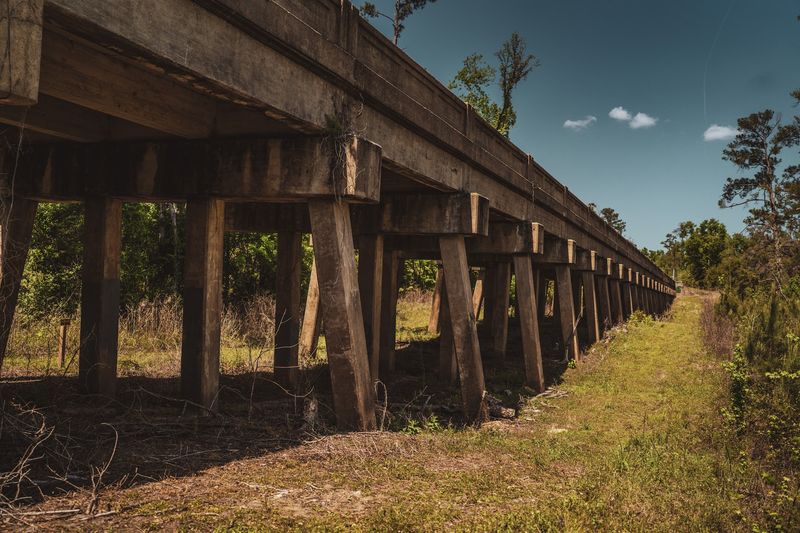
Planning beats improvising when your destination technically no longer exists.
I would aim for late fall through early spring, when humidity drops and mosquitoes lose interest.
Morning light works best for photos on the bridge, while afternoon flatters the river overlook.
Pack water, snacks, sunscreen, and closed shoes with real tread.
Nearby Live Oak and Madison offer food and lodging, since the site itself has no services.
Interstate 10 and U.S. Highway 90 both put you within easy reach of the park entrance.
Kayak rentals in the region let you see the river junction at water level, which is worth arranging ahead.
Keep an eye on river levels, because high water can close trails and flood low areas.
Leave the ruins exactly as you found them, and take pictures instead of pieces.
Tell someone your plan if you wander alone, and stay on marked paths near the bluffs.
I spent about three hours here and wished I had given the place a full day.
Bring curiosity, patience, and a healthy tolerance for silence.