
This Michigan Fishing Village On Lake Michigan Just Earned Recognition As One Of America’s Best Coastal Getaways
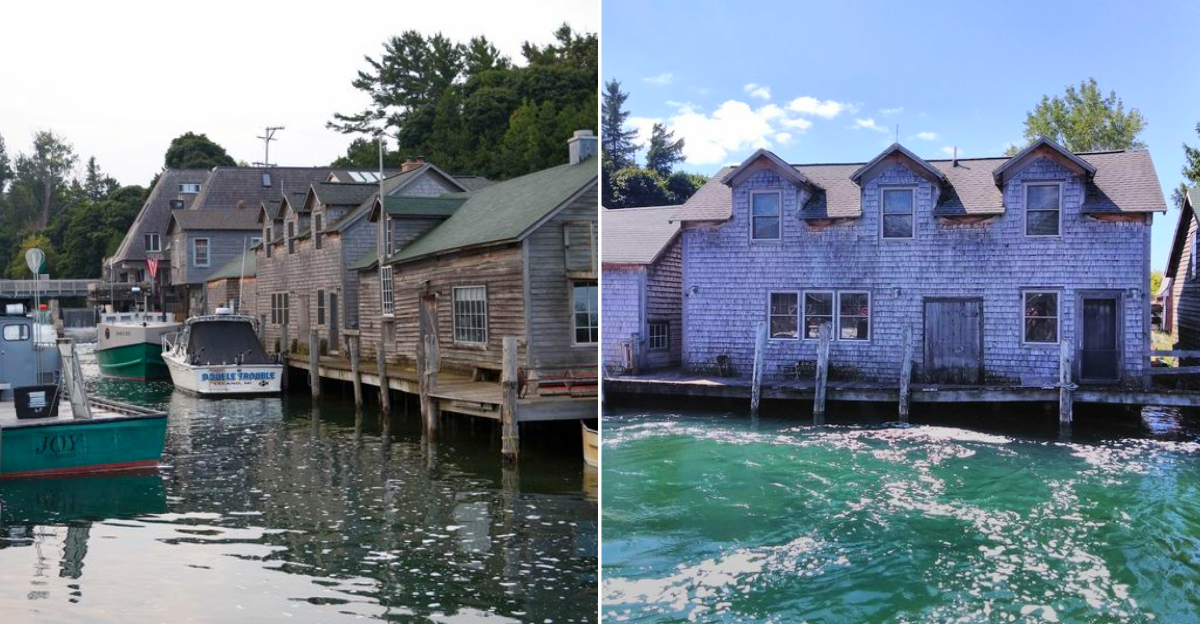
The fishing shanties are the reason I keep coming back. Weathered gray buildings sit on wooden pilings over the river, looking exactly as they did when commercial fishing boats first started pulling fresh trout from these northern waters in the 1850s.
Two working fish tugs still dock at the end of the boardwalk. A smokehouse sells smoked whitefish by the pound to anyone willing to wait in a line that moves slower than the river current.
The whole town is small enough to walk end to end in just fifteen minutes. Park once. Hit the beach, grab dinner at the dockside, catch the ferry to an uninhabited island if you have an extra day.
No chains, no tourist traps, nothing ordinary. Historic fishing shanties, working fish tugs, and ferry access to an uninhabited island earned this Michigan town a spot among America’s best coastal getaways.
Historic Structures Tell Tales
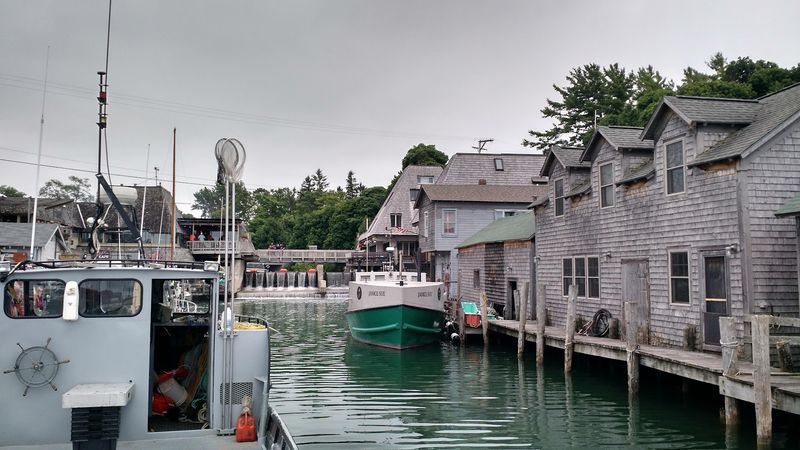
Weathered shanties crowd both sides of the Leland River, looking rough enough to fool you into thinking preservation has done nothing here. In reality, keeping Fishtown this visually simple has required years of careful structural work.
The district includes fishing shanties, smokehouses, docks, charter boats, and commercial fish tugs tied to a fishing tradition that began after European settlement in the 1850s.
Many surviving buildings were constructed by fishermen before 1930, when practicality mattered more than architectural polish. Their wood siding, low profiles, and riverfront placement reflect work rather than decoration.
High water in 2019 and 2020 damaged docks and threatened several structures, forcing Fishtown Preservation to raise, rehabilitate, and stabilize buildings while trying not to erase their character.
Walk slowly enough to notice what has been saved rather than merely what photographs well. Several shanties now hold shops and food businesses, but the working-waterfront layout remains legible beneath the retail signs.
The best detail is that history has not been sealed behind glass. Carts still move along the docks, fish still come through the district, and two steel tugs remain connected to the commercial fishery.
That continuity gives the weathered boards their meaning. On ordinary northern Michigan mornings too.
M-22 Slips Between Two Lakes Into Leland
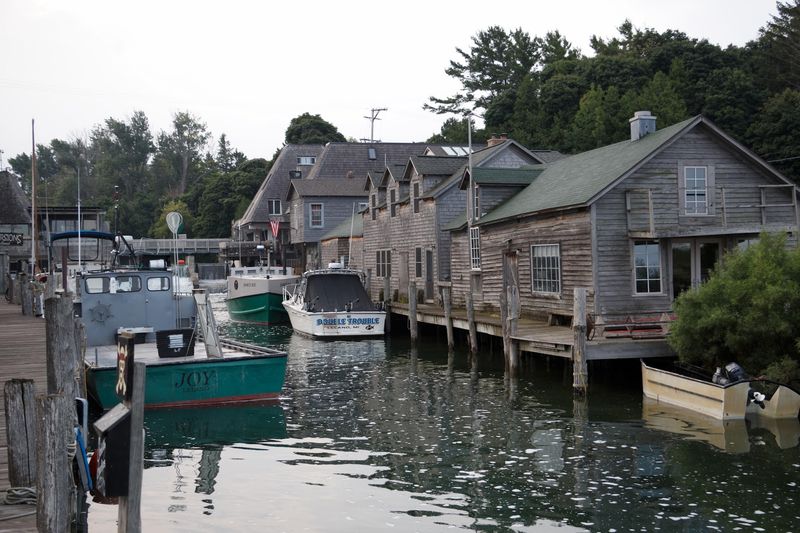
The drive into Leland narrows naturally toward water. M-22 reaches the village from Suttons Bay to the south and from Glen Arbor farther down the Leelanau Peninsula, then slips between Lake Leelanau and Lake Michigan before reaching the compact downtown.
Once you arrive, parking the car and leaving it alone is usually the smartest move. Fishtown, the harbor, Main Street shops, restaurants, Van’s Beach, and the Leland River all sit close enough together that moving between them on foot is easier than repeatedly searching for another space.
Use the village’s current parking map before a summer visit, especially on weekends when the central streets fill quickly. Spaces are scattered around downtown rather than concentrated in one enormous visitor lot, which helps preserve the small-town scale but requires a little patience during peak hours.
For navigation, aim toward the Fishtown district near West River Street rather than treating one business as the destination. From there, the boardwalk, dam, waterfront, and downtown streets unfold within a short walk.
The setting becomes obvious almost immediately. Lake Michigan sits to the west, Lake Leelanau stretches east, and the river connects the two through the middle of town like a built-in guide for first-time visitors.
A Living, Breathing Waterfront
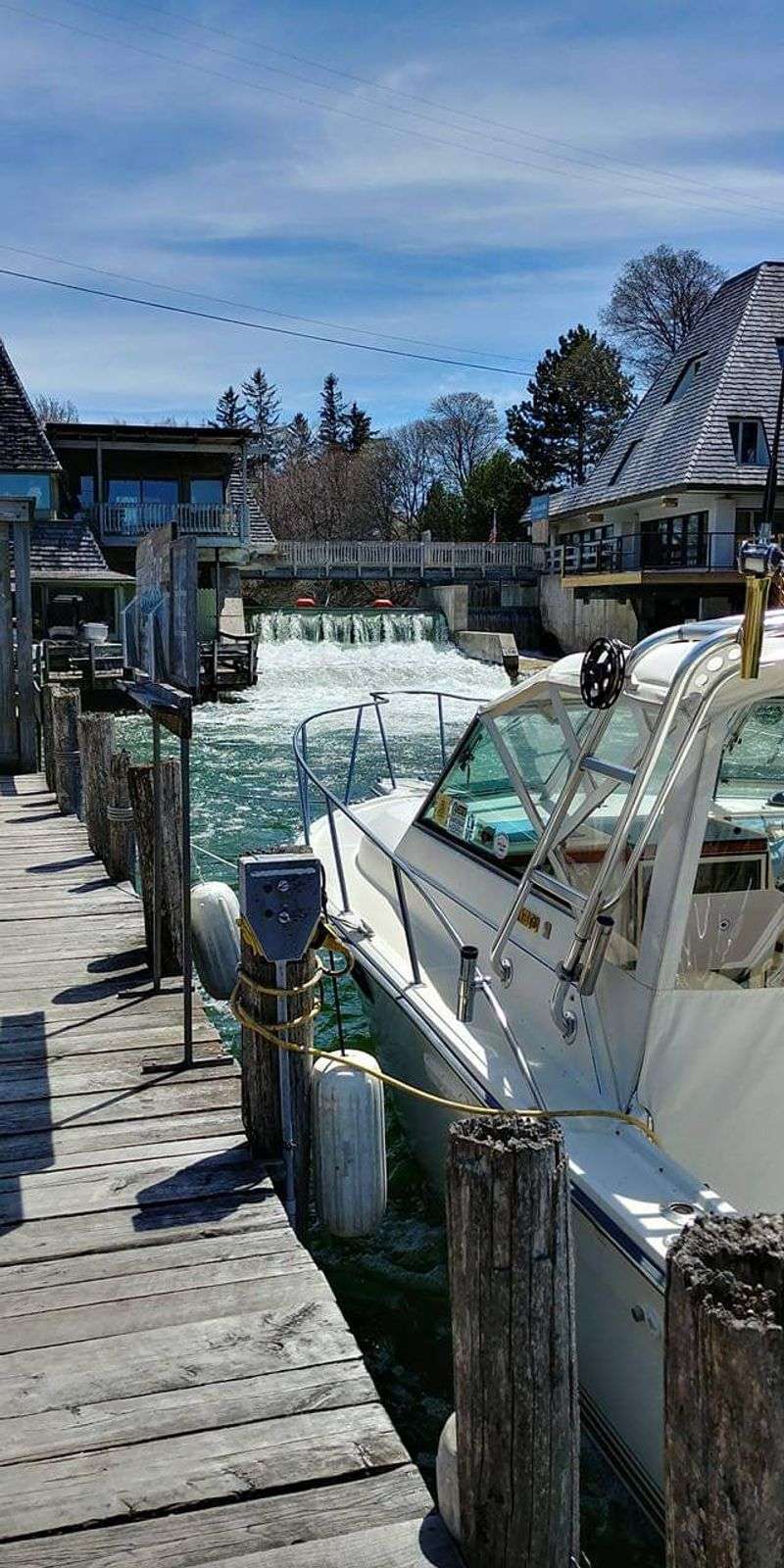
Commercial fishing here is not a reenactment. Fishtown Preservation owns the steel fish tugs Janice Sue and Joy, and both remain operational parts of Leland’s fishery.
The Janice Sue was launched in 1958 and has worked from Leland ever since, while the locally built Joy entered service in 1982 as trap-net fishing expanded.
During the fishing season, the boats may head onto Lake Michigan to check nets before returning to the river. That working rhythm explains why visitors occasionally need to step aside for hoses, carts, equipment, or people doing jobs that have nothing to do with tourism.
Preservation has made that continuity possible. Fishtown Preservation purchased the Carlson properties, shanties, and tugs in 2007, then spent years addressing failing infrastructure and damage from record high water.
The campaign repaired docks and rehabilitated vulnerable buildings without turning the district into a polished replica.
Watch from a respectful distance rather than treating crews as performers. The most interesting moments are usually ordinary ones: a tug tied beside a weathered shanty, gear being moved, or fish entering the same riverside district where commercial fishing has shaped Leland for generations.
That is what separates Fishtown from a maritime-themed shopping center on Lake Michigan.
Seasonal Wonders By The Water
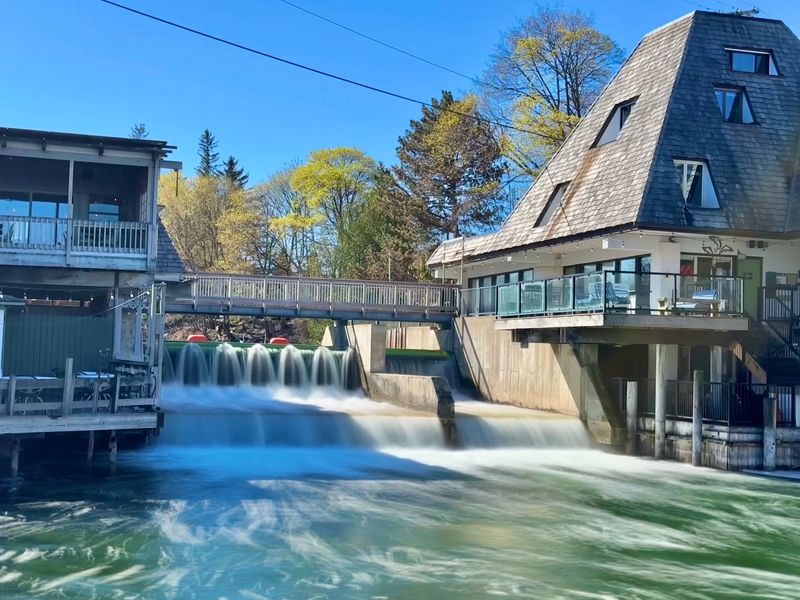
Summer is Leland at full volume. Fishtown shops are open, boats move through the harbor, downtown sidewalks stay busy, and Lake Michigan can turn startling shades of blue when sunlight reaches the shallows.
It is the easiest season for first-time visitors because nearly everything is operating on schedule.
Autumn changes the balance. Crowds thin after Labor Day, vineyards and hills across Leelanau County pick up color, and cooler air makes walking the village more comfortable.
Individual Fishtown businesses set their own seasonal hours, so October visitors should check shops before assuming every door will still be open.
Winter is quieter still. Snow settles on shanty roofs, the river keeps moving, and much of the bustle disappears.
The district itself remains visible, but retail and dining choices become more limited than they are in July or August.
Choose the season according to what you want. Summer delivers energy and the widest selection of open businesses.
Fall offers color and easier wandering. Winter gives you atmosphere and space, but demands more planning.
I would visit once in July, then come back after the leaves turn. The same riverfront reads differently when the boardwalk stops feeling like a moving line of people completely.
Beyond The Docks Local Discoveries
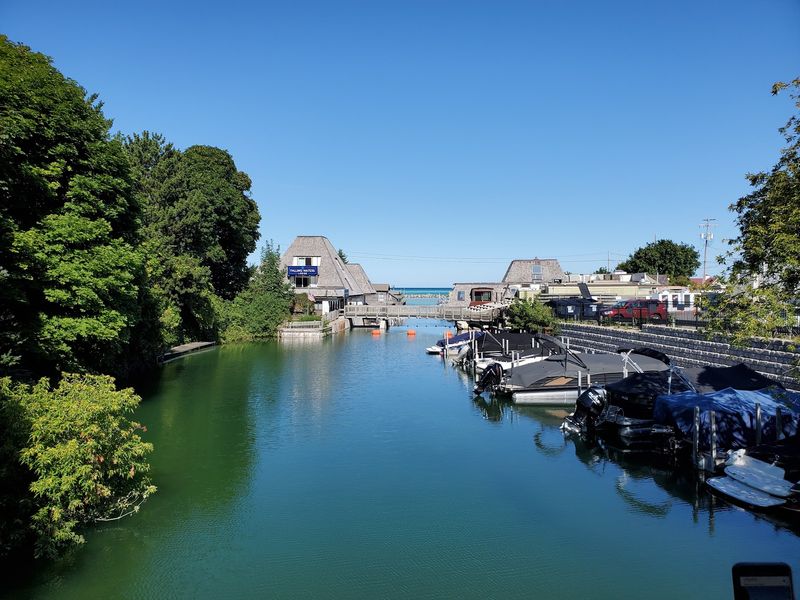
The storefronts just uphill from Fishtown keep the village from feeling like a one-attraction stop. Independent shops sell jewelry, clothing, books, gifts, art, and locally connected goods within a compact downtown that is easy to browse after walking the docks.
Inside Fishtown itself, the Bead Hut specializes in handcrafted jewelry using Leland blue, Petoskey stone, beach glass, and other materials associated with northern Michigan. Diversions has occupied a shanty since 1972, while the Dam Candy Store covers the opposite end of the shopping spectrum with sweets, ice cream, and chocolates.
That mix works because the district has not been filled with one repeating souvenir formula. Some businesses lean directly into local materials and maritime identity, while others simply function as small shops in a very unusual setting.
Bring a tote if you expect to shop, but leave enough hands free for food later. Summer afternoons can make the narrow walkways busy, so browsing is easier earlier in the day or after dinner crowds begin thinning.
The pleasure is in the short distances. You can move from a working fish tug to handmade jewelry, then climb a few blocks into downtown without ever needing to return to the car at all.
A Taste Of The Lake
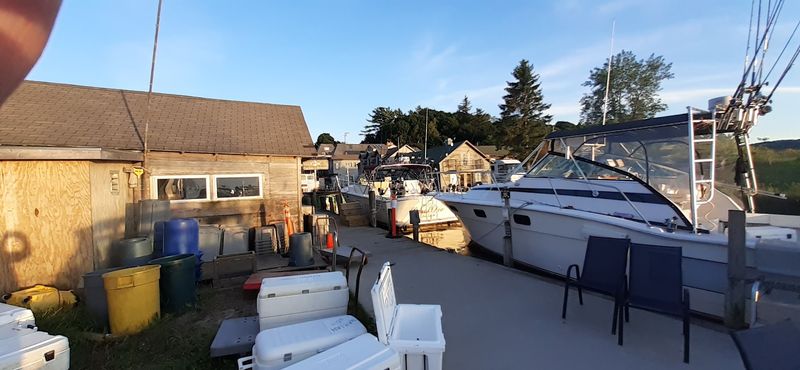
Smoked fish is one of the few souvenirs that may not survive the drive home, mostly because opening the package early is too tempting. Carlson’s Fishery has operated in Fishtown for five generations, selling fresh fish, smoked fish, jerky, and other products from a family business tied directly to Leland’s commercial fishing tradition.
The fish counter belongs in the itinerary before lunch because summer lines can build and popular items may sell through. Whitefish remains the obvious starting point, especially if you want something unmistakably connected to the Great Lakes rather than another generic vacation snack.
A few steps away, Village Cheese Shanty supplies a completely different kind of ritual. Its sandwiches on pretzel bread have developed a loyal following, and the line along the boardwalk can become part of the scenery on busy afternoons.
Eat outside if the weather cooperates. The river, fish tugs, and shanties provide a better dining room than most restaurants could manufacture.
Bring a cooler if smoked or fresh fish is coming home with you. That small bit of preparation turns an impulsive purchase into dinner later, which is a satisfying way to let Leland follow you home without buying another decorative sign or mug.
Pathways To Natural Beauty
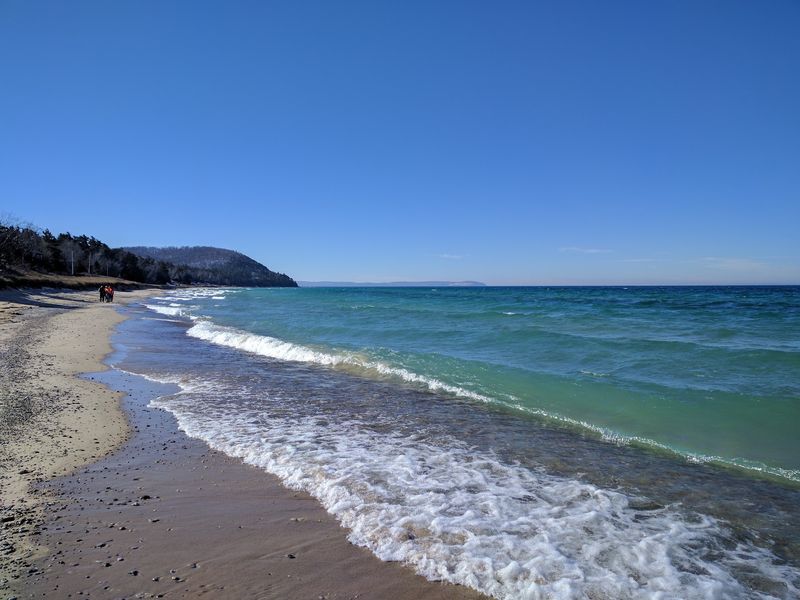
Water surrounds almost every version of a Leland day. Van’s Beach sits within walking distance of Fishtown, giving visitors an easy Lake Michigan stop without leaving the village, while Lake Leelanau lies just east of downtown across the narrow peninsula.
One important 2026 change affects the biggest excursion. Manitou Island Transit is not running passenger ferry trips to North or South Manitou Island this season because the National Park Service has closed both island docks for major construction.
The park expects the docks and villages to reopen in 2027.
That means old travel guides suggesting an easy day trip from Fishtown are wrong for this year. Visitors can still enjoy Sleeping Bear Dunes National Lakeshore from mainland locations, but the familiar ferry departure from Leland is unavailable throughout 2026.
Closer to town, the riverfront, harbor, beach, and surrounding Leelanau Peninsula provide plenty of alternatives. Pack a towel for Van’s Beach, walk the waterfront, or drive south toward mainland trails and overlooks within Sleeping Bear Dunes.
The ferry boats remain part of Leland’s long maritime identity, but planning around a service that is not operating will only create disappointment. In 2026, keep the adventure on the mainland and enjoy the shoreline.
Community Heartbeat
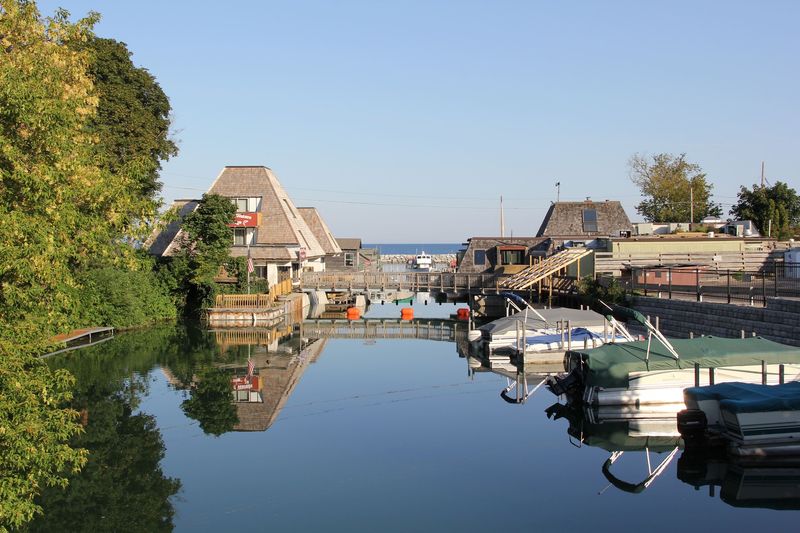
Each spring the village gathers at the water for the Blessing of the Fishing Tug, a ceremony that ties today’s fishing families to the ones who came before them.
Through the warmer months, Music in the Air concerts at the Old Art Building and other community events keep the calendar full without turning the place into a festival ground.
Attend one and you notice something: locals outnumber visitors, and nobody seems to be performing for the camera.
If your trip overlaps with either tradition, rearrange your day for it. These gatherings explain Leland better than any brochure or scenic overlook can.
A Journey Through Time
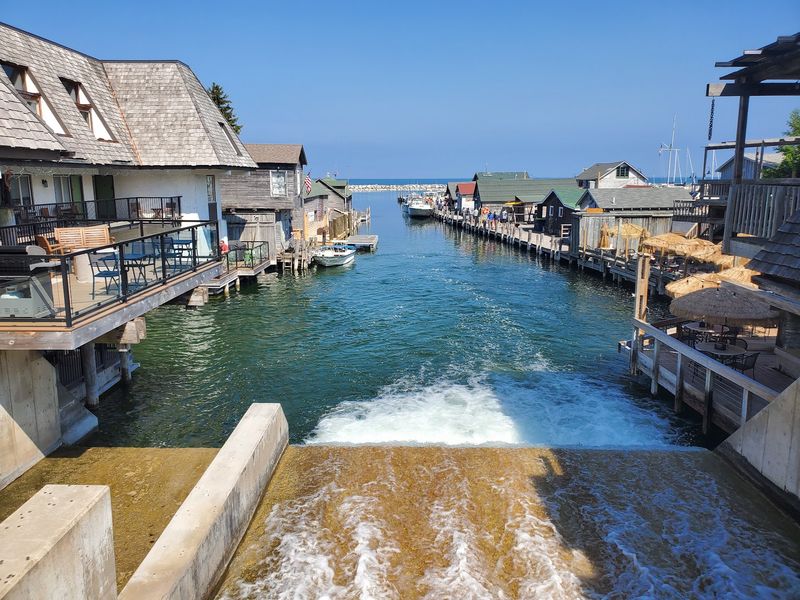
Long before the fishing shanties appeared, Indigenous people used this place as a landing and fishing site.
The Leland Chamber traces the village’s recorded history through Native use of the river mouth, European settlement in the 1850s, and the development of a dam, sawmill, docks, and commercial fishing along what became the Leland River.
That sequence is still visible if you stop looking at Fishtown as one picturesque block. The dam explains the river’s shape, the docks explain the working shoreline, and the shanties show how fishing businesses organized themselves around direct access to water.
By the late nineteenth century, Leland supported a small fishing fleet. Gasoline engines began replacing sails in local fishing boats after 1905, and steel tugs eventually replaced the older wooden vessels.
The Janice Sue arrived in 1958, followed decades later by the Joy.
Stand near the dam and let the timeline overlap. Canoes, lumber, fishing boats, tourists, charter crews, and sandwich lines have all used the same narrow corridor for different reasons.
The village works because those layers have not been separated into different museums. They remain compressed beside one river, where modern visitors can still read the older pattern underneath today’s shops and docks.
Quirky Observations
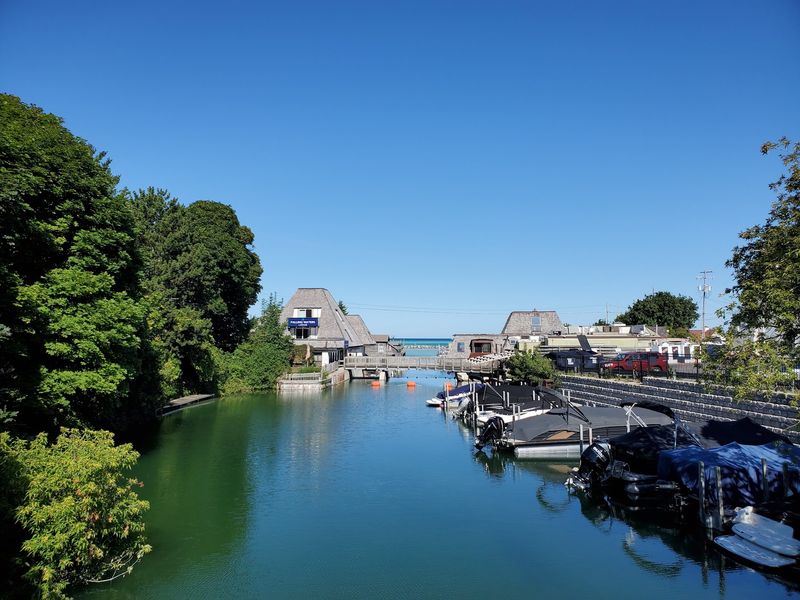
Here is a small fact that says a great deal: Leland has no stoplights. Not one.
Traffic sorts itself out through eye contact and mild courtesy, which sounds inefficient until you experience it and realize nobody is in a hurry to begin with.
Recognition as a coastal getaway has not changed the essential character of a village of roughly 410 residents. The pace still belongs to the people who live here year round.
Practical upshot for visitors: park once, then walk everywhere. The village is small enough that moving your car is almost always a mistake you will regret.
Craft And Creativity
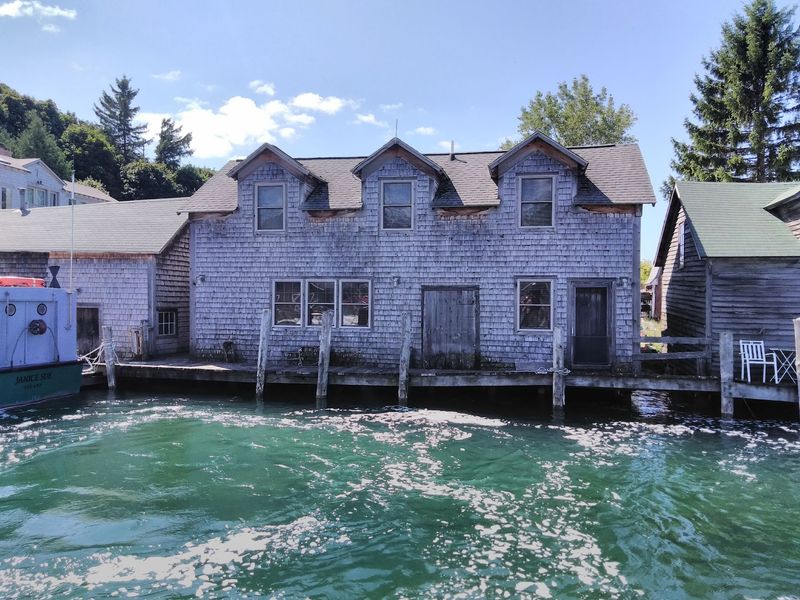
Something about this shoreline pulls artists in and keeps them. Galleries and studios occupy several Fishtown shanties and storefronts along the walkable downtown, close enough to visit in a single loop.
Paintings of the dunes and dramatic water sit beside handcrafted home goods, and the range is wider than a village this size should reasonably support.
The Old Art Building, a community cultural center dating to 1922, hosts exhibitions and workshops through the year and doubles as a concert venue.
Ask what the artist was looking at when they painted a particular stretch of shore, then go find that view yourself. It usually takes ten minutes.