
This Illinois River Town Is So Charming You Can Walk Its Whole Main Street In An Afternoon
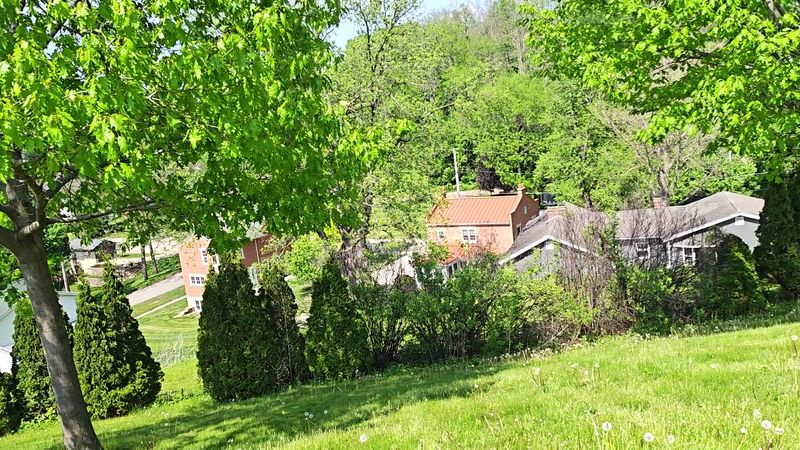
Tucked into the rolling hills of northwestern Illinois, Galena is the kind of small town that stops you in your tracks. Its compact downtown commercial corridor is lined with 19th-century storefronts, independent shops, and casual restaurants, all within easy walking distance of each other.
The official self-guided walking route takes about an hour to cover on foot, making a relaxed afternoon here genuinely realistic, as long as you know what that promise actually includes and what it leaves out.
Galena Offers an Afternoon Walk Through Its Principal Downtown Corridor
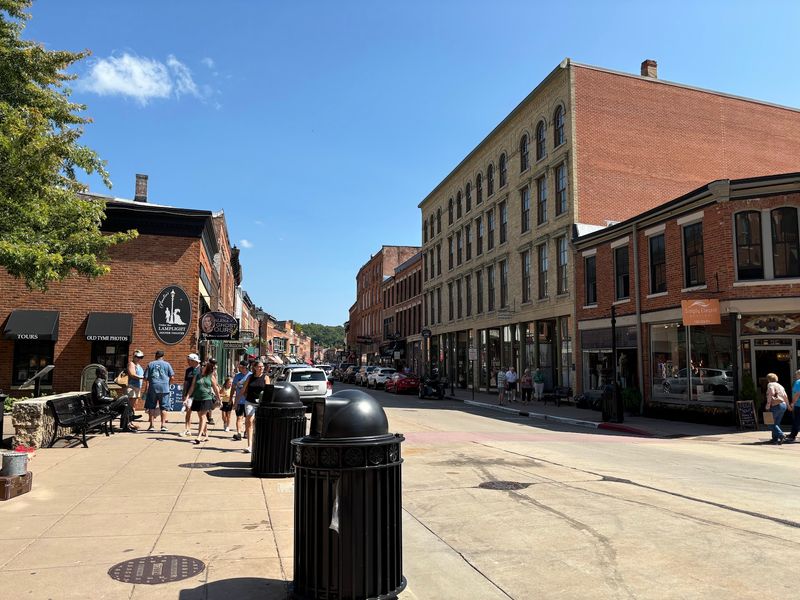
Galena, Illinois, is the town behind the description. Nestled along the Galena River in Jo Daviess County, roughly three miles east of the Mississippi River, it grew from a rough-edged lead-mining hub into one of the Midwest’s most intact 19th-century downtowns.
The river connection matters for context: the Galena River watershed shaped the town’s early commerce and infrastructure, and the river itself still runs through the valley below the commercial strip.
The claim that visitors can walk “the whole Main Street” in an afternoon is a useful starting point but needs a practical correction. Galena Country’s official self-guided downtown walking tour covers the principal commercial corridor, the riverfront levee area, and several nearby landmarks, and the tourism bureau estimates it at about one hour.
That one hour accounts for moving through the route, not for stopping to browse shops, linger over lunch, or explore every historic marker along the way.
A more useful promise is this: the principal shopping and dining stretch is compact enough to walk in an afternoon, with time left over for a few stops. Galena Country describes Historic Main Street as home to more than 125 independently owned boutiques, restaurants, galleries, and tasting rooms, a figure worth keeping in mind as an indicator of density rather than a guarantee of what you will find open on any given day.
The key planning contrast is straightforward: the commercial core is genuinely manageable on foot, while bluff overlooks, scenic preserves, and some historic landmarks sit well beyond the retail strip and call for a separate outing or a short drive.
The Historic District Gives the Stroll Its Character
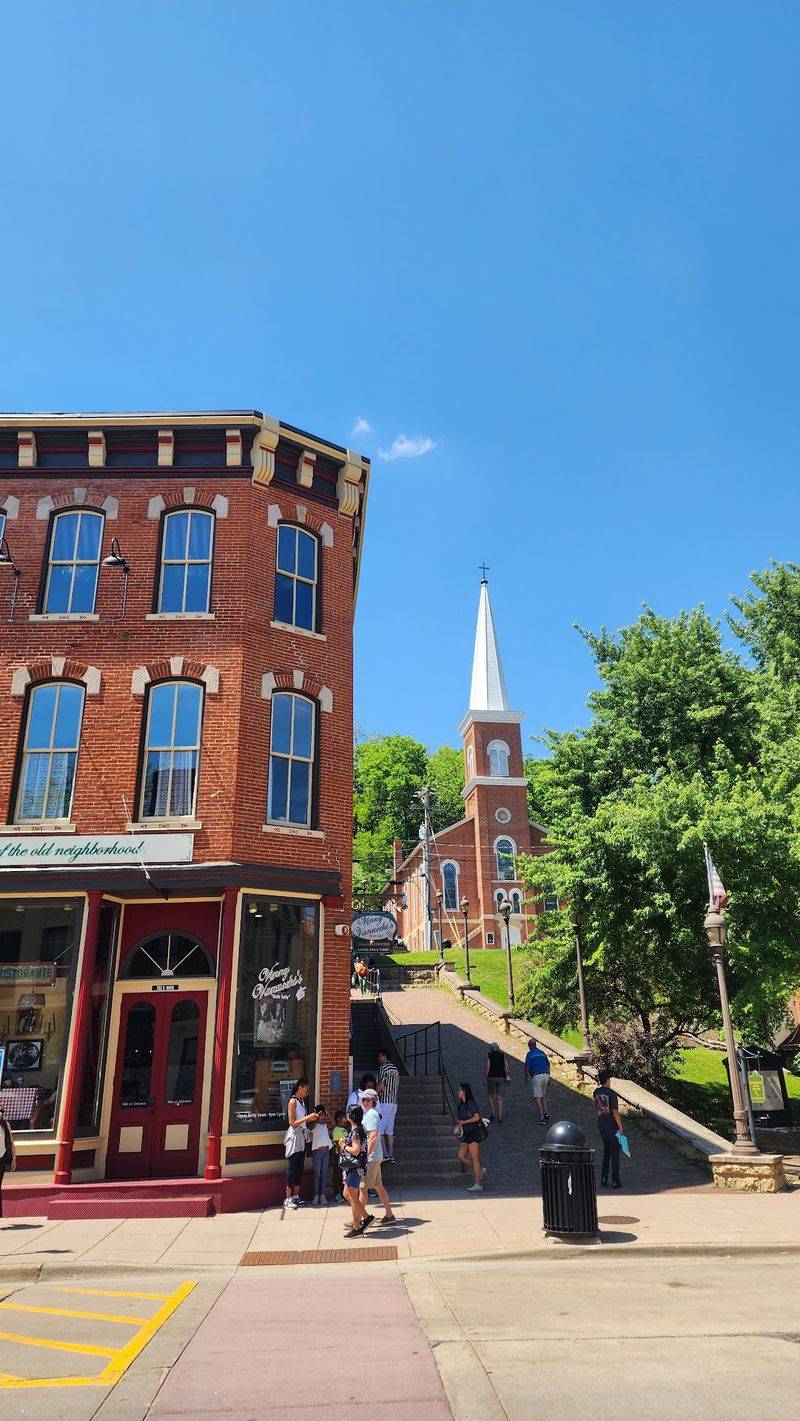
Walking Galena’s downtown feels different from strolling through a modern shopping center because almost every building you pass carries a story from the mid-1800s. The Galena Historic District is listed on the National Register of Historic Places, recognized for its significance in commerce, transportation, industry, and architecture.
The district’s documentation identifies Greek Revival and Italianate styles as the dominant architectural languages, and you can spot both in the decorative cornices, tall narrow windows, and carefully proportioned facades that line the commercial blocks.
The connection between those buildings and Galena’s economic past is direct. Lead mining drove the town’s early growth, and the river-trade era that followed brought merchants, bankers, and shippers who built the structures still standing today.
National Register documentation for the district’s boundary history confirms that the commercial area developed alongside Galena’s mining and river-commerce economy, making the architecture a physical record of a specific and brief period of Midwestern prosperity.
One practical point worth understanding before you arrive: the historic district is not a pedestrian-only museum zone. Active roads run through it, some walking-tour stops are private residences or private properties, and the neighborhood includes residential, institutional, and other noncommercial buildings alongside the shops.
Treat it as a living community that happens to have preserved an extraordinary concentration of 19th-century architecture, and you will read the streetscape more accurately than if you expect every block to feel like a curated exhibit. Looking up at the upper-story facades while moving through the commercial corridor is one of the easiest ways to appreciate the scale of what survives here.
Shopping and Dining Add Optional Stops to the Walking Route

The retail experience along Galena’s downtown corridor is more varied than a single label like “antique town” would suggest. Galena Country reports more than 125 independently owned businesses along Historic Main Street, including boutiques, antique and collectible dealers, specialty food shops, art galleries, wine and spirits tasting rooms, cafes, and full-service restaurants.
Antique shopping is genuinely part of the mix, but so are gift stores, home-goods boutiques, and places to stop for a meal or a glass of locally sourced wine. Expecting every storefront to be an antique shop will leave you surprised by the actual range on offer.
The time math here is worth thinking through before you go. Walking the official route takes about an hour.
Browsing a few shops, sitting down for lunch, or tasting something at a local winery adds considerably to that estimate. A realistic afternoon visit might involve the walking route plus two or three focused stops, rather than an attempt to visit every business on the block.
Galena’s shopping overview can help you identify which categories interest you most before you arrive, so you can plan stops rather than simply wandering and hoping.
Hours are the variable that catches the most visitors off guard. Because these are independently owned businesses, Galena Country notes that while many shops operate seven days a week, individual hours vary and can change seasonally or around holidays.
Checking directly with specific shops or restaurants before a weekday or winter visit will save you from arriving to find a locked door on a place you were counting on. A quick call or a look at a business’s own website takes two minutes and can reshape your whole itinerary for the better.
The Levee Shows Galena’s River and Flood History
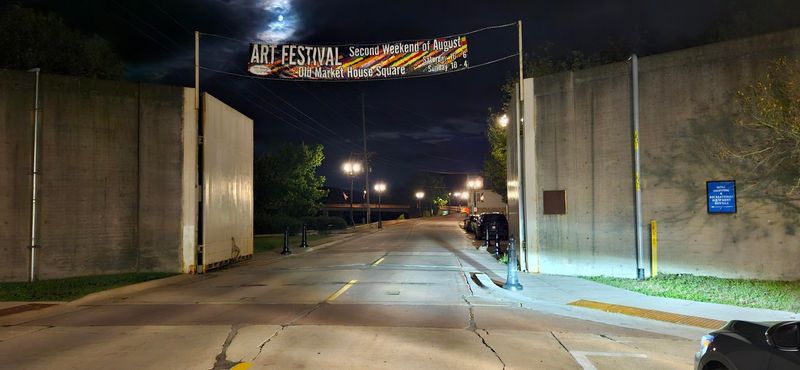
Moving past the storefronts and toward the river corridor reveals a different layer of Galena’s story. The official downtown walking route includes the Galena River levee and floodgates, a piece of civic infrastructure that most visitors walk past without fully registering what it represents.
The system was constructed in the late 1940s and early 1950s in response to a history of severe flooding, including a 1937 flood that reportedly put as much as five feet of water on Main Street. The historic walking tour connects this infrastructure directly to the commercial history of the street it protects.
Galena’s river identity is rooted in the Galena River, not the Mississippi. The Mississippi lies roughly three miles to the west, and while steamboat traffic on that larger river was central to the regional economy, the town itself sits in the Galena River valley.
Walking-tour notes from Galena Country describe how the town’s early growth depended on lead ore moving down the Galena River to the Mississippi and then south to markets. That sequence, ore to river to steamboat to market, explains why a relatively small inland town accumulated the wealth to build the commercial blocks still standing today.
The Old Market House area and Perry Street are also part of the official route and add texture to the flood-and-commerce narrative. The Old Market House served as a center of civic and commercial life during the town’s peak years, and Perry Street’s historic cobblestone-like surface connects the levee district to the broader residential and commercial fabric above.
National Register documentation for the district underscores how transportation and commerce shaped every part of this physical landscape, from the waterfront infrastructure up through the hillside streets.
The Broadest Bluff Views Require a Separate Outing
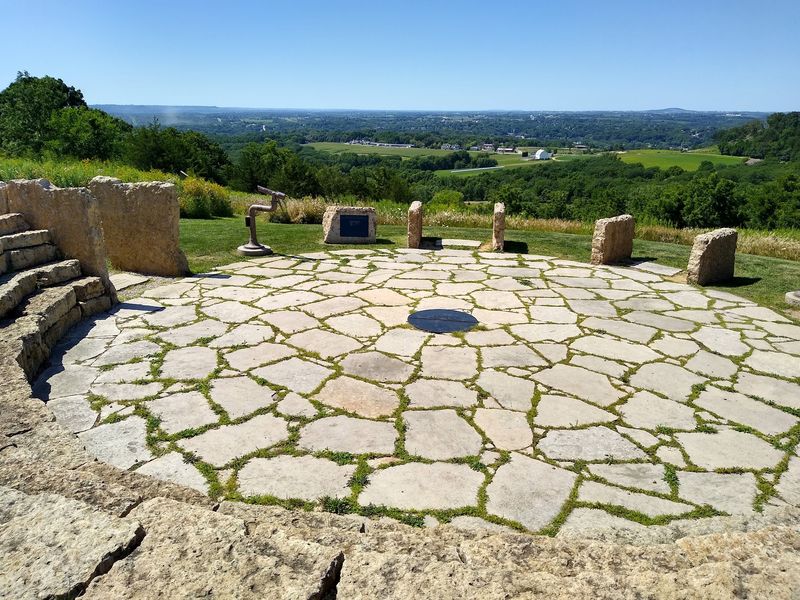
Downtown Galena sits in a river valley, and that geography shapes what you can see from the commercial strip. The storefronts, the levee, and the historic facades are all at valley level, which means the wide, sweeping views that appear in so many photographs of the area are not available from Main Street itself.
For those panoramas, you need to go up, and that means leaving the retail corridor behind.
Horseshoe Mound Preserve is the most commonly cited elevated viewpoint near Galena. From the top, you can look out over Galena, the Mississippi River valley, and on a clear day, portions of Iowa and Wisconsin.
The preserve sits outside the immediate downtown commercial area and is not a short, effortless extension of the Main Street walk. Getting there requires a separate trip, whether by car or a longer hike, and the terrain reflects that separation from the flat valley floor.
Casper Bluff, located about three miles south of Galena, offers another distinct perspective, overlooking Mississippi River backwaters and connecting by gravel trail toward the Galena River Trail. The Illinois Department of Natural Resources notes that Casper Bluff is open from dawn to dusk and contains culturally significant features including ceremonial and effigy mounds, so visitors must stay on designated routes, follow posted signage, and avoid disturbing archaeological features.
An active railroad corridor runs near the site, which is one more reason to treat it as a planned destination with its own access requirements rather than a casual roadside stop. Both Horseshoe Mound and Casper Bluff reward the extra effort, but they belong on a separate part of your itinerary, not tacked onto a Main Street stroll.
Plan for Hills, Uneven Surfaces, and Variable Hours
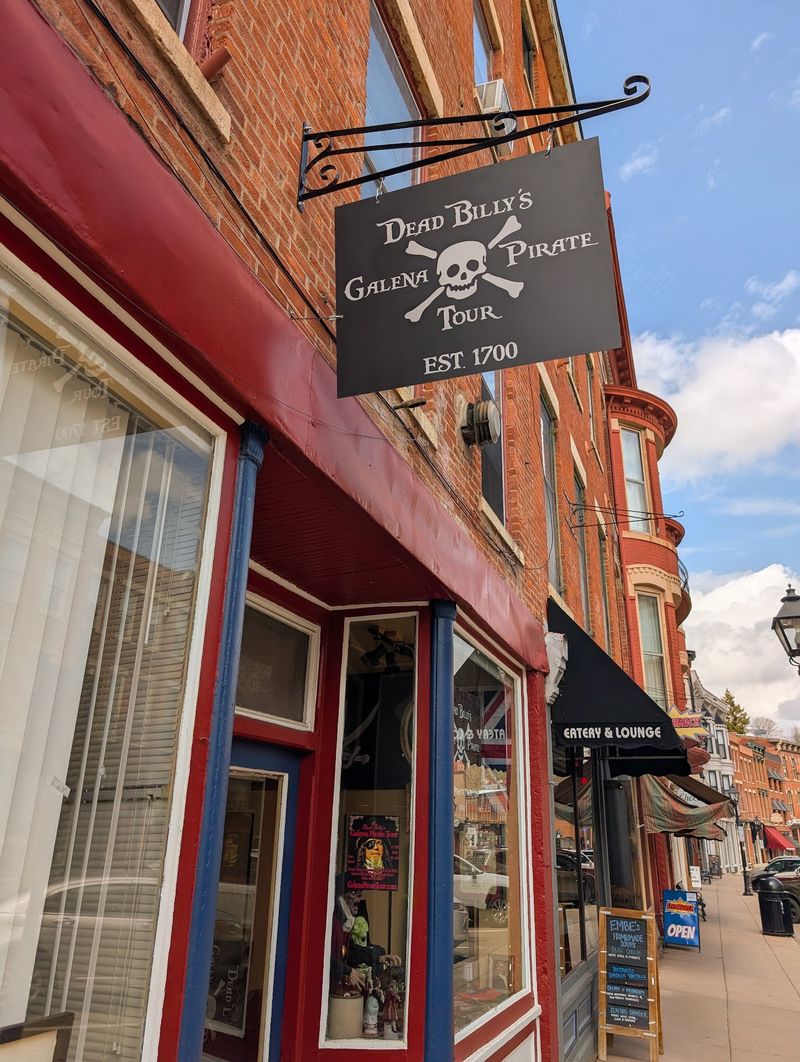
Galena’s terrain is part of its visual appeal, but it also means the walk requires some preparation. The downtown corridor is not flat.
The official walking-tour materials repeatedly reference steep hills, stairs, and elevated terrain as features of the route. Perry Street, which connects the levee area to upper streets, has a cobblestone-like surface that can be slippery in wet weather and tiring underfoot even when dry.
Comfortable, supportive footwear is a practical necessity rather than an optional suggestion, and carrying water is worth doing regardless of the season.
Accessibility is a real consideration. The combination of grades, stairs, and uneven historic surfaces means the route is not uniformly navigable for all visitors.
No current accessibility audit of the entire downtown walking route is publicly available, so anyone with mobility concerns should research specific segments in advance rather than assuming the full tour is manageable. Contacting the Galena Country visitor center directly before your trip is the most reliable way to get current information on which portions of the route present the fewest barriers.
Galena Country’s planning guidance mentions that seasonal free rides operate on Saturdays and Sundays between certain parking lots and downtown. That service can make parking easier on busy weekend days, but the schedule is subject to change, so verifying it before you rely on it is a smart step.
Parking lots are available near downtown, and arriving earlier in the day generally makes finding a spot easier during peak season. Business hours across the corridor vary by owner, season, and day of the week, so confirming hours for any specific shop or restaurant before building your plan around it will save frustration.
The historic district also includes active roads and private properties alongside the commercial blocks, so staying on public routes, watching for vehicle traffic, and respecting posted access boundaries keeps the visit both safe and considerate.
Build the Visit Around a Walkable Core
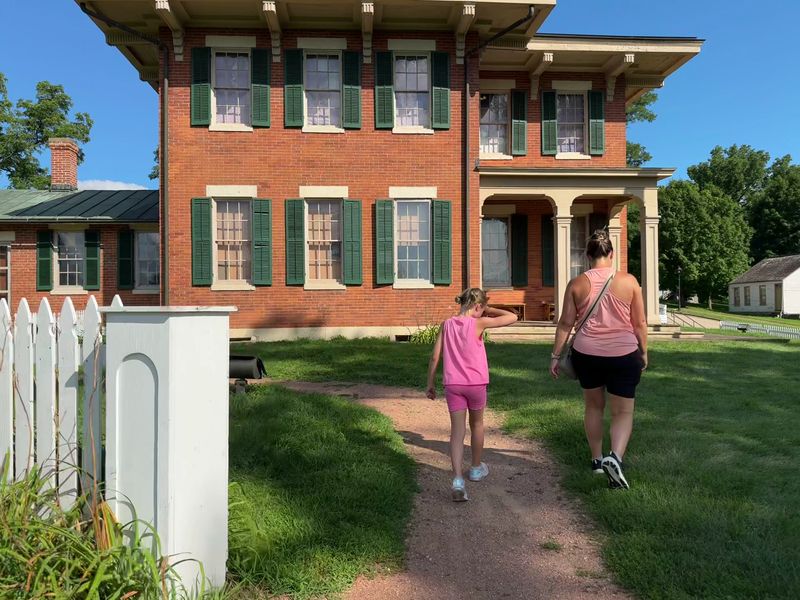
Galena works well for a focused afternoon because the principal downtown commercial corridor is genuinely compact and walkable. The official self-guided route covers historic architecture, river infrastructure, and the levee area in about an hour of walking, giving visitors a structured way to move through the neighborhood without missing the landmarks that explain why the town looks the way it does.
That one-hour estimate is a floor, not a ceiling. Meals, browsing, tasting rooms, and gallery visits all add time in a welcome way, and the density of independently owned businesses along the corridor means there is no shortage of reasons to slow down.
A realistic afternoon plan might combine the walking route with two or three intentional stops, leaving the rest of the business inventory for a return visit.
The region’s bluff preserves and broader scenic overlooks, including Horseshoe Mound and Casper Bluff, belong on a separate part of the itinerary rather than at the end of an already full afternoon. Galena’s appeal is real and well-earned, but its best version is a layered visit, not a single rushed loop.
Come for the walkable core, and let the hills and river views pull you back for another day.