
This Illinois River Town Has Riverfront Cafes And Antique Shops You Can Wander All Weekend
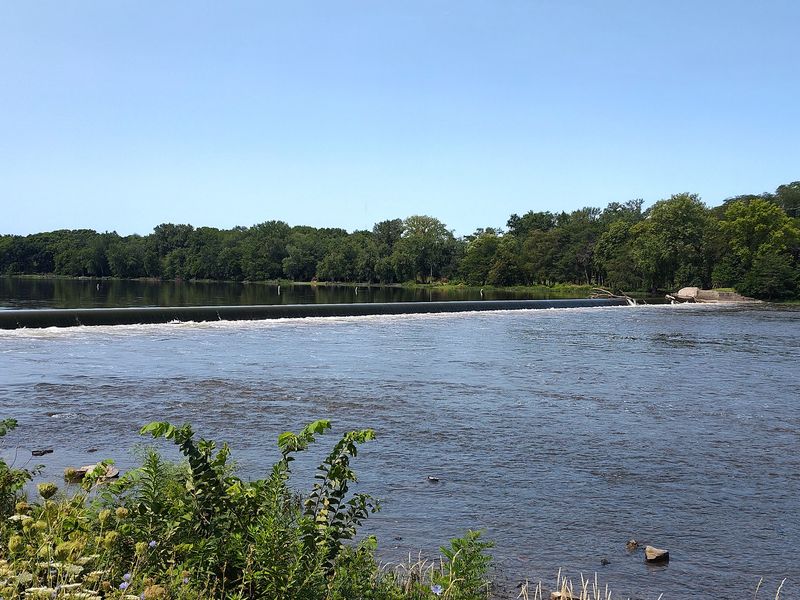
Tucked along the Kankakee River about an hour south of Chicago, Wilmington, Illinois calls itself the Island City for a reason: the river splits around a large natural island right in the heart of town. Water Street fills up with antique shops and a cozy cafe, while bridges and island parks pull visitors into the surrounding river landscape.
Whether you have one full day or a slow overnight, Wilmington rewards the kind of traveler who would rather browse at their own pace than follow a packed itinerary.
Wilmington’s Island City identity begins on the Kankakee
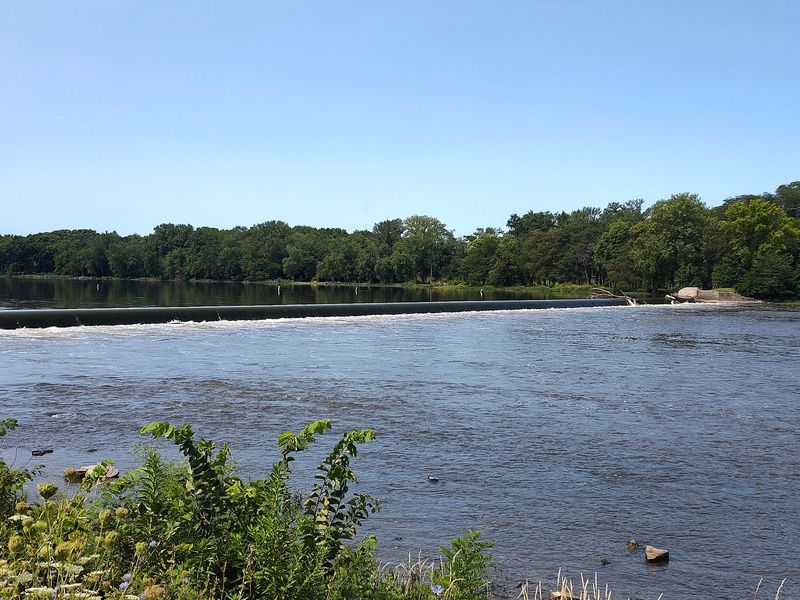
Wilmington earned its nickname the Island City honestly. The Kankakee River divides around a substantial natural island near the center of town, creating two distinct channels and giving the downtown area a geography unlike most small Illinois communities.
That river-and-island combination shapes everything about how visitors move through the city, from the bridges they cross to the parks they find on the other side.
The practical center of any visit is the historic downtown, anchored by North Water Street. The city of Wilmington identifies itself as a Kankakee River community, and the Island City identity runs through its parks, its street names, and its sense of place.
Visitors who arrive expecting a single unbroken riverwalk lined with shops will want to recalibrate: what Wilmington offers is a connected sequence of downtown streets, a millrace bridge, Bridge Street, and island parks that together form a wandering route rather than one continuous waterfront promenade.
That distinction actually works in the visitor’s favor. The experience feels more like genuine exploration than a scripted loop.
The downtown merchants’ virtual tour specifically guides visitors along Water Street, across the millrace bridge, and into the island area, which captures the spirit of the place well: unhurried movement through a small city where the river is always nearby, even when it is not immediately visible.
Arriving with that framing in mind makes the visit more satisfying. Wilmington is not a resort town or a sprawling tourist district.
At roughly 14 square miles, the city is larger than it might appear on a map, and the walkable experience concentrates in the historic core. Plan to spend your time in that downtown-and-island zone, and you will find more than enough to fill a leisurely day.
Start on Water Street, where the walkable district concentrates
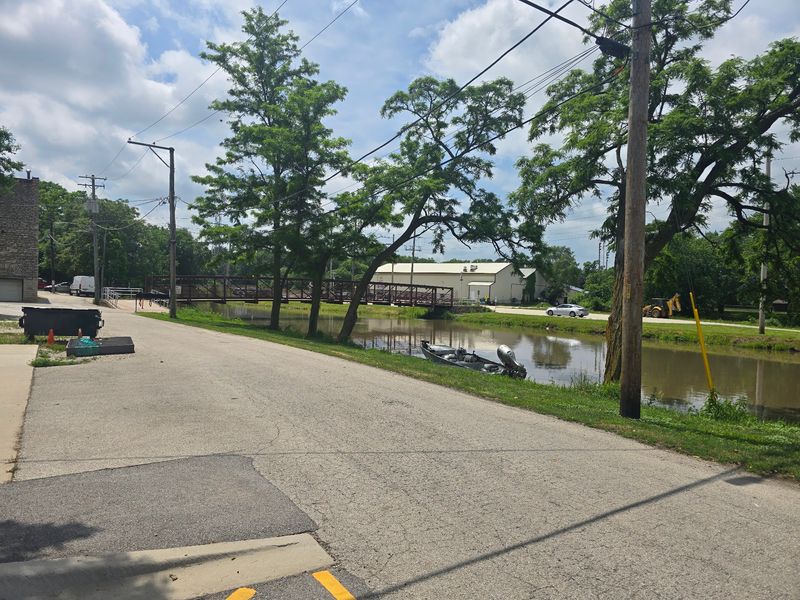
Water Street is the logical place to begin. The downtown merchants association describes the area as easily walkable, with several public parking areas scattered through the district so visitors can leave the car and cover the core on foot.
A printable map is available through the association, which helps orient first-time visitors before they arrive rather than after they are already searching for the next turn.
Parking logistics are straightforward. The Water Street parking lot includes an electric-vehicle charging station, which is a practical detail worth knowing if you are driving electric from the Chicago suburbs or anywhere along the Route 66 corridor.
RV travelers have a separate option: the North Island lot near Nelly’s accommodates larger vehicles, so a weekend road trip in a camper van is a realistic way to visit without hunting for street parking.
One important mental adjustment: the walkable district is the historic downtown and island-park area, not the entire city. Local maps from the city and the city’s recreation pages help clarify which parks and destinations fall within reasonable walking distance of downtown and which require a short drive.
Checking those resources before you go prevents the frustration of assuming everything is a five-minute stroll when some destinations sit further out.
Arriving on a Saturday morning gives you the widest window. Shops tend to open later on Sundays, and many independent businesses close entirely on Mondays and Tuesdays.
Settling into the Water Street area early on a weekend morning means you can browse at a relaxed pace without rushing to catch closing times before the afternoon is done.
Water Street turns antique shopping into the day’s main browse
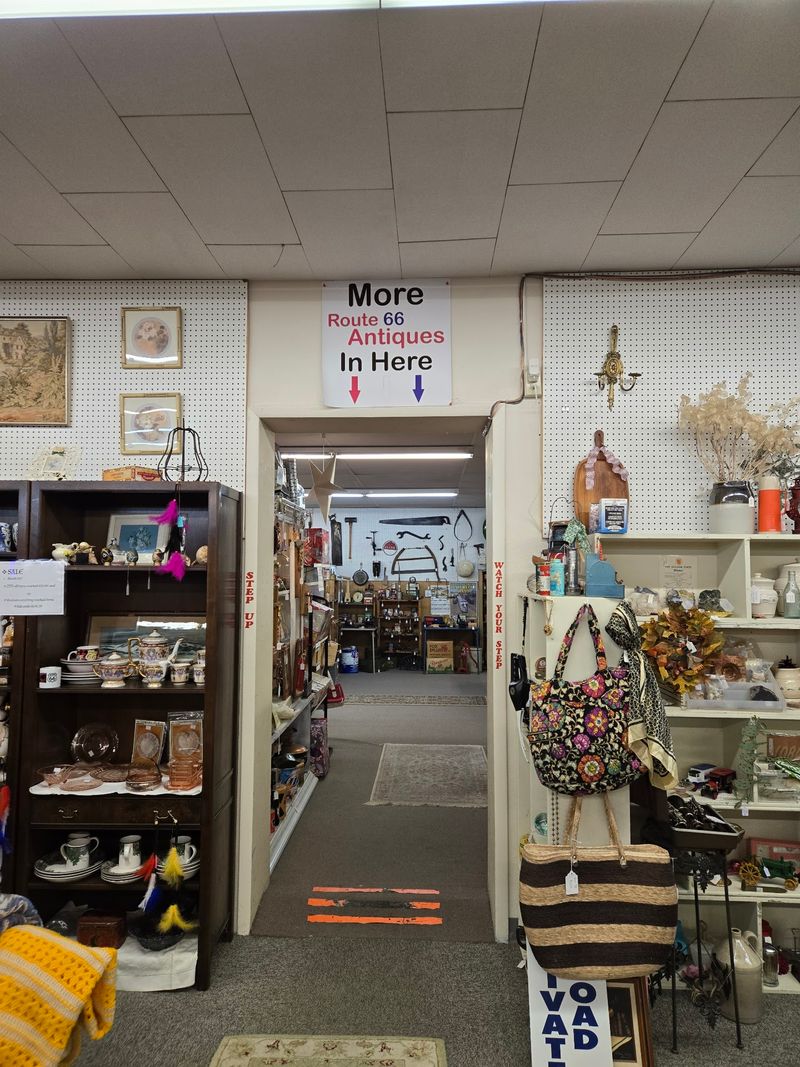
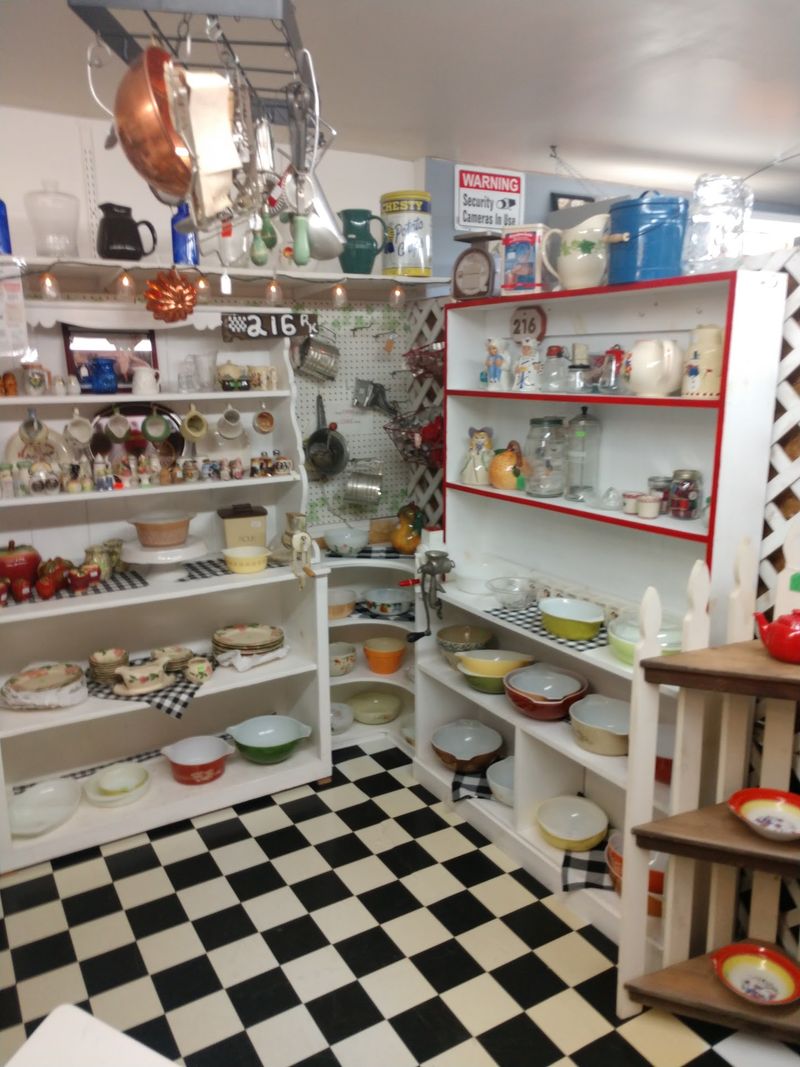
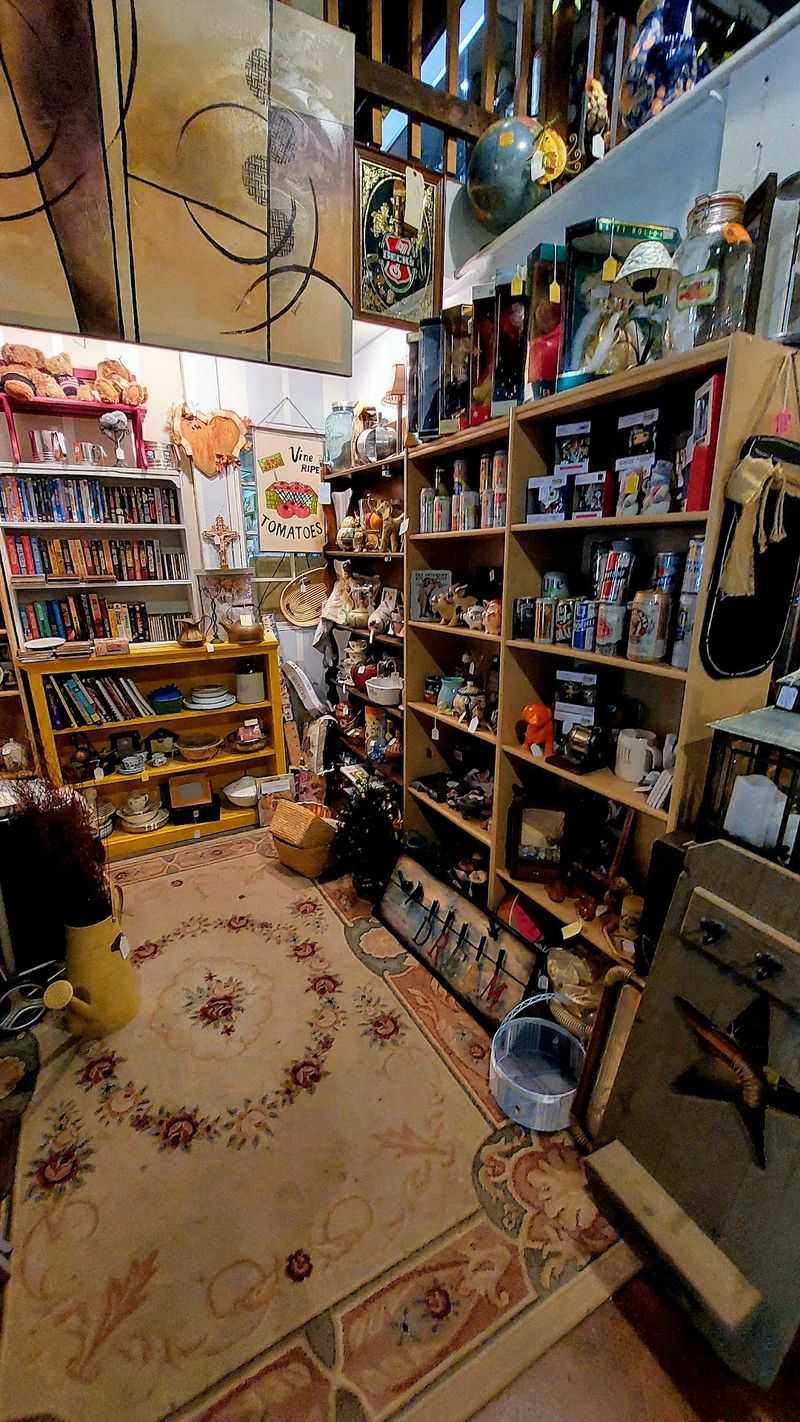
Antique shopping is the gravitational center of a Water Street visit, and the concentration of shops makes sequential browsing genuinely easy. The official downtown business directory lists multiple antique and vintage-oriented businesses on or near Water Street, including Rick’s Relics on 66, Sincerely Salli’s, Le Fleur de Lis Boutiques and Antiques, Paraphernalia Antiques, Papa’s Pickins, Treasure Cove, and Old Theatre Antique Mall.
That cluster means visitors can move from one shop to the next without backtracking across town.
Rick’s Relics on 66 sits at 116 North Water Street and leans into the Route 66 angle with vintage signage and road-trip memorabilia alongside the broader mix of collectibles you would expect from a well-stocked antique shop. Just two doors down at 118 North Water Street, Sincerely Salli’s offers a different mood, with a curated selection that skews toward gifts and vintage finds.
Further up the block, Le Fleur de Lis Boutiques and Antiques at 219 North Water Street mixes antiques with boutique-style merchandise, giving browsers a slightly different experience at each stop.
Old Theatre Antique Mall is worth noting for anyone who enjoys the multi-dealer format, where a single building holds dozens of vendor booths and the inventory shifts constantly. That kind of shop rewards slow browsing and repeat visits, since what was there last month may be gone and replaced by something entirely different.
A word of caution applies to every shop on this list: inventories, ownership, business names, and hours all change among independent antique dealers. The directory is a useful planning tool, not a guarantee.
Calling ahead or checking each shop’s current social media page before traveling is the best way to avoid arriving at a locked door. Wednesday through Sunday is the best window for antique shopping in Wilmington, since many small shops are closed on Mondays and Tuesdays.
Find coffee and meals downtown, then choose a river-adjacent stop
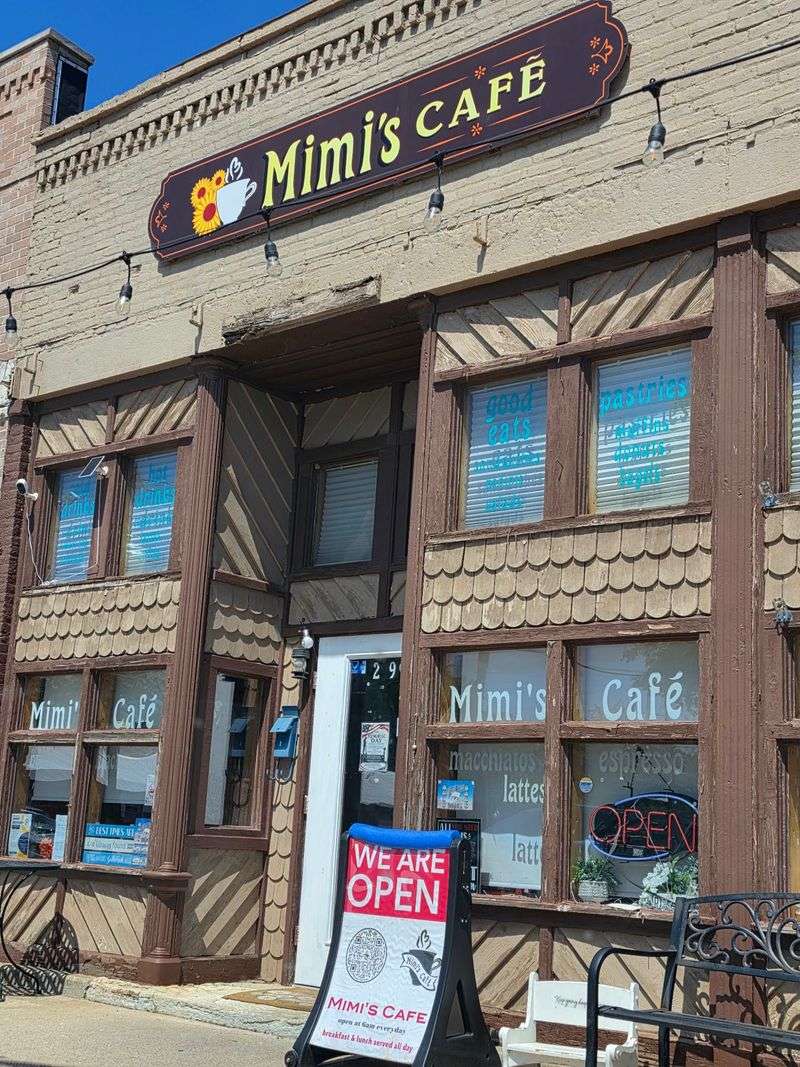
After a few hours of browsing, a coffee stop becomes a priority. Mimi’s Cafe at 209 North Water Street is the most specifically supported downtown option: the city’s tourism page lists it among local dining choices, and the merchants directory describes it as serving coffee, smoothies, desserts, donuts, sandwiches, and breakfast sandwiches.
That range covers everything from a quick morning coffee to a light midday meal, making it a natural pause point in the middle of a Water Street browse.
Other dining options appear on the city’s tourism listings as well, including Nelly’s, The Corner Tap, RT 66 Bar and Grill, and Wilmington House. Each brings a different atmosphere, from a neighborhood bar setting to a more casual diner-style meal, so visitors can match the stop to their mood rather than feeling locked into one choice.
For anyone who specifically wants to eat with the river nearby, The Rustic Inn is the most clearly supported option. Its listing in the merchants directory describes an outdoor beer garden on the Kankakee River, which makes it the one dining venue in the downtown mix where the water is genuinely part of the experience rather than just nearby in a general sense.
That distinction matters: most of the cafes and restaurants in Wilmington are downtown businesses located in the Water Street corridor, not establishments sitting directly at the river’s edge.
Treating The Rustic Inn as a separate, intentional stop rather than folding it into the main shopping walk gives the itinerary a natural second act. Grab coffee at Mimi’s early in the day, browse the antique shops through midmorning and into the early afternoon, and then shift to The Rustic Inn when the pace calls for something slower and more scenic.
That rhythm suits the town well.
Cross the bridges into Wilmington’s river setting
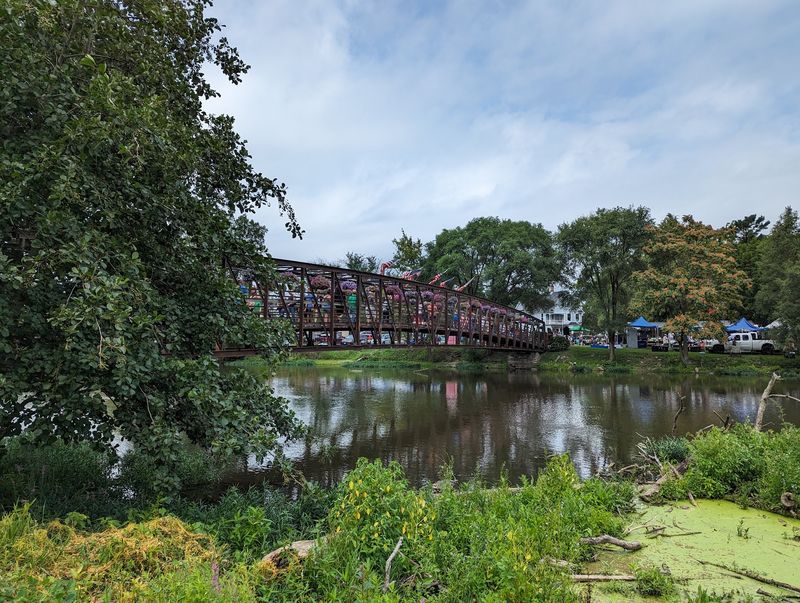
Moving from the downtown shops toward the island area is where the visit shifts in character. The sequence described in the downtown merchants’ virtual tour follows Water Street to the millrace bridge, then continues along Bridge Street toward the island parks.
That path takes visitors out of the commercial block and into the quieter, greener part of the city where the river’s presence becomes more immediate.
Crossing the millrace bridge is a small but meaningful transition. The millrace is a narrow channel, and the bridge puts visitors directly over moving water for the first time in the walk.
From there, Bridge Street leads to both North Island Park at 250 Bridge Street and South Island Park at 201 Bridge Street, which the city identifies as distinct recreational destinations connected through the local street-and-bridge network rather than as stops on a single continuous path.
These parks bring the river setting into the visit in a way that the antique district does not. Benches, open grass, and the sound of the Kankakee nearby make them good places to slow down after a morning of browsing.
They are not formal viewpoints with guaranteed sightlines to open water at every spot, but they do place visitors inside the island geography that defines Wilmington’s character.
Checking the city’s local maps before walking this section is a practical step, since the bridge-and-island sequence involves streets rather than a single marked trail. River conditions also matter: during periods of heavy rain, snowmelt, or severe cold, low-lying park areas and adjacent roads can become inaccessible, and the city directs residents and visitors to floodplain resources for current conditions.
Plan the island portion of the walk for calm weather and check conditions if the forecast looks uncertain.
Add Route 66 landmarks as optional extensions
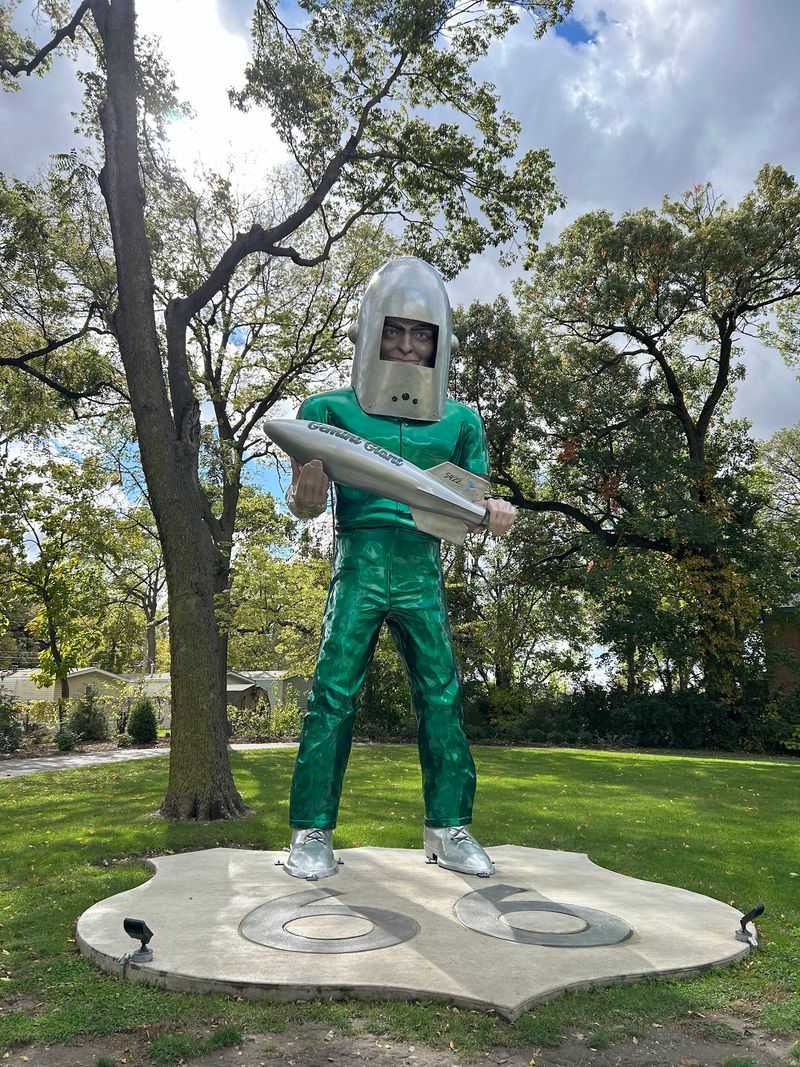
Wilmington sits on the original 1926 alignment of Route 66, and that history adds a second storyline to any visit. The city’s tourism page lists several Route 66 attractions, including the Gemini Giant, the Landing Pad, the Route 66 Experience Hub, and the Eagle Hotel.
Each of these has its own appeal, and together they give the trip a road-trip dimension that goes beyond antique shopping and river parks.
The Gemini Giant is the most photographed of the group: a towering fiberglass spaceman holding a rocket, standing outside the Landing Pad drive-in on Route 66. He is the kind of roadside landmark that Route 66 travelers specifically seek out, and his connection to the broader Route 66 corridor makes him a natural stop for anyone already exploring the highway’s Illinois stretch.
The Eagle Hotel, one of the older buildings associated with early Route 66 travelers, adds a layer of genuine history for visitors interested in the road’s original era.
The practical point to keep in mind is that these landmarks are not all clustered inside the same compact pedestrian corridor as the Water Street shops. Some require a short drive or at minimum a deliberate detour from the downtown-and-island route.
Treating them as optional extensions rather than assumed walking stops makes for better planning: finish the core downtown browse and island walk first, then decide whether time and energy support a Route 66 extension before heading home or checking into a local lodging.
For overnight visitors, spreading the Route 66 stops across a second morning is a natural way to pace the trip. Day-trippers can prioritize based on interest: the Gemini Giant is quick and satisfying, while the Experience Hub offers more depth for travelers who want context about the highway’s cultural history.
Plan around independent-shop hours and changing river conditions
Getting the timing right makes a noticeable difference in Wilmington. The downtown business directory notes that many small shops close on Mondays and Tuesdays, which makes those days a poor choice for anyone whose primary goal is antique browsing.
Wednesday through Sunday is the better-supported window, with Saturday typically offering the widest selection of open shops and the most activity in the district.
Even within that window, hours vary. Some shops open later on Sundays than on Saturdays, and seasonal adjustments are common among independent retailers.
The directory listings are a useful starting point, but they reflect a snapshot in time rather than a permanent schedule. Calling ahead or checking each shop’s current social media page before leaving home is the most reliable way to confirm that the places you most want to visit will actually be open when you arrive.
Inventory changes just as quickly as hours do. Antique dealers rotate stock constantly, and a shop that had exactly what you were looking for on one visit may have a completely different selection three months later.
That unpredictability is part of the appeal for dedicated collectors, but it is worth acknowledging for visitors who are planning around a specific find.
The downtown merchants association is a good resource for current information on events and business updates. For river conditions, a January 2024 ice jam on the Kankakee River near Wilmington pushed the local gauge to a record 15.6-foot stage, caused major flooding, closed roads, and prompted evacuations.
That event is a reminder that the river-adjacent parks and low-lying roads in the island area can become inaccessible during periods of heavy rain, snowmelt, or severe cold. Check the city’s local maps and floodplain resources and monitor National Weather Service updates before visiting any river-adjacent part of the route if conditions look uncertain.
Treat Wilmington as a flexible day trip with room to linger
Wilmington works best when the itinerary stays loose. The strongest version of the visit links the Water Street antique shops, a coffee or meal stop downtown, the millrace bridge, and the island parks into a connected sequence, then adds Route 66 extensions or a longer river-adjacent break depending on how the day unfolds.
The city’s tourism resources and the merchants’ virtual tour both support that kind of open-ended wandering.
Framing the trip as a leisurely day or a relaxed overnight stay sets more accurate expectations than promising a packed two-day resort schedule. The downtown district has enough variety to reward slow exploration without requiring visitors to rush between stops.
Checking business hours, confirming shop inventory, and monitoring river conditions before traveling removes the main sources of disappointment.
Wilmington is the kind of place that gets better the slower you move through it. The Island City nickname is not just geography; it is a useful attitude for the visit itself.