
This Illinois Apple Orchard Lets You Pick Your Own And Ends The Day With Warm Cider Donuts
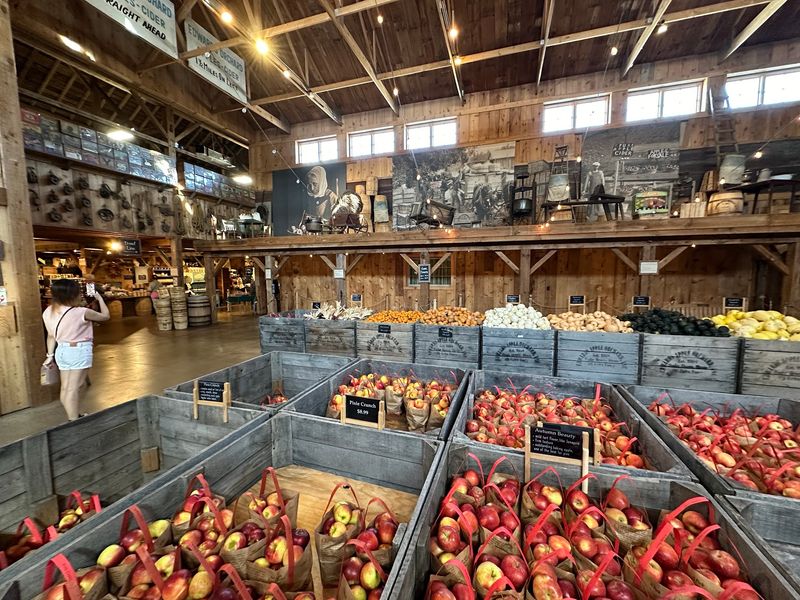
Fall in northern Illinois has a particular pull, and Edwards Apple Orchard in Poplar Grove puts most of it in one place. Visitors may be able to spend part of the day walking rows of apple trees before heading inside the farm market for freshly made apple-cider donuts and cold-pressed cider.
The orchard is a fourth-generation family farm that has been drawing Chicago-area day-trippers for decades, and the combination of outdoor picking and a warm farm-market stop is exactly the kind of outing that makes October feel worthwhile. Before you load the car, though, a few key details are worth confirming so the drive pays off.
A Conditional Apple-Picking Stop in Poplar Grove
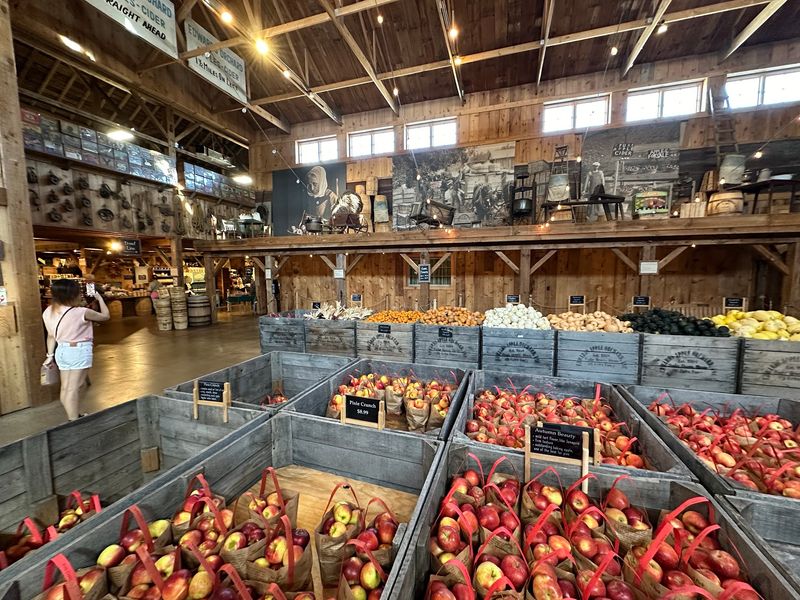
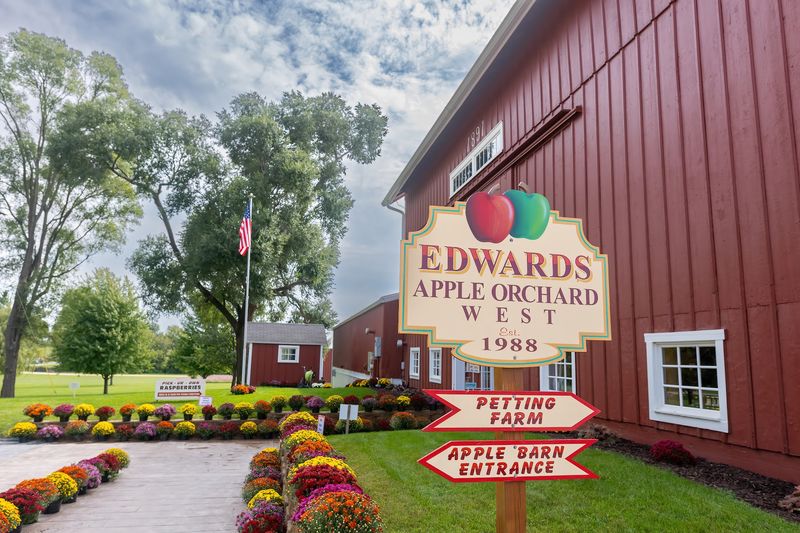
Edwards Apple Orchard sits at 7061 Centerville Road in Poplar Grove, Illinois, roughly an hour and a half southwest of Chicago. The orchard describes itself as a fourth-generation, family-owned farm that operates seasonally, selling apples, freshly pressed cider, homemade apple-cider donuts, specialty foods, and other baked goods.
The setting is a working farm, not a theme-park attraction, and that distinction shapes the whole experience.
The Illinois Office of Tourism lists the orchard as a destination where visitors can take a horse-drawn ride out to pick their own apples, and that description lines up with the harvest-day outing the article’s title suggests. What the orchard’s current official website does not publish, at least not prominently, is a dedicated U-pick policy page with current variety availability or confirmed picking hours.
That gap matters because it means the picking activity you are planning around may or may not be operating on the specific day you show up.
The Illinois tourism listing paints a vivid picture of the farm’s offerings: a petting zoo, horse-drawn rides, fresh cider, and the donuts the orchard has become known for. Taken together, those elements make Edwards a reasonable fall destination even if U-pick turns out to be unavailable on a given visit.
Still, visitors who are driving specifically to fill a bag with apples they picked themselves should treat that activity as conditional and call ahead before making the trip.
Check the 2026 Season Before Driving Out
Planning an orchard visit comes down to timing, and Edwards gives you a concrete starting point. The address is 7061 Centerville Road, Poplar Grove, Illinois, and the phone number is (815) 765-2234.
The official 2026 visit page lists Friday, August 28, 2026, as the fall-season opening date, which is earlier than the general September-through-November window described on the orchard’s home page.
Those two descriptions are not contradictory, but they serve different purposes. The September-through-November language gives a broad seasonal picture of when the farm operates, while August 28 is the specific date the orchard has posted for the 2026 opening.
Neither tells you when the farm closes for the season, which varieties will be ripe on any particular weekend, or whether U-pick will be running. Those details can shift with the weather, crop maturity, and staffing, so they require a direct confirmation before you leave home.
The Illinois tourism listing supports the horse-drawn ride to pick your own apples as part of the orchard’s offerings, but the Edwards home page does not spell out a current U-pick policy, a variety-availability calendar, or daily picking hours. A quick call to (815) 765-2234 or a check of the official site close to your visit date is the most reliable way to find out whether picking is open, which apples are ready, and what the day’s hours look like.
Driving an hour or more without that confirmation is the one planning mistake that is easy to avoid.
Pick Apples by Ripeness, Not Just Color
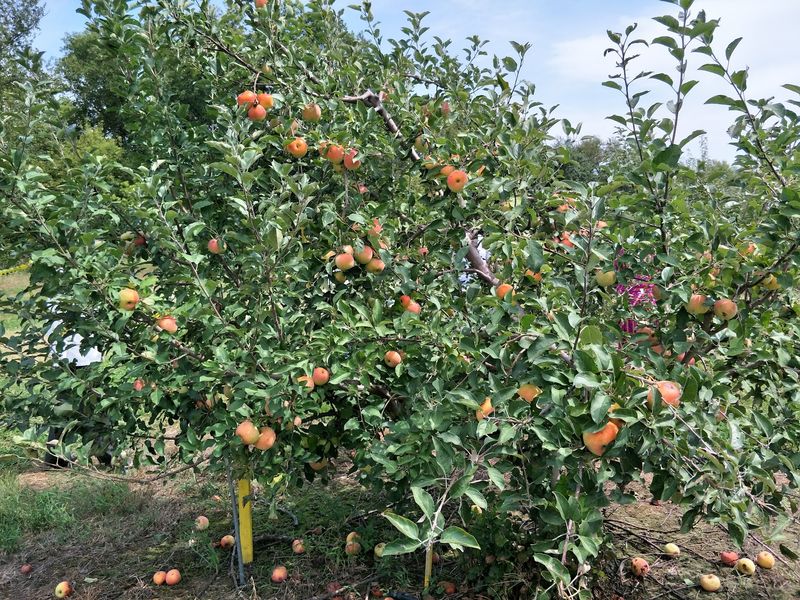
Color is the first thing most visitors look at when choosing an apple off a branch, and it is also one of the least reliable signals of ripeness on its own. University of Minnesota Extension notes that different varieties mature at completely different times, so a bright-red apple in early September might be perfectly ripe while an identical-looking apple of a different variety in the same row might need another three weeks.
Checking the background color, which is the skin underneath the red blush, gives a better clue: a shift from green toward yellow or cream usually signals that the fruit is approaching maturity.
Flavor is the most honest test available to a picker who can sample fruit. A ripe apple tastes balanced rather than starchy or aggressively tart, and it separates from the tree with minimal effort.
Illinois Extension recommends looking for that easy separation as a practical maturity sign, and the technique for achieving it matters as much as the timing. Roll or twist the apple upward and away from the spur rather than pulling straight down or yanking.
Pulling damages the spur, which is the short woody stub the apple hangs from, and a damaged spur means fewer apples from that branch next season.
One persistent myth worth setting aside: apples do not need a frost before they taste good. University of Minnesota Extension is clear that apples ripen and sweeten without a frost, so there is no reason to wait for cold weather before planning your visit.
Climbing trees, shaking branches, and tossing apples into a bucket from a distance are all practices that bruise fruit and can damage the tree, so keep feet on the ground and handle each apple as if you plan to eat it within the hour.
Fresh Cider Donuts Anchor the Farm-Market Stop
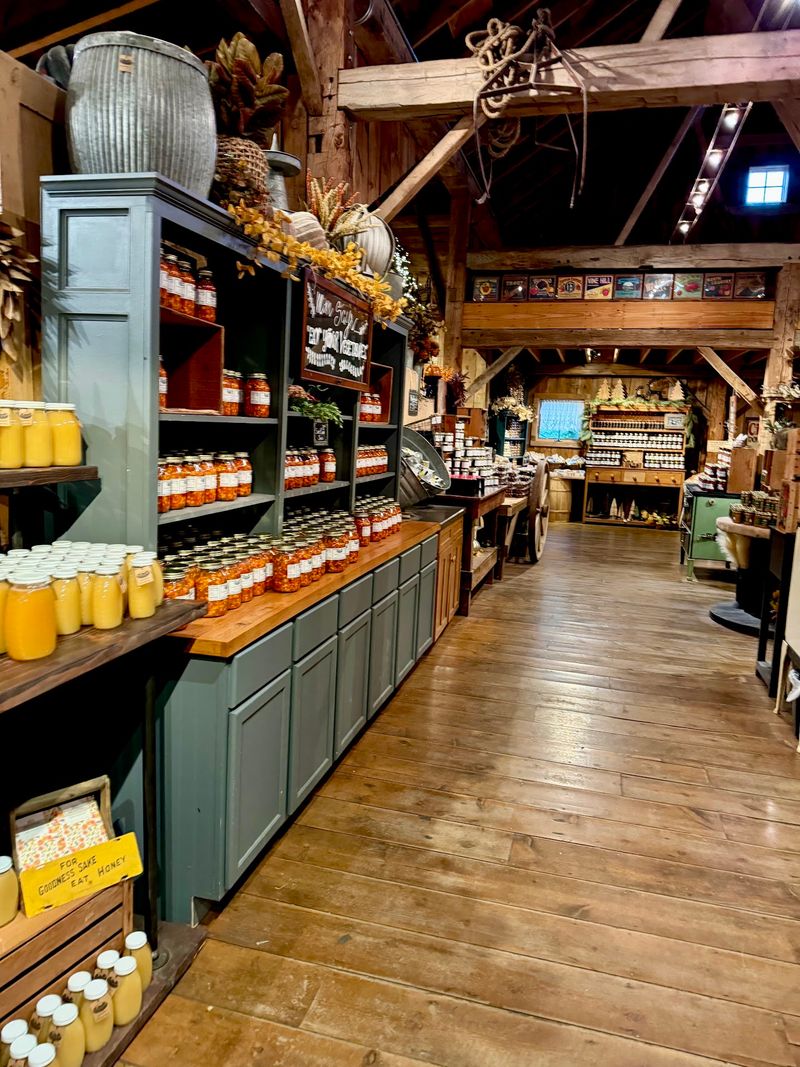
Whatever happens out in the rows, the farm market is the part of an Edwards visit that tends to leave the strongest impression. Edwards describes its homemade apple-cider donuts as made fresh daily using cider pressed from apples grown on the farm, and the market also carries fresh apples, cider, specialty foods, and other baked goods.
The lineup is focused rather than sprawling, which makes the stop feel like a farm market rather than a festival midway.
The Illinois tourism listing uses the word warm to describe the apple-cider donuts, and that is the language the article’s title draws from. What the orchard’s own site says is made fresh daily, which is a meaningful promise but a slightly different one.
Fresh daily means the donuts are not sitting in a warehouse overnight; it does not confirm that a batch came out of the fryer ten minutes before you walked through the door. Whether you get a donut that is still warm or one that has cooled a little depends on timing, and that is a reasonable expectation to hold rather than a guaranteed experience.
Framing the donuts as the payoff after a morning of picking is an appealing way to think about the visit, and it is a sequence many visitors probably follow naturally. The orchard does not publish an official itinerary requiring you to pick before you shop, so the order is yours to choose.
Some visitors head to the market first and pick up donuts and cider before walking the orchard; others save the market stop for the end. Either way, the donuts are the detail most visitors mention afterward, and the market’s other offerings give the stop enough variety to satisfy people who are not donut-first.
Understand What the Farm-Pressed Cider Means
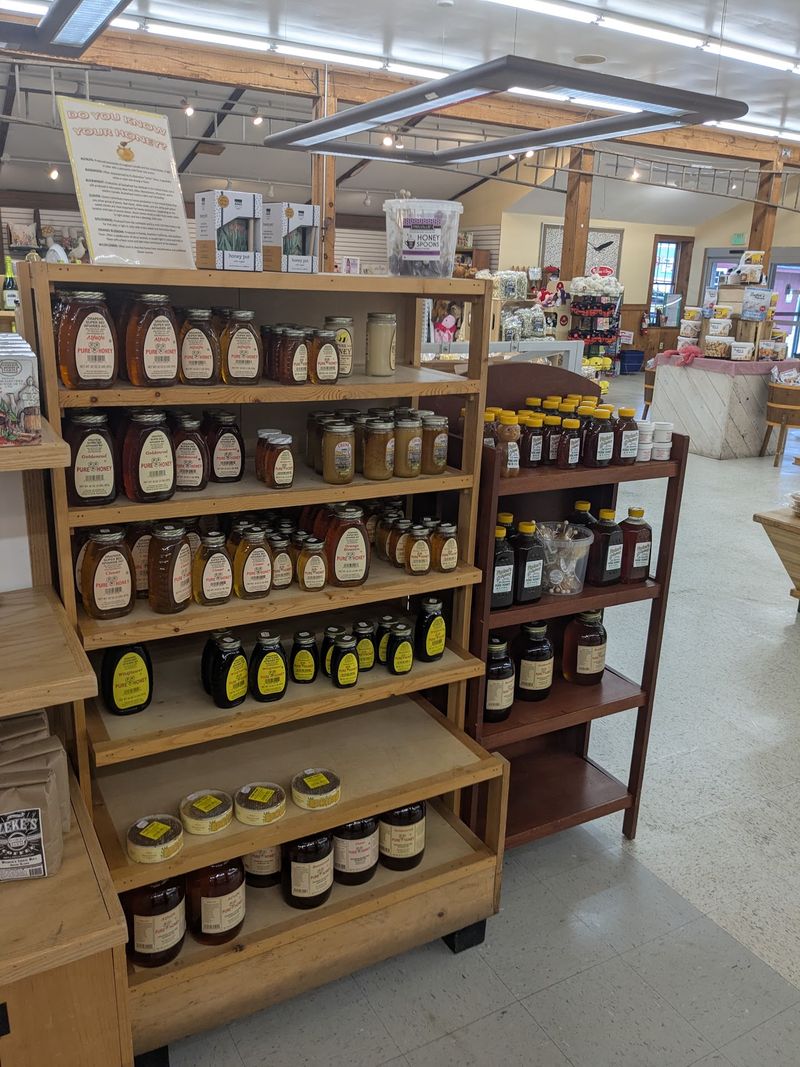
Edwards presses its cider from apples grown on the farm, and the process the orchard describes involves washing the fruit, crushing it, pressing out the juice, and running it through UV treatment before bottling. The farm market page also states that no sugar is added to the cold cider, which means the sweetness you taste reflects the natural sugar content of the apple varieties used at that point in the season.
Because different varieties ripen at different times, the cider’s flavor profile shifts as the season progresses.
The safety distinction worth understanding is between UV treatment and heat pasteurization. Edwards’ FAQ is specific: the cider is UV-treated, not heat-pasteurized.
UV treatment uses ultraviolet light to reduce pathogens rather than heat, and it is a recognized food-safety method, but it is not the same process as conventional pasteurization. Calling the cider pasteurized would be inaccurate, and calling it raw would also miss the mark because it has been processed.
USDA food-safety research has documented that under-processed or unpasteurized apple cider has been linked to foodborne-illness outbreaks in the past. That history is why the label matters.
Edwards’ UV treatment is a deliberate step toward reducing that risk, but the article’s job is to describe the cider accurately rather than to certify its safety. Visitors who have health reasons to avoid any cider that is not conventionally heat-pasteurized should factor that into their planning, and the orchard’s FAQ page is the right place to read the current process description before making that call.
Farm Policies Can Change the Family Plan
A few of Edwards’ posted rules have the kind of practical weight that can reshape a family’s plan before the car even leaves the driveway. The orchard’s FAQ and policies page states that pets are not permitted on the property except for trained service animals.
If the family dog was part of the original vision for the outing, that detail changes the plan entirely.
Carry-in food and picnics are also prohibited, which means the farm market is the place to eat rather than a blanket on the grass with a cooler. The property is smoke-free and vape-free as well.
None of these restrictions are unusual for a working farm that serves food, but they are the kind of details that are easy to miss when you are focused on the apples and the donuts, so reading the FAQ before you arrive saves friction on the day.
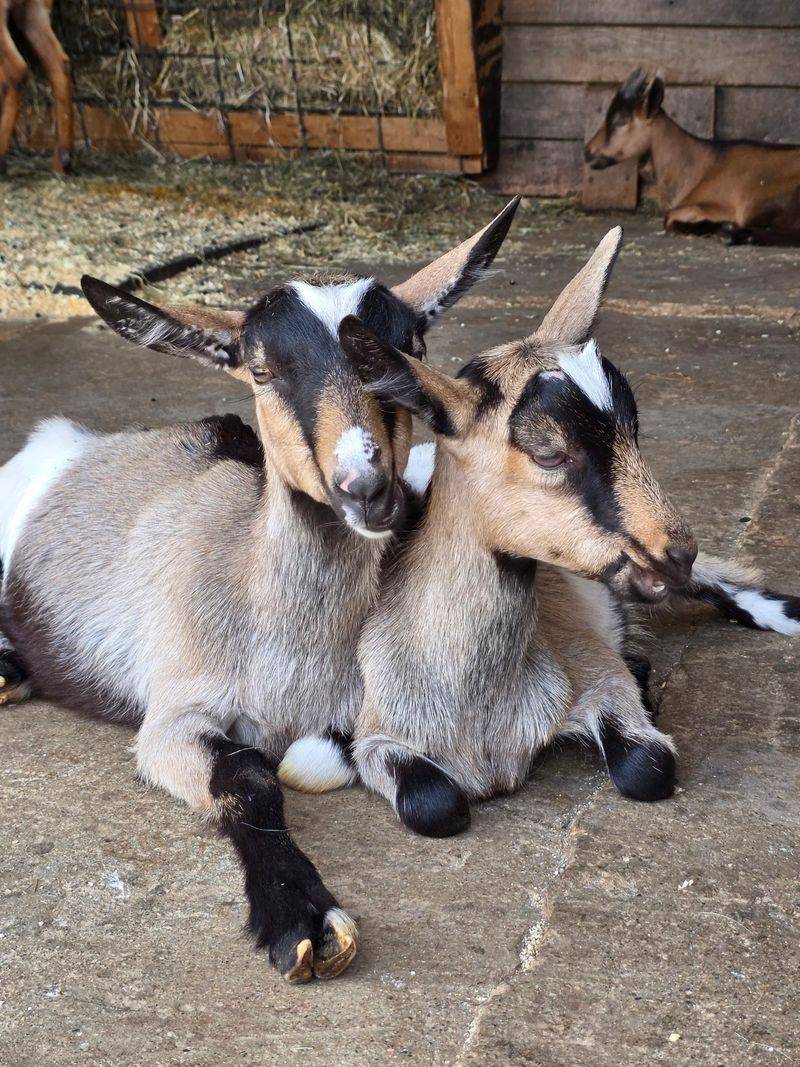
If the visit includes the petting zoo or any other animal area, hygiene becomes part of the plan. CDC guidance on farm animals recommends washing hands thoroughly with soap and water after any contact with animals or their environment, keeping food and drinks out of animal areas entirely, and supervising young children closely.
The Illinois tourism listing mentions a petting zoo among the orchard’s attractions, so families with younger kids should plan a handwashing stop between the animal area and any food. Eating a donut with hands that have just petted a goat is exactly the kind of thing the CDC guidance is designed to prevent.
Store the Apples When You Get Home
Apples bruise more easily than they look, and what happens in the hour after the market visit often determines how long they stay good. Handle the bag carefully on the drive home, keep it out of direct sun, and avoid stacking heavy items on top of it.
Once you are home, the refrigerator is the right destination.
Edwards advises storing apples in the refrigerator at around 32 degrees Fahrenheit, inside a ventilated plastic bag with a damp paper towel. Illinois Extension gives a practical storage range of 33 to 35 degrees Fahrenheit and recommends refrigeration to preserve both flavor and quality.
The damp paper towel helps maintain enough humidity to prevent the apples from shriveling, while the ventilation keeps moisture from pooling and accelerating rot.
Sorting the apples before you put them away is worth the extra few minutes. One apple that is already bruised or starting to break down can speed up spoilage in the apples around it.
Pull out anything that took a hard knock on the drive home and use those first. The apples you store carefully can hold their flavor for several weeks, which means a single orchard visit can extend the harvest-day feeling well into the month.
That kind of staying power is part of what makes a fall farm outing worth the drive in the first place.
Confirm the Day Before You Go
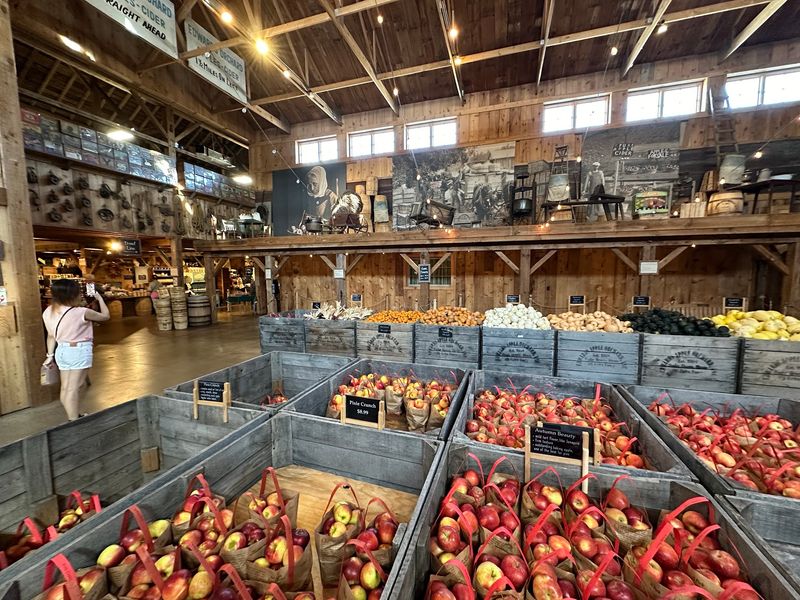
Edwards Apple Orchard in Poplar Grove can work as a genuine fall harvest outing where visitors may combine apple picking with a farm-market stop for fresh cider and cider donuts. The key word is may.
The Illinois tourism listing supports the horse-drawn ride to pick-your-own apples, but the orchard’s current official site does not publish a detailed, up-to-date U-pick policy, so the activity’s availability on any given date is not guaranteed.
The visit page lists August 28, 2026, as the season’s opening date, and the home page describes a general September-through-November window, but neither source tells you the closing date, which apple varieties are ripe this week, or whether picking is open today. A call to (815) 765-2234 the day before you go answers all of those questions in about two minutes.
Confirming hours, U-pick status, and current farm-market offerings before leaving is the one step that turns a hopeful drive into a reliable outing. The apples and the donuts are worth the planning.