
Michigan’s Upper Peninsula State Fair Delivers Regional Food, Farm Traditions, And Nearly A Century Of History
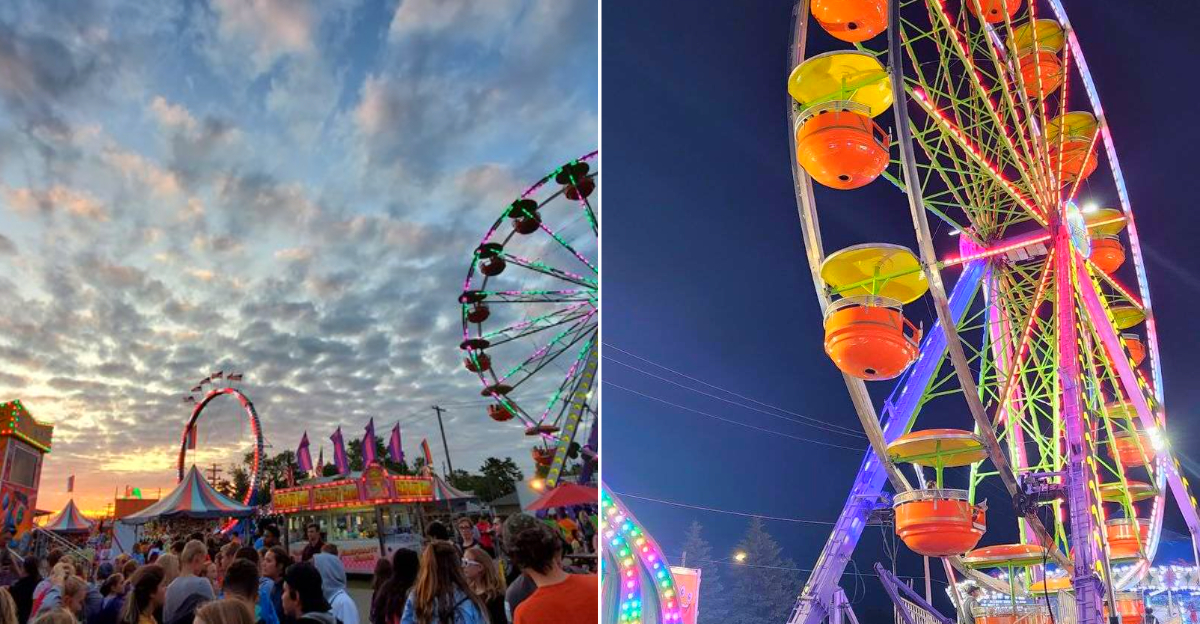
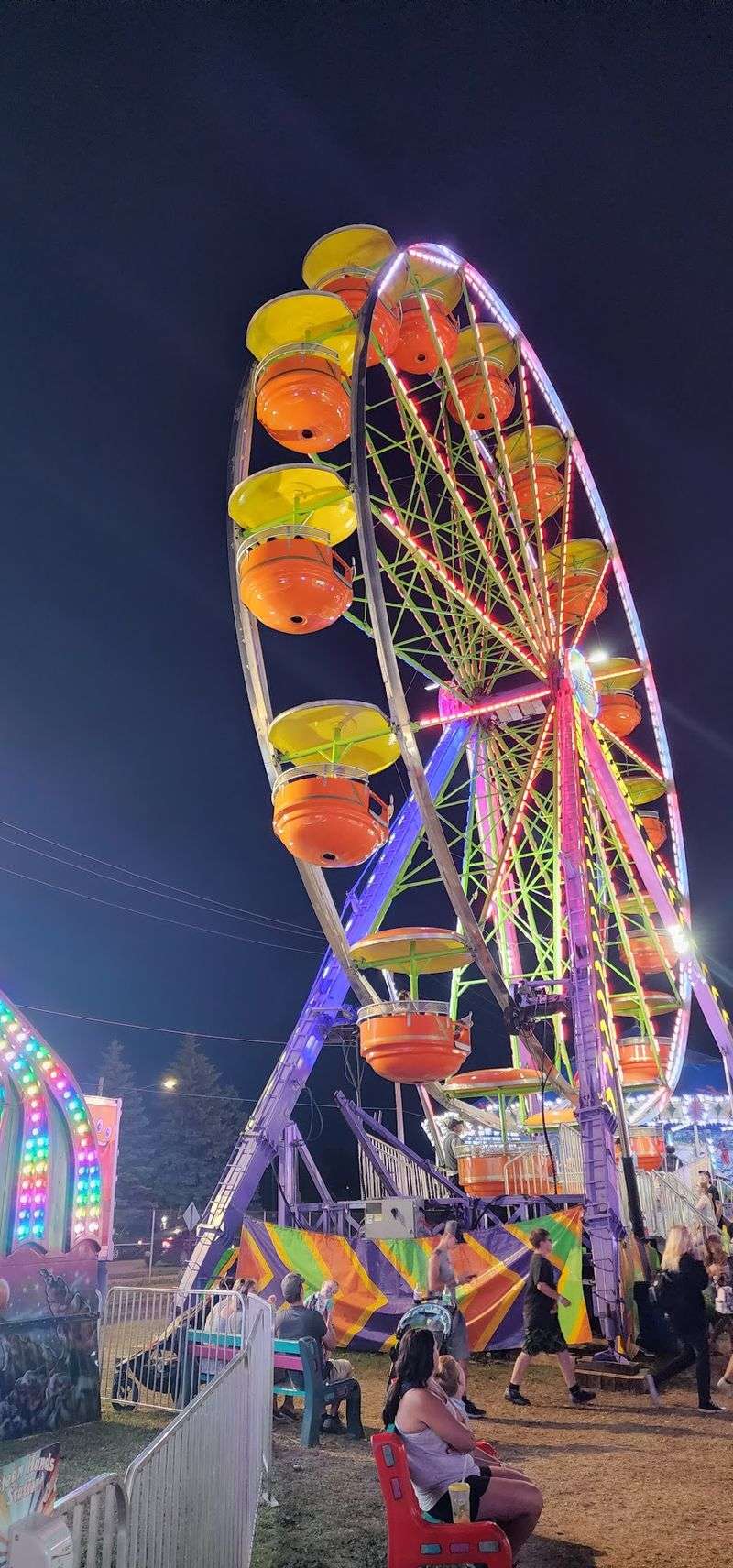
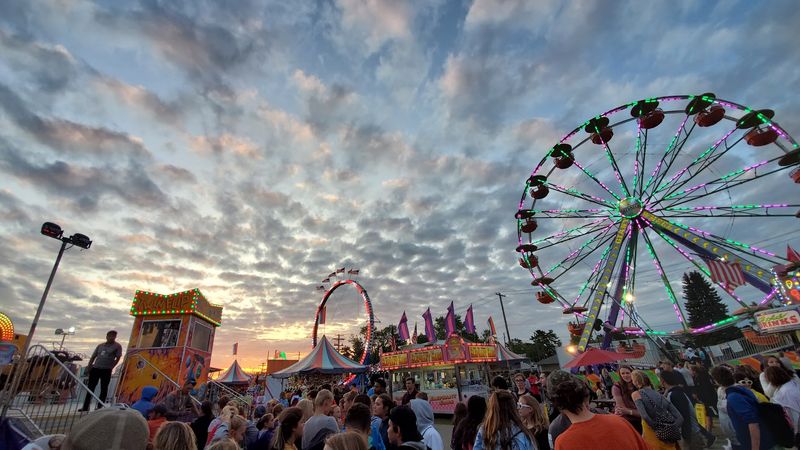
The midway glows against the dusk. Somewhere between the livestock barns and the grandstand, the smell of fried dough mixes with hay and diesel. I have been coming to county fairs since I was small, and this one hits different.
It is not just the scale, though the fairgrounds sprawl across over a hundred acres. It is the feeling that the whole region poured itself into this week.
Lumberjacks climb poles and throw axes in the Timber Show. Newborn calves wobble on straw.
Kids line up at the Pocket Park to catch bluegills in a stocked pond. My favorite moment is always the quiet one, right before the crowd rolls in, when the rides hum to life and the sky turns copper over the fairgrounds.
Michigan’s oldest state fair survived funding cuts and still delivers the shows, animal births, and regional food that started it all.
Map The Grounds Before Wandering
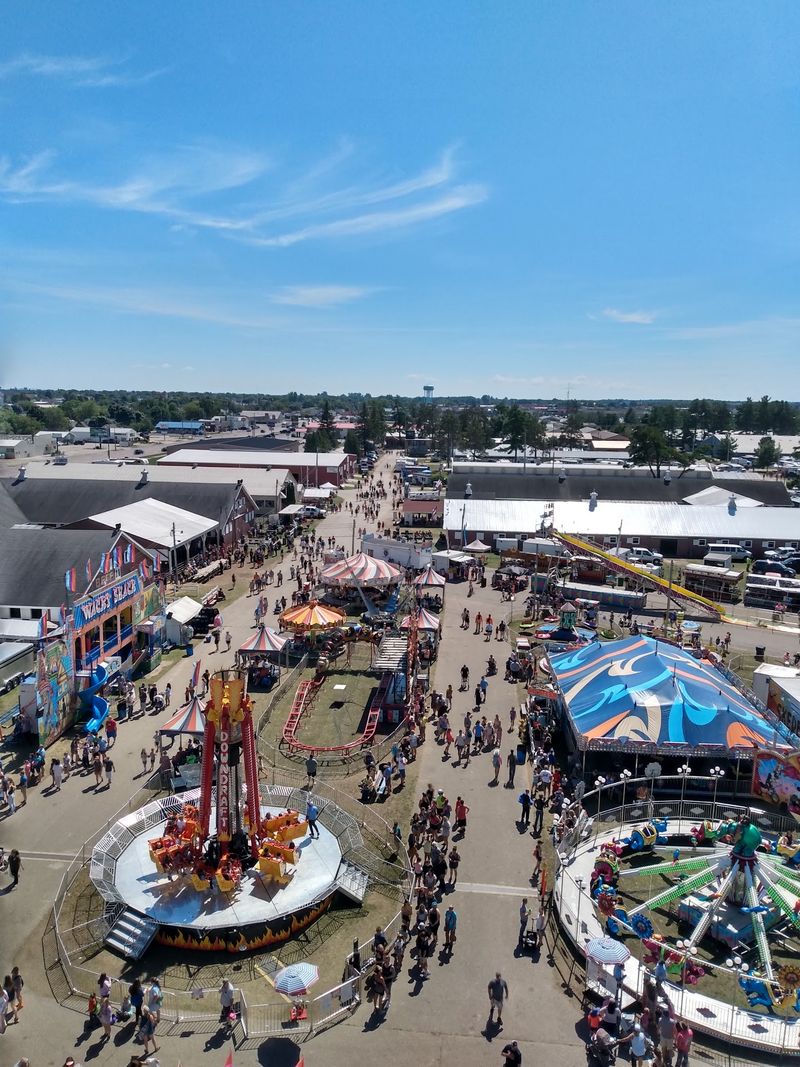
A sprawling fairground can turn one innocent snack run into an accidental hiking expedition. The Escanaba site covers roughly 120 acres, with some published estimates placing the full property at 144 acres, plus numerous permanent buildings.
Locate the Grandstand, livestock areas, poultry barn, horse arenas, Ruth Butler Building, and major entrances early. Photograph the posted map with your phone, then group nearby attractions together rather than crossing the grounds whenever someone changes plans.
Comfortable shoes matter more here than fancy footwear, especially during a full afternoon.
People who need help covering longer distances should ask about available transportation, which has included people movers and golf-cart shuttles; parking is typically free, but current access details and daily schedules should be confirmed before arrival.
Twelfth Avenue Turns Into Fair Week
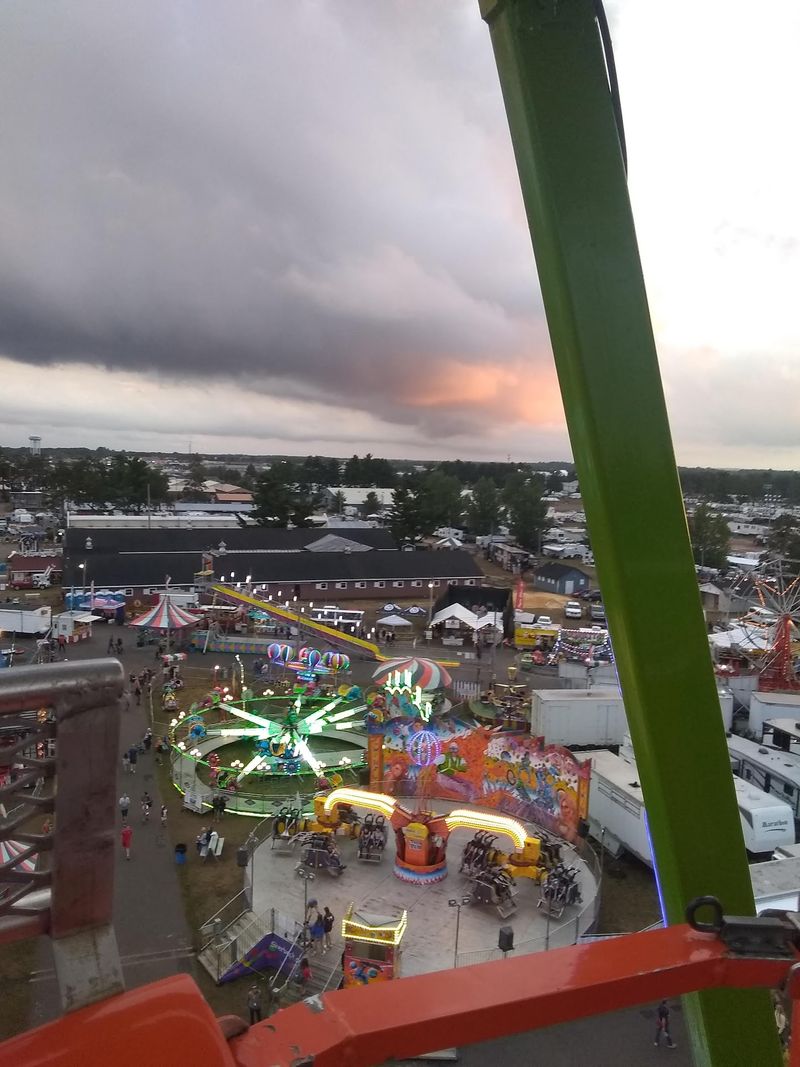
The Upper Peninsula State Fair takes over the Upper Peninsula State Fairgrounds at 2401 12th Avenue North in Escanaba, Michigan. North Lincoln Road, which carries US-2 and US-41 through this part of Escanaba, meets 12th Avenue North at the fairgrounds approach.
The 2026 fair runs August 17 through 23. Turn from North Lincoln Road onto 12th Avenue North and expect the approach to get busier around evening entertainment and grandstand events, when the fair identifies peak arrival periods.
Parking at the fair is free, with attendants directing vehicles into designated areas. A shuttle also runs from the parking lot on 9th Avenue North, while accessible parking is available at Gate 9 for vehicles displaying the appropriate permit or plate.
Meet The Farmers Behind The Ribbons
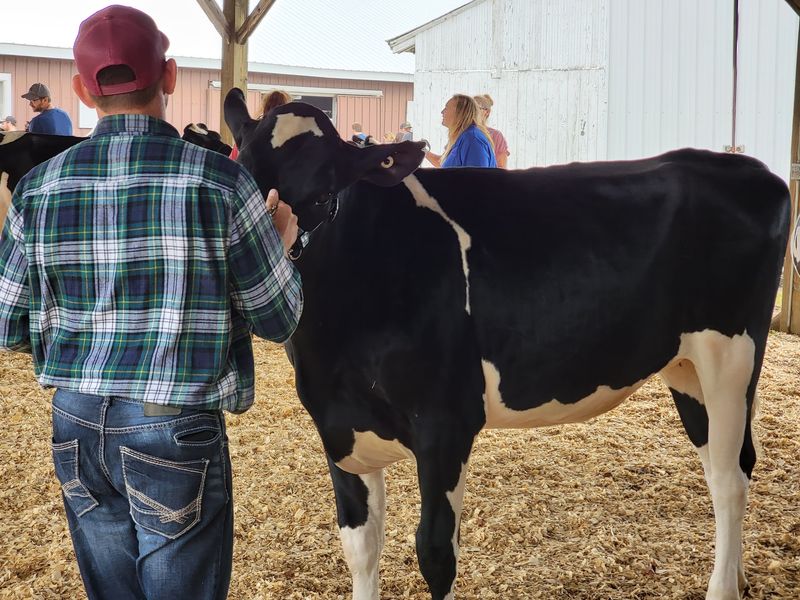
Fresh bedding, polished boots, and carefully brushed animals reveal how much preparation happens before judging begins. Cattle, horses, sheep, poultry, and other livestock remain central to the fair’s purpose, rather than serving as background decoration.
Watch quietly near show rings and notice how young exhibitors guide animals, answer questions, and manage unexpected behavior. The Junior Market Livestock Auction gives their work real weight, with sales topping $600,000 in 2023 and supporting months of responsible animal care.
Visitors should avoid touching livestock unless permission is clearly given, keep food outside barns, and use handwashing stations afterward.
Agriculture Day programming may feature major competitions and auction events, so check the official schedule when planning; a well-timed barn visit offers a direct, respectful look at regional farming traditions.
Visit The Miracle Of Life Exhibit
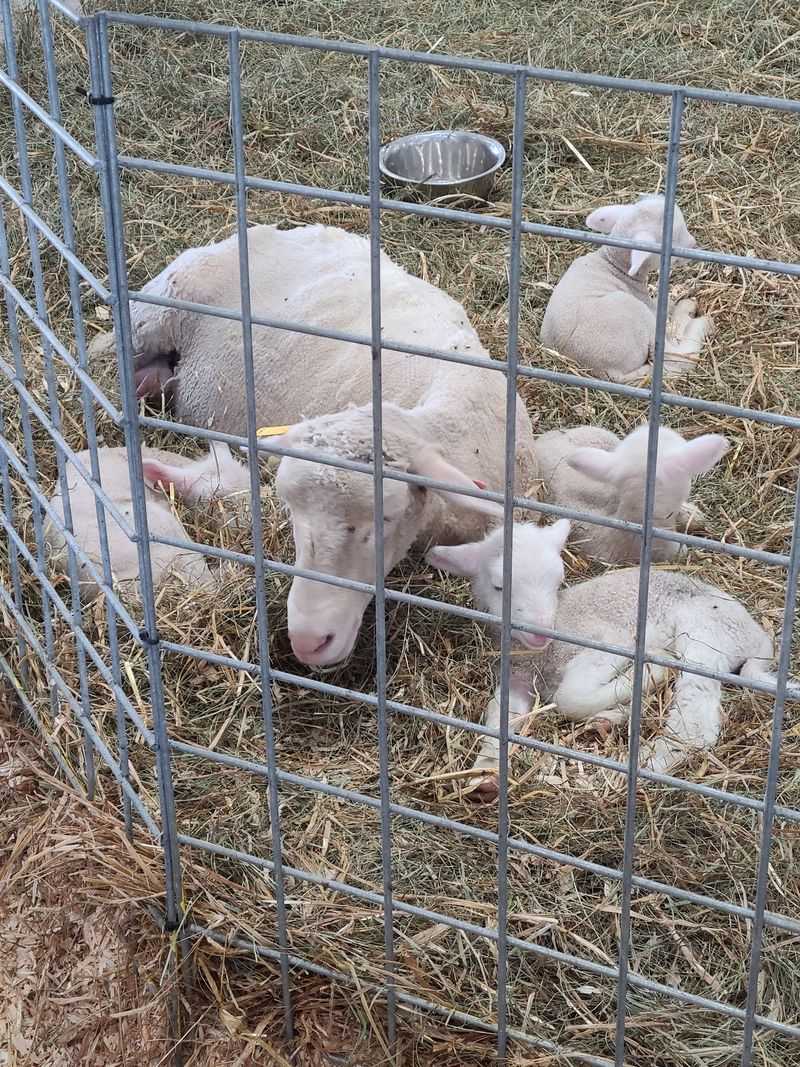
Tiny beaks cracking through shells can quiet even children who were loudly campaigning for another ride. The Miracle of Life Exhibit presents calves, lambs, piglets, chicks, ducks, and quail at the earliest stages of life.
Birth timing cannot be promised, but veterinary staff and students provide explanations that make waiting worthwhile. Their presentations connect animal health, careful observation, and farm responsibility without turning the experience into a simple petting display.
Arrive earlier in the day when attention spans are fresh, then allow enough time to read signs and ask sensible questions.
Give animals space, follow staff directions, and prepare younger visitors for the honest realities of birth; thoughtful guidance helps children understand that these appealing newborns depend on skilled care, patience, cleanliness, and constant work.
Sample Regional Food With A Plan
The scent trail changes quickly here, drifting from hot sugar to vinegar-seasoned fries and smoky chicken within several steps. Alongside corn dogs, funnel cakes, and elephant ears, vendors serve foods with recognizable Upper Peninsula connections.
Norm’s Fries is associated with fresh-cut potatoes dressed simply with salt and vinegar. Mr. Kym’s prepares marinated teriyaki chicken skewers, while Croatian Chicken brings the deep aroma and crisp edges of birds turning over a spit fire.
Walk through the vendor area before ordering, because the first tempting booth is rarely the only good option.
Share larger portions, carry water, note prices, and ask vendors about ingredients when allergies matter; pacing the meal leaves room for regional specialties without creating a heavy, expensive pile of unfinished food.
Use Chewsday Tuesday For Tasting
Choosing one fair snack can feel surprisingly serious when every booth window displays something crisp, glazed, grilled, or powdered. Chewsday Tuesday has traditionally eased that problem through smaller portions offered at reduced prices by participating vendors.
The format lets families compare several foods without purchasing full servings each time. Participation and menus can change by year, so inspect current signs and the official fair schedule instead of assuming every stand offers a special.
Set a tasting budget, split samples among companions, and begin with savory choices before sweeter items wear out your appetite.
Adventurous creations have appeared at past fairs, but familiar local dishes deserve equal attention; the smartest approach is playful curiosity balanced with enough restraint to enjoy barns, exhibits, and evening entertainment afterward.
Watch Lumberjack Skills In Action
A spinning log and two quick-footed competitors can make balance look like a practical joke. The Great Lakes Timber Show has brought logrolling, speed climbing, sawing, and axe demonstrations to fair audiences while highlighting regional logging heritage.
Entertainment sits on top of serious technique, including controlled movement, sharp tools, timing, and years of practice. Upper Peninsula communities grew alongside forests and lumber work, so the show carries more local meaning than an ordinary contest of strength.
Check performance times upon entering, then arrive early enough to find a clear view without blocking children.
Stay behind safety barriers and resist copying any skill at home; afterward, pair the show with forestry exhibits to learn how woodland knowledge, changing equipment, and careful resource management shape Michigan life today.
Choose Midway Hours That Fit
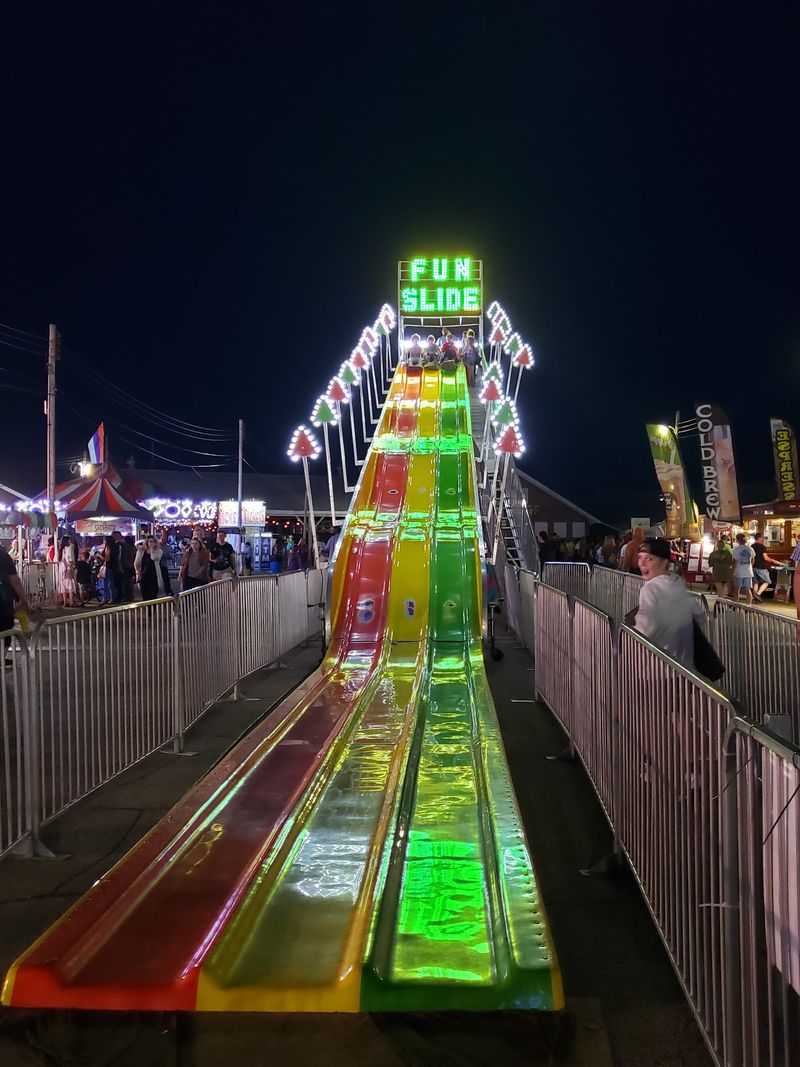
Bright machinery, ringing games, and delighted shrieks make the midway easy to find without consulting a map. Skerbeck Entertainment Group operates the rides, offering choices that range from gentle family attractions to faster thrills.
Anyone sensitive to noise or flashing lights should look for the sensory-friendly period traditionally offered Tuesday from 11 a.m. to 3 p.m. Lights and sounds are reduced during that window, creating a calmer setting while preserving the midway experience.
Confirm current hours, ticket prices, wristband rules, height limits, and weather policies before promising specific rides.
Families can save frustration by choosing a meeting point, photographing children in their current clothing, securing loose belongings, and alternating ride time with quiet stops in exhibit buildings, barns, or shaded areas nearby.
Explore Nature Art And Heritage
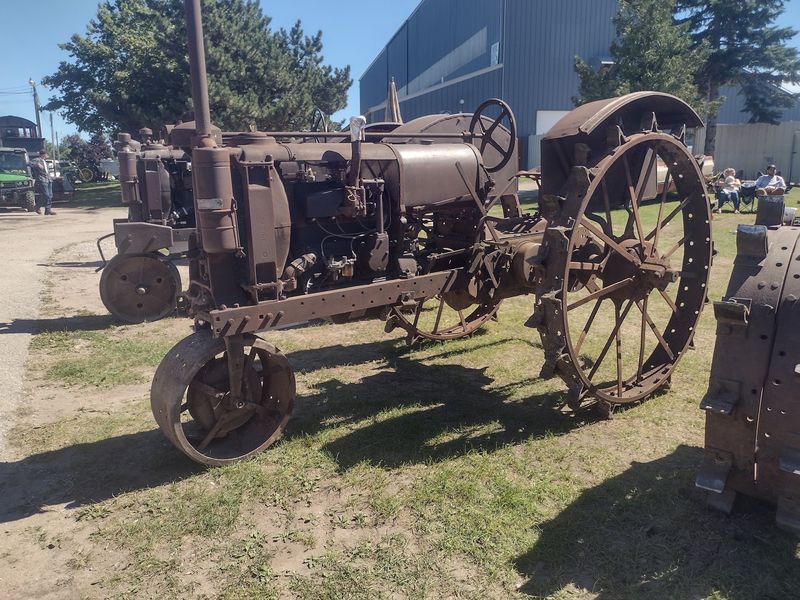
Beyond the carnival glow, quieter corners reward visitors who enjoy fish, paintings, old tools, and curious facts. The DNR Pocket Park offers interactive learning about Michigan’s natural resources, while forestry activities explain ecosystems and working landscapes.
Art exhibits displayed in the Ruth Butler Building add another layer of regional creativity. Antique Village preserves older objects and settings, helping visitors picture daily life before modern farm equipment, quick transportation, and pocket-sized weather forecasts.
Schedule these spaces during the hottest or busiest part of the day, when a slower pace feels especially welcome.
Read labels, encourage children to speak with educators, and check which demonstrations are operating; rotating from nature to art and heritage also prevents exhibit fatigue and reveals how closely Upper Peninsula culture connects land, labor, memory, and imagination.
Follow The Harvest Season Details
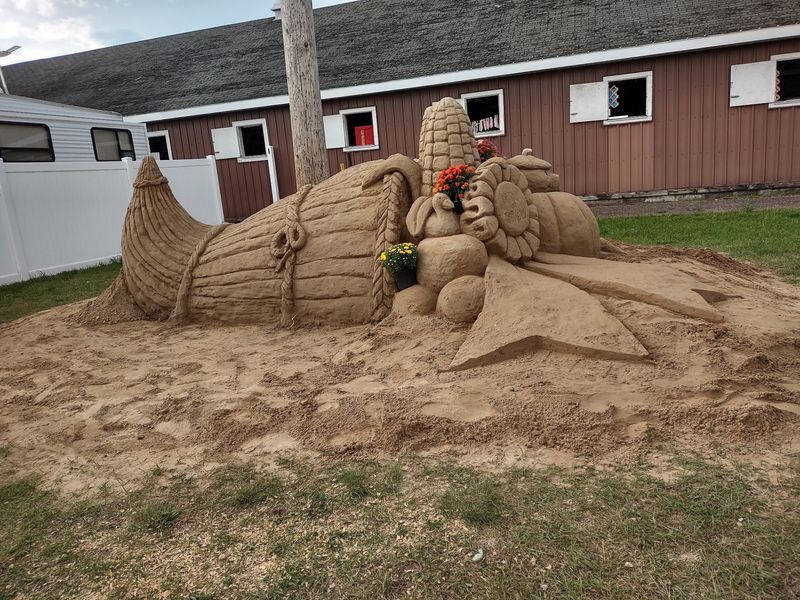
Giant vegetables have a comic confidence, especially when an enormous zucchini sits beside a neat handwritten entry card. Mid-August places the fair near the Upper Peninsula’s shift from full summer toward harvest, giving produce displays seasonal meaning.
Gardeners and farmers present vegetables, berries, and other carefully raised entries for judging. Look beyond size alone, since uniform shape, condition, color, and growing skill can matter when ribbons are awarded.
Visit produce exhibits before fatigue turns every squash into scenery, and read labels to learn what grows successfully in the northern climate.
Never handle an entry unless staff allows it; patient observation uncovers small differences and makes the displays feel less like decorations and more like records of weather, soil, persistence, and local knowledge.
Finish With Community And Grandstand Traditions
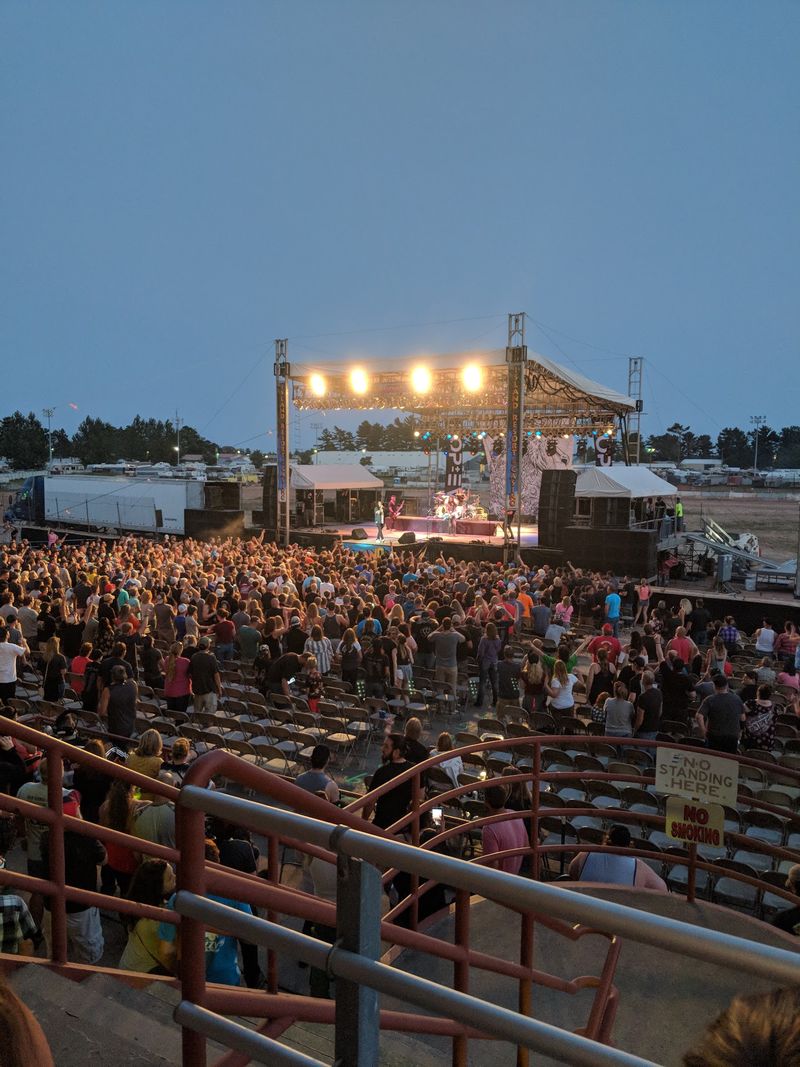
Evening changes the fair’s rhythm as barn aisles settle, midway lights sharpen, and crowds begin moving toward scheduled entertainment. The Grandstand hosts changing programs that may include touring performers, local musicians, or motorsports, depending on the year.
Read the daily schedule before settling in because admission rules, seating, and event times vary. The traditional Sunday fireworks finale offers a bright closing note, although weather or operational needs may alter any outdoor program. What lasts longest is the community structure beneath the spectacle.
Since state funding ended in 2010, an authority representing all 15 Upper Peninsula counties and the Hannahville Indian Community has managed the fair; supporting exhibits, auctions, and local vendors helps that resilient regional gathering approach its centennial with purpose.