
This Illinois River Town Turns An Old Grain Mill Into A Day Of Shops And Riverside Strolls
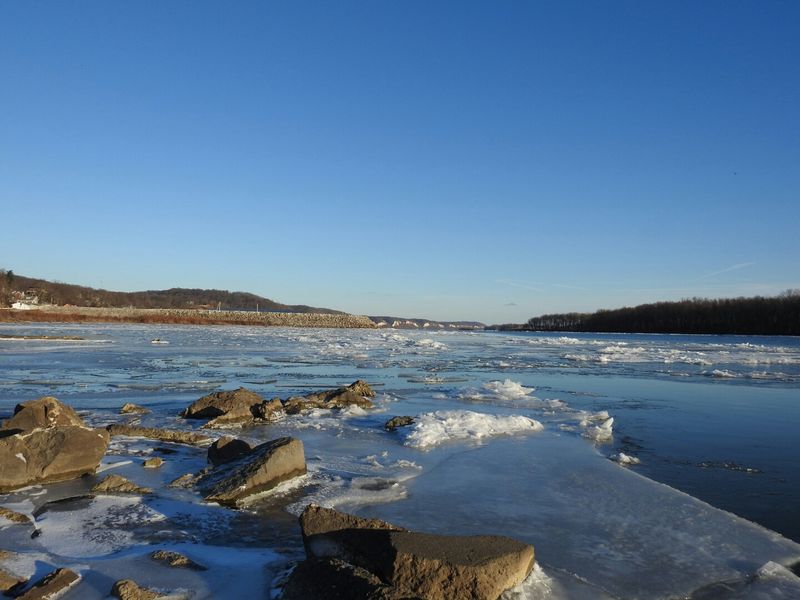
Grafton, Illinois sits at the point where the Mississippi and Illinois Rivers meet, and that geography alone makes it worth the drive. The town has restaurants, independent shops, bluff scenery, and a mill-inspired attraction that together fill out a relaxed day away from the city.
Before you pack the car, though, a few of the popular claims about Grafton need a closer look so your visit matches what you actually find when you get there.
Grafton’s identity begins where two rivers meet
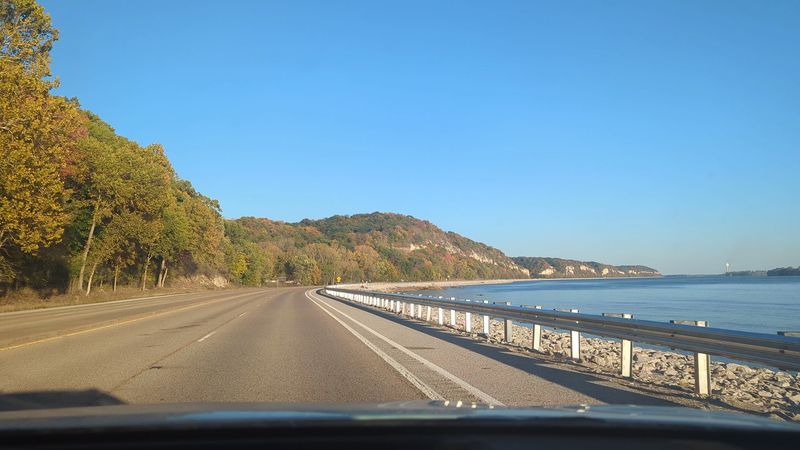
Grafton occupies one of the most striking geographic positions in the Midwest. Positioned at the confluence of the Mississippi and Illinois Rivers, the town grew up around water from the very beginning, and that relationship between commerce and current still defines what visitors find when they arrive.
The city’s own history notes that Grafton had developed two flour and grist mills by 1867, alongside river shipping and manufacturing operations that kept the community economically active well into the industrial era.
The bluffs rising behind downtown add a visual dimension that most small towns simply cannot match. From the right vantage point, you can see the wide Mississippi sweeping past on one side and the narrower Illinois River corridor opening up on the other.
That combination of flat water and vertical limestone creates the backdrop that draws photographers, cyclists, and weekend wanderers who want scenery without a long hike.
Today Grafton promotes river and bluff scenery, recreation, restaurants, bars, and independent shopping as its primary draws. The historic mills are part of the origin story, but they are not the current centerpiece of the visitor experience.
Understanding that distinction helps set realistic expectations: Grafton rewards visitors who come for the atmosphere, the water views, and a loose itinerary rather than those expecting a tightly curated attraction with guaranteed hours and a single anchor destination.
The town’s character is shaped by its position more than by any single building or business. That two-river setting gives Grafton a natural drama that most Illinois day-trip destinations lack, and it is the real reason the community has drawn visitors long after the mills and the river-freight economy faded from daily life.
Cox’s Rivertown Mill supplies the visual hook—but not the restoration story
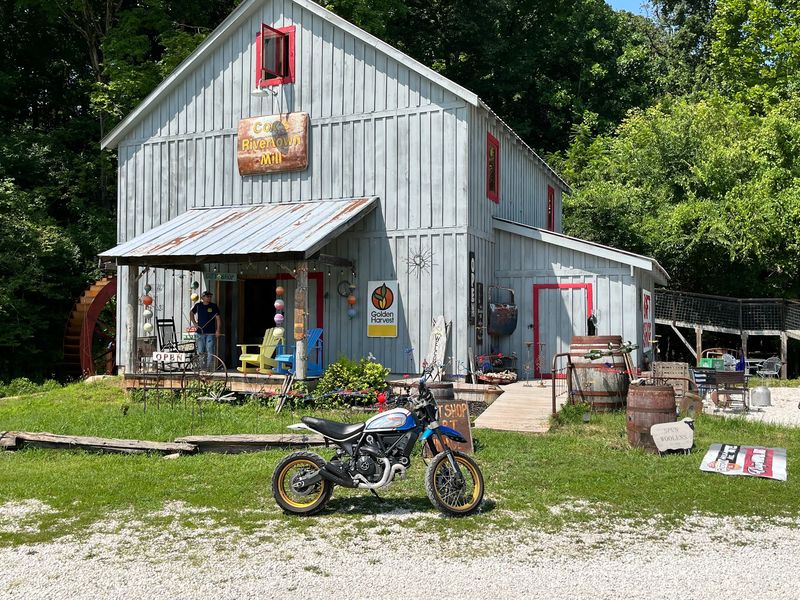
Cox’s Rivertown Mill at 115 Washington Street is the stop that most closely fits the mill-themed premise visitors may have read about. The building features a large metal water wheel that gives it an immediately recognizable mill silhouette, and the interior offers ornamental iron, paintings, pottery, flower arrangements, and vintage pieces alongside an art studio and a guest house.
The important clarification is that Cox’s Mill is not a restored historic grain mill. Reporting from the time of its construction describes it as a newly built old-time mill, a project designed to evoke the character of a working grain mill rather than preserve one.
That distinction matters if you are traveling specifically to see an adaptive-reuse project or a documented piece of industrial heritage. What you find is a thoughtfully designed newer structure that fits the river-town aesthetic without pretending to be something it is not.
As a shopping and sightseeing stop, Cox’s Rivertown Mill still earns its place on a Grafton itinerary. The water wheel alone is photogenic enough to justify a short detour, and the mix of handmade and vintage goods inside gives browsers something genuinely different from a chain retail environment.
The guest house option also makes it relevant for visitors who want to spend the night rather than rush back after dinner.
Before you plan your visit around Cox’s Mill specifically, check the current Grafton shopping listings for updated hours and availability. The tourism site notes that some business information is drawn from public listings rather than directly verified with each venue, so confirming details with the business itself before you drive out is the safest approach.
The shopping day unfolds across Grafton, not inside one mill
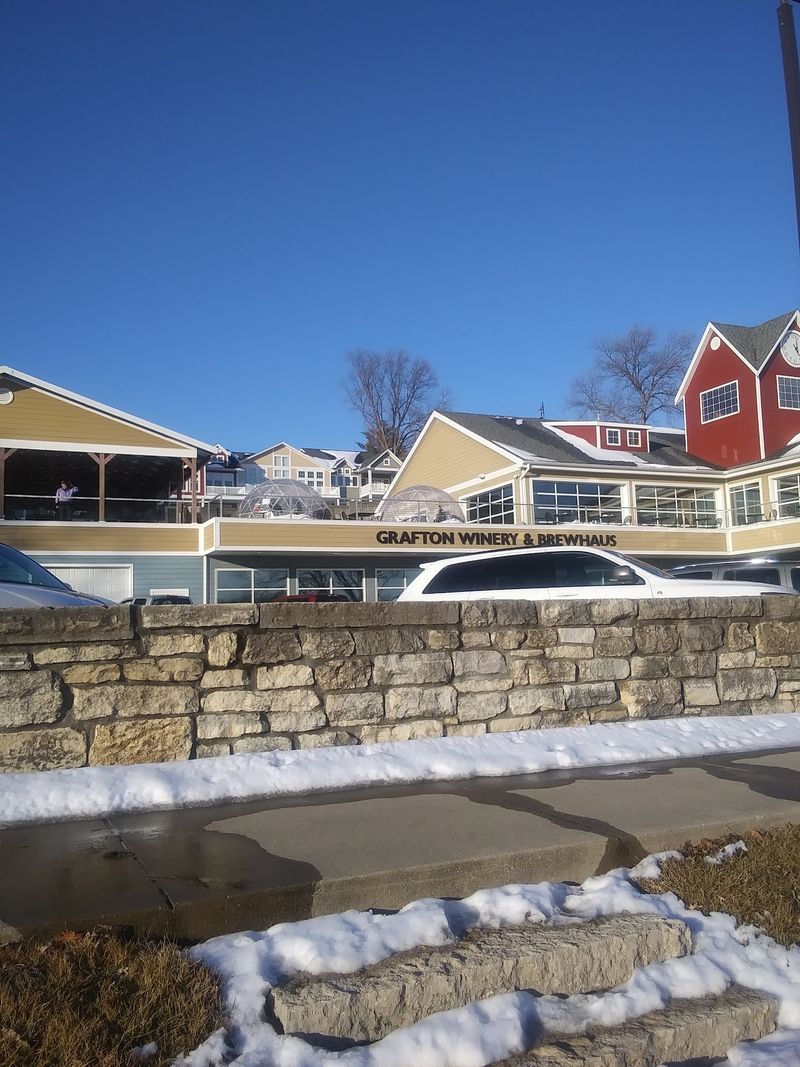
Shopping in Grafton spreads across downtown rather than concentrating inside a single repurposed building. Box Mercantile operates out of the historic Grafton Bank, which gives it an architectural character that makes browsing feel like a small event in itself.
The bank building’s bones are part of the appeal, and the merchandise inside gives visitors something to bring home beyond a photograph.
Cox’s Rivertown Mill adds the mill-themed stop already described, while Grafton Limestone offers a distinctly local product rooted in the geology of the bluff country surrounding the town. The Grafton Harbor Marina Store rounds out the list with a waterfront retail option that fits naturally into a day already shaped by river scenery and boat traffic.
Grafton’s shopping directory lists these as separate destinations rather than connected rooms in one adaptive-reuse complex, so plan your route as a loose town walk rather than a single-building tour.
Unhurried browsing suits Grafton well. None of the documented shopping stops promises a department-store volume of merchandise, and that restraint is part of the charm.
Each location has its own personality, its own hours, and its own reason for existing, which makes moving between them feel like discovering a place rather than working through a checklist.
Keep your expectations flexible on the merchandise side. The tourism listing is clear that business information, schedules, and available inventory are not independently verified for every venue.
Contact individual shops before you go if a specific product or experience is the main reason for the trip, and treat the directory as a starting point rather than a guaranteed inventory.
Let the river and bluffs shape the pace
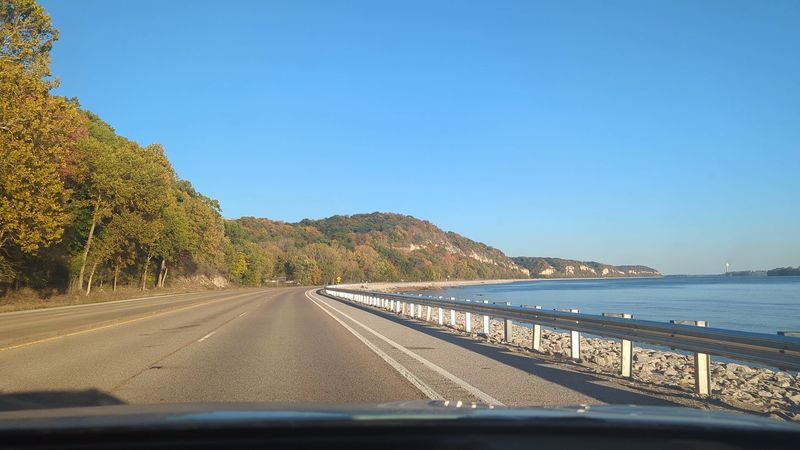
One of the quieter pleasures of a Grafton day trip is letting the landscape interrupt the itinerary. The bluffs above town change color through the seasons, and the river below carries enough boat traffic to make even a short pause at the water interesting.
Neither the bluffs nor the riverfront requires a ticket or a reservation, which gives them an easy, low-commitment role in whatever rhythm you build for the day.
Grafton’s documented draws include river and bluff scenery and outdoor recreation, though the available sources do not map out a measured walking loop, confirm pedestrian connections between every stop, or address accessibility for all visitors. Use “stroll” in the atmospheric sense when you describe a Grafton day to friends: it captures the mood without promising a specific route or a flat, uninterrupted path from one end of town to the other.
The practical approach is to park centrally and move on foot where the terrain and conditions allow, then drive the short distances between stops that are farther apart or after a meal when a longer walk feels less appealing. The shopping directory gives addresses for each business, which makes it straightforward to judge distances on a map before you arrive rather than guessing once you are already there.
Recreation options such as boating, cycling, and wine-trail visits to nearby spots can extend the day for visitors who want more than shops and scenery. Those activities depend heavily on season and conditions, so build them in as possibilities rather than fixed commitments, and check current availability before making them the centerpiece of your plans.
Add a meal or drink to complete the day
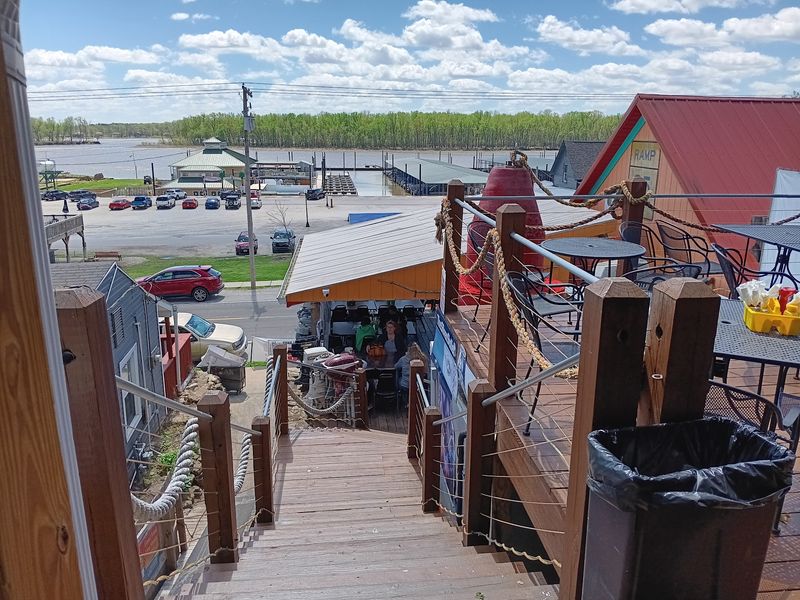
Food and drink are woven into the Grafton visitor experience in a way that shopping alone cannot replicate. The town’s restaurants and bars offer river views and a casual atmosphere that encourage visitors to slow down, order something local, and watch the water for a while.
That kind of unhurried meal is often what people remember most clearly from a day trip, more than any specific purchase or landmark.
Grafton’s city profile confirms that restaurants and bars are among the town’s active commercial draws, and the tourism listings point visitors toward individual businesses for current menus, schedules, and hours. Specific venue recommendations belong in that directory rather than in a general article, because hours change seasonally, ownership shifts, and a restaurant that was thriving when one source was written may look different by the time you arrive.
A flexible rhythm works better than a rigid schedule in Grafton. Browse a couple of shops, find a spot near the water for lunch, then continue through the remaining stops before deciding whether to stay for dinner or head home.
That kind of loose structure lets the day expand or contract naturally depending on what you find appealing once you are actually there.
Time near the water is the ingredient that ties everything together. Whether that means a table on a patio overlooking the river, a cold drink at a bar with a view of the bluffs, or just a few minutes sitting at the edge of the confluence before the drive home, the water is what makes Grafton feel like more than a collection of storefronts on a main street.
Check the river and business listings before setting out
Grafton’s relationship with its rivers is not always scenic. Flooding has shaped the community repeatedly over its history, and the city’s own account names the 1993 flood as a defining event that left a lasting mark on the town.
High water can close roads, limit riverfront access, and temporarily shut businesses without much advance notice, which means a trip planned around water views can look very different if conditions change between your booking and your arrival date.
The practical step is simple: check current road and river conditions before you leave home, particularly after heavy rain or during periods when the Mississippi or Illinois River is running high. The Illinois Department of Transportation and local news sources can give you a current picture of road access into Grafton.
The river stage information available through the National Weather Service tells you whether the waterfront is accessible or whether high water is affecting the area.
Business hours and availability deserve the same verification. Grafton’s tourism shopping directory explicitly notes that some business information is drawn from public listings and has not been independently verified with every venue.
Seasonal closures, changed hours, and new ownership are all common in small river towns where tourism ebbs and flows with the weather. A quick phone call or a check of a business’s own social media page before you drive out saves significant frustration.
None of this is a reason to skip Grafton. The flooding history and the need for pre-trip verification are simply facts about visiting a working river town, and knowing them in advance puts you in a better position to have a genuinely good day rather than an unexpectedly complicated one.
Visit Grafton on its own terms
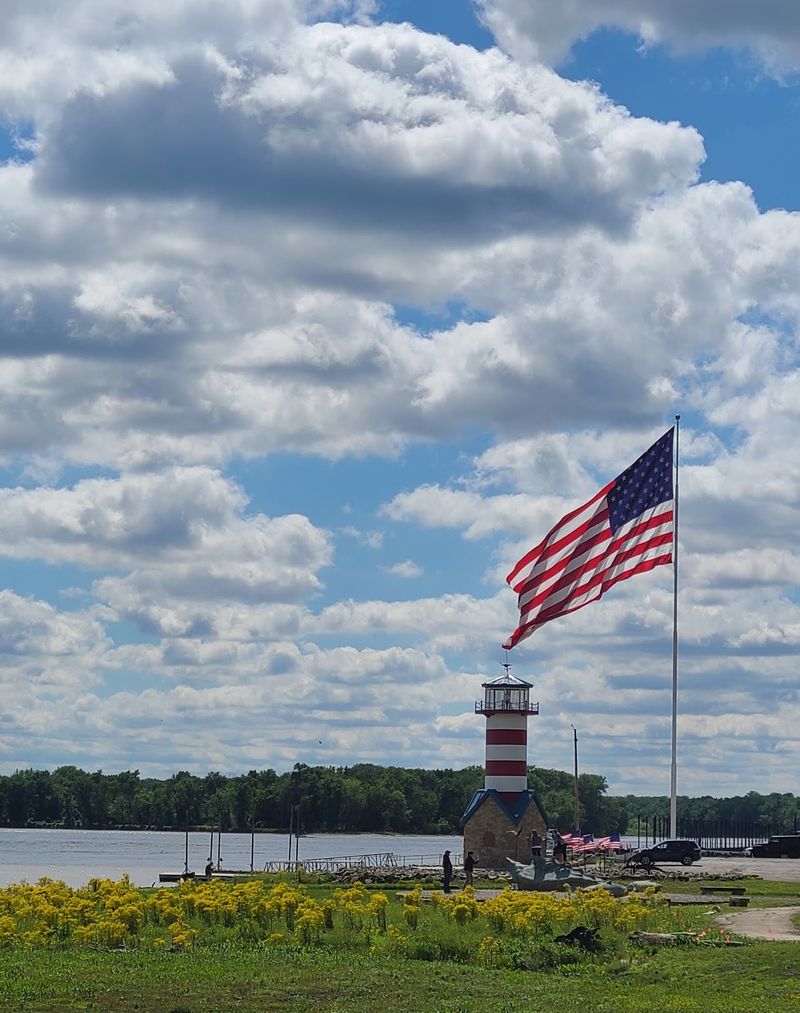
Grafton rewards visitors who arrive with accurate expectations. The town at the Mississippi-Illinois confluence offers shopping spread across several independent businesses, food and drink with genuine river atmosphere, bluff scenery that changes with the season, and Cox’s Rivertown Mill as a mill-inspired visual stop rather than a documented restored grain-mill conversion.
That two-river setting is the real draw, and it holds up whether the mill is open or the itinerary shifts mid-day.
The headline premise of an old grain mill turned into a full day of shops does not match what the available sources actually describe. Cox’s Mill is a newer construction with a mill-style character, and the shopping in Grafton unfolds across town rather than inside one repurposed building.
Adjusting for that distinction does not diminish the visit; it just points you toward what Grafton genuinely offers instead of what a loosely worded headline implied.
Confirm hours, road conditions, and riverfront access before you go. A river town this close to the Mississippi deserves that extra five minutes of planning, and the payoff is a day that feels unhurried, honest, and worth repeating.