
This Louisiana Restaurant Started With $500 And Two People Doing Everything
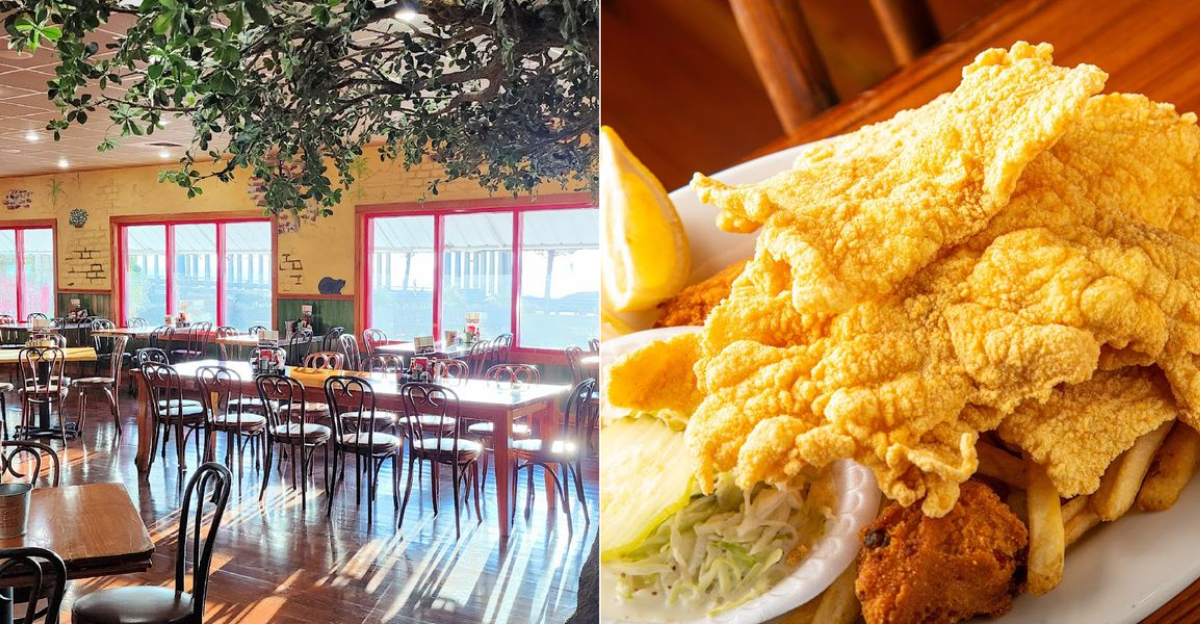
Five hundred dollars, two people, and a whole lot of nerve. That’s what it took to start this Louisiana restaurant in the middle of the Great Depression.
The owners didn’t exactly have the luxury of a big staff, a pile of investors, or a safety net.
They had a tiny café, one’s recipes, other behind the bar, and they did*everything themselves. She cooked. He served drinks and talked to customers.
They even ran the local post office on the side. And somehow, from that scrappy little beginning, they built something that would stick around for generations.
Thin-fried catfish became the signature, but the real recipe for success was love, stubbornness, hard work, and refusing to quit when things got tough.
Ninety years later, that original spirit is still part of the place. Turns out, sometimes $500 can buy the beginning of something much bigger.
Humble Beginnings Built On $500 And Pure Grit
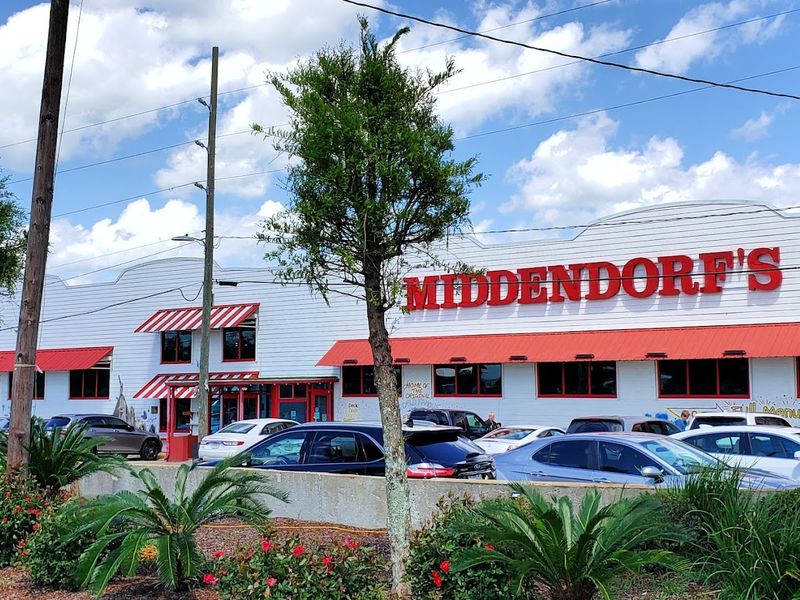
Some of the greatest things in American food history started with almost nothing, and Middendorf’s is proof of that.
Back in 1934, during one of the toughest economic periods the country had ever seen, a couple in Manchac, Louisiana, scraped together a $500 loan and opened a small cafe. That is not a typo.
Five hundred dollars was the entire foundation of what would eventually become a Louisiana culinary institution.
The two of them handled everything themselves. Cooking, greeting guests, cleaning up, and doing it all over again the next day.
There was no division of labor beyond pure necessity. One handled the kitchen, the other managed the front, and together they built something that neither money nor time has managed to tear down.
What makes this story remarkable is not just the small budget but the enormous spirit behind it. Louisiana has always celebrated resilience, and this restaurant embodies that trait completely.
Starting from almost zero and building something that outlasts generations is not luck.
It is a masterclass in passion meeting purpose, and Middendorf’s wrote that lesson long before anyone thought to document it.
The Location That Makes The Whole Experience Feel Magical
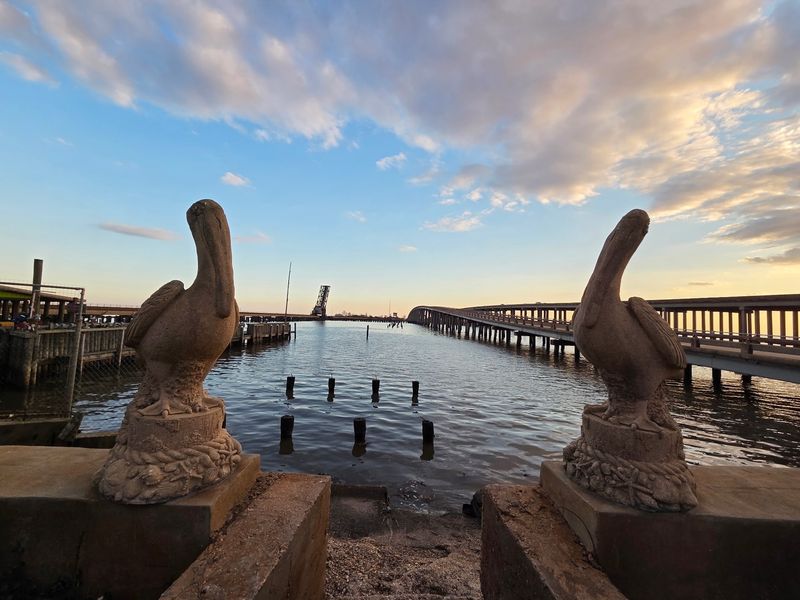
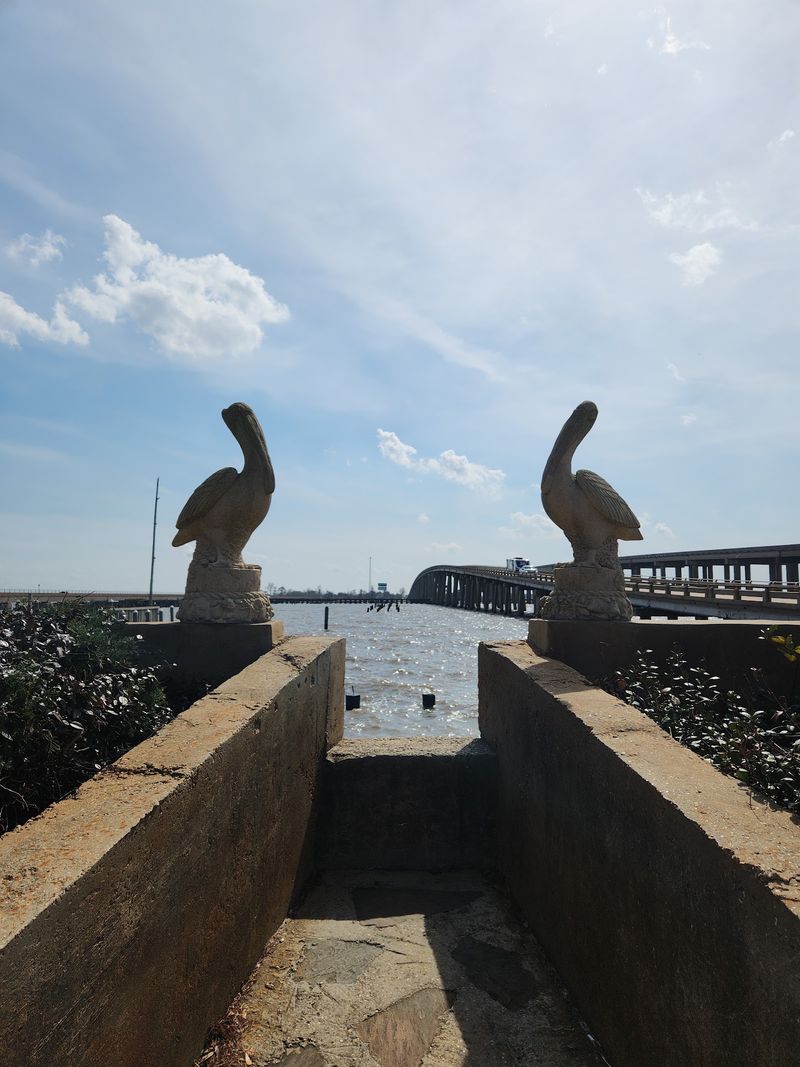
Not every great restaurant gets to sit between two lakes, but Middendorf’s Manchac at 30160 Hwy 51 S, Akers, LA 70421, does exactly that. Positioned between Lake Maurepas and Lake Pontchartrain, the restaurant’s setting is nothing short of cinematic.
The moment you pull into the parking lot, the smell of the water and the sound of the breeze already start doing something wonderful to your mood.
The outdoor deck offers lakeside views that make even a simple plate of fried fish feel like a special occasion. Boats drift by, the cypress trees sway, and the whole scene has this unhurried, timeless quality that is increasingly rare to find anywhere.
It is the kind of backdrop that makes you put your phone down and just breathe.
Manchac itself is a tiny, tucked-away fishing village that most people speed past without a second glance. Stopping here feels like discovering a secret that Louisiana has been keeping all to itself.
The location is not just a backdrop, it is a full character in the Middendorf’s story, adding atmosphere and authenticity that no interior designer could ever replicate.
The Legendary Thin Fried Catfish That Changed Everything
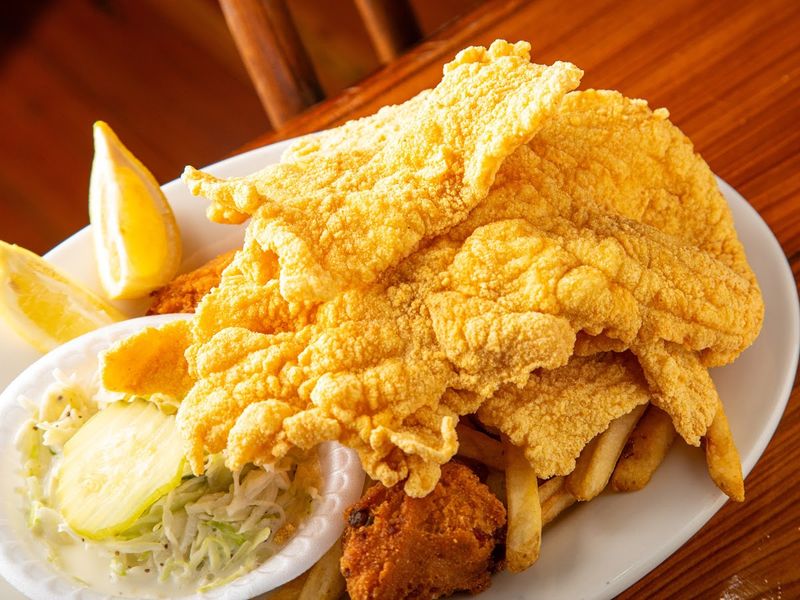
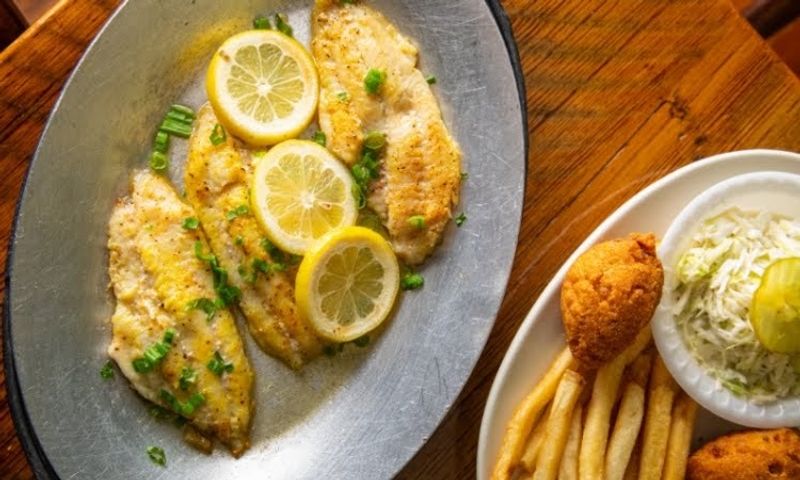
There are dishes that define a restaurant, and then there is the Thin Fried Catfish at Middendorf’s, which defines an entire region.
This is not your average fried fish situation. The catfish is sliced impossibly thin, then dropped into hot oil until it emerges golden, shatteringly crispy, and light enough to make you question everything you thought you knew about fried food.
The recipe has stayed virtually unchanged since 1934. That kind of consistency is almost unheard of in the restaurant world, where menus get reinvented every few years to chase trends.
At Middendorf’s, the original preparation is the trend, and it has been winning for over nine decades.
Each piece has a delicate crunch that gives way to a clean, fresh catfish flavor underneath.
Ordering the thin catfish plate means you also get hush puppies, fries, and coleslaw on the side.
The hush puppies alone are worth a separate conversation, savory and warm with a soft interior that pairs perfectly with the crispy fish.
This dish is the reason people make long drives from neighboring states, and one bite is all it takes to completely understand why they keep coming back.
A Menu That Goes Way Beyond The Famous Fish
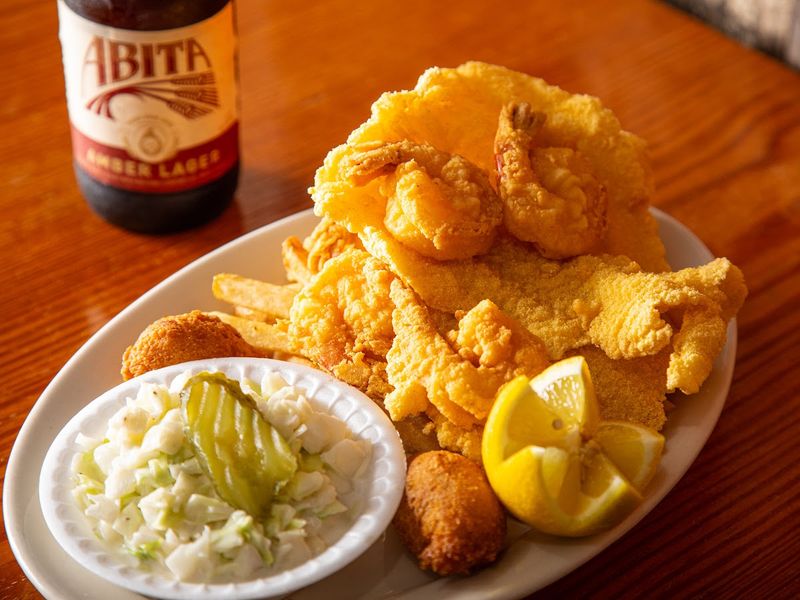
Sure, the Thin Fried Catfish gets all the headlines, but the rest of the menu at Middendorf’s is quietly doing spectacular work.
The shrimp and crab gumbo is rich, dark, and deeply satisfying, the kind of bowl that tastes like it has been simmering since the restaurant first opened its doors. It carries that unmistakable Louisiana depth that is impossible to fake.
Beyond the gumbo, the seafood platter is a crowd favorite that packs serious value. It comes loaded with thin catfish, shrimp, stuffed crab, fried oysters, french fries, and coleslaw, enough food to make sharing feel like a genuinely good idea.
The stuffed crab is particularly noteworthy, generous in size and bold in flavor, easily one of the most talked-about items on the menu.
For the adventurous eater, Manchac alligator bites served with a homemade sauce offer a uniquely Louisiana experience that is hard to find anywhere else. Fried green tomatoes and seared Ahi tuna round out the options for those who want something a little different.
This menu understands that Louisiana food culture is about abundance, variety, and the kind of satisfaction that lingers long after the last bite.
Generations Of Family Kept The Flame Burning
Keeping a restaurant alive for one generation is hard enough. Doing it across multiple generations while preserving the original spirit and recipes is a different level of dedication entirely.
After the founding couple established Middendorf’s, the restaurant stayed within the family, with each new generation stepping in to carry the torch forward with care and commitment.
The kitchen expanded, the dining room grew, and modernizations were made over the years to accommodate more guests.
But through every update, the soul of the place remained intact. Family recipes were protected like treasures, and the reputation built from that original $500 investment was treated as something sacred worth preserving at all costs.
This kind of multigenerational stewardship is what separates a great restaurant from a legendary one. Anyone can open a popular spot, but building something that a family chooses to protect and pass down for decades speaks to a deeper truth about the food and the community it serves.
Middendorf’s became more than a business; it became a family identity, and that identity is woven into every dish that leaves the kitchen today.
Surviving Hurricanes And Coming Back Stronger Every Time
Running a restaurant on the edge of a Louisiana bayou means nature is always part of the equation, and not always in a gentle way.
Middendorf’s has faced serious flooding and storm damage over its decades of operation, most notably when Hurricane Ike swept through in 2008 and left significant destruction in its wake. For most businesses, that kind of hit would mean closing for good.
Middendorf’s rebuilt. The doors reopened, the fryers fired back up, and the catfish kept coming out golden.
That kind of resilience is not just impressive, it is deeply characteristic of Louisiana itself.
The culture here has always found a way to rise after being knocked down, and this restaurant is one of the most vivid expressions of that spirit.
Each time Middendorf’s came back from a natural setback, it returned with the same recipes and the same commitment to its community.
There is something powerfully moving about a place that refuses to disappear, not out of stubbornness, but out of genuine purpose.
When a restaurant matters enough to rebuild, it tells you everything about the loyalty it has earned from the people who love it.
New Ownership That Honored The Old Soul
In 2007, Middendorf’s entered a fresh chapter when a new ownership team took over the restaurant. These were not outsiders looking to flip the concept or modernize it beyond recognition.
They came in with deep respect for what had been built and a genuine desire to honor the original vision while bringing fresh energy to the operation.
The transition from fine city dining to a beloved bayou catfish institution was a bold leap, but it paid off. The new team preserved the recipes that had made Middendorf’s famous and kept the no-reservation, first-come-first-served tradition that gives the place its unpretentious, welcoming character.
They also introduced thoughtful additions to the menu that complemented the existing lineup without overshadowing the classics.
What could have been a jarring ownership change ended up feeling surprisingly seamless to longtime fans. That is a rare outcome, and it speaks to the care taken during the transition.
Good food with a strong identity can survive change when the people behind the change genuinely love what they are preserving. Middendorf’s proved that a new chapter does not have to mean losing the story that made the book worth reading in the first place.
The Atmosphere Is Half The Meal
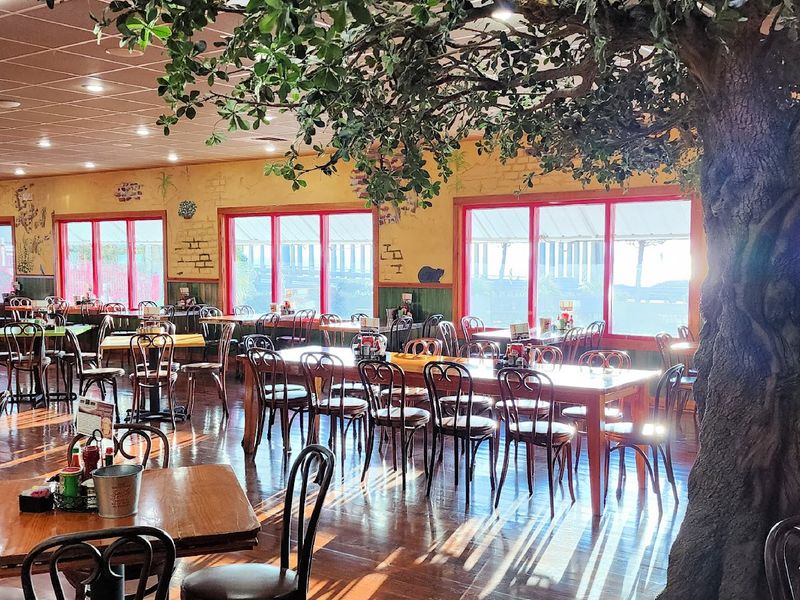
Walking into Middendorf’s is an experience that starts before you even sit down. The waterfront setting, the casual vibe, and the smell of fresh fried seafood drifting through the air all work together to immediately shift your energy into something slower and more enjoyable.
There is no dress code, no pretension, and absolutely no need to be anything other than hungry and ready to relax.
The restaurant operates on a first-come, first-served basis, which gives it an egalitarian charm that fancy reservation-only spots simply cannot replicate.
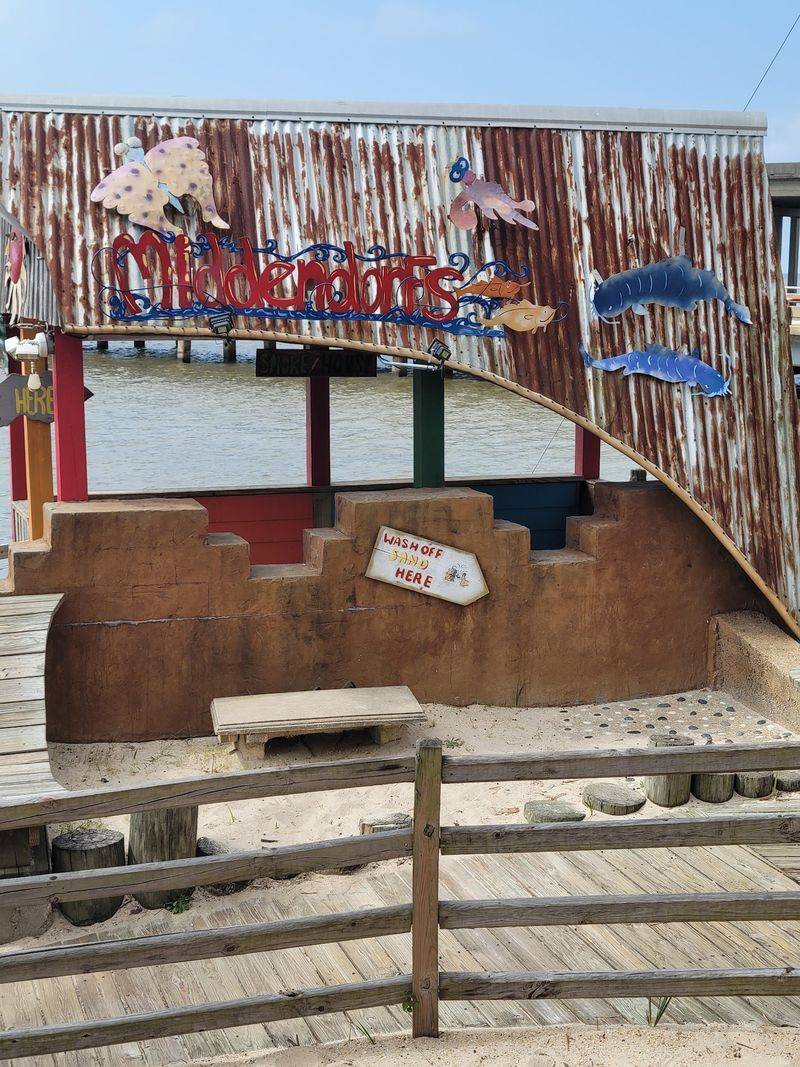
Ample parking accommodates road-trippers and regulars alike, and for those arriving by water, boat slips make access easy and even a little adventurous. A sand play area with fountains and palm trees adds a playful, resort-like touch to the outdoor space.
Sunset views over the lake have a way of turning an already great meal into something genuinely memorable.
The water catches the light in a way that makes everything feel a bit golden, which is honestly the perfect visual companion to a plate of golden fried catfish.
Ninety Years In And Still The One Everyone Talks About
Reaching 90 years in the restaurant business is not an achievement; it is a miracle wrapped in a catfish filet. Middendorf’s recently celebrated this extraordinary milestone, and the fact that people still line up and make long drives to get here says everything about what this place has built over nine decades.
Trends come and go, but institutions like this one simply endure.
The restaurant has become a cultural touchstone for Louisiana food lovers.
It shows up in conversations about the best fried catfish in the South, in travel guides about hidden gems outside New Orleans, and in the memories of families who have been making the trip for three or four generations.
That kind of word-of-mouth legacy cannot be manufactured or marketed into existence.
Middendorf’s represents something that is genuinely rare in today’s food landscape: a place where the original idea was good enough to last almost a century without needing a complete reinvention.
Starting with $500 and two people doing everything, the restaurant grew into a symbol of what Louisiana food culture is truly about.