
10 Forgotten Michigan Towns That Are Making A Remarkable Comeback
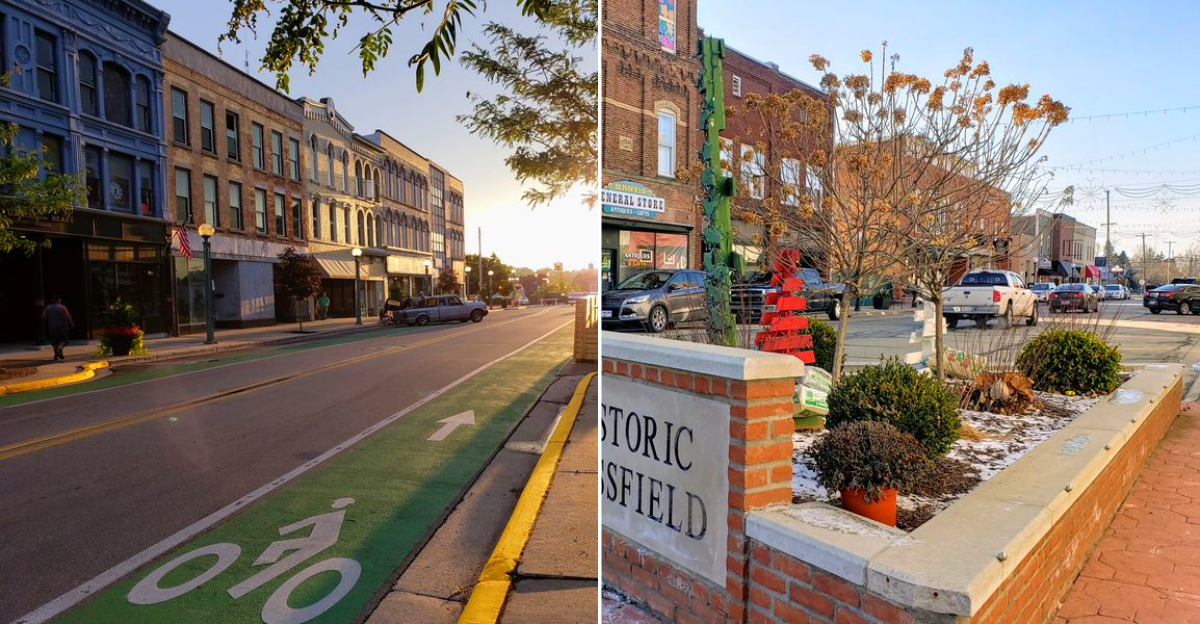
There is a specific kind of town that refuses to die. The kind where the hardware store closed but the coffee shop opened.
Where the population dipped and then slowly climbed back. My drives through Michigan have taken me past plenty of struggling main streets.
But lately, I keep finding ones that are turning the corner. Old factories have become breweries.
Vacant storefronts now house galleries and farm-to-table restaurants. Young families are moving in because the cost of living lets them build something real.
Each of these towns has its own comeback story. Some leaned into their natural surroundings. Others bet on arts and culture.
A few simply refused to let their downtown die. I love visiting them because you can feel the momentum in the air.
If you want to see what resilience looks like in small-town Michigan, these are the places to watch.
10. Adrian
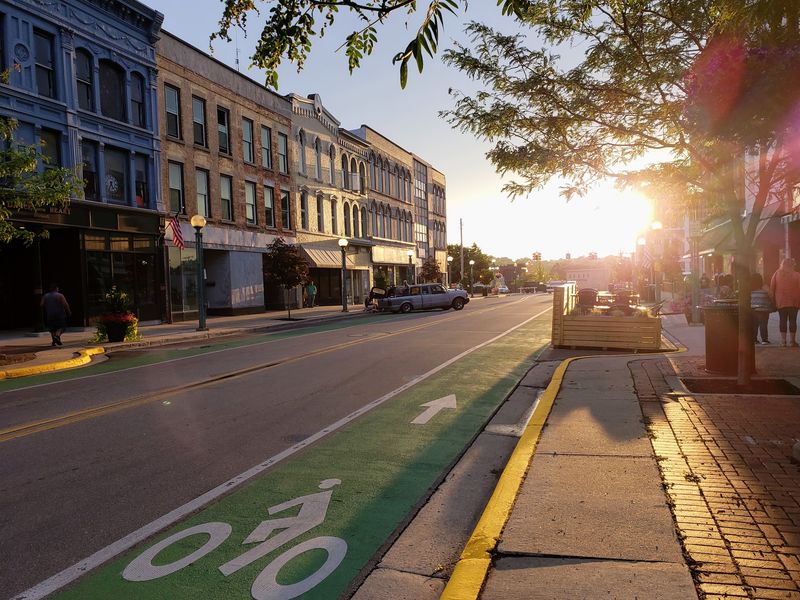
A glowing theater marquee makes a convincing symbol for a downtown that has decided its older buildings still have work to do. Start at the Croswell Opera House at 129 E.
Maumee Street, Adrian, MI 49221, a theater dating to 1866 that remains one of Adrian’s defining cultural landmarks.
The blocks surrounding it are part of a broader downtown revitalization effort rather than an isolated preservation project. Adrian entered the Select Level of Michigan Main Street in 2021, and MEDC reports that the community is advancing to Master Level in 2026.
Recent Main Street results include new downtown residential units alongside continued work on economic vitality, design, promotion, and organization.
That gives a visit more energy than simply admiring nineteenth-century facades. Independent businesses, cultural events, public spaces, and regular downtown programming are being treated as pieces of the same puzzle.
Walk Maumee Street before a Croswell performance rather than arriving five minutes before curtain.
9. Blissfield
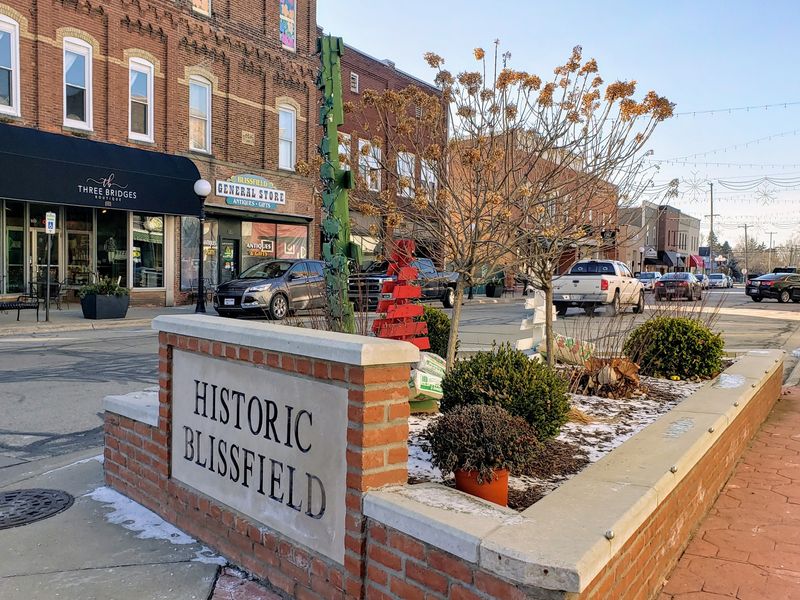
Brick storefronts and the River Raisin give this Lenawee County village a remarkably complete small-town canvas. Rather than trying to reinvent that character, Blissfield’s current approach is largely about making its existing downtown more useful, active, and attractive.
Blissfield maintains an active DDA and Main Street organization focused specifically on downtown revitalization. Its current program includes facade grants, a social district, farmers markets, summer concerts, festivals, shopping, dining, and public spaces along the river.
Earlier state-supported work also helped create a revitalized mini-park intended for food trucks, art events, and outdoor activity.
For a simple arrival point, begin around the historic commercial blocks on Adrian Street rather than treating one attraction as the whole reason to visit. The former Hathaway House property at 424 W.
Adrian Street, Blissfield, MI 49228 is an 1851 Greek Revival landmark, although its long restaurant era has ended following a 2025 sale.
The comeback here feels incremental, which suits Blissfield. Old buildings remain recognizable, antique and specialty shops still fit naturally into the streetscape, and community events give people reasons to use downtown rather than merely preserve it.
8. Lapeer
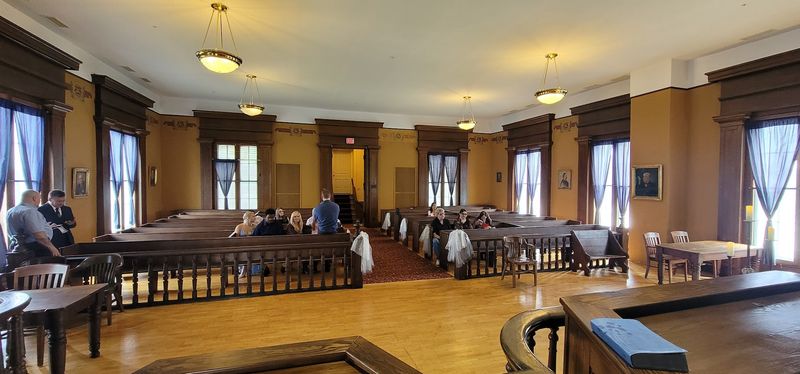
Construction equipment may be as important to Lapeer’s current story as its historic courthouse.
The city entered 2026 with major downtown reconstruction work planned, including infrastructure and streetscape improvements intended to reshape how the center functions rather than simply give it cosmetic polish.
That work builds on a district that already has unusually strong historic anchors. The Lapeer County Courthouse, completed in 1846, still presides over Courthouse Square, while the restored PIX Theatre gives the surrounding blocks an active cultural venue.
The theater reopened for live performances after the DDA acquired and renovated it following its 1996 closure. Use the PIX at 172 W. Nepessing Street, Lapeer, MI 48446 as an easy starting point.
From there, downtown is compact enough for a slow walk past older commercial buildings, the courthouse, shops, galleries, and public art.
Lapeer’s comeback is unusually tangible because visitors can see both preservation and disruption happening at once. The district is not being presented as finished.
Streets are being rebuilt, older venues are being reused, and redevelopment opportunities remain open, including a sizable former school site near the downtown gateway.
7. Rogers City
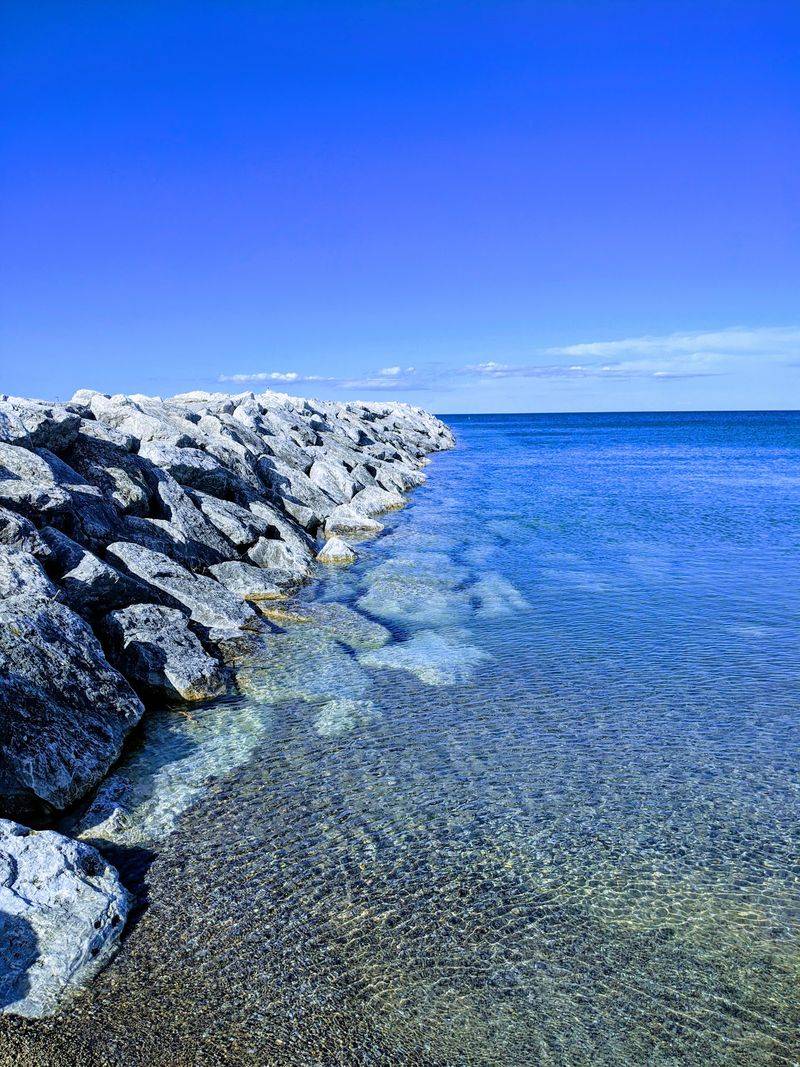
Lake Huron sits close enough to downtown that revitalization here never feels separated from the waterfront. Rogers City has spent recent years using that geography, along with public art and historic buildings, to make a small northern Michigan commercial district feel more intentional.
The city joined Michigan Main Street at the Select Level in 2021 and continues to operate an active Main Street and DDA program. In 2026, that organization opened another facade grant round for downtown commercial and mixed-use properties.
A recent mixed-use redevelopment has also returned an underused downtown building to productive use with commercial space and housing.
Public art has become one of the most visible changes. The Murals on Main initiative turned previously blank walls into large-scale artworks while bringing artists and visitors directly into the business district.
Begin at the Presque Isle County Historical Museum, 176 W. Michigan Avenue, Rogers City, MI 49779, then walk toward Third Street and the waterfront.
6. Eastpointe
Revitalization looks different in an inner-ring Detroit suburb than it does in a postcard-perfect northern town.
Eastpointe does not have one historic Main Street waiting to be rediscovered, so its current work is focused more deliberately on commercial corridors, gathering spaces, streetscape design, and small-business growth.
The city is developing a 2025-2026 Master Plan that specifically addresses economic development, transportation, infrastructure, land use, and key districts.
Current economic-development work also includes the Civic Pointe Community Gathering Space, DDA streetscape improvements, and planning for stronger commercial areas.
Eastpointe received another push in 2026 when it became one of six southeast Michigan communities selected for the Recast Leaders program.
The ten-month initiative focuses on practical downtown and commercial-district revitalization, particularly by supporting small-scale manufacturers and locally rooted businesses.
For a less bureaucratic introduction, stop at Roger’s Bulk Candy & Ice Cream at 15020 E. 9 Mile Road, Eastpointe, MI 48021, a longtime neighborhood business that fits the city’s everyday character better than a formal attraction would.
Eastpointe’s comeback is still a work in progress. That makes it worth watching rather than pretending the transformation has already happened.
5. Gibraltar
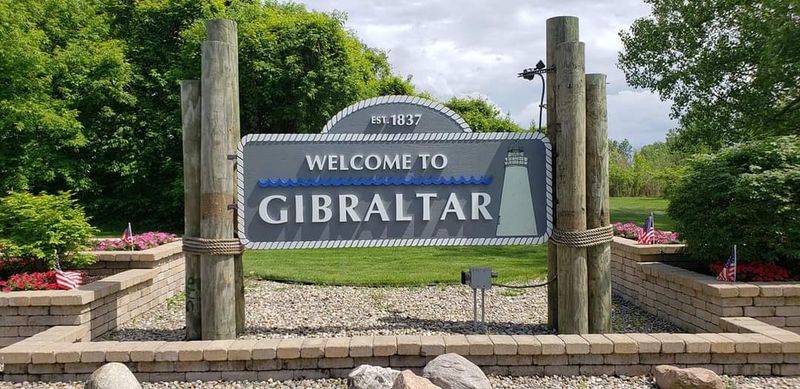
Water makes this Downriver community feel far less suburban than its location suggests. Canals, marshes, marinas, and channels connected to the Detroit River and Lake Erie shape Gibraltar so thoroughly that almost every redevelopment conversation eventually comes back to the waterfront.
The city’s master plan sees the downtown and marina district as an opportunity for specialty retail, restaurants, recreation, and marine-oriented development while preserving the small-scale character residents value.
It also calls for stronger walking and cycling connections and better use of previously developed land.
That vision gained another tool in 2026 when Gibraltar joined Eastpointe, Lathrup Village, Marysville, Pinckney, and Ypsilanti in the Recast Leaders program. The initiative is designed around near-term economic-development projects and stronger support for locally rooted product businesses.
A practical starting point is Gibraltar City Hall at 29450 Munro Avenue, Gibraltar, MI 48173. The Gibraltar Historical Museum occupies the second floor and opens on scheduled dates, adding local context before exploring the waterfront.
The comeback here is more potential than polished finished product, but that distinction matters. Gibraltar already has the water, boating culture, wetlands, and small-town scale.
Current planning is about turning those assets into a stronger center.
4. Lathrup Village
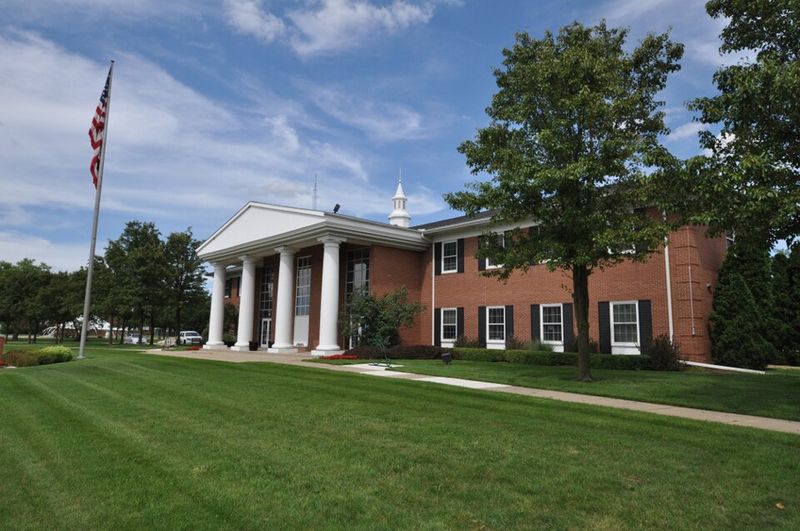
Curving residential streets are not usually where people look for a downtown comeback story. That is precisely what makes Lathrup Village interesting.
The historic suburb is trying to create a stronger commercial and civic center without sacrificing the distinctive neighborhoods that already define it.
The clearest sign of momentum arrived in February 2026, when the Michigan Economic Development Corporation certified Lathrup Village as a Redevelopment Ready Community.
The designation recognizes communities that have improved planning, zoning, development procedures, and readiness for private investment.
At the same time, the city is updating its Comprehensive Plan. Current discussions include the Village Center along Southfield Road, redevelopment opportunities such as the historic Annie Lathrup School property, and ways to strengthen mixed-use development.
Municipal Park is also moving toward a substantial playscape redevelopment backed partly by a state trust-fund grant.
Start around City Hall at 27400 Southfield Road, Lathrup Village, MI 48076, then explore the residential streets rather than expecting a conventional storefront district.
The comeback is really an experiment in creating a center where one never fully developed before. That makes the next few years particularly worth watching.
3. Marysville
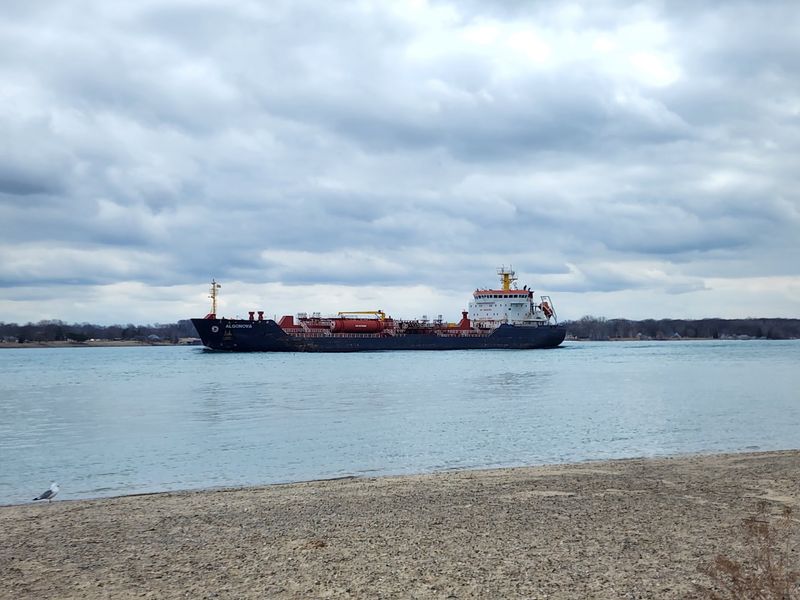
Freighters provide a moving backdrop to almost everything along Marysville’s St. Clair River frontage.
The city has long had the water, parks, industry, and residential neighborhoods, but current economic-development efforts are increasingly asking how those pieces can support a more recognizable community center.
Marysville was selected in 2026 for the same Recast Leaders cohort as five other southeast Michigan communities. The program explicitly targets places dealing with vacancies, changing economic conditions, and the challenge of translating long-range plans into visible projects.
That fits a city where redevelopment discussions have repeatedly focused on former industrial land and opportunities to build more activity around the riverfront.
Rather than promise that every ambitious proposal will materialize, the safer story is that Marysville now has another structured effort aimed at business growth and district revitalization.
For visitors, the Wills Sainte Claire Automobile Museum at 2408 Wills Street, Marysville, MI 48040 provides the best link between past and present. It preserves cars and records from the luxury automobile company founded here by C.
Harold Wills.
Afterward, head toward the river. The boardwalk, passing ships, parks, and former industrial landscape make it easy to understand why Marysville’s next chapter keeps turning toward the water.
2. Pinckney
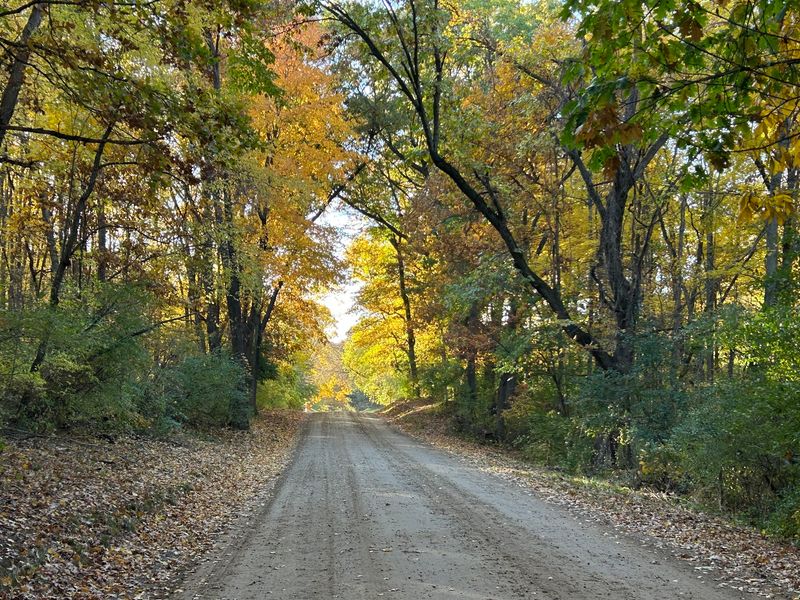
Trail dust and downtown storefronts are unusually compatible in this Livingston County village. Pinckney already benefits from thousands of acres of nearby recreation, but current development efforts are trying to make sure more of that outdoor traffic translates into activity inside the village itself.
The Downtown Development Authority is actively pursuing that goal in 2026. Pinckney has been working on an expansion of its DDA district and development plan, with an emphasis on infrastructure, public amenities, and economic development.
MEDC also identifies downtown redevelopment sites where mixed-use projects could strengthen an already compact restaurant and business district.
Pinckney is also part of the six-community Recast Leaders program running through 2026, adding another strategy for supporting entrepreneurs and filling commercial spaces.
Use Village Hall at 220 S. Howell Street, Pinckney, MI 48169 as a practical downtown anchor, then walk the surrounding blocks before driving out toward Pinckney Recreation Area.
That combination is the opportunity. The woods, lakes, trails, and cyclists are already here.
Pinckney’s comeback depends less on inventing a new attraction than on making downtown feel like the natural second half of an outdoor day.
1. Ypsilanti
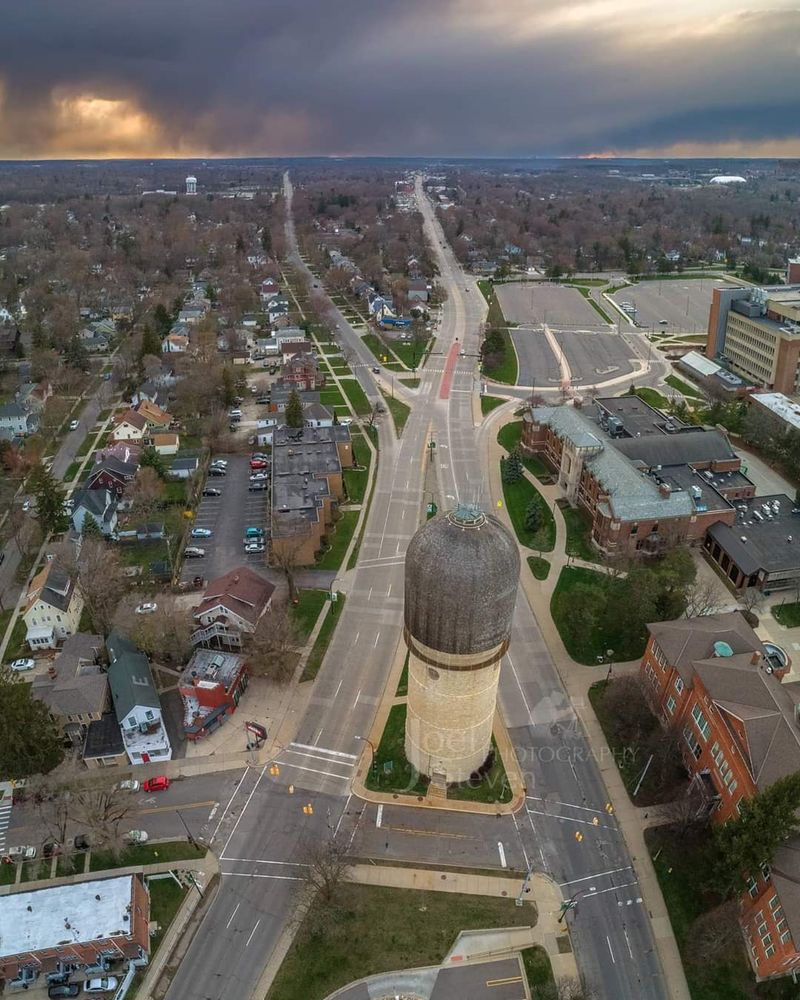
Few places on this list have as much visible personality already in place.
Murals, old factories, historic storefronts, music venues, student life, automotive history, and fiercely independent businesses make Ypsilanti less “forgotten” than overlooked by travelers who automatically continue west toward Ann Arbor. The current revitalization story is still substantial.
Ypsilanti’s Downtown Development Authority supports existing businesses and new ventures across its commercial districts, while the city joined the 2026 Recast Leaders cohort to explore stronger local economies through small-scale manufacturing and product-based businesses.
The program is particularly relevant because Ypsilanti’s challenges are complicated. Downtown, Depot Town, and other commercial areas have existing strengths, while properties such as the long-debated Water Street area show how difficult redevelopment can be.
Start in Depot Town at the Ypsilanti Automotive Heritage Museum, 100 E. Cross Street, Ypsilanti, MI 48198.
The museum occupies a former Hudson dealership and makes a good anchor for exploring Cross Street, Riverside Park, and the surrounding historic district on foot.
Ypsilanti does not need to become polished to succeed.